
In This Article
A car seat cooling cushion is a removable pad or cover that sits on your vehicle seat and cuts heat and sweat buildup, usually by moving air through a mesh layer with small built-in fans, or by using breathable materials alone. It adds ventilation, not refrigeration, and that distinction shapes everything below.
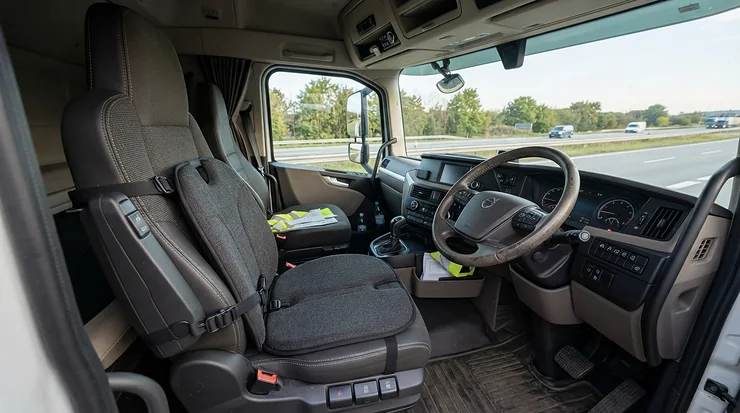
Here’s the problem it solves. A National Weather Service heatstroke-prevention page built on NHTSA research notes that the temperature inside a parked car can run more than 50°F higher than the air outside, and that a dark interior heats up fastest. Cracking a window? Less than a 3°F difference. So by the time you climb in, your seat is basically a griddle with lumbar support. Your AC will eventually fix the air, but it can’t touch the leather or vinyl pressed against your back, and that’s where the sweat lives.
That’s why the car seat cooling cushion has quietly become a summer driving essential for commuters, rideshare drivers, and anyone whose daily route ends in a parking lot with zero shade. This guide ranks seven real options across budget, mid-range, and premium tiers, from simple mesh pads to a ventilated car seat cushion packing eight fans.
One honest note before we dive in: I haven’t sat on any of these, and this article doesn’t pretend otherwise. What you get is a spec-by-spec breakdown, aggregated review sentiment from published roundups and retail listings, and plain-English reasoning about who each pick suits. Where reviews were thin or unverifiable, I say so instead of papering over it.
Car Seat Cooling Cushion Quick Comparison: 7 Picks at a Glance
Short on time? This table puts every car seat cooling cushion in this guide side by side. Prices are ranges gathered at the time of research and will drift, so check current price before buying.
| Product | Cooling Type | Power | Standout Trait | Price Range | Best For |
|---|---|---|---|---|---|
| Zone Tech Cooling Car Seat Cushion | Single fan over mesh | 12V plug | Two-pack option | Roughly $30-$60 | Two-seat households |
| Snailax Cooling Seat Cushion | Fan, 3 speeds | USB (some listings sell a 12V adapter) | Auto shut-off timer | Under $50 | First-time buyers |
| carrotez 3D Air Mesh Cushion | Passive mesh | None | Zero wiring | Typically under $40 | Minimalists, rentals |
| COMFIER Cooling Seat Cushion | Dual fans | Powered (confirm plug type on listing) | 90-minute auto shut-off | Roughly $40-$90 | Daily commuters |
| FLORICH 8-Fan Cooling Seat Cover | 8 fans, blow and suction | 12V-24V | Remembers last speed | Roughly $65-$90 | Long, hot drives |
| Paffenery Cooling Seat Cover | Multi-fan, heat and vibration on some versions | 12V-24V | Year-round versatility | Low-to-mid $100s | All-season drivers |
| TOWTAMER Semiconductor Cooling Cover | Thermoelectric plus liquid (maker’s claim) | Powered | Claims 10-15°F below ambient | Top of category range | Heat-obsessed buyers |
Looking at the comparison above, the FLORICH 8-Fan Cooling Seat Cover offers the most airflow coverage for the money, while the Snailax Cooling Seat Cushion is the lowest-risk way to find out whether fan cooling suits you at all. The carrotez 3D Air Mesh Cushion wins on simplicity but can’t move air on its own. Treat the TOWTAMER Semiconductor Cooling Cover as the “prove it” option: its headline number comes from the manufacturer, and I couldn’t find independent testing to back it.
💬 Just one click — help others make better buying decisions too!😊
Top 7 Car Seat Cooling Cushion Picks: Expert Analysis
The seven picks below run from budget to premium and cover plug-in fans, USB fans, and one fan-free design. Each one gets the same treatment: what the specs mean in practice, who it suits, and what reviewers consistently report.
1. Zone Tech Cooling Car Seat Cushion — cheapest way to outfit two seats
The headline here is flexibility: Zone Tech sells this ventilated car seat cushion as a single unit or a two-pack, which suits couples sharing a commute or anyone juggling two vehicles.
It plugs into a 12V outlet, uses a dial to set fan speed, and layers microfiber over mesh so air can slip through hundreds of tiny gaps between you and the upholstery. In practice, that means one modest fan breaking up the sweaty seal between your back and the seat, not chilling you. One owner discussion noted that most airflow exits through the seat portion, about half as much reaches the lumbar area, and little reaches the upper back.
Based on that airflow pattern, Zone Tech fits thighs-and-lower-back sweaters better than people who run hot between the shoulder blades. If you’re the second type, the multi-fan covers further down will serve you better.
Aggregated sentiment is mixed. A review-analysis preview drawn from a small sample of Amazon feedback labels the cushion “mixed,” citing fit problems on some seats, a fan that dangled behind the legs, and a tip to air it out before first use. Separately, one forum owner described a unit that was still working after five years. I couldn’t verify a large, current review sample, so read that as a snapshot.
Pros:
- ✅ Single or two-pack options
- ✅ Simple dial speed control
- ✅ Microfiber-and-mesh layer breathes well
Cons:
- ❌ Fit complaints on some seat shapes
- ❌ Weak airflow reaching the upper back
Price: roughly $30-$60 depending on pack size and seller. Value verdict: strong if you’ll use both cushions, merely decent if you won’t.
2. Snailax Cooling Seat Cushion — lowest-risk first try
Think of Snailax as the “dip a toe in” option: an entry-level fan cushion with three speeds and an auto shut-off timer, powered by USB.
One roundup describes it as the most basic tier of fan cooling, suited to mild heat or as a trial before spending more. That’s fair. USB-powered units in this category are commonly rated around 5V/2A, so the fan is small and the airflow gentle. The auto shut-off is the quiet hero: it means a forgotten cushion won’t hum away overnight if your outlet stays live. Listings vary, and some sellers offer a separate 12V car adapter, so confirm what ships in the box.
My analytical take: Snailax fits anyone whose goal is “less sticky,” not “actually cold.” It also moves easily from car to office chair, which stretches the value. If your commute runs longer than an hour in 95°F weather, though, expect to want more airflow.
Review evidence was thin. I found roundup commentary praising the price and timer, but no large verified review sample I could responsibly summarize, so I won’t invent one. Check the current star rating and recent reviews on the listing itself.
Pros:
- ✅ Among the most affordable powered options
- ✅ Three adjustable speeds
- ✅ Auto shut-off timer built in
Cons:
- ❌ Single-fan airflow is gentle
- ❌ USB or adapter setup varies by listing
Price: generally under $50, so check current price. Value verdict: excellent low-stakes starter; upgrade later if you crave stronger airflow.
3. carrotez 3D Air Mesh Cushion — best no-power breathable seat surface
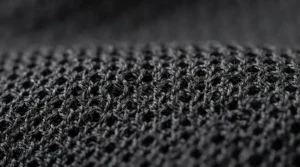
No fan, no cord, no outlet drama. The carrotez 3D Air Mesh Cushion relies on a hexagonal 3D mesh to build a breathable seat surface that keeps your body off the hot upholstery.
A roundup crowned it best passive option, and the logic holds. Mesh creates tiny air channels, so heat and moisture have somewhere to go. What it can’t do is pull air in. One buying guide bluntly warns that “instant permanent cooling” claims are physically impossible without refrigeration, and that applies to every passive pad, including this one. Expect less contact heat and less back-sweat, not a breeze.
Who is it for? Rental-car drivers, people with no working 12V socket, and anyone who hates fan noise. Pair it with your AC and it helps most on the first ten minutes, when the seat surface is the main offender.
Review data was limited. Entry-level mesh pads in this style are described by reviewers as functional and accessible rather than dramatic, which matches the physics. I couldn’t verify a large sample for this specific model, so check recent buyer feedback on fit and slipping.
Pros:
- ✅ Zero power, zero wiring
- ✅ Silent, no moving parts to fail
- ✅ Easy to move between vehicles
Cons:
- ❌ No active airflow at all
- ❌ Minimal help once you’re fully sweating
Price: typically under $40. Value verdict: fair for light heat, but a fan model is the better buy for brutal summers.
4. COMFIER Cooling Seat Cushion — dual fans with a smart shut-off
The big idea with COMFIER is coverage: two fans spread airflow wider than single-fan pads, and a 90-minute auto shut-off protects against forgotten power draw.
A roundup reviewer calls it a middle-ground option, with three speed settings and a non-slip silicone base to keep it from creeping. Why that matters: a cushion that migrates every time you slide in becomes a cushion you stop using. Separately, the brand’s trade-fair catalog lists a heat-and-cool variant rated at 12V/2A (about 24 watts), which tells you these units sit far below a typical socket’s limit.
My read: COMFIER suits daily commuters who want steady, uncomplicated cooling and don’t want to babysit settings. Two fans mean you feel it across more of your back, though not necessarily on your legs.
Reviewer sentiment, as reported in that roundup, is consistent: cooling is good but not intense, and there’s some background fan noise at higher speeds. Nothing exotic, nothing alarming. I couldn’t verify a large review sample for the specific model, and plug type varies between listings, so confirm it before ordering.
Pros:
- ✅ Dual fans widen airflow coverage
- ✅ 90-minute auto shut-off protects battery
- ✅ Non-slip silicone base stays put
Cons:
- ❌ Noticeable fan noise on high
- ❌ Cooling is moderate, not intense
Price: roughly $40-$90 depending on version. Value verdict: the sensible middle path for most drivers.
5. FLORICH 8-Fan Cooling Seat Cover — blow-and-suction airflow for brutal commutes
This is the airflow heavyweight. FLORICH pairs eight turbo fans with a blowing-and-suction design, and its twelve-to-twenty-four-volt range means it also works in trucks.
Why does blow-and-suction matter? Blowing fans push cabin air through the fabric onto you; suction fans pull hot, humid air away from the surface, which feels less drafty. Combining both attacks heat and moisture together. A roundup also highlights a memory function that recalls your last speed between ignition cycles, which sounds tiny until you realize it saves a daily button press. Active covers like this typically add about an inch of seat height, so tall drivers should note it.
Who should buy? Long-commute drivers in genuinely hot climates, where one fan simply loses the fight. The cover form also reaches your upper back, solving the gap that trips up basic pads.
Reviewer commentary I found praises even cooling across back and seat. Retail listings show review counts that vary widely by version, so verify the specific variant’s recent feedback; a smaller two-fan FLORICH version also exists with a two-hour auto-off.
Pros:
- ✅ Eight fans cover back and seat
- ✅ Blowing plus suction removes humid heat
- ✅ Works on 12V and 24V systems
Cons:
- ❌ Adds roughly an inch of seat height
- ❌ Fan noise is more audible at full speed
Price: roughly $65-$90 range per recent price-tracker history, so check current price. Value verdict: the best airflow-per-dollar pick in this guide.
6. Paffenery Cooling Seat Cover — heat, cool, and massage in one
Paffenery is the swiss-army-knife of this lineup: listings describe heating and cooling, up to eight fans on newer versions, and in some editions a vibration function.
The securing system is worth noting. Listings describe a non-slip backing plus top, middle, and bottom fastening points, aimed at stopping the slide-and-bunch problem universal covers are known for. The material pitch (leather outer over breathable mesh) is marketing language, so I’d weigh it modestly until you’ve seen it in person. What’s genuinely practical is the dual-season angle: a unit that cools in July and warms in January spreads its cost over twelve months instead of four.
Best fit? Drivers whose cars lack factory heated or ventilated seats and who want one purchase for the year. If you only care about summer, you’re paying for features you won’t touch.
Review evidence was sparse. The few written retail reviews visible at research time were brief, including one buyer who picked it up for a spouse’s car without heated seats, which speaks to the heating side only. I won’t extrapolate beyond that.
Pros:
- ✅ Heating and cooling in one unit
- ✅ Multi-point securing keeps it in place
- ✅ Works across 12V and 24V vehicles
Cons:
- ❌ Costs noticeably more than fan-only options
- ❌ Limited verified review feedback found
Price: low-to-mid $100s on some versions, so check current price. Value verdict: worthwhile for year-round use, overkill for summer-only buyers.
7. TOWTAMER Semiconductor Cooling Cover — ambitious claims, unproven in the wild
Here’s the swing for the fences. TOWTAMER advertises semiconductor cooling chips plus a liquid system to drop seat temperature 10-15°F below ambient.
Treat that figure like any manufacturer headline: interesting, unverified. Thermoelectric cooling generally has to dump the heat it removes somewhere, and it tends to draw more power than a simple fan, so check the amp rating against your vehicle’s accessory socket limit before plugging in. If the claim holds, it would deliver something fans physically cannot, which is a surface colder than the cabin air. That’s the appeal, and the risk.
Who’s it for? Buyers in extreme heat who’ve already tried fan covers and want more, and who accept paying for an unproven edge.
I could not find independent review data or testing for this model, so there is no aggregated sentiment to report, and I won’t fabricate any. If you consider it, read the newest verified buyer reviews on the listing and confirm the return policy first.
Pros:
- ✅ Aims for cooler-than-ambient surface temps
- ✅ Active system beyond simple fans
- ✅ Targets extreme-heat drivers directly
Cons:
- ❌ Performance claims lack independent verification
- ❌ Likely higher power draw and cost
Price: expect the upper end of the category’s roughly $15-$150 spread. Value verdict: promising but risky; buy only with a solid return window.
✨ Ready to Cool Down Your Commute?
🔍 Take your driving comfort to the next level with the picks above. Click on any highlighted product name to check current pricing and availability. A well-chosen car seat cooling cushion can turn a sticky slog into a genuinely bearable drive!
How to Choose a Car Seat Cooling Cushion
Choosing the right car seat cooling cushion is mostly about matching power, airflow, and fit to your actual seat. Work through these steps in order:
- Confirm your power source. Fan models usually use a 12V accessory socket or USB, so verify you have a working one. Many sockets cap out around 120 watts (10 amps), which fan cushions sit comfortably under.
- Decide active versus passive. Fan units move air and help most in real heat; passive mesh is silent but limited.
- Match fan count to your body. One fan covers the seat area; multi-fan covers reach the back too.
- Check fit and safety clearance. Make sure the pad doesn’t block seat belts or seat-mounted airbags, and that anti-slip backing or straps actually grip.
- Inspect the cover material. A breathable seat surface plus a removable, washable cover keeps odors and grime manageable.
- Look for quality-of-life features. Auto shut-off, speed memory, and a cable long enough to reach your outlet save daily annoyance.
- Set a realistic budget. Category prices span roughly $15-$150, but price alone doesn’t predict quality, so compare specs and recent verified reviews instead.

Ventilated Car Seat Cushion vs Gel Pads and Factory Ventilated Seats
How does a ventilated car seat cushion stack up against its alternatives? Here’s the short version.
| Option | How It Cools | Upside | Downside | Best For |
|---|---|---|---|---|
| Powered ventilated car seat cushion | Fans move air through mesh | Works as long as powered | Needs outlet, adds noise | Daily drivers |
| Passive mesh pad | Air channels under your body | Silent, no power | No active airflow | Light heat |
| Gel pad | Gel absorbs body heat | No wiring | Reported 4-6 hour effective window | Short trips |
| Factory ventilated seats | Built-in fans in the seat | Seamless, integrated | Costs thousands on new cars | New-car buyers |
The takeaway: a powered ventilated car seat cushion delivers factory-style airflow for a tiny fraction of the cost, but only while it’s plugged in. Gel pads feel cold instantly yet fade as they warm to your body temperature, which is why roundups describe a limited cooling window. Passive mesh is the “better than nothing” middle ground.
If your vehicle lacks factory ventilation, aftermarket fans are the most practical upgrade. And if you already have factory ventilated seats, honestly, skip this whole category.
Car Seat with Cooling Fan: What Built In Fan Ventilation Really Does
A car seat with cooling fan doesn’t generate cold; it speeds up the way your body already cools itself. The science is simple. Sweat only cools you when it evaporates, and airflow carries moisture away from the skin so evaporation can keep going. A review of cooling textiles published in the research archive PubMed Central explains that fabric constructions that facilitate sweat evaporation improve cooling efficiency, which is exactly what built in fan ventilation plus mesh is trying to do.
What does that mean for you? In dry heat, a fan cushion can feel remarkable. In sticky, humid weather, air already holds plenty of moisture, so evaporation slows and the effect softens. That’s not a defect; it’s physics.
Fan count and placement matter more than raw speed. A single fan under your thighs won’t help your shoulder blades. Eight fans spread across the back and seat will. Noise also scales with speed, so most people settle on low-to-medium once the seat surface has cooled.
The practical rule: use a car seat with cooling fan alongside your AC, not instead of it. The AC lowers the air temperature; the fan handles the contact zone the AC can’t reach.
Air Conditioned Car Seat Cover vs Car Seat Cooler Cushion
Marketing loves the phrase “air conditioned car seat cover,” but it’s worth decoding. Almost none of these use a compressor or refrigerant. They’re fan-ventilated covers, not tiny air conditioners, with the exception of thermoelectric designs like the TOWTAMER Semiconductor Cooling Cover, whose claims remain unverified.
So what’s the real difference between a cover and a car seat cooler cushion? Coverage and fit. A full cover, such as the FLORICH 8-Fan Cooling Seat Cover, drapes over the back and seat, reaching your upper body and usually adding about an inch of height. A car seat cooler cushion, like the Zone Tech Cooling Car Seat Cushion, tends to be flatter and simpler, sometimes covering only the base and lower back.
Which is better? If you sweat across your whole back, a cover wins. If you mostly deal with thigh and seat heat, a cushion is plenty.
One fit warning applies to both: seats with heavily sculpted side bolsters can make universal pads bunch or slide. Check that nothing blocks seat belts or side airbags, and use the straps. A cooler cushion that shifts is a cooler cushion you’ll stop trusting.
Breathable Seat Surface: Why Materials Matter More Than You’d Think
A breathable seat surface is the unglamorous foundation of every pick in this guide. Even the best fan can’t help if air can’t travel through what’s sitting on top of it.
Three material families dominate. 3D air mesh, like the carrotez 3D Air Mesh Cushion, creates an open spacer layer you sit on. Microfiber-over-mesh builds, like the Zone Tech Cooling Car Seat Cushion, add a softer feel. Leather-look outers over mesh, as marketed on the Paffenery Cooling Seat Cover, trade some breathability for a cleaner look.
Practical wrinkles? Plenty. Buying guides and owner comments flag a chemical smell on first unboxing, so airing the cushion out before installing it is wise. Removable, zip-off covers make washing realistic. And dark fabrics soak up heat, which the NWS information above ties directly to interior temperature, so lighter colors can help the pad itself stay cooler between drives.
The bottom line: judge a breathable seat surface by whether you can feel air through it with your hand. If it feels like a solid mat, your fan is working against it.
Common Mistakes When Buying a Car Seat Cooling Cushion
Most disappointments with a car seat cooling cushion come from a handful of avoidable errors:
- Expecting ice-cold results. Fan models move air; they don’t refrigerate. Calibrate expectations around “dramatically less sweaty,” not “chilled.”
- Ignoring the power plan. A two-pack is useless in a car with one 12V socket unless you add a splitter, so confirm outlet count before ordering.
- Skipping fit research. Chunky bolsters, seat-mounted airbags, and head-restraint shapes all affect whether a universal pad sits flat.
- Buying on fan count alone. Eight weak fans can underperform two strong ones, so look at real reviewer commentary on airflow and noise.
- Forgetting the battery. Leaving a powered cushion plugged into an always-live socket can drain a battery. Prefer models with auto shut-off, like the COMFIER Cooling Seat Cushion, and unplug when parked.
- Trusting hero claims. Numbers like “10-15°F cooler” deserve independent proof before you pay a premium.
Avoid those six, and you’ll sidestep most one-star reviews.

Setup Guide: Your First 30 Days With a Cooling Cushion
Getting a cooling pad running correctly takes about ten minutes, and a little discipline in the first month keeps it working for years. Here’s a practical routine:
- Air it out. Leave the cushion in a ventilated space for a day to dissipate new-product odor before it touches your seat.
- Position before plugging in. Center it on the seat, pull straps snug, and confirm the fan intake isn’t pressed flat against upholstery.
- Route the cable safely. Keep cords clear of pedals, the gear selector, and seat rails.
- Start on low. Run low for a few minutes, then raise speed only if needed. Noise and power draw both climb with speed.
- Pair it with AC. On a scorching day, run the AC on fresh air first and add the cushion on top.
- Unplug when parked. This prevents surprise battery drain on always-live sockets.
- Clean monthly. Vacuum the mesh and wipe or wash the removable cover per the maker’s directions.
Common first-30-day mistakes: blocking the intake with a jacket or bag, letting the cord tug the plug loose, and cranking high speed constantly. Fix those, and most cushions settle into a quiet, reliable summer driving essential.
Real-World Scenarios: Matching a Cushion to Your Driving Life
Specs only mean something when they meet a real routine. Picture these three buyer profiles and the best-fit picks.
Scenario 1: The 8-mile urban commuter. She parks in an uncovered lot, drives 25 minutes each way, and wants relief without drama. Budget: under $50. Frequency: daily. The Snailax Cooling Seat Cushion keeps the cost low, and its auto shut-off protects her battery. If her back still sweats, she steps up to a dual-fan model like the COMFIER Cooling Seat Cushion.
Scenario 2: The rideshare driver. He’s in the car eight to ten hours daily through a Southern summer, so airflow coverage matters more than cost. Budget: $65-$100. The FLORICH 8-Fan Cooling Seat Cover spreads cooling across the back and seat, and its speed memory removes a tiny recurring chore.
Scenario 3: The all-seasons truck driver. His rig runs 24V, and he drives in both July heat and January cold. The Paffenery Cooling Seat Cover handles 12V-24V and offers heating, which spreads its cost over the full year.
Notice the pattern? Heat intensity, drive length, and power type decide the winner, not brand loyalty.
Problem and Solution Guide: Fixing Common Car Seat Cooling Cushion Headaches
Even good cushions throw up annoyances. Here are the usual suspects and the fixes:
Problem: Weak airflow on your upper back.
Solution: Single-fan pads rarely reach that zone. Move to a multi-fan cover such as the FLORICH 8-Fan Cooling Seat Cover, or adjust the cushion’s position so the fan sits mid-back.
Problem: Loud fan noise.
Solution: Drop one speed. Reviewers of dual-fan models report some noise at high settings, and low-to-medium is often enough once the seat surface has cooled.
Problem: The pad slides around.
Solution: Use every strap and hook provided, and look for anti-slip backing like the silicone base on the COMFIER Cooling Seat Cushion.
Problem: It dies or cuts out.
Solution: Check the accessory-socket fuse first. Manufacturer guidance, such as the Mazda CX-5 owner’s manual, caps accessories at 120 watts (10 amps), and a blown fuse is the most common cause of a “dead” socket.
Problem: Weird smell.
Solution: Air it out for a day before use, and wipe or wash the cover.
Long-Term Cost and Maintenance: What You’ll Really Spend
Sticker price tells only part of the story. Total cost of ownership includes lifespan, power, and cleaning effort.
| Tier | Typical Range | Common Trade-Off | Value Verdict | Best For |
|---|---|---|---|---|
| Passive mesh | Under $40 | No airflow | Cheap, limited | Light heat |
| Entry-level fan | Under $50 | Small fan, gentle airflow | Great starter | First-timers |
| Mid-range multi-fan | Roughly $40-$90 | Moderate noise | Best overall value | Commuters |
| Premium heat/cool | $100 and up | Higher cost, features you may skip | Fine if used year-round | All-season drivers |
Cost-per-use is where cushions shine. If you spend $40-$60 and use the cushion on 120 summer drives a year for two years, that’s roughly 17 to 25 cents per drive. Even at the $100-plus tier, spread across four seasons, the math is gentle.
Durability is the wildcard. One buying guide warns that fans in some budget units reportedly fail within three to six months, which is why auto shut-off, washable covers, and a solid return window matter. Maintenance itself is light: unplug when parked, vacuum the mesh, and wash the cover as directed.
Summer Driving Essential: Heat Safety, Power Limits, and Smart Habits
A cushion improves comfort. It does not make a hot car safe, and that distinction matters. Heat risk is serious, especially for kids and older adults. The Virginia DMV, citing NHTSA and NIH guidance, notes that a car can heat to 100°F in about 10 minutes when it’s 80°F outside, and that people’s ability to sweat and regulate temperature declines with age. No seat accessory changes the rule: never leave a child or pet alone in a parked vehicle.
On the practical side, protect your electrical system. Stay under your socket’s rated limit, avoid stacking multiple devices on a splitter, and unplug powered pads when the engine is off. If you’re shopping for an older driver, look for easy controls and auto shut-off so the unit can’t be left running.
Used sensibly, a car seat cooling cushion earns its place as a summer driving essential: it keeps you comfortable, alert, and less distracted by the sticky back-of-the-shirt feeling that makes every red light feel like a sauna.

Frequently Asked Questions
❓ Do I need a 12V socket for a ventilated car seat cushion?
❓ Can a car seat cooler cushion drain my battery?
❓ Are mesh-and-fan pads safe on leather seats?
❓ How much does a car seat with cooling fan cost?
❓ Is an air conditioned car seat cover worth it with factory AC?
Conclusion
If you remember one thing, make it this: a car seat cooling cushion fixes the part of summer driving your AC can’t, the sweaty contact zone between your back and the seat. It won’t make a hot car safe, and it won’t produce ice-cold air, but it can turn a miserable commute into a tolerable one.
Here’s the short decision tree. Want the safest starter? Go with the Snailax Cooling Seat Cushion. Need two seats covered cheaply? The Zone Tech Cooling Car Seat Cushion fits. Allergic to wires? The carrotez 3D Air Mesh Cushion is your pick. Want balanced everyday performance? Choose the COMFIER Cooling Seat Cushion. Battling brutal heat and long drives? The FLORICH 8-Fan Cooling Seat Cover is the strongest airflow value here. Driving year-round? Consider the Paffenery Cooling Seat Cover. And if you’re curious about the bleeding edge, the TOWTAMER Semiconductor Cooling Cover is worth a cautious, return-friendly look.
Whatever you choose, pair it with smart habits: air it out, mind your socket limits, and unplug when parked.
Recommended for You
- Best 12V Car Fan: 7 Ultimate Picks To Beat the Heat In 2026
- Best Car Seat Cooling Pad: 7 Ultimate Picks For 2026
- Construction Site Cooling: 7 Proven Picks To Beat Heat (2026)
Disclaimer: This article contains affiliate links. As an Amazon Associate, I earn from qualifying purchases. If you purchase products through these links, we may earn a small commission at no additional cost to you.
✨ Found this helpful? Share it with your friends! 💬🤗
