
In This Article
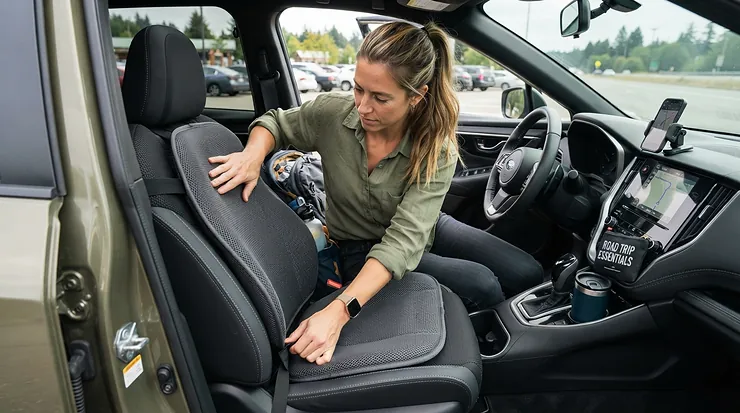
A car seat cooling pad is a removable cushion or seat cover that cuts heat and sweat where your back and thighs meet the upholstery, using a 12V fan, passive 3D mesh, or circulating chilled water. The best car seat cooling pad is the one that matches your climate, seat material, and commute length.
Now, the problem. According to reporting built on NHTSA and Stanford research, a 90-degree day can push a parked car’s interior to roughly 109 degrees in ten minutes and about 124 within thirty. Your seat soaks up that heat and hands it straight back to you. Ouch.
So I pulled real specs, retailer listings, and aggregated buyer feedback on seven products, then sorted them by what the numbers mean for your daily drive. One honest note: nothing here comes from me sitting on these cushions. It’s spec analysis plus the patterns reviewers keep reporting, and I’ll say plainly where the evidence runs thin.
Whether you’re chasing leather seat cooling, 12V powered cooling, or simply better summer driving comfort, the picks below cover budget, mid-range, and premium. Let’s get you off the griddle.
Best Car Seat Cooling Pad Quick Comparison Table (2026)
| Product | Cooling Type | Power | Approx. Price Tier | Best For |
|---|---|---|---|---|
| ZONETECH Cooling Car Seat Cushion 12V | Active fan | 12V socket | Budget-to-mid | Daily commuters |
| COMFIER Cooling Seat Cushion | Dual fan | 12V | Mid-range | Set-and-forget convenience |
| Paffenery Ventilated Seat Cover | 8 fans plus heat | 12V-24V | Premium | Year-round trucks and SUVs |
| Carrotez 3D Air Mesh Cushion | Passive mesh | None | Budget | Silent, short drives |
| Ecto TOPR Cooling Cushion | Ice-water circulation | Battery pack | Premium | Extreme heat, no-AC rides |
Read the table as a ladder of effort. The Carrotez asks nothing of you and gives modest relief, the fan units trade a little noise for stronger airflow, and the Ecto TOPR demands a cooler, ice, and a battery in exchange for the most aggressive chill. If your commute is short and your car has decent AC, start at the bottom rung; if you bake in a driveway for hours, climb higher.
💬 Just one click — help others make better buying decisions too!😊
Top 7 Best Car Seat Cooling Pad Picks: Expert Analysis
Each entry below blends real specs with aggregated review themes. Where I can’t verify something, I’ll flag it rather than dress it up.
1. ZONETECH Cooling Car Seat Cushion 12V — best all-rounder for budget 12V powered cooling
The ZONETECH Cooling Car Seat Cushion 12V takes the top slot because it lands squarely in the sweet spot: genuine fan power without premium pricing.
It plugs into the cigarette-lighter socket, offers high, medium, and low settings, and pairs a microfiber top with mesh panels so air can travel across your back and thighs. Reported dimensions near 17 by 16 inches suit both sedans and full-size trucks. That two-piece layout matters because sweat concentrates at the lower back and seat base, exactly where the airflow is aimed.
Here’s the honest framing: a fan cushion moves cabin air, it doesn’t refrigerate it. So the ZONETECH works best when your AC is already running, and it will disappoint anyone expecting an ice pack in a fan’s costume. Leather or vinyl seats and trips beyond 30 minutes show the clearest payoff.
Reviewer sentiment is consistent: buyers like the cooling for the money, then repeat three gripes. The cushion feels firmer than a bare seat, the attachment hooks are flimsy, and the fan is audible on high. One roundup cites roughly 1,000 ratings averaging about four stars, but treat any secondhand figure as a snapshot.
Pros:
- ✅ Strong airflow for the price tier
- ✅ Universal fit for cars, SUVs, and trucks
- ✅ Simple plug-in 12V operation
Cons:
- ❌ Flimsy hooks may need upgrading
- ❌ Fan noise noticeable on the high setting
Price check: typically budget-to-mid, roughly $30-$70 depending on pack size (prices vary, check current price). A 2-pack version also exists for two-seat households. Verdict: the safest first buy.

2. SriGM Cooling Car Seat Cushion 12V — easiest on-ramp for first-time buyers
The SriGM Cooling Car Seat Cushion 12V is the “let me try this before I commit” option, and its L-shaped design is the reason it works as a starter.
Listings describe a roughly 41 by 18.8 inch layout that covers seat and back in one piece, held by suction cups and hooks, with a polyester fill under a microfiber surface. Translation: you get more coverage than a seat-only pad, which matters if back sweat is your main complaint.
My analytical take: the SriGM fits moderate summers, say 80 to 90 degrees, far better than desert extremes. Reviewers themselves are candid about this. They report that it helps but never feels like air conditioning once temperatures climb past the mid-90s, so expectations decide whether you’ll love it.
Aggregated feedback flags three recurring themes: the fan is louder than expected, airflow concentrates toward the rear rather than the upper back, and some units shift during long-term use. On the plus side, buyers who battle chafing on hot vinyl tend to appreciate the soft surface.
Pros:
- ✅ Full seat-and-back coverage in one piece
- ✅ Easy install with suction cups and hooks
- ✅ Adjustable cooling control
Cons:
- ❌ Weak airflow reported on the upper back
- ❌ May creep out of position over time
Price check: budget tier, roughly $25-$50 at the time of research (check current price). Verdict: a low-risk starter, but step up if your summers regularly pass 95 degrees.
3. COMFIER Cooling Seat Cushion — twin fans with a 90-minute safety shut-off
The COMFIER Cooling Seat Cushion is the middle-ground pick for people who want features without a luxury invoice.
Its spec sheet reads dual fans, three speed settings, a breathable mesh top, a non-slip silicone base, and a 90-minute auto shut-off. Two fans cover a wider footprint than single-fan rivals, while the shut-off timer quietly solves a real problem: forgetting the pad running on a socket that stays live with the engine off. That’s the difference between a convenience and a dead battery.
Who should care? Drivers who also sit at a desk. The COMFIER design suits office chairs as well as cars, so one purchase can cover both. Smooth leather benefits from the silicone base, which resists the slow slide that plagues lesser pads.
Reviewer themes: cooling is good but not intense, and the fans produce some background noise. That’s an honest trade, and it explains the price positioning.
Pros:
- ✅ Dual fans cover more surface area
- ✅ 90-minute auto shut-off protects the battery
- ✅ Silicone base grips leather seats
Cons:
- ❌ Cooling is solid, not dramatic
- ❌ Audible fan hum at higher speeds
Price check: mid-range, roughly $40-$80 (approximate; prices may vary). Verdict: excellent for people who value set-it-and-forget-it more than maximum airflow.
4. Paffenery Ventilated Seat Cover — eight fans plus heat and massage for year-round use
The Paffenery Ventilated Seat Cover is the gadget-lover’s pick, and it’s the only one here that works in January as well as July.
Listings describe eight turbo fans, 12V-24V compatibility, three adjustable temperature levels, a five-mode vibration function, and a leather-and-mesh build. The 12V-24V range is the quiet headline: it means the same cover can serve a pickup, an RV, or a semi cab. The heating function turns a summer purchase into a year-round one, which improves the long-term value math.
My caution is about marketing language. Listings promise cooling in under five seconds, and physics says a fan can’t chill a seat that fast. What you can reasonably expect is quick airflow, not instant cold. Eight fans also means more noise than the single-fan crowd.
Aggregated feedback: a roundup notes fast, noticeable cooling when the unit works well, while also reporting louder operation and uneven airflow in spots. A retailer listing shows a 4.7-star average across a small seller-review sample, so I’d weigh it lightly.
Pros:
- ✅ Eight fans for strong airflow
- ✅ Heating and cooling in one cover
- ✅ 12V-24V compatibility for trucks and RVs
Cons:
- ❌ Loudest option in this group
- ❌ Airflow consistency complaints reported
Price check: premium, in the low-$100s at the time of research (check current price). Verdict: worth it only if you’ll truly use the heating and massage extras.
5. Carrotez 3D Air Mesh Cushion — silent, plug-free relief
The Carrotez 3D Air Mesh Cushion wins the “simplest possible solution” category, and honestly there’s elegance in that.
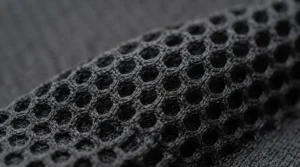
The double-layered hexagonal 3D mesh creates a thin air gap between you and the seat, so heat and moisture escape instead of pooling. It weighs roughly 12 ounces, needs no power, and one roundup lists hand-washing as the care method. No socket, no fuse, no wires snaking toward your pedals.
Here’s what the spec sheet won’t tell you: passive mesh doesn’t make you feel cold, it stops you feeling swampy. That’s a smaller win than a fan, but a surprisingly meaningful one on short trips. It’s also a neat second cushion for office chairs or wheelchairs, which stretches the value.
Reviewers consistently praise the sweat-prevention effect on leather and vinyl. Their complaints: the fit can run narrow, plastic strands may poke some sitters, and the anchoring straps are fiddly.
Pros:
- ✅ Zero power, zero noise
- ✅ Lightweight and portable between vehicles
- ✅ Reduces sweat on leather and vinyl
Cons:
- ❌ Won’t deliver real chill in extreme heat
- ❌ Straps can be tricky to anchor
Price check: budget, generally under $40 (approximate; check current price). Verdict: superb value for mild-to-moderate heat and short drives.

6. Suninbox Linen Seat Cover — cheapest washable bottom cover
The Suninbox Linen Seat Cover is the bargain-bin champion that refuses to act like one.
Linen breathes in a way foam and polyester can’t, so this bottom-only cover lets moisture escape without electronics. Listings highlight a non-slip silicone backing, machine-washable and dryer-safe fabric, universal fit for most sedans and SUVs, and a small phone pocket. One roundup also says it won’t interfere with seat heaters, though I’d confirm that against your own manual before trusting it near airbags or heating elements.
The honest trade-off is coverage. Because it only covers the seat base, your back meets the factory upholstery. If back sweat is your enemy, look at a full-coverage option; if thigh and seat sweat is the problem, this does the job at a fraction of the cost. It also suits rideshare drivers who can’t or won’t run extra cords.
Reviewer sentiment is favorable: one roundup reports a roughly 4.7-star average, the highest in its lineup, with praise for staying put. Complaints center on partial coverage and basic protection.
Pros:
- ✅ Machine washable and dryer safe
- ✅ Strong non-slip silicone backing
- ✅ Very low price with no wiring
Cons:
- ❌ Covers the seat bottom only
- ❌ Basic protection level
Price check: budget, generally under $25 (approximate; prices vary). Verdict: the smartest first purchase for tight budgets.
7. Ecto TOPR Cooling Cushion — ice-water chill for extreme heat
The Ecto TOPR Cooling Cushion is the overachiever, and it plays by different rules than every fan on this list.
Rather than blowing air, it reportedly circulates ice water from a separate cooler through tubes in the cushion, with a quiet pump and a battery pack. Claims include roughly 45-degree cooling for up to 10 hours and a 400-pound weight capacity. Those are reviewer and listing figures I can’t independently verify, so read them as ballpark.
Why does it matter? Water carries heat away far more effectively than moving air, which makes this the logical choice for no-AC vehicles, camping, stadium bleachers, or desert driving. The catch is logistics: you need a cooler, ice, and a charged battery. That’s a ritual, not a grab-and-go accessory.
Aggregated feedback is limited, so I won’t pretend to summarize it deeply. What’s clear is that it’s praised for powerful cooling and versatility off-road, and criticized only for cost and setup burden.
Pros:
- ✅ Strongest cooling of any option here
- ✅ Quiet pump instead of fan noise
- ✅ Works in cars, camp chairs, and stands
Cons:
- ❌ Premium price and extra gear required
- ❌ Setup is not grab-and-go
Price check: premium, generally above $150 (check current price). Verdict: overkill for commuters, perfect for extreme-heat lifestyles.
Top 7 at a Glance
| Product | Type | Power | Key Spec | Approx. Price Range | Review Snapshot | Best For |
|---|---|---|---|---|---|---|
| ZONETECH Cooling Car Seat Cushion 12V | Fan | 12V | 3 settings, ~17×16 in | $30-$70 | ~4 stars, ~1,000 ratings (secondary roundup) | Daily commuters |
| SriGM Cooling Car Seat Cushion 12V | Fan | 12V | L-shape ~41×18.8 in | $25-$50 | Mixed; limits flagged | First-time buyers |
| COMFIER Cooling Seat Cushion | Dual fan | 12V | 90-min shut-off | $40-$80 | Good, not intense | Convenience seekers |
| Paffenery Ventilated Seat Cover | 8 fans plus heat | 12V-24V | Vibration, 3 levels | Low-$100s | Small-sample 4.7 stars | Trucks, RVs, year-round |
| Carrotez 3D Air Mesh Cushion | Passive | None | ~12 oz hex mesh | Under $40 | Praised for sweat control | Short, quiet drives |
| Suninbox Linen Seat Cover | Passive | None | Washable linen | Under $25 | ~4.7 stars (one roundup) | Budget, rideshare |
| Ecto TOPR Cooling Cushion | Water | Battery | ~10-hr claim | Over $150 | Limited data | Extreme heat |
Looking at the numbers, the Suninbox and Carrotez deliver the best cost-per-use, while the Ecto TOPR only justifies itself in genuinely brutal conditions. The Paffenery sits in an awkward middle: you pay for extras, so only buy it if heating and massage will actually earn their keep. For everyone else, the ZONETECH and COMFIER pair offers the best balance of power and price.
How to Set Up and Maintain Your Car Seat Cooling Pad: The First 30 Days
Buying is half the battle. Setup decides whether your pad becomes a daily habit or a trunk-floor souvenir.
- Test-fit before you commit. Place it, adjust the seat, and check headroom. Thicker pads add height, and a taller driver may notice it.
- Route the cord deliberately. Keep it clear of pedals, the shifter, and the seat rails. A snagged cord is an annoyance at best and a hazard at worst.
- Anchor it twice. Use the headrest strap and the seat-base hooks. If the stock hooks are flimsy, as some ZONETECH reviewers report, a sturdier elastic cord is a cheap fix.
- Run it before you roll. Switch it on while the AC cools the cabin; fan pads work best alongside it.
- Respect the airbag zone. Check your owner’s manual before covering side-impact airbag seams.
For maintenance, wipe fan models with a damp cloth while unplugged and never submerge electronics. Passive mesh and linen covers, like the Carrotez or Suninbox, follow their care labels. In the first month, watch for three failures: sliding, odd rattles from a loose fan, and a hot plug. Any of them means stop and re-seat the connection.
Real-World Scenarios: Matching a Cooling Pad to Your Drive
Specs mean little until they meet your commute. Here are three profiles.
The rideshare driver. Eight-hour shifts, a hot-climate city, daily use, a working 12V socket. A mid-priced fan cushion like the ZONETECH makes sense because durability and airflow both matter over hundreds of hours. Noise matters too, so run it on medium and save high for sun-baked pickups.
The college student with an 8-mile commute. An older car, a tight budget, one clunky socket. Eight miles is roughly 15 to 20 minutes, which is barely enough for a fan to matter. A Carrotez or Suninbox handles the sweat problem for a fraction of the cost, no cord required.
The family on a six-hour road trip. Leather seats, two hot front sitters, July heat. Here, a ZONETECH 2-pack keeps both seats cooled affordably, while the Coverado Upgraded is an alternative with a dual-head adapter, though some buyers report quality-control inconsistency, so buy from a seller with an easy return policy.
Notice the pattern: the right pick follows trip length, heat level, and cord tolerance, not brand hype.
✨ Don’t Miss These Top Picks!
🔍 Take your summer driving comfort to the next level with these carefully selected products. Click on any highlighted item to check current pricing and availability. These picks will help you stay cool, dry, and comfortable all season long!
Summer Driving Comfort: A Problem-to-Solution Guide
A pad is one tool, not the whole toolbox. Pair it with these fixes.
Problem: scorching seat at entry. A pad can’t un-bake a parked car. Use a windshield sunshade and crack the windows slightly while parked, then start the AC before you sit. Passive mesh helps with contact heat, but nothing beats limiting the heat in the first place.
Problem: sweaty back on long drives. Choose a fan model with back coverage, such as the SriGM L-shape or the Paffenery, and run it on medium.
Problem: noise. Eight-fan units like the Paffenery hum louder than the COMFIER. If you take phone calls or ride with sleepers, favor fewer fans or passive designs.
Problem: battery worry. Pick a unit with auto shut-off, such as the COMFIER, and unplug when the engine is off.
Problem: heat risk. Comfort is not medical cooling. CDC heat guidance identifies infants, older adults, and people with chronic conditions as higher-risk groups, and CDC messaging has long warned against relying on fans as a main cooling device in extreme heat. If you feel dizzy or nauseated, pull over and cool down properly.
How to Choose the Best Car Seat Cooling Pad
Follow these six steps and you’ll narrow the field fast.
- Decide active or passive. Fans move air for stronger relief; passive mesh is silent and powerless but milder.
- Match your climate. Moderate summers suit mesh; sustained 95-degree heat points toward fans or water cooling.
- Check your seat material. Leather and vinyl trap the most heat; prioritize a non-slip base.
- Confirm power. Verify your 12V socket works and check whether you need 12V-24V compatibility.
- Measure and test fit. Check dimensions, headroom, and airbag clearance.
- Weigh noise and extras. Auto shut-off is useful; massage is optional.
Why does air movement matter so much? Wikipedia’s thermal comfort overview explains that comfort depends on air temperature, air speed, and humidity, and that high humidity reduces evaporative cooling. Practically, that means humid climates weaken every fan-based pad, so passive mesh plus AC may beat a fan alone in muggy regions.
Car Seat Cooling Cushion Reviews: What Buyers Actually Report
Reading car seat cooling cushion reviews is useful only if you filter for patterns. Across roundups and retailer listings, the same themes repeat.
- Firmness: Fan cushions often feel harder than bare seats.
- Noise: It rises with fan count and speed.
- Hooks and sliding: Attachment hardware is a frequent weak point.
- Uneven airflow: Some units cool the seat base better than the back.
- Quality control: Premium multi-fan covers draw more “one was dead on arrival” reports.
Car seat cooler reviews also carry traps. Star ratings from small samples can mislead, and some affiliate roundups claim weeks of testing that readers can’t verify. Weigh claims accordingly, favor recurring complaints over single raves, and remember that review pools shift over time. Where I couldn’t verify review volume, as with the Ecto TOPR, I said so rather than guess.
The takeaway: reviewers broadly agree that fan pads reduce sweat and improve comfort, and just as broadly agree they aren’t air conditioning.
Ventilated Car Seat Cover Best Picks: Pad or Full Cover?
If your shortlist reads like a ventilated car seat cover best list, you’re probably choosing between a seat pad and a full back-and-bottom cover. The difference is coverage and cost.
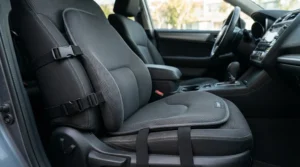
Full covers like the Paffenery and COMFIER wrap more of your body in airflow and look more integrated, but they cost more and can feel thicker. Simple pads like the ZONETECH deliver most of the benefit at a lower price. In other words, a cooling car seat pad best suited to you depends on where you sweat. Lower-back sweaters benefit from full coverage; seat-base sweaters can save money with a pad.
One more consideration: install complexity. Full covers use more straps, which means more fiddling and, occasionally, more slipping. If you swap vehicles often, a lighter pad like the Carrotez moves between cars in seconds.

12V Powered Cooling: Power, Noise, and Battery Basics
12V powered cooling is simple in concept: your car’s accessory socket feeds a small fan. In practice, a few details decide whether it’s pleasant or irritating.
Power draw is modest. One roundup puts typical cushions at roughly one to three amps, with dual-seat adapters closer to five, so confirm your socket’s fuse rating before running two pads. USB models draw less but usually move less air. Trucks and RVs may need 12V-24V compatibility, which is why the Paffenery is handy there.
Battery risk appears when your socket stays live with the engine off. That’s where the COMFIER auto shut-off earns its keep. For everyone else, the safe habit is simple: unplug when you park.
Noise scales with fan count. Single-fan units like the SriGM hum; eight-fan designs whoosh. Plan for medium settings most of the time, and treat high as a sprint, not a marathon.
Leather Seat Cooling: Why Leather Is the Hardest Case
Leather seat cooling is tricky because leather absorbs solar heat quickly and releases it slowly, so dark upholstery in direct sun can run far hotter than the air around it. It also feels slick, which sabotages cheap pads.
Fixes: choose a non-slip silicone base (the COMFIER and Suninbox both emphasize one), avoid sharp hooks that could scratch, and favor breathable surfaces. Passive mesh like the Carrotez keeps skin off hot leather, while fan units add moving air on top.
One practical wrinkle: thick pads may block factory seat heaters in winter, according to one roundup. The Suninbox listing says it doesn’t interfere with seat heating, but verify that for your model. And if you want something extreme for scorching leather, the Ecto TOPR‘s water circulation tackles contact heat more directly than any fan.
Cooling Pads vs Alternatives: Where Each Option Wins
| Option | How It Cools | Cost Level | Main Drawback | Best For |
|---|---|---|---|---|
| Fan cooling pad (ZONETECH, COMFIER) | Moves air through mesh | Low to mid | Noise, power cord | Commuters with 12V sockets |
| Passive mesh (Carrotez, Suninbox) | Air gap, breathable fabric | Very low | Milder effect | Short drives, quiet cabins |
| Water cooling (Ecto TOPR) | Chilled water circulation | High | Extra gear needed | Extreme heat, no-AC |
| Factory ventilated seats | Built-in blowers | Built into car price | Can’t retrofit | New-car buyers |
| Sunshade | Blocks sun while parked | Very low | Only helps when parked | Everyone |
Reading across the rows, no single option wins everything. A sunshade prevents the problem, a pad manages the symptom, and factory ventilation is simply a luxury you can’t add later. For most drivers, the combo of a sunshade plus a mid-priced pad is the best return on a modest budget.
Long-Term Cost & Maintenance
Cost per season matters more than sticker price. A budget pad like the Suninbox or Carrotez costs little and can last multiple summers if washed properly. A fan unit adds moving parts, which means a plausible failure point, so factor in return policies and warranty terms.
Think in cost-per-use. A pad costing around $50 and used across 150 commutes works out to pennies per ride, which beats the price of a replaced shirt or a sweaty afternoon. Premium picks like the Paffenery and Ecto TOPR only pencil out if you use the extras often.
Maintenance is light: wipe fan units unplugged, wash passive covers per the label, store them out of direct sun, and inspect cords for wear every few weeks. Replace flimsy hooks early, because a sliding pad quickly becomes a pad you stop using.
Safety Guide: Airbags, Child Seats, and Heat Awareness
Three rules keep cooling pads safe.
Airbags. Don’t let straps or bulky padding cover side-impact airbag seams. Check your owner’s manual, and prefer products that explicitly state airbag compatibility.
Cords. Route them away from pedals, shifters, and seat rails.
Child seats. Don’t place a cooling pad under or inside a child restraint unless the car seat manufacturer allows it. Read the manual first.
Finally, perspective. A pad improves comfort, but it does not make a hot car safe. NHTSA’s heatstroke campaign notes that a child’s body temperature rises three to five times faster than an adult’s, that heatstroke begins around 104 degrees core temperature, and that rolling windows down or parking in shade does little to change interior heat. Never leave a child or pet unattended, even briefly. Cooling pads are for the driver’s comfort, never a substitute for vigilance.

FAQ
❓ Will a cooling pad help if my car already has great AC?
❓ Is a 12V cooling pad safe to leave plugged in overnight?
❓ Which is better for a daily commute, passive mesh or a fan pad?
❓ Can I use a cooling pad on seats with built-in heaters?
❓ Do cooling pads fit trucks and SUVs?
Conclusion
Here’s the short version. The best car seat cooling pad for most drivers is the ZONETECH Cooling Car Seat Cushion 12V, because it balances real airflow, universal fit, and a friendly price. If you hate noise or plug-ins, the Carrotez or Suninbox deliver quiet relief for very little money. If you want convenience, the COMFIER adds a smart shut-off, and if you live in truck country or want year-round use, the Paffenery earns its premium. Only the heat-obsessed need the Ecto TOPR.
Remember the bigger picture, too. Pair any pad with a sunshade, start the AC early, and treat comfort gear as a supplement, never a safety measure. Summer driving comfort is a stack of small wins, and a good pad is one of the easiest.
✨ Ready to stop peeling yourself off the seat?
Check current prices on your favorite pick and cruise cooler this season! 🚗
Recommended for You
- Construction Site Cooling: 7 Proven Picks To Beat Heat (2026)
- Tent Air Conditioner For Events: 7 Proven Picks For 2026
- High Volume Low Speed Fan: 7 Best Picks For 2026
Disclaimer: This article contains affiliate links. As an Amazon Associate, I earn from qualifying purchases. If you purchase products through these links, we may earn a small commission at no additional cost to you.
✨ Found this helpful? Share it with your friends! 💬🤗
