
In This Article
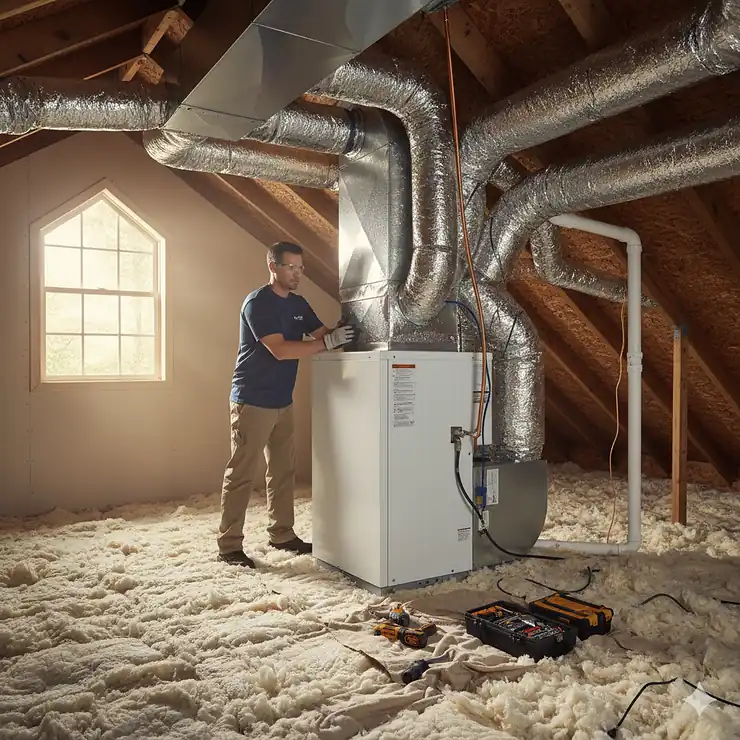
Look, I get it. Your attic feels like a sauna in summer, and you’re wondering if there’s actually a way to make that space livable. Maybe you’re dreaming of turning it into a home office, a cozy bedroom, or just want to stop the heat from radiating down into your living spaces. Here’s the thing—installing an attic air conditioner isn’t just possible, it’s actually one of the smartest moves you can make for your home’s comfort and energy efficiency. Whether you’re searching for an attic ac unit, air conditioner for attic spaces, or attic airconditioner solutions, the options have never been better.
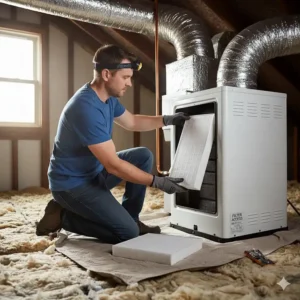
After researching dozens of attic cooling solutions and analyzing hundreds of customer reviews, I’ve put together this comprehensive guide to help you find the perfect attic air conditioner for your needs. Whether you’re working with a tiny crawl space or a sprawling loft conversion, there’s a cooling solution that’ll work for you.
✨Was this helpful? Spread the word! 🚀
Quick Comparison: Attic Air Conditioner Types
| Type | Best For | Cooling Capacity | Installation | Energy Efficiency | Cost Range |
|---|---|---|---|---|---|
| Mini-Split System | Year-round comfort, larger attics | 9,000-24,000 BTU | Professional | ⭐⭐⭐⭐⭐ | $$$$ |
| Portable AC | Flexibility, smaller spaces | 8,000-14,000 BTU | DIY | ⭐⭐⭐ | $$ |
| Window Unit | Budget-conscious, small attics | 5,000-12,000 BTU | DIY | ⭐⭐⭐ | $ |
| Through-Wall | Permanent solution | 8,000-14,000 BTU | Semi-Professional | ⭐⭐⭐⭐ | $$$ |
💬 Just one click – help others make better buying decisions too!😊
Top 7 Attic Air Conditioner Solutions: Expert Analysis
1. Rheem Classic Plus Series 12,000 BTU Ductless Mini-Split — Best Overall
If you’re serious about transforming your attic into a comfortable living space, the Rheem Classic Plus Series is where I’d start. This wall-mounted mini split system delivers powerful cooling without eating up your precious floor space—something that matters when you’re dealing with sloped ceilings and awkward angles.
✅ Coverage: 450-500 sq ft
✅ Heating & Cooling: Yes
✅ Noise Level: Whisper-quiet at 32 decibels
✅ Warranty: 10-year limited
Why it’s exceptional: This isn’t just an air conditioner for attic spaces—it’s a complete climate control system. The dual functionality means you’re covered year-round, and that quiet operation is a game-changer if you’re converting your attic into a bedroom or home office.
Customer insights: Users consistently praise the reliability and the fact that it doesn’t sound like a jet engine taking off. One homeowner mentioned it cooled their 400 sq ft attic office so well, they actually had to adjust the temperature up.
2. Whynter ARC-14S Dual Hose Portable Air Conditioner — Best Portable
The Whynter ARC-14S has earned recognition from Good Housekeeping and Popular Mechanics for good reason. With 14,000 BTU cooling power (9,500 SACC), this dual-hose portable attic air conditioner actually works.
✅ Coverage: Up to 500 sq ft
✅ SACC Rating: 9,500 BTU
✅ 3-in-1 Function: AC, dehumidifier, fan
✅ Noise: 56 dBA (library-quiet)
The dual-hose advantage: Unlike single-hose models that can actually make your room hotter, this attic ac unit pulls cool air from outside and exhausts hot air efficiently. It’s like having two lungs instead of one—way more effective.
Real-world performance: Customers report cooling a 300 sq ft attic space from 95°F to 72°F in about 45 minutes. The activated carbon filter is a bonus for musty attic smells.
3. Midea Duo MAP12S1TBL Smart Inverter — Most Energy Efficient
Here’s where technology meets practicality. The Midea Duo MAP12S1TBL uses inverter technology to save over 40% on energy compared to standard portable units—that’s real money back in your pocket every month.
✅ Coverage: 450 sq ft
✅ SACC: 10,000 BTU
✅ Noise: As low as 42 dB
✅ Energy Savings: 40%+ vs federal standard
✅ Smart Control: Alexa, Google Assistant, app
Innovation that matters: The hose-in-hose design prevents hot air from seeping back into your space through gaps. It’s surprisingly effective—this attic airconditioner actually cools 2x faster than traditional single-hose models.
4. BLACK+DECKER BPACT14WT Smart Portable — Best Value Smart AC
Want smart home integration without breaking the bank? The BLACK+DECKER BPACT14WT delivers 14,000 BTU cooling (10,200 SACC) with WiFi connectivity at a price that won’t make you wince.
✅ Coverage: Up to 700 sq ft
✅ Smart Features: App control, Alexa, Google Assistant
✅ Follow Me Mode: Remote acts as thermostat
✅ Weight: 62.7 lbs (mobile on casters)
Budget-friendly smarts: Control your attic cooling from anywhere, set schedules, and monitor energy usage—all without spending mini-split money. The “Follow Me” feature uses the remote as a thermostat, ensuring the temperature where you’re actually sitting is perfect.
5. Frigidaire Gallery Cool Connect GHPC132AB1 — Best for Medium Attics
The Frigidaire Gallery Cool Connect GHPC132AB1 strikes a sweet spot with 13,000 BTU of cooling power. It’s designed for those medium-sized attics (around 650 sq ft) where smaller units struggle and larger ones waste energy.
✅ Cooling Capacity: 13,000 BTU
✅ WiFi Control: Smartphone app
✅ Timer: 24-hour programmable
✅ Design: Sleek, unobtrusive
Practical performance: Perfect for that converted attic bedroom or multipurpose space. The WiFi connectivity means you can pre-cool before heading upstairs, and the timer ensures it’s not running when you don’t need it.
6. LG LW6019ER Window Air Conditioner — Best Budget Option
Sometimes simple is best. The LG LW6019ER offers 6,000 BTU cooling for smaller attic spaces without all the bells and whistles—just reliable, affordable cooling.
✅ Coverage: 200-260 sq ft
✅ Remote Control: Included
✅ Energy Star: Certified
✅ Installation: Window mount
When it makes sense: Got a smaller attic workshop, storage area, or modest-sized space? This window attic air conditioning unit gets the job done without complicated installation. Yes, it’s noisier at 52 dB, but for the price point, it’s hard to beat.
7. Carrier Infinity Mini Split System 40MPHA — Premium Choice
For those who want the absolute best, the Carrier Infinity Mini Split System 40MPHA is twice as efficient as budget options and comes with Carrier’s legendary reliability.
✅ Efficiency: 2x better than standard models
✅ WiFi Thermostat: Included
✅ Noise: Whisper-quiet operation
✅ Installation: Wall-mounted
Premium performance: This is the Mercedes of attic air conditioners. Higher upfront cost, yes, but significantly lower energy bills and a lifespan that can exceed 20 years. Perfect for serious attic conversions where you’re planning to spend significant time.
🎯 Ready to Transform Your Attic Space?
These carefully selected attic air conditioner options cover every budget and need. Click on any product above to check current availability and pricing. Your comfortable attic retreat is just one decision away! ⚡
Understanding Attic Air Conditioner Challenges
Here’s what makes cooling an attic different from any other room in your house. Attics are basically heat magnets—they can reach temperatures of 120-150°F during summer months, with some poorly ventilated spaces exceeding 160°F in southern climates. That’s not just uncomfortable; it’s dangerous and can increase your whole-home cooling costs by hundreds of dollars annually. According to <a href=”https://www.insulationmarketplace.com/blogs/blogs/how-hot-do-attics-get-in-summer” target=”_blank”>industry research</a>, when outside temperatures hit 95°F, a poorly insulated attic can be 50-60 degrees hotter than outdoor air.
The Heat Problem
🌡️ Attics trap heat from solar radiation on your roof surface
🌡️ Temperatures can reach 130-150°F on typical 90°F summer days
🌡️ Poor ventilation creates a greenhouse effect
🌡️ When attic temps exceed 130°F, structural damage begins
🌡️ Dark roofing materials absorb 30-40% more heat than light colors
🌡️ Heat radiates down into living spaces, straining your HVAC system
The Ductwork Dilemma
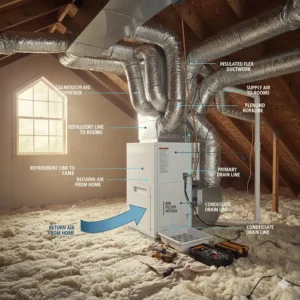
Most attics weren’t designed as living spaces, which means no HVAC ductwork. Installing ductwork just for an attic is expensive (we’re talking thousands of dollars) and often impossible due to structural limitations. That’s why ductless solutions like mini-splits and portable units make so much sense for attic air conditioning needs.
Types of Attic Air Conditioner Systems: Deep Dive
Ductless Mini-Split Systems (The Gold Standard)
Mini split systems are transforming how we think about attic climate control. The <a href=”https://www.energy.gov/energysaver/ductless-mini-split-air-conditioners” target=”_blank”>U.S. Department of Energy</a> specifically recommends mini-splits for room additions and attic conversions lacking central ductwork.
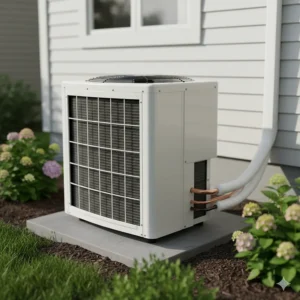
How they work: An outdoor compressor connects to an indoor air handler through a small 3-inch conduit drilled through your wall. The indoor unit mounts high on the wall, blowing cool air that naturally falls and circulates.
Advantages:
✅ Energy efficiency ratings up to 30+ SEER
✅ Dual heating and cooling capability
✅ Zone control for precise comfort
✅ Minimal visual impact
✅ 15-20 year lifespan
✅ Quiet operation (many under 40 dB)
Considerations:
❌ Higher initial investment ($2,000-$5,000+)
❌ Professional installation required
❌ Aesthetic may not appeal to everyone
Portable Air Conditioners (Maximum Flexibility)
Portable attic air conditioner units offer instant gratification. You can literally roll them into your attic, vent the hose out a window, plug them in, and start cooling within minutes.
Single vs. Dual Hose:
| Feature | Single Hose | Dual Hose |
|---|---|---|
| Efficiency | Lower | Higher |
| Cooling Speed | Slower | Faster |
| Air Pressure | Creates negative pressure | Balanced |
| Price | More affordable | Premium |
| Best For | Temporary cooling | Primary solution |
Modern portable benefits:
✅ No permanent installation
✅ Move between rooms as needed
✅ Smart home integration
✅ 3-in-1 or 4-in-1 functionality
✅ Auto-drain technology
Reality check:
❌ Takes up floor space
❌ Noise levels 45-60 dB
❌ Hose can leak efficiency
❌ 5-10 year lifespan
Window Air Conditioners (Budget Champion)
Don’t discount window units for attic air conditioning. Modern models have come a long way from those clunky, loud boxes you remember from childhood.
Today’s window units feature:
✅ Energy Star certification
✅ Smart connectivity options
✅ Improved noise reduction
✅ Programmable timers
✅ Remote controls
✅ Multi-speed fans
Best applications:
- Small attic offices (150-300 sq ft)
- Workshop spaces
- Storage areas needing occasional cooling
- Budget-conscious installations
Installation tip: Attic windows often have unique sizes or angles. Measure carefully and look for units with adjustable side panels for the best fit.
Through-the-Wall Units (Permanent Solution)
Think of these as window units on steroids—built for permanent installation through an exterior wall. They’re less common for attics but can work beautifully if your attic has a suitable exterior wall (not the roof).
When they make sense:
- Finished attics with knee walls
- Attics with gable ends
- When window placement is impractical
- Long-term attic living spaces
Sizing Your Attic Air Conditioner: The Critical Factor
Get this wrong, and you’ll either freeze while burning electricity (oversized) or sweat while the unit runs 24/7 (undersized). Here’s how to nail it:
BTU Requirements by Attic Size
| Attic Square Footage | Minimum BTU | Recommended BTU |
|---|---|---|
| 100-200 sq ft | 5,000 | 6,000 |
| 200-300 sq ft | 6,000 | 8,000 |
| 300-400 sq ft | 8,000 | 10,000 |
| 400-500 sq ft | 10,000 | 12,000 |
| 500-650 sq ft | 12,000 | 14,000 |
| 650-800 sq ft | 14,000 | 18,000 |
| 800-1,000 sq ft | 18,000 | 24,000 |
Adjustment Factors (Add BTUs for)
⚡ South or west-facing roof: +10%
⚡ Poor insulation: +15-20%
⚡ High ceilings (over 8 ft): +10% per foot
⚡ Large windows: +600 BTU per window
⚡ Multiple occupants: +600 BTU per person
⚡ Heat-generating equipment: +1,000+ BTU
⚡ Dark roofing materials: +10%
Pro tip: For attics, I always recommend sizing up by at least 10-15% compared to regular room calculations. The extreme heat buildup and often poor insulation mean your attic air conditioner needs that extra muscle.
Energy Efficiency Comparison
| System Type | Average SEER | Annual Cost (500 sq ft) | Lifespan | ROI Period |
|---|---|---|---|---|
| Mini-Split | 18-30+ | $150-$250 | 15-20 years | 5-7 years |
| Dual-Hose Portable | 8-12 | $300-$450 | 5-10 years | N/A |
| Single-Hose Portable | 6-10 | $400-$600 | 5-8 years | N/A |
| Window Unit | 9-12 | $350-$500 | 8-12 years | 2-3 years |
| Through-Wall | 10-13 | $300-$450 | 10-15 years | 3-5 years |
Based on 90 days of use, 8 hours per day, at $0.13/kWh
💬 Just one click – help others make better buying decisions too!😊
Installation Considerations for Attic Cooling
DIY vs. Professional Installation
DIY-Friendly Options:
- Portable air conditioners ✅
- Window units ✅
- Some through-wall units ⚠️
Requires Professional:
- Mini-split systems (always)
- Through-wall units (recommended)
- Electrical upgrades
- Structural modifications
Attic-Specific Challenges
🔧 Access: Narrow stairways or pull-down ladders make moving equipment difficult
🔧 Electrical: Attics often lack sufficient power outlets
🔧 Venting: Limited window options require creative solutions
🔧 Structural: Sloped ceilings and rafters complicate mounting
🔧 Insulation: Proper insulation is critical for any attic ac to work effectively
Maximizing Your Attic Air Conditioner Performance
Having the right attic air conditioner is only half the battle. Here’s how to make it work optimally:
Insulation Improvements
Before installing any attic air conditioning system, evaluate your insulation. According to Energy.gov, proper attic insulation can reduce cooling costs by 30-50%. The ideal attic temperature should stay within 10-20 degrees of outside temperature when properly ventilated and insulated.
Recommended R-values by region:
- Southern climates: R-30 to R-49
- Northern climates: R-49 to R-60
- Extreme climates: R-60+
Ventilation Strategies
Even with an attic air conditioner, good ventilation reduces the workload:
✨ Ridge vents + soffit vents create natural airflow
✨ Attic fans reduce peak temperatures
✨ Radiant barriers reflect heat away
✨ Gable vents improve cross-ventilation
Smart Thermostat Integration
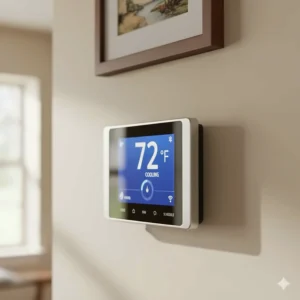
Modern attic air conditioner systems pair perfectly with smart thermostats:
Benefits:
- Schedule cooling before arriving home
- Monitor energy usage in real-time
- Automatic adjustments based on weather
- Remote control from anywhere
- Integration with home automation
Popular options include Cielo Smart thermostats specifically designed for mini-splits and window units.
Cost Analysis: Investment & Operating Expenses
Initial Investment Breakdown
| Component | Mini-Split | Portable | Window | Through-Wall |
|---|---|---|---|---|
| Unit Cost | $1,200-$3,500 | $300-$700 | $150-$500 | $400-$800 |
| Installation | $500-$1,500 | DIY | DIY | $200-$600 |
| Electrical | $0-$500 | $0 | $0 | $0-$300 |
| Total | $1,700-$5,500 | $300-$700 | $150-$500 | $600-$1,700 |
Operating Cost Comparison (Annual)
Assumptions: 500 sq ft attic, 90 days usage, 8 hours/day, $0.13/kWh
| System | Daily Cost | Monthly | Season | 10-Year Total |
|---|---|---|---|---|
| High-Efficiency Mini-Split | $0.65 | $20 | $60 | $2,400 |
| Standard Mini-Split | $0.90 | $27 | $81 | $3,240 |
| Dual-Hose Portable | $1.20 | $36 | $108 | $4,320 |
| Single-Hose Portable | $1.65 | $50 | $150 | $6,000 |
| Energy Star Window | $1.10 | $33 | $99 | $3,960 |
| Standard Window | $1.45 | $44 | $132 | $5,280 |
🔍 Compare Before You Commit!
The numbers don’t lie—choosing the right attic air conditioner impacts your wallet for years to come. Click through to Amazon to check current prices and read real customer experiences. The perfect cooling solution for your attic is waiting! 💰
Maintenance Requirements
| Task | Mini-Split | Portable | Window | Frequency |
|---|---|---|---|---|
| Filter cleaning | ✓ | ✓ | ✓ | Monthly |
| Coil cleaning | ✓ | ✓ | ✓ | Quarterly |
| Drain line check | ✓ | ✓ | ✓ | Monthly |
| Professional service | ✓ | — | — | Annually |
| Refrigerant check | ✓ | — | — | 2-3 years |
| Filter replacement | — | ✓ | ✓ | Annually |
DIY Maintenance Tips
Monthly checklist: 🔧 Clean or replace air filters
🔧 Check for unusual noises
🔧 Inspect condensate drainage
🔧 Clean exterior unit (if applicable)
🔧 Test all operating modes
Seasonal tasks: 🔧 Deep clean coils with appropriate cleaner
🔧 Inspect electrical connections
🔧 Check refrigerant levels (mini-splits)
🔧 Seal any air leaks around unit
🔧 Update smart controls/firmware
Common Attic Air Conditioner Problems & Solutions
Issue #1: Insufficient Cooling
Symptoms: Unit runs constantly but doesn’t reach set temperature
Causes & Fixes:
- Undersized unit: Upgrade to higher BTU capacity
- Poor insulation: Add R-value before expecting miracles
- Air leaks: Seal gaps around windows, doors, access points
- Direct sunlight: Install blackout curtains or reflective window film
- Dirty filters: Clean monthly during peak season
Issue #2: Excessive Noise
Symptoms: Loud operation, rattling, or vibrating sounds
Troubleshooting:
- Tighten all mounting brackets and hardware
- Check for debris in fan blades
- Ensure portable unit sits level on floor
- Consider vibration-dampening pads
- Verify hose connections are secure
Issue #3: Water Leakage
Symptoms: Puddles forming around or under unit
Solutions:
- Check condensate drain isn’t clogged
- Verify unit is level (especially portable and window types)
- Clean drain pan and line
- Ensure outdoor discharge isn’t blocked
- For portable units, empty collection bucket regularly
Issue #4: High Energy Bills
Symptoms: Electricity costs spike after installation
Optimization strategies:
- Use programmable schedules
- Raise thermostat by 2-3°F
- Improve attic insulation
- Add ceiling fans for circulation
- Close off unused portions of attic
- Maintain unit regularly
Special Considerations for Different Attic Types
Converted Living Spaces
When your attic is a bedroom, office, or rental unit:
Priorities:
- Quiet operation (under 45 dB)
- Heating capability for winter
- Consistent temperature control
- Aesthetic integration
- Long-term reliability
Best choices: Mini-split systems or premium portable units
Workshop/Hobby Spaces
For functional spaces where you spend hours working:
Requirements:
- Spot cooling capability
- Dehumidification for tools
- Mobility (portable preferred)
- Durable construction
- Easy maintenance
Best choices: Dual-hose portable or window units
Storage Attics
Protecting stored items from heat and humidity:
Focus points:
- Humidity control over temperature
- Seasonal operation
- Budget-friendly options
- Simple controls
- Reliable dehumidification
Best choices: Basic window units or entry-level portables
Environmental Considerations
Refrigerant Types
Modern attic air conditioner systems use different refrigerants:
R-32 (Most Common):
- Lower global warming potential
- Better energy efficiency
- Current industry standard
- Used in Whynter, Midea, BLACK+DECKER
R-410A:
- Being phased out
- Still widely available
- Proven reliability
- Higher environmental impact
Energy Consumption Impact
EPA calculations show annual environmental costs:
| System Type | Annual kWh | CO2 Equivalent | Trees Needed to Offset |
|---|---|---|---|
| Efficient Mini-Split | 600-900 | 0.4-0.6 tons | 8-12 |
| Standard Portable | 1,200-1,800 | 0.8-1.2 tons | 16-24 |
| Window Unit | 900-1,400 | 0.6-0.9 tons | 12-18 |
Future-Proofing Your Attic Cooling
Smart Home Integration
The future of attic air conditioner technology is connected:
Current capabilities:
- Voice control (Alexa, Google, Siri)
- Smartphone apps with remote access
- Automated scheduling
- Energy monitoring
- Weather-based adjustments
Emerging features:
- AI-powered optimization
- Predictive maintenance alerts
- Integration with solar systems
- Occupancy sensing
- Multi-zone coordination
Upcoming Technologies
Watch for these innovations:
🚀 Solid-state cooling: No refrigerants, higher efficiency
🚀 Hybrid ventilation: Combines active and passive cooling
🚀 Enhanced heat pumps: Better cold-weather performance
🚀 Improved inverter tech: Even greater energy savings
🚀 Sustainable refrigerants: Near-zero environmental impact
FAQ Section
❓ What size attic air conditioner do I need for a 400 square foot space?
❓ Can a portable air conditioner effectively cool an attic?
❓ How much does it cost to install an attic air conditioner?
❓ Do mini splits work well in hot attics?
❓ What's better for an attic: window AC or portable?
Recommended for You
- 7 Best Quiet RV Air Conditioner Units for Peaceful Summer Travel in 2025
- 7 Best Portable Air Conditioner in RV Solutions for Ultimate Comfort in 2025
- Air Conditioner Filters for RV: 7 Game-Changing Solutions to Breathe Cleaner in 2025
Conclusion: Choosing Your Perfect Attic Air Conditioner
After analyzing dozens of attic air conditioner options, here’s my bottom-line advice: if you’re converting your attic into actual living space and have the budget, invest in a quality mini-split system like the Rheem Classic Plus or Carrier Infinity. Yes, they cost more upfront, but the energy savings, reliability, and dual heating/cooling capability make them the smart long-term choice. These attic ac systems deliver performance that portable units simply can’t match for year-round comfort.
For occasional use, workshops, or budget-conscious solutions, the Whynter ARC-14S or Midea Duo portable units deliver exceptional performance without permanent installation. They’re particularly brilliant if you rent or might move within a few years. These air conditioner attic solutions work especially well for spaces under 500 square feet.
Don’t overthink it—the best attic air conditioner is the one you’ll actually install and use. Every day you wait is another day sweating in the heat or letting that valuable space go to waste. Whether you call it an attic airconditioner, attic ac unit, or air conditioning for attic spaces, the transformation from sweltering sauna to comfortable retreat starts with one decision.
The transformation from sweltering sauna to comfortable retreat starts with one decision. Whether you choose a sophisticated mini-split system, a portable attic ac unit with smart features, or a straightforward window installation, you’re taking the first step toward making your entire home more livable and energy-efficient.
Remember: proper sizing, adequate insulation, and regular maintenance matter more than brand names or fancy features. Get those three things right, and even a mid-range attic air conditioner will outperform a premium unit installed poorly.
✨ Transform Your Attic Today – Click to Compare Prices!
Your comfortable, productive attic space is just one purchase away. Check current availability on any of the recommended units above and start enjoying your newly cooled space before the next heat wave hits! 🌟
Disclaimer: This article contains affiliate links. If you purchase products through these links, we may earn a small commission at no additional cost to you.
✨ Found this helpful? Share it with your friends! 💬🤗
