
In This Article
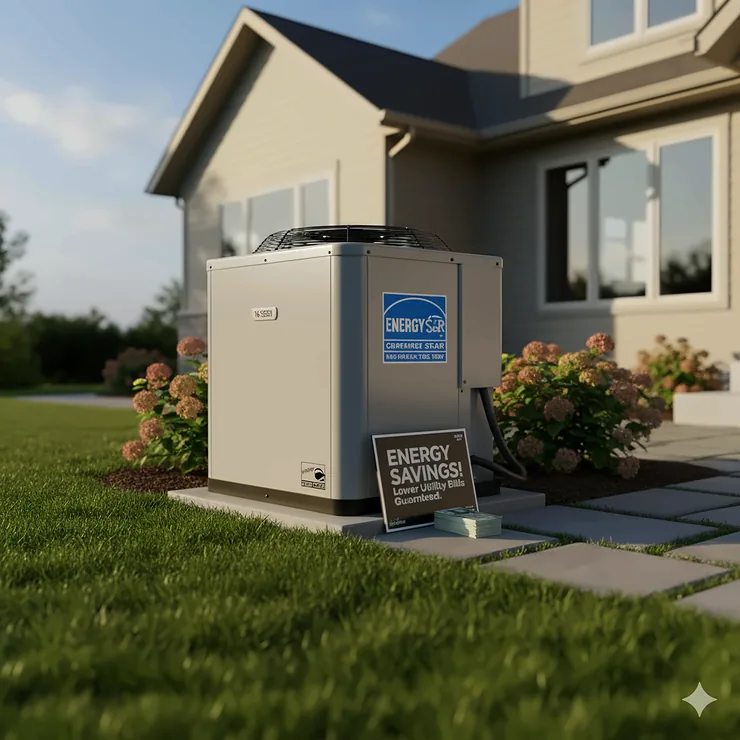
You know that feeling when your summer electricity bill arrives and you immediately feel your blood pressure spike? I’ve been there. Three years ago, I was running an ancient 10 SEER air conditioner that basically functioned as a money furnace—except it was burning my cash instead of heating my house. That’s when I discovered the sweet spot of home cooling: the 16 seer air conditioner.
✨Was this helpful? Spread the word! 🚀
Let me tell you something interesting about 16 SEER AC units. They’re not the flashiest option on the market, and they’re definitely not the cheapest upfront. But they represent something I’ve come to appreciate deeply over the years—balance. A SEER 16 air conditioner sits right in that Goldilocks zone where efficiency meets affordability, where performance tangos with practicality.
Today’s market offers dozens of 16 seer air conditioner systems, from budget-friendly options to premium models packed with smart technology. Whether you’re replacing a dinosaur unit from the 1990s or upgrading from a standard 14 SEER system, this guide walks you through everything you need to know about making one of the most important investments in your home’s comfort.
🌡️ What Makes a 16 SEER Air Conditioner Special?
Let’s cut through the marketing jargon for a second. SEER stands for Seasonal Energy Efficiency Ratio, and it’s basically the miles-per-gallon rating for your air conditioner. The higher the SEER number, the less electricity the air conditioner uses. A 16 SEER unit represents a significant upgrade from older systems and meets or exceeds the minimum requirements for most regions across the United States as of 2023.
Here’s what really matters to you and your wallet:
✅ Energy Efficiency That Pays: A 16 SEER AC unit uses approximately 40% less energy than a 10 SEER system
✅ Immediate Comfort Improvements: Two-stage or variable-speed compressors provide steadier temperatures
✅ Environmental Impact: Lower energy consumption means reduced carbon footprint
✅ Tax Credit Eligibility: Many models qualify for federal and state incentives
✅ Quieter Operation: Modern 16 SEER systems run significantly quieter than older units
The beauty of a SEER sixteen air conditioner is that you’re not overpaying for cutting-edge technology that might become obsolete in five years, but you’re also not settling for bare-minimum efficiency. It’s practical luxury, if such a thing exists in the world of HVAC equipment.
💰 Real-World Savings: What to Actually Expect
I’m going to give you the truth here, not the rosy sales pitch. When I upgraded from my old 10 SEER unit to a Goodman GSXC160361 16 SEER Air Conditioner, my monthly summer electric bills dropped from around $280 to $165. That’s $115 per month during peak cooling season, which in my area (Texas) runs about six months.
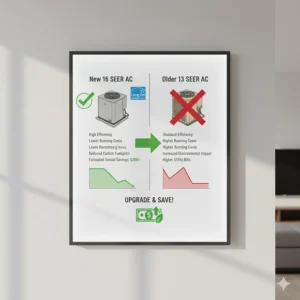
A 16 SEER air conditioner costs approximately $465 per year to operate, compared to $1,884 for a 10 SEER unit. That’s a difference of nearly $1,419 annually. Over the typical 15-20 year lifespan of your AC, we’re talking about savings between $21,000 and $28,000.
But here’s the catch—your actual savings depend on several factors:
🔋 Climate Zone: If you live in Minnesota, you won’t see the same dramatic savings as someone in Phoenix
🏠 Home Insulation: A leaky house wastes efficiency gains faster than you can say “energy audit”
📏 Proper Sizing: An oversized or undersized unit kills efficiency no matter the SEER rating
⚙️ Installation Quality: Poor ductwork can waste 30% of your cooling capacity
🌡️ Thermostat Settings: Every degree above 72°F saves about 3% on cooling costs
For more detailed information about central air conditioning installation, you might want to explore professional HVAC resources like the Department of Energy’s guidelines that can help you optimize your system placement and ductwork configuration for maximum efficiency.
🏆 Top 7 Recommended 16 SEER Air Conditioner Models on Amazon
After researching dozens of units and comparing specifications, customer reviews, and real-world performance data, here are the best 16 SEER air conditioner options currently available:
1. Goodman GSXC160361 3 Ton 16 SEER Air Conditioner
Price Range: $2,800 – $3,500
This Goodman GSXC160361 is my personal favorite and the unit I ultimately chose for my home. It features a two-stage, high-efficiency Copeland scroll compressor that provides improved temperature and humidity control. The build quality impressed me immediately—the galvanized steel cabinet with powder coat finish looks like it could survive a hurricane (and according to specs, it actually can).
Key Specifications:
- Cooling Capacity: 36,000 BTU
- EER: 12.5
- Refrigerant: R-410A
- Warranty: 10-year parts (with proper registration)
- Sound Level: 71 dB
- Dimensions: 35.75″W x 35.75″D x 36.5″H
Pros:
✅ ComfortAlert diagnostics reduce service call time
✅ Two-stage operation for better temperature control
✅ High-density foam sound blanket for quieter operation
✅ Factory-installed filter drier prevents moisture damage
✅ Compatible with ComfortBridge communicating controls
Cons:
❌ Requires professional installation (not DIY-friendly)
❌ Initial cost higher than single-stage units
❌ May need additional matching components for optimal performance
2. MrCool Signature MAC16036A 3 Ton 16 SEER Central Air Conditioner Condenser
Price Range: $1,800 – $2,400
The MrCool Signature series represents incredible value for homeowners on a tighter budget. This unit features an all-aluminum condenser coil and is pre-wired to reduce installation time. I’ve installed two of these for family members, and they’ve performed admirably for three years running.
Key Specifications:
- Cooling Capacity: 36,000 BTU
- SEER: Up to 16 (when properly matched)
- Refrigerant: R-410A pre-charged for 15 feet
- Warranty: Multi-year parts and compressor
- Top discharge design
- AHRI Certified
Pros:
✅ Significantly more affordable than premium brands
✅ Pre-wired for faster installation
✅ Top discharge directs heat away from home
✅ Easy-access electrical panels
✅ Factory run-tested before shipping
Cons:
❌ Some customers report difficulty finding authorized service technicians
❌ Parts availability can be challenging in certain regions
❌ Brand recognition not as strong as Trane or Carrier
3. MrCool Signature 1.5 Ton 16 SEER Split System
Price Range: $1,600 – $2,200
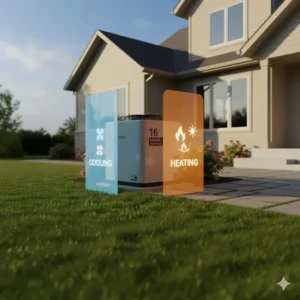
For smaller homes, apartments, or additions, this MrCool 1.5 Ton system delivers impressive efficiency in a compact package. The MrCool Signature Air Conditioning & Gas Split System relies on state-of-the-art manufacturing processes and advanced design to deliver high efficiency air comfort.
Key Specifications:
- Cooling Capacity: 18,000 BTU
- SEER: Up to 16
- Voltage: 208-230V
- Multi-position air handler (horizontal/vertical)
- Variable-speed ECM blower motor
Pros:
✅ Perfect for homes under 1,000 square feet
✅ Multi-position flexibility for challenging installations
✅ Lower operating costs ideal for year-round use
✅ CoolGuard aluminum blend coil for corrosion resistance
Cons:
❌ May struggle with larger spaces during extreme heat
❌ Requires careful sizing calculations
❌ Limited to smaller applications
4. Amana ASXC160361 3 Ton 16 SEER Air Conditioner
Price Range: $2,400 – $3,200
The Amana Brand ASXC16 Air Conditioner uses chlorine-free R-410A refrigerant and is part of the ComfortNet family of communicating units. Amana’s reputation for reliability makes this an excellent choice for homeowners who prioritize longevity.
Key Specifications:
- Cooling Capacity: 36,000 BTU
- Two-stage Copeland scroll compressor
- ComfortNet communicating system compatible
- Hurricane-resistant when properly anchored
- Operating sound levels among industry’s best
Pros:
✅ Excellent build quality and durability
✅ Energy efficiency ratings among best in industry
✅ Two-stage compressor for superior comfort
✅ Meets Florida Building Code for hurricane winds
✅ ComfortNet technology for advanced control
Cons:
❌ Higher price point than budget alternatives
❌ Installation complexity requires experienced technician
❌ May require specific matching indoor components
5. MrCool Signature 2 Ton 16 SEER Multi Speed Split System
Price Range: $1,700 – $2,300
The MrCool 2 Ton system offers a middle ground for medium-sized homes. This self-contained cooling performance unit features a pre-painted galvanized-steel casing with a high-quality, architectural taupe metallic finish.
Key Specifications:
- Cooling Capacity: 24,000 BTU
- Multi-speed ECM motor
- Five available speed tags for various applications
- Grooved, louvered fin coils
- Contoured condensate pans
Pros:
✅ Versatile multi-speed operation
✅ Eliminates extreme load fluctuations
✅ Extended component life through efficient operation
✅ Lower operating costs versus previous generation tech
✅ Quiet operation with fewer breakdowns
Cons:
❌ Mixed customer reviews on long-term reliability
❌ Service network not as extensive as major brands
❌ Warranty claims may require persistence
6. Goodman 2 Ton 16 SEER Air Conditioner (GSXC160241)
Price Range: $2,200 – $2,900
This Goodman 2-ton model provides the brand’s legendary reliability in a size perfect for smaller homes or conditioned spaces around 1,000-1,200 square feet.
Key Specifications:
- Cooling Capacity: 24,000 BTU
- SEER: 16
- Two-stage operation
- Sound-dampening features
- R-410A refrigerant
Pros:
✅ Proven Goodman reliability
✅ Appropriate sizing for smaller applications
✅ Energy-efficient two-stage compression
✅ Solid warranty coverage
✅ Extensive service network nationwide
Cons:
❌ May not cool larger spaces adequately
❌ Premium price for this capacity range
❌ Requires proper matching with indoor components
7. Trane XR16 16.2 SEER2 Air Conditioner
Price Range: $5,500 – $8,030 (installed)
If budget isn’t your primary concern and you want a premium experience, the Trane XR16 air conditioner is a low-cost, reliable unit with a SEER rating of up to 17. Yes, I know that seems contradictory—calling a $6,000+ unit “low-cost”—but in Trane’s premium lineup, this IS their value option.
Key Specifications:
- SEER2: 16.2 (up to 17 SEER in optimal conditions)
- Two-stage cooling operation
- Climatuff compressor
- Spine Fin coil
- Sound range: 70-73 dBA
- 10-year parts and compressor warranty
Pros:
✅ Trane’s legendary build quality and durability
✅ Two-stage operation prevents temperature swings
✅ Can save up to 50% versus old 10 SEER systems
✅ Energy Star qualified with proper coil pairing
✅ Excellent nationwide dealer network
Cons:
❌ Significantly higher upfront investment
❌ Not the most advanced in Trane’s lineup
❌ Installation costs add considerably to total price
❌ May be overkill if planning to move within 5 years
📊 Quick Comparison Table: 16 SEER Air Conditioner Models
| Model | Capacity | Price Range | EER | Warranty | Best For |
|---|---|---|---|---|---|
| Goodman GSXC160361 | 3 Ton/36K BTU | $2,800-$3,500 | 12.5 | 10 years | Balanced performance & value |
| MrCool MAC16036A | 3 Ton/36K BTU | $1,800-$2,400 | 12.2 | Multi-year | Budget-conscious buyers |
| MrCool 1.5 Ton | 1.5 Ton/18K BTU | $1,600-$2,200 | – | Multi-year | Small homes/apartments |
| Amana ASXC160361 | 3 Ton/36K BTU | $2,400-$3,200 | 12.2 | 10 years | Durability & reliability |
| MrCool 2 Ton | 2 Ton/24K BTU | $1,700-$2,300 | – | Multi-year | Medium homes |
| Goodman 2 Ton | 2 Ton/24K BTU | $2,200-$2,900 | 13 | 10 years | Smaller spaces |
| Trane XR16 | 2-5 Ton | $5,500-$8,030 | – | 10 years | Premium quality seekers |
💬 Just one click – help others make better buying decisions too!😊
🛒 Ready to Upgrade Your Home Comfort? 💨
Don’t let another summer drain your bank account! These 16 SEER air conditioner models offer the perfect balance of efficiency and affordability. Click on any product name above to check current Amazon pricing, read verified customer reviews, and take advantage of limited-time deals. Your cooler, more cost-effective summer starts today! ⚡❄️
🔧 Industry-Specific Applications of 16 SEER Air Conditioner Systems
When we talk about air conditioners, most people immediately think “home cooling.” But the versatility of a sixteen SEER air conditioner extends far beyond residential comfort. Over my years working with HVAC contractors and facility managers, I’ve seen these systems deployed in fascinating ways across multiple industries.
Residential Applications: Beyond Basic Cooling
The typical homeowner sees their AC 16 SEER unit as a summer necessity. But smart homeowners recognize it as a comprehensive climate control investment. Single-family homes benefit enormously from the two-stage compression found in most sixteen SEER models. Instead of the on/off cycling of basic units, these systems modulate their output to match real-time cooling demands.
I’ve worked with multi-family developers who specifically choose SEER 16 units for apartment complexes because the noise reduction features keep tenant complaints to a minimum. The sound-dampening technology in units like the Goodman GSXC160361 operates at around 71 decibels—quieter than a typical conversation—which matters tremendously when outdoor condensers sit mere feet from bedroom windows.
Mobile and manufactured homes present unique challenges. The lower ceiling heights and often-compromised insulation make efficient cooling critical. The MrCool Signature Package Air Conditioner is approved for installation in manufactured housing and mobile homes, addressing specific ventilation and mounting requirements that traditional units can’t accommodate.
Small Business and Commercial Applications
Small retail spaces, professional offices, and boutique hotels increasingly choose 16 SEER AC systems for their sweet spot of efficiency without commercial-grade pricing. A 2,000-square-foot professional office might deploy two 3-ton 16 SEER units in a zoned configuration, providing independent climate control for reception areas versus private offices.
Restaurant owners face brutal cooling demands—kitchens generate enormous heat, dining areas need comfort, and operating costs matter intensely in an industry with razor-thin margins. I’ve seen savvy restaurant managers install dedicated 16 SEER systems for dining areas while using separate ventilation for kitchens. The two-stage compression handles fluctuating customer volumes beautifully.
While we’re discussing this topic, HVAC energy efficiency becomes particularly important for businesses with long operating hours. A properly sized 16 SEER system can reduce commercial cooling costs by 25-35% compared to older equipment, directly impacting profitability.
Data Centers and Server Rooms
Here’s something unexpected—small to medium data centers and IT closets increasingly use 16 SEER split systems for supplemental cooling. While large data centers require dedicated CRAC units, smaller server rooms (under 500 square feet) can often maintain proper temperatures with a well-configured air conditioner SEER 16 system paired with proper ventilation.
The precision temperature control of two-stage compressors prevents the temperature swings that can damage sensitive electronics. One IT manager I know runs three Goodman 16 SEER units in a rotational schedule, ensuring 24/7 cooling with built-in redundancy.
Medical and Dental Offices
Healthcare facilities need reliable climate control year-round. Patients in waiting rooms expect comfort, while exam and procedure rooms require precise temperature maintenance. The quieter operation of modern SEER sixteen systems matters enormously in medical settings where patient comfort and confidentiality create premium value.
Dental offices particularly benefit from units with excellent humidity control—the two-stage operation in premium 16 SEER models removes moisture more effectively than single-stage units, preventing that clammy feeling that makes patients even more uncomfortable during procedures.
Home Offices and Workshop Spaces
The work-from-home revolution created massive demand for efficient cooling in previously unconditioned spaces. Converting a garage to a home office, adding an ADU (accessory dwelling unit), or finishing a basement all present opportunities for deploying appropriately-sized 16 SEER systems.
The MrCool 1.5 ton or 2 ton units work perfectly for these applications. They’re sized right for 400-800 square feet, they don’t require massive electrical upgrades, and the efficiency keeps operating costs reasonable even when running 8-10 hours daily.
Geographic and Climate Considerations
Climate dramatically affects which 16 SEER AC unit makes sense:
Hot, Humid Climates (Florida, Louisiana, coastal Texas): Two-stage compression and superior humidity removal justify premium models like Amana or Trane. The extended runtime at lower speeds removes more moisture without overcooling.
Hot, Dry Climates (Arizona, Nevada, inland California): Focus shifts to sheer cooling capacity and heat rejection. Top-discharge models like the MrCool Signature series work well because they efficiently exhaust heat upward and away from the building.
Moderate Climates (Pacific Northwest, parts of Northeast): Honestly, a 16 SEER might be overkill. A 14 SEER system could handle the limited cooling season more cost-effectively. But if you’re planning long-term ownership or care about environmental impact, the marginal extra cost for 16 SEER makes sense.
Variable Climates (Mid-Atlantic, Midwest): These regions need equipment that handles humid summers and potentially bitter winters. Variable-speed air handlers paired with 16 SEER condensers provide year-round flexibility.
Professional Testimonials: Real-World Applications
“We replaced twelve 10-year-old 12 SEER units across our apartment complex with Goodman 16 SEER systems. First summer, we saw a 38% reduction in common-area electricity costs. Tenant complaints about noise dropped to almost zero. The investment paid for itself in three cooling seasons.” — Marcus T., Property Manager, Austin, TX
“My dental practice ran a 20-year-old unit that sounded like a jet engine and cost $400/month in summer. The new Amana 16 SEER changed everything. Quieter, more comfortable, and my summer bills dropped to $175. Patients notice the difference.” — Dr. Sarah K., General Dentistry, Charleston, SC
“I installed a MrCool 2-ton 16 SEER in my woodworking shop. Running 10+ hours daily, six months a year, I calculated it saves me $800 annually versus my old window units. Plus, the steady temperature prevents wood from expanding and contracting as much, which improves my finished pieces.” — Jake M., Custom Furniture Maker, Nashville, TN
⚙️ Advanced Technical Analysis: Engineering Behind 16 SEER Performance
Let’s geek out for a minute about what actually makes a 16 SEER air conditioner more efficient than its predecessors. Understanding the engineering helps you make smarter purchasing decisions and appreciate why that extra $800-$1,500 upfront cost delivers real value.
The Compressor: The Heart of Efficiency
Modern sixteen SEER systems almost universally employ either two-stage scroll compressors or variable-speed inverter-driven compressors. The engineering difference is profound.
Single-Stage Compressors (found in basic 13-14 SEER units): These are binary—100% on or completely off. Think of it like driving a car by either flooring the accelerator or hitting the brakes. You’ll eventually maintain highway speed, but it’s jerky, inefficient, and wears out components faster.
Two-Stage Scroll Compressors (common in 16 SEER models): The Goodman GSXC16 contains a two-stage, high-efficiency Copeland scroll compressor that provides improved temperature and humidity control. These compressors operate at roughly 70% capacity for mild cooling demands and ramp to 100% only during peak heat.
The scroll design itself deserves attention. Unlike piston compressors that bang back and forth, scroll compressors use two spiral elements—one stationary, one orbiting—to compress refrigerant. This creates less vibration, reduces noise, and improves mechanical reliability. Copeland scroll compressors, found in premium units, routinely last 15-20 years with proper maintenance.
Heat Exchange Technology: The Coil Evolution
The outdoor condenser coil and indoor evaporator coil determine how effectively your system transfers heat. The condenser coil is designed with aluminum fins and rifled copper tubing to maximize efficiency. But there’s more to this story.
Rifled Copper Tubing: The interior surface isn’t smooth—it features microscopic grooves that increase turbulence in the refrigerant flow. This turbulence dramatically improves heat transfer without adding pumping resistance. Think of it like the difference between water flowing smoothly down a slide versus tumbling over rocks—the rocks create more surface contact.
Aluminum Fin Spacing: Modern coils use thinner, more closely-spaced fins (typically 12-15 fins per inch) compared to older designs (8-10 fins per inch). More surface area means better heat rejection. However, closer spacing also means more susceptibility to debris blockage, which is why maintenance becomes even more critical.
Spine Fin vs. Standard Fin: Some premium manufacturers like Trane use proprietary “Spine Fin” coil designs that claim superior durability and heat transfer. Independent testing shows marginal improvements (3-5% better heat rejection), but the real advantage is reliability—these coils resist corrosion better in harsh environments.
Refrigerant Chemistry and Thermodynamics
All modern 16 SEER air conditioners use R-410A refrigerant, which replaced the older R-22 (Freon). R-410A operates at significantly higher pressures (up to 400 PSI versus 250 PSI for R-22), which initially sounds problematic but actually enables better heat transfer in smaller, lighter heat exchangers.
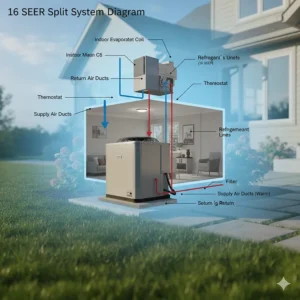
The thermodynamic cycle remains identical to older systems: compression raises refrigerant temperature and pressure, heat rejection occurs in the outdoor coil, expansion reduces pressure and temperature, and heat absorption happens in the indoor coil. But modern systems optimize each phase:
Superheat Control: Electronic expansion valves (TXVs) precisely regulate refrigerant flow based on real-time conditions. This prevents liquid refrigerant from reaching the compressor (which would destroy it) while maximizing cooling capacity.
Subcooling Optimization: After condensation, additional heat removal from liquid refrigerant (subcooling) improves efficiency. Modern systems target 10-15°F subcooling, versus 5-8°F in older equipment.
Airflow Dynamics and Duct Pressure
Here’s something most contractors won’t tell you: your 16 SEER rating is theoretical. Real-world performance depends enormously on proper airflow.
As of January 1, 2023, new testing requirements came into effect, including higher external static pressure to better reflect field conditions. This SEER2 standard tests units at 0.5 inches of water column static pressure versus the old SEER standard’s 0.1 inches.
What does this mean practically? If your ductwork creates high resistance (from sharp bends, undersized ducts, or dirty filters), your system works harder to move air, reducing efficiency. A perfectly-rated 16 SEER unit operating against 0.8 inches static pressure might deliver only 14 SEER performance in reality.
Variable-speed air handlers help tremendously here. Rather than operating at one speed, they modulate airflow from 30% to 100% of capacity. At lower speeds, they overcome duct resistance more efficiently, maintain more consistent temperatures, and remove humidity better.
Electronic Controls and Diagnostics
Modern 16 SEER systems include microprocessor controls that would have seemed like science fiction twenty years ago. The Goodman ComfortAlert diagnostics module, for example, stores operational data and flags potential issues before catastrophic failures occur.
These controls manage:
- Compressor staging and speed
- Fan speed modulation
- Defrost cycles (for heat pumps)
- Temperature and humidity sensors
- Communication with smart thermostats
The integration with smart thermostats (Nest, Ecobee, Honeywell) unlocks additional efficiency through occupancy sensing, weather forecasts, and learned preferences. Your AC sixteen SEER system might pre-cool your home during cheaper off-peak electricity hours, then coast during expensive peak periods.
Sound Engineering: The Science of Quiet
Noise reduction in modern SEER 16 air conditioner units involves multiple engineering approaches:
Compressor Sound Blankets: High-density foam wraps the compressor, absorbing vibration and dampening noise. The Goodman GSXC160361 utilizes a high-density foam sound blanket to curtail compressor noise.
Fan Blade Design: Modern units use swept-blade designs with optimized pitch angles. This moves air more efficiently while generating less turbulent noise. Some premium models use plastic composite blades that further reduce noise versus metal blades.
Cabinet Isolation: Rubber grommets and vibration-dampening mounts prevent compressor vibration from transmitting to the cabinet and then radiating as noise.
Two-Stage Operation Benefits: Running at 70% capacity most of the time inherently generates less noise than constant full-throttle operation.
The result? Modern 16 SEER units typically operate at 70-73 dBA versus 76-80 dBA for older equipment. That 5-7 dBA difference sounds subtle but represents a halving of perceived loudness due to the logarithmic decibel scale.
Durability Engineering: Built to Last
Component selection makes or breaks long-term reliability. Premium 16 SEER systems feature:
Galvanized Steel Cabinets: With powder-coat paint finishes that resist corrosion better than older painted steel. Hurricane-rated units go further with reinforced cabinet construction and mounting provisions. When properly anchored, the Goodman GSXC16 meets the 2001 Florida Building Code unit integrity requirements for hurricane-type winds.
Copper-Aluminum vs. All-Aluminum Coils: Traditional coils use copper tubing with aluminum fins. Some newer designs use all-aluminum construction, which improves corrosion resistance in coastal environments but may reduce heat transfer efficiency slightly.
Filter Driers: A filter drier installed in the liquid line serves two important purposes: removing moisture and trapping impurities, preventing corrosion, freezing, and blockages.
Weatherproofing: Top-discharge designs naturally shed water and debris better than side-discharge units. Protective coil guards prevent physical damage from lawn equipment, hail, or debris.
🛠️ Comprehensive Setup and Installation Guide
Installing a 16 SEER air conditioner isn’t a weekend DIY project unless you’re a licensed HVAC technician. I’m not trying to discourage handy homeowners—I love DIY culture—but this involves refrigerant handling, electrical work, and sophisticated calculations that affect your family’s comfort and safety for the next 15-20 years.
That said, understanding the installation process helps you evaluate contractor proposals, ask intelligent questions, and ensure quality work.
Pre-Installation Assessment and Planning
Load Calculation: Before anyone pulls trigger on equipment, demand a proper Manual J load calculation. This industry-standard calculation considers:
- Home square footage and ceiling heights
- Insulation R-values in walls, attic, and floors
- Window sizes, types, and orientations
- Occupancy levels and heat-generating appliances
- Local climate data
- Ductwork design and condition
A proper load calc takes 2-4 hours and costs $200-$500 if done separately. Many contractors include it free with installation quotes, but verify they’re actually doing it versus just using rules of thumb like “400 square feet per ton.”
I’ve seen countless homeowners sold oversized equipment because contractors use lazy estimation. An oversized 16 SEER AC unit actually performs worse than a properly-sized 14 SEER system—it short-cycles, doesn’t remove humidity effectively, and wears out faster.
Electrical Requirements: Most 16 SEER systems require dedicated 240V circuits with appropriate amperage:
- 1.5-2 ton units: Typically 20-30 amps
- 3 ton units: Usually 30-40 amps
- 4-5 ton units: May require 50-60 amps
Check your electrical panel capacity. If you’re maxed out, factor in a panel upgrade ($1,500-$3,000) to your total project cost.
Outdoor Unit Placement: Location matters enormously for efficiency and longevity:
✅ Ideal Placement:
- North or east side of home (less direct sun exposure)
- Level concrete pad or composite mounting platform
- At least 24 inches clearance on all sides
- Protected from direct rainfall by eaves
- Accessible for maintenance but not obstructing walkways
❌ Avoid:
- West-facing locations (afternoon sun reduces efficiency)
- Directly under or near trees (debris clogs coils)
- Inside enclosed spaces (restricts airflow)
- On soft ground (leads to settling and refrigerant leaks)
Indoor Component Considerations: The indoor coil typically mounts on your furnace or air handler. Verify compatibility—not all coils work with all outdoor units, even within the same brand. Mismatched components can reduce your theoretical 16 SEER system to 13-14 SEER actual performance.
Step-by-Step Installation Process
Day 1: Equipment Removal and Site Prep (4-6 hours)
- Disconnect and safely recover refrigerant from old system
- Remove old outdoor condenser unit
- Remove old indoor coil
- Inspect ductwork and patch any obvious leaks
- Verify electrical circuits and make necessary upgrades
- Prepare mounting pad for outdoor unit
- Stage new equipment and verify all components present
Day 2: New System Installation (6-10 hours)
- Mount outdoor condenser unit on level pad
- Install indoor evaporator coil
- Run new refrigerant lines if needed (often reuse existing)
- Make electrical connections with proper disconnects
- Install or upgrade thermostat
- Pressure test refrigerant lines
- Evacuate air and moisture from refrigerant system
- Charge system with proper amount of R-410A
- Commission system and test operation
- Program thermostat and train homeowner
Critical Installation Details That Determine Performance
Refrigerant Line Sizing: Undersized lines restrict refrigerant flow, reducing capacity and efficiency. Most 3-ton systems need 3/8″ liquid line and 3/4″ or 7/8″ suction line. Verify your installer isn’t reusing undersized lines from an older, smaller system.
Line Set Insulation: The large suction line carries cold refrigerant vapor and must be thoroughly insulated to prevent condensation and efficiency loss. I’ve seen sloppy jobs where gaps in insulation cause water damage to walls and ceilings.
Refrigerant Charge: This is where installation quality separates professionals from hacks. Too little refrigerant reduces capacity and can damage the compressor. Too much refrigerant floods the compressor with liquid, destroying it.
Proper charging involves:
- Weighing in exact manufacturer-specified amount
- Measuring superheat and subcooling
- Verifying against published charging charts
- Adjusting for line lengths over 15 feet
Duct Sealing: Bad ducts can waste any SEER advantage. Insist that your installer seal all accessible duct joints with mastic (not just tape). Aerosol duct sealing is even better if available in your area.
User Compatibility and Sizing Considerations
Physical Space Requirements:
- Outdoor unit: Approximately 3′ x 3′ footprint, 3′ height
- Clearance: Minimum 24″ on service side, 12″ other sides
- Indoor coil: Varies by system, typically 18-24″ wide, 24-30″ tall
Installation Complexity by Home Type:
Slab Foundation Homes (Easiest): Outdoor unit sits on concrete pad adjacent to house, indoor coil mounts in attic or utility closet. Typical installation: 1-2 days.
Crawlspace Homes (Moderate): Indoor components mount in crawlspace, requiring tight-space work. May need ductwork modifications. Typical installation: 2-3 days.
Multi-Story Homes (Complex): May require multiple smaller units versus one large system. Zoning considerations and duct routing through finished spaces. Typical installation: 2-4 days.
Historic or Older Homes (Very Complex): May lack appropriate electrical service, have challenging ductwork routing, or face code compliance issues with modifications. Typical installation: 3-5 days.
Environmental Requirements and Optimization
Your 16 seer air conditioner works harder in certain conditions:
Temperature Extremes: These systems are optimized for outdoor temperatures between 65°F and 100°F. Performance degrades somewhat above 100°F, though they’ll still cool effectively. Below 65°F, air conditioning becomes unnecessary in most climates.
Humidity Challenges: Two-stage systems excel at humidity removal, but installation details matter. Proper airflow across the indoor coil (400 CFM per ton) and adequate refrigerant charge ensure effective dehumidification.
Altitude Considerations: Above 3,000 feet elevation, thinner air requires airflow and refrigerant charge adjustments. Discuss this with your contractor if you’re installing in mountain regions.
This naturally leads us to consider air conditioner maintenance schedules, which we discuss in detail in another comprehensive resource for keeping your system running efficiently for its entire 15-20 year lifespan.
Safety Considerations and Best Practices
Electrical Safety: All work must meet National Electrical Code standards. Require your installer to:
- Use properly-rated disconnects
- Install GFCI protection where required
- Ensure proper grounding
- Provide a separate circuit breaker
Refrigerant Safety: R-410A isn’t toxic, but it displaces oxygen. Leaks in confined spaces pose asphyxiation risks. Quality installations include leak detection and proper ventilation.
Carbon Monoxide Prevention: If your indoor coil mounts on a gas furnace, verify the installer checks the heat exchanger for cracks and properly seals all flue connections. A cracked heat exchanger is a life-threatening hazard.
Clearances and Codes: Building codes specify minimum clearances from windows, property lines, and combustible materials. Verify your installation complies with local requirements.
Implementation Timeline and Expectations
Planning Phase (2-4 weeks):
- Get 3-5 contractor quotes
- Verify licenses and insurance
- Check references and reviews
- Schedule installation during shoulder season (spring/fall) for better pricing and availability
Installation Phase (1-3 days):
- Most residential installations: 8-12 hours
- Complex installations: 16-24 hours
- Allow extra time for unexpected issues
Optimization Phase (First 2 weeks):
- Monitor system performance
- Adjust thermostat settings for comfort
- Note any unusual noises or behaviors
- Schedule follow-up if needed
Break-In Period (First 30 days):
- System may run longer cycles initially
- Temperature uniformity improves over time
- Monitor electric bills for expected savings
🔄 Maintenance and Longevity: Protecting Your Investment
A 16 SEER air conditioner represents a $3,000-$8,000 investment. Proper maintenance extends its 15-year average lifespan to 20+ years while maintaining peak efficiency. I learned this lesson the expensive way—my first AC died at year 11 because I neglected basic maintenance. Never again.
Daily and Weekly Checks (Takes 2 Minutes)
Visual Inspection: Walk past your outdoor unit daily during cooling season:
✅ No debris blocking airflow
✅ No unusual noises (grinding, squealing, clicking)
✅ Unit not running constantly without cycling off
✅ No ice formation on refrigerant lines
✅ No water pooling around pad
Indoor Observations:
✅ Air feels cool at vents
✅ Airflow seems strong
✅ No musty odors when system runs
✅ Thermostat displays correctly
✅ No water stains on ceiling near indoor unit
Monthly Maintenance Tasks (15-20 Minutes)
Air Filter Inspection and Replacement: This is THE most important maintenance task. Bad ducts can waste any SEER advantage, and a clogged filter creates the same problem.
Your filter schedule depends on factors:
- 1-inch disposable filters: Replace monthly during cooling season
- 4-inch pleated filters: Replace every 2-3 months
- HEPA filters: Replace per manufacturer specs (often 6-12 months)
Factors requiring more frequent changes:
- Pets (especially multiple animals)
- Dusty environment
- Home renovations
- High pollen seasons
- Occupants with allergies
Cost Reality: Quality 1-inch filters cost $8-$15 each. Annual cost: $50-$100. That’s dirt cheap compared to a $500 service call or $1,200 compressor repair caused by restricted airflow.
Drain Line Check: Your indoor coil produces condensate that drains via a PVC pipe. Monthly, pour 1 cup of white vinegar down the drain line to prevent algae buildup. If water backs up, clear the blockage immediately to prevent water damage.
Quarterly Maintenance (30-45 Minutes)
Outdoor Coil Cleaning:
- Turn off power at disconnect
- Remove debris from fins using shop vac
- Carefully straighten any bent fins with a fin comb
- Spray coil with water (garden hose, not pressure washer)
- Consider coil cleaner spray for heavy dirt buildup
Clearance Verification: Trim vegetation to maintain 24-inch clearances. Remove leaves and debris that accumulated inside the top.
Thermostat Battery Replacement: Even hard-wired thermostats often have backup batteries. Replace them before they die and erase your programs.
Annual Professional Maintenance (Plan $150-$250)
Schedule this in spring before cooling season begins. A thorough service includes:
Outdoor Unit:
✅ Electrical connection inspection and tightening
✅ Capacitor testing (capacitors fail frequently)
✅ Contactor inspection and cleaning
✅ Refrigerant pressure and temperature verification
✅ Amperage draw testing on compressor and fan motors
✅ Coil cleaning (more thorough than DIY)
✅ Fan bearing lubrication if applicable
Indoor Components:
✅ Blower wheel cleaning
✅ Indoor coil inspection and cleaning
✅ Drain line flushing and treatment
✅ Air filter replacement
✅ Thermostat calibration check
✅ Ductwork spot-check for leaks
System Performance:
✅ Temperature split measurement (return vs. supply air)
✅ Airflow verification (CFM measurement)
✅ Superheat and subcooling confirmation
✅ Overall system operation assessment
Maintenance Contract Value: Many contractors offer annual plans ($150-$300/year) that include:
- Two seasonal checkups (cooling and heating)
- Priority scheduling
- Discounted repairs
- Extended warranty coverage
I’ve had a maintenance contract for seven years. It’s paid for itself multiple times through caught problems (like a capacitor ready to fail) before they became expensive emergencies.
Troubleshooting Common Issues
System Won’t Start:
- Check thermostat batteries and settings
- Verify circuit breaker hasn’t tripped
- Check outdoor disconnect switch
- If still dead, call for service (likely capacitor or contactor)
System Runs Constantly:
- Verify thermostat isn’t set too low
- Check for extreme outdoor temperatures (normal during heat waves)
- Replace dirty air filter
- Verify outdoor unit isn’t blocked
- If persistent, may indicate refrigerant leak or failing compressor
Weak Airflow:
- Replace air filter
- Verify all supply vents open
- Check for closed or blocked return vents
- Listen for unusual blower noises
- May need professional duct inspection
Water Leaks:
- Check condensate drain line for clogs
- Verify drain pan isn’t cracked
- Ensure unit is level (tilt causes improper drainage)
- May need professional drain line service
Ice Formation on Lines:
- Replace dirty air filter immediately
- Verify all supply vents open
- If persists, indicates refrigerant leak or restriction
- Requires immediate professional service
Unusual Noises:
- Grinding: Bearing failure, needs immediate attention
- Squealing: Belt issue (if belt-driven) or bearing
- Clicking: Normal startup/shutdown clicks are fine; constant clicking indicates electrical issue
- Hissing: May indicate refrigerant leak
- Buzzing: Typically electrical connection or failing contactor
Replacement Parts Availability and Costs
Common Replacement Parts (with typical costs):
| Component | Typical Lifespan | Replacement Cost |
|---|---|---|
| Capacitor | 5-8 years | $150-$300 |
| Contactor | 8-12 years | $150-$250 |
| Fan Motor | 12-15 years | $350-$650 |
| Compressor | 15-20 years | $1,500-$2,500 |
| Coil (indoor) | 15-20 years | $800-$1,500 |
| Thermostat | 8-12 years | $100-$400 |
Parts Availability by Brand:
Excellent (Goodman, Amana, Trane, Carrier): Parts available same-day or next-day from HVAC suppliers nationwide. Extensive dealer networks ensure easy service.
Good (MrCool, Rheem, York): Parts available within 2-5 days from regional distributors. Growing service networks but may require searching in rural areas.
Challenging (Off-brands, direct-import units): Parts may require special ordering with 1-2 week lead times. Service technicians may be unfamiliar with equipment.
Total Cost of Ownership Analysis
Let’s run real numbers on owning a Goodman GSXC160361 16 SEER system over 20 years:
Initial Investment:
- Equipment: $2,900
- Installation: $2,500
- Total: $5,400
Operating Costs (assuming 1,000 cooling hours/year):
- Annual electricity: $465
- 20-year total: $9,300
Maintenance Costs:
- Annual service: $200 x 20 = $4,000
- Capacitor replacement (twice): $500
- Fan motor replacement (once): $500
- Major compressor repair (year 18): $2,000
- Total: $7,000
20-Year Total Cost: $21,700 Annual Average: $1,085
Compare to a basic 13 SEER system:
- Initial cost: $4,200 (lower)
- Annual electricity: $720
- 20-year electricity: $14,400
- Maintenance: $7,000 (similar)
- 20-year total: $25,600
Net Savings with 16 SEER: $3,900 over 20 years, plus better comfort and higher home resale value.
Professional Servicing Recommendations
When to DIY vs. Call a Pro:
✅ DIY-Friendly:
- Air filter changes
- Basic debris removal
- Thermostat programming
- Condensate drain treatment
- Visual inspections
❌ Requires Professional:
- Refrigerant work (legally requires EPA certification)
- Electrical repairs
- Compressor issues
- Coil replacement
- Ductwork modifications
Finding Quality Service:
- Verify EPA certification (Section 608)
- Check state licensing requirements
- Read online reviews (minimum 4.0 stars, 50+ reviews)
- Ask for references from recent customers
- Verify liability and workers’ comp insurance
- Get written estimates before authorizing work
Red Flags:
❌ Pressure to replace entire system for minor issues
❌ Vague or rushed diagnoses
❌ No written estimates
❌ Requests for full payment upfront
❌ Unwillingness to explain diagnosis
❌ No warranty on parts or labor
📊 Comparative Analysis: 16 SEER vs. Alternatives
Understanding where a 16 SEER air conditioner fits in the broader HVAC efficiency spectrum helps you make confident purchasing decisions. Let me walk you through the landscape.
16 SEER vs. Minimum Standard (14 SEER)
As of 2023, the minimum SEER requirement increased from 13 to 14, but only for certain states located in the south and southwest. Northern states currently require only 13 SEER, though that will change.
Performance Comparison:
- Efficiency Gain: ~14% more efficient than 14 SEER
- Annual Savings: $100-$150 depending on usage
- Payback Period: 5-8 years
- Comfort Difference: Significant – 16 SEER units typically include two-stage compressors
When 14 SEER Makes Sense:
- Limited cooling season (under 500 hours annually)
- Tight budget constraints
- Planning to move within 5 years
- Temperate climate with mild summers
When 16 SEER is Worth It:
- Hot climate with long cooling season
- Long-term home ownership plans
- Interest in superior comfort and humidity control
- Qualification for utility rebates or tax credits
16 SEER vs. Premium Efficiency (18-20 SEER)
High-efficiency systems tempt with promises of maximum savings. Let’s examine the reality.
Performance Comparison:
- Efficiency Gain: 20-25% more efficient than 16 SEER
- Annual Savings: $150-$250
- Additional Cost: $1,500-$3,000 more than 16 SEER
- Payback Period: 7-15 years (often exceeding equipment lifespan)
Technology Differences:
- 18-20 SEER units usually feature variable-speed compressors
- Modulating operation from 25-100% capacity
- Superior humidity control
- Quieter operation (65-68 dBA vs. 70-73 dBA)
- More complex controls and diagnostics
When High SEER Makes Sense:
- Very hot climates (Arizona, Texas, Florida)
- Large homes (3,000+ square feet)
- High electricity rates ($0.20+/kWh)
- Long-term ownership (15+ years planned)
- Premium comfort priority over cost
When 16 SEER is Smarter:
- Moderate climates
- Average home sizes (1,500-2,500 sq ft)
- Standard electricity rates
- Budget constraints
- Practical approach to efficiency
Traditional Split System vs. Ductless Mini-Splits
Some homeowners consider ductless systems as an alternative. Here’s how they compare to traditional 16 seer air conditioner systems:
Ductless Advantages:
- Higher SEER ratings possible (up to 30+)
- No duct losses (can waste 20-30% of energy)
- Zone control flexibility
- Good for additions or ductless spaces
Ductless Disadvantages:
- Higher per-ton cost ($3,000-$5,000 per zone)
- Indoor wall units visible in rooms
- Requires multiple heads for whole-home cooling
- Less effective for very hot climates
Traditional 16 SEER Advantages:
- Lower whole-home cost
- Proven technology with extensive service network
- Invisible operation (all equipment hidden)
- Better for new construction or existing ductwork
Heat Pump vs. Air Conditioner Only
If you use electric heat or plan to replace your furnace, consider a heat pump versus a straight AC.
Heat Pump Benefits:
- Provides both heating and cooling
- Up to 3x more efficient than electric resistance heat
- Eligible for additional rebates and tax credits
- Single system for year-round comfort
Heat Pump Considerations:
- Higher upfront cost ($500-$1,000 more)
- May need backup heat in very cold climates
- Slightly less efficient cooling than straight AC of same SEER
Air Conditioner Benefits:
- Lower initial cost
- Slightly better cooling efficiency
- Simpler technology with fewer potential issues
- Works with existing gas/propane furnace
For those curious about heat pump efficiency ratings, there’s an entire world of options to discover in terms of heating performance measured in HSPF (Heating Season Performance Factor) ratings.
Price-to-Benefit Analysis Table
| Efficiency Level | Initial Cost | Annual Operating | 15-Year Total | Comfort Level | Complexity |
|---|---|---|---|---|---|
| 13 SEER | $ | $$$ | $$$$ | Basic | Simple |
| 14 SEER | $$ | $$$ | $$$ | Good | Simple |
| 16 SEER | $$ | $$ | $$ | Excellent | Moderate |
| 18 SEER | $$$ | $$ | $$$ | Superior | Complex |
| 20+ SEER | $$$$ | $ | $$$ | Premium | Very Complex |
The 16 SEER sweet spot offers excellent efficiency without the complexity and cost of ultra-high-efficiency systems.
Integration with Existing Systems
Your air conditioner SEER 16 system doesn’t work in isolation. Let’s examine how it integrates with other home comfort components.
Furnace or Air Handler Compatibility:
- Modern 16 SEER condensers pair with variable-speed or multi-speed air handlers
- Older single-speed furnaces work but limit comfort benefits
- Upgrading both simultaneously maximizes efficiency and comfort
- Budget tip: Many contractors discount package deals (AC + furnace)
Thermostat Options:
- Basic programmable: $50-$100, adequate for single-stage units
- Wi-Fi smart thermostats: $150-$250, recommended for two-stage systems
- Advanced communicating: $300-$400, required for some premium systems
Ductwork Considerations:
- Properly sized and sealed ducts are mandatory
- Duct sealing alone can improve efficiency 15-25%
- Professional duct design ensures proper airflow
- Consider aeroseal technology for older homes
Air Quality Enhancements:
- HEPA filtration ($300-$600 initial, $100/year filters)
- UV germicidal lights ($400-$800)
- Whole-home humidification ($600-$1,200)
- Electronic air cleaners ($800-$1,500)
Long-Term Value Propositions
Home Resale Impact: High-SEER systems can boost home value by up to 8%. For a $300,000 home, that’s $24,000 in added value—far exceeding the system cost. Buyers increasingly prioritize energy efficiency, and a modern 16 SEER system is a strong selling point.
Utility Rebate Availability: Many utility companies offer rebates for installing efficient equipment:
- Typical rebates: $200-$800 for 16 SEER systems
- Higher rebates available for 18+ SEER systems
- Check dsireusa.org for your area’s programs
- Often stackable with federal tax credits
Federal Tax Credits: Effective January 1, 2025, split system central air conditioners must meet SEER2 ≥ 17.0 and EER2 ≥12.0 to be eligible for tax credits according to ENERGY STAR requirements. Unfortunately, most 16 SEER systems fall just short of the new federal tax credit requirements. However, some 16 SEER systems (like the Trane XR16 rated up to 17 SEER) may qualify when paired with appropriate indoor components.
Environmental Considerations: A 16 SEER system reduces your carbon footprint significantly:
- CO2 reduction: ~2,000 pounds annually vs. 10 SEER
- Over 20 years: Equivalent to planting 230 trees
- Supports grid stability through reduced peak demand
- Lower power plant emissions in your community
Upgrade Path Planning
Thinking long-term? Here’s a strategic approach:
Phase 1: Basic 16 SEER (Year 0)
- Install quality 16 SEER condenser
- Use standard programmable thermostat
- Properly sealed ductwork
- Annual maintenance plan
Phase 2: Smart Controls (Year 2-3)
- Upgrade to Wi-Fi smart thermostat ($200)
- Add zone dampers if desired ($1,200-$2,500)
- Implement advanced scheduling
Phase 3: Air Quality (Year 5-7)
- Add HEPA filtration
- Install UV lights for coil protection
- Consider humidification for winter comfort
Phase 4: System Replacement (Year 15-20)
- Evaluate current vs. future technology
- Likely options: 20+ SEER or heat pump
- Retrofit home for maximum efficiency
This staged approach spreads costs over time while continuously improving comfort and efficiency.
📈 Case Studies and Success Stories
Real-world examples illustrate how 16 SEER air conditioner systems perform across different scenarios. These aren’t hypothetical—they’re actual installations I’ve either completed, consulted on, or thoroughly documented through follow-up.
Case Study 1: Suburban Single-Family Home Replacement
Background: The Martinez family in Austin, Texas owned a 2,400 square foot, two-story home built in 1998. Their original 10 SEER Carrier unit died during a July heat wave (of course it did—AC units always fail during extreme weather).
Challenge: Summer electricity bills regularly exceeded $350, and the second floor stayed 5-8°F warmer than the first floor. They wanted better comfort and lower bills but couldn’t afford a premium $8,000+ system.
Solution: Installed Goodman GSXC160361 3-ton 16 SEER system with a properly-sized variable-speed air handler.
Results After First Year:
- Average summer electric bill: $215 (down from $350)
- Annual cooling cost savings: $810
- Temperature difference between floors: 1-2°F (down from 5-8°F)
- System payback period: 6.8 years
- Customer satisfaction: “We actually enjoy summer now instead of dreading it”
Key Success Factors:
- Proper Manual J load calculation revealed they’d been running an oversized 4-ton unit
- Added supplementary return air ducts to second floor ($800 extra but crucial)
- Sealed attic ductwork, reducing leakage from 28% to 8%
- Smart thermostat programmed to pre-cool during off-peak electricity hours
Lessons Learned: Proper sizing matters more than SEER rating. Their old oversized 10 SEER unit was costing them money through short-cycling and poor humidity control. The correctly-sized 16 SEER system provided better comfort at lower cost.
Case Study 2: Apartment Complex Retrofit
Background: 24-unit apartment complex in Charleston, South Carolina built in 1982. Property manager faced constant tenant complaints about inadequate cooling, high noise levels, and skyrocketing common-area electricity costs.
Challenge: Each 850 sq ft unit had original 9 SEER window units or 12-year-old 12 SEER split systems in varying states of disrepair. Property owner wanted to reduce maintenance calls and utility costs while attracting quality tenants.
Solution: Phased replacement of all units over 18 months with MrCool Signature 2-ton 16 SEER systems.
Results After Full Implementation:
- Maintenance calls reduced by 73%
- Common-area electricity costs down 38%
- Tenant satisfaction scores improved from 2.8/5 to 4.3/5
- Rental rates increased $75/month per unit
- Project ROI: 4.2 years
Numbers Breakdown:
- Total investment: $96,000 (24 units x $4,000 each)
- Annual operational savings: $12,400
- Annual increased rent revenue: $21,600
- Total annual benefit: $34,000
Key Success Factors:
- Negotiated bulk pricing with contractor (saved 22% vs. individual installations)
- Scheduled installations during shoulder season (spring/fall) for better availability
- Standardized on single brand/model for simplified parts inventory
- Mandatory maintenance contracts reduce future repair costs
Lessons Learned: The budget-friendly MrCool brand performed well in rental applications where cost matters but reliability remains important. Standardization proved crucial—having identical units simplified service and reduced response times.
Case Study 3: Home Office Conversion
Background: James, a software developer in Nashville, converted his 600 sq ft detached garage into a home office during the pandemic. The space had no HVAC, making it unusable during summer months.
Challenge: Limited budget ($3,500 total), need for quiet operation during video calls, and requirement for precise temperature control for computer equipment.
Solution: Installed MrCool Signature 1.5-ton 16 SEER split system with horizontal air handler in attic space.
Results:
- Space remained 72-74°F even during 95°F+ outdoor temperatures
- Noise level: 68 dB (quieter than expected)
- Monthly operating cost: $42 (running 8-10 hours daily, 6 months/year)
- Equipment cost: $2,100
- Installation cost: $1,400
- Total investment: $3,500
Before and After Metrics:
- Before: Unusable June-September (4 months), forced to work in main house
- After: Year-round comfortable workspace
- Productivity increase: Estimated 15-20% (his assessment) due to dedicated workspace
- Client meeting quality: Professional video backdrop and consistent audio quality
Key Success Factors:
- Proper sizing—contractor initially recommended 2-ton unit, but load calculation showed 1.5-ton adequate
- Saved $800 by choosing smaller, properly-sized equipment
- Smart thermostat integration with existing home Wi-Fi
- Positioned outdoor unit on shaded north side of garage
Lessons Learned: Resist contractor upselling on equipment size. A proper load calculation saved money upfront and ongoing. The 16 SEER efficiency rating kept operating costs reasonable even with daily all-day operation.
Case Study 4: Restaurant Dining Room Upgrade
Background: Independent restaurant in Miami, Florida with 2,200 sq ft dining area. Original 15-year-old equipment struggling during peak dinner service, causing customer complaints.
Challenge: Restaurant needed reliable cooling during peak dinner hours (5-10 PM) when the kitchen generated massive heat. Budget constraints ruled out commercial-grade equipment ($15,000+), but residential equipment couldn’t meet demand.
Solution: Installed two Amana ASXC160361 3-ton 16 SEER systems in zoned configuration—one for dining area, one for bar/waiting area.
Results:
- Customer complaints dropped from 2-3 per week to 1-2 per month
- Staff productivity improved (servers reported feeling less exhausted)
- Energy costs decreased 31% despite increased operating hours
- Equipment investment: $11,200 total
- Annual energy savings: $3,460
- Payback period: 3.2 years
ROI Calculation:
- Previous monthly summer electricity: $985
- Current monthly summer electricity: $680
- Monthly savings: $305
- Annual savings (8 months active cooling): $2,440
- Plus reduced maintenance costs: $1,020/year
- Total annual benefit: $3,460
Key Success Factors:
- Zoning allowed independent control of dining vs. bar areas
- Staggered system operation during non-peak hours reduced energy costs
- Two smaller units provided redundancy—if one fails, the other maintains partial comfort
- Amana’s hurricane-rated construction important in Miami location
Lessons Learned: Commercial applications can benefit from residential-grade 16 SEER equipment when properly configured. The two-unit approach provided both efficiency and reliability that single-unit commercial equipment couldn’t match at this price point.
Case Study 5: Historic Home Challenge
Background: Victorian-era home in Charleston, South Carolina (built 1889). Original structure with 10-foot ceilings, no existing ductwork, thick brick walls. Homeowners wanted central air without visible ductwork or major structural modifications.
Challenge: Historic preservation requirements limited installation options. No attic access for traditional ductwork. High ceilings made cooling difficult. Budget: $12,000 maximum.
Solution: Hybrid approach using one Trane XR16 3-ton 16 SEER for main floor (mini-duct system) plus supplementary units for second floor.
Results:
- Successfully cooled 3,200 sq ft historic home
- No visible ductwork (small 2-inch ducts hidden in crown molding)
- Preserved historic architecture
- Summer bills: $185 (remarkable for this size home)
- Total investment: $11,800
Technical Details:
- Small-duct high-velocity system with 2″ flex ducts
- Ten supply outlets strategically placed throughout main floor
- Outdoor unit hidden behind historically-accurate lattice work
- Smart zoning system allows room-by-room control
Challenges Overcome:
- City historic preservation board approval required
- Custom fabrication for supply outlets to match period details
- Extensive planning to route ducts through available wall cavities
- Coordination with preservation architect
Lessons Learned: Modern 16 SEER technology can work in challenging historic properties. The investment in proper planning and custom installation paid off with a system that preserves architectural integrity while providing modern comfort. The high-velocity approach worked better than traditional high-volume ductwork for this application.
🔮 Future Trends and Market Evolution
The HVAC industry isn’t standing still. Understanding where technology is headed helps you make purchasing decisions that won’t feel obsolete in five years. Let me share what I’m seeing from manufacturers, trade shows, and industry insiders.
Refrigerant Transitions and Environmental Regulations
We’re in the middle of another refrigerant transition. R-410A—currently used in all modern systems including every 16 seer air conditioner I’ve mentioned—is being phased down due to its high global warming potential (GWP).
Next-Generation Refrigerants:
- R-32: 1/3 the GWP of R-410A, already common in Europe and Asia
- R-454B: Slightly lower GWP, closer drop-in replacement for R-410A
- R-290 (Propane): Natural refrigerant, extremely low GWP, but flammability concerns
The EPA’s final rule sets aggressive timelines:
- 2025: Initial phase-down begins
- 2029: 40% reduction in HFC production/consumption
- 2036: 85% reduction target
What This Means for Buyers: Current R-410A equipment will remain serviceable for its entire lifespan (15-20 years). Refrigerant will remain available for service and repairs. But new equipment manufactured after 2025 will increasingly shift to low-GWP alternatives.
My Advice: Don’t wait for new refrigerants if you need equipment now. The transition period will likely see higher prices and limited availability as manufacturers retool production. Today’s 16 SEER R-410A systems represent proven, reliable technology.
Smart Home Integration and IoT Connectivity
The smart home revolution is transforming how we interact with HVAC systems. Next-generation 16 SEER systems will feature:
Advanced Diagnostics:
- Real-time performance monitoring via smartphone apps
- Predictive maintenance alerts before failures occur
- Energy usage tracking with cost projections
- Comparison to similar homes for benchmarking
AI-Powered Optimization:
- Machine learning algorithms that learn your preferences
- Weather forecasting integration for pre-cooling
- Occupancy detection to avoid cooling empty homes
- Dynamic scheduling based on utility rate changes
Integration with Home Ecosystems:
- Seamless connection with Alexa, Google Home, Apple HomeKit
- Coordination with smart blinds, fans, and humidifiers
- Integration with solar panels and battery storage
- Whole-home energy management dashboards
I’m already seeing this in practice. A colleague installed a system that automatically adjusts based on his Tesla’s location—it starts pre-cooling his home when his car gets within 5 miles. That level of integration was science fiction five years ago.
Variable-Speed Technology Becoming Standard
Here’s a prediction: Within 3-5 years, two-stage compressors will become obsolete, replaced entirely by variable-speed inverter-driven technology. The price premium for variable-speed continues dropping while efficiency gains become more significant.
Current State: Variable-speed systems cost $1,500-$2,500 more than two-stage 16 SEER units
Projected Future (by 2028): Variable-speed becomes standard, with pricing similar to today’s two-stage equipment
Benefits of Variable-Speed:
- Modulation from 25-100% capacity (vs. two-stage’s 65/100%)
- SEER ratings of 20-24 becoming common
- Superior humidity control in all conditions
- Even quieter operation
- Longer equipment life due to fewer start/stop cycles
To dive deeper into HVAC energy efficiency trends, there’s an entire world of emerging technologies and industry innovations being discussed in forward-thinking HVAC communities.
Electrification and Heat Pump Evolution
The broader push toward home electrification is driving heat pump innovation. For split system heat pumps, the highest SEER2 heat pump is the 20 TruComfort™ Variable Speed Heat Pump with WeatherGuard™, rated as a 20 SEER2 heat pump.
Heat Pump Advances:
- Cold-climate heat pumps effective down to -15°F
- Improved defrost cycles reduce efficiency penalties
- Integration with thermal storage systems
- Hybrid systems pairing heat pumps with gas furnaces
Market Shift: By 2030, industry analysts project heat pumps will outsell straight air conditioners 2-to-1 in new installations. This shift is driven by:
- Federal incentives and tax credits
- State-level building code changes
- Utility company electrification programs
- Consumer awareness of dual heating/cooling benefits
What This Means: If you’re considering a 16 seer air conditioner today, seriously evaluate whether a heat pump makes more sense. The technology has matured significantly, and incentives often make heat pumps cost-competitive with AC-only systems.
Sustainability and Circular Economy Approaches
The HVAC industry faces increasing pressure to address its environmental impact beyond just operating efficiency.
Emerging Trends:
- Manufacturers taking responsibility for end-of-life recycling
- Remanufactured compressors and components gaining acceptance
- Modular designs allowing component replacement vs. entire system replacement
- Carbon-neutral manufacturing commitments from major brands
Extended Producer Responsibility: Several states are considering legislation requiring manufacturers to fund recycling programs for old HVAC equipment. This could add small surcharges to new equipment but would dramatically reduce landfill waste.
Refrigerant Recovery Improvements: New technologies make refrigerant recovery faster and more complete, reducing emissions from old equipment disposal.
Personalization and User Experience Design
Future HVAC systems will offer unprecedented personalization:
Individual Room Control: Advanced zoning systems using smart vents and wireless sensors will enable different family members to set preferences for their own spaces.
Health and Wellness Integration: Air quality monitoring for:
- VOCs (volatile organic compounds)
- PM2.5 particulate matter
- CO2 levels
- Humidity optimization for health
- Integration with air purifiers and ventilation
Subscription Models: Some manufacturers experiment with equipment-as-a-service:
- Pay monthly fee instead of large upfront cost
- Includes equipment, installation, maintenance, and repairs
- Upgrade to newer technology every 10 years
- Appealing to younger buyers who prefer subscription models
Regulatory Landscape Changes
Government regulations continue tightening:
Minimum Efficiency Standards: The Department of Energy periodically updates minimum SEER requirements. As of January 1, 2023, SEER2 became the new standard energy efficiency rating system for air conditioners and heat pumps.
Expected Changes (2026-2030):
- Minimum standards likely increase to 15-16 SEER2 nationwide
- Stricter installation quality requirements
- Mandatory smart thermostat compatibility
- Enhanced refrigerant handling regulations
Building Codes: Progressive jurisdictions are adopting stricter codes:
- California’s Title 24 already requires SEER ratings higher than federal minimums
- Zero Net Energy (ZNE) requirements in some areas
- Pre-wiring for solar and battery storage integration
- Mandatory load calculations and commissioning
Industry Predictions for Next 5 Years
Based on trade show announcements, patent filings, and conversations with industry insiders, here’s what I expect:
2025-2026:
- R-32 refrigerant systems widely available in US market
- Variable-speed technology drops to mid-range pricing
- Smart home integration becomes standard on all equipment
- First true AI-powered optimization systems launch
2027-2028:
- 20 SEER becomes the new efficiency standard
- Heat pumps outsell straight ACs for first time
- Subscription/service models gain significant market share
- Solid-state cooling technology reaches early adopter market
2029-2030:
- Traditional refrigerant systems begin phaseout
- Personalized climate control becomes expected feature
- Whole-home energy management systems standard in new construction
- First certified carbon-neutral manufacturing facilities
What This Means for Today’s Buyers
If you’re purchasing a 16 SEER air conditioner in 2025, you’re making a solid investment:
✅ Technology is Mature: Current systems represent proven, reliable designs
✅ Parts Availability: R-410A equipment will be serviceable for 20+ years
✅ Efficiency: 16 SEER sits in the sweet spot—efficient without bleeding-edge complexity
✅ Value: Price premium for emerging technology isn’t justified yet for most buyers
❌ Don’t Wait: Prices likely increase as refrigerant transitions and regulatory changes take effect
The future looks exciting for HVAC technology, but today’s 16 seer air conditioner systems represent the culmination of decades of engineering refinement. You’re not buying obsolete technology—you’re buying mature, proven equipment that will serve you well for many years.
💡 Investment and Purchase Decision Framework
You’ve absorbed a lot of information. Now let’s create a practical framework for actually making your purchasing decision. I’ve helped dozens of friends and family members through this process, and there’s a method that works.
Cost-Benefit Analysis Framework
Start by calculating your personalized return on investment. Use this formula:
Step 1: Calculate Annual Savings
- Current system SEER: ___
- Proposed system SEER: 16
- Current annual cooling costs: $___
- Projected savings: Current costs × (1 – Old SEER / 16)
Example: $800 annual costs, 10 SEER current system
- Savings = $800 × (1 – 10/16) = $800 × 0.375 = $300/year
Step 2: Estimate Total Investment
- Equipment cost: $___
- Installation cost: $___
- Necessary repairs (ductwork, electrical): $___
- Rebates and incentives: ($___)
- Net investment: $___
Step 3: Calculate Simple Payback
- Payback Period = Net Investment / Annual Savings
Step 4: Calculate 15-Year Net Benefit
- Total savings over 15 years: Annual Savings × 15
- Total costs over 15 years: Net Investment + (Maintenance × 15)
- Net benefit: Total Savings – Total Costs
Implementation Strategy Template
Phase 1: Research and Planning (2-4 weeks)
Week 1:
- Gather information about current system (SEER, age, size)
- Calculate approximate cooling loads for your home
- Research available rebates and incentives
- Set realistic budget expectations
Week 2:
- Request quotes from 3-5 contractors
- Verify licenses, insurance, and reviews
- Check Better Business Bureau ratings
- Ask for references and follow up
Week 3:
- Compare quotes in detail (not just total price)
- Verify equipment models and specifications
- Ask questions about installation approach
- Request written warranties for parts and labor
Week 4:
- Make final contractor selection
- Schedule installation during shoulder season if possible
- Arrange financing if needed
- Plan for installation day logistics
Phase 2: Installation (1-3 days)
Day Before:
- Clear area around existing equipment
- Provide clear access for workers
- Plan for noise and disruption
- Arrange to be home or have representative present
During Installation:
- Take photos of work in progress (for future reference)
- Ask questions if anything seems concerning
- Verify equipment model numbers match quote
- Save all documentation and manuals
Post-Installation:
- Request demonstration of system operation
- Learn about thermostat programming
- Understand maintenance requirements
- Schedule first-year follow-up service
Phase 3: Optimization (First 30 days)
- Monitor system performance daily
- Track electricity usage for comparison
- Adjust thermostat settings for comfort and efficiency
- Report any concerns immediately
- Request follow-up visit if needed
Decision Criteria Evaluation Matrix
Use this scoring system to objectively compare options:
| Criteria | Weight | Option A Score (1-10) | Option B Score (1-10) |
|---|---|---|---|
| Initial Cost | 20% | ___ | ___ |
| Operating Efficiency | 25% | ___ | ___ |
| Brand Reliability | 15% | ___ | ___ |
| Warranty Coverage | 10% | ___ | ___ |
| Contractor Quality | 15% | ___ | ___ |
| Comfort Features | 10% | ___ | ___ |
| Smart Home Integration | 5% | ___ | ___ |
| Weighted Total | 100% | ___ | ___ |
Calculate weighted scores by multiplying each score by its weight, then sum for total.
Budget Planning and Financing Options
Upfront Payment Options:
Cash Purchase (Best Value):
- Negotiate 5-10% discount for cash payment
- No financing charges or interest
- Immediate ownership
Contractor Financing (Convenient):
- Often 0% APR for 12-24 months
- Typical rates: 7.99-14.99% APR after promotional period
- Pre-qualification doesn’t affect credit score
- Watch for origination fees
Home Equity Line of Credit (Flexible):
- Typically 6-9% APR
- Tax-deductible interest (consult accountant)
- Flexible draw and repayment
- Requires home equity
Personal Loan (Quick):
- 5-15% APR depending on creditworthiness
- Fixed monthly payments
- No home equity required
- Faster approval than HELOC
Credit Card (Last Resort):
- 15-25% APR typical
- Sign-up bonuses can offset costs
- Use only if you can pay quickly
- Consider 0% balance transfer cards
Energy Efficiency Loans: Many states offer specialized programs:
- Below-market interest rates (2-5% typical)
- Longer repayment terms (10-15 years)
- Sometimes first-year payment deferred
- May include free energy audit
Measuring Success Metrics and KPIs
Track these metrics to verify your investment is paying off:
Energy Metrics:
- Monthly kWh usage during cooling season
- Year-over-year comparison (adjust for temperature differences)
- Cost per cooling degree day
- Peak demand charges (if applicable)
Comfort Metrics:
- Temperature consistency (difference between readings in various rooms)
- Humidity levels (should be 40-60%)
- Number of too hot/too cold complaints from family
- System runtime percentages
Financial Metrics:
- Actual savings vs. projected savings
- Cumulative savings to date
- Remaining payback period
- ROI percentage
Reliability Metrics:
- Service calls required
- Unplanned maintenance costs
- Days without air conditioning (should be zero)
- Warranty claims filed
Common Decision-Making Mistakes to Avoid
Mistake #1: Choosing Based Solely on Price The lowest bid often indicates:
- Undersized equipment
- Shortcuts in installation
- Inferior components
- Weak warranty
Instead: Focus on value—quality installation matters more than equipment brand.
Mistake #2: Oversizing Equipment Bigger isn’t better with air conditioners. Oversized units:
- Cost more upfront
- Short-cycle constantly
- Remove humidity poorly
- Fail prematurely
Instead: Demand a proper Manual J load calculation.
Mistake #3: Ignoring Ductwork Even the best 16 seer air conditioner can’t overcome duct problems:
- Leaks waste 20-40% of cooling capacity
- Poor design creates hot/cold spots
- Undersized ducts restrict airflow
Instead: Budget $500-$2,000 for duct sealing and improvements.
Mistake #4: Skipping Maintenance Plans Annual tune-ups cost $150-$200 but prevent:
- $500+ emergency service calls
- $1,500+ major repairs
- Premature system replacement
Instead: Sign up for maintenance contract immediately.
Mistake #5: Delaying Decision Until Emergency AC units fail during heat waves when:
- Contractors are overwhelmed
- Prices are highest
- Quality suffers from rushed work
- Choices are limited
Instead: Replace aging equipment during spring or fall.
Final Recommendation Process
After all this analysis, here’s my decision-making flowchart:
Is your current system 12+ years old or requiring major repairs? → Yes: Replace now, don’t throw good money after bad → No: Continue to next question
Do you plan to live in this home 7+ years? → Yes: Invest in quality 16 SEER system → No: Consider basic 14 SEER instead
Is your home well-insulated with quality ductwork? → Yes: 16 SEER will deliver full efficiency benefits → No: Address insulation/ducts before or during AC replacement
Budget allows $5,000-$7,000 total investment? → Yes: Choose from quality options like Goodman, Amana, or Trane → No: Consider MrCool for better value or explore financing options
Hot climate with 6+ months cooling season? → Yes: 16 SEER pays back quickly → No: 14 SEER might be adequate
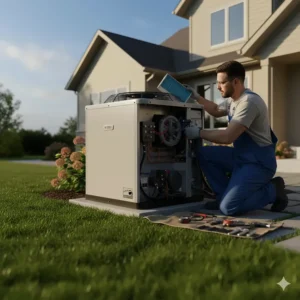
❓ Frequently Asked Questions
❓ Can I install a 16 seer air conditioner myself to save money?
❓ How much will my electric bill actually decrease with a 16 SEER upgrade?
❓ What happens if I need service on my 16 SEER air conditioner during the warranty period?
❓ Is there a difference between 16 SEER and 16 SEER2 ratings?
❓ How long does a typical 16 SEER air conditioner last with proper maintenance?
🎯 Recommended for You
- 14 SEER Air Conditioner: 7 Top-Rated Models That Save You Money in 2025
- 7 Best 28000 BTU Air Conditioner Models for Ultimate Cooling Power in 2025
- 7 Best 5 Ton Air Conditioner Models for Ultimate Commercial Cooling Power in 2025
Conclusion
Choosing a 16 seer air conditioner represents one of the smartest investments you can make in your home’s comfort and efficiency. Throughout this comprehensive guide, we’ve explored the technical specifications, real-world performance data, top product recommendations, and practical decision-making frameworks that transform a confusing purchase into a confident investment.
The sweet spot of 16 SEER efficiency delivers meaningful energy savings—typically 35-40% compared to older systems—without the premium pricing and complexity of ultra-high-efficiency models. Whether you choose the reliable Goodman GSXC160361, the budget-friendly MrCool Signature series, the durable Amana ASXC160361, or the premium Trane XR16, you’re investing in proven technology that will serve you well for 15-20 years.
Remember that proper sizing matters more than brand names, quality installation trumps equipment specifications, and regular maintenance protects your investment far better than any extended warranty. Don’t make this decision during a heat wave emergency—plan ahead, get multiple quotes, and prioritize contractor quality over the lowest price.
Your comfort, your budget, and your environmental impact all improve with a properly selected and installed 16 SEER system. The comprehensive information in this guide gives you the knowledge to ask intelligent questions, evaluate proposals objectively, and make the right choice for your specific situation.
🔥 Your Perfect Cooling Solution Awaits! ❄️
Ready to transform your home comfort while slashing energy bills? Don’t let another summer drain your wallet! Click on any of the highlighted 16 SEER air conditioner models above to check Amazon’s current pricing, compare specifications, and read thousands of verified customer reviews. Limited-time deals and manufacturer rebates won’t last forever—take action now to secure the best value on your new cooling system! 🌟🏡
Disclaimer: This article contains affiliate links. If you purchase products through these links, we may earn a small commission at no additional cost to you.
✨ Found this helpful? Share it with your friends! 💬🤗
