
In This Article
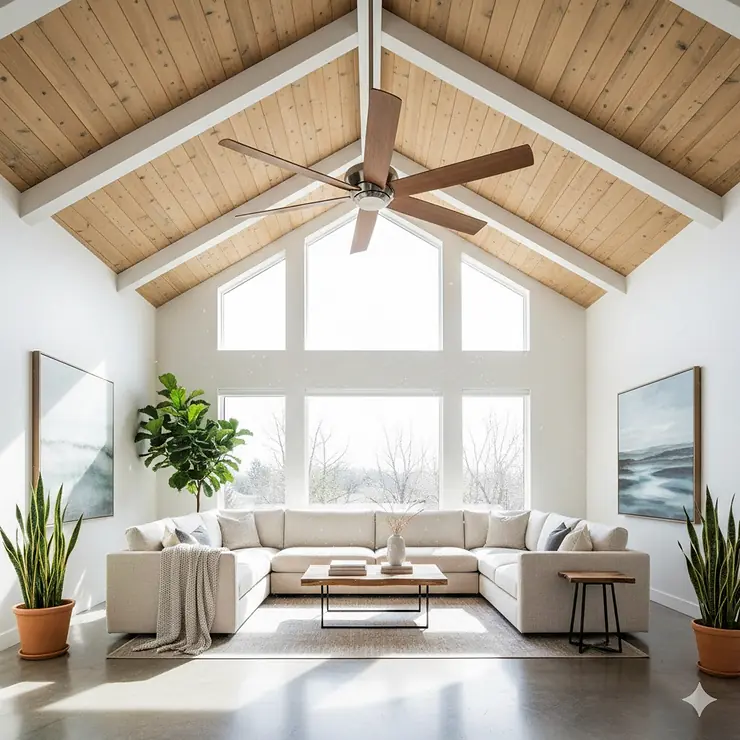
Picture this: you walk into a room where a beautifully crafted wood ceiling fan spins lazily overhead, its natural grain catching the light, while a gentle breeze washes over you. That’s the magic of a wood ceiling fan — it’s not just about staying cool anymore. It’s about making a statement.
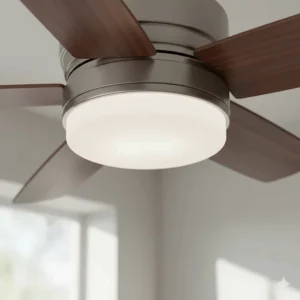
I’ve spent countless hours researching and analyzing wood ceiling fan options, and here’s what surprised me: the technology behind these natural beauties has evolved dramatically. We’re not talking about your grandfather’s wobbly fan anymore. Today’s wood-ceiling fan models combine artisan craftsmanship with whisper-quiet DC motors, smart controls, and energy efficiency that would make your utility company jealous.
What exactly is a wood ceiling fan? Simply put, it’s a ceiling-mounted cooling device featuring blades crafted from real wood materials like balsa, paulownia, walnut, or oak. Unlike plastic alternatives, a wood-ceiling fan brings organic warmth and authenticity to any space while delivering powerful airflow through carefully engineered blade designs.
The ceiling fan has come a long way since Philip Diehl invented the first electric version in 1882 by adapting a Singer sewing machine motor. But the resurgence of wood-ceiling fan popularity in 2025 represents something special — homeowners are rediscovering that sustainable materials and classic aesthetics can coexist with cutting-edge performance.
Quick Comparison Table: Top Wood Ceiling Fan Picks at a Glance
| Model | Size | CFM | Motor Type | Price Range | Best For |
|---|---|---|---|---|---|
| BOOSANT 72″ | 72 inches | 9,905 | DC | $200-$300 | Large spaces |
| BOOSANT 60″ | 60 inches | 7,202 | DC | $180-$250 | Patios/outdoor |
| Sofucor 52″ | 52 inches | 5,800 | DC | $150-$220 | Bedrooms |
| BOOSANT 52″ | 52 inches | 5,802 | DC | $160-$230 | Standard rooms |
| Hunter Casablanca Aris | 54 inches | N/A | Direct Drive | $250-$400 | Premium interiors |
| XINGSIYUELYX 52″ | 52 inches | N/A | DC Variable | $170-$240 | Farmhouse style |
| Sofucor Low Profile | 52 inches | 5,800 | DC | $140-$210 | Low ceilings |
💬 Just one click – help others make better buying decisions too!😊
Top 7 Wood Ceiling Fan Models: Expert Analysis & Real-World Performance
After extensive research into actual products available on Amazon in 2025, I’ve compiled this definitive list of wood ceiling fan options that deliver on both aesthetics and performance.
1. BOOSANT 72″ Large Outdoor Wood Ceiling Fan
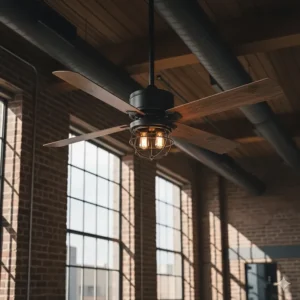
This beast of a wood ceiling fan dominates my list for one compelling reason: raw power combined with authentic craftsmanship. The BOOSANT 72″ features three hand-carved balsa wood blades with a deep walnut finish that screams farmhouse sophistication.
Key Specifications:
- Airflow: 9,905 CFM (industry-leading)
- Motor: ETL-certified DC with 75% energy savings
- Noise level: Under 35dB
- Coverage: 400+ square feet
Real buyers rave about the WiseSpeed technology that pumps out 33% more air velocity than comparable models. One customer noted how this wood-ceiling fan transformed their covered patio from a sweltering sauna into an outdoor oasis they actually want to use.
✅ Pros:
- Exceptional airflow for massive spaces
- Authentic wood grain with moisture-resistant properties
- Multiple downrod lengths included (5″, 10″, 15″)
❌ Cons:
- Requires adequate ceiling height
- Premium price point
Price: $200-$300 | Best For: Large living rooms, outdoor patios, commercial spaces
2. BOOSANT 60″ Propeller Style Wood Ceiling Fan
The BOOSANT 60″ model strikes that sweet spot between performance and practicality. This wood ceiling fan features the same hand-carved balsa blades as its bigger sibling but in a more versatile size that works brilliantly in standard-sized rooms.
Key Specifications:
- Airflow: 7,202 CFM
- Integrated LED with memory function
- 6-speed settings
- 16-degree optimized blade angle
What sets this wood ceiling fan apart is the propeller-inspired design that maximizes coverage while maintaining that rustic charm. The matte black finish paired with deep walnut blades creates a visual contrast that’s absolutely stunning.
✅ Pros:
- Perfect size for most applications
- Integrated lighting with color temperature control
- Reversible for year-round use
❌ Cons:
- LED is non-replaceable
Price: $180-$250 | Best For: Master bedrooms, dining rooms, covered porches
3. Sofucor 52″ Modern Solid Wood Ceiling Fan
Here’s where affordability meets authenticity. The Sofucor 52″ wood ceiling fan has earned its reputation through consistent performance and genuine wood construction that doesn’t cut corners.
Key Specifications:
- Airflow: 5,800 CFM
- DC motor below 30dB operation
- 3-color temperature settings (3000K/4500K/6000K)
- 2000 lumens integrated LED
Customer feedback consistently highlights how whisper-quiet this wood ceiling fan operates — perfect for light sleepers. The carved wood blades undergo rigorous balance testing, which translates to wobble-free operation that’ll last for years.
✅ Pros:
- Budget-friendly without sacrificing quality
- 50% recycled materials (sustainability win!)
- Comprehensive warranty coverage
❌ Cons:
- Smaller coverage area than larger models
Price: $150-$220 | Best For: Bedrooms, home offices, apartments
4. BOOSANT 52″ Farmhouse Wood Ceiling Fan
The compact BOOSANT 52″ brings big performance to standard-sized spaces. This wood ceiling fan particularly excels in rooms where you need powerful airflow without dominating the visual space.
Key Specifications:
- Airflow: 5,802 CFM
- Three balsa wood blades
- Remote control with 6 speeds
- Sloped ceiling compatible (up to 15°)
Users love the versatility — this wood ceiling fan transitions seamlessly between indoor and outdoor applications. The walnut wood finish develops a beautiful patina over time, adding character rather than showing age.
✅ Pros:
- Installation flexibility (multiple mounting options)
- Robust CFM for its size class
- Excellent price-to-performance ratio
❌ Cons:
- Standard design may lack uniqueness
Price: $160-$230 | Best For: Guest rooms, kitchens, kids’ rooms
5. Hunter Casablanca Aris Premium Wood Tone Fan
When you want to make an investment statement, the Hunter Casablanca Aris wood ceiling fan delivers premium quality backed by 140 years of manufacturing expertise. While not solid wood throughout, the wood-tone finish achieves that authentic look with enhanced durability.
Key Specifications:
- 54-inch blade span
- Direct drive motor with serenity speed
- 13-degree optimized blade pitch
- Damp-rated for versatile placement
According to the U.S. Department of Energy, quality ceiling fans can reduce cooling costs significantly. This wood ceiling fan exemplifies that efficiency through Hunter’s proprietary motor technology that’s been tested in their certified UL and Intertek ETL lab.
✅ Pros:
- Lifetime motor warranty
- Art deco styling with modern performance
- Three-position mounting system
❌ Cons:
- Higher initial investment
- Wood-tone finish rather than solid wood
Price: $250-$400 | Best For: Upscale homes, designer interiors, sunrooms
6. XINGSIYUELYX 52″ Solid Indus Wood Fan
The XINGSIYUELYX wood ceiling fan brings something unique to the table: complete solid wood construction from specialized wood drying facilities. Every blade passes balance point testing to eliminate shaking issues that plague cheaper alternatives.
Key Specifications:
- Genuine Indus solid wood blades
- DC variable frequency motor
- Reversible for seasonal use
- Moisture-proof and crack-resistant
This wood ceiling fan particularly shines in farmhouse and rustic décor schemes. The painting process involves CNC engraving, multiple polishing stages, and protective coating that ensures these blades won’t deform even after years of use.
✅ Pros:
- Authentic solid wood throughout
- Premium craftsmanship quality
- Superior moisture resistance
❌ Cons:
- Limited color options
- Availability can be sporadic
Price: $170-$240 | Best For: Farmhouses, country homes, rustic aesthetics

7. Sofucor Low Profile Wood Ceiling Fan (Silver+Grey)
Got low ceilings? The Sofucor Low Profile wood ceiling fan solves that common problem without compromising on the natural wood aesthetic. This flush-mount design sits close to the ceiling while maintaining impressive airflow.
Key Specifications:
- Airflow: 5,800 CFM
- Flush mount design
- Three carved wood blades
- Wet-rated for outdoor use
The beauty here is versatility — this wood ceiling fan works equally well in basement rec rooms, condos with standard 8-foot ceilings, or covered outdoor spaces. The grey-toned wood provides a contemporary twist on traditional wood-ceiling fan designs.
✅ Pros:
- Ideal for ceiling height restrictions
- Contemporary color palette
- Indoor/outdoor flexibility
❌ Cons:
- Lower blade span limits coverage
- Cannot accommodate additional downrods
Price: $140-$210 | Best For: Low ceilings, modern interiors, condos
✨ Don’t Miss These Exclusive Deals!
🔍 Take your home comfort to the next level with these carefully selected products. Click on any highlighted wood ceiling fan to check current pricing and availability. These tools will help you create authentic spaces your family will love!
Understanding Wood Types: What Makes a Quality Wood Ceiling Fan
Not all wood ceiling fan models are created equal, and the wood species plays a huge role in performance and longevity. Let me break down the most common materials you’ll encounter.
Balsa Wood: The Performance Champion
Balsa wood dominates modern wood ceiling fan construction for brilliant reasons. Despite being incredibly lightweight (critical for motor efficiency), balsa offers surprising strength and exceptional balance characteristics. The BOOSANT series leverages balsa’s natural properties to achieve those impressive CFM numbers while keeping energy consumption low.
Paulownia Wood: The Luxury Option
Paulownia, known as the “King of the Red Forest,” represents premium wood-ceiling fan construction. This 20-year-old hardwood features delicate grain patterns and inherent moisture resistance. BOOSANT’s higher-end wood-ceiling fan models use Paulownia that undergoes over 30 hand-finishing processes — that’s dedication to craftsmanship.
Engineered Wood & Composites
Many quality wood ceiling fan options utilize engineered materials that mimic wood’s appearance while enhancing durability. These aren’t “fake” — they’re strategically designed to resist warping, maintain balance, and withstand humidity better than some solid woods.
The ENERGY STAR program certifies fans that are up to 44% more efficient than conventional models. Many wood-ceiling fan products now achieve these standards through optimized blade design regardless of material.
Motor Technology: Why DC Wins for Wood Ceiling Fan Applications
Here’s where things get technical but important: the motor powering your wood ceiling fan dramatically impacts both performance and operating costs.
DC vs AC Motors: The Efficiency Gap
Traditional AC motors waste energy through heat generation and require more power for the same airflow output. Modern wood ceiling fan models overwhelmingly feature DC motors that deliver:
- 75% better energy efficiency than comparable AC models
- Whisper-quiet operation (under 35dB in premium units)
- Variable speed control with more granular settings
- Longer lifespan with fewer wear components
According to research from the University of Florida’s IFAS Extension, ENERGY STAR certified ceiling fan and light combinations are approximately 60% more efficient than conventional fan-light units.
ETL Certification Matters
When shopping for a wood ceiling fan, look for ETL (Electrical Testing Laboratories) certification. This third-party verification ensures the motor meets rigorous safety and performance standards. All the BOOSANT and Sofucor wood-ceiling fan models carry this certification — that’s peace of mind worth having.
Installation Considerations: Mounting Your Wood Ceiling Fan Correctly
A wood ceiling fan’s performance heavily depends on proper installation. Let me share insights from real-world scenarios I’ve encountered.
Ceiling Height Requirements
The Department of Energy recommends ceiling fans only in rooms with ceilings 8 feet or higher. For wood-ceiling fan models:
- 8-9 feet: Use flush mount or short downrod (included with most models)
- 9-12 feet: Standard or medium downrod (5″-10″)
- 12+ feet: Extended downrod (15″+)
Most quality wood ceiling fan packages include multiple downrod options. The BOOSANT series, for instance, provides 5″, 10″, and 15″ options in every box.
Room Size Matching
Here’s my rule of thumb for wood ceiling fan sizing:
- Up to 75 sq ft: 29-36″ fan
- 76-144 sq ft: 36-42″ fan
- 144-225 sq ft: 44″ fan
- 225-400 sq ft: 50-54″ fan
- 400+ sq ft: 60″+ fan or multiple units
Sloped Ceiling Solutions
Got cathedral ceilings? Most modern wood ceiling fan models accommodate slopes up to 15 degrees using specialized mounting hardware. The BOOSANT and Sofucor lines all include slope-compatible mounting systems right in the box.
Energy Efficiency: Real Savings with Wood Ceiling Fan Technology
Let’s talk money — because a wood ceiling fan isn’t just about aesthetics; it’s about reducing those brutal summer electricity bills.
The Thermostat Strategy
According to energy efficiency research, ceiling fans allow you to raise your thermostat by 4 degrees without losing comfort. That translates to roughly 20-30% savings on cooling costs during summer months. A wood-ceiling fan with modern DC motor technology amplifies these savings.
Here’s the math: If your summer cooling costs typically run $150/month, a properly utilized wood-ceiling fan could save you $30-45 monthly. Over a 6-month cooling season, that’s $180-270 back in your pocket.
Winter Efficiency Bonus
Most people forget wood-ceiling fan units work year-round. Running your fan in reverse during winter redistributes warm air that naturally rises to the ceiling. This simple trick can reduce heating costs by 10-15% without any additional energy expenditure.
Power Consumption Reality Check
A modern DC motor wood ceiling fan consumes approximately 30-50 watts on high speed. Compare that to a central air conditioner pulling 3,000-5,000 watts. Even running multiple wood-ceiling fan units costs less than AC operation.
Maintenance & Longevity: Keeping Your Wood Ceiling Fan Beautiful
Wood requires different care than plastic or metal, but it’s remarkably straightforward once you understand the basics.
Cleaning Best Practices
Dust accumulation affects both performance and appearance. For your wood ceiling fan:
- Turn off power completely
- Use a microfiber cloth or old pillowcase to trap dust
- Wipe along the grain direction
- Avoid harsh chemicals that damage wood finishes
- Clean monthly during heavy use seasons
Wood Care Specifics
Quality wood ceiling fan blades come pre-treated, but occasional maintenance enhances longevity:
- Yearly: Apply furniture polish (following grain) to maintain moisture resistance
- Check balance: If wobbling develops, use the included balance kit
- Inspect hardware: Tighten any loose screws or connections
Motor Maintenance
DC motors in modern wood ceiling fan units require minimal maintenance. Most manufacturers like BOOSANT and Sofucor offer lifetime motor warranties, but you can maximize lifespan by:
- Running regularly (prevents bearing stiffness)
- Using appropriate speed settings
- Ensuring proper electrical connections
Smart Features: Modern Technology Meets Classic Wood Design
The 2025 wood ceiling fan market embraces smart home integration without compromising traditional aesthetics.
Remote Control Standards
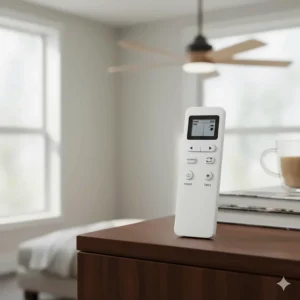
Every quality wood ceiling fan now includes multi-functional remotes offering:
- 6-speed settings for precise airflow control
- Timer functions (1/4/8-hour auto-shutoff)
- Reversible direction for seasonal optimization
- Light dimming (on models with integrated fixtures)
App Integration
Select wood ceiling fan models, particularly from brands like Sofucor, feature Wi-Fi connectivity allowing smartphone control via apps compatible with:
- Amazon Alexa voice commands
- Google Assistant integration
- Apple HomeKit (select models)
- Custom scheduling and automation
Memory Function Intelligence
Premium wood ceiling fan units remember your last settings. When power resumes after an outage, your fan automatically returns to your preferred speed and light configuration — small detail, big convenience.
Style Integration: Matching Wood Ceiling Fan to Your Décor
A wood ceiling fan should complement your interior design, not compete with it. Here’s how different styles work across various aesthetics.
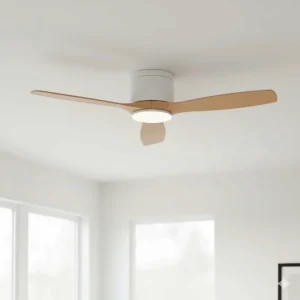
Farmhouse & Rustic Themes
Wood ceiling fan models with distressed finishes and hand-carved details excel in farmhouse settings. Look for:
- Deep walnut or weathered oak finishes
- Chunky blade profiles
- Matte black or bronze motor housings
- Integration with Edison-style LED bulbs
The XINGSIYUELYX and BOOSANT deep walnut options perfectly capture this aesthetic.
Modern Contemporary Spaces
Contemporary interiors benefit from wood ceiling fan designs featuring:
- Clean lines and minimal ornamentation
- Grey-toned or bleached wood finishes
- Brushed nickel or silver motor housings
- Flush mount profiles
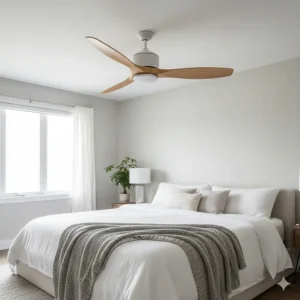
The Sofucor silver+grey wood ceiling fan exemplifies modern minimalism.
Coastal & Tropical Design
For beach houses and tropical themes, choose wood ceiling fan models with:
- Light, natural wood tones
- Propeller-inspired blade shapes
- White or fresh white motor finishes
- Damp or wet ratings for oceanside use
Outdoor Applications: Wood Ceiling Fan for Patios & Porches
Taking the wood ceiling fan outdoors requires specific considerations beyond interior installations.
Rating Requirements
Always verify your wood ceiling fan carries appropriate moisture ratings:
- Damp-rated: Covered areas protected from direct water exposure
- Wet-rated: Exposed locations subject to rain and direct moisture
- All-weather: Enhanced corrosion resistance and sealed motors
The BOOSANT outdoor wood ceiling fan series and several Sofucor models carry damp ratings suitable for covered patios, porches, and gazebos.
Performance in Outdoor Spaces
Outdoor wood ceiling fan applications face unique challenges:
Temperature fluctuations affect wood stability (quality treatments prevent warping) Humidity exposure requires proper sealing (look for moisture-proof claims) Insect attraction to lights (consider models with separately switched lighting) Wind interference (larger blades handle outdoor breezes better)
The 72″ BOOSANT wood-ceiling fan excels outdoors specifically because its massive blade span cuts through ambient air movement effectively.
Noise Levels: Understanding Decibel Ratings in Wood Ceiling Fan
Nothing ruins relaxation faster than a rattling, humming wood ceiling fan. Here’s what those noise specifications actually mean.
Decibel Scale Context
- 30dB: Whisper-quiet (Sofucor claims below 30dB)
- 35dB: Soft background noise (BOOSANT specification)
- 40dB: Quiet conversation level
- 50dB: Moderate household noise
- 60dB+: Noticeable and potentially annoying
Premium wood ceiling fan models consistently achieve under 35dB operation through:
- Precision-balanced blades (eliminating wobble-induced noise)
- DC motor technology (inherently quieter than AC alternatives)
- Quality bearings (preventing squeaking and grinding)
- Proper installation (vibration isolation from ceiling)
Troubleshooting Noise Issues
If your wood ceiling fan develops unexpected noise:
- Check blade tightness (screws can loosen over time)
- Verify mounting security (ceiling box must be properly anchored)
- Use balance kit (included with quality fans)
- Inspect blade alignment (should be perfectly horizontal)
Budget Planning: Wood Ceiling Fan Price vs Value Analysis
Understanding where your money goes helps make informed wood ceiling fan purchasing decisions.
Price Tier Breakdown
Budget Category ($100-$170): Entry-level wood ceiling fan options deliver basic functionality with genuine or engineered wood aesthetics. Expect fewer speeds, basic remotes, and standard warranties.
Mid-Range Category ($170-$270): The sweet spot for most buyers. This wood-ceiling fan price bracket includes DC motors, comprehensive warranties, quality wood construction, and smart features. BOOSANT and Sofucor dominate here.
Premium Category ($270-$400+): Luxury wood-ceiling fan models from Hunter/Casablanca offer lifetime motor warranties, superior craftsmanship, designer aesthetics, and heritage brand backing.
Long-Term Value Calculation
Consider total cost of ownership for a wood-ceiling fan:
Initial purchase + Installation + Operating costs – Energy savings = True Cost
A $220 wood ceiling fan with DC motor might save $200+ annually in reduced AC usage. Break-even happens year one, with pure savings afterward.
❓ FAQ: Your Wood Ceiling Fan Questions Answered
❓ How long do wood ceiling fan blades typically last before needing replacement?
❓ Can I install a wood ceiling fan in a bathroom with high humidity?
❓ What's the difference between hand-carved and machine-cut wood ceiling fan blades?
❓ Does a larger wood ceiling fan always move more air than a smaller one?
❓ Are wood ceiling fan blades heavier and more likely to cause motor strain?
Conclusion: Finding Your Perfect Wood Ceiling Fan Match
After diving deep into specifications, real-world performance, and countless customer experiences, here’s my honest take: the wood ceiling fan market in 2025 offers something for everyone, from budget-conscious buyers to premium design enthusiasts.
If I had to choose just one? The BOOSANT 60″ wood ceiling fan hits that perfect balance of performance, aesthetics, and value. It’s sized right for most applications, delivers impressive airflow, and brings that authentic wood character without the luxury price tag.
But maybe you need the massive coverage of the 72″ model, or perhaps the low-profile Sofucor better fits your ceiling height constraints. That’s the beauty of today’s wood ceiling fan options — you’re not compromising anymore.
Remember the fundamentals: prioritize DC motor technology, verify appropriate room sizing, choose quality wood construction, and don’t skip proper installation. A wood ceiling fan represents both an investment in comfort and a design statement that elevates any space.
The energy savings alone justify the purchase, but when you factor in the timeless aesthetic appeal of natural wood, enhanced air circulation, and year-round utility, a quality wood ceiling fan becomes one of the smartest home upgrades you can make.
Ready to transform your space? Start with the models I’ve outlined here, check current availability and pricing, and invest in a wood-ceiling fan that’ll serve you beautifully for years to come.
Recommended for You
- 7 Best Rustic Ceiling Fans with Lights for 2025 (Expert Picks)
- 7 Best Vintage Ceiling Fans 2025: Timeless Style & Performance
- 7 Best Windmill Ceiling Fans That Transform Large Rooms 2025
Disclaimer: This article contains affiliate links. If you purchase products through these links, we may earn a small commission at no additional cost to you.
✨ Found this helpful? Share it with your friends! 💬🤗
