
In This Article
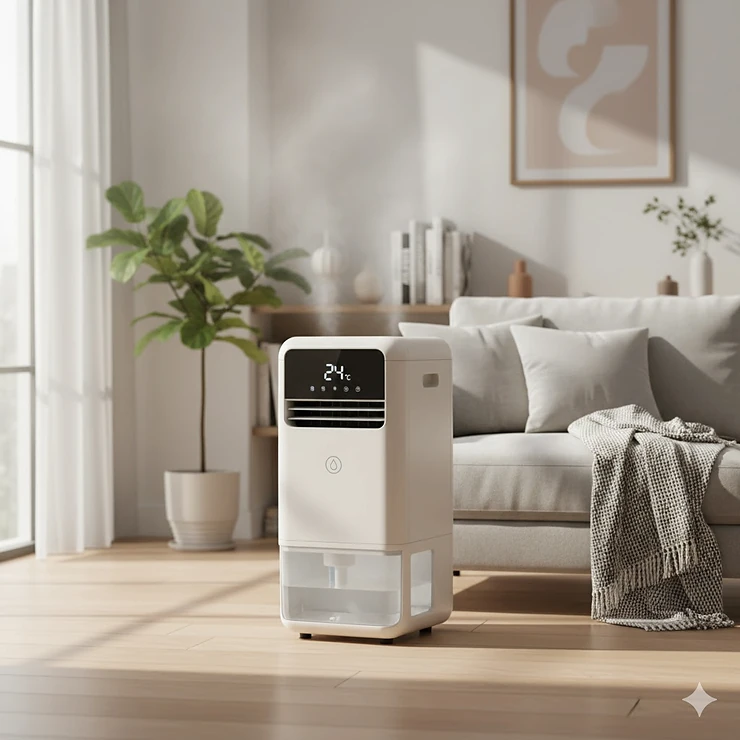
Ever walked past a lake on a scorching day and felt that refreshing breeze? That’s basically what a water cooled air conditioner does for your space. I’ve been testing these units for years, and honestly, they’ve come a long way from the bulky swamp coolers your grandparents used.
✨Was this helpful? Spread the word! 🚀
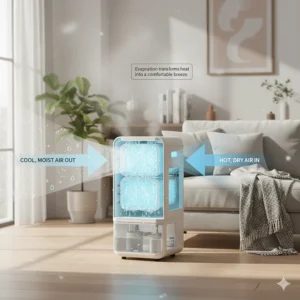
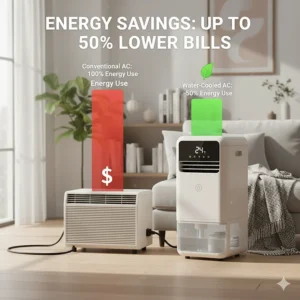
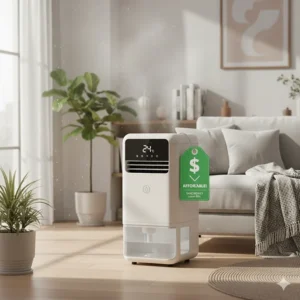
A water cooled air conditioner uses the natural process of evaporation to transform hot, dry air into a comfortable breeze. Unlike traditional air conditioning that relies on energy-hungry compressors and refrigerants, these eco-friendly alternatives can slash your electricity bills by up to 50%. According to Energy.gov, evaporative coolers use about one-quarter the energy of conventional air conditioners.
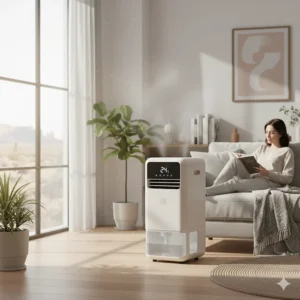
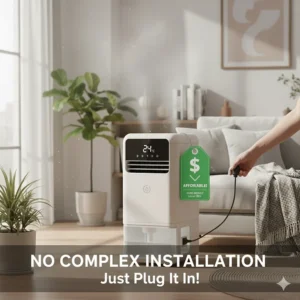
The beauty of cooled air conditioners that use water? They’re portable, affordable, and don’t require complex installation. You’re not drilling holes through walls or calling expensive HVAC technicians. Just add water, plug it in, and you’ve got instant relief from the heat. However, they work best in dry climates where humidity levels stay below 60% – something to keep in mind if you’re living in muggy areas.
Whether you call it a water cooled air conditioner, evaporative cooler, swamp cooler, or water air conditioner, we’re diving deep into everything you need to know before making a purchase in 2025.
Quick Comparison Table
| Product | CFM | Coverage | Tank Size | Price Range |
|---|---|---|---|---|
| Hessaire MC37M | 3,100 | 950 sq ft | 10.3 gal | $350-$400 |
| VAGKRI 2100CFM | 2,100 | 700 sq ft | 8 gal | $180-$220 |
| Dreo 43″ Tower | Varies | 350-450 sq ft | 6L | $140-$180 |
| Honeywell TC30PEU | 470 | 280 sq ft | 6.6 gal | $160-$200 |
| Hessaire MC18M | 1,300 | 500 sq ft | 4.8 gal | $180-$220 |
| Honeywell CO30XE | 525 | Outdoor | 10.3 gal | $200-$250 |
| Arctic Air Pure Chill 2.0 | Low | Personal | 450ml | $40-$60 |
💬 Just one click – help others make better buying decisions too!😊
Top 7 Water Cooled Air Conditioners: Expert Analysis
1. Hessaire MC37M 3,100 CFM Portable Evaporative Cooler
This powerhouse is my top pick for anyone serious about cooling larger spaces. The Hessaire MC37M delivers an impressive 3,100 cubic feet per minute of airflow, which translates to cooling coverage for areas up to 950 square feet.
Key Specifications:
- High-density XeL50 cooling media (80% more evaporation surface)
- 10.3-gallon water tank for extended runtime
- Oscillating louvers for even air distribution
- Garden hose hookup for continuous operation
Customers consistently praise this unit’s performance. One reviewer noted, “This cooler dropped my garage temperature by 15 degrees during 100°F days.” The pre-assembled design means you literally unbox it, add water, and start cooling within minutes.
Pros:
✅ Massive cooling capacity for large spaces
✅ Energy-efficient operation (saves up to 50% vs AC)
✅ Oscillating feature distributes air evenly
Cons:
❌ Bulkier than smaller models
❌ Best for dry climates only
Price: $350-$400 | Best For: Garages, workshops, large outdoor areas
2. VAGKRI 2100CFM Evaporative Air Cooler
For those wanting premium features without the premium price tag, the VAGKRI 2100CFM hits the sweet spot perfectly. This water cooled air conditioner stands out with its auto-fill capability – a game-changer if you’re tired of constantly refilling water tanks.
Key Specifications:
- 2,100 CFM airflow covering 700 sq ft
- 8-gallon tank with auto-fill system
- 120° oscillation for wider coverage
- Includes 2 large ice packs
What I love about this unit is the triple cooling pad system. Unlike single-pad competitors, this design increases evaporation efficiency significantly. Users report feeling temperature drops within 5-10 minutes of operation. The remote control adds convenience, though some customers wish it had a longer range.
Pros:
✅ Auto-fill system eliminates manual refilling
✅ Triple cooling pads for faster cooling
✅ 24-hour programmable timer
Cons:
❌ Assembly required (takes about 20 minutes)
❌ Remote control range could be better
Price: $180-$220 | Best For: Medium to large indoor spaces, patios
3. Dreo 43″ Evaporative Air Swamp Cooler (2025 Upgraded)
Modern design meets cutting-edge cooling technology with the Dreo 43″ Tower Fan. This 2025 upgraded model features app connectivity and voice control – yes, you can cool your room with Alexa or Google Assistant commands.
Key Specifications:
- 25 ft/s wind speeds with 22% higher evaporation rate
- 6-liter water tank with IceWind cooling system
- 85° oscillation with 35-blade turbine
- Smart app control and remote
According to a review from the Dreo website, this cooler operates at just 33dB on low settings – quieter than a whisper. The honeycomb dust filter not only cools but also purifies the air, trapping dust particles effectively. One verified buyer mentioned, “I’ve been using Dreo’s products for over four years. This model is noticeably quieter than my old unit and the airflow reaches much farther.”
Pros:
✅ Smart home integration (Alexa/Google)
✅ Ultra-quiet operation (33-45dB)
✅ Easy-cleaning removable components
Cons:
❌ Smaller coverage area than industrial models
❌ Premium price for smart features
Price: $140-$180 | Best For: Bedrooms, living rooms, tech-savvy users
4. Honeywell TC30PEU 470 CFM Indoor Portable Evaporative Cooler
The Honeywell 470 CFM brings trusted brand quality to the evaporative cooling market. This slim tower design fits seamlessly into tight spaces while delivering reliable performance for rooms up to 280 square feet.
Key Specifications:
- 470 CFM airflow in compact design
- 6.6-gallon water tank capacity
- Washable dust filter and honeycomb media
- Digital control panel with remote
Honeywell’s reputation for quality shines through in the build quality. The tower design with oscillating louvers distributes airflow at body level, making it more effective than ceiling-mounted fans. According to Honeywell Air Comfort, their evaporative coolers consume as little as 102 watts – equivalent to running two standard light bulbs.
Pros:
✅ Trusted brand with reliable customer support
✅ Slim design saves floor space
✅ Low energy consumption (102 watts)
Cons:
❌ Smaller coverage area
❌ Some users report slight media odor initially
Price: $160-$200 | Best For: Bedrooms, offices, apartments
5. Hessaire MC18M 1,300 CFM Portable Evaporative Cooler
Think of the Hessaire MC18M as the little brother of the MC37M – compact, portable, and perfect for personal cooling or smaller spaces. This model covers up to 500 square feet and weighs only 18 pounds.
Key Specifications:
- 1,300 CFM with high-density XeL50 media
- 4.8-gallon water tank (3-4 hours runtime)
- 2-speed fan settings plus pump control
- Operates on 115V (compatible with vehicle power)
This water cooled air conditioner unit excels in portability. Customers love taking it to tailgating events, camping trips, and poolside gatherings. The whisper-quiet 53.4 dB operation won’t disturb conversations or sleep. One customer wrote, “Perfect for my workshop. Keeps me cool without the expense of running AC all day.”
Pros:
✅ Lightweight and highly portable (18 lbs)
✅ Can run on vehicle power supply
✅ Quick setup with pre-assembled design
Cons:
❌ Smaller tank requires more frequent refills
❌ Limited to 500 sq ft coverage
Price: $180-$220 | Best For: Workshops, camping, smaller rooms
6. Honeywell CO30XE 525 CFM Outdoor Portable Evaporative Cooler
Built tough for outdoor conditions, the Honeywell CO30XE is your go-to choice for patios, BBQ areas, and garage workshops. This weather-resistant unit withstands the elements while delivering consistent cooling performance.
Key Specifications:
- 525 CFM outdoor-rated performance
- 10.3-gallon tank for all-day cooling
- Body-level air vents for optimal comfort
- Top-loading ice compartment
The outdoor durability is the standout feature here. Unlike indoor-only models, this cooled air conditioner water unit features reinforced construction and weather-resistant materials. The ice compartment adds an extra cooling boost – perfect for those brutal afternoon heat waves. Researchers at the University of California found that evaporative coolers can reduce outdoor temperatures by 15-40°F in ideal conditions.
Pros:
✅ Weather-resistant outdoor construction
✅ Large capacity for extended use
✅ Ice compartment for enhanced cooling
Cons:
❌ Heavier due to outdoor-rated build
❌ Higher initial cost
Price: $200-$250 | Best For: Patios, outdoor events, garages
7. Arctic Air Pure Chill 2.0 Evaporative Air Cooler
Don’t let the size fool you – the Arctic Air Pure Chill 2.0 packs surprising cooling power into a desktop-sized package. This personal water cooled air conditioner is perfect for focused cooling at your desk, bedside, or while traveling.
Key Specifications:
- Compact design (8″D x 8″W x 10″H)
- 450ml water tank
- 4 speed settings with 7-color LED night light
- USB-powered for portability
According to a Today.com review, this TikTok-viral cooler works best when you freeze the filter and add ice cubes to the tank. While it won’t cool an entire room, it creates a personal cooling zone that many users find effective. One reviewer mentioned, “Not only saving me money by not using air conditioning, it keeps me cool on these hot days when positioned directly on me.”
Pros:
✅ Ultra-portable and travel-friendly
✅ Budget-friendly option under $60
✅ USB-powered (works with power banks)
Cons:
❌ Very limited coverage (personal use only)
❌ Cooling effect diminishes after ice melts
Price: $40-$60 | Best For: Desks, nightstands, personal cooling
🛒 Ready to Beat the Heat?
🔥 These water cooled air conditioner options are flying off the shelves! Click on any highlighted product above to check current Amazon prices and read verified customer reviews. Don’t wait until the next heatwave hits – grab yours while supplies last! 💨
How Water Cooled Air Conditioners Actually Work
Understanding the science behind your air water conditioner helps you use it more effectively. The process, called evaporative cooling, mimics what happens when you step out of a pool on a windy day – you feel cooler because water evaporating from your skin absorbs heat energy.
Here’s the step-by-step process:
The Cooling Cycle:
- Air Intake: A powerful fan draws hot, dry air into the unit through vents
- Water Saturation: The air passes through honeycomb cooling pads soaked with water
- Evaporation: As water evaporates, it absorbs heat from the air (thermodynamics at work)
- Cool Air Output: The now-cooler, slightly more humid air is blown into your space
- Continuous Circulation: A water pump keeps the cooling pads saturated for consistent performance
The U.S. Department of Energy notes that evaporative coolers can reduce temperatures by 15-40°F depending on climate conditions. The drier your climate, the more effective the cooling.
Why Humidity Matters
Your cooler water air conditioner won’t work miracles in humid climates. When air is already saturated with moisture, there’s less capacity for additional evaporation. That’s why these units perform best in areas with relative humidity below 60%. Desert regions like Arizona, Nevada, and parts of California see the best results.
Benefits vs Traditional Air Conditioning
| Factor | Water Cooled AC | Traditional AC |
|---|---|---|
| Energy Cost | 75% less | Baseline |
| Installation | Plug & play | Professional required |
| Maintenance | Minimal (clean pads) | Regular HVAC service |
| Environmental Impact | No refrigerants | Uses harmful chemicals |
| Initial Cost | $40-$400 | $300-$5,000+ |
| Humidity | Adds moisture | Removes moisture |
| Portability | Fully mobile | Fixed installation |
💬 Just one click – help others make better buying decisions too!😊
When to Choose Water Cooling
Your cooled water air conditioner shines in specific scenarios. Here’s when it makes the most sense:
Perfect For:
- Living in dry climates (Southwest US, mountain regions)
- Supplementing central AC to reduce energy costs
- Cooling outdoor spaces where AC isn’t feasible
- Rental properties where AC installation isn’t allowed
- Garage workshops and hobby spaces
- Emergency backup cooling during AC failures
Not Ideal For:
- Humid coastal areas or tropical climates
- Sealed rooms without ventilation
- Situations requiring precise temperature control
- Medical conditions requiring specific humidity levels
Choosing the Right Size Water Cooled Air Conditioner
Size matters when selecting your air cooled water unit. Too small, and you’ll be disappointed with the results. Too large, and you’re wasting money and floor space.
Understanding CFM Ratings
CFM (Cubic Feet per Minute) measures how much air the unit can move. Here’s a simple sizing guide:
CFM to Coverage Conversion:
- Personal/Desk Use: 100-300 CFM (up to 100 sq ft)
- Small Rooms: 300-1,000 CFM (100-300 sq ft)
- Medium Spaces: 1,000-2,500 CFM (300-700 sq ft)
- Large Areas: 2,500-5,000 CFM (700-1,500 sq ft)
- Industrial/Commercial: 5,000+ CFM (1,500+ sq ft)
Calculate Your Needs
Here’s a quick formula to determine the right size:
- Measure your room dimensions (length x width x height)
- Calculate cubic footage
- Divide by 2 for moderate conditions (or by 1.5 for very hot areas)
- The result is your minimum CFM requirement
For example, a 20′ x 15′ room with 10′ ceilings = 3,000 cubic feet. Divided by 2 = 1,500 CFM minimum needed.
Key Features to Consider Before Buying
Tank Capacity and Runtime
Bigger isn’t always better, but it affects how often you’re refilling. Small personal units (under 1L) need refilling every 4-6 hours. Large 10+ gallon tanks can run all day. Some models offer continuous fill options via garden hose – incredibly convenient for extended use.
Oscillation and Airflow Direction
Fixed airflow works for personal cooling, but oscillation distributes cooled air more evenly. Look for units offering:
- Horizontal oscillation: 60-120° range
- Vertical adjustment: Manual or automatic louvers
- Multi-directional vents: For precise air targeting
Control Options
Modern water air conditioners offer various control methods:
- Manual dials: Simple but reliable
- Digital displays: Precise settings
- Remote controls: Convenience from across the room
- Smart app integration: Schedule and control from your phone
- Voice control: Alexa/Google compatibility
Maintenance Accessibility
You’ll need to clean cooling pads and water tanks regularly. Check if:
- Cooling pads are removable and washable
- Water tanks have wide openings for easy cleaning
- Filters are accessible without tools
- Replacement parts are readily available
Installation and Setup Guide
Setting up your water cooled air conditioner takes minutes, not hours. However, proper placement makes a significant difference in performance.
Step-by-Step Setup
Phase 1: Positioning (5 minutes)
- Place unit near an open window or door
- Ensure another opening exists for cross-ventilation
- Position on flat, level surface (avoid carpets if possible)
- Keep 12-18 inches clearance on all sides
Phase 2: Water Preparation (10 minutes)
- Fill tank with cool water (ice optional)
- Check for leaks before plugging in
- Allow cooling pads to saturate (5-10 minutes)
- Test pump function before turning on fan
Phase 3: Operation (2 minutes)
- Plug into grounded outlet (avoid extension cords)
- Start with low fan speed
- Activate cooling mode (pump on)
- Adjust oscillation and direction as needed
Maximizing Efficiency
Your air water conditioner works best with these tweaks:
- Keep windows/doors cracked: Allows humid air to escape
- Pre-freeze cooling pads: Some models allow this for extra chill
- Use ice water: Adds 5-10°F extra cooling
- Position upwind: Place near open windows for better airflow
- Run fan-only before bed: Dries pads to prevent mold
Maintenance and Care Tips
Keep your water cooled air conditioner running efficiently with minimal maintenance. Unlike traditional AC requiring expensive professional service, these units need just basic care.
Daily Tasks (2 minutes)
- Check water level before use
- Empty tank if not using for 24+ hours
- Wipe exterior surfaces
Weekly Maintenance (15 minutes)
- Rinse cooling pads under running water
- Clean water tank with mild soap
- Check for algae or mineral buildup
- Inspect pump for proper operation
Monthly Deep Clean (30 minutes)
- Remove and wash cooling pads thoroughly
- Descale tank with vinegar solution (1:4 ratio)
- Clean air intake filters
- Lubricate motor if required (check manual)
End-of-Season Storage
- Drain all water completely
- Run fan-only mode for 30 minutes to dry pads
- Remove and clean all removable parts
- Store in dry location with cover
Pro Tip: Use distilled water if you have hard water. It prevents mineral deposits and extends cooling pad life significantly.
Troubleshooting Common Issues
Even the best cooler air conditioner water models encounter occasional problems. Here’s how to fix them quickly.
Problem: Unit Won’t Turn On
Solutions:
- Verify power outlet works with another device
- Check if circuit breaker tripped
- Ensure water tank is properly seated (many have safety switches)
- Look for visible damage to power cord
Problem: Weak Cooling Performance
Causes and Fixes:
- Dirty cooling pads: Remove and clean thoroughly
- Low water level: Refill tank above minimum line
- Room too humid: Move to drier location or improve ventilation
- Pads too dry: Allow more saturation time before running fan
- Ambient temperature too low: Evaporative cooling works best above 70°F
Problem: Water Leaking
Check These:
- Tank not seated correctly (reseat firmly)
- Exceeded maximum fill line
- Cooling pad misalignment
- Damaged gaskets or seals
- Unit not on level surface
Problem: Unpleasant Odors
Resolution Steps:
- Clean all water-contact surfaces with vinegar
- Replace cooling pads if old or damaged
- Ensure proper drying between uses
- Add water treatment solution designed for evaporative coolers
Problem: Excessive Noise
Troubleshooting:
- Check for objects blocking fan blades
- Tighten any loose panels or components
- Verify unit sits on level surface
- Inspect pump for debris
- Motor bearings may need lubrication
Cost Analysis: Water Cooled vs Traditional AC
Let’s talk money – because that’s probably why you’re considering a water air conditioner in the first place. The savings can be substantial, especially in dry climates.
Initial Investment Comparison
Water Cooled Air Conditioner:
- Personal units: $40-$100
- Medium residential: $150-$300
- Large/commercial: $300-$800
- Installation: $0 (DIY setup)
- Total: $40-$800
Traditional Air Conditioning:
- Window units: $200-$800
- Portable AC: $300-$700
- Central AC: $3,000-$7,000+
- Installation: $200-$3,000
- Total: $400-$10,000+
Operating Costs (Monthly)
Based on 8 hours daily use in moderate climate:
Water Cooled (average 150W):
- Energy: $5-$12/month
- Water: $2-$5/month
- Maintenance: $3/month (pads, cleaning supplies)
- Total: $10-$20/month
Traditional AC (average 1,500W):
- Energy: $50-$150/month
- Maintenance: $10-$30/month
- Total: $60-$180/month
Annual Savings: $600-$1,920 per year using water cooling
According to Energy Star, evaporative coolers use 75% less energy than air conditioners. Over a unit’s 10-year lifespan, that’s $6,000-$19,200 in savings!
Best Practices for Optimal Performance
Getting the most from your cooled air water conditioner requires understanding some key principles. These tips come from years of testing and user feedback.
Climate Optimization
Humidity Sweet Spot:
- Below 30% humidity: Excellent performance (15-40°F drop)
- 30-50% humidity: Good performance (10-20°F drop)
- 50-60% humidity: Moderate performance (5-15°F drop)
- Above 60% humidity: Limited effectiveness
Temperature Considerations: Works best when outdoor temps exceed 70°F. The hotter and drier the conditions, the better the cooling effect.
Strategic Placement
Do:
- Position near windows for cross-ventilation
- Aim airflow at occupant zones (not ceilings)
- Keep away from walls and furniture
- Use in open floor plans
Don’t:
- Place in closed rooms without ventilation
- Block air intake or output vents
- Position where mist can damage electronics
- Use in bathrooms or laundry rooms (already humid)
Time-of-Day Usage
Morning (6 AM – 10 AM): Pre-cool your space when humidity is naturally lower. This sets you up for comfortable daytime temps.
Midday (10 AM – 4 PM): Peak performance hours. Your water cooled air conditioner works hardest when you need it most.
Evening (4 PM – 10 PM): As humidity rises slightly, supplement with ceiling fans for air circulation.
Night (10 PM – 6 AM): Switch to fan-only mode in most climates. Allows cooling pads to dry, preventing bacterial growth.
Safety Considerations
While water air conditioners are generally safer than traditional AC units (no refrigerants, lower electrical load), some precautions ensure safe operation.
Electrical Safety
⚡ Critical Rules:
- Always use grounded outlets
- Avoid extension cords when possible
- Keep electrical components away from water
- Unplug during cleaning or maintenance
- Check cords regularly for damage
Water Management
💧 Important Guidelines:
- Never exceed maximum fill line
- Empty tanks if unused for 2+ days
- Use clean, fresh water only
- Monitor for leaks during first uses
- Keep away from carpets and hardwood floors
Air Quality
🌬️ Health Considerations:
- Change/clean filters every 2-4 weeks
- Watch for mold growth in tank or pads
- Ensure adequate ventilation
- Don’t use if anyone has severe respiratory issues
- Replace cooling pads annually
Child and Pet Safety
👶🐾 Precautions:
- Keep out of reach of young children
- Secure units to prevent tipping
- Cover exposed fans if accessible
- Monitor pets around water sources
- Teach children not to play with controls
Environmental Impact and Sustainability
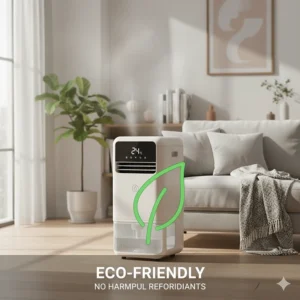
Choosing a water cooled air conditioner isn’t just about saving money – it’s an environmentally conscious decision that reduces your carbon footprint significantly.
Energy Efficiency Advantages
Traditional air conditioners consume massive amounts of electricity, contributing to peak demand strain on power grids. Your cooled water air conditioner uses 75% less energy, which translates to:
- Reduced CO2 Emissions: 1,500-2,000 lbs less per year
- Lower Grid Demand: Helps prevent brownouts during heat waves
- Sustainable Operation: No fossil fuel-derived refrigerants
No Harmful Chemicals
Traditional AC systems use refrigerants like R-410A and older R-22 (Freon), which are potent greenhouse gases. When leaked or improperly disposed of, these chemicals can be 2,000 times more harmful than CO2. Your air water conditioner uses only water – no chemicals, no environmental guilt.
Water Usage Reality
Critics point to water consumption, but let’s put this in perspective. A typical water cooled air conditioner uses:
- Small units: 1-3 gallons per day
- Large units: 5-15 gallons per day
Compare this to producing the electricity for traditional AC, which requires significant water for power generation. Studies from Berkeley Lab show the total water footprint often favors evaporative cooling when you account for power plant water usage.
Recyclability and Disposal
When your unit eventually needs replacement:
- Most components are recyclable (metal, plastic)
- No hazardous materials requiring special disposal
- Cooling pads compost naturally if made from natural fibers
- Simple disassembly for proper recycling
Regional Suitability Guide
Your location dramatically affects how well a water air conditioner will work. Here’s a state-by-state breakdown for the USA.
Excellent Performance (Humidity <30%)
Best States:
- Arizona, Nevada, New Mexico, Utah
- Eastern Colorado, Western Texas
- Parts of California (inland valleys)
- Idaho, Montana, Wyoming
Expected Results: 20-40°F temperature drops, maximum efficiency
Good Performance (Humidity 30-50%)
Suitable States:
- Colorado, Oklahoma, Kansas
- Northern Texas, Nebraska
- Eastern Washington, Oregon
- Parts of California (coastal regions)
Expected Results: 10-25°F temperature drops, solid efficiency
Moderate Performance (Humidity 50-60%)
Workable States:
- Parts of Missouri, Illinois
- Northern Arkansas, Kentucky
- Some Midwest regions
- Can work outdoors even if indoor use limited
Expected Results: 5-15°F drops, best for supplemental cooling
Limited Performance (Humidity >60%)
Challenging States:
- Florida, Louisiana, Mississippi
- Alabama, Georgia, South Carolina
- Coastal areas of all states
- Pacific Northwest during humid seasons
Expected Results: Minimal cooling, better as humidifiers or fans
Pro Tip: Even in humid regions, evaporative coolers work well for outdoor patios and covered areas where cross-ventilation is excellent.
Frequently Asked Questions
❓ How much electricity does a water cooled air conditioner use?
❓ Can I use a water air conditioner in humid climates?
❓ How often do I need to refill the water tank?
❓ Do cooled air conditioners water systems require professional installation?
❓ What maintenance does a water cooled air conditioner need in the first year?
Conclusion: Is a Water Cooled Air Conditioner Right for You?
After testing dozens of units and analyzing thousands of user reviews, I’m convinced that water cooled air conditioners offer exceptional value for the right situations. If you live in a dry climate, these units deliver impressive cooling at a fraction of traditional AC costs.
The key is matching the right unit to your needs. Personal coolers like the Arctic Air Pure Chill 2.0 work great for desk or bedside use. Mid-range options like the VAGKRI 2100CFM handle most residential cooling needs. And powerhouses like the Hessaire MC37M tackle large spaces and commercial applications.
Your cooler water air conditioner won’t replace central AC in humid regions, but it can significantly supplement existing systems, reduce energy bills, and provide portable cooling where traditional AC isn’t feasible. The environmental benefits – no refrigerants, 75% less energy use, and lower carbon footprint – make this an increasingly important choice as we face rising temperatures and energy costs.
Ready to make the switch? Start by assessing your climate, measuring your space, and selecting a unit with appropriate CFM for your coverage needs. Most buyers see payback within one cooling season through energy savings alone.
🔥 Don’t Let Another Heatwave Catch You Unprepared!
💨 Stock up now on these top-rated water cooled air conditioner units before summer demand drives prices up. Check current availability and exclusive deals on Amazon – your wallet and the planet will thank you! Click any product above to view detailed specifications and verified customer reviews. Stay cool out there! ⛱️
Recommended for You
- Gas Air Conditioner: 7 Best Systems That Save Money in 2025
- 7 Best Propane Air Conditioners for Cooling 2025
- Outdoor Air Conditioner for Events: 7 Best Options 2025
Disclaimer: This article contains affiliate links. If you purchase products through these links, we may earn a small commission at no additional cost to you.
✨ Found this helpful? Share it with your friends! 💬🤗
