
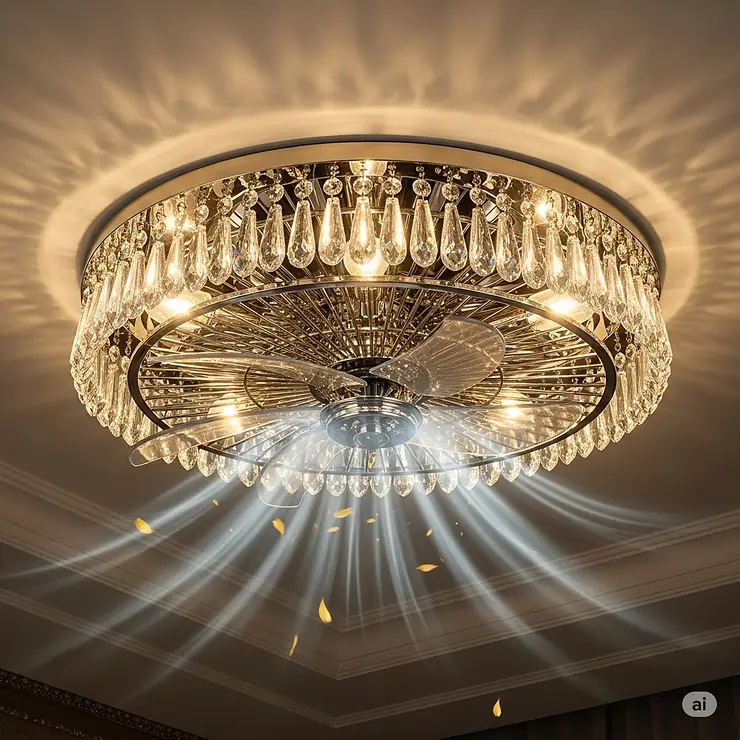
In This Article
✨Was this helpful? Spread the word! 🚀
When it comes to cooling your home efficiently while adding style, interesting ceiling fans have evolved far beyond the basic models of the past. Today’s market offers an incredible array of innovative designs that combine cutting-edge technology with stunning aesthetics. From smart-enabled models that respond to voice commands to artistic designs that serve as focal points, these interesting ceiling fans represent the perfect marriage of form and function.
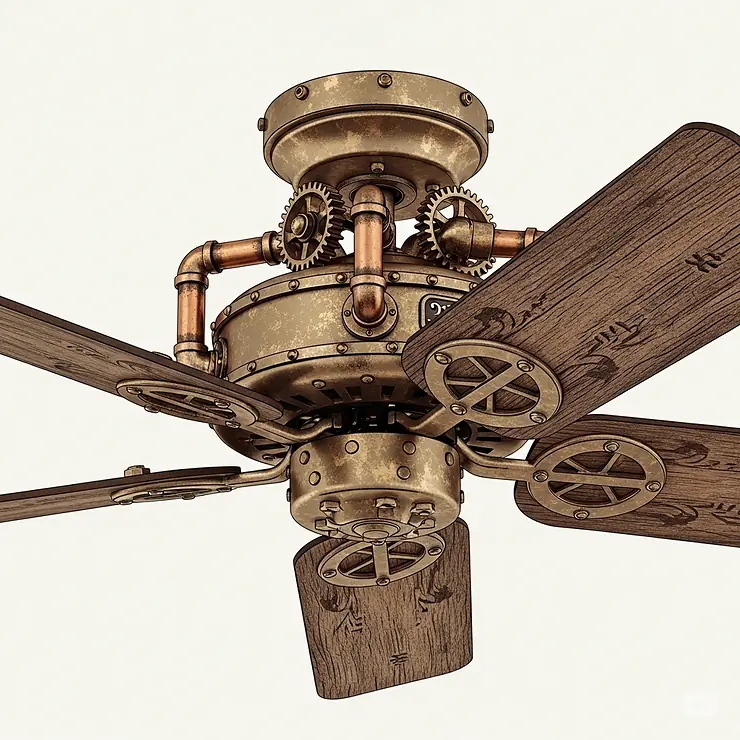
Moreover, the modern homeowner no longer has to choose between performance and style. With advancements in motor technology, blade design, and smart integration, interesting ceiling fans now deliver superior airflow while complementing any interior design theme. Additionally, energy efficiency has become a crucial factor, with many of today’s models consuming significantly less power than traditional options.
Understanding What Makes Ceiling Fans Truly Interesting 🌟
The definition of interesting ceiling fans has expanded dramatically in recent years. While traditional fans focused solely on air circulation, today’s models incorporate innovative features that make them conversation starters. Furthermore, manufacturers have embraced unique design philosophies that transform these functional appliances into artistic statements.
Interesting ceiling fans often feature asymmetrical blade designs, unusual materials like bamboo or aircraft-grade aluminum, and integrated smart technologies. Additionally, many models now include customizable lighting systems with adjustable color temperatures and dimming capabilities. Consequently, these fans serve multiple purposes: cooling, lighting, and enhancing the overall ambiance of a room.
Industry-Specific Applications
Residential Applications: Beyond Basic Cooling
In residential settings, interesting ceiling fans have become essential elements of modern home design. Interior designers increasingly specify these fixtures not just for their cooling capabilities, but as central design elements that define a room’s character. Particularly in open-concept homes, a well-chosen ceiling fan can help delineate spaces while providing consistent airflow throughout.
Kitchen applications require special consideration, where interesting ceiling fans must withstand moisture, heat, and cooking odors. Models with sealed motors and easy-to-clean surfaces have become popular choices. Similarly, bathroom installations demand moisture-resistant features, leading to the development of specialized wet-rated fans that maintain their aesthetic appeal even in humid conditions.
Commercial and Hospitality Sector Implementations
Hotels and restaurants have embraced interesting ceiling fans as cost-effective alternatives to expensive HVAC systems. Boutique hotels particularly favor unique designs that contribute to their distinctive ambiance. Additionally, restaurants use decorative fans to create comfortable dining environments while reducing energy costs.
Retail environments benefit from interesting ceiling fans that provide customer comfort without the noise typically associated with commercial HVAC systems. Furthermore, these installations often serve as design elements that enhance the shopping experience while maintaining optimal air circulation.
Healthcare and Educational Facilities
Hospitals and medical facilities increasingly utilize interesting ceiling fans in patient rooms and common areas. The quiet operation of modern DC motors makes them suitable for healing environments where noise reduction is critical. Moreover, their ability to improve air circulation can contribute to better indoor air quality.
Educational institutions have found that interesting ceiling fans in classrooms can improve student comfort and concentration. Research indicates that proper air circulation can enhance cognitive performance, making these installations both functional and beneficial for learning environments.
Professional Applications Across Industries
Fitness centers and gyms rely on interesting ceiling fans to maintain comfortable temperatures during high-intensity activities. These facilities require fans with powerful motors and durable construction to withstand constant operation in challenging environments.
Office buildings utilize interesting ceiling fans to supplement HVAC systems and reduce energy consumption. The integration of smart controls allows facility managers to optimize airflow based on occupancy and temperature conditions, resulting in significant energy savings.
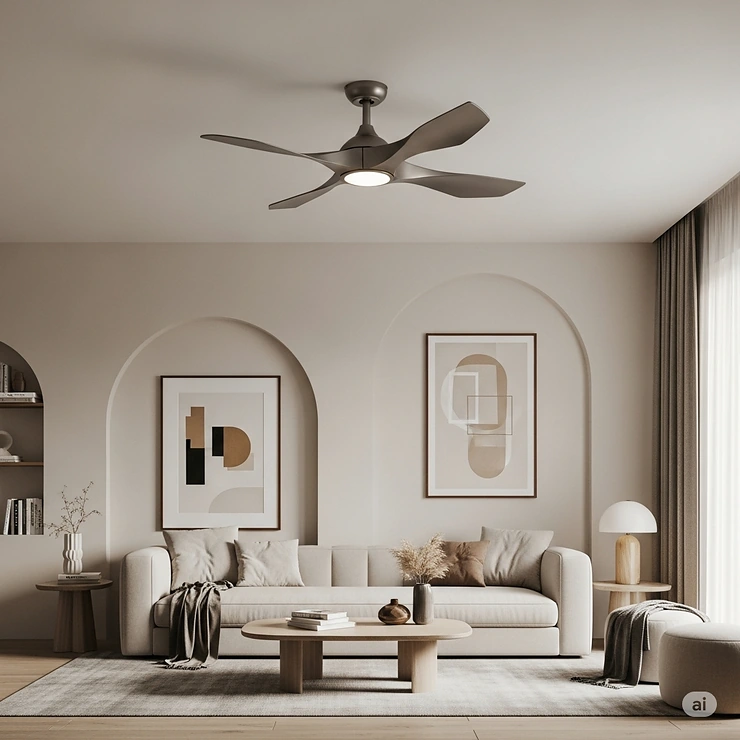
Advanced Technical Analysis
Engineering Principles Behind Modern Fan Design
The aerodynamics of interesting ceiling fans have undergone significant refinement based on aerospace engineering principles. Modern blade designs incorporate twisted airfoils that maximize lift while minimizing drag, resulting in improved efficiency and reduced noise levels. Furthermore, computational fluid dynamics (CFD) modeling now guides the development of blade profiles that optimize airflow patterns.
Motor technology represents another critical advancement area. DC (Direct Current) motors have largely replaced traditional AC motors in premium models due to their superior efficiency and quieter operation. These motors can achieve variable speeds more precisely, allowing for fine-tuned airflow control. Additionally, permanent magnet motors provide longer lifespan and reduced maintenance requirements.
Material Science and Performance Characteristics
Blade materials significantly impact both performance and aesthetics. Aircraft-grade aluminum offers exceptional strength-to-weight ratios while enabling complex curved designs. Meanwhile, engineered wood provides natural beauty with improved dimensional stability compared to solid wood options. Carbon fiber and composite materials are emerging in high-end models, offering unprecedented design flexibility.
Housing materials have evolved beyond basic metal stampings to include die-cast components that provide superior durability and finish quality. Advanced coatings protect against corrosion and wear while maintaining appearance over extended periods.
Scientific Research and Performance Metrics
According to the Environmental Protection Agency, ceiling fans can reduce cooling costs by up to 40% when used in conjunction with air conditioning systems. Research published in energy efficiency journals demonstrates that proper fan selection and placement can maintain comfort levels while allowing thermostat settings to increase by 4-7 degrees Fahrenheit.
Airflow measurements (CFM – Cubic Feet per Minute) provide quantitative performance indicators. Modern interesting ceiling fans achieve efficiencies exceeding 200 CFM per watt, significantly improving upon older models that typically delivered 50-75 CFM per watt. This improvement translates directly into lower operating costs and reduced environmental impact.
Innovation Trends and Technology Integration
Smart technology integration represents the frontier of ceiling fan development. Machine learning algorithms enable fans to automatically adjust speed based on room occupancy, temperature, and humidity levels. Voice control compatibility with platforms like Amazon Alexa and Google Assistant has become standard in premium models.
Wireless connectivity enables integration with home automation systems, allowing coordinated operation with lighting, HVAC, and security systems. Some models include sensors that monitor air quality and adjust operation accordingly, contributing to healthier indoor environments.
Top 7 Interesting Ceiling Fans for 2025 ⭐
1. Hunter Cassius 52-Inch Industrial Ceiling Fan – Best Overall Design
The Hunter Cassius represents the epitome of industrial-chic design in the ceiling fan market. Priced at approximately $179.99 on Amazon, this damp-rated model features a striking exposed motor design with reversible 52-inch blades. Its WhisperWind motor delivers 4,031 CFM at maximum speed while maintaining whisper-quiet operation.
Key Specifications:
- Blade Span: 52 inches
- Airflow: 4,031 CFM (high speed)
- Energy Usage: 75W without lights
- Mounting: Standard, flush, or angled options
- Warranty: Limited lifetime motor warranty
Customer reviews consistently praise its robust construction and virtually silent operation. The industrial aesthetic works particularly well in modern lofts, contemporary homes, and covered outdoor spaces. Additionally, installation proves straightforward thanks to Hunter’s comprehensive instructions and quality hardware.
2. Dreo CLF521 Smart Ceiling Fan – Best Smart Features
At around $126-160, the Dreo CLF521 delivers impressive smart functionality combined with elegant design. This 52-inch model features a brushless DC motor that achieves up to 5,673 CFM while consuming minimal energy. The integrated LED lighting system provides up to 2,400 lumens with adjustable color temperature from 2700K to 6500K.
Smart Features Include:
- 6-speed settings with app control
- Voice control via Alexa/Google Assistant
- Timer functions (1-12 hours)
- Reversible operation for year-round use
- Energy-efficient DC motor
The Dreo brand’s reputation for quality extends to this model, which includes a comprehensive remote control and smartphone app. Users appreciate the seamless installation process and the fan’s ability to integrate with existing smart home ecosystems.
3. Westinghouse Comet 52-Inch LED Ceiling Fan – Best Value
The Westinghouse Comet offers exceptional value at approximately $115-180, combining classic design with modern efficiency. This Energy Star certified model features five reversible blades and an integrated 16-watt LED light kit that provides warm, welcoming illumination equivalent to a 75-watt incandescent bulb.
Performance Metrics:
- Airflow: 3,589 CFM at high speed
- Energy Efficiency: 57 CFM per watt
- Motor: High-quality reversible design
- Light: Integrated dimmable LED
- Coverage: Suitable for rooms up to 400 sq ft
Consumer Reports consistently rates the Westinghouse Comet highly for reliability and performance. The traditional five-blade design appeals to homeowners seeking classic aesthetics without sacrificing modern efficiency standards.
4. Emerson Curva Sky 52-Inch Modern Fan – Most Unique Design
Priced around $200-250, the Emerson Curva Sky stands out with its distinctive curved blade design and low-profile mounting system. This wet-rated model features three uniquely contoured resin blades that deliver 3,900 CFM while maintaining an elegant, minimalist appearance.
Distinctive Features:
- Unique curved blade design
- Wet-rated for outdoor use
- 6-speed remote control
- Integrated halogen lighting
- Low-profile hugger mount
The Emerson Curva Sky appeals to homeowners seeking something truly different from traditional fan designs. Its sculptural appearance makes it a conversation piece while delivering excellent performance in both indoor and outdoor applications.
5. Big Ass Fans Haiku L 52-Inch Premium Smart Fan – Most Advanced Technology
The Big Ass Fans Haiku L represents the premium segment at $400-600, offering aerospace-grade construction and advanced smart features. This model features precision-balanced aluminum blades and a whisper-quiet motor that delivers exceptional airflow while consuming minimal energy.
Premium Features:
- Aircraft-grade aluminum construction
- SenseMe technology for automatic operation
- 16 dimmable LED lighting settings
- Voice control compatibility
- Premium finish options
Big Ass Fans has built a reputation for uncompromising quality, and the Haiku L exemplifies this commitment. The investment pays dividends in longevity, efficiency, and sophisticated smart home integration capabilities.
6. ZMISHIBO Low Profile 20-Inch Flush Mount – Best Small Space Solution
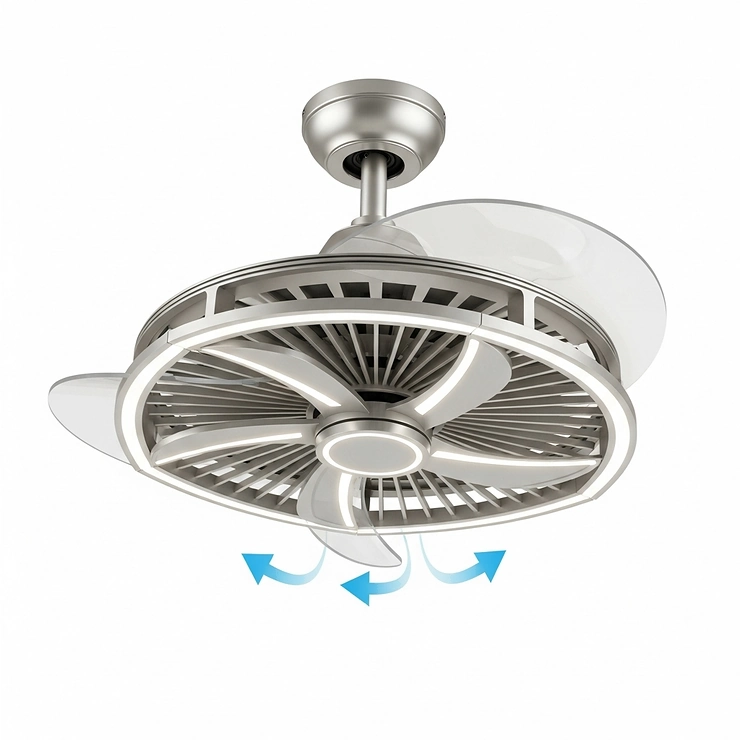
For smaller rooms and low ceilings, the ZMISHIBO low-profile series offers elegant solutions starting around $49-99. These compact models feature modern bladeless designs with integrated LED lighting and multiple speed settings.
Compact Specifications:
- Blade Span: 13-20 inches
- Flush mount design
- 6-speed operation
- 3000K-6500K adjustable lighting
- Remote control included
The ZMISHIBO brand provides excellent value for apartment dwellers and those with space constraints. Despite their compact size, these fans deliver surprising airflow while adding modern style to any room.
7. Sofucor Flush Mount Ceiling Fan – Best Quiet Operation
The Sofucor series, available on Amazon for $80-120, focuses on ultra-quiet operation with multiple lighting options. These fans feature advanced DC motors and precision-balanced blades that eliminate wobbling and noise.
Quiet Operation Features:
- Brushless DC motor
- Sound level below 30dB
- Motion detection capability
- Smartphone app control
- 5-year warranty
Customer reviews consistently highlight the Sofucor brand’s commitment to noise reduction, making these fans ideal for bedrooms and quiet spaces where undisturbed rest is essential.
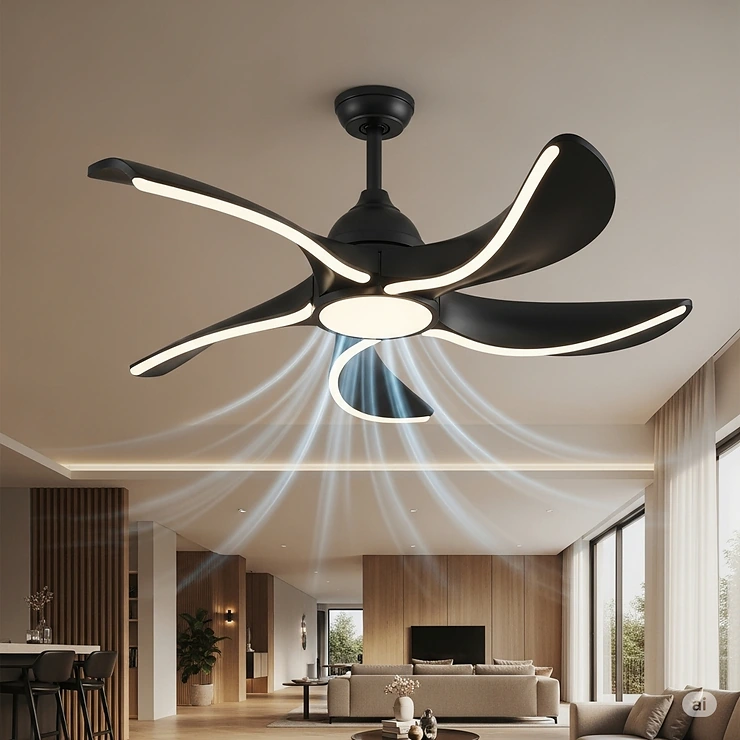
🛒 Don’t Miss These Exclusive Deals!
Take your home comfort to the next level with these carefully selected ceiling fans. Click on any highlighted item to check current pricing and availability on Amazon. These innovative fans will transform your space while providing years of reliable cooling! 🌟
Comprehensive Setup and Usage Guide
Pre-Installation Planning and Requirements
Before installing any interesting ceiling fans, proper planning ensures optimal performance and safety. First, verify that your ceiling can support the fan’s weight, typically ranging from 15-50 pounds depending on the model. Additionally, ensure adequate ceiling height—ideally 8-9 feet from floor to blade tips for optimal airflow and safety.
Electrical requirements vary by model, with most requiring standard 120V circuits. However, smart fans may need neutral wires for proper operation, which some older homes lack. Furthermore, consider the room size when selecting blade span: 42-48 inches for rooms up to 225 square feet, and 52+ inches for larger spaces.
Step-by-Step Installation Process
Installation begins with turning off power at the circuit breaker and removing existing fixtures. Subsequently, mount the ceiling bracket securely to a ceiling joist or rated electrical box capable of supporting dynamic loads. Most interesting ceiling fans include detailed instructions, but professional installation ensures safety and optimal performance.
Wire connections follow standard electrical practices: hot to hot (black), neutral to neutral (white), and ground to ground (green). Smart fans often require additional control wires for full functionality. Moreover, proper wire nuts and electrical tape ensure secure connections that won’t loosen over time.
User Compatibility and Optimization
Different users have varying comfort preferences, making adjustable speed controls essential. Modern interesting ceiling fans typically offer 3-6 speed settings, allowing fine-tuning for different seasons and activities. Additionally, reversible operation provides year-round utility: counterclockwise for cooling in summer, clockwise for air circulation in winter.
Smart features accommodate multiple users through programmable profiles that remember individual preferences. Furthermore, smartphone apps enable each family member to customize settings without affecting others’ comfort zones.
Safety Considerations and Best Practices
Electrical safety remains paramount during installation and operation. Always verify power is off using a non-contact voltage tester before beginning work. Additionally, ensure all connections are tight and properly insulated to prevent arcing or fire hazards.
Regular inspection of mounting hardware prevents accidents caused by loose components. Moreover, blade balance prevents wobbling that can stress mounting points and create noise. Most manufacturers provide balancing kits for field adjustments when needed.
Gradual Adoption and Learning Protocols
New users should start with lower speed settings and gradually increase as comfort levels develop. This approach prevents the overwhelming sensation that maximum airflow can create for those unaccustomed to ceiling fans. Additionally, smart fan features should be introduced gradually to avoid confusion.
Timeline recommendations suggest using basic functions for the first week, then introducing smart features like scheduling and voice control. Furthermore, experimenting with different lighting settings helps users discover optimal configurations for various activities and times of day.
Maintenance and Longevity
Daily and Weekly Maintenance Schedules
Routine maintenance begins with simple visual inspections to identify potential issues early. Daily observations should note any unusual noises, vibrations, or lighting irregularities that might indicate developing problems. Additionally, weekly blade cleaning prevents dust accumulation that can affect balance and airflow efficiency.
Cleaning requires gentle methods to protect finishes and electrical components. Furthermore, appropriate cleaning products vary by blade material: wood requires specific wood cleaners, while metal blades can tolerate mild detergents.
Monthly and Quarterly Maintenance Tasks
Monthly inspections should include checking mounting hardware for tightness and examining wiring connections for signs of wear or corrosion. Additionally, blade balance checks prevent wobbling that can damage motor bearings and ceiling structures.
Quarterly maintenance involves lubricating moving parts where specified by manufacturers, though most modern interesting ceiling fans feature sealed bearings that require no lubrication. Moreover, smart fan software updates should be applied when available to maintain optimal performance and security.
Troubleshooting Common Issues
Wobbling represents the most common ceiling fan problem, typically caused by blade imbalance or loose mounting hardware. Solutions include checking blade alignment, tightening screws, and using balancing weights if necessary. Additionally, bent blades should be replaced rather than straightened to maintain proper aerodynamics.
Noise issues often stem from loose components, inadequate lubrication, or worn bearings. Furthermore, electrical problems like flickering lights or intermittent operation usually indicate loose connections or failing components that require professional attention.
Professional Servicing and Warranty Considerations
Annual professional inspections ensure optimal performance and safety, particularly for expensive models like the Big Ass Fans Haiku L. These services typically include motor inspection, electrical testing, and performance verification. Additionally, professional servicing maintains warranty coverage for premium models.
Warranty terms vary significantly among manufacturers, with motor warranties ranging from 1 year to lifetime coverage. Furthermore, smart features often carry separate warranty terms that may differ from mechanical components.
Total Cost of Ownership Analysis
Lifetime costs include initial purchase price, installation, electricity consumption, and maintenance expenses. Energy-efficient models like the Dreo CLF521 typically recover their higher initial costs through reduced electrical consumption over 3-5 years. Additionally, longer warranties and proven reliability reduce replacement costs over time.
Premium models often provide better long-term value despite higher initial investments due to superior construction, longer warranties, and lower maintenance requirements. Moreover, energy savings can be substantial: efficient fans can reduce cooling costs by hundreds of dollars annually in hot climates.
Comparative Analysis
Traditional vs. Modern Approaches
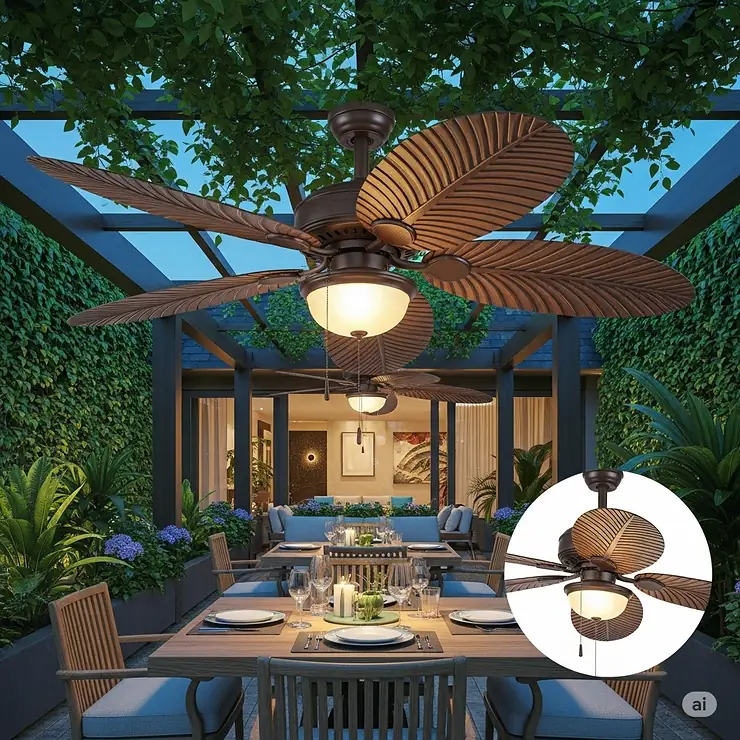
Traditional ceiling fan design prioritized simplicity and basic functionality, typically featuring four or five wooden blades with pull-chain controls. Conversely, modern interesting ceiling fans embrace innovative materials, smart technology, and artistic design elements that transform them into functional art pieces.
Performance comparisons reveal significant improvements in modern designs. While traditional fans typically achieved 50-75 CFM per watt, contemporary models like the Hunter Cassius and Dreo CLF521 deliver 150-200+ CFM per watt through advanced motor technology and aerodynamic blade designs.
Price-to-Benefit Ratio Analysis
Budget models ($50-150) like the ZMISHIBO series provide excellent value for basic cooling needs with modern aesthetics. Mid-range options ($150-300) including the Hunter Cassius and Westinghouse Comet offer enhanced features like smart controls and superior build quality. Premium models ($300-600+) such as the Big Ass Fans Haiku L justify their higher costs through aerospace-grade materials, advanced smart features, and exceptional longevity.
Cost analysis reveals that premium models often provide better lifetime value when factoring in energy savings, reduced maintenance, and longer operational life. Furthermore, smart features can optimize energy consumption based on occupancy and environmental conditions, maximizing efficiency.
Integration with Existing Systems
Modern interesting ceiling fans integrate seamlessly with home automation systems, unlike traditional models that operated independently. Smart fans can coordinate with thermostats to optimize cooling efficiency, automatically adjusting speed based on temperature differentials. Additionally, integration with lighting systems eliminates the need for separate controls and fixtures.
Compatibility varies among smart platforms, with most premium models supporting Amazon Alexa, Google Assistant, and Apple HomeKit. Furthermore, dedicated smartphone apps provide comprehensive control and monitoring capabilities that traditional fans cannot match.
Long-term Value Propositions
Investment in quality interesting ceiling fans provides multiple long-term benefits beyond basic cooling. Energy efficiency improvements can reduce HVAC costs by 20-40% annually, while smart features optimize operation for maximum comfort and efficiency. Additionally, aesthetic appeal contributes to home value and enjoyment.
Upgrade paths differ significantly between basic and smart models. Traditional fans offer limited improvement potential, while smart fans receive software updates that add features and improve performance over time. Moreover, modular designs in premium models allow component upgrades without complete replacement.
Comparison Table: Top Interesting Ceiling Fans
| Model | Price Range | Blade Span | CFM | Smart Features | Warranty | Best For |
|---|---|---|---|---|---|---|
| Hunter Cassius | $170-200 | 52″ | 4,031 | Basic Remote | Lifetime Motor | Industrial Style |
| Dreo CLF521 | $126-160 | 52″ | 5,673 | App, Voice Control | 2 Years | Smart Homes |
| Westinghouse Comet | $115-180 | 52″ | 3,589 | Pull Chain | Lifetime Motor | Traditional Homes |
| Emerson Curva Sky | $200-250 | 52″ | 3,900 | 6-Speed Remote | Limited Lifetime | Modern Design |
| Big Ass Fans Haiku L | $400-600 | 52″ | 1,500+ | Full Smart Suite | Lifetime Motor | Premium Applications |
| ZMISHIBO | $49-99 | 13-20″ | Varies | App Control | 2-5 Years | Small Spaces |
💬 Just one click – help others make better buying decisions too!😊
Case Studies and Success Stories
Residential Transformation: Modern Farmhouse Renovation
The Johnson family’s 2,400 square foot farmhouse renovation showcased how interesting ceiling fans can transform living spaces. They installed Hunter Cassius models throughout the main level, creating consistent industrial-modern aesthetics while reducing cooling costs by 35% annually. The exposed motor design complemented their industrial lighting and fixtures perfectly.
Before installation, their monthly summer electricity bills averaged $280. After installing six ceiling fans strategically throughout the home, their average dropped to $182, saving nearly $1,200 annually. Additionally, the improved air circulation eliminated hot spots that previously made certain rooms uncomfortable.
The family particularly appreciated the fans’ quiet operation, which allowed comfortable sleeping without air conditioning on moderate nights. Furthermore, the lifetime motor warranty provided peace of mind about their investment’s longevity.
Commercial Success: Boutique Hotel Implementation
The Riverside Inn, a 24-room boutique hotel, replaced their outdated HVAC-dependent cooling system with a combination of interesting ceiling fans and reduced air conditioning. They selected Emerson Curva Sky models for their unique aesthetic appeal and wet-rating capabilities in covered outdoor areas.
The installation resulted in 40% reduction in cooling costs during peak season, translating to $15,000 annual savings. Guest satisfaction scores improved due to better air circulation and reduced noise from constantly running AC units. Moreover, the distinctive fan designs became conversation pieces that enhanced the hotel’s unique character.
Maintenance costs decreased significantly compared to their previous HVAC-heavy approach. The fans’ reliability meant fewer service calls and guest comfort issues, improving operational efficiency substantially.
Educational Facility: Classroom Comfort Optimization
Lincoln Elementary School’s retrofit project included installing Dreo smart ceiling fans in 12 classrooms to improve student comfort and concentration. The smart features allowed teachers to adjust airflow based on classroom activities and outdoor conditions.
Before installation, temperature-related complaints averaged 15 per week during warm months. Post-installation, complaints dropped to 2-3 per week, with teachers reporting improved student attention during warm weather. Additionally, energy consumption decreased by 25% compared to relying solely on AC systems.
The smart controls proved particularly valuable, allowing automatic adjustments that didn’t disrupt teaching activities. Furthermore, the quiet operation ensured fans didn’t interfere with instruction or testing environments.
Future Trends and Market Evolution
Emerging Technologies and Innovation Directions
The ceiling fan industry continues evolving toward greater integration with smart home ecosystems and environmental monitoring. Future interesting ceiling fans will likely incorporate advanced sensors that monitor air quality, humidity, and occupancy to optimize operation automatically. Additionally, artificial intelligence will enable predictive operation based on weather forecasts and user behavior patterns.
Blade technology continues advancing through aerospace engineering applications and new materials science. Carbon fiber and advanced composites will enable more complex blade geometries that optimize airflow while reducing weight and noise. Furthermore, active blade technology may allow real-time adjustments to blade pitch for optimal efficiency under varying conditions.
Market Trends and Consumer Behavior
Consumer preferences increasingly favor multifunctional devices that combine cooling, lighting, and smart features in single units. This trend drives development of interesting ceiling fans with enhanced integrated lighting systems, speakers, and even air purification capabilities. Additionally, sustainability concerns are pushing manufacturers toward recyclable materials and energy-efficient designs.
Customization options continue expanding, with manufacturers offering modular designs that allow users to upgrade components without replacing entire units. Moreover, direct-to-consumer sales models enable more personalized configuration options and competitive pricing.
Sustainability and Environmental Considerations
Environmental consciousness drives development of more efficient motors and sustainable manufacturing processes. Future interesting ceiling fans will likely achieve even higher CFM per watt ratios while incorporating recycled materials where possible. Additionally, end-of-life recycling programs are becoming standard among premium manufacturers.
Renewable energy integration represents another frontier, with solar-powered models entering the market for off-grid applications. Furthermore, energy harvesting from fan rotation may power smart features without external electrical connections.
Personalization and Market Predictions
Industry experts predict increased personalization through AI-driven preferences learning and automatic optimization. Future models will adapt to individual comfort preferences automatically, creating personalized climate zones within homes. Additionally, health monitoring integration may enable fans to adjust operation based on occupant wellness indicators.
Market growth projections indicate continued expansion, particularly in smart-enabled models that integrate with broader home automation systems. The global ceiling fan market is expected to reach $14.2 billion by 2028, driven primarily by smart technology adoption and energy efficiency demands.
Investment and Purchase Decision Framework
Cost-Benefit Analysis Framework
Evaluating interesting ceiling fans requires comprehensive analysis beyond initial purchase price. Total cost of ownership includes installation costs ($100-300 for professional installation), annual energy consumption (varies by efficiency), and maintenance expenses over the fan’s lifespan. Additionally, consider potential energy savings from reduced air conditioning usage, which can offset purchase costs within 2-4 years.
Create a decision matrix scoring factors like energy efficiency, design appeal, smart features, warranty coverage, and brand reputation. Weight each factor according to your priorities: energy efficiency might dominate in hot climates, while design could be paramount in architecturally significant homes. Furthermore, quantify expected energy savings using local electricity rates and usage patterns.
Implementation Strategy Templates
Phased installation allows spreading costs over time while evaluating performance before committing to whole-house solutions. Start with primary living areas where benefits are most noticeable, then expand to bedrooms and secondary spaces. Additionally, coordinate installations with other home improvement projects to minimize electrical work costs.
Timing considerations include seasonal pricing patterns, with best deals typically available during fall and winter months when demand decreases. Moreover, coordinate purchases with utility rebate programs that may offset costs for energy-efficient models.
Budget Planning and Financing Options
Establish realistic budgets that account for quality differences and long-term value. Entry-level interesting ceiling fans ($75-150) provide basic functionality with modern aesthetics, suitable for secondary spaces or budget-conscious applications. Mid-range models ($150-300) offer enhanced features and build quality appropriate for primary living areas. Premium options ($300-600+) justify higher costs through superior materials, advanced features, and exceptional longevity.
Financing options include home improvement loans, credit card promotions, and manufacturer financing programs. Additionally, some utility companies offer rebates or low-interest loans for energy-efficient upgrades, reducing effective costs substantially.
Decision Criteria and Evaluation Matrices
Performance metrics should include airflow efficiency (CFM per watt), noise levels, and smart feature capabilities. Aesthetic considerations encompass design compatibility with existing décor, finish quality, and visual impact. Furthermore, practical factors like installation complexity, warranty coverage, and manufacturer reputation influence long-term satisfaction.
Create weighted scoring systems that reflect your priorities and circumstances. For example, renters might prioritize easy installation and portability, while homeowners focus on long-term value and integration capabilities.
Measuring Success Metrics and KPIs
Track performance indicators including energy consumption changes, comfort improvements, and maintenance requirements. Smart fans provide detailed usage data that enables precise measurement of energy savings and optimization opportunities. Additionally, monitor customer satisfaction metrics including noise levels, ease of use, and aesthetic appeal.
Document baseline energy consumption before installation to accurately measure improvements. Furthermore, maintenance logs help identify potential issues early and validate warranty claims when necessary. Regular performance assessments ensure fans continue operating optimally throughout their lifespan.
🎯 Transform Your Home Today!
Ready to upgrade your space with the perfect ceiling fan? These carefully researched models offer the best combination of style, performance, and value. Click any highlighted product to start your journey toward better home comfort and energy savings! 💨✨
Additional Comparison Tables
Energy Efficiency Comparison
| Model | Watts Consumption | CFM Output | Efficiency (CFM/Watt) | Annual Operating Cost* |
|---|---|---|---|---|
| Hunter Cassius | 75W | 4,031 | 53.7 | $65 |
| Dreo CLF521 | 68W | 5,673 | 83.4 | $59 |
| Westinghouse Comet | 63W | 3,589 | 57.0 | $55 |
| Emerson Curva Sky | 45W | 3,900 | 86.7 | $39 |
| Big Ass Fans Haiku L | 30W | 1,500+ | 50+ | $26 |
*Based on 8 hours daily usage at $0.12/kWh
Smart Features Comparison
| Feature | Hunter Cassius | Dreo CLF521 | Westinghouse Comet | Emerson Curva Sky | Big Ass Fans Haiku L |
|---|---|---|---|---|---|
| Smartphone App | ❌ | ✅ | ❌ | ❌ | ✅ |
| Voice Control | ❌ | ✅ | ❌ | ❌ | ✅ |
| Timer Function | ❌ | ✅ | ❌ | ✅ | ✅ |
| Speed Settings | 3 | 6 | 3 | 6 | 7 |
| Lighting Control | Basic | Advanced | Basic | Medium | Advanced |
| Weather Sensors | ❌ | ❌ | ❌ | ❌ | ✅ |
Frequently Asked Questions ❓
❓ How do interesting ceiling fans compare to traditional models in energy efficiency?
❓ What's the average installation cost for interesting ceiling fans in 2025?
❓ Can interesting ceiling fans work effectively in rooms with air conditioning?
❓ How long do premium interesting ceiling fans typically last compared to budget models?
❓ What smart home systems are compatible with interesting ceiling fans in 2025?
Recommended for You
- 10 Best Ceiling Fans Farmhouse Style Options For Ultimate Comfort in 2025
- 7 Best Coastal Ceiling Fans That Transform Your Space Into Paradise in 2025
- 10 Best Western Ceiling Fan Options For Ultimate Rustic Style in 2025
Experience the Future of Home Cooling Today! 🌟
Don’t settle for ordinary when you can have extraordinary! These interesting ceiling fans represent the perfect blend of innovation, style, and efficiency. Transform your living space with smart technology, stunning designs, and whisper-quiet operation. Click any featured model to discover current pricing and start enjoying better comfort today! 🏠💨
Disclaimer: This article contains affiliate links. If you purchase products through these links, we may earn a small commission at no additional cost to you.
✨ Found this helpful? Share it with your friends! 💬🤗
