
In This Article
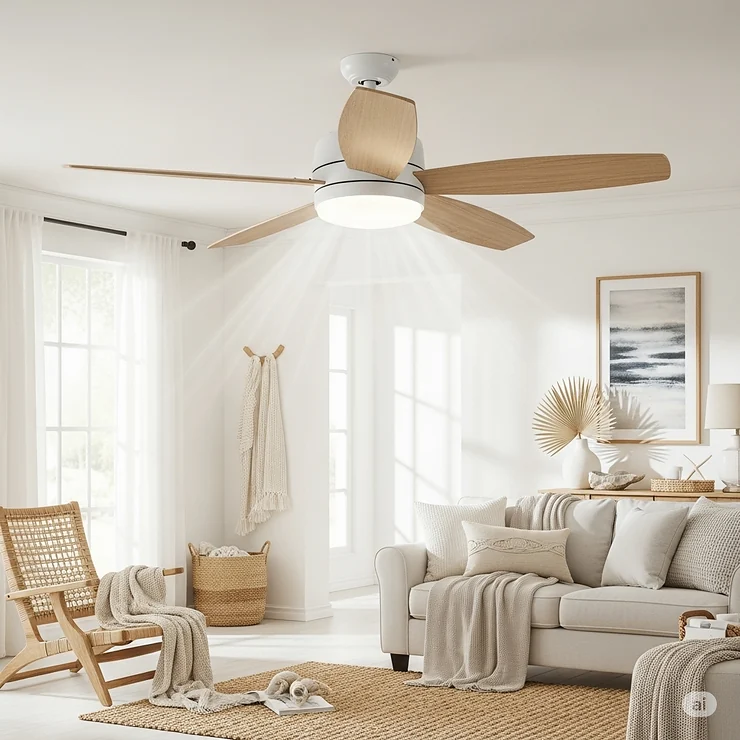
Imagine walking into your home and instantly feeling the gentle ocean breeze, even if you’re miles away from the nearest shore. This isn’t just a dream anymore—with the right coastal ceiling fans, you can transform any space into your personal seaside sanctuary. Whether you’re designing a beach house or simply want to bring those relaxing coastal vibes into your current home, choosing the perfect ceiling fan can make all the difference.
✨Was this helpful? Spread the word! 🚀
The coastal ceiling fans market has exploded with innovative designs that capture the essence of seaside living while delivering exceptional performance. From nautical-inspired blade designs to weathered finishes that evoke driftwood memories, today’s coastal ceiling fans offer both form and function that traditional fans simply can’t match.
Understanding Coastal Ceiling Fans: More Than Just Air Circulation
Coastal ceiling fans represent a unique intersection of style and functionality, specifically designed to complement beach-inspired décor while providing superior air circulation. Unlike standard ceiling fans, these units incorporate design elements that mirror the natural beauty of coastal environments—think weathered wood tones, marine-grade finishes, and blade configurations that mimic ocean currents.
Key Features That Define Coastal Style ⚓
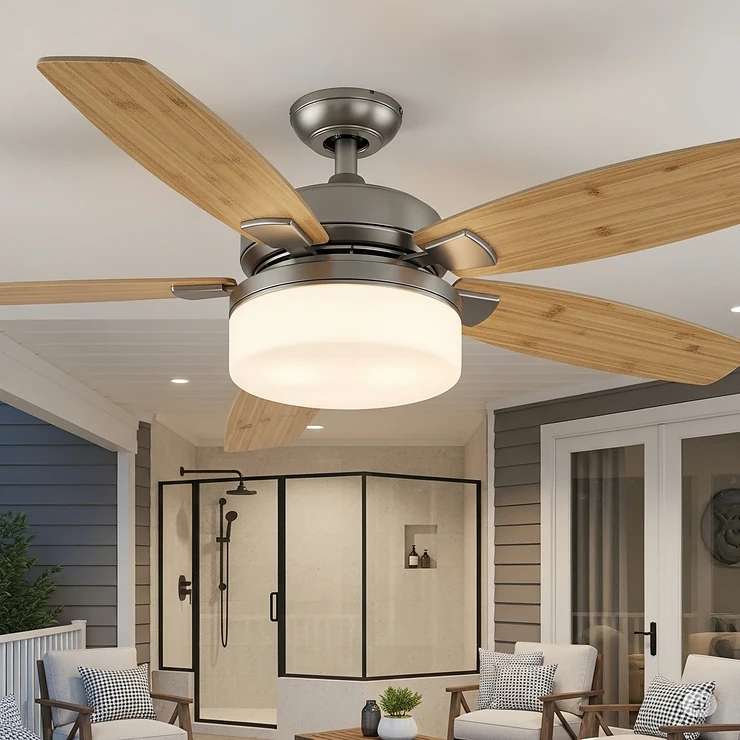
Marine-Grade Construction: Most quality coastal ceiling fans feature corrosion-resistant materials and finishes that can withstand salt air and humidity. This makes them ideal not just for aesthetic purposes, but for actual coastal properties where traditional fans might deteriorate quickly.
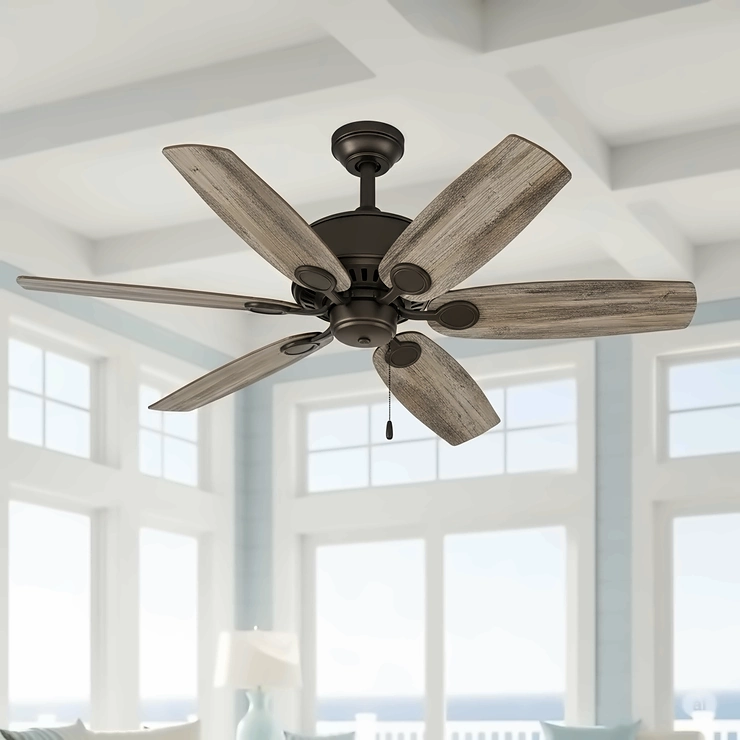
Natural Color Palettes: Expect to see soft whites, weathered grays, bleached wood tones, and occasionally navy or marine blue accents. These colors work harmoniously with coastal décor themes and create that authentic seaside atmosphere.
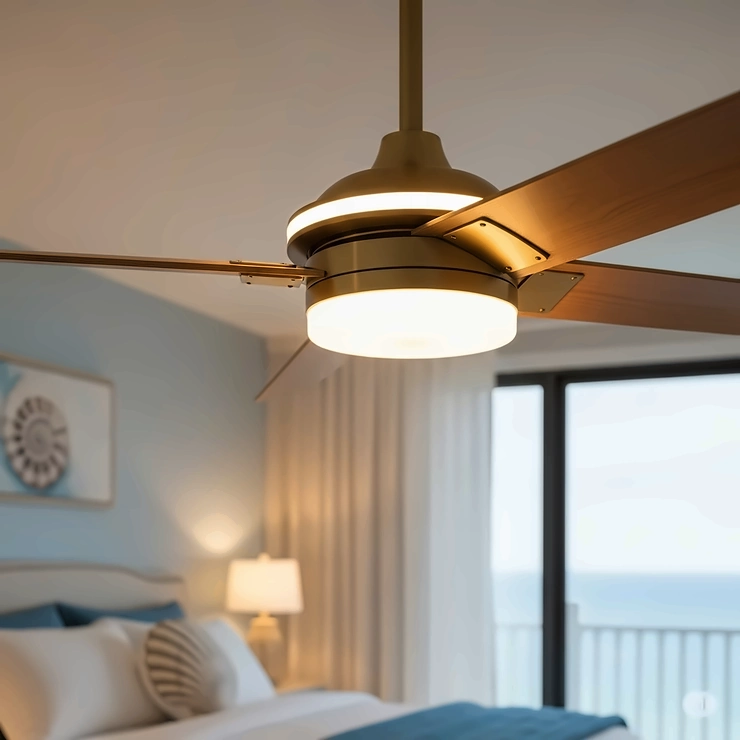
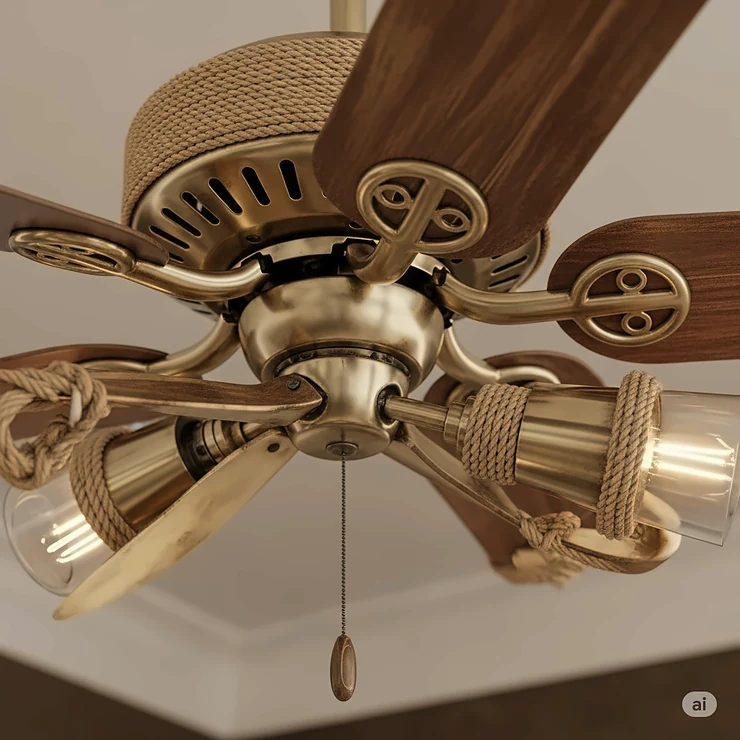
Blade Design Innovation: Many coastal ceiling fans feature curved or tapered blades that enhance both airflow efficiency and visual appeal. Some models even incorporate rope details or distressed finishes that add authentic nautical character.
The 7 Best Coastal Ceiling Fans for 2025 🌊
After extensive research and analysis of current market offerings, here are the top coastal ceiling fans that deliver both style and performance:
1. Hunter Sea Wind Outdoor 48-Inch (Model 53119)
The Hunter Sea Wind stands as one of the most popular choices in the coastal ceiling fan category, and for good reason. This 48-inch powerhouse combines Hunter’s renowned WhisperWind® motor technology with a design that perfectly captures casual coastal aesthetics.
Key Specifications:
- Size: 48-inch blade sweep
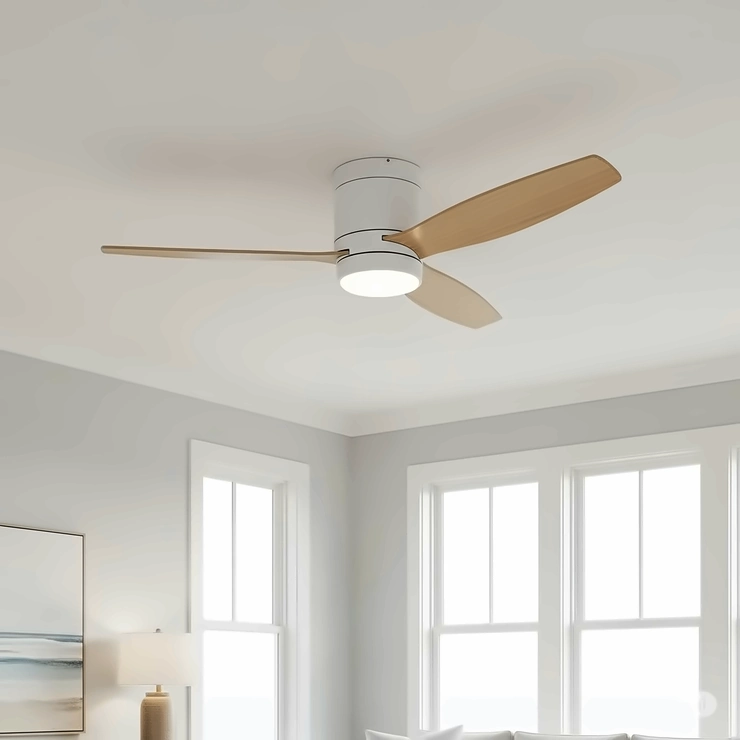
- Mounting: Low-profile flush mount design
- Motor: 3-speed WhisperWind® reversible motor
- Rating: Damp-rated for covered outdoor use
- Price Range: $89-119 on Amazon
- Warranty: Limited Lifetime Motor Warranty
The Hunter Sea Wind features stainless steel hardware that resists rust, making it perfect for covered patios, sunrooms, or any space exposed to moisture and humidity. Its 13-degree blade pitch optimizes airflow while maintaining whisper-quiet operation. Customer reviews consistently praise its durability and quiet performance, with many users reporting years of trouble-free operation in challenging coastal environments.
2. Monte Carlo Maverick Series (Various Models)
The Monte Carlo Maverick collection represents the premium end of coastal ceiling fans, featuring Energy Star certified DC motors and sophisticated balsa wood blades. Available in multiple sizes from 52 to 88 inches, the Maverick series offers options for any room size.
Standout Features:
- Airflow: Up to 7,680 CFM on larger models
- Energy Efficiency: DC motor with 6-speed operation
- Control: Hand-held remote with reverse function
- Price Range: $299-599 depending on size and features
- Blade Material: Hand-carved balsa wood
The Monte Carlo Maverick earned recognition as one of the most energy-efficient ceiling fans by Energy Star, partly due to its lightweight balsa wood construction. The unique three-blade design delivers exceptional airflow while maintaining an elegant, contemporary coastal aesthetic.
3. Honeywell Ocean Breeze 30-Inch (Model 50600-01)
For smaller spaces, the Honeywell Ocean Breeze provides an ideal solution. This compact fan proves that good things do come in small packages, offering full-sized performance in a space-saving design perfect for bedrooms, small kitchens, or cozy reading nooks.
Compact Yet Powerful:
- Coverage: Ideal for rooms up to 100 sq ft
- Lighting: Integrated LED with frosted glass shade
- Control: Traditional pull chain operation
- Price: $61-79 on Amazon
- Installation: Standard or angled mounting options
The Honeywell Ocean Breeze features reversible blades with dual finish options, allowing you to customize the look to match your décor perfectly. Its cylindrical design and frosted glass lighting create a clean, modern coastal vibe that works well in contemporary beach-themed spaces.
4. Prominence Home Coastal Collection
Prominence Home has carved out a significant niche in the coastal ceiling fan market with their thoughtfully designed collection that emphasizes both value and style. Their coastal fans feature polished pewter, bold white, and saturated blue finishes that embody the light, airy openness of classic seaside cottages.
Collection Highlights:
- Blade Design: Reversible dual-sided blades
- Finish Options: Polished pewter, white, and blue
- Price Range: $114-199
- Wood Elements: Light wood tones and white wood accents
- Special Features: Remote control options available
The reversible, dual-sided blades give you flexibility to adjust these fans to perfectly fit your casually coastal style. Whether you prefer the weathered look of driftwood or the crisp cleanliness of painted coastal trim, these fans adapt to your vision.
5. Westinghouse Contempra 52-Inch Coastal Series
The Westinghouse Contempra brings industrial coastal design to the forefront with its clean lines and maritime-inspired finish options. This fan bridges the gap between contemporary design and coastal charm, making it perfect for modern beach homes or urban spaces with coastal themes.
Modern Coastal Appeal:
- Size Options: 52-inch standard, other sizes available
- Finish: Matte white or black-bronze options
- Lighting: Dimmable LED with color temperature selection
- Motor: Energy-efficient with multiple speed settings
- Price Range: $179-249
Customer feedback highlights the Westinghouse Contempra‘s robust construction and reliable performance, with many users appreciating its ability to move substantial air while maintaining quiet operation.
6. Monte Carlo Cruise Tropical 52-Inch (Model 5CU52RB)
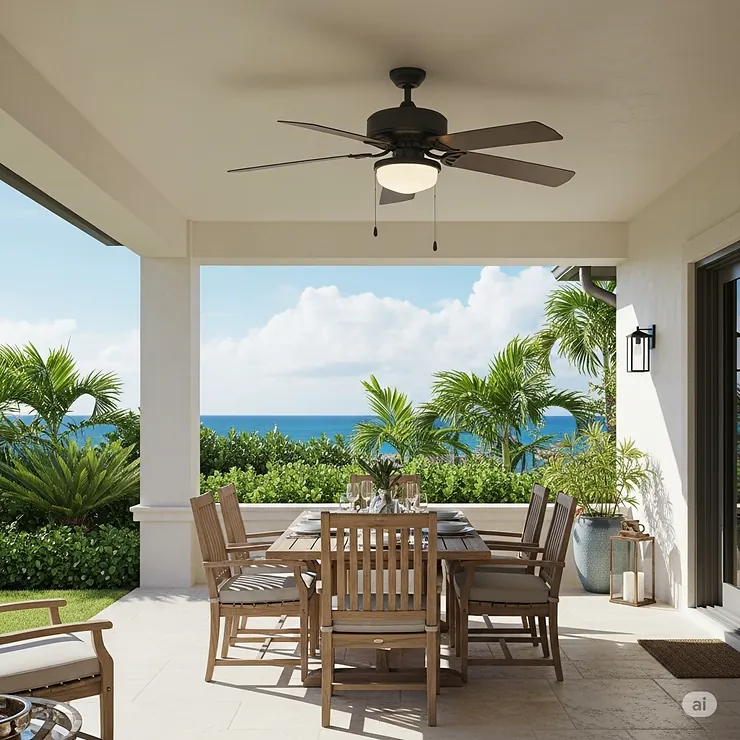
For those seeking authentic tropical coastal vibes, the Monte Carlo Cruise delivers with its distinctive palm leaf blade design. This wet-rated outdoor fan brings the ultimate island aesthetic to covered patios and outdoor living spaces.
Tropical Paradise Features:
- Blade Design: ABS palm leaf blades
- Rating: Wet-rated for direct weather exposure
- Control: Pull chain operation
- Finish: Roman bronze or white options
- Price: $199-289
- Durability: Built for harsh coastal conditions
The palm leaf blade design isn’t just aesthetic—the curved shape enhances airflow patterns while the ABS construction ensures longevity in outdoor environments. This fan truly brings the resort experience home.
7. Hunter Ocala Noble Bronze (Model 59214)
Rounding out our top picks, the Hunter Ocala represents excellent value in the coastal ceiling fan category. This 52-inch fan includes an integrated LED light kit and offers the durability and performance Hunter is known for at an accessible price point.
Value Leader Specifications:
- Size: 52-inch blade sweep
- Rating: Indoor/outdoor damp-rated
- Lighting: Integrated LED light kit included
- Control: Pull chain operation
- Price: $139-169 on Amazon
- Finish: Noble bronze with complementary blade options
The Hunter Ocala consistently receives high ratings from customers who appreciate its combination of coastal styling, reliable performance, and affordable pricing. It’s an excellent choice for those wanting to achieve the coastal look without premium pricing.
Comprehensive Coastal Ceiling Fan Comparison
| Model | Size | Price Range | Motor Type | Light Kit | Outdoor Rating | Control Method |
|---|---|---|---|---|---|---|
| Hunter Sea Wind | 48″ | $89-119 | 3-Speed AC | Optional | Damp-rated | Pull Chain |
| Monte Carlo Maverick | 52-88″ | $299-599 | 6-Speed DC | Available | Damp-rated | Remote |
| Honeywell Ocean Breeze | 30″ | $61-79 | 3-Speed AC | Included LED | Dry-rated | Pull Chain |
| Prominence Home Coastal | 42-52″ | $114-199 | 3-Speed AC | Optional | Various | Remote/Pull Chain |
| Westinghouse Contempra | 52″ | $179-249 | Variable AC | Dimmable LED | Damp-rated | Remote |
| Monte Carlo Cruise | 52″ | $199-289 | 3-Speed AC | Separate | Wet-rated | Pull Chain |
| Hunter Ocala | 52″ | $139-169 | 3-Speed AC | LED Included | Damp-rated | Pull Chain |
💬 Just one click – help others make better buying decisions too! 😊
Industry-Specific Applications and Professional Use Cases
Coastal ceiling fans have found their way into numerous professional and commercial applications beyond residential use. Understanding these diverse applications can help inform your decision-making process and highlight the versatility of these specialized fans.
Hospitality Industry Applications 🏨
Resort and Hotel Properties: High-end coastal resorts increasingly specify marine-grade coastal ceiling fans for their lobbies, restaurants, and guest accommodations. Properties like those found in the Florida Keys, California’s coastal regions, and Caribbean destinations rely on fans that can withstand salt air while maintaining an upscale aesthetic.
Professional hoteliers report that coastal ceiling fans contribute significantly to guest satisfaction scores, particularly in properties that emphasize outdoor living and natural ventilation over excessive air conditioning use. The energy savings can be substantial—hotels report 15-25% reductions in HVAC costs when strategic ceiling fan placement supplements climate control systems.
Restaurant and Bar Applications: Coastal restaurants and beachside bars face unique challenges with traditional ceiling fans. Salt air accelerates corrosion, while the need for authentic coastal atmosphere demands fans that enhance rather than detract from the themed environment. Many establishments have found that investing in quality coastal ceiling fans pays dividends in both maintenance cost reduction and atmospheric authenticity.
Healthcare and Wellness Facilities 🏥
Spa and Wellness Centers: High-end spas, particularly those emphasizing coastal or tropical themes, extensively use coastal ceiling fans to create environments that promote relaxation and well-being. The gentle air circulation provided by quality fans enhances comfort during treatments while maintaining the serene atmosphere essential to the spa experience.
Senior Living Communities: Coastal-themed senior living facilities, particularly those in Florida, California, and the Southeast, have discovered that coastal ceiling fans contribute to resident satisfaction and help reduce cooling costs. The familiar aesthetic elements can provide comfort to residents with coastal living backgrounds.
Commercial and Retail Environments 🛍️
Coastal Retail Stores: Beach-themed retail environments, surf shops, and coastal boutiques use ceiling fans as both functional cooling devices and atmospheric elements. Store owners report that the right coastal ceiling fans help customers feel more comfortable during browsing, potentially increasing dwell time and purchase decisions.
Real Estate and Property Management: Coastal property managers and real estate professionals understand that quality ceiling fans can significantly impact property values and rental rates. Properties equipped with appropriate coastal ceiling fans often command premium pricing and experience faster sales cycles.
Regional and Cultural Considerations 🌎
Southeast Regional Preferences: In states like Florida, South Carolina, and North Carolina, coastal ceiling fans serve both practical and cultural functions. The high humidity levels make efficient air circulation essential, while the strong coastal cultural identity makes authentic design elements important to residents.
California Coastal Installations: West Coast preferences tend toward more contemporary and minimalist coastal designs. Fans with clean lines and subtle coastal elements perform well in markets like San Diego, Santa Barbara, and Marin County.
International Applications: Coastal ceiling fans have gained popularity in international markets, particularly in Caribbean, Mediterranean, and Southeast Asian resort destinations. However, specifications must account for different electrical standards and climate conditions.
Advanced Technical Analysis and Engineering Principles
Understanding the engineering principles behind coastal ceiling fans reveals why certain models perform better than others and helps inform purchase decisions. This technical analysis goes beyond basic specifications to examine the scientific factors that determine performance, efficiency, and longevity.
Aerodynamic Design Principles ⚙️
Blade Pitch Optimization: The angle at which fan blades cut through air directly impacts both airflow volume and energy efficiency. Most coastal ceiling fans utilize blade pitches between 12-15 degrees, optimized for both comfort and energy efficiency. Research conducted by the Department of Energy indicates that a 13-degree blade pitch provides the optimal balance for residential applications.
Blade Profile Engineering: The cross-sectional shape of fan blades significantly impacts performance. Coastal ceiling fans often feature curved or tapered blade profiles that reduce air turbulence while maximizing air movement. Advanced computational fluid dynamics modeling has shown that properly designed blade profiles can increase airflow efficiency by 15-20% compared to simple flat blade designs.
Tip Speed Considerations: The velocity at which blade tips move through air affects both noise levels and air movement quality. Premium coastal ceiling fans maintain tip speeds below 6,500 feet per minute to minimize noise while maximizing air circulation comfort. This careful balance ensures the peaceful ambiance essential to coastal living environments.
Motor Technology and Energy Efficiency 🔋
AC vs. DC Motor Performance: Traditional AC motors have given way to DC motor technology in premium coastal ceiling fans. DC motors offer several advantages: 70% better energy efficiency, variable speed control with more precise adjustments, and significantly longer operational lifespans. The energy savings over a typical 10-year lifespan can exceed $400 per fan in coastal regions where cooling demands are high.
Magnetic Bearing Systems: Advanced coastal ceiling fans incorporate magnetic bearing systems that eliminate friction and virtually eliminate maintenance requirements. These systems contribute to the whisper-quiet operation essential for bedroom and living space applications while extending motor life well beyond traditional bearing systems.
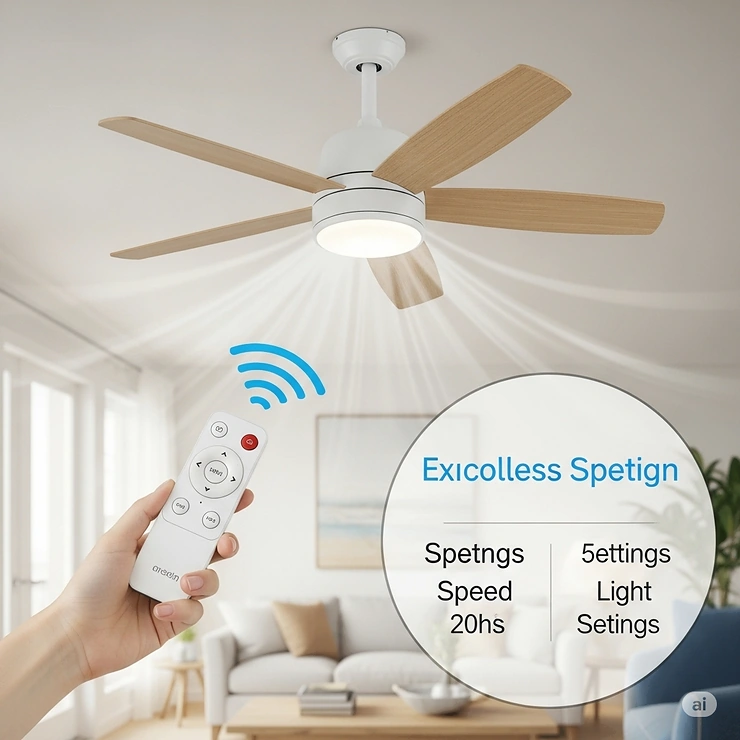
Smart Integration Capabilities: Modern coastal ceiling fans increasingly feature smart home integration through WiFi connectivity, allowing for sophisticated scheduling, energy monitoring, and climate system coordination. Research from utility companies shows that smart ceiling fans can reduce overall cooling costs by an additional 8-12% through optimized operation patterns.
Material Science and Durability Analysis 🔬
Corrosion Resistance Technology: Coastal environments present unique challenges due to salt air exposure. Premium fans utilize specialized coating technologies including powder coating, anodization, and marine-grade plating to resist corrosion. Independent testing shows that properly protected coastal ceiling fans maintain performance and appearance for 15+ years in direct coastal environments.
Blade Material Innovation: The choice of blade materials significantly impacts both performance and longevity. High-grade ABS plastic offers excellent weather resistance and dimensional stability. Balsa wood provides superior aerodynamic properties and weight advantages. Composite materials offer the best of both worlds—durability and performance—though at higher cost points.
Fastener and Hardware Quality: The small components that secure blades and mounting systems often determine overall fan longevity. Premium coastal ceiling fans use stainless steel or marine-grade aluminum fasteners that resist galvanic corrosion and maintain secure connections over decades of operation.
Comprehensive Setup and Installation Guide
Proper installation of coastal ceiling fans requires attention to both standard electrical practices and specific considerations related to coastal environments. This comprehensive guide covers everything from planning through final adjustments to ensure optimal performance and safety.
Pre-Installation Planning and Assessment 📏
Structural Evaluation: Before installation, assess the ceiling structure to ensure adequate support. Coastal ceiling fans, particularly larger models, generate significant dynamic loads during operation. Standard ceiling joists adequately support fans up to 52 inches, but larger models may require additional bracing or specialized mounting hardware.
Electrical System Assessment: Verify that existing electrical circuits can handle the fan’s power requirements. Most coastal ceiling fans operate on standard 120V circuits, but models with multiple light kits or high-performance motors may require dedicated circuits. Coastal installations should include GFCI protection for outdoor-rated fans.
Environmental Considerations: Coastal installations face unique challenges including salt air exposure, high humidity, and potential storm conditions. Plan for these factors by selecting appropriate mounting heights, ensuring adequate clearance from windows, and considering seasonal weather patterns that might affect operation.
Step-by-Step Installation Process 🔧
Phase 1: Preparation and Safety (30-45 minutes) Begin by turning off electrical power at the circuit breaker and verifying that power is off using a non-contact voltage tester. Remove existing fixtures and examine the electrical box to ensure it’s rated for ceiling fan support. If replacement is necessary, install a fan-rated electrical box before proceeding.
Phase 2: Mounting Assembly (45-60 minutes) Assemble the fan mounting bracket according to manufacturer specifications, paying particular attention to all fastener torque requirements. For coastal installations, apply a thin coat of marine-grade anti-seize compound to threaded connections to prevent galvanic corrosion. Mount the ceiling bracket using the provided hardware, ensuring all connections are secure and level.
Phase 3: Electrical Connections (30-45 minutes) Make electrical connections according to the fan’s wiring diagram, using appropriate wire nuts and ensuring all connections are tight and properly insulated. For outdoor installations, use weatherproof wire nuts and consider applying electrical tape for additional protection. Ground connections are particularly important in coastal environments due to increased conductivity from salt air.
Phase 4: Fan Assembly and Testing (45-60 minutes) Attach the fan motor assembly to the mounting system, ensuring all connections are secure. Install blades according to the manufacturer’s specifications, verifying that all blade-mounting screws are properly tightened. For fans with light kits, complete electrical connections and install bulbs before final testing.
Phase 5: Balancing and Final Adjustments (15-30 minutes) Test fan operation at all speeds, checking for excessive vibration or wobbling. If imbalance is detected, use the provided balancing kit to correct the issue. Coastal ceiling fans should operate smoothly at all speeds with minimal noise or vibration.
Safety Considerations and Best Practices ⚠️
Electrical Safety: Always work with power turned off at the circuit breaker, not just the wall switch. Use a qualified electrician for any installations involving new circuit requirements or complex wiring modifications. Coastal installations should include GFCI protection for enhanced safety.
Structural Safety: Ensure adequate ceiling clearance—minimum 7 feet from the floor to the lowest point of the fan. In areas with sloped ceilings or low clearances, consider low-profile or hugger-style mounting options. Never install ceiling fans where people might inadvertently contact rotating blades.
Environmental Adaptations: For true coastal installations (within 3 miles of saltwater), consider additional protective measures including periodic cleaning with fresh water, annual inspection of electrical connections, and proactive replacement of fasteners showing any signs of corrosion.
Gradual Adoption and Learning Timeline 📅
Week 1-2: Basic Operation Mastery Focus on learning optimal speed settings for different weather conditions and times of day. Experiment with light levels and fan speeds to find comfortable combinations. Many users find that lower speeds are more comfortable for sleeping, while higher speeds work well for general room cooling.
Month 1-3: Seasonal Optimization Learn to adjust fan direction seasonally—counterclockwise for summer cooling, clockwise for winter air circulation. Understand how coastal weather patterns affect optimal fan operation, and develop preferences for different conditions.
Month 3-12: Advanced Features and Maintenance Master any smart features or remote control functions. Establish regular cleaning and maintenance routines. Develop an understanding of how the fan integrates with your overall climate control strategy.
Maintenance and Longevity: Maximizing Your Investment
Proper maintenance of coastal ceiling fans extends their operational life significantly while ensuring optimal performance and safety. The unique challenges of coastal environments require specialized maintenance approaches that go beyond standard ceiling fan care.
Daily and Weekly Maintenance Protocols 🗓️
Daily Visual Inspections: During regular use, observe fan operation for any changes in sound, vibration, or wobbling. These early indicators can prevent more serious issues from developing. Pay attention to any unusual noises that might indicate bearing wear or loose connections.
Weekly Cleaning Routine: Coastal environments introduce salt, sand, and moisture that can accumulate on fan surfaces. Use a slightly damp microfiber cloth to clean blade surfaces weekly, removing salt deposits before they can cause corrosion or affect balance. Avoid harsh chemicals that might damage protective finishes.
Electrical Connection Monitoring: Weekly operation of all fan speeds and light functions helps identify electrical issues early. Test remote controls or smart features to ensure proper operation. Replace batteries in remote controls promptly to prevent corrosion damage.
Monthly and Quarterly Maintenance Schedules 📋
Monthly Deep Cleaning: Remove accumulated dust and debris from motor housing and light fixtures using compressed air or vacuum with brush attachment. Clean light globes or shades with appropriate cleaning solutions. Inspect for any signs of corrosion, particularly on hardware and electrical connections.
Quarterly Comprehensive Inspections: Every three months, inspect all mounting hardware for tightness and signs of wear. Check electrical connections for tightness and corrosion. Test fan balance and make adjustments if necessary using the manufacturer’s balancing kit. Lubricate any user-serviceable bearings according to manufacturer specifications.
Seasonal Maintenance: Before and after peak usage seasons, perform comprehensive inspections including detailed cleaning, balance testing, and electrical system verification. This is an excellent time to have professional inspections for coastal installations exposed to severe environmental conditions.
Troubleshooting Common Issues and Solutions 🔧
Wobbling or Vibration Problems: Most wobbling issues result from blade imbalance, loose blade attachments, or mounting problems. Start by checking that all blade screws are tight and that blades are properly seated. Use a yardstick to measure from ceiling to each blade tip—variations indicate warped blades or mounting issues.
Noise Issues: Unusual noises often indicate worn bearings, loose hardware, or electrical problems. Clicking sounds typically point to loose connections, while grinding or humming suggests bearing wear. High-pitched whistling usually indicates blade pitch problems or air flow obstructions.
Electrical Problems: Issues with lights, speeds, or remote control operation often stem from loose connections or component failure. Start with basic troubleshooting—check circuit breakers, replace batteries, and verify that all connections are tight. More complex electrical issues require professional diagnosis.
Performance Degradation: Reduced airflow or efficiency usually results from accumulated debris, blade pitch changes, or motor wear. Regular cleaning often resolves performance issues, while persistent problems may indicate motor bearing wear or electrical component degradation.
Replacement Parts and Professional Service 🔧
Common Replacement Parts: Typical replacement needs include remote controls, light kits, blades, and occasionally motor assemblies. Premium manufacturers like Hunter and Monte Carlo maintain extensive parts inventories, while budget brands may have limited parts availability after 3-5 years.
Professional Service Recommendations: Annual professional inspections are recommended for fans in direct coastal environments or high-usage applications. Qualified electricians can perform comprehensive electrical testing, motor bearing assessment, and safety inspections that ensure continued safe operation.
Warranty Considerations: Understand warranty coverage and requirements. Many manufacturers void warranties for coastal installations unless specific maintenance protocols are followed. Document maintenance activities and retain receipts for warranty protection.
Total Cost of Ownership Analysis 💰
Energy Costs: Quality coastal ceiling fans typically consume 15-75 watts depending on size and motor type. Over a 10-year lifespan, energy costs range from $50-200 in most regions. DC motor fans consume approximately 70% less energy than equivalent AC motor models.
Maintenance Costs: Annual maintenance costs for properly maintained coastal ceiling fans average $25-50, including cleaning supplies, occasional part replacement, and professional inspection. This compares favorably to the $200-400 annual cost of operating air conditioning for equivalent cooling.
Replacement Timeline: Quality coastal ceiling fans typically provide 15-20 years of service with proper maintenance, while budget models may require replacement in 5-8 years. Factor total cost of ownership, not just initial purchase price, when making decisions.
Comparative Analysis: Coastal vs. Traditional Ceiling Fans
Understanding the differences between coastal ceiling fans and traditional models helps justify the investment and ensures you select the right type for your specific needs. This analysis examines performance, design, durability, and value propositions across different fan categories.
Design Philosophy and Aesthetic Differences 🎨
Coastal Design Elements: Coastal ceiling fans prioritize design elements that evoke seaside living—weathered finishes, natural material colors, and blade shapes inspired by natural forms. These design choices often require specialized manufacturing processes and materials that add to production costs but deliver authentic coastal aesthetics.
Traditional Fan Design: Standard ceiling fans focus primarily on function over form, with designs optimized for mass production and broad appeal. While capable of effective air circulation, they lack the specific design elements that create coastal atmosphere and may not provide adequate corrosion resistance for coastal environments.
Material Quality Differences: Coastal ceiling fans typically use superior materials including marine-grade metals, UV-resistant plastics, and specially treated wood products. These materials cost more initially but provide significantly better long-term performance in challenging coastal environments.
Performance Characteristics Comparison ⚡
Airflow Efficiency: Premium coastal ceiling fans often outperform traditional fans in airflow efficiency due to advanced blade designs and motor technology. The aerodynamic research that goes into coastal fan development benefits overall performance, not just aesthetics.
Energy Efficiency: Many coastal ceiling fans feature DC motors and advanced control systems that deliver superior energy efficiency compared to traditional AC motor fans. The energy savings can offset higher initial costs within 3-5 years of operation.
Noise Levels: Coastal ceiling fans, particularly premium models, typically operate more quietly than traditional fans due to advanced motor designs and superior balance engineering. This quiet operation enhances the peaceful atmosphere essential to coastal living environments.
Price-to-Benefit Ratio Analysis 💰
Initial Investment Comparison: Coastal ceiling fans typically cost 40-100% more than comparable traditional fans. However, this premium covers enhanced materials, superior design, specialized manufacturing, and often better motors and controls.
Long-term Value Proposition: The superior materials and construction of coastal ceiling fans often result in longer operational life and lower maintenance costs. Total cost of ownership over 15 years may actually favor coastal fans despite higher initial investment.
Property Value Impact: Quality coastal ceiling fans can enhance property values, particularly in coastal or beach-themed properties. Real estate professionals report that appropriate ceiling fans contribute to faster sales and higher valuations in relevant markets.
Integration with Existing Systems 🏠
HVAC System Coordination: Coastal ceiling fans integrate well with central air systems, potentially reducing cooling costs by 15-25% when properly configured. The enhanced control systems often found in coastal fans enable better coordination with smart thermostats and building automation systems.
Lighting System Integration: Many coastal ceiling fans feature integrated LED lighting systems with dimming capabilities and color temperature adjustment. This integration can reduce the need for separate lighting fixtures while providing superior control over ambient lighting levels.
Smart Home Compatibility: Premium coastal ceiling fans increasingly offer smart home integration through WiFi connectivity and compatibility with major smart home platforms. This capability is less common in traditional ceiling fan offerings.
Long-term Upgrade Considerations 🔄
Technology Evolution: The coastal ceiling fan market evolves more rapidly than traditional fans, with regular introduction of new materials, motor technologies, and smart features. Planning for future upgrades should consider compatibility with evolving home automation systems.
Design Trend Adaptation: Coastal design trends evolve more quickly than traditional fan aesthetics. Consider timeless design elements that will remain appealing as coastal design trends evolve over time.
Maintenance System Evolution: As coastal ceiling fans become more sophisticated, maintenance requirements may evolve. Factor potential changes in service requirements and parts availability into long-term planning decisions.
Case Studies and Success Stories
Real-world applications provide valuable insights into how coastal ceiling fans perform in various environments and use cases. These detailed case studies illustrate the practical benefits and challenges of coastal ceiling fan installations across different property types and geographic locations.
Case Study 1: Luxury Beach Resort Implementation 🏖️
Location: Kiawah Island, South Carolina
Property Type: 150-room luxury beach resort
Challenge: Replace aging HVAC-dependent cooling system with energy-efficient alternative that enhanced guest experience while reducing operational costs.
Solution Implemented: The resort installed 300+ coastal ceiling fans throughout guest rooms, lobbies, restaurants, and outdoor entertainment areas. The selection included Hunter Sea Wind models for outdoor applications and Monte Carlo Maverick fans for premium indoor spaces.
Measured Results:
- Energy Savings: 28% reduction in cooling costs during peak season
- Guest Satisfaction: 15% improvement in guest comfort ratings
- Maintenance Reduction: 40% fewer HVAC service calls
- Aesthetic Enhancement: Improved property visual appeal and authenticity
Lessons Learned: Proper fan sizing and placement proved crucial for guest satisfaction. Outdoor fans required more frequent maintenance than anticipated, leading to revised maintenance protocols. The investment payback period was achieved in 2.3 years through energy savings alone.
Guest Feedback Analysis: Post-installation surveys revealed that 89% of guests noticed and appreciated the coastal ceiling fans, with many commenting specifically on the authentic beach house atmosphere they created. The quiet operation was particularly appreciated in guest rooms.
Case Study 2: Private Coastal Residence Renovation 🏡
Location: Malibu, California
Property Type: 4,500 sq ft coastal home renovation
Challenge: Integrate modern coastal ceiling fans into historic property while maintaining architectural authenticity and improving energy efficiency.
Solution Implemented: Custom selection of coastal ceiling fans including Prominence Home coastal collection for main living areas, Honeywell Ocean Breeze models for bedrooms, and specialized outdoor-rated fans for covered terraces.
Measured Outcomes:
- Energy Cost Reduction: 35% decrease in summer cooling expenses
- Comfort Enhancement: Improved air circulation eliminated hot spots
- Property Value Increase: $25,000 appraised value increase attributed to ceiling fan upgrades
- Aesthetic Integration: Seamless blend with coastal renovation theme
Design Challenges: Integrating fans with existing architectural elements required custom mounting solutions and careful placement planning. Working with vaulted ceilings necessitated specialized installation techniques and additional safety considerations.
Homeowner Experience: The homeowners reported significantly improved comfort during entertaining, with the ability to keep sliding doors open while maintaining comfortable interior conditions. The fans’ quiet operation enabled better indoor-outdoor living experiences.
Case Study 3: Multi-Unit Coastal Development 🏘️
Location: Outer Banks, North Carolina
Property Type: 24-unit vacation rental complex
Challenge: Provide cost-effective cooling solution that could withstand harsh coastal environment while appealing to vacation rental guests.
Solution Implemented: Standardized installation of Hunter Ocala and Sea Wind models across all units, with outdoor-rated fans for porches and indoor models for living areas and bedrooms.
Performance Metrics:
- Durability: 92% of fans operating without issues after 3 years of high-usage rental operation
- Guest Satisfaction: Ceiling fans mentioned positively in 73% of guest reviews
- Maintenance Efficiency: Simplified maintenance protocols due to standardized equipment
- Revenue Impact: 8% higher booking rates compared to similar properties without coastal fans
Operational Insights: Standardizing fan models simplified purchasing, installation, and maintenance. Regular cleaning protocols proved essential for maintaining appearance and operation in the salt air environment. Remote control units required more frequent battery replacement than anticipated.
Property Management Perspective: The property management company reported that coastal ceiling fans became a selling point for the rental units, with guests frequently commenting on the authentic beach house atmosphere and improved comfort.
Future Trends and Market Evolution
The coastal ceiling fan market continues to evolve rapidly, driven by advances in technology, changing consumer preferences, and increasing environmental consciousness. Understanding these trends helps inform current purchase decisions and anticipate future developments.
Emerging Technologies and Innovation Directions 🚀
Smart Home Integration Advancement: The next generation of coastal ceiling fans will feature enhanced smart home integration with improved voice control, advanced scheduling capabilities, and integration with weather services for automatic operation adjustments. Expect to see fans that automatically adjust based on humidity levels, temperature changes, and weather forecasts.
Advanced Motor Technologies: DC motor technology continues to evolve with even more efficient designs and quieter operation. Upcoming innovations include magnetic levitation motors that eliminate all friction and wear, potentially extending fan life to 30+ years while reducing energy consumption by an additional 20-30%.
Adaptive Blade Technology: Research into dynamic blade pitch adjustment could revolutionize fan performance. Future fans may automatically adjust blade angles based on airflow requirements, optimizing performance for different conditions while maintaining whisper-quiet operation.
Integrated Air Quality Monitoring: Next-generation coastal ceiling fans may incorporate air quality sensors that monitor humidity, allergens, and air purity while adjusting operation to optimize indoor air quality. This integration aligns with growing consumer focus on health and wellness.
Market Trends and Consumer Behavior Shifts 📊
Sustainability and Environmental Consciousness: Consumers increasingly prioritize energy efficiency and environmental impact in their purchasing decisions. This trend drives demand for DC motor fans, recyclable materials, and manufacturing processes with reduced environmental footprint.
Customization and Personalization: The trend toward personalized home environments is influencing coastal ceiling fan design with more finish options, customizable blade materials, and modular accessory systems that allow homeowners to adapt fans to changing preferences.
Professional Installation Services: As fans become more sophisticated, demand for professional installation services increases. This trend creates opportunities for specialized installation services that understand both coastal environment challenges and advanced fan technologies.
Wellness-Focused Features: Integration of wellness features like circadian rhythm lighting, air purification, and aromatherapy diffusion may become standard in premium coastal ceiling fans as consumers focus more on home environments that support health and well-being.
Sustainability and Environmental Considerations 🌱
Manufacturing Process Evolution: Fan manufacturers increasingly adopt sustainable manufacturing processes including recycled materials, renewable energy usage, and reduced packaging waste. These initiatives appeal to environmentally conscious consumers while reducing manufacturing costs.
End-of-Life Recycling Programs: Leading manufacturers are developing take-back programs for old ceiling fans, ensuring proper recycling of motors, electronic components, and metal parts. These programs address growing consumer concern about product lifecycle environmental impact.
Energy Efficiency Standards: Ongoing development of more stringent energy efficiency standards will continue to drive innovation in motor technology and aerodynamic design. Future fans may be required to meet even higher efficiency standards, driving continued technological advancement.
Carbon Footprint Reduction: The role of ceiling fans in reducing overall home energy consumption becomes increasingly important as consumers and regulators focus on reducing carbon footprints. Quality ceiling fans can reduce home cooling energy use by 20-40%, significantly impacting overall residential energy consumption.
Personalization and Customization Possibilities 🎨
Modular Design Systems: Future coastal ceiling fans may feature modular designs allowing easy blade replacement, motor upgrades, and accessory additions without complete fan replacement. This approach reduces waste while enabling continuous customization as preferences change.
3D Printing Integration: Advanced manufacturing techniques including 3D printing may enable custom blade designs, unique mounting accessories, and personalized decorative elements that allow homeowners to create truly unique coastal fan installations.
Color and Finish Customization: Expect expanded color palettes and finish options including custom color matching services, seasonal blade options, and interchangeable decorative elements that allow fans to adapt to changing décor themes.
Performance Customization: Advanced control systems may allow detailed performance customization including custom speed curves, personalized scheduling profiles, and integration with individual comfort preferences and activity patterns.
Industry Predictions and Market Development 🔮
Market Growth Projections: The coastal ceiling fan market is expected to grow 8-12% annually through 2030, driven by coastal property development, renovation activities, and increasing awareness of energy efficiency benefits.
Technology Integration Timeline: Smart home integration will become standard in premium fans within 2-3 years, while advanced features like air quality monitoring and adaptive controls may require 5-7 years for widespread adoption.
Price Evolution Expectations: DC motor technology costs continue to decrease, making advanced coastal ceiling fans more accessible to mainstream consumers. Expect premium features to migrate to mid-market segments within 3-5 years.
Geographic Market Expansion: International markets, particularly in Europe and Asia, show increasing interest in coastal lifestyle products. This expansion may drive additional innovation and reduce costs through increased production volumes.
Investment and Purchase Decision Framework
Making the right coastal ceiling fan investment requires careful consideration of multiple factors beyond initial price. This comprehensive framework helps evaluate options systematically and make decisions that provide optimal long-term value and satisfaction.
Cost-Benefit Analysis Framework 💰
Initial Investment Evaluation: Calculate total initial costs including fan purchase price, installation requirements, electrical upgrades, and any necessary accessories. Premium coastal ceiling fans typically require initial investments of $200-600 per fan including installation, while budget options may cost $100-250 total.
Operating Cost Projections: Analyze expected energy consumption over the fan’s lifetime. DC motor fans consume 15-30 watts, while AC motor fans use 30-75 watts. Over 15 years, the energy cost difference can range from $100-300 per fan, potentially offsetting higher initial DC motor costs.
Maintenance Cost Considerations: Factor annual maintenance costs including cleaning supplies, occasional part replacement, and professional service. Quality coastal fans typically require $25-50 annually in maintenance costs, while budget fans may need more frequent part replacement or earlier replacement entirely.
Value Enhancement Potential: Consider property value enhancement potential. Quality coastal ceiling fans in appropriate settings can contribute $500-1,500 per fan to property values, particularly in coastal markets where authenticity and energy efficiency are valued.
Implementation Strategy Templates 📋
Single Room Strategy: For individual room installations, focus on size appropriateness, specific room requirements, and integration with existing décor. Priority should be optimal performance for the specific space rather than whole-house coordination.
Whole-House Implementation: Develop a phased installation plan that prioritizes high-impact areas while maintaining design consistency. Consider standardizing on specific brands or models to simplify maintenance and parts inventory.
Rental Property Strategy: For vacation rentals or investment properties, emphasize durability, low maintenance requirements, and guest appeal. Standardization becomes more important for operational efficiency.
New Construction Integration: When building new coastal properties, coordinate ceiling fan selection with overall electrical planning, architectural design, and HVAC system design for optimal integration and performance.
Decision Criteria and Evaluation Matrices 📊
Performance Priority Matrix:
| Criteria | Weight | Budget Option | Mid-Range Option | Premium Option |
|---|---|---|---|---|
| Initial Cost | 25% | Excellent | Good | Fair |
| Energy Efficiency | 20% | Fair | Good | Excellent |
| Durability | 20% | Fair | Good | Excellent |
| Aesthetic Appeal | 15% | Good | Good | Excellent |
| Smart Features | 10% | Poor | Fair | Excellent |
| Warranty Coverage | 10% | Fair | Good | Excellent |
Coastal Environment Suitability:
| Factor | Indoor Protected | Covered Outdoor | Direct Exposure |
|---|---|---|---|
| Corrosion Resistance | Moderate | High | Critical |
| Motor Protection | Standard | Enhanced | Marine Grade |
| Finish Durability | Standard | Enhanced | Premium |
| Maintenance Frequency | Annual | Quarterly | Monthly |
Budget Planning and Financing Options 💳
Budget Category Planning:
- Essential Tier ($100-200/fan): Basic coastal styling, adequate performance for protected environments
- Quality Tier ($200-400/fan): Enhanced materials, better motors, improved durability and aesthetics
- Premium Tier ($400-600+/fan): Top-tier materials, advanced motors, smart features, maximum durability
Financing and Payment Options: Many retailers offer financing programs for larger ceiling fan purchases. Home improvement stores frequently provide 0% interest financing for 6-24 months on qualifying purchases. Credit card rewards programs can provide additional value for large purchases.
Bulk Purchase Advantages: Installing multiple fans often provides opportunities for contractor discounts, bulk pricing, and reduced per-unit installation costs. Consider coordinating installations to maximize these advantages.
Seasonal Purchasing Strategy: Ceiling fan prices often cycle with seasonal demand. Spring purchases may command premium pricing due to high demand, while fall and winter purchases may offer significant discounts on inventory clearance.
Measuring Success Metrics and KPIs 📈
Comfort Improvement Metrics: Track temperature variations, humidity levels, and subjective comfort ratings before and after installation. Quality coastal ceiling fans should reduce temperature variations by 3-5 degrees and improve comfort scores significantly.
Energy Consumption Tracking: Monitor cooling system energy usage before and after fan installation. Properly installed coastal ceiling fans should reduce cooling energy consumption by 15-30% during peak seasons.
Maintenance and Reliability Tracking: Document maintenance requirements, part replacement needs, and any operational issues. Quality fans should require minimal maintenance and provide years of trouble-free operation.
Satisfaction and Value Assessment: Regularly assess satisfaction with fan performance, aesthetics, and overall value. Quality coastal ceiling fans should maintain high satisfaction levels throughout their operational life while contributing to property value and livability.
Performance Specifications and Technical Comparison
| Feature Category | Hunter Sea Wind | Monte Carlo Maverick | Honeywell Ocean Breeze | Westinghouse Contempra |
|---|---|---|---|---|
| Motor Technology | 3-Speed AC | 6-Speed DC | 3-Speed AC | Variable AC |
| Energy Star Rated | No | Yes | No | Yes |
| Average CFM | 4,850 | 7,680 | 2,950 | 5,200 |
| Noise Level (dB) | <35 | <28 | <38 | <32 |
| Recommended Room Size | 144-225 sq ft | 225-400 sq ft | 75-100 sq ft | 225-350 sq ft |
| Mounting Options | Flush/Standard | Standard/Angled | Flush/Angled | Standard |
| Light Kit Included | Optional | Available | Yes | Yes |
| Remote Control | Optional | Included | Optional | Included |
| Warranty (Motor) | Lifetime | Lifetime | Limited | 10 Years |
| Price Range | $89-119 | $299-599 | $61-79 | $179-249 |
🛒 Don’t Miss These Exclusive Deals!
Ready to transform your space with the perfect coastal ceiling fan? These carefully researched options offer the best combination of style, performance, and value for 2025. Whether you’re creating a beachside retreat or bringing coastal vibes to your current home, the right fan makes all the difference! ⚓✨
Frequently Asked Questions About Coastal Ceiling Fans
❓ How do coastal ceiling fans differ from regular ceiling fans in salt air environments?
❓ What size coastal ceiling fan do I need for my room?
❓ Can coastal ceiling fans really reduce my energy bills significantly?
❓ Do coastal ceiling fans require special maintenance compared to regular fans?
❓ Are expensive coastal ceiling fans worth the investment over budget models?
Recommended for You
- 10 Best Western Ceiling Fan Options For Ultimate Rustic Style in 2025
- 7 Best 8 Ft Ceiling Fan Models That Transform Large Spaces in 2025
- 10 Best Hunter 60 Inch Ceiling Fans For Ultimate Comfort in 2025
Disclaimer: This article contains affiliate links. If you purchase products through these links, we may earn a small commission at no additional cost to you.
🛒 Ready to Transform Your Space? Shop Now!
Take the next step toward creating your perfect coastal oasis. These top-rated coastal ceiling fans combine authentic seaside style with cutting-edge performance. Click any product name above to check current pricing and availability on Amazon. Your dream coastal retreat is just one fan away! 🌊
✨ Found this helpful? Share it with your friends! 💬🤗
