
In This Article
There’s something undeniably captivating about vintage ceiling fans. They transport us back to a simpler era when craftsmanship mattered, when a ceiling fan wasn’t just an appliance but a statement piece that defined a room’s character. I remember walking into my grandmother’s farmhouse on humid summer afternoons, greeted by the gentle whoosh of her cast-iron Hunter Original spinning lazily overhead—it wasn’t just cooling the air, it was creating atmosphere.
Today’s vintage ceiling fans brilliantly marry that old-world charm with cutting-edge technology. Whether you’re restoring a Victorian home, adding character to a modern farmhouse, or simply craving that retro industrial vibe, these fans deliver both aesthetic appeal and serious cooling power. From steampunk-inspired designs with gear accents to classic brass-finished beauties with wooden blades, vintage ceiling fans have evolved while honoring their rich heritage dating back to Philip Diehl’s groundbreaking invention in 1882.
What makes vintage ceiling fans particularly appealing in 2025 is their versatility. They complement diverse design schemes—from rustic farmhouse to industrial loft, from coastal cottage to urban apartment. Plus, modern vintage ceiling fans incorporate energy-efficient DC motors, smart controls, and LED lighting while maintaining that coveted antique aesthetic. This guide explores the top vintage ceiling fans currently dominating the market, helping you find the perfect blend of form, function, and nostalgic charm.
Quick Comparison Table: Top Vintage Ceiling Fans at a Glance
| Fan Model | Size | Motor Type | Price Range | Best For | Rating |
|---|---|---|---|---|---|
| Hunter Original | 52″ | Oil-Bath AC | $200-$350 | Traditional Spaces | ⭐⭐⭐⭐⭐ |
| Westinghouse Vintage 7233800 | 52″ | AC | $120-$180 | Budget-Conscious | ⭐⭐⭐⭐ |
| HUYUT Wood Blade Fan | 48-52″ | DC Motor | $150-$200 | Modern Farmhouse | ⭐⭐⭐⭐½ |
| HUEOCZW Steampunk | 20″ | Variable Frequency | $160-$190 | Industrial Decor | ⭐⭐⭐⭐ |
| Amico 72″ Large Fan | 72″ | DC Motor | $200-$280 | Large Spaces | ⭐⭐⭐⭐⭐ |
| NOPAARD Farmhouse Caged | 48″ | DC Motor | $130-$170 | Rustic Charm | ⭐⭐⭐⭐ |
| Westinghouse Barnett Smart | 48″ | WiFi-Enabled DC | $220-$290 | Tech-Savvy Buyers | ⭐⭐⭐⭐½ |
💬 Just one click – help others make better buying decisions too!😊
Top 7 Vintage Ceiling Fans: Expert Analysis & Reviews
1. Hunter Original 52-Inch Cast Iron Ceiling Fan
The Hunter Original isn’t just a vintage ceiling fan—it’s the vintage ceiling fan. With roots stretching back to 1906, this iconic piece represents the longest production run in ceiling fan history. What sets it apart is its uncompromising commitment to authentic materials: cast-iron construction and an oil-bath lubrication system that keeps it running whisper-quiet for decades.
Key Specifications:
- 52-inch blade span for rooms 144-225 sq ft
- Reversible operation for year-round comfort
- Available in bronze, white, and brass finishes
- 5 reversible wood blades (walnut/oak options)
Customer feedback consistently praises the Original’s durability and timeless aesthetic. One reviewer noted their family’s unit had been running flawlessly for over 30 years. The fan’s cast-iron housing isn’t just for show—it provides exceptional stability and virtually eliminates wobbling, a common complaint with lightweight modern fans.
✅ Pros:
- Authentic vintage construction with modern reliability
- Whisper-quiet oil-bath motor
- Lifetime motor warranty
❌ Cons:
- Higher price point ($200-$350)
- Heavier installation requiring sturdy ceiling support
Price Range: $200-$350
2. Westinghouse Vintage 7233800 Indoor Ceiling Fan
For those seeking vintage charm without breaking the bank, the Westinghouse Vintage 7233800 delivers exceptional value. This 52-inch beauty features a polished brass finish that immediately catches the eye, complemented by reversible walnut and oak blades that let you customize the look.
Key Specifications:
- 52-inch blade span with 4,036 CFM airflow
- Three-light fixture with frosted ribbed glass
- Energy-efficient LED bulbs included (4.5W B11)
- Airflow efficiency: 69 CFM/W
What impressed me most about this fan is its thoughtful design details. The clear ribbed glass shades aren’t just decorative—they diffuse light beautifully, creating warm ambiance without harsh glare. The reversible motor function is standard, making it genuinely useful year-round by redistributing warm air in winter.
✅ Pros:
- Budget-friendly pricing
- Classic brass finish with dual blade options
- Energy-efficient LED lighting included
❌ Cons:
- Pull-chain operation (no remote)
- Standard AC motor less efficient than DC
Price Range: $120-$180
3. HUYUT Vintage Ceiling Fan with Solid Wood Blades
The HUYUT Vintage Ceiling Fan brings contemporary efficiency to classic design. Available in 48″ and 52″ configurations, this fan features three stunning solid wood blades that create a clean, modern-yet-vintage aesthetic perfect for today’s farmhouse and mid-century modern interiors.
Key Specifications:
- DC motor operating under 30dB (quieter than rustling leaves)
- 6-speed settings with natural wind simulation
- 3-color temperature LED lights (adjustable)
- Memory function saves your preferred settings
The standout feature here is the ridiculously quiet DC motor. At less than 30dB, you genuinely won’t hear it running—perfect for bedrooms. The natural wind function automatically adjusts speed and direction, mimicking outdoor breezes for a more organic cooling experience. Customer reviews highlight easy installation with included rods for different ceiling heights.
✅ Pros:
- Ultra-quiet DC motor technology
- Natural wind simulation feature
- Memory function convenience
❌ Cons:
- Limited color finish options
- Wood blades may not suit all vintage aesthetics
Price Range: $150-$200
4. HUEOCZW 20″ Retro Industrial Steampunk Ceiling Fan
For fans seeking something truly unique, the HUEOCZW Steampunk ceiling fan turns heads. This 20-inch flush-mount beauty features a vintage rudder design with retro gear accents, carved from solid wood fiberboard. It’s perfect for creating that industrial loft vibe or adding Caribbean-inspired flair to your space.
Key Specifications:
- Compact 20″ design for smaller spaces
- Flush-mount installation ideal for low ceilings
- 6-speed variable frequency motor
- Includes Edison-style LED bulbs
This isn’t your typical ceiling fan—it’s art. The steampunk aesthetic works wonderfully in home bars, coffee nooks, kitchens, or any space where you want a conversation starter. Despite its decorative appearance, the variable frequency motor delivers solid performance with both cooling and heating circulation capabilities. Installation is surprisingly straightforward since components arrive pre-assembled.
✅ Pros:
- Unique steampunk/nautical design
- Compact size perfect for small rooms
- Pre-assembled for easier installation
❌ Cons:
- Limited coverage (suitable for rooms up to 100 sq ft)
- Design may not appeal to minimalist tastes
Price Range: $160-$190
5. Amico 72-Inch Large Vintage Ceiling Fan
When you need to cool a great room, master suite, or open-concept living area, the Amico 72-Inch delivers serious airflow without sacrificing style. This massive fan combines vintage farmhouse aesthetics with modern efficiency, making it ideal for spaces where typical 52-inch fans fall short.
Key Specifications:
- Massive 72-inch blade span for large spaces
- Operates at whisper-quiet 30dB
- DC motor with 80% energy savings
- Dimmable LED lighting (10-100% range)
What truly distinguishes this fan is its thoughtful engineering. The three glass light shades provide warm, adjustable illumination, while the DC motor achieves A-class energy efficiency. The remote control offers 6 fan speeds and 3 lighting levels, plus convenient sleep timers (2H/4H options). Customers consistently mention how the fan transformed their large spaces from stuffy to comfortable.
✅ Pros:
- Exceptional coverage for large rooms
- Ultra-quiet operation despite size
- Significant energy savings
❌ Cons:
- Requires professional installation due to weight
- Higher upfront cost ($200-$280)
Price Range: $200-$280
6. NOPAARD 48-Inch Farmhouse Caged Ceiling Fan
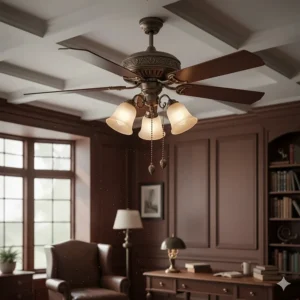
The NOPAARD Farmhouse Caged ceiling fan perfectly captures rustic charm with its distinctive metal cage light fixture and dual-finish plywood blades. This 48-inch beauty strikes an ideal balance between vintage aesthetics and modern functionality, making it a favorite for farmhouse and cottage-style homes.
Key Specifications:
- 48-inch diameter with industrial cage design
- 6-speed DC motor with reverse function
- Dual-finish 5 reversible blades (matte black/wooden)
- Glass cover with 2×E26 bulb sockets
The cage design isn’t just decorative—it creates beautiful light patterns on ceilings and walls, adding depth and character to your space. The DC motor provides exceptional efficiency while running silently, and the reversible blade feature (one side black, one side wood-toned) lets you easily refresh your room’s look without replacing the entire fan. Customer feedback praises the 24-month quality assurance and responsive customer service.
✅ Pros:
- Distinctive caged light design
- Dual-sided blades offer versatility
- Extended warranty coverage
❌ Cons:
- Bulbs not included
- Cage may limit light dispersion in some settings
Price Range: $130-$170
7. Westinghouse Barnett Smart WiFi Vintage Ceiling Fan
Bridging vintage style with smart home technology, the Westinghouse Barnett represents the future of vintage ceiling fans. This 48-inch WiFi-enabled fan features a warm barnwood finish with reclaimed hickory and pewter ash blade options, combining rustic appeal with voice-activated convenience.
Key Specifications:
- WiFi connectivity for Alexa and Google Home
- Vintage cage-enclosed light kit with filament LED bulbs
- 4-speed motor with reverse function
- Backlit remote control with dimming capabilities
What makes this fan exceptional is how seamlessly it integrates vintage aesthetics with modern smart home ecosystems. Control it via voice commands, smartphone apps, or the included backlit remote. The customizable scheduling feature means you can program cooling patterns throughout the day, while the “breeze” feature simulates natural wind by varying speeds automatically. It’s perfect for tech-savvy homeowners who refuse to compromise on style.
✅ Pros:
- Full smart home integration
- Customizable scheduling and breeze features
- Premium barnwood finish
❌ Cons:
- Requires stable WiFi connection
- Higher price point ($220-$290)
Price Range: $220-$290
✨ Don’t Miss These Exclusive Deals!
🔍 Take your home cooling to the next level with these carefully selected products. Click on any highlighted item to check current pricing and availability. These tools will help you create authentic vintage ambiance your family will love!
Understanding Vintage Ceiling Fans: What Makes Them Special?
Vintage ceiling fans represent more than mere appliances—they’re functional art pieces that tell stories. But what exactly qualifies a fan as “vintage,” and why have they experienced such renewed popularity?
The Definition of Vintage Design
True vintage ceiling fans either hail from earlier eras (typically 1920s-1980s) or faithfully reproduce classic designs using modern manufacturing. According to ceiling fan history experts, the golden age of ceiling fan design spanned from the 1880s through the 1950s, when fans featured heavy-duty construction, ornate metalwork, and genuine craftsmanship.
Modern vintage ceiling fans capture this aesthetic through several key elements: cast-iron or brass-finished housings, wood or metal blade materials, classic color palettes (bronze, brass, brushed nickel, matte black), exposed hardware and pull chains, and cage or glass-shade light fixtures. These design cues instantly evoke nostalgia while remaining completely functional for contemporary homes.
Why Vintage Ceiling Fans Are Making a Comeback
The resurgence of vintage ceiling fans stems from multiple converging trends. The farmhouse and industrial design movements have dominated interior design throughout the 2020s, creating massive demand for fixtures that complement these aesthetics. Sustainability-conscious consumers appreciate the durability and longevity associated with vintage-inspired construction—these aren’t disposable appliances designed for planned obsolescence.
Additionally, vintage ceiling fans offer remarkable energy efficiency. While maintaining period-appropriate aesthetics, manufacturers have integrated modern DC motors that consume 50-80% less energy than traditional AC motors. This means you can enjoy authentic vintage style while actually reducing your carbon footprint and utility bills.
Vintage vs. Antique vs. Retro Ceiling Fans
Understanding these distinctions helps clarify what you’re shopping for. Vintage ceiling fans typically reference styles from 20-100 years ago, reproduced with modern components. Antique ceiling fans are genuine period pieces, usually 100+ years old, valued as collectibles. Retro ceiling fans deliberately reference specific decades (often 1950s-1970s) with bold colors and atomic-age designs.
For practical home use, vintage-styled ceiling fans offer the best balance. You get authentic period aesthetics, modern reliability, current safety standards, energy efficiency, and readily available replacement parts. True antiques, while beautiful, often lack adequate airflow for modern comfort expectations and may present electrical safety concerns.
The Evolution of Ceiling Fan Technology
The journey from Philip Diehl’s 1882 electric ceiling fan invention to today’s smart fans is fascinating. Early fans employed belt-driven systems powered by water turbines or steam engines. By the 1920s, standardized electric motors made ceiling fans accessible to average households. The energy crisis of the 1970s sparked renewed interest after decades of air conditioning dominance.
Modern vintage ceiling fans incorporate DC motor technology (introduced to fans in the 2000s), smart home connectivity, LED integrated lighting, and remote/app controls—all while preserving classic aesthetics. This evolution means you’re not sacrificing performance for style.
How to Choose the Perfect Vintage Ceiling Fan for Your Space
Step 1: Determine Your Room Size and Ceiling Height
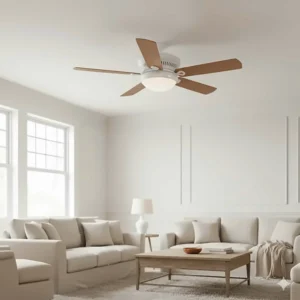
Proper sizing is crucial for optimal performance. For rooms 75-144 sq ft, choose 36-42 inch fans. For 144-225 sq ft, select 44-52 inch fans. For 225-400 sq ft, go with 52-56 inch fans. For spaces over 400 sq ft, consider 60-72 inch fans or multiple smaller fans.
Ceiling height matters equally. Standard 8-9 foot ceilings require flush-mount or low-profile fans. Ceilings 9-12 feet accommodate standard mounting. Ceilings above 12 feet need extension downrods to position blades 8-9 feet from the floor for optimal air circulation.
Step 2: Match the Style to Your Interior Design
Vintage ceiling fans span multiple aesthetic categories. Industrial styles feature exposed metalwork, caged lights, and dark finishes. Farmhouse designs showcase distressed wood, neutral tones, and rustic metal accents. Art Deco styles offer geometric patterns, brass/chrome finishes, and elegant curves. Victorian options present ornate details, antique brass, and intricate glass shades.
Consider your existing décor. Does your space feature reclaimed wood, brick accents, and neutral palettes (farmhouse)? Metal fixtures, exposed beams, and urban elements (industrial)? Crown molding, traditional furniture, and rich woods (Victorian)? Your ceiling fan should harmonize with these established design elements.
Step 3: Evaluate Motor Type and Efficiency
DC motors cost more initially but deliver 50-80% energy savings, whisper-quiet operation (under 30dB), and extended lifespan. AC motors are budget-friendly with simpler maintenance but higher energy consumption and typically louder operation. For bedrooms and quiet spaces, DC motors justify the investment through peaceful operation alone.
Step 4: Consider Lighting Needs and Options
Many vintage ceiling fans integrate lighting fixtures. Uplight configurations use frosted glass and send light upward for ambient glow. Downlight designs feature exposed bulbs or clear glass for direct task lighting. Combination setups provide both ambient and focused illumination.
Match bulb types to your needs. LED bulbs offer energy efficiency and longevity. Edison-style filament bulbs provide authentic vintage appearance. Dimmable options allow adjustable ambiance throughout the day.
Step 5: Assess Control and Smart Features
Control methods range from traditional pull chains (most authentic vintage feel) to wall switches, remote controls (convenient for ceiling-mounted switches), and smart WiFi controls (voice activation and app scheduling).
Smart features worth considering include scheduling for automatic operation, breeze simulation for natural wind feel, reverse function for seasonal adaptation, and integration with existing smart home ecosystems like Alexa or Google Home.
Step 6: Set Your Budget and Prioritize Features
Budget ceiling fans ($80-$150) typically offer basic aesthetics with AC motors. Mid-range options ($150-$250) provide better build quality, DC motors, and remote controls. Premium selections ($250+) deliver authentic materials, smart features, and superior warranties.
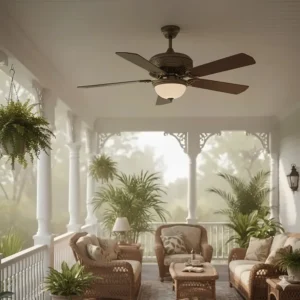
Prioritize based on usage. For primary living spaces, invest in quiet operation and energy efficiency. For guest rooms, focus on aesthetic appeal over advanced features. For outdoor covered areas, ensure proper wet-rating certification.
Step 7: Verify Installation Requirements
Most vintage ceiling fans weigh 20-50 pounds and require proper ceiling support (check for reinforced junction box). Electrical requirements typically need 120V standard circuits with compatible wall switches. Mounting types include standard downrod (8-12 ft ceilings), flush/hugger (low ceilings), or angled mount (sloped ceilings).
Consider professional installation for fans over 60 inches, smart WiFi models requiring configuration, or situations where you’re uncomfortable with electrical work. The cost ($150-$300 typically) ensures safe, proper installation and preserves warranty coverage.
Vintage Ceiling Fan Benefits vs. Traditional Alternatives
| Feature | Vintage Ceiling Fans | Modern Minimalist Fans | Air Conditioning Units |
|---|---|---|---|
| Energy Efficiency | High (DC models) | Very High | Low |
| Operating Cost | $15-30/year | $10-20/year | $200-500/year |
| Aesthetic Appeal | Statement piece | Subtle/invisible | Functional only |
| Temperature Control | Circulation only | Circulation only | Actual cooling |
| Installation Cost | $150-300 | $100-200 | $2,000-5,000 |
| Maintenance | Low (annual cleaning) | Very Low | Moderate-High |
| Noise Level | Low-Moderate | Very Low | Moderate-High |
| Longevity | 15-30+ years | 10-15 years | 10-15 years |
Maintenance and Care Tips for Vintage Ceiling Fans
Regular Cleaning Schedule
Dust accumulation on blades reduces efficiency and creates imbalance. Monthly dusting with microfiber cloths prevents buildup. Quarterly deep cleaning addresses accumulated grime. Annual professional cleaning ensures thorough maintenance of motors and electrical components.
Turn off power at the circuit breaker before cleaning. Use slightly damp cloths for blade surfaces, avoiding excessive moisture. Clean motor housing with dry cloths only to prevent electrical issues. Check and tighten all visible screws and connections during cleaning sessions.
Seasonal Maintenance
Before summer, test all speed settings, confirm clockwise (downward) rotation for cooling, clean thoroughly, and check remote battery status. Before winter, reverse to counterclockwise (updraft) to redistribute warm air, operate at low speeds to minimize drafts, verify motor housing cleanliness, and inspect for any unusual noises.
Troubleshooting Common Issues
Wobbling fans often result from loose screws, unbalanced blades, or improper installation. Check blade attachment screws first, then verify each blade is equidistant from ceiling. Use balancing kits if wobbling persists. Noisy operation may indicate loose parts, worn bearings, or motor issues. Tighten all connections first. If noise continues, contact manufacturer as it may require motor replacement.
Preserving Vintage Finishes
Brass and bronze finishes naturally develop patina over time—many enthusiasts appreciate this aged look. To preserve original shine, use brass/bronze polish quarterly. For painted finishes, gentle dish soap solution works best. Avoid abrasive cleaners that damage protective coatings. Wood blades benefit from occasional furniture polish to prevent drying and cracking.
Top Vintage Ceiling Fan Brands Worth Considering
Hunter Fan Company
As the largest ceiling fan manufacturer with a legacy dating to 1886, Hunter literally invented ceiling fan technology. Their Original line maintains authenticity with cast-iron construction and oil-bath motors. Modern Hunter fans incorporate SureSpeed technology guaranteeing 33% higher velocity than competitors, plus WeatherMax outdoor fans with superior corrosion resistance.
Westinghouse Lighting
Westinghouse brings 135 years of electrical innovation to ceiling fans. Their vintage collections balance affordability with quality, offering excellent entry points for budget-conscious buyers. Standout features include InstaLoc technology for simplified installation and comprehensive lighting integration in most models.
Minka-Aire
For those seeking premium vintage aesthetics, Minka-Aire delivers hand-crafted quality with exceptional attention to detail. Their designer collections feature unique finishes and blade materials unavailable elsewhere. Expect to pay premium prices justified by superior build quality and distinctive designs.
Craftmade
Craftmade specializes in traditional and vintage-inspired designs with extensive customization options. Their modular approach lets you select blade finishes, light kits, and control methods separately. This flexibility makes them ideal for matching specific historical periods or design schemes.
Price Range and Value Analysis
| Price Category | Typical Features | Best Value Models | Who Should Buy |
|---|---|---|---|
| Budget ($80-$150) | AC motors, pull-chain controls, basic finishes | Westinghouse Vintage 7237100 | Renters, guest rooms, secondary spaces |
| Mid-Range ($150-$250) | DC motors, remote controls, quality construction | HUYUT Wood Blade, NOPAARD Caged | Primary living areas, bedrooms |
| Premium ($250-$400) | Cast-iron housing, smart features, designer finishes | Hunter Original, Westinghouse Barnett Smart | Statement rooms, whole-home integration |
| Luxury ($400+) | Custom configurations, architectural-grade materials | Minka-Aire Designer Collections | Historic restorations, luxury homes |
Frequently Asked Questions About Vintage Ceiling Fans
❓ What is the difference between vintage and antique ceiling fans?
❓ Do vintage ceiling fans with pull chains use more energy than remote-controlled models?
❓ Can I install a vintage ceiling fan outdoors on my covered patio?
❓ How do I choose between a 48-inch and 52-inch vintage ceiling fan for my living room?
❓ Are vintage ceiling fans with Edison bulbs expensive to operate?
Conclusion: Choosing Your Perfect Vintage Ceiling Fan
Vintage ceiling fans represent the perfect marriage of timeless aesthetics and modern functionality. Whether you’re drawn to the authentic cast-iron construction of the Hunter Original, the budget-friendly charm of Westinghouse’s Vintage line, the whisper-quiet efficiency of DC-motor farmhouse fans, or the smart-home integration of WiFi-enabled models, there’s a vintage ceiling fan perfectly suited to your needs.
The key is understanding your priorities. For purists seeking authentic period reproductions, invest in premium brands like Hunter or Minka-Aire that maintain historical manufacturing methods. For practical homeowners balancing style and budget, mid-range options from Westinghouse and NOPAARD deliver exceptional value. Tech enthusiasts should explore smart fans that preserve vintage aesthetics while offering voice control and app connectivity.
Remember that ceiling fan selection extends beyond initial purchase price. Consider long-term energy costs, maintenance requirements, and replacement part availability. Quality vintage ceiling fans from reputable manufacturers routinely operate flawlessly for 20-30 years, making them sound investments that appreciate aesthetically while serving functionally.
As you embark on your vintage ceiling fan journey, take time to measure your space accurately, assess your ceiling height and mounting requirements, match the aesthetic to your existing décor, prioritize features based on room usage, and verify electrical compatibility before purchasing. These steps ensure satisfaction for decades to come.
The vintage ceiling fans featured in this guide represent the finest options available in 2025, combining nostalgic beauty with contemporary performance. Your perfect fan awaits—one that will cool your home efficiently, illuminate your space beautifully, and transport you to a more elegant era every time you flip the switch.
Recommended for You
- 7 Best Windmill Ceiling Fans That Transform Large Rooms 2025
- 7 Best Farmhouse Ceiling Fans That’ll Transform Your Home in 2025
- 7 Best Crystal Ceiling Fans 2025: Expert Reviews & Guide
Disclaimer: This article contains affiliate links. If you purchase products through these links, we may earn a small commission at no additional cost to you.
✨ Found this helpful? Share it with your friends! 💬🤗
