
In This Article
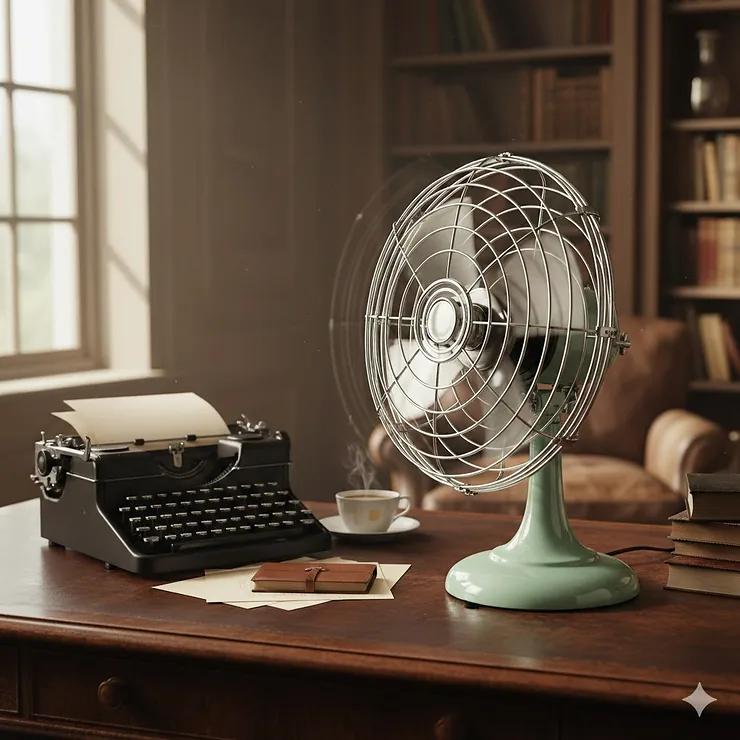
Picture this: you’re sitting at your desk during a sweltering afternoon, and instead of that boring plastic tower fan humming in the corner, there’s a beautifully crafted retro desk fan spinning gracefully beside you. Not only does it keep you cool, but it also serves as a stunning decorative office accessory that sparks conversations and adds character to your workspace.
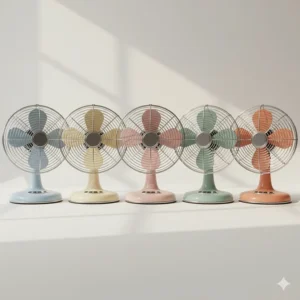
The vintage desk fan renaissance is real, and it’s happening right now in 2026. According to Wikipedia, Dr. Schuyler Wheeler invented the first electric desk fan back in 1882, placing a two-bladed propeller on an electric motor shaft. Fast forward over 140 years, and these classic beauties are making a serious comeback. Why? Because we’re tired of bland, disposable appliances that all look the same. We want pieces that tell a story, that remind us of craftsmanship and timeless design.
But here’s the thing: not all retro desk fan options are created equal. Some are genuine throwbacks with modern performance, while others are just plastic imposters wearing a vintage costume. I’ve spent weeks researching, comparing specs, reading hundreds of customer reviews, and analyzing what actually makes a great retro desk fan in 2026. Whether you’re hunting for an antique style desk fan for your home office or a metal desk fan vintage piece that’ll last decades, this guide has you covered.
Quick Comparison Table
| Model | Size | Speeds | Oscillation | Price Range | Best For |
|---|---|---|---|---|---|
| Vornado VFAN Jr. | 6.4″ | 2 | No | $55-65 | Compact spaces |
| AMACOOL Oscillating Vintage | 8″ | 3 | 90° | $45-60 | Medium rooms |
| Lasko R12210 | 12″ | 3 | Yes | $65-75 | Large coverage |
| Holmes Mini Heritage | 4″ | 1 | No | $25-35 | USB portability |
| Good Housekeeping 92604 | 12″ | 3 | 70° | $60-75 | Style statement |
| Vornado VFAN Mini | Small | 2 | No | $45-55 | Personal cooling |
| Good Housekeeping 92521 | 5″ | 1 | Yes | $30-40 | Desk portability |
💬 Just one click – help others make better buying decisions too!😊
Top 7 Retro Desk Fans: Expert Analysis
1. Vornado VFAN Jr. Vintage Air Circulator
When it comes to authentic vintage aesthetic meeting modern engineering, the Vornado VFAN Jr. stands in a league of its own. This isn’t just another fan with a retro sticker slapped on it—Vornado literally based this design on their revolutionary 1945 Vornadofan, and you can feel that heritage in every detail.
Key Specifications:
- 6.4-inch blade diameter with signature vortex technology
- Full metal construction weighing approximately 4.5 pounds
- 2-speed settings with adjustable pivot head
The metal construction here isn’t just for show. Unlike cheaper alternatives that use painted plastic, the VFAN Jr. features genuine cast metal with a powder-coated finish available in vintage white, green, and chrome. Customer feedback consistently praises its solid build quality, with one reviewer noting “it feels like something my grandfather would have used—in the best way possible.” The unique vortex air circulation pushes air up to 75 feet, making it far more effective than traditional fans of similar size.
✅ Pros:
- Authentic 1945-inspired design with modern performance
- 5-year warranty backed by Vornado’s reputation
- Whisper-quiet operation at both speeds
❌ Cons:
- No oscillation feature
- Higher price point than basic models
This classic desk fan design works perfectly on desks, nightstands, or bookshelves where you want both functionality and that nostalgic aesthetic.
2. AMACOOL Oscillating Vintage Fan
The AMACOOL Oscillating Vintage Fan brings serious bang for your buck. At 8 inches, it hits that sweet spot between compact desk fans and room-filling powerhouses, and the all-metal construction gives it a nostalgic aesthetic that photographs beautifully for your home office Instagram shots.
Key Specifications:
- 8-inch all-metal body with 4 chrome blades
- 3-speed dial control (max 1490 RPM)
- 90-degree oscillation with adjustable tilt
What makes this metal desk fan vintage winner special is its airflow capacity—up to 600 CFM (cubic feet per minute), which means it can actually cool a small to medium bedroom, not just create a personal breeze. The 72-inch power cord is longer than most competitors, giving you flexibility in placement. Reviews highlight that at just 39 dB on the lowest setting, this fan produces pleasant white noise without being disruptive.
The carrying handle and fully assembled out-of-box experience mean you can start using it within seconds of delivery. Customer feedback mentions the exclusive safety fuse that automatically shuts off power during electrical faults—a feature usually reserved for more expensive models.
✅ Pros:
- Powerful airflow with wide oscillation coverage
- Removable grilles for easy cleaning
- 12-month product service included
❌ Cons:
- Slightly heavier at 4.52 pounds
- Chrome finish shows fingerprints
Perfect for anyone wanting a decorative office accessory that doesn’t compromise on cooling power.
3. Lasko R12210 Classic Metal Table Fan
If you’re serious about both style and substance, the Lasko R12210 deserves your attention. Lasko has been manufacturing home comfort products for over 100 years, and that expertise shows in this oil-rubbed bronze beauty.
Key Specifications:
- 12-inch blade diameter with 3 paddles
- Oil-rubbed bronze finish on all-metal body
- 3 quiet speeds with 90-degree oscillation
The metal construction on this vintage desk fan features an actual oil-rubbed bronze finish, not paint that’ll chip off after a few months. At 17 inches tall and weighing 9.32 pounds, this is a substantial piece that commands attention. The tilt-back head locks into position, and rubber pads on the base prevent vibration and protect your desk surface.
What customers love most is how quiet this fan runs—the noise levels measure 37.9 dBa on low and 53.6 dBa on high. That’s quieter than most conversations! The 72-inch power cord and built-in carrying handle make it surprisingly portable for its size. One reviewer shared, “I’ve moved it from my home office to the kitchen to the bedroom, and it looks perfect everywhere.”
✅ Pros:
- Stunning oil-rubbed bronze finish that complements any décor
- ETL listed with safety fuse technology
- Comes fully assembled and ready to use
❌ Cons:
- Takes up more desk space than smaller models
- Single year warranty (though rarely needed given Lasko’s quality)
This is the classic desk fan design choice for those who want a statement piece that performs as beautifully as it looks.
4. Holmes 4″ Mini Heritage Desk Fan
Don’t let the compact size fool you—the Holmes 4″ Mini Heritage Desk Fan punches way above its weight class. This brushed copper gem is perfect for those tight on desk space but unwilling to compromise on that vintage charm.
Key Specifications:
- 4-inch diameter with 4 metal blades
- USB-powered with included cable
- 100-degree adjustable head tilt
The brushed copper finish gives this little antique style desk fan incredible visual appeal, and the all-metal construction means it’ll outlast those flimsy plastic USB fans by years. What makes it brilliant for modern workspaces is the USB power option—plug it into your laptop, desktop, or use the included wall adapter. Customer reviews consistently mention how much airflow this generates for its size, with one noting “it’s relatively quiet and powerful for a 4-inch fan.”
The 360-degree tilt capability (despite the 100-degree adjustment range) lets you direct airflow precisely where you need it. At just under 1 pound, it’s genuinely portable—throw it in your bag for travel, dorm rooms, or hot office days.
✅ Pros:
- Ultra-portable with USB power flexibility
- Beautiful brushed copper aesthetic
- No assembly required—works straight from the box
❌ Cons:
- Single speed only
- Not suitable for cooling entire rooms
This metal construction powerhouse is ideal for personal cooling zones and anyone who appreciates that nostalgic aesthetic in a truly portable package.
5. Good Housekeeping 92604 All-Metal Retro Fan
When Good Housekeeping puts their seal on something, you know it’s been rigorously tested. The Good Housekeeping 92604 in Breezewave (that gorgeous silver-green hue) brings laboratory-approved performance wrapped in stunning retro styling.
Key Specifications:
- 12-inch diameter with Hunter motor
- 3-speed settings with 70-degree oscillation
- Multiple finish options (Breezewave, Bronze, Nickel, White)
The Good Housekeeping Institute doesn’t mess around—their scientists evaluate every product to ensure it performs exactly as promised. This vintage desk fan delivers up to 1,466 CFM of airflow, which is genuinely impressive for a table fan. The decorative grill features the elegantly stamped Good Housekeeping logo center stage, making it as much art as appliance.
What sets this apart from competitors is the build quality. The Hunter motor inside this classic desk fan design has been perfected over decades. The rear-access speed selector dial is intuitive, and the integrated carrying handle makes room-to-room transport effortless. Customer feedback highlights the smooth, quiet oscillation and the 10-degree manual tilt adjustment for directing airflow.
✅ Pros:
- Good Housekeeping Seal backing
- Available in 5+ color finishes
- Comes partially assembled for quick setup
❌ Cons:
- Premium pricing reflects the quality
- Larger footprint may not suit tiny desks
This decorative office accessory is the choice for discerning buyers who want that nostalgic aesthetic backed by rigorous testing and quality assurance.
6. Vornado VFAN Mini Classic Personal Vintage Fan
Vornado strikes again with the VFAN Mini Classic, proving that great things truly do come in small packages. This pint-sized powerhouse captures everything that made Vornado famous—just in a more desk-friendly format.
Key Specifications:
- Compact personal size with signature vortex action
- 2-speed dial control with adjustable tilt
- Available in Green, Vintage White, and Chrome
The metal construction here is identical to its larger siblings—genuine cast metal with authentic vintage styling. What makes this special is Vornado’s proprietary inlet guide cones and deep-pitched propeller blades that create that signature spiral airflow pattern. The air doesn’t just blow at you; it circulates throughout your immediate area, creating more effective cooling.
At under 3 pounds, it’s light enough to move freely but heavy enough to stay stable on your desk. Reviews consistently praise how quiet this fan operates—you’ll hear your music, podcasts, or meetings clearly. The 5-year warranty demonstrates Vornado’s confidence in this design, and customer feedback suggests these fans routinely outlast their warranty period.
✅ Pros:
- Genuine Vornado vortex technology in compact form
- Industry-leading 5-year warranty
- Perfect for bedside tables or desk corners
❌ Cons:
- No oscillation (by design for focused airflow)
- Two speeds may feel limiting for some users
This metal desk fan vintage style pick is ideal for anyone wanting authentic Vornado performance without the larger footprint.
7. Good Housekeeping 92521 USB-Powered Retro Fan
Rounding out our list is the surprisingly capable Good Housekeeping 92521 in Crimson Red. This 5-inch oscillating wonder proves that USB-powered doesn’t have to mean wimpy performance.
Key Specifications:
- 5-inch all-metal construction
- USB-powered with oscillation function
- Compact crimson red design
What makes this little antique style desk fan remarkable is that it actually oscillates despite being USB-powered. Most USB fans at this price point are stationary, but Good Housekeeping engineered genuine side-to-side motion into this compact design. The all-metal body comes in that eye-catching crimson red that photographs beautifully and adds a pop of color to neutral workspaces.
The USB power source means you’re not hunting for outlets, and modern USB ports provide enough juice to run this efficiently. Customer reviews mention it’s perfect for dorm rooms, cubicles, or anywhere desk space is premium. While it won’t cool an entire room, for personal workspace cooling and that classic desk fan design aesthetic, it’s hard to beat at this price point.
✅ Pros:
- Oscillation feature rare in USB-powered fans
- All-metal construction at budget-friendly pricing
- Distinctive crimson red color option
❌ Cons:
- Single speed operation
- Smaller coverage area than plug-in models
Perfect for students, cubicle workers, or anyone wanting that nostalgic aesthetic in the most portable, desk-friendly format possible.
What Makes a Retro Desk Fan “Authentic”?
Not every fan with rounded edges deserves the vintage label. Authentic retro desk fan models share specific characteristics that separate them from cheap knockoffs trying to cash in on the trend.
The Metal Construction Difference
Real vintage desk fans were built during an era when planned obsolescence wasn’t a business model. According to the Smithsonian National Museum of American History, early 1920s fans featured spot-welded steel safety cages and brass blades designed to last decades. Modern authentic reproductions honor this by using actual metal components—not just metal-painted plastic.
When you tap a genuine metal desk fan vintage model, you’ll hear that solid ring of quality. The weight tells you immediately whether you’re holding something substantial or just another disposable appliance. Expect authentic models to weigh anywhere from 3 to 10 pounds depending on size.
Design Elements That Define the Era
The nostalgic aesthetic isn’t just about rounded corners. Classic desk fan design includes specific visual cues: cage-style grilles with visible rivets, rotary dial controls (not digital displays), chrome or powder-coated metal finishes, and proportions that favor substance over minimalism. The best antique style desk fan options feature decorative details like stamped logos, curved carrying handles, and adjustable tilt mechanisms that lock firmly into position.
Performance Standards Worth Preserving
Historical fans weren’t just pretty faces—they were engineering marvels that moved serious air without modern conveniences like variable speed DC motors. Today’s quality vintage desk fan models maintain this performance legacy while adding modern safety features like fused power cords and UL/ETL certification. Look for CFM (cubic feet per minute) ratings above 400 for desk fans and noise levels below 50 dB for comfortable extended use.
How Retro Fans Changed Home Cooling Forever
The evolution of electric fans represents one of the most significant advances in home comfort technology. Before Dr. Schuyler Wheeler’s 1882 invention, people relied on servants waving palm leaves or crude mechanical fans powered by hand cranks. The electric desk fan democratized personal cooling, making it accessible to middle-class households for the first time.
By the 1920s, according to Family Tree Magazine, industrial advances allowed steel fans to be mass-produced, bringing prices down dramatically. A Westinghouse electric fan in 1910 cost just one-fourth of a penny per hour to operate—a marketing claim that would resonate with today’s energy-conscious consumers.
The real golden age hit in the 1930s when Emerson Electric introduced the Silver Swan, a fan based on yacht propeller design with aluminum blades and a dramatically reduced motor size. This Art Deco masterpiece set the template for classic desk fan design that modern manufacturers still reference today. Its sleek lines and chrome accents embodied the optimism and modernity of the era.
The 1960s nearly killed desk fans when air conditioning became affordable for average homeowners. But the energy crisis of the 1970s brought them roaring back. Suddenly, those energy-efficient fans our grandparents used didn’t seem so old-fashioned. Today’s retro desk fan renaissance combines this historical appreciation with modern materials science and motor efficiency.
Retro vs. Modern: Which Cooling Style Wins?
Let’s be honest about this debate—it’s not just about functionality. The decorative office accessory aspect matters when you’re spending 8+ hours daily in that space.
Cooling Performance Comparison
| Feature | Retro Desk Fan | Modern Tower/Bladeless |
|---|---|---|
| Direct Airflow | Powerful, focused | Distributed, gentle |
| Coverage Area | Circular pattern | Linear pattern |
| Energy Usage | 30-75 watts | 40-90 watts |
| Noise Level | 35-55 dB | 30-60 dB |
| Air Throw Distance | 50-75 feet | 30-50 feet |
Modern tower fans spread air more evenly across a room, but vintage desk fan models excel at targeted personal cooling. If you need a blast of air hitting you directly at your desk, retro wins every time. The blade design creates that authentic breeze feeling—something bladeless fans struggle to replicate despite their sleek appearance.
Style Impact Assessment
Here’s where metal construction really matters. A genuine antique style desk fan becomes a conversation piece—guests notice it, ask about it, photograph it. Modern fans typically fade into the background or scream “appliance.” For home offices doubling as Zoom backgrounds, that nostalgic aesthetic provides instant visual interest and personality.
Maintenance & Longevity
Traditional metal desk fan vintage models have fewer potential failure points. No computer chips to fry, no complex electronics to malfunction. Most issues boil down to motor lubrication or simple cleaning—tasks anyone can handle with basic tools. Modern smart fans offer convenience features, but when that app-controlled oscillation module fails, you’re often looking at full replacement rather than repair.
Quality retro desk fan models from brands like Vornado and Lasko routinely operate for 15-20 years with minimal maintenance. That’s sustainability you can actually measure.
Choosing Your Perfect Vintage Cooling Companion
Size Matters (But Maybe Not How You Think)
Don’t automatically assume bigger equals better. The 4-inch Holmes Mini Heritage creates surprisingly effective personal cooling for desk work, while 12-inch models like the Lasko R12210 are overkill for tight cubicles. Consider your actual desk dimensions and airflow needs.
Pro tip: Measure your available desk space before falling in love with that 12-inch beauty. Nothing’s sadder than a gorgeous fan that doesn’t fit your setup.
Oscillation: Essential or Overrated?
Oscillation divides vintage desk fan enthusiasts. Some swear by it for even room cooling; others prefer the focused blast of stationary fans. If you’re using your fan primarily while seated at a desk, stationary might actually work better—why waste time blowing air away from you? But for bedroom use or small living spaces, that side-to-side motion helps distribute air more effectively.
Noise Level Sweet Spots
The quiet hum of a quality classic desk fan design can actually be pleasant white noise for concentration. But there’s a difference between soothing ambient sound and annoying rattling. Look for:
- Metal construction (reduces vibration noise)
- Rubber feet or pads (dampens sound transmission)
- Ball-bearing motors (quieter than sleeve bearings)
- Balanced blades (unbalanced causes wobble noise)
Models rated below 40 dB essentially disappear into your audio environment, while anything above 55 dB becomes noticeable during phone calls or video meetings.
Color & Finish Decisions
The decorative office accessory angle matters here. Oil-rubbed bronze adds warmth to wood-tone offices. Chrome or brushed nickel complements modern industrial décor. Matte white or black disappear into minimalist spaces. Color variants like Good Housekeeping’s Breezewave or Crimson Red become statement pieces.
Consider your existing desk setup—does it need a pop of visual interest or something that blends seamlessly?
Maximizing Your Retro Fan’s Performance
Strategic Placement for Optimal Cooling
Your vintage desk fan isn’t just décor—it’s a cooling tool that works best with smart positioning. Place fans 3-6 feet from your seating position for ideal airflow without papers flying everywhere. Angle the tilt slightly downward to catch you at torso level rather than just your face.
Window trick: Position your fan near a window during cooler morning or evening hours to pull fresh outdoor air into your space. The metal construction won’t warp from occasional exposure to moist air like plastic fans.
Maintenance Rituals for Longevity
These metal desk fan vintage beauties thrive with minimal care:
- Monthly dusting: Unplug and wipe down grilles with a microfiber cloth. Most models let you remove the cage for deeper cleaning.
- Quarterly deep clean: Use compressed air to blast dust from motor housing vents. This prevents overheating and extends motor life.
- Annual lubrication: Some models benefit from a drop of motor oil on bearings. Check your manual—don’t oil sealed bearing units.
- Blade balance check: If wobbling develops, ensure all blade screws are equally tight and no blade is bent.
Energy Efficiency Hacks
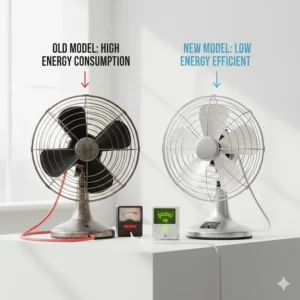
Retro desk fan models typically draw 30-75 watts—significantly less than air conditioning but still worth optimizing. Run fans on lower speeds during moderate temperatures. The energy savings between low and high speed can approach 40-50%. Use fans in conjunction with ceiling fans for circulation rather than trying to cool with fans alone during extreme heat.
The nostalgic aesthetic shouldn’t distract from smart energy use. Fans cool people, not rooms, so turn them off when leaving a space.
Common Retro Fan Myths Debunked
“Old Designs Can’t Match Modern Efficiency”
Actually, the opposite is often true. Modern brushless DC motors are efficient, but so are quality AC induction motors in authentic vintage desk fan models. The real efficiency comes from blade design and motor quality, not age of concept. Many vintage-styled fans use contemporary motors while maintaining classic aesthetics.
“Metal Fans Are Dangerous”
Modern safety standards ensure even metal construction retro desk fan models meet rigorous electrical safety requirements. UL and ETL certifications mean grounding, insulation, and construction all pass professional safety testing. The real danger is poorly made fans of any material—stick with established brands.
“Bigger Blades Always Move More Air”
Blade pitch, RPM, and motor power matter far more than diameter alone. A well-engineered 8-inch antique style desk fan with the right blade angle and motor can outperform a lazy 12-inch model. Check CFM ratings and customer reviews about actual cooling performance.
“They’re Just Overpriced Nostalgia”
Quality costs money, whether vintage-styled or contemporary. Compare a $70 genuine Vornado or Lasko versus a $35 plastic alternative, and the metal desk fan vintage option will likely still work perfectly in 15 years while the cheapie died after three summers. That’s not nostalgia—that’s value.
Styling Your Space Around Vintage Fans
Office Aesthetics That Pop
Your classic desk fan design becomes a anchor piece for broader décor decisions. Pair bronze fans with warm wood tones, leather desk accessories, and amber desk lamps for that lawyer’s office vibe. Chrome fans pop against white or gray minimalist setups with geometric prints and metal organizers.
Create intentional contrast—if your desk is ultra-modern, a retro desk fan becomes an interesting focal point rather than clash. The decorative office accessory role means thinking about how it photographs for virtual meetings too.
Home Office Integration
The nostalgic aesthetic works beautifully in home office conversions. Vintage fans pair naturally with:
- Mid-century modern furniture
- Industrial pipe shelving
- Antique typewriters or cameras
- Vintage posters and signage
- Edison bulb lighting
Your metal construction fan bridges functional cooling with design statement. Position it where natural light catches the metal finish for maximum visual impact.
Bedroom Applications
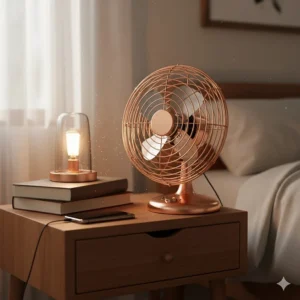
Classic desk fan design adapts beautifully to nightstands and dressers. The white noise some models produce actually aids sleep quality. Choose quieter low-speed settings and angle airflow to create gentle circulation without direct face blasting.
Bronze or darker finishes work better in bedrooms to avoid light reflection during sleep. The smaller Vornado VFAN Mini or Holmes Heritage models suit bedside tables without dominating the space.
When to Choose Retro Over Smart Fans
Modern smart fans offer app control, scheduling, and integration with home automation systems. But technology isn’t always the answer to every problem. Choose a vintage desk fan when:
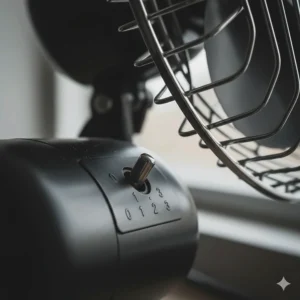
Simplicity matters: No apps to download, accounts to create, or WiFi to configure. Plug it in, turn the dial, instant cooling.
Repairability counts: When your smart fan’s proprietary controller board fries, you’re often looking at total replacement. Vintage-styled mechanical fans with standard motors can be fixed by any appliance repair shop.
Offline reliability: Internet-connected devices need updates, can be hacked, and fail when servers go down. Your metal desk fan vintage model works during power outages with a small generator or battery backup.
Budget consciousness: Quality retro desk fan options at $50-75 outperform $150+ smart fans in actual cooling power. You’re paying for functionality, not features you may never use.
Aesthetic priority: If your decorative office accessory matters as much as its function, authentic retro styling beats generic modern designs every time.
The antique style desk fan isn’t a compromise—it’s a deliberate choice valuing quality, style, and timeless engineering over disposable tech trends.
Seasonal Strategies: Year-Round Fan Usage
Summer Supremacy
Obviously, this is prime time for your retro desk fan. But maximize effectiveness by:
- Running fans counterclockwise (when viewed from below) to push air downward
- Creating cross-breezes by positioning multiple fans strategically
- Using fans with ceiling fans or AC to distribute cooled air efficiently
- Pointing fans at yourself, not toward walls
During extreme heat waves, position a bowl of ice water in front of your classic desk fan design for DIY air conditioning. The nostalgic aesthetic meets practical physics.
Winter Circulation
Here’s what many don’t realize—quality vintage desk fan models remain useful year-round. Run fans on low speed to:
- Circulate warm air pooled near ceilings
- Prevent hot/cold stratification in rooms
- Distribute heat from space heaters more evenly
- Reduce humidity and condensation near windows
The metal construction handles temperature changes without warping. Just remember to switch rotation direction (clockwise) if your fan supports it, or tilt upward to push rising warm air back down.
Spring & Fall Flexibility
Shoulder seasons are perfect for fan-only cooling, eliminating AC costs entirely for weeks or months. Your decorative office accessory earns its keep by providing just enough air movement for comfort without heating or cooling systems.
These are also ideal times for deep cleaning your metal desk fan vintage treasure before summer demands peak performance.
Budget-Friendly Alternatives That Don’t Compromise Style
Not everyone can drop $70+ on a premium retro desk fan right now. Smart shopping can still land you that nostalgic aesthetic without breaking the bank:
Good Housekeeping 92521 (~$30-40)
This USB-powered 5-inch model delivers authentic metal construction and oscillation at nearly half the price of larger options. Perfect for budget-conscious buyers who still want quality.
Holmes Mini Heritage (~$25-35)
The brushed copper finish and genuine metal build make this punch way above its price point. It’s proof that decorative office accessory appeal doesn’t require premium spending.
Sales & Refurbs
Check Amazon Warehouse for open-box deals on vintage desk fan models. Many are simply returns with perfect functionality at 20-30% off. End-of-summer sales (August-September) also offer significant discounts.
Outlet Shopping
Discount retailers like HomeGoods, TJ Maxx, and Big Lots occasionally stock brand-name classic desk fan design models at clearance prices. Worth checking if you’re not in a rush.
Quality antique style desk fan options exist across price ranges. Focus on metal construction and established brands rather than chasing the absolute cheapest option.
FAQ
❓ How much electricity does a retro desk fan use compared to air conditioning?
❓ Can I leave my retro desk fan running unattended?
❓ Do vintage style desk fans work with smart plugs for scheduling?
❓ How do I stop my metal desk fan from rattling?
❓ Are retro desk fans louder than modern tower fans?
Bringing Timeless Style to Modern Cooling
The retro desk fan revival isn’t just about chasing trends—it’s about recognizing that some designs simply got it right the first time. When Dr. Schuyler Wheeler created that first electric fan in 1882, he couldn’t have imagined we’d still be celebrating variations of his invention 144 years later. Yet here we are in 2026, choosing metal construction over plastic, mechanical simplicity over digital complexity, and timeless aesthetics over disposable design.
Your choice of a vintage desk fan, whether it’s the powerful Lasko R12210 or the compact Holmes Heritage Mini, says something about your values. It suggests you appreciate quality that lasts, design that endures, and the kind of nostalgic aesthetic that makes workspaces feel more human. In a world of identical tech products, your metal desk fan vintage piece becomes a small rebellion against bland uniformity.
The seven options I’ve shared represent the best of what’s available right now—real products from established manufacturers, not dropshipped knockoffs that’ll disappoint within months. Each brings authentic retro styling backed by modern safety standards and genuine cooling performance. Whether you prioritize the decorative office accessory angle or pure functionality, there’s an antique style desk fan on this list that’ll transform your space.
Remember: the best classic desk fan design isn’t necessarily the most expensive or the most feature-packed. It’s the one that fits your space, matches your aesthetic, and keeps you comfortably cool for years to come. That nostalgic aesthetic shouldn’t come at the expense of performance—demand both, because quality manufacturers deliver both.
So go ahead, retire that boring plastic tower fan. Treat yourself to a genuine piece of cooling history that’ll serve you faithfully through countless summers while looking absolutely stunning in the process. Your workspace deserves that vintage touch, and you deserve the smile you’ll get every time you switch it on and hear that authentic whoosh of quality engineering at work.
Recommended for You
- 7 Best Powerful Desk Fans in 2026: Maximum Airflow Picks
- 7 Best Clip On Fan for Desk 2026 – Space Saving Solutions
- 7 Best Oscillating Desk Fans 2026
Disclaimer: This article contains affiliate links. If you purchase products through these links, we may earn a small commission at no additional cost to you.
✨ Found this helpful? Share it with your friends! 💬🤗
