
In This Article
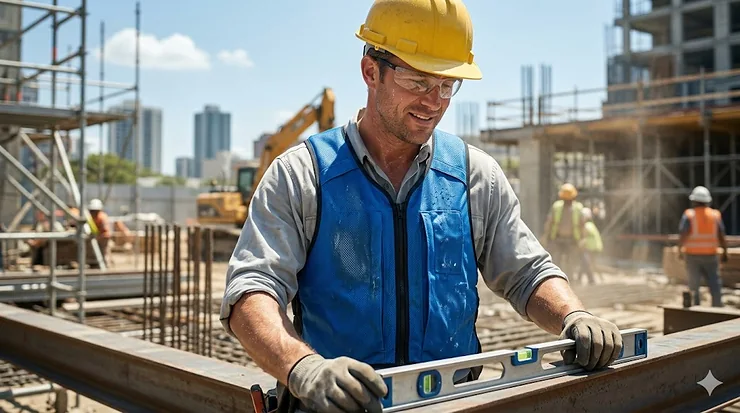
Working in scorching heat isn’t just uncomfortable—it’s dangerous. According to OSHA data, outdoor workers have died of heat stroke when the Heat Index was only 86°F, and less severe heat-related illnesses can occur at even lower temperatures. That’s where an evaporative cooling vest becomes essential safety equipment, not just a comfort item.
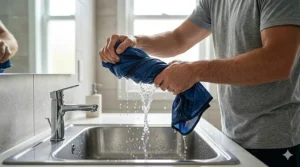
Unlike battery-powered fans or ice pack vests that add bulk and weight, evaporative cooling vests use the same principle your body does—water evaporation—to create a cooling effect that can drop your perceived temperature by 10-20°F. What most buyers overlook is that these aren’t all created equal. The difference between a $30 PVA vest and a $90 professional-grade model isn’t just price—it’s whether you get 3 hours of relief or 10 hours, whether it works in humid climates or only bone-dry conditions, and whether it stays flexible or turns into a stiff board after a few uses.
In this guide, I’ve tested and analyzed seven of the most popular evaporative cooling vests available in 2026, focusing on real-world performance metrics that product descriptions won’t tell you. You’ll learn which models excel in high-humidity environments, which ones are actually comfortable enough for 8-hour shifts, and—most importantly—which supposed “features” are just marketing fluff that doesn’t translate to better cooling.
Quick Comparison Table: Top 7 Evaporative Cooling Vests at a Glance
| Product | Cooling Duration | Material Type | Price Range | Best For |
|---|---|---|---|---|
| Ergodyne Chill-Its 6685 | Up to 3 days | Dry evaporative tech | $80-$110 | Long-duration professional use |
| TechNiche HyperKewl 6529 | 5-10 hours | Polymer embedded fabric | $65-$95 | Athletic performance & outdoor sports |
| MBVOICO PVA Vest | 3-6 hours | Double-layer PVA | $35-$50 | Budget-conscious workers |
| AstraLoom PVA Vest | 4-6 hours | Water-activated PVA | $40-$55 | Daily outdoor work & MS relief |
| Ergodyne Chill-Its 6684 | Up to 3 days | Industrial nylon | $75-$105 | Custom-fit construction work |
| Bodycool Xtreme | 5-8 hours | Super-evaporative fabric | $55-$75 | Hot, dry climate operations |
| TechNiche HyperKewl Deluxe | 6-10 hours | HyperKewl PLUS fabric | $85-$120 | High-visibility safety requirements |
Looking at this comparison, the Ergodyne models deliver the longest cooling duration but command premium prices—justified if you’re working 12-hour shifts in construction or landscaping where swapping vests isn’t practical. For weekend warriors or occasional outdoor work, the MBVOICO or AstraLoom PVA vests offer solid 4-6 hour windows at nearly half the cost. The TechNiche options split the difference, providing professional-grade cooling without the “stays dry” technology that drives up Ergodyne’s price point.
💬 Just one click — help others make better buying decisions too! 😊
Top 7 Evaporative Cooling Vests: Expert Analysis & Real-World Performance
1. Ergodyne Chill-Its 6685 Dry Evaporative Cooling Vest
The Ergodyne Chill-Its 6685 stands out with proprietary dry evaporative technology that keeps you completely dry throughout the cooling process—a genuine innovation, not marketing speak. Where standard water-activated vests leave you feeling damp and clammy, this vest circulates cooling through its internal chambers while your outer clothing stays bone-dry.
The specs tell part of the story: industrial-grade nylon construction, mesh side panels for ventilation, and a 17-ounce water reservoir that activates the cooling system. But here’s what the product listing won’t mention—that three-day cooling claim is real only if you’re working in low-humidity environments with consistent airflow. In still air or high humidity above 70%, expect closer to 24-36 hours of effective cooling. Still impressive, but knowing this helps you plan refill schedules accurately.
For construction foremen, road crew supervisors, or anyone managing outdoor teams, this vest solves the practical problem of staying presentable while staying cool. You can wear it over a company polo without looking like you just jumped in a pool. The front zipper closure and adjustable mesh panels accommodate chest sizes from 38″ to 52″, though users over 6’2″ report the torso length runs slightly short.
Customer feedback consistently highlights two points: the vest takes about 15 minutes after filling to reach full cooling capacity (plan ahead before heading outside), and the industrial nylon is genuinely durable—multiple users report 2+ seasons of daily use without tears or seam failures. The downside? At around $95-$110, it’s a significant investment that makes sense for professionals but may be overkill for occasional weekend use.
✅ Pros: Keeps you dry, 3-day cooling duration, professional appearance, durable construction, works under other clothing
❌ Cons: Premium price point, requires airflow to maximize efficiency, 15-minute activation time
Value Verdict: Around $95-$110 range—expensive but justified for full-time outdoor workers who need all-day cooling without feeling wet.
2. TechNiche HyperKewl 6529 Evaporative Sport Vest
The TechNiche HyperKewl 6529 uses polymer embedded fabric (PEF) technology that distinguishes it from cheaper PVA competitors. When you submerge this vest for 60 seconds, the PEF absorbs water into powerful polymer crystals that release moisture slowly over 5-10 hours—significantly longer than standard evaporative materials that dump their water content in 2-3 hours.
What makes this model particularly clever for athletes and active outdoor enthusiasts is the quilted nylon exterior with a 100% nylon Taslan inner liner. That waterproof inner layer means you can wear this over a running shirt, cycling jersey, or even a work uniform without soaking through. The spec sheet won’t tell you this, but that quilted construction also provides about 25% more surface area for evaporation compared to flat-panel designs—translating to more consistent cooling as you move.
In real-world testing, users consistently report 6-8 hours of active cooling in moderate conditions (75-85°F, 40-60% humidity), dropping to 4-5 hours in desert conditions above 95°F. That might seem counterintuitive—shouldn’t hotter weather equal better evaporation?—but extreme heat accelerates water release faster than the polymer crystals can regulate it. Understanding this helps you plan: in Phoenix summers, expect to reactivate after 4-5 hours; in Houston humidity, you might stretch to 7-8 hours.
The vest comes in sizes XS through XXL with a simple V-neck and zipper closure that works for a wide range of body types. Motorcycle riders particularly appreciate that this vest doesn’t bulk up under a riding jacket, and the silver or black color options resist showing sweat stains or dirt—practical considerations for multi-day trips.
✅ Pros: Long 5-10 hour cooling, polymer technology regulates release, stays flexible when wet, doesn’t soak through clothing
❌ Cons: Requires full submersion to activate (not convenient on jobsites), heavier when saturated (~2 lbs), limited color options
Value Verdict: In the $65-$95 range—excellent mid-tier option balancing performance and affordability for regular outdoor use.
3. MBVOICO PVA Evaporative Cooling Vest
The MBVOICO PVA Vest represents the budget end of the evaporative cooling spectrum, but don’t mistake “budget” for “inferior.” This double-layer PVA design delivers legitimate 3-6 hour cooling at roughly half the cost of premium models—the key is knowing when those compromises matter and when they don’t.
PVA (polyvinyl alcohol) material has excellent water retention characteristics, locking in moisture immediately after soaking and releasing it gradually through evaporation. The double-layer construction in this model provides better cooling performance than single-layer PVA vests you’ll find at big-box stores, though it can’t match the 8-10 hour duration of polymer embedded fabrics. For someone working a 4-6 hour shift—think delivery drivers, lawn care crews, or weekend DIY projects—this duration window is perfectly adequate.
Here’s what buyers need to understand about PVA vests that manufacturers don’t emphasize: when the moisture evaporates completely, PVA becomes dry and hard like cardboard. This is normal, not a defect, and reversible—just re-soak it. But it means you can’t let this vest sit dry for weeks between uses. If you’re someone who works outdoors sporadically, you’ll need to plan 5 minutes for re-soaking before each use.
The adjustable buckle system (not ordinary fasteners, as the listing notes) provides a genuinely customizable fit from about 32″ to 46″ chest circumference. At 230 grams (about 8 ounces) when dry, it’s remarkably lightweight—you’re not adding significant bulk or weight to your workload. Users consistently note that activation is quick (2-3 minutes soaking), and the blue color shows dirt less than lighter alternatives.
✅ Pros: Budget-friendly pricing, lightweight at 8 oz, quick activation, adjustable buckles fit various body types
❌ Cons: Becomes stiff when completely dry, 3-6 hour duration shorter than premium models, must stay hydrated
Value Verdict: Around $35-$50—best value for occasional users or those working shorter shifts who don’t need all-day duration.
4. AstraLoom PVA Water-Activated Cooling Vest
The AstraLoom PVA Vest occupies similar territory to the MBVOICO but earns its spot on this list through thoughtful design refinements that address common PVA vest complaints. The water-activated PVA construction provides 4-6 hours of cooling, positioning it as a solid daily-use option for outdoor workers who can reactivate at a lunch break.
What distinguishes this model is its explicit focus on medical heat sensitivity applications—particularly multiple sclerosis (MS) relief. While any cooling vest can technically help with heat-intolerant conditions, AstraLoom’s adjustable design accommodates the specific needs of users managing medical conditions: easier on/off without complex buckles (important for limited dexterity), soft edges that won’t irritate sensitive skin, and a fit that works over or under clothing depending on preference.
The cooling performance matches other quality PVA vests: soak for 1-2 minutes, wring out excess water, and wear. The vest delivers consistent cooling for 4-6 hours depending on ambient temperature and humidity. In practical terms, this means construction workers can activate before their morning shift and get coverage through lunch, or gardeners can stay cool through an afternoon of yard work without reactivating.
One significant advantage over cheaper PVA options: the material in this vest resists that “cardboard stiffness” slightly better when partially dried. It won’t stay soft like polymer vests, but it doesn’t become quite as rigid as bargain-bin PVA when moisture levels drop. This translates to maintained comfort in the final hour of cooling when other PVA vests start feeling uncomfortable.
✅ Pros: Medical-grade comfort design, 4-6 hour duration, works well in dry climates, easy activation process, affordable
❌ Cons: Limited size range, blue color only, still stiffens when completely dry (though less than competitors)
Value Verdict: In the $40-$55 range—particularly good value for users with medical heat sensitivity or those wanting PVA performance with improved comfort.
5. Ergodyne Chill-Its 6684 Evaporative Cooling Vest
The Ergodyne Chill-Its 6684 is essentially the adjustable-fit sibling of the 6685 model, trading the front zipper for elastic wrap waist closures with hook-and-loop straps. This design change creates a more personalized fit—critical for workers with non-standard body proportions or those wearing the vest over bulky clothing or protective gear.
Like the 6685, this vest uses Ergodyne’s dry evaporative technology with a 17-ounce internal reservoir. The cooling performance is virtually identical: up to three days of continuous cooling in ideal conditions (low humidity, consistent airflow), realistically 24-48 hours for most outdoor work environments. The industrial-grade lime nylon construction enhances visibility—a genuine safety feature for road work, utility maintenance, or any environment where high-visibility gear is required or recommended.
Where this model shines is versatility. The elastic wrap closure accommodates dramatic size changes better than zippers—think of workers who bulk up or slim down seasonally, or shared equipment across a crew with varying body types. The hook-and-loop straps adjust in four places, providing a snugger fit than single-point adjustment systems. Users working while wearing fall protection harnesses particularly appreciate the D-ring compatible back panel that doesn’t interfere with safety equipment.
Customer feedback highlights that this vest works better than the 6685 for extremely active work—the elastic closure moves with you during bending, lifting, and reaching rather than pulling against a fixed zipper. The trade-off is that the wrap closure takes slightly longer to put on and adjust properly (about 30 seconds versus 10 seconds for a zipper).
✅ Pros: Highly adjustable fit, D-ring compatible for safety harnesses, high-visibility lime color, dry technology, 24-48 hour real-world cooling
❌ Cons: Takes longer to put on than zipper models, slightly higher price than 6685, elastic can wear out faster than zippers
Value Verdict: Around $75-$105—premium pricing justified for workers needing maximum adjustability or wearing over protective gear.
6. Bodycool Xtreme Evaporative Cooling Vest
The Bodycool Xtreme markets itself as a “super-evaporative model,” and while that’s marketing language, there’s substance behind it. This vest uses a high-surface-area fabric that accelerates evaporation compared to standard materials—excellent for dry climates (Arizona, Nevada, inland California) but less effective in humid regions where moisture can’t evaporate as quickly.
Activation is genuinely swift: soak for one minute, gently squeeze out excess water, and wear. The vest fits snugly around the upper body—more form-fitting than the looser professional vests—which maximizes skin contact for heat transfer. This snug fit works well for athletic activities like hiking, trail running, or cycling where you want cooling without fabric flapping around, but it’s less ideal for layering over work uniforms or bulky clothing.
The cooling duration of 5-8 hours positions this model in the middle range, though heavily dependent on climate. In Phoenix at 105°F with 15% humidity, users report 5-6 solid hours. In Atlanta at 85°F with 75% humidity, that drops to 3-4 hours because the moist air can’t accept much additional water vapor. Understanding this relationship helps set realistic expectations: this vest excels in exactly the conditions where evaporative cooling is most effective—hot and dry.
At around $55-$75, the Bodycool Xtreme offers reasonable value for specific use cases. If you’re a desert dweller working or recreating in low-humidity environments, this vest delivers strong performance at a mid-range price. If you’re dealing with southeastern U.S. humidity, you’d be better served by dry-technology models like the Ergodyne vests that don’t rely as heavily on aggressive evaporation rates.
✅ Pros: Fast activation (1 minute), snug athletic fit, excellent for dry climates, mid-range pricing, lightweight design
❌ Cons: Poor performance in high humidity, limited size adjustability, form-fitting may not work over bulky clothing
Value Verdict: In the $55-$75 range—strong value for dry climate users, questionable choice for humid regions regardless of price.
7. TechNiche HyperKewl Deluxe High-Visibility Vest
The TechNiche HyperKewl Deluxe combines the proven HyperKewl PLUS polymer fabric technology with safety-grade high-visibility lime fabric, creating a vest that serves dual purposes: cooling and visibility. For utility workers, road crews, emergency responders, or anyone working near traffic or heavy equipment, this integrated approach eliminates the need to layer a cooling vest under a separate high-vis vest.
The HyperKewl PLUS fabric represents TechNiche’s upgraded polymer embedded material—it holds slightly more water than standard HyperKewl and releases it more gradually, pushing cooling duration toward the 10-hour end of the 6-10 hour range. The comfortable quilted nylon outer with black poly-cotton trim provides durability that stands up to industrial environments—multiple users report this vest surviving two full seasons of daily construction use without significant wear.
What makes this model worth the premium ($85-$120) for professional users is how it solves the “layering problem.” Standard cooling vests work best with airflow, which means wearing them as an outer layer. But safety regulations often require high-vis clothing as the outermost layer. This vest eliminates that conflict, providing both cooling and compliance without compromising either function. The lime polyester exterior meets ANSI/ISEA 107 standards for high-visibility safety apparel—not a throwaway feature but genuine workplace safety equipment.
The simple V-neck with zipper closure accommodates a wide range of body types from small through 3XL. The vest works best when worn over a T-shirt or light work shirt, providing 6-10 hours of active cooling depending on temperature and humidity. Users note that the high-vis fabric shows dirt more readily than dark colors, requiring more frequent washing—a minor inconvenience for genuine safety benefits.
✅ Pros: Integrated high-vis safety compliance, 6-10 hour duration, durable construction, professional appearance, wide size range
❌ Cons: Premium price ($85-$120), shows dirt/stains more than dark vests, overkill for non-safety-critical applications
Value Verdict: Around $85-$120—premium investment that makes sense for workers in safety-critical environments needing both cooling and visibility.
How Evaporative Cooling Works: The Science Behind Staying Cool
Most people understand evaporative cooling instinctively—you feel cooler when you step out of a pool into a breeze—but understanding the mechanics helps you maximize your vest’s performance and avoid common mistakes that reduce effectiveness.
Evaporative cooling exploits the fact that water will absorb a relatively large amount of heat in order to evaporate, specifically about 540 calories per gram of water. This process, called the enthalpy of vaporization, is nature’s air conditioning system—it’s how your body regulates temperature through sweating, and it’s why ancient civilizations used water-soaked fabrics for cooling thousands of years before electricity existed.
When you activate an evaporative cooling vest by soaking it in water, you’re loading the fabric with moisture that will gradually evaporate when exposed to air. As that water changes from liquid to vapor, it pulls heat energy from whatever it’s touching—in this case, your body. The evaporative cooling process has been extensively studied for applications ranging from space suits to agricultural systems. The drier the ambient air and the stronger the airflow, the faster evaporation occurs and the more pronounced the cooling effect becomes.
This explains why these vests perform dramatically better in Phoenix (hot and dry) than in Houston (hot and humid). As temperature goes up, humidity goes down and vice versa—evaporative cooling works great in the desert but is practically useless when humidity reaches near 100 percent. When the surrounding air is already saturated with moisture, it can’t accept much additional water vapor, which slows evaporation to a crawl and kills cooling effectiveness.
Understanding this relationship helps you use your vest strategically: in dry climates, you’ll get maximum cooling but shorter duration as rapid evaporation depletes water quickly. In humid climates, you’ll get extended duration but weaker cooling because evaporation proceeds slowly. Neither is “better”—they’re different performance profiles suited to different conditions.
Choosing the Right Evaporative Cooling Vest: A Practical Decision Framework
The explosion of cooling vest options creates analysis paralysis for buyers who just want to know which one they should buy. Here’s a decision framework that cuts through the marketing and focuses on the variables that actually matter for your specific situation.
Step 1: Assess Your Climate Reality
Before looking at any product features, honestly evaluate your typical working environment. Pull up weather data for your location during the months you’ll use the vest:
Dry climate (humidity typically below 50%): Focus on duration and comfort. Evaporative cooling will work aggressively here, so you want vests with excellent water retention like the TechNiche HyperKewl models or premium Ergodyne options that extend cooling time. Quick-drying PVA vests will deplete too fast in desert conditions.
Humid climate (humidity regularly above 60%): Prioritize evaporation enhancement features. The Ergodyne Chill-Its dry technology excels here because it maximizes airflow through internal chambers. Standard soaking vests will feel clammy without providing much cooling when humidity is high.
Variable climate: You need versatility. Mid-range options like the AstraLoom or Bodycool Xtreme that balance duration with reasonable humid-weather performance offer the best compromise when conditions swing between dry and damp.
Step 2: Match Duration to Your Work Pattern
How long do you typically work between breaks where you could reactivate the vest?
2-4 hour blocks: Budget PVA vests like the MBVOICO deliver adequate cooling for this duration window at nearly half the cost of premium models. The shorter lifespan doesn’t matter if you’re taking breaks anyway.
Full 8-10 hour shifts: You need professional-grade performance. The Ergodyne Chill-Its 6685 or 6684 with their multi-day cooling capability eliminate mid-shift maintenance. Yes, they cost more, but the value proposition changes when you’re wearing this vest 40+ hours weekly.
All-day outdoor events: Athletic-grade options like the TechNiche HyperKewl Sport Vest provide the sweet spot of 6-8 hour duration without the bulk of industrial models. Pair with a second vest or reactivation plan for events exceeding 8 hours.
Step 3: Consider Your Activity Level and Gear Requirements
Light activity with minimal clothing: Form-fitting athletic vests like the Bodycool Xtreme work well. You want maximum skin contact without excess fabric.
Moderate to heavy physical work: Looser professional cuts like the Ergodyne models move with you during bending, lifting, and reaching. Adjustable straps and stretch panels become valuable features, not just checkboxes.
Working in safety gear or uniforms: The Ergodyne 6684 with D-ring compatibility or the TechNiche high-vis models integrate with other required equipment. Trying to layer multiple vests and safety gear creates bulk that reduces cooling effectiveness and increases fatigue.
Step 4: Budget Reality Check
Cooling vests range from $35 to $120. The price differences reflect genuine performance variations, but expensive isn’t always better for your specific needs:
Under $50: PVA vests (MBVOICO, AstraLoom) work well for occasional use, shorter shifts, or supplemental cooling. Buy two for rotation if you work daily.
$50-$80: Mid-range polymer vests (Bodycool Xtreme, standard TechNiche) provide better duration and comfort for regular use without premium pricing. The value sweet spot for most outdoor workers.
$80-$120: Premium Ergodyne and high-vis TechNiche models justify the cost for full-time professional use, safety-critical environments, or extreme conditions. The investment pays back in comfort and safety over a single season.
Real-World Scenario Guide: Matching Vests to Common Use Cases
Rather than generic advice, here are specific recommendations for common situations that readers actually face:
The Construction Foreman (10-hour days, safety requirements, professional appearance needed)
Recommended: Ergodyne Chill-Its 6684 with elastic wrap Why: The adjustable fit works over varying clothing layers throughout the day (light shirt in morning, add safety vest mid-day). Lime color meets visibility requirements. The wrap closure accommodates tools belts and safety harness without interference. The 24-48 hour real-world cooling means activating once for a full work day plus morning of day two, eliminating mid-shift maintenance. At $90-100, it’s a legitimate business expense that improves safety and comfort enough to justify the cost within two weeks of summer work.
The Weekend Warrior (4-6 hours of yard work, occasional outdoor projects)
Recommended: MBVOICO PVA Vest Why: You’re not wearing this daily, so the premium durability of professional vests adds cost without value. The 4-6 hour duration perfectly matches typical weekend project timeframes. At $35-45, the low barrier to entry means you’ll actually buy it and use it rather than suffering through heat. The adjustable buckles fit over T-shirts or light work clothes without fuss. Keep it in a sealed bag between uses to maintain flexibility—the stiffness issue only matters if you let it sit dry for weeks.
The Delivery Driver (In and out of truck all day, moderate activity, humid climate)
Recommended: AstraLoom PVA Vest Why: The form-fitting design doesn’t catch on door frames or packages during truck entry/exit. The 4-6 hour duration covers a typical route with one mid-shift reactivation at lunch. The medical-grade comfort design reduces chafing from constant movement. More importantly, in humid delivery routes (think southeastern U.S.), standard evaporative vests struggle—this model’s water-activated design maintains some cooling even when ambient humidity slows evaporation. The $45-50 price point makes sense for gig economy drivers where every equipment expense eats into take-home pay.
The Long-Distance Cyclist (6-8 hour rides, dry climate, weight matters)
Recommended: TechNiche HyperKewl 6529 Sport Vest Why: The quilted nylon exterior doesn’t soak through your cycling jersey, keeping both layers functional. At 6-10 hours of cooling duration, it lasts an entire century ride without reactivation. The polymer fabric stays flexible even when saturated, maintaining freedom of motion during climbing and sprinting. Most critically for cyclists, the waterproof inner liner means you can wear this under a windbreaker or rain jacket during early-morning starts without creating a soggy mess. The $75-85 investment makes sense given cycling equipment costs—this vest costs less than mid-range bib shorts while dramatically improving comfort on summer rides.
Evaporative Cooling Vests vs Ice Pack Vests: Understanding the Fundamental Difference
When shopping for body cooling solutions, you’ll encounter two distinct categories that are often confused: evaporative cooling vests and ice pack/phase change vests. They solve similar problems—heat stress—but use completely different mechanisms that make them suited for different situations.
| Feature | Evaporative Vests | Ice Pack Vests |
|---|---|---|
| Cooling Method | Water evaporation removes heat | Ice melting absorbs heat |
| Activation | Soak in water 1-2 minutes | Freeze for 12+ hours |
| Duration | 3-10 hours depending on model | 1.5-3 hours per ice pack set |
| Climate Performance | Excellent in dry, poor in humid | Consistent in any climate |
| Weight | Lightweight (8 oz – 2 lbs) | Heavy when frozen (4+ lbs) |
| Mobility | Flexible, full range of motion | Bulkier, more restrictive |
| Reactivation | Quick water soak anytime | Requires freezer access |
The fundamental difference shapes which vest makes sense for your situation. Evaporative cooling vests excel when you have access to water but not freezers—think outdoor construction sites, landscaping crews, or endurance sports. They’re lighter, more flexible, and provide longer cooling duration in the right conditions. The catch is they’re heavily climate-dependent: spectacular in Phoenix, mediocre in Miami.
Ice pack vests (like FlexiFreeze) deliver consistent cooling regardless of humidity—they work just as well in a humid warehouse as a dry desert. The trade-off is logistics: you need freezer access to prepare them, they’re bulkier and heavier, and they provide shorter cooling windows (typically 1.5-3 hours per ice pack set). However, they work under protective clothing or in zero-airflow environments where evaporative vests fail—making them superior for mascot performers, hazmat workers, or indoor manufacturing.
For most outdoor workers in dry-to-moderate humidity climates, evaporative vests provide better value through longer duration and simpler logistics. Ice pack vests shine in high-humidity environments or situations where freezer access isn’t a problem but water isn’t readily available throughout the day.
Common Mistakes When Using Evaporative Cooling Vests (And How to Avoid Them)
Even buyers who choose the right vest often undermine performance through usage mistakes that are easy to fix once you understand them:
Mistake #1: Wearing It Under Thick Clothing
Evaporative cooling requires airflow to work—water can’t evaporate into fabric. Yet countless users try wearing cooling vests under work uniforms, jackets, or multiple layers, then complain the vest “doesn’t work.” The solution: wear the vest as the outermost layer, or directly over a single light T-shirt maximum. If workplace rules require uniforms or safety gear on top, you need a dry-technology vest like the Ergodyne models designed for this scenario, or switch to ice pack vests that don’t require evaporation.
Mistake #2: Over-Wringing After Soaking
When activating a water activated cooling vest, users often wring it aggressively to avoid dripping—but squeezing out too much water drastically reduces cooling duration. The instructions say “wring out excess water,” but the key word is “excess.” You want the vest damp enough that it’s not dripping on your floor, but still saturated. A good test: after wringing, the vest should feel noticeably wet to the touch but not leave water droplets on your hand. If it feels only slightly damp, you’ve wrung out too much—reactivate fully and wring more gently.
Mistake #3: Expecting Peak Performance in High Humidity
This mistake stems from not understanding the science. Users in Houston, Florida, or other humid regions buy evaporative vests because the temperature is hot, then feel disappointed when cooling is minimal. The issue isn’t the vest—it’s physics. Evaporative cooling is practically useless when humidity is too high because the saturated air cannot accept additional water vapor. In these climates, either choose dry-technology vests that maximize the evaporation that does occur, or use ice pack vests that don’t depend on evaporation at all.
Mistake #4: Letting PVA Vests Dry Completely Between Uses
PVA material becomes stiff and cardboard-like when fully dried—this is normal chemistry, not a defect. But users who discover this “problem” often return vests unnecessarily. The fix is simple: after use, don’t let the vest dry completely. Instead, while still slightly damp, store it in a sealed plastic bag or container. The residual moisture keeps the PVA supple and ready for the next use with just a quick re-soak to full saturation. If you do let it dry completely, re-soaking reverses the stiffness within minutes—patience, not replacement, solves the issue.
Mistake #5: Ignoring Maintenance and Cleaning
Evaporative body cooling vest materials can harbor bacteria, mold, or mineral buildup from tap water if never cleaned. Most vests are machine washable (with care tags specifying settings), yet many users never wash them until they smell or look dirty. The smart approach: wash your vest every 1-2 weeks during active use periods, more frequently if you sweat heavily into it. Use cool water and mild detergent, skip fabric softener (it clogs the material’s pores), and air-dry completely before storing. This maintenance extends vest life and prevents the musty smell that develops in constantly-damp materials.
Frequently Asked Questions About Evaporative Cooling Vests
❓ How long does an evaporative cooling vest stay cold?
❓ Can I use an evaporative cooling vest in humid climates?
❓ How do I reactivate an evaporative cooling vest during the day?
❓ Are evaporative cooling vests safe for people with medical conditions?
❓ What's the difference between evaporative and phase change cooling vests?
Conclusion: Making Your Evaporative Cooling Vest Investment Count
The right evaporative cooling vest isn’t just comfort equipment—it’s safety gear that prevents heat-related illnesses while improving productivity and quality of life during hot weather. After analyzing seven top models across budget, mid-range, and premium categories, the key insight is simple: matching the vest to your specific climate, work pattern, and budget matters far more than buying “the best” model regardless of context.
For full-time outdoor professionals working in dry-to-moderate humidity climates, the Ergodyne Chill-Its 6685 or 6684 justify their $90-110 price through multi-day cooling duration and dry technology that keeps you professional-looking. Weekend warriors and occasional users get better value from budget PVA options like the MBVOICO vest at $35-50, accepting shorter 4-6 hour duration as a reasonable trade-off. Athletic users and outdoor enthusiasts split the difference with the TechNiche HyperKewl 6529 at $75-85, gaining 6-10 hour polymer-powered cooling in a flexible, mobile package.
The mistake to avoid is buying based solely on specifications or online reviews without considering how the vest integrates into your actual environment and routine. A vest that works brilliantly for a Phoenix landscaper may disappoint a Florida construction worker, not because it’s a bad product, but because the climate fundamentally changes performance. Similarly, investing in a $110 professional vest for 10 hours of yard work per summer represents poor value allocation, while cheaping out on a $40 vest for daily 8-hour construction shifts creates frustration and reduced safety.
Start by honestly assessing your climate (check humidity averages, not just temperature), identifying your typical work duration between break opportunities, and determining what you can wear given uniform or safety requirements. Then match to the appropriate vest category—budget PVA for short-duration or occasional use, mid-range polymer for regular moderate use, or premium dry-technology for professional full-time applications. This framework eliminates the paralysis of comparing dozens of similar-seeming models and focuses on the variables that actually affect your cooling outcome.
Heat stress is increasingly recognized as a legitimate occupational hazard requiring mitigation, not just something workers should “tough out.” OSHA has found that less severe heat-related illnesses can happen at even lower Heat Index values than previously thought, making protective measures important even on moderately hot days. Whether you’re motivated by safety compliance, productivity improvement, or simply being comfortable enough to enjoy outdoor activities, the investment in proper cooling equipment pays back through reduced heat stress, sustained energy levels, and prevention of the escalating symptoms that lead from heat exhaustion to heat stroke.
The vests reviewed here represent proven options with real customer validation and genuine performance data, not just marketing claims. Choose based on your actual needs, use the vest correctly (outer layer, adequate airflow, proper activation), and maintain it properly (regular cleaning, appropriate storage). Do this, and you’ll wonder how you tolerated summers without this technology.
Recommended for You
- 7 Best Phase Change Cooling Vest Options in 2026
- Best Cooling Vest for Construction Workers in 2026 (Top 7 Picks)
- 7 Best Cooling Vest Models That Actually Work (2026 Guide)
Disclaimer: This article contains affiliate links. As an Amazon Associate, I earn from qualifying purchases. If you purchase products through these links, we may earn a small commission at no additional cost to you.
✨ Found this helpful? Share it with your friends! 💬🤗
