

In This Article
If you’ve ever felt your scalp turn into a personal sauna the second you step outside in July, you already understand why the best cooling hat has quietly become one of the most searched summer accessories in the country. A cooling hat is a wearable head covering, usually made with a moisture-retentive fabric or gel-based insert, that uses water evaporation to physically lower the temperature against your scalp — typically for one to four hours per activation. It’s not a gimmick. It’s the same principle that makes sweat feel cold on a breezy day, just engineered into something you can wear on purpose.

We went looking for a top rated cooling hat that actually delivers on its marketing, and what we found was a mixed bag of genuinely clever engineering, a few overhyped duds, and a handful of products that different types of buyers — landscapers, marathoners, festival-goers, retirees who golf every Tuesday — swear by for very different reasons. This guide breaks down seven real, currently available options, explains the science behind evaporative cooling technology in plain English, and gives you a framework for matching a hat to your actual life instead of just your Amazon cart.
Along the way we’ll dig into cooling hat reviews from real buyers, compare specs the way an engineer would (not the way a product listing does), and flag the situations where a cooling hat is a nice-to-have versus a genuine safety tool. Affiliate disclosure: this article contains Amazon affiliate links, and we may earn a commission on qualifying purchases at no extra cost to you.
Quick Comparison Table: Best Cooling Hat Picks at a Glance
Before the deep dive, here’s the short version for anyone in a hurry. This table pulls together the seven hats we cover below, sorted roughly from budget to premium, with a quick read on who each one is actually built for.
| Hat | Style | Cooling Duration | Sun Protection | Best For |
|---|---|---|---|---|
| Arctic Hat Evaporative Cooling Hat | Adjustable cap | 2-3 hours | UV-reflective liner | Budget buyers, casual outdoor days |
| BUILTCOOL Adult Cooling Baseball Hat | Baseball cap | 1-2 hours | Basic brim shade | Multi-pack value, gym bag backup |
| MISSION Cooling Performance Hat | Low-profile cap | 1-2 hours | UPF 50 | Golf, running, gym-to-street |
| MISSION Cooling Bucket Hat | Wide-brim bucket | Up to 2 hours | UPF 50, 3″ brim | All-around beach and travel use |
| FROGG TOGGS Chilly Pro Cooling Sun Shade Hat | Structured cap w/ shade flap | 2+ hours | UPF-rated fabric | Fishing, boating, full neck coverage |
| FROGG TOGGS Chilly Pro Cooling Boonie Hat | Wide-brim boonie | 2+ hours | UPF 50 | Hiking, hunting, all-day trail use |
| Ergodyne Chill-Its 6630 Skull Cap | Under-helmet skull cap | Full shift (sweat-wicking) | Sun-blocking fabric | Construction, jobsite hard-hat wear |
Reading across this table, the pattern that jumps out is that cooling duration and cooling intensity trade off against how compact and low-profile the hat is — the wide-brim boonies and bucket hats hold more water and shade more skin, while the ball caps and skull caps prioritize fit-under-other-gear and all-day comfort over raw chill power. If your priority is maximum hours of relief, lean toward the wide-brim end of this table; if you need something that disappears under a bike helmet or hard hat, the skull cap and performance caps are the better lane.
💬 Just one click — help others make better buying decisions too!😊
Top 7 Cooling Hats: Expert Analysis
We picked these seven specifically to cover budget, mid-range, and premium price points, plus enough variety in style (bucket hats, boonies, ball caps, skull caps) that almost anyone reading this can find a shape that fits their actual outdoor routine.
1. MISSION Cooling Bucket Hat — 30°F cooling with a wide UPF 50 brim
The standout here is simple: a 3-inch brim wide enough to shade your ears and the back of your neck, not just your forehead. Wet it, wring it, wave it — MISSION’s activation process claims to drop the fabric temperature up to 30 degrees below average body temperature in under a minute, and the brand backs the fabric with a permanent, chemical-free HydroActive treatment that’s designed to survive repeated machine washes.
The UPF 50 rating means it blocks roughly 98% of UV rays even when dry, which matters because a soaked cotton hat can actually lose UV protection as it gets wet — a detail most competitors don’t disclose. The quilted brim stitching keeps the shape from going floppy after a few soakings, and brushed-nickel side snaps let you pin the brim up when you want more peripheral vision.
Based on the spec comparison, this is the hat to reach for when you want one product that handles beach days, ballgames, and yard work equally well, rather than something built for a single niche activity. Reviewers consistently report that the cooling effect is real but finite — expect a strong first 60-90 minutes that tapers rather than a flat two hours, and hot, dry, breezy conditions noticeably outperform still, humid air. A common complaint in user reviews is that the fit runs slightly snug for larger heads, so buyers with a bigger head circumference may want to size up if a size chart is offered.
Pros:
- ✅ Wide 3-inch brim shades ears and neck, not just the face
- ✅ UPF 50 protection holds up even when the fabric is wet
- ✅ Machine washable without losing cooling performance
Cons:
- ❌ Runs snug for larger head sizes according to multiple buyers
- ❌ Cooling effect fades faster in humid climates than in dry heat
Priced in the $20-25 range, the MISSION Cooling Bucket Hat lands as a strong value pick — check current price, as availability and color options shift with the season.
2. FROGG TOGGS Chilly Pro Cooling Boonie Hat — CryoChannel headband for all-day wear
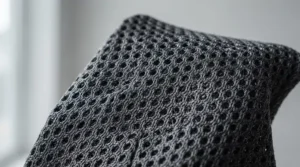
FROGG TOGGS built its reputation on fishing gear since 1996, and the standout feature on this boonie hat is the patent-pending CryoChannel headband, an internal moisture-management strip designed to route sweat and water evaporation right across the forehead and temples instead of letting it pool.
Specs-wise, this is a 3X water-absorption fabric that the brand rates at “145% cooling power” compared to a standard hat, paired with an adjustable elastic chin strap that’s genuinely useful once wind gets involved — something flat-brim boonies without a strap tend to lose on the first gust. The UPF 50 shell fabric is treated to resist UV degradation over time, which matters for a hat you’re likely to leave in a tackle box or truck bed getting baked by direct sun between trips.
What most buyers overlook about this model is that the boonie shape (a full 360-degree brim rather than a front-only bill) means sun protection extends to the back of the neck, a spot that a baseball-style cooling cap simply can’t cover. Reviewers on fishing and outdoor forums consistently describe it as the most durable of the Chilly Pro lineup, though a recurring theme in aggregated feedback is that the cooling sensation is noticeably milder than gel-pack alternatives — it’s a comfort layer, not an ice pack.
Pros:
- ✅ CryoChannel headband spreads moisture evenly across the forehead
- ✅ Full 360° brim shades neck and ears, not just the face
- ✅ Adjustable chin strap holds the hat secure in wind
Cons:
- ❌ Cooling sensation is milder than gel or polymer-insert designs
- ❌ Boonie shape is bulkier to pack than a folding bucket hat
At a price typically in the $20-30 range, the FROGG TOGGS Chilly Pro Cooling Boonie Hat earns its spot as the pick for anyone spending full days outdoors near water.
3. Arctic Hat Evaporative Cooling Hat — most budget-friendly cooling pick
The Arctic Hat, sold by Ontel and originally popularized through as-seen-on-TV marketing, keeps things stripped down: a Hydro-Chill evaporative lining sits inside a lightweight adjustable shell, and the brand’s core promise is a straightforward one — soak it, wear it, and the liner slowly releases water to keep your head roughly 20°F cooler for a few hours.
The construction is intentionally basic. One adjustable size fits most adult heads, the ventilated panel design allows airflow even when the hat is dry, and the UV-reflective barrier is meant to bounce back both visible heat and invisible UV rays rather than absorbing them the way a dark, dry cotton cap would. On paper this means it’s less technical than the CryoChannel or HydroActive systems used by pricier competitors, but it also means there’s less that can go wrong or wear out.
Here’s what to weigh: this is the hat for someone who wants to test whether cooling headwear works for them at all before investing in a $25-30 model. Reviewers consistently report that it performs best for lighter activities like gardening, boating, and casual walking rather than sustained heavy exertion, and a common complaint in user reviews is that the one-size design fits smaller heads more securely than larger ones. If you cannot verify a specific batch’s exact liner lifespan, the honest answer is that evaporative liners like this one typically lose some absorbency after a season or two of regular use, which is standard for the category, not unique to this product.
Pros:
- ✅ Lowest entry price point among the products in this roundup
- ✅ UV-reflective barrier works even without wetting the hat
- ✅ Simple one-size-fits-most design with no complex mechanism
Cons:
- ❌ Less structured fit than premium adjustable-strap competitors
- ❌ Liner absorbency may diminish noticeably after repeated seasons
Typically found under $15, the Arctic Hat Evaporative Cooling Hat is the low-risk way to find out if cooling headwear earns a permanent spot in your summer rotation.
4. MISSION Cooling Performance Hat — lowest profile for workouts and golf
Where the bucket hat and boonie hats above are built for shade, this cap is built for movement. The standout feature is its unstructured, low-profile crown — it sits close to the head like a standard running or golf cap rather than ballooning out, which matters the moment you’re swinging a golf club or running under a race-day sun.
Activation works the same way as MISSION’s other cooling fabrics: pour water over the interior lining, and the HydroActive-treated fabric is rated to hold cooling for roughly one to two hours depending on humidity and exertion level. The UPF 50 crown protects the scalp along the part line, a spot sunscreen users frequently miss and one dermatologists flag repeatedly when discussing UV sun protection for outdoor athletes. A hook-and-loop back closure keeps the adjustable range wide enough for most adult head sizes without the bulk of a full elastic band.
Based on the spec comparison against bulkier options, what most buyers overlook about this cap is that its lower water-holding capacity is a deliberate trade for weight and breathability — it’s meant to be re-wet from a water bottle mid-round or mid-run, not to hold a two-hour reservoir like a boonie. Aggregated review sentiment describes it as noticeably lighter on the head than bucket-style competitors, though a recurring theme is that the cooling sensation fades faster in direct, high-UV midday sun than in shaded or overcast conditions.
Pros:
- ✅ Low-profile crown doesn’t interfere with golf swings or running form
- ✅ UPF 50 fabric protects the scalp along the part line
- ✅ Lightweight design re-wets quickly from a standard water bottle
Cons:
- ❌ Shorter cooling window than wide-brim, higher-capacity styles
- ❌ Minimal brim offers less face and neck shade than a bucket hat
In the $18-22 range, the MISSION Cooling Performance Hat is the pick for people who want cooling tech without sacrificing an athletic silhouette.
5. FROGG TOGGS Chilly Pro Cooling Sun Shade Hat — structured brim with ponytail cutout
This model shares its Chilly Pro fabric and CryoChannel headband with the boonie above, but the standout is its structured, ball-cap-style brim combined with a ponytail-friendly rear opening — a detail that matters more than it sounds, since a tight, closed-back cooling cap can be genuinely uncomfortable for anyone wearing their hair up.
The fabric is rated for the same advanced moisture-wicking cooling activation as the rest of the Chilly Pro lineup, and the shell fabric is treated to shield against UV rays in a way the brand states “won’t wash out over time,” addressing a common failure point in cheaper, dye-based UV treatments that fade after repeated laundering. The adjustable chin strap returns here too, which is a small feature but one that separates it from cooling caps that rely on wind resistance alone.
What most buyers overlook about this design is that the structured brim actually holds its shape better than soft-crown competitors after repeated wetting cycles, since structured caps use a stiffer under-layer that resists collapsing when saturated. Reviewers consistently note that the cooling sensation is comparable to the boonie version, and a common theme in feedback specific to this style is that the wide crown ventilation keeps it from feeling stuffy compared to fully enclosed cooling caps, which matters during long runs or fishing trips in still air.
Pros:
- ✅ Ponytail cutout makes it genuinely wearable for long-haired users
- ✅ Structured brim resists collapsing after repeated soakings
- ✅ UV-resistant fabric treatment is designed not to wash out
Cons:
- ❌ Less neck coverage than the full-brim boonie version
- ❌ Structured design packs less flat than a foldable bucket hat
Priced around $20-25, the FROGG TOGGS Chilly Pro Cooling Sun Shade Hat is a smart pick for anyone who wants Chilly Pro’s cooling tech in a more athletic, ponytail-compatible shape.

6. BUILTCOOL Adult Cooling Baseball Hat — best value multi-pack mesh cap
BUILTCOOL’s approach leans on hollow-core fabric construction: the weave itself absorbs water and spreads it through the cap rather than relying on a separate insert or headband, and the standout advantage is availability in multi-packs, which meaningfully lowers the per-hat cost for households or work crews that want a few on hand.
The mesh-back, moisture-wicking design pairs 100% polyester with a “biocool” treated sweatband, and the activation routine — wet, wring, snap — mirrors the category standard. A Velcro adjustable strap covers a wide range of adult head sizes, and contrast binding on the underside is a small but real quality touch that keeps the fabric from fraying at the seam over repeated wet-dry cycles.
Here’s what to weigh: on paper, this is the least technically advanced fabric of the seven hats in this roundup — there’s no branded headband system or patented liner — but real-world aggregated review sentiment (including third-party sentiment analysis of thousands of verified purchases) skews positive, describing it as lightweight, comfortable, and effective for the price. A recurring complaint, however, is that the crown sits shallow with an oversized bill on some units, which a subset of buyers find visually and physically unbalanced. Reviewers consistently note the mesh back keeps it noticeably cooler in still air than fully enclosed cooling caps, independent of the water-activation feature itself.
Pros:
- ✅ Multi-pack options meaningfully lower the per-hat price
- ✅ Mesh back adds passive airflow even before wetting the fabric
- ✅ Velcro strap fits a wide range of adult head sizes
Cons:
- ❌ Shallow crown and oversized bill feel unbalanced to some wearers
- ❌ No proprietary cooling insert, just treated fabric alone
Usually available in the $15-20 range for a single cap (less per-unit in multi-packs), the BUILTCOOL Adult Cooling Baseball Hat is the practical choice for stocking up without overspending.
7. Ergodyne Chill-Its 6630 Skull Cap — best for wearing under a hard hat
Ergodyne is a name most casual shoppers won’t recognize, which is exactly why it belongs in this list as the lesser-known but genuinely high-quality option. The standout feature is a low-profile design engineered specifically to fit under a hard hat or helmet without adding bulk, paired with a wide, absorbent terry cloth sweatband that keeps sweat out of your eyes during a full work shift.
The Hi-Cool moisture-management performance fabric is stretchy enough to fit most head sizes without a separate adjustment mechanism, and it’s rated to provide sun-blocking protection whether it’s worn alone or tucked under headgear. Unlike the evaporative-liner hats above, this cap leans on continuous sweat-wicking rather than a single water-activation event, which the spec sheet won’t tell you outright but which aggregated jobsite reviews make clear: it’s designed for repeated, all-day moisture management rather than a one-time cooling “charge.”
Based on the spec comparison, this is the pick for construction workers, landscapers, and anyone required to wear a hard hat through an entire shift, since OSHA and Cal/OSHA heat-illness guidance specifically call out moisture-wicking headwear as a practical control measure for outdoor labor. Reviewer sentiment is genuinely mixed here — some describe it as comfortable enough to forget they’re wearing it, while others report the terry sweatband feels like “a sweat-soaked bandana” by mid-afternoon in extreme heat, a trade-off inherent to absorbent fabric versus a true evaporative-crystal insert.
Pros:
- ✅ Purpose-built low profile fits comfortably under hard hats
- ✅ Terry cloth sweatband keeps perspiration out of eyes and glasses
- ✅ Stretch fabric fits most head sizes without an adjustment strap
Cons:
- ❌ Relies on sweat-wicking rather than active evaporative cooling
- ❌ Some users report a damp, saturated feel by late afternoon
At a budget-friendly $10-15 range, the Ergodyne Chill-Its 6630 Skull Cap is a niche but genuinely well-built option for anyone whose job requires headgear on top of headgear.
✨ Don’t Miss These Exclusive Deals!
🔍 Take your summer comfort to the next level with these carefully selected cooling hats. Click on any highlighted item to check current pricing and availability. These picks will help you stay cool during the outdoor activities your family loves!
How Evaporative Cooling Technology Actually Works
Every hat in this roundup relies on the same underlying physics: evaporation removes heat. When liquid water absorbs enough thermal energy to convert into vapor, it pulls that energy from its immediate surroundings — in this case, your scalp. This is the identical mechanism behind sweat cooling your skin on a breezy day, and it’s formally described as evaporative cooling, the same principle used in swamp coolers and industrial cooling towers, just scaled down to fabric size.
The practical difference between the hats above comes down to how each one holds and releases that water. HydroActive and Hi-Cool style fabrics use a treated weave that absorbs water directly into the fibers and releases it gradually as air moves across the surface — cooling intensity depends heavily on airflow and ambient humidity, which is why every hat in this guide performs noticeably better in dry, breezy conditions than in still, humid air. CryoChannel-style headbands add a routing layer that spreads moisture more evenly rather than letting it pool at the front. None of the seven products here use the polymer-crystal gel inserts found in some industrial cooling pads (like Ergodyne’s separate hard-hat liner line), which hold significantly more water and last longer per soak but add noticeable weight and bulk — a trade-off most everyday hat buyers don’t want.
Understanding this also explains why every cooling hat eventually “stops working” mid-wear: it’s not a malfunction, it’s simply the fabric running out of retained water to evaporate. Re-wetting resets the clock, which is why a spray bottle is genuinely one of the most useful accessories you can pair with any hat on this list.

UV Sun Protection: What Every Buyer Should Know
A cooling hat that ignores sun protection is solving only half the problem, since prolonged UV exposure remains one of the most preventable contributors to skin damage during outdoor activity. UPF (Ultraviolet Protection Factor) measures how much UV radiation a fabric blocks, and according to the Skin Cancer Foundation, a UPF 50 fabric blocks about 98% of the sun’s rays, while the organization’s Seal of Recommendation requires a minimum UPF of 50 for sun-protective textiles.
This matters directly for cooling hats because wetting a fabric can change its UV performance — some materials lose protective capacity when saturated, while others (like the UV-reflective liner in the Arctic Hat) are designed to maintain their barrier regardless of moisture level. Five of the seven products above carry an explicit UPF 50 rating; the remaining two rely on structural barriers (reflective liners, dense weave) rather than a certified UPF number, which isn’t necessarily worse, just less standardized and harder to compare directly.
The brim matters as much as the fabric rating. A hat with only a couple inches of front coverage protects your face but leaves ears and the back of the neck — two of the most commonly sunburned and skin-cancer-prone areas on the head — exposed. That’s the practical reason the wide-brim bucket and boonie styles in this guide consistently outperform the low-profile performance caps on total UV coverage, even when their UPF numbers are identical.
Practical Usage Guide: Getting the Most Out of Your Cooling Hat
Buying the right hat is only half the equation — how you activate, wear, and maintain it determines whether you get one disappointing hour or several genuinely comfortable ones.
First activation: Fully submerge the hat (or its liner) in cool water for two to five minutes, depending on the model’s thickness, then wring firmly until it’s damp rather than dripping. A hat that’s still dripping when you put it on won’t cool any faster — it’ll just run down your neck.
Re-wetting rhythm: Most evaporative hats need a fresh soak every 60-120 minutes in hot, active conditions, faster in direct sun or high exertion, slower in shade or mild activity. Carrying a small spray bottle lets you top off the fabric without fully re-soaking it, which extends usable time between full re-wets.
First 30 days — common mistakes: New owners frequently over-wet the hat (causing drip discomfort), under-wring it (same problem), or wash it with fabric softener, which coats the fibers and blocks water absorption on treated cooling fabrics. Stick to a mild detergent, skip the softener, and air-dry rather than tumble-dry to protect any coated or treated layers.
Maintenance schedule: Rinse after each outdoor use to remove sweat salts and chlorine (both degrade treated fabric over time), and let the hat air-dry completely before storing it to prevent mold, particularly in humid climates. Check stitching and elastic every few weeks; a hat that’s lost its shape will hold less water and shade less skin.
Real-World Scenarios: Matching a Hat to Your Life
Rather than a generic “best overall” pick, here’s how three common buyer profiles map onto the products above.
The weekend landscaper (budget-conscious, moderate exertion, full sun for 3-5 hours): The FROGG TOGGS Chilly Pro Cooling Boonie Hat or MISSION Cooling Bucket Hat make the most sense — wide brims for full-day sun, higher water capacity for longer stretches between re-wets, and a price point that doesn’t sting if it gets left in a truck bed all August.
The marathon trainer or golfer (frequent movement, needs a low profile, re-wets from a water bottle mid-activity): The MISSION Cooling Performance Hat or FROGG TOGGS Chilly Pro Cooling Sun Shade Hat fit better here — lower profile, ponytail compatibility, and a fabric designed for quick re-activation rather than a long single soak.
The jobsite worker under a hard hat (full 8-hour shift, safety gear stacking): The Ergodyne Chill-Its 6630 Skull Cap is really the only fit — it’s the one product here purpose-built to sit under other required headgear without adding bulk or interfering with a hard hat’s fit.
Problem → Solution: Fixing Common Cooling Hat Complaints
Problem: The hat dries out faster than advertised. This is almost always a humidity issue, not a defect — evaporation slows in humid air, so the “2 hours” on the packaging assumes drier conditions. Solution: carry a spray bottle and top off every 45-60 minutes in humid climates.
Problem: The fit feels too tight or too loose. Solution: check for an adjustable strap or hook-and-loop closure before buying if you have an unusually large or small head — models like the BUILTCOOL Adult Cooling Baseball Hat and MISSION Cooling Performance Hat offer wider adjustment ranges than fixed-elastic designs.
Problem: The hat smells musty after a few weeks. This is bacterial growth from incomplete drying. Solution: always air-dry fully before storage, and rinse with a light vinegar-water solution occasionally to break down mineral and sweat buildup.
Problem: Cooling feels weak on the first try. Solution: many fabrics need a full soak-and-wring cycle (not a quick splash) to reach full absorption on their very first use, since factory-fresh treated fibers can be slightly less absorbent until the coating fully hydrates once.
How to Choose the Best Cooling Hat
- Match brim style to your sun exposure. Full-day outdoor work calls for a boonie or bucket brim; quick errands or workouts are fine with a low-profile cap.
- Check the UPF rating, not just the cooling claim. A hat that cools but doesn’t block UV is only solving half the problem.
- Consider re-wetting logistics. If you won’t have water access mid-activity, prioritize higher water-capacity styles over lower-profile ones.
- Think about what else you’re wearing on your head. Hard hat, bike helmet, or ponytail all rule out certain shapes immediately.
- Factor in care requirements. Machine-washable, chemical-free fabrics last longer than treatments that degrade after a handful of washes.
- Weigh price against frequency of use. A daily-use jobsite hat justifies a higher price than an occasional beach-day accessory.
- Read aggregated reviews for your specific climate. A hat with great feedback from arid-climate users may underperform for someone in humid Southeast conditions.
Common Mistakes When Buying a Cooling Hat
The most frequent mistake is assuming all “cooling” hats use the same technology — evaporative fabric, gel-crystal inserts, and passive mesh ventilation are genuinely different mechanisms with different performance curves, and marketing copy rarely distinguishes between them clearly. A second common error is buying based on cooling duration claims alone without checking brim coverage, which means some buyers end up with a hat that keeps their scalp cool while their neck and ears still burn. Buyers also frequently skip checking wash instructions, then use fabric softener or high heat and permanently reduce the fabric’s water absorption within a season. Finally, many people buy a single hat expecting it to serve every use case — gym, beach, jobsite — when the shape and fabric trade-offs above genuinely favor owning two different styles for two different lifestyles.

Cooling Hat vs Traditional Sun Hat
| Factor | Cooling Hat | Traditional Sun Hat |
|---|---|---|
| Active temperature reduction | Yes, via evaporation | No, shade only |
| Requires water to function fully | Yes | No |
| Typical UV protection | UPF 50 common | Varies widely |
| Best for | Active outdoor exertion | Passive shade, beach lounging |
| Maintenance | Requires periodic re-wetting | None beyond normal wear |
A traditional straw or cotton sun hat is genuinely fine for lounging poolside or a slow neighborhood walk, since shade alone meaningfully reduces perceived heat. But once you add real exertion — landscaping, running, construction — passive shade stops being enough, and the active evaporative mechanism in a cooling hat starts to matter in a way a plain sun hat simply can’t replicate. The trade-off is maintenance: a sun hat needs nothing, while a cooling hat needs water access and periodic re-soaking to keep performing.
What to Expect: Real-World Performance
On paper, cooling claims look uniform — most brands cite “up to 30 degrees” or “hours of relief.” In practice, expect a strong, noticeable chill for the first 20-40 minutes after activation, tapering into a milder but still perceptible cooling sensation for the remaining claimed duration, with performance dropping off faster in humid air, direct midday sun, or heavy sweating. Reviewers consistently describe the sensation as most dramatic when moving from indoors into hot outdoor air right after activation — the temperature contrast is what makes the effect feel strongest, not necessarily the raw cooling power itself.
Cooling Hats for Outdoor Workers vs Weekend Warriors
Outdoor laborers — landscapers, roofers, construction crews — generally need the highest water-capacity, widest-brim options because they’re outside for full shifts with limited flexibility to duck into shade. This is where the FROGG TOGGS Chilly Pro lineup and the Ergodyne Chill-Its 6630 Skull Cap earn their keep, the latter specifically because it fits under required safety headgear. Weekend warriors — weekend hikers, golfers, beachgoers — have more flexibility to seek shade or duck indoors, so a lighter, lower-profile option like the MISSION Cooling Performance Hat often makes more practical sense than a bulkier all-day design. If you’re shopping specifically because your job requires long outdoor hours, this is genuinely an outdoor activity essential rather than a nice-to-have accessory, and it’s worth budgeting accordingly.
Long-Term Cost & Maintenance
| Hat | Approx. Price Range | Expected Lifespan (regular use) | Replacement Trigger |
|---|---|---|---|
| Arctic Hat | Under $15 | 1-2 seasons | Liner absorbency noticeably fades |
| BUILTCOOL | $15-20 (less per unit in multi-packs) | 1-2 seasons | Fraying seams, reduced mesh integrity |
| MISSION Performance Hat | $18-22 | 2-3 seasons | Fabric no longer holds water |
| MISSION Bucket Hat | $20-25 | 2-3 seasons | Brim loses shape, fabric degrades |
| FROGG TOGGS Sun Shade Hat | $20-25 | 2-3 seasons | CryoChannel headband wears thin |
| FROGG TOGGS Boonie | $20-30 | 2-3+ seasons | Chin strap or brim structure fails |
| Ergodyne 6630 | $10-15 | 1-2 seasons (heavy daily wear) | Terry sweatband loses absorbency |
Looking at the table above, the cost-per-season math generally favors the mid-range FROGG TOGGS and MISSION products over the cheapest options, since a $10-15 hat that needs replacing every season can end up costing about the same as a $25 hat that lasts two to three seasons with proper care. Daily jobsite use accelerates wear regardless of brand, which is why budgeting for annual replacement makes sense for anyone wearing a cooling hat as required safety gear rather than an occasional accessory.
💬 Just one click — help others make better buying decisions too!😊
Safety, Sun Exposure & Heat Illness: What the Regulations Say
Cooling hats sit inside a broader, increasingly formalized conversation about workplace heat safety. OSHA’s heat exposure guidance recommends water, rest, and shade as foundational controls for anyone working in hot conditions, and moisture-wicking or cooling headwear is commonly cited alongside these as a practical, low-cost supplemental measure — not a replacement for hydration and scheduled breaks, but a meaningful layer on top of them. Several states, including California, already enforce their own outdoor heat illness prevention standards under Title 8 regulations, and a federal standard has been in active rulemaking in recent years.
For everyday outdoor activity rather than formal work settings, the CDC’s heat and health guidance recommends staying in shade when possible, taking breaks during peak heat, and recognizing early symptoms like heavy sweating, dizziness, or nausea before they progress toward heat exhaustion or heat stroke. A cooling hat fits naturally into this framework as one part of a broader heat-safety routine — hydration, shade-seeking, and activity timing still matter more than any single accessory, cooling hat included.
Frequently Asked Questions
❓ Does a cooling hat actually work?
❓ How long does a cooling hat stay cold?
❓ Can you wash a cooling hat in a washing machine?
❓ What's the difference between a cooling hat and a regular sun hat?
❓ Are cooling hats good for hot flashes?
Conclusion
A genuinely good cooling hat isn’t about chasing the highest advertised “degrees cooler” number on the packaging — it’s about matching brim coverage, water capacity, and profile to what your actual summer looks like. If you’re outside for hours doing physical work, the wide-brim FROGG TOGGS and MISSION bucket-style options are worth the extra few dollars over the budget picks. If you need something under a helmet or hard hat, the Ergodyne skull cap is really in a category of its own. And if you’re just testing whether cooling headwear is for you at all, the Arctic Hat is a low-risk way to find out before committing to a pricier model. Whatever you land on, treating a cooling hat as an outdoor activity essential — alongside water, shade, and sensible activity timing — is genuinely one of the simplest upgrades you can make to a hot-weather routine.
Recommended for You
- Quiet Air Circulator: 7 Best Picks for Silent UK Sleep (2026)
- Air Circulator To Help AC: 7 Picks That Cut Cooling Costs (2026)
- Vornado Air Circulator: 7 Best Models Ranked for 2026
Disclaimer: This article contains affiliate links. As an Amazon Associate, I earn from qualifying purchases. If you purchase products through these links, we may earn a small commission at no additional cost to you.
✨ Found this helpful? Share it with your friends! 💬🤗
