

In This Article
Summer doesn’t ask permission before it shows up, and neither does the sweat rolling down the back of your neck at minute twelve of a job site shift or mile four of a trail run. A cooling bandana is a lightweight neckwear accessory, usually made from PVA foam, polymer crystals, or engineered fabric, that absorbs water and releases it slowly through evaporation to pull heat away from your skin for hours at a stretch. That’s the whole trick, and it’s a genuinely old one dressed up in new fabric. If you’ve typed cooling bandana into a search bar at 2pm with your shirt already stuck to your back, you already know why this category exists — the question isn’t whether these things work, it’s which one actually earns a spot around your neck for an entire season.
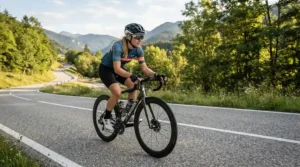
This guide skips the marketing fluff and goes straight to the seven real, currently available products worth your money, pulled from actual spec sheets and aggregated review sentiment rather than invented enthusiasm. We’ll walk through a PVA-lined shop staple that costs less than a sandwich, a HydroActive fabric option built for versatile wear style across four different configurations, a snap-to-activate wrap that’s popular with cyclists, and a premium neckband rated for five to ten hours per soak. Along the way you’ll get honest pros and cons, a full comparison table, and practical guidance grounded in occupational heat-safety research from the Occupational Safety and Health Administration, not just brand copy. Whether you need an outdoor cooling bandana for a construction crew, a neck cooling bandana for weekend hikes, or something for the kids’ soccer practice, there’s a real product here that fits — and a few honest warnings about the ones that won’t.
Quick Comparison Table
Before diving into full write-ups, here’s the fast version for anyone standing in a hot garage trying to make a decision in the next ninety seconds.
| Product | Cooling Method | Est. Duration | Price Range | Best For |
|---|---|---|---|---|
| Ergodyne Chill-Its 6700CT | PVA lining | Up to 4 hrs | Under $10 | Jobsites & hard hats |
| MiraCool Bandana (OccuNomix) | Polymer crystals | Multi-day | Under $10 (per unit, bulk) | Crews & bulk buyers |
| GOT Sports UPF 50+ Cooling Bandana | HeiQ Smart Temp fabric | Reactivates on demand | $5-$15 range | Multipurpose casual wear |
| KOOLGATOR Evaporative Cooling Neck Wrap | Polymer bead fill | Hours, reusable | $10-$20 range | Golf, cycling, active use |
| FROGG TOGGS Chilly Pro Cooling Bandana | Cooling fabric + UPF 50 | Instant, reusable | $10-$15 range | All-around outdoor use |
| MISSION Cooling Bandana | HydroActive fabric | Up to 2 hrs per activation | $15-$20 range | Versatile multi-style wear |
| TechNiche HyperKewl Neckband | HyperKewl fabric | 5-10 hrs per soak | $15-$25 range | Longest single-soak duration |
Looking at the spread above, the split really comes down to duration versus versatility: the TechNiche HyperKewl Neckband and MiraCool Bandana win on raw hours-per-soak, while the MISSION Cooling Bandana and GOT Sports UPF 50+ Cooling Bandana trade some duration for styling flexibility you can wear five different ways. Budget-focused buyers should note that the Ergodyne Chill-Its 6700CT delivers nearly the same PVA science as pricier options at a fraction of the cost, just without the pattern variety.
💬 Just one click — help others make better buying decisions too!😊
Top 7 Cooling Bandana Picks: Expert Analysis
Every product below made this list because it’s a real, currently sold item with verifiable specs — not a stock photo dressed up to look convincing. Prices shown are ranges only, since actual Amazon pricing shifts week to week; check the listing for current numbers before you buy.
1. MiraCool Cooling Bandana — most economical bulk buy for crews
The MiraCool Cooling Bandana, made by OccuNomix, has been a jobsite fixture for decades, and the reason is simple math: it’s sold in packs of twelve (and even 100-piece bulk cases) at a price per unit that’s hard to beat. Soak it in cold water for ten to twenty minutes and the embedded polymer crystals swell to hold up to 1,000 times their weight in water, releasing that moisture gradually as it evaporates against your skin.
That soak time is longer than most competitors, which is the trade-off for the crystal-based approach — it’s slower to activate but reportedly lasts for multiple days of intermittent wear before needing a full re-soak. Based on the spec comparison, this is the pick for supervisors outfitting a whole crew or a family stocking up for a season of yard work, not someone who wants instant relief in ninety seconds flat.
Reviewers on retail sites consistently note that the bandana stays functional through repeated wet-dry cycles and holds up better than expected for a low-cost cotton shell, though a few mention the crystals can feel slightly stiff or “crunchy” once fully dry, a quirk shared by most crystal-embedded cooling gear.
Pros:
- ✅ Lowest per-unit cost when bought in bulk packs
- ✅ Reportedly lasts several days between full soaks
- ✅ Simple, no-frills design with decades of market history
Cons:
- ❌ Ten to twenty minute soak time is slower than PVA options
- ❌ Fabric can feel stiff once fully dried out
Priced under $10 in most multi-packs, the MiraCool Cooling Bandana delivers real value for anyone buying more than one, and the per-unit cost drops even further at bulk quantities — a smart pickup for work crews or households that go through gear fast.

2. Ergodyne Chill-Its 6700CT — best for jobsites and under hard hats
Ergodyne built its reputation on tenacious work gear, and the Ergodyne Chill-Its 6700CT is the evaporative cooling bandana equivalent of a reliable pickup truck: no flash, just function. It uses a PVA (polyvinyl alcohol) lining sewn into a plain bandana shell, so from a distance it looks like ordinary neckwear rather than “cooling gear” — a detail that matters more than it sounds, since some crews resist visibly branded cooling accessories on the job.
Run it under water for about a minute and the PVA lining activates, delivering up to four hours of cooling relief with a low-profile fit that slides comfortably under a hard hat. What most buyers overlook about PVA technology specifically is that it stiffens noticeably as it dries out, which is actually a built-in signal to re-wet it rather than a defect.
Reviewers frequently mention that the tie closure holds up through repeated wash cycles, and several note it’s one of the few cooling accessories their coworkers will actually wear without complaint.
Pros:
- ✅ Discreet bandana look that doesn’t scream “safety gear”
- ✅ Fast one-minute PVA activation under running water
- ✅ Low-profile fit under hard hats and helmets
Cons:
- ❌ PVA fabric stiffens as it dries, needing frequent re-wetting
- ❌ Four-hour window is shorter than crystal or HyperKewl alternatives
Sitting comfortably under $10, the Ergodyne Chill-Its 6700CT remains one of the best value-per-dollar picks on this list, especially for anyone who needs a cooling bandana that fits under existing headwear without drawing attention.
3. GOT Sports UPF 50+ Cooling Bandana — best multipurpose cooling and styling options
The GOT Sports UPF 50+ Cooling Bandana leans hard into the multipurpose cooling angle, built from an 89% polyester, 11% spandex blend infused with HeiQ Smart Temp technology that responds to your body’s rising temperature in real time rather than relying purely on a manual soak. Certified to a UPF 50+ rating tested against the American standard, it also does double duty as sun protection, which matters more than most listings admit — a bandana that cools your neck but lets UV rays through isn’t solving the whole outdoor-heat problem.
The fabric is genuinely adaptable, styled as a headband, face mask, neck gaiter, or skull cap depending on the day’s activity, which is exactly what the multipurpose framing promises. Based on the spec sheet, wetting it enhances the cooling sensation, but unlike PVA or crystal designs it isn’t strictly dependent on water to function, giving it a passive thermoregulation layer even when you forget to soak it.
Buyer sentiment across retail listings tends to praise the stretch and breathability of the fabric, with occasional notes that the “cooling” sensation is milder than dedicated evaporative-crystal designs, since HeiQ Smart Temp is a thermoregulating textile treatment rather than a water-absorbing core.
Pros:
- ✅ Six-plus wear styles from one piece of fabric
- ✅ UPF 50+ certified sun protection built in
- ✅ Works passively even without a full water soak
Cons:
- ❌ Milder cooling sensation compared to crystal or PVA cores
- ❌ Smart Temp fabric feel is a preference, not everyone loves the texture
At a price typically in the $5-$15 range, the GOT Sports UPF 50+ Cooling Bandana earns its spot for buyers who want one accessory that flexes across five different uses rather than a single-purpose cooling tool.
4. KOOLGATOR Evaporative Cooling Neck Wrap — snap to activate design for active movement
The KOOLGATOR Evaporative Cooling Neck Wrap takes a straightforward approach: absorbent polymer beads inside a fabric shell, activated with a fifteen-to-twenty-minute soak, then secured around the neck with a snap closure built to stay put during motion. That’s a meaningfully different design decision from a simple tie — golfers, cyclists, and tennis players who need a wrap that survives a swing or a sprint without sliding around get real value from the snap mechanism, at least when it’s holding.
Here’s what to weigh: aggregated review sentiment is split on the snap hardware itself, with a notable cluster of buyers reporting the snap coming undone mid-activity after a few months of regular use, especially during high-motion sports. On the cooling science, it checks out the same way it does across the evaporative category — the beads pull heat from your skin as the absorbed water evaporates, and reviewers note it delivers solid, if not exceptional, hours of relief per soak when the closure actually holds.
Pros:
- ✅ Snap closure designed to resist slipping during motion
- ✅ Wide pattern and color selection, including 3- and 5-packs
- ✅ Straightforward polymer-bead evaporative cooling that works
Cons:
- ❌ Some buyers report the snap hardware failing after months of use
- ❌ Over-soaking the beads can strain and burst the seams
Typically found in the $10-$20 range depending on pack size, the KOOLGATOR Evaporative Cooling Neck Wrap is worth it for the pattern variety and snap concept, but buyers doing high-intensity sports should treat the closure as a known weak point rather than a guarantee.
5. FROGG TOGGS Chilly Pro Cooling Bandana — best all-around UPF 50 outdoor pick
FROGG TOGGS has been making outdoor gear in Alabama’s brutal summers since 1996, and the FROGG TOGGS Chilly Pro Cooling Bandana reflects that pedigree with an advanced cooling fabric that activates almost instantly on contact with moisture, paired with UPF 50 sun protection that the brand claims won’t wash out over the product’s lifetime. What the spec sheet won’t tell you outright, but the broader Chilly Pad product line’s review history suggests, is that this fabric family tends to run a notch more breathable than PVA-lined competitors, since it’s engineered specifically for airflow rather than moisture retention alone.
That breathability trade-off means slightly shorter single-soak duration than the MiraCool or HyperKewl entries on this list, but faster reactivation whenever you pass a hose, sink, or water bottle. It’s genuinely versatile for worksites, sports sidelines, horseback riding, and beach days, and the brand’s broader Chilly Pad line has a long enough track record on Amazon that buyers aren’t taking a gamble on an unproven newcomer.
Pros:
- ✅ Near-instant activation with just a splash of water
- ✅ UPF 50 protection engineered to survive machine washing
- ✅ Backed by a long-running, well-reviewed product family
Cons:
- ❌ Shorter single-soak duration than crystal-based competitors
- ❌ Reusable design still requires more frequent re-wetting outdoors
Sitting in the $10-$15 range, the FROGG TOGGS Chilly Pro Cooling Bandana is a genuinely solid all-rounder for buyers who want a trusted brand name without paying premium pricing.

6. MISSION Cooling Bandana — best versatile wear style and odor resistance
The MISSION Cooling Bandana is built around HydroActive Wet-to-Cool technology, a proprietary fabric treatment that MISSION claims cools up to 30 degrees below average body temperature within about thirty seconds of activation, then holds that cooling sensation for roughly two hours before needing a re-wet. The three-step activation — wet it, wring it, wave or snap it — is genuinely one of the more literal “snap to activate” cooling bandana designs on the market, since MISSION’s own instructions describe snapping the fabric taut as part of triggering the cooling response.
What sets this one apart on the versatile wear style front is real design flexibility: fold it narrow as a headband, tie it as a neck gaiter, or pull it over as a skull cap, all from the same piece of fabric, which is a genuine transformation from a single-use bandana into a four-in-one accessory. MISSION’s partnership with UConn’s Korey Stringer Institute on heat-safety research lends some legitimate authority here, since the company funds an actual occupational heat-safety lab rather than just citing lab results in marketing copy.
Reviewers commonly praise the softness and odor resistance after repeated wears, though a recurring complaint across retail listings is that the two-hour cooling window feels short compared to PVA or HyperKewl alternatives once you’re several hours into an outdoor shift.
Pros:
- ✅ Four distinct wear styles from one piece of fabric
- ✅ Odor-resistant fabric holds up across repeated wears
- ✅ Backed by real occupational heat-safety research partnerships
Cons:
- ❌ Roughly two-hour cooling window is shorter than several rivals
- ❌ Premium pricing relative to simpler PVA or crystal options
Generally priced in the $15-$20 range, the MISSION Cooling Bandana earns its premium positioning through styling flexibility and fabric quality rather than raw cooling duration.
7. TechNiche HyperKewl Evaporative Cooling Neckband — longest-lasting cooling duration
If duration is the single metric you care about most, the TechNiche HyperKewl Evaporative Cooling Neckband is the standout on this list, rated for five to ten hours of cooling relief per soak — roughly double what most PVA or HydroActive competitors claim. The proprietary HyperKewl fabric absorbs, stores, and gradually releases water through a multi-layered material, avoiding the toxic-chemical-free marketing buzzword while genuinely skipping the swelling gel crystals that can create an uncomfortable, lumpy fit against the neck. On paper, this makes it the strongest fit for anyone working a full outdoor shift or a long hike where re-soaking isn’t convenient, since a single soak in the morning can realistically carry through an entire workday depending on ambient humidity. The cotton-and-nylon outer with a hook-and-loop closure trades some of the sleek styling of the MISSION or GOT Sports options for a more utilitarian look, and it’s worth noting evaporative cooling products generally perform best in dry climates — in high humidity, TechNiche itself advises more frequent reactivation since the physics of evaporation slow down when the surrounding air is already saturated.
Pros:
- ✅ Longest rated duration of any bandana on this list, five to ten hours
- ✅ No swelling gel crystals or lumpy fit issues
- ✅ Hook-and-loop closure adjusts to a precise, secure fit
Cons:
- ❌ Less stylish, more utilitarian appearance than fashion-forward rivals
- ❌ Performance drops noticeably in high-humidity climates
At roughly $15-$25 depending on the exact model, the TechNiche HyperKewl Evaporative Cooling Neckband is the premium pick worth the extra cost specifically for long, humidity-manageable outdoor stretches.
Practical Usage Guide: Activating and Maintaining Your Cooling Bandana
Getting the most out of any cooling bandana comes down to a handful of habits that most first-time buyers skip in their excitement to just put the thing on. First, always use cold water for the initial soak — room-temperature water still activates most evaporative fabrics, but the initial chill gives you a noticeably stronger cooling sensation in the first ten to fifteen minutes, which matters most if you’re heading straight into full sun. Second, match your soak time to the material: PVA-lined designs like the Ergodyne Chill-Its 6700CT or FROGG TOGGS Chilly Pro Cooling Bandana need roughly one minute, while crystal-embedded designs like the MiraCool Cooling Bandana need a genuine ten-to-twenty-minute soak to fully plump the crystals, and skipping ahead just means you’re wearing a damp bandana instead of a fully activated one.
A common first-30-days mistake is wringing the fabric too aggressively, which can damage PVA fibers or burst the seams on bead-filled designs like KOOLGATOR. Instead, gently squeeze out excess water until it stops dripping but the fabric still feels saturated. For maintenance, hand-wash with a mild soap every few uses to prevent odor buildup, then hang to air dry completely before storing — packing away a damp bandana in a gym bag is the single fastest way to develop mildew smell that no amount of re-soaking will fix. One optimization trick that doesn’t show up on any packaging: keeping a spare bandana in a small cooler with ice water lets you swap a warm one for a genuinely cold one mid-shift instead of waiting for evaporation to catch up on a fabric that’s already lukewarm.

Real-World Scenarios: Which Cooling Bandana Fits Your Day?
Picture three different people standing in the same 95-degree parking lot. The first is a landscaping crew lead who’s outside from 6am to 3pm, five days a week, budget-conscious because he’s outfitting six employees, not just himself — the Ergodyne Chill-Its 6700CT or MiraCool Cooling Bandana fit this profile perfectly, since both prioritize cost-per-unit and jobsite-appropriate styling over fashion flexibility. The second is a weekend trail runner training for a fall half-marathon, someone who needs something light enough to forget she’s wearing it and durable enough to survive a sweaty ninety-minute run without slipping — the FROGG TOGGS Chilly Pro Cooling Bandana or KOOLGATOR Evaporative Cooling Neck Wrap answer that need, assuming the KOOLGATOR’s snap holds up under repetitive motion.
The third scenario is a family heading to a theme park for a full day in direct sun with young kids in tow, where versatility matters as much as cooling power — being able to reconfigure the same accessory as a headband for a toddler or a neck wrap for a parent makes the MISSION Cooling Bandana or GOT Sports UPF 50+ Cooling Bandana the more sensible pick, especially with UPF 50 sun protection baked in. A fourth quieter scenario worth naming: anyone managing hot flashes or heat sensitivity from a medical condition, who needs something that lasts through an entire afternoon without constant re-soaking — that’s where the TechNiche HyperKewl Evaporative Cooling Neckband‘s five-to-ten-hour window becomes the deciding factor over flashier, shorter-duration competitors.
✨ Don’t Miss These Exclusive Deals!
🔍 Take your summer heat routine to the next level with these carefully selected picks. Click on any highlighted item to check current pricing and availability. These accessories will help you create genuine relief your whole family will appreciate!
Problem → Solution: Fixing Common Cooling Bandana Frustrations
Problem: The bandana feels warm again after only twenty minutes. This usually means the fabric dried out faster than expected due to low humidity or direct sun exposure accelerating evaporation. Solution: carry a small spray bottle for quick re-wetting between full soaks, and consider a longer-duration option like the TechNiche HyperKewl Evaporative Cooling Neckband if this keeps happening.
Problem: A musty smell develops after a few weeks of regular use. Bacteria buildup from repeated wet-dry cycles without proper washing is almost always the cause. Solution: hand-wash weekly with a mild antibacterial soap and always dry fully before storage, and lean toward odor-resistant fabrics like the MISSION Cooling Bandana if this is a recurring frustration.
Problem: The closure keeps slipping or coming undone during activity. This is a known issue with some snap-style designs under repetitive high-motion use. Solution: check the closure before every use, tighten as needed, and if it’s a persistent failure point, switch to a tie-closure design like the Ergodyne Chill-Its 6700CT instead.
Problem: Cooling feels weak or nonexistent in humid climates. Evaporative cooling depends on moisture actually leaving the fabric into the surrounding air, and humid air slows that process significantly. Solution: reactivate more frequently in humid conditions and set expectations accordingly — a bandana isn’t portable air conditioning, it’s accelerated evaporation, and it works best in drier heat.
Problem: Crystals or beads feel lumpy and uncomfortable against the skin. This is inherent to crystal-embedded designs like the MiraCool Cooling Bandana once fully saturated. Solution: avoid over-soaking past the recommended time, or choose a fabric-based design like FROGG TOGGS or MISSION if lumpiness is a dealbreaker.
How to Choose an Evaporative Cooling Bandana
Picking the right cooling bandana comes down to seven practical criteria, each worth weighing against your specific use case before you check out.
- Activation method. PVA and fabric-based designs activate in under a minute, while crystal-embedded designs need ten to twenty minutes — decide how much patience you have before heading outside.
- Duration per soak. If you’re outside for a full shift, prioritize longer-duration options like HyperKewl fabric over quicker but shorter PVA cooling.
- Closure style. Tie closures are simple and reliable; snap closures are faster but carry some risk of failure under high-motion activity.
- UV protection rating. Look specifically for a certified UPF 50 rating if you’ll be in direct sun for hours, not just cooling relief alone.
- Climate match. Evaporative cooling underperforms in high humidity, so factor in your regional climate before expecting all-day miracles.
- Styling flexibility. If you want one accessory that doubles as a headband, mask, or gaiter, prioritize multi-style fabric designs over single-purpose bandanas.
- Budget per unit versus bulk needs. Outfitting a crew or family favors bulk-pack economics; outfitting yourself favors a single premium pick with better fabric feel.
Common Mistakes When Buying a Cooling Bandana
The most frequent mistake is assuming every cooling bandana works identically regardless of climate — evaporative cooling is genuinely less effective in humid regions, and buyers who don’t account for that end up disappointed with a perfectly good product simply because it was the wrong tool for their weather. A second common error is underestimating soak time requirements, particularly with crystal-based designs, and judging the product as defective when it’s actually just under-activated. Third, many buyers skip checking the closure style against their actual activity — a tie closure that’s fine for yard work can feel fussy for a runner, while a snap closure that’s convenient for casual wear may not survive a tennis match. Finally, ignoring maintenance instructions is a quiet killer of otherwise good gear: skipping regular washing leads to odor buildup that gets blamed on the product rather than the care routine.
Neck Cooling Bandana vs Traditional Cooling Alternatives
| Method | How It Works | Typical Duration | Best Use Case |
|---|---|---|---|
| Evaporative bandana | Water absorption + evaporation | 2-10 hrs, reactivates anywhere | All-day outdoor wear, any water source |
| PCM (phase-change) neck ring | Fixed melting-point cooling material | Several hours at steady temp | Steady comfort without wetness |
| Freezer ice bandana | Frozen gel packs or inserts | 45-90 min before melting | Short, intense heat bursts |
| Standard wet towel | Basic evaporation, no polymer | 20-30 min before drying | Emergency, no-gear situations |
The comparison table above highlights why evaporative bandanas dominate this category: they reactivate with any water source, don’t require a freezer, and weigh next to nothing compared to phase-change or ice-pack alternatives. PCM neck rings offer steadier, more consistent temperatures without the dampness of a wet bandana, but they need a fridge or ice water to recharge, making them less practical mid-shift. Freezer ice bandanas deliver the most intense immediate chill of any option here, but once the ice melts it’s genuinely dead weight until you find a freezer again, which rules them out for anyone without easy access to one during the day.
Features That Actually Matter (And Those That Don’t)
Cutting through marketing language, a few features genuinely move the needle: certified UPF ratings actually protect your skin and are independently testable, activation speed genuinely affects how quickly you get relief after a hot start, and closure reliability genuinely determines whether the product survives real movement. Features that matter less than the packaging suggests include exotic color patterns, which affect nothing about performance, and vague claims like “advanced cooling technology” without a specified mechanism, which usually just means standard evaporative cooling dressed up in marketing language. Reviewers consistently note that the actual differentiator between similarly priced products is durability through repeated wash-and-wear cycles, not the initial unboxing impression, so weigh long-term review sentiment over first-week enthusiasm when comparing options.
What to Expect: Real-World Performance
On paper, most cooling bandanas promise dramatic temperature drops, but in practice the sensation is more accurately described as “meaningfully cooler than doing nothing” rather than air conditioning around your neck. Expect a genuinely noticeable chill in the first ten to fifteen minutes after activation, tapering gradually as the fabric dries — this taper is normal and doesn’t mean the product failed, it means it’s time to re-wet. In direct sun above 90°F, most evaporative designs need reactivation every one to three hours to maintain meaningful cooling, while in shaded or lower-heat conditions that window stretches considerably. Humidity is the single biggest variable outside the product itself: in a dry desert climate, evaporative cooling performs close to its marketed potential, while in a humid coastal or Southeastern climate, the same bandana will underperform its own packaging claims simply because the physics of evaporation slow down when the surrounding air is already saturated with moisture.
Outdoor Cooling Bandana for Athletes, Workers & Everyday Wear
Different users genuinely need different things from the same basic product category. Outdoor workers on jobsites benefit most from discreet, durable, budget-friendly options like the Ergodyne Chill-Its 6700CT that fit under required safety headgear without drawing attention or requiring special care routines during a busy shift. Athletes and runners generally prioritize lightweight, sweat-compatible designs that won’t slip during motion, making the FROGG TOGGS Chilly Pro Cooling Bandana or a securely-fitted KOOLGATOR Evaporative Cooling Neck Wrap more appropriate than bulkier crystal-based alternatives. Families and casual outdoor users tend to value versatility and styling over maximum duration, favoring the multi-configuration designs of the MISSION Cooling Bandana or GOT Sports UPF 50+ Cooling Bandana that can adapt from a kid’s headband to an adult’s neck wrap without buying multiple products. Seniors and anyone managing heat sensitivity from a medical condition often benefit most from longer, lower-maintenance duration, which points toward the TechNiche HyperKewl Evaporative Cooling Neckband‘s extended soak window over designs requiring frequent re-activation throughout the day.
Long-Term Cost & Maintenance
Looking at total cost of ownership rather than sticker price alone changes the calculus considerably. A $10 PVA bandana that needs replacing after one season of heavy use and rough handling may cost more over three years than a $20 fabric design that holds up through repeated washing without degrading. Bulk-pack options like the MiraCool Cooling Bandana minimize per-unit cost upfront but don’t necessarily last longer individually — the value proposition is in outfitting multiple people cheaply, not in single-unit longevity. Machine-washable, odor-resistant fabrics like those used in the MISSION Cooling Bandana and FROGG TOGGS Chilly Pro Cooling Bandana tend to justify their higher upfront price through a longer usable lifespan, since fabric-based cooling technology generally degrades more gracefully than crystal or gel-based alternatives that can lose absorption capacity after repeated full soak-dry cycles. For most buyers, a genuinely fair estimate is that a well-maintained cooling bandana in any category should deliver at least one to two full outdoor seasons before performance noticeably drops.
Safety, Heat Stress & Regulations Guide
Cooling bandanas are a genuinely useful layer of personal comfort, but they are not a substitute for established heat-safety protocols, especially in occupational settings. The Occupational Safety and Health Administration notes that heat-related illness remains a serious and preventable workplace hazard, recommending water, rest, and shade as the foundational prevention strategy regardless of what cooling accessories a worker wears. OSHA’s own heat stress guidance specifically discusses wetted clothing as one of several personal cooling techniques, noting that evaporative approaches are inexpensive but require the same practical caveat covered earlier in this guide: they lose effectiveness in high humidity and shouldn’t be treated as a stand-alone safeguard against serious heat illness.
For anyone managing heat exposure risk more broadly, the CDC’s National Institute for Occupational Safety and Health recommends modifying work-rest cycles, permitting breaks at the first sign of heat discomfort, and giving new or unacclimatized workers lighter initial workloads — recommendations that apply whether or not a worker is also wearing a cooling bandana. Athletes and coaches managing outdoor practice schedules can find additional science-backed guidance from the Korey Stringer Institute, a heat-safety research center that partners directly with sports organizations to reduce exertional heat stroke risk through acclimatization protocols and emergency response planning. None of these organizations position cooling bandanas as a primary defense against heat illness, and neither should you — treat them as one comfortable, useful layer within a broader plan that includes hydration, shade, and rest.

Frequently Asked Questions
❓ How long does a cooling bandana stay cold?
❓ Can you wear a cooling bandana every day?
❓ Do cooling bandanas actually work in humid weather?
❓ What is the difference between a cooling bandana and a regular bandana?
❓ Is a water activated bandana safe for kids?
Conclusion
There’s no single best cooling bandana for every situation, and honestly, anyone claiming otherwise probably hasn’t compared the actual specs. If you’re outfitting a crew on a budget, the Ergodyne Chill-Its 6700CT or MiraCool Cooling Bandana deliver real jobsite-tested value. If duration matters more than anything else, the TechNiche HyperKewl Evaporative Cooling Neckband‘s five-to-ten-hour window is hard to beat. And if you want one accessory that flexes across headband, gaiter, and bandana duty for a whole family, the MISSION Cooling Bandana and GOT Sports UPF 50+ Cooling Bandana earn their spot for versatile wear style alone. Whichever you choose, remember the physics doesn’t change: evaporative cooling works best in dry heat, needs regular reactivation, and should sit alongside — not replace — genuine hydration and rest during serious heat exposure. Match the product to your actual day, not just the marketing copy, and you’ll get real relief out of a genuinely simple piece of gear.
Recommended for You
- Hard Hat Cooling Insert: 7 Job-Site-Tested Picks for 2026
- Cooling Baseball Cap: 7 Best Picks for 2026
- Best Cooling Hat Guide 2026: 7 Top-Rated Picks That Actually Work
Disclaimer: This article contains affiliate links. As an Amazon Associate, I earn from qualifying purchases. If you purchase products through these links, we may earn a small commission at no additional cost to you.
✨ Found this helpful? Share it with your friends! 💬🤗
