
In This Article
Working outdoors in summer heat isn’t just uncomfortable—it’s dangerous. But here’s what most people overlook about traditional cooling vests: the weight. A standard ice pack vest can add 5-7 pounds to your torso, which sounds manageable until you’re wearing it for an eight-hour shift. The difference between a lightweight cooling vest and its bulkier cousins is like comparing a breathable mesh backpack to a loaded hiking pack. Your body has to work harder to carry extra weight, which generates more heat, defeating the entire purpose.

The lightweight cooling vest market has exploded in 2026, with manufacturers finally understanding that workers need cooling solutions that don’t create new problems. Whether you’re a construction worker facing 95°F job sites, a mascot performer sweating through outdoor events, or someone managing a heat-sensitive medical condition, the right thin cooling vest can drop your core temperature by 5-10 degrees while weighing less than a winter coat. What changed in 2026? Materials science caught up with demand—phase change materials now deliver 2-4 hours of consistent cooling at weights under 3 pounds, and evaporative fabrics have gone from “soaking wet” to “stays dry” technology.
This guide examines seven real products currently available, focusing on what the spec sheets won’t tell you: how they actually perform when you’re two hours into a shift with no shade break in sight.
Quick Comparison: Top Lightweight Cooling Vests at a Glance
| Product | Weight (Loaded) | Cooling Duration | Best For | Price Range |
|---|---|---|---|---|
| FlexiFreeze Personal Series | 3.9 lbs | 2-3 hours | Budget-conscious workers | $90-$120 |
| Ergodyne Chill-Its 6260 | 2.5-3 lbs | 2 hours | Phase change precision | $80-$100 |
| INUTEQ PCM CoolOver 24C | 2.65 lbs | 3-4 hours | Medical/Professional use | $120-$150 |
| TechNiche HyperKewl 6529 | ~2 lbs | 5-10 hours | Long-duration outdoor work | $50-$70 |
| Glacier Tek Concealable | <5 lbs | 2.5 hours | Discreet under-clothing wear | $150-$180 |
| Alphacool Polar | ~2 lbs | 1.5-2 hours | Everyday outdoor tasks | $60-$80 |
| Ergodyne Chill-Its 6685 | ~1.5 lbs | Up to 3 days | Dry evaporative cooling | $70-$90 |
Looking at this comparison, the TechNiche HyperKewl stands out for duration, but that 5-10 hour claim requires airflow—it won’t deliver in humid, still conditions. The INUTEQ hits the sweet spot for serious applications where you need predictable cooling regardless of humidity. For budget buyers, the FlexiFreeze offers solid performance at half the cost of premium options, though you’ll need freezer access for recharging between uses.
💬 Just one click — help others make better buying decisions too!😊
Top 7 Lightweight Cooling Vests: Expert Analysis
1. FlexiFreeze Personal Series Ice Vest
The FlexiFreeze Personal Series Ice Vest delivers pure water ice cooling in a package that weighs just 3.9 pounds when fully loaded—that’s 30-40% lighter than gel pack alternatives at similar cooling capacity. Here’s what makes this different: instead of gel, it uses 96 water ice cubes distributed across three removable panels. Water, when changing from solid to liquid, absorbs 35% more heat per pound than gel-based systems, which means you’re getting more cooling per ounce of weight carried.
From a practical standpoint, this vest fits chest sizes from XS to 6X thanks to four adjustment points—dual side elastic straps and over-the-shoulder adjustability. What buyers don’t realize from the product listing is that those adjustment points matter more than you think. A loose vest creates air gaps that kill cooling efficiency, while an over-tightened vest restricts movement and airflow. The FlexiFreeze’s elastic straps flex with your torso as you bend, maintaining contact without constriction.
Customer feedback consistently mentions the vest’s 2-3 hour cooling duration in temperatures up to 100°F, though duration drops to 90-120 minutes during heavy physical exertion. The neoprene construction provides insulation to slow ice melt while remaining flexible—unlike some cheaper vests that turn stiff when frozen. One recurring complaint: the panels are 7″ × 4.9″, and third-party ice packs rarely fit these pockets properly, so budget for the manufacturer’s replacement panels.
Pros:
✅ Pure water ice delivers 35% more cooling than gel alternatives
✅ Adjusts from XS to 6X—genuinely fits most body types
✅ Machine washable with panels removed
Cons:
❌ Requires freezer access for recharging (30-minute ice water soak minimum)
❌ Proprietary panel size limits third-party replacements
In the $90-$120 range, this vest offers the best cooling-per-dollar ratio, especially for workers with predictable break schedules who can swap frozen panels mid-shift. If you can’t access a freezer during work hours, look elsewhere.
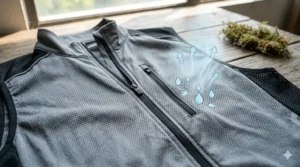
2. Ergodyne Chill-Its 6260 Lightweight Phase Change Cooling Vest
The Ergodyne Chill-Its 6260 represents the current pinnacle of lightweight phase change technology, weighing 30-60% less than traditional cooling vests while maintaining a steady 64°F temperature for up to two hours. Phase change materials work differently than ice—instead of gradually warming from frozen to melted, they hold a specific temperature (in this case, 64°F) as they transition from solid to liquid. This means consistent cooling instead of the “ice cold then warm” cycle you get with traditional ice packs.
The grid-style pack design deserves attention here. Previous-generation cooling vests used large, rigid panels that created pressure points and restricted movement. Ergodyne’s grid pattern distributes the phase change material across smaller, connected cells that flex with your body. You can bend, twist, and reach without feeling like you’re wearing frozen body armor. The polyester-cotton blend exterior breathes well, with stretch panels at the sides and shoulders that prevent the vest from riding up during overhead work.
Recharge speed is where this vest shines for operational efficiency—the cooling packs reactivate in as little as 5 minutes when placed in a standard refrigerator or cooler with ice. That’s crucial for workers on rotating breaks or multiple short-duration tasks. Users report the vest works well in humid environments where evaporative vests fail, though the 64°F hold temperature feels less aggressive than ice packs (which is actually a feature, not a bug—extreme cold can trigger vasoconstriction, reducing your body’s natural cooling response).
Pros:
✅ 30-60% lighter than comparable ice pack vests
✅ 5-minute recharge time in refrigerator
✅ Maintains 64°F temperature regardless of humidity
Cons:
❌ 2-hour cooling duration shorter than evaporative options
❌ Phase change packs must be purchased separately for extended shifts
Around $80-$100, the Chill-Its 6260 justifies its price if you need reliable cooling in variable humidity conditions. Workers in climate-controlled facilities with break rooms containing refrigerators will find the quick-recharge feature game-changing.
3. INUTEQ PCM CoolOver 24C Cooling Vest
The INUTEQ PCM CoolOver 24C is the only USDA-certified 100% biobased phase change vest on the market, which matters more than it sounds—petroleum-based PCMs can degrade with repeated freeze-thaw cycles, while biobased materials maintain performance for thousands of cycles. This vest maintains a constant 75°F (24°C) cooling temperature for 3-4 hours even during strenuous activity, targeting users who need longer duration than the Ergodyne but don’t want the weight of traditional ice vests.
Here’s the practical difference between 75°F and the Ergodyne’s 64°F: warmer phase change temperatures deliver longer duration because there’s less thermal difference between the PCM and your skin. Think of it like draining a bathtub—a small drain (small temperature difference) takes longer but runs steadier than a large drain (large temperature difference). For extended wear applications, that steadier cooling prevents the thermal shock that can trigger sweating, which defeats the cooling purpose.
The fabric-free design is INUTEQ’s standout feature. Traditional vests trap moisture between fabric layers, creating a breeding ground for bacteria and odor. The CoolOver wipes clean with disinfectant and dries in minutes, making it suitable for medical environments, food service, or any application requiring sterile conditions. Maximum chest circumference is 47 inches (120 cm), and the vest sits higher on the torso than sports models—it clears your belt line, which reduces interference when sitting or bending.
Activation flexibility sets this apart: you can recharge it in ice water (fastest), a freezer (1 hour), a refrigerator (2 hours), or simply store it at room temperature 3°C below the phase change point. For the 24C model, any environment under 70°F (21°C) will eventually recharge it—no active cooling required.
Pros:
✅ 3-4 hours cooling duration outlasts most phase change vests
✅ Fabric-free design allows easy cleaning/sterilization
✅ Can recharge passively in air-conditioned environments
Cons:
❌ Higher price point reflects professional-grade construction
❌ One-size design may not fit chest sizes over 47 inches
In the $120-$150 range, this vest targets professional users—EMTs, healthcare workers, industrial personnel in controlled environments—who need reliable cooling with hygiene compliance. The biobased certification also matters for organizations with sustainability requirements.
4. TechNiche HyperKewl 6529 Evaporative Cooling Vest
The TechNiche HyperKewl 6529 uses polymer-embedded evaporative cooling technology that delivers 5-10 hours of cooling from a 2-3 minute water soak—by far the longest duration in this comparison. The catch? That duration assumes moderate airflow. Evaporative cooling works by turning water into vapor, which pulls heat from your skin, but the process requires air movement to carry away the humid air. In still, humid environments (90%+ humidity, no breeze), cooling duration drops to 2-3 hours.
What most buyers miss about evaporative vests: they’re not meant to be worn under other clothing. The vest needs airflow across its surface for evaporation to occur. If you layer a work shirt over it, you’ve just created a plastic bag around your torso that traps moisture and heat. The HyperKewl’s design acknowledges this with a water-repellent nylon liner that keeps your skin dry while the outer quilted nylon exterior holds the water-saturated polymer fabric. You feel cooling without feeling wet, which is the key distinction between modern evaporative vests and the older “soak and wear” designs that left workers dripping.
Weight is this vest’s major advantage—under 2 pounds when activated. That’s half the weight of ice pack vests and a third of the weight of traditional water-soaked cooling garments. For workers who move constantly (landscapers, event staff, athletic trainers), reducing carried weight by 3-4 pounds over an 8-hour shift translates to meaningful fatigue reduction. The V-neck design with zipper closure fits over a wide range of body types without the multi-point adjustments other vests require.
Pros:
✅ 5-10 hours cooling duration in optimal conditions
✅ Lightest option reviewed at under 2 pounds activated
✅ Simple activation—just soak 2-3 minutes and go
Cons:
❌ Requires airflow to function—ineffective in still, humid air
❌ Must be worn as outer layer, limiting professional use
At $50-$70, the HyperKewl offers the best value for outdoor workers in dry to moderate humidity climates. Construction crews, agricultural workers, and outdoor event staff working in moving air will get full-day cooling from a single activation. Office workers or those in enclosed spaces should look at phase change options instead.
5. Glacier Tek Concealable Cooling Vest
The Glacier Tek Concealable solves a specific problem other vests don’t address: discreet cooling. This vest sits higher on the torso with a bottom hem at mid-stomach rather than the belt line, allowing you to wear it under dress shirts, uniforms, or professional attire without creating an obvious bulk. The eight cooling packs maintain 59°F for 2.5 hours in 100°F heat, using PureTemp phase change material that delivers consistent cooling over thousands of freeze-thaw cycles without degradation.
Here’s what makes this vest different from the sports models: pack placement. Instead of distributing cooling across your back and sides, the Concealable concentrates packs on your chest and upper back—the areas where major blood vessels run close to the skin. Cooling blood at these points drops core temperature more efficiently than widespread surface cooling, which is why this vest can match the cooling performance of larger vests despite fewer packs and smaller coverage area.
Weight under 5 pounds includes all eight packs, though you don’t need to use all of them simultaneously. Using four packs (two chest, two upper back) delivers 1.5 hours of cooling at half the weight—a feature that matters for users managing heat-sensitive medical conditions like MS, where heat exposure triggers symptoms but excessive weight exacerbates fatigue. The vest features over-the-shoulder and dual side strap adjustability, fitting chest sizes 29-52 inches without extenders.
Recharge time is 30 minutes in ice water, 1 hour in a freezer, or 2 hours in a refrigerator. Unlike gel packs that can leak when punctured, PureTemp is hermetically sealed in medical-grade film that can be cleaned with disinfectant—important for users who need to maintain hygiene between wears.
Pros:
✅ Discreet under-clothing design maintains professional appearance
✅ Modular pack system lets you adjust weight vs. duration
✅ 59°F temperature prevents the shock cold that triggers vasoconstriction
Cons:
❌ Smaller coverage area means less total body cooling surface
❌ Higher price reflects specialized design and medical-grade materials
Around $150-$180, this vest costs more than sports models but serves a distinct market: professionals who need cooling without advertising it, and medical users who require reliable temperature control in daily life. If you’re working a desk job in business attire or managing a condition where visible cooling gear creates awkward conversations, the Concealable justifies its premium.

6. Alphacool Polar Cooling Vest
The Alphacool Polar delivers straightforward gel pack cooling in an ultra-thin, flexible design that regulates core temperature for 1.5-2 hours per freeze. This vest uses water-based, non-hazardous gel sealed in a short-fit design that clears your waist, making it ideal for tasks requiring frequent sitting or bending—mowing lawns, gardening, walking dogs, or general outdoor maintenance around the house.
What distinguishes the Polar from professional-grade vests is its target user: casual cooling for everyday activities rather than occupational heat stress management. The gel maintains flexibility at frozen temperatures, so you don’t get the rigid-board feeling some ice pack vests create. This flexibility matters when you’re kneeling to pull weeds or bending to pick up a bag of mulch—the vest flexes with you instead of digging into your ribcage.
Customer reviews consistently mention the “short fit” as a key feature. Full-length cooling vests bunch up when you sit or create pressure points against car seats and chair backs. The Polar’s waist-clearing design eliminates that issue while still covering the core cooling zones—mid-back, upper chest, and shoulder areas where cooling has maximum impact on perceived comfort.
The one-size-fits-most design uses adjustable straps, though “most” tops out around a 44-46 inch chest—larger individuals report the vest rides up or doesn’t provide full coverage. Recharge requires refrigerator or freezer storage before use, with gel reaching optimal cooling temperature in 2-3 hours of refrigeration or 1 hour of freezing.
Pros:
✅ Ultra-thin gel design remains flexible when frozen
✅ Short-fit clears waist for unrestricted sitting/bending
✅ Affordable entry point for casual cooling needs
Cons:
❌ 1.5-2 hour duration shortest among reviewed vests
❌ One-size design fits poorly on larger or smaller frames
In the $60-$80 range, the Alphacool Polar makes sense for homeowners and casual users who need occasional relief during yard work or outdoor hobbies. It’s not built for all-day wear or extreme heat conditions, but for the backyard gardener or weekend warrior, it delivers cooling where it’s needed without the commitment of professional-grade systems.
7. Ergodyne Chill-Its 6685 Dry Evaporative Cooling Vest
The Ergodyne Chill-Its 6685 uses patented dry evaporative technology that keeps the wearer cool without the soaking wet feeling of traditional evaporative vests—you fill an interior reservoir with 13-20 oz of water, and the vest cools for up to 3 days while you stay dry. This technology represents the evolution of evaporative cooling: instead of wearing water-saturated fabric, the cooling happens inside an antimicrobial-treated chamber while a water-repellent liner keeps your skin comfortable.
The physics behind this matters: traditional evaporative vests cool by evaporating water directly from fabric touching your skin, which works but leaves you damp and uncomfortable. The 6685’s reservoir system evaporates water in a controlled chamber, transferring cooling through the vest fabric without moisture transfer. The result feels similar to phase change cooling—you get temperature reduction without the wet sensation—but with evaporative cooling’s longer duration.
Industrial-grade nylon construction with mesh side panels provides ventilation and stretch, while the V-neck design with front zipper allows easy on/off without help. High-visibility options are available for safety compliance in work zones. Weight around 1.5 pounds makes this one of the lightest vests reviewed, though that weight doesn’t include the water fill, which adds roughly 1 pound when fully charged.
The big limitation: this vest works best in low to medium humidity, specifically in ventilated areas below 104°F (40°C). At humidity levels above 80%, evaporation slows dramatically, reducing cooling effectiveness. The antimicrobial treatment prevents mold growth in the reservoir, but you still need to keep the fill cap closed between uses to maintain the treatment’s effectiveness.
Pros:
✅ Up to 3 days cooling from single fill in optimal conditions
✅ Dry comfort—no wet fabric against skin
✅ Lightest weight option at ~1.5 lbs before water fill
Cons:
❌ Requires low-medium humidity to function effectively
❌ Do not clean interior reservoir—antimicrobial treatment is permanent
Around $70-$90, the Chill-Its 6685 offers the best bang-for-buck for workers in controlled environments or dry climates. Warehouse workers, indoor manufacturing personnel, and construction crews in arid regions will get multi-day use from a single activation. If you work in humid coastal areas or enclosed spaces without ventilation, the phase change vests deliver more reliable results.
Choosing Your Cooling Technology: A Decision Framework
Most buying guides list features without explaining which matters for your specific situation. Here’s the truth: there’s no “best” lightweight cooling vest—there’s the best vest for your environment, duration needs, and physical demands. A landscaper in Arizona faces completely different challenges than an EMT in Florida or a warehouse worker in Nevada.
If You Work in High Humidity (70%+ Regularly):
Skip evaporative vests entirely. Water won’t evaporate efficiently in humid air, which means you’re wearing a soggy garment that’s not cooling you. Phase change vests (FlexiFreeze, Ergodyne 6260, INUTEQ, Glacier Tek) work regardless of humidity because they cool through direct thermal contact, not evaporation. The INUTEQ PCM CoolOver’s 3-4 hour duration makes it the winner for humid climates where you need extended cooling.
If Weight Is Your Primary Concern:
The lightest options are evaporative vests (TechNiche HyperKewl at under 2 pounds, Ergodyne 6685 at 1.5 pounds), followed by phase change vests (Ergodyne 6260 at 2.5-3 pounds). Traditional ice vests fall in the 4-5 pound range. Every pound matters when you’re carrying it for 8 hours—a 3-pound difference in vest weight equals the energy expenditure of carrying a gallon of water uphill. For workers doing physical labor, lighter vests reduce overall heat generation even though they may deliver less total cooling capacity.
If You Need All-Day Duration Without Recharging:
Evaporative vests win if humidity cooperates—the TechNiche HyperKewl’s 5-10 hour claim holds up in dry, moving air. But that’s a big “if.” For guaranteed all-day cooling regardless of conditions, you need a rotation system: buy two sets of phase change packs and swap at mid-shift. The Ergodyne 6260’s 5-minute recharge time makes this practical if you have cooler access during breaks.
If You Can’t Access Refrigeration During Work:
Evaporative vests like the TechNiche HyperKewl or Ergodyne 6685 just need water to reactivate—no freezer required. This makes them ideal for remote job sites, outdoor events, or situations where infrastructure is limited. The trade-off is humidity dependence, but for workers in dry climates without facility access, it’s the only viable option.
If Appearance and Discretion Matter:
The Glacier Tek Concealable is purpose-built for under-clothing wear, sitting high enough to hide under dress shirts or uniforms. Other vests look like safety equipment, which is fine on a job site but awkward in an office setting or during client-facing work. Medical users particularly appreciate the Concealable’s low-profile design.
Real-World Performance: What Temperature Drop Should You Expect?
Marketing materials throw around phrases like “instant cooling” and “beat the heat,” but here’s what actually happens when you wear a lightweight cooling vest in 95°F weather doing moderate physical work:
Core Temperature Drop: 3-7°F reduction in core body temperature over the first 30-45 minutes, stabilizing at 2-5°F below uncooled baseline for the vest’s duration. This doesn’t sound dramatic, but it’s the difference between heat exhaustion risk and comfortable work capacity. According to OSHA guidelines on heat stress prevention, maintaining core temperature below 100°F prevents most heat-related illness, and a 3-5°F reduction provides that buffer.
Skin Temperature Drop: 10-15°F in areas of direct vest contact, which triggers cooling receptors and creates the subjective feeling of relief even when core temperature has dropped less. This matters because perceived cooling affects work output—workers who feel cooler pace themselves better and hydrate more consistently.
Duration Variables: Cooling vests perform differently based on activity level, ambient temperature, and individual metabolism. A person sitting in 85°F shade will get 2-3x the duration of someone doing heavy labor in 100°F sun. Most manufacturer claims assume “moderate activity” which translates to walking, light lifting, and periods of rest—not continuous physical exertion.
Acclimatization Effect: Regular cooling vest users report better heat tolerance over time as their bodies adjust to the cooling patterns. This isn’t the vest improving; it’s your physiology adapting. Workers new to cooling vests often overestimate how cool they need to be, wearing vests in conditions where acclimatized workers no longer need them.
The key insight: cooling vests don’t eliminate heat stress—they reduce it to manageable levels when combined with proper hydration, shade breaks, and appropriate work pacing. If you’re working in conditions where OSHA’s heat stress recommendations require engineering controls or modified schedules, a cooling vest is a supplementary measure, not a replacement for those protocols.
Phase Change Material Technology: Why It’s Changing the Game
Traditional ice pack cooling creates a problem: ice starts at 32°F and warms toward ambient temperature, giving you extreme cold at first that gradually becomes ineffective. Phase change materials (PCMs) work differently, maintaining a specific temperature as they transition from solid to liquid—typically 59-75°F depending on the material formulation.
Phase change materials absorb heat as they melt, but unlike ice, they melt at a controlled temperature that can be engineered for optimal cooling. Here’s why that matters for cooling vests: your skin’s optimal cooling temperature is around 60-65°F. Colder than that triggers vasoconstriction (blood vessel narrowing), which reduces blood flow to the skin and actually decreases your body’s ability to shed heat. Warmer than 75°F and the thermal difference is too small for meaningful cooling.
The vests reviewed here use different PCM formulations:
- 59°F (Glacier Tek): Aggressive cooling for extreme heat, shorter duration
- 64°F (Ergodyne 6260): Balanced cooling for general use, 2-hour duration
- 75°F (INUTEQ 24C): Gentle cooling for extended wear, 3-4 hour duration
The higher the phase change temperature, the longer the duration—there’s less thermal difference to overcome, so the material takes longer to absorb enough heat to complete its phase change. For workers in extreme heat (100°F+), the 59°F vests deliver more aggressive cooling but need more frequent recharging. For extended wear or moderate heat, the 75°F vests provide steady cooling that lasts through full shifts.
Bio-based PCMs like INUTEQ’s formulation also matter for longevity. Petroleum-based PCMs can separate or degrade after hundreds of freeze-thaw cycles, reducing cooling performance. Bio-based materials maintain consistent performance for thousands of cycles, which translates to years of reliable use rather than seasonal replacement.
Common Mistakes When Choosing a Lightweight Cooling Vest
Mistake #1: Choosing Based on Maximum Cooling Duration Alone
A vest that cools for 10 hours in “optimal conditions” might deliver only 2 hours in your actual work environment. Evaporative vests advertise long durations but require specific humidity and airflow conditions that many work sites don’t provide. Before buying, honestly assess your environment—if you work indoors with limited air movement or in humid coastal areas, phase change vests with shorter rated durations will actually outperform evaporative vests with longer claims.
Mistake #2: Ignoring Recharge Infrastructure
The best cooling vest in the world is useless if you can’t recharge it during your shift. Workers on remote job sites without electricity can’t use ice pack vests effectively. Office workers with kitchen access can rotate phase change packs easily. Match the recharge method to your available infrastructure, not just to the vest’s cooling specs.
Mistake #3: Overlooking Weight for Stationary Work
If you’re standing in one place (security guard, event greeter, machinery operator), vest weight matters less than cooling capacity and duration. The 5-pound Glacier Tek or 4-pound FlexiFreeze provides more aggressive cooling than 2-pound evaporative options, and when you’re not moving much, that extra weight isn’t creating additional heat load. Conversely, landscapers and construction workers moving constantly should prioritize lightweight options even if it means shorter duration.
Mistake #4: Buying One Size Too Small
Tight vests feel more secure initially but create circulation problems during extended wear. The compression increases heat generation in compressed tissues and reduces the vest’s cooling coverage as it bunches up. Most manufacturers size conservatively—if you’re between sizes, choose the larger option. You can always tighten adjustment straps, but you can’t add material to a too-small vest.
Mistake #5: Forgetting Cleaning and Maintenance Requirements
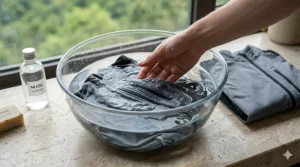
Cooling vests worn against sweaty skin need regular cleaning to prevent bacterial growth and odor. Fabric vests are machine washable with cooling elements removed, but some specialized vests (like the INUTEQ CoolOver) require wipe-down cleaning only. Phase change pack longevity depends on proper storage—leaving packs melted in hot vehicles degrades the material faster than cycling between frozen and room temperature in controlled environments.
Features That Actually Matter (And Those That Don’t)
Does Matter: Adjustment Point Locations
Vests with side-only adjustment ride up during overhead work and create gaps during bending. Look for vests with both side and shoulder adjustments (like the FlexiFreeze or Glacier Tek) that maintain contact across your full range of motion. The vest can’t cool if it’s not touching you.
Doesn’t Matter As Much: Number of Ice Packs
Eight smaller packs don’t necessarily cool better than four larger packs. Total cooling capacity depends on the mass of phase change material or ice, not the number of individual packs. More packs do offer better conformability and coverage distribution, but they also mean more points of potential failure (seams, seals, connection points).
Does Matter: Vest Cut Length
Full-length vests that extend to your belt create pressure points when sitting and ride up when bending. Short-cut vests (like the Alphacool Polar) clear your waist and allow unrestricted movement. If your work involves frequent position changes, the short-cut design significantly improves comfort without sacrificing much cooling—most body heat exchange happens at torso core, not at your lower back.
Doesn’t Matter As Much: High-Visibility Colors
Safety yellow and orange options are available on most vests, but they don’t affect cooling performance. Choose high-vis if your work environment requires it for visibility compliance, but don’t pay a premium for it if you’re working in non-traffic areas.
Does Matter: Inner Liner Material
Water-repellent nylon liners (standard on TechNiche and Ergodyne evaporative vests) keep your skin dry while allowing cooling transfer. Cotton liners absorb sweat and moisture, which feels cool initially but creates a clammy, uncomfortable environment after an hour. Neoprene liners (FlexiFreeze) provide insulation to slow ice melt but can feel sticky against bare skin—wear these over a thin shirt.
Maximizing Cooling Vest Performance: Pro Tips from the Field
Workers who use cooling vests daily develop techniques that manufacturers don’t advertise:
Pre-Cool Before Exposure: Put your vest on 10-15 minutes before you enter hot conditions. This drops your core temperature proactively rather than reactively, giving you a buffer against the initial heat shock. Your body starts the heat exposure from a cooler baseline, extending the time before you reach dangerous core temperatures.
Layer Strategically: For ice and phase change vests, wear a moisture-wicking undershirt between your skin and the vest. This layer prevents cold spots and condensation while improving cooling distribution. For evaporative vests, never layer over them—they need airflow to function.
Partial Pack Loading: You don’t always need all the cooling packs installed. Using half the packs reduces weight and extends the time before you need to recharge (since you can swap to fresh packs mid-shift). This works particularly well with the Glacier Tek system where you can use 4 packs for 1.5 hours, then swap to the other 4 for another 1.5 hours.
Rotation Timing: Don’t wait until your cooling packs are completely warm to rotate. Swap them when they’re still cool to the touch (around 75-80°F), and your body will maintain a lower baseline temperature than if you let them warm completely before changing. This “staged cooling” approach keeps your core temperature more stable.
Recharge Temperature Matters: Phase change packs recharge faster in ice water than in freezers, but freezer recharging is gentler on the materials and extends pack lifespan. If you have time, refrigerator recharging (2-4 hours) provides the longest pack life, while ice water (30 minutes) is for emergency quick-turn situations.
Hydration Amplification: Cooling vests reduce sweat production, which feels great but can mask dehydration. You’re still losing water through respiration and some perspiration—drink on schedule even when you don’t feel thirsty. The cooling effect can suppress your body’s thirst signals while fluid loss continues.
Long-Term Cost Analysis: Which Vest Saves Money Over Time?
Budget Entry: TechNiche HyperKewl ($50-$70)
Year 1 Cost: $60 vest + $0 ongoing (just needs water)
Year 3 Cost: Same $60 (evaporative fabric lasts 3+ years with proper care)
Cost Per Cooling Hour: Assuming 200 hours of use per summer: $0.10/hour
Mid-Range: Ergodyne Chill-Its 6260 ($80-$100)
Year 1 Cost: $90 vest + $40 extra pack set = $130
Year 3 Cost: $130 + $40 pack replacement (Year 2) = $170
Cost Per Cooling Hour: Assuming 200 hours use per summer: $0.28/hour
Premium: INUTEQ PCM CoolOver ($120-$150)
Year 1 Cost: $135 vest
Year 3 Cost: $135 (bio-based PCM doesn’t degrade)
Cost Per Cooling Hour: Assuming 200 hours use per summer: $0.23/hour
The math reveals a surprise: the budget evaporative vest costs least per hour but only if your environment allows it to function. In high humidity, its effective cooling hours drop by 60-70%, which inverts the cost equation. The premium INUTEQ costs more up front but delivers the lowest total cost for users needing all-weather reliability.
For professional users (construction companies, event services, landscaping crews), the calculation shifts when considering labor efficiency. If a cooling vest extends productive work hours by 20% in summer heat—say, 1.6 hours of additional work capacity in an 8-hour shift—the vest pays for itself in 3-5 days of use through increased output.
Safety Considerations: When Cooling Vests Aren’t Enough
Cooling vests are supplementary heat stress controls, not primary solutions to dangerous heat exposure. According to OSHA’s heat illness prevention framework, engineering controls (shade structures, ventilation, reduced heat sources) and administrative controls (work-rest schedules, hydration programs, acclimatization) should be implemented first. Cooling vests enhance these measures but can’t replace them.
Know the warning signs that your vest isn’t providing adequate protection:
- Dizziness or lightheadedness despite wearing the vest
- Reduced sweating (sign of heat exhaustion progression)
- Rapid heartbeat that doesn’t normalize during rest breaks
- Confusion or difficulty concentrating
- Nausea or vomiting
If you experience these symptoms while wearing a cooling vest, you’re in conditions that require additional heat stress controls. Remove yourself from heat exposure immediately, move to shade or air conditioning, and notify a supervisor. Heat stroke can develop rapidly once early warning signs appear, and cooling vests won’t prevent it in truly extreme conditions.
When to upgrade your heat stress approach:
Wet bulb globe temperature (WBGT) above 85°F: Cooling vests alone won’t provide adequate protection. Add mandatory rest breaks in air-conditioned areas, reduce work intensity, or modify schedules to avoid peak heat hours.
Personal risk factors: Workers with previous heat illness, certain medications (diuretics, antihistamines, beta blockers), or medical conditions need enhanced cooling beyond standard vests. The Glacier Tek Concealable’s modular pack system allows customization for medical users, but consult with occupational health professionals for high-risk individuals.
Unacclimatized workers: New employees or workers returning after time off need 7-14 days of gradual heat exposure to develop heat tolerance. Cooling vests help during this period but should be combined with reduced workload and increased supervision.

FAQ: Your Lightweight Cooling Vest Questions Answered
❓ How long do lightweight cooling vest packs last before needing replacement?
❓ Can I use a lightweight cooling vest while operating machinery or driving?
❓ Do lightweight cooling vests work for people with medical conditions like MS or menopause?
❓ What's the difference between thin cooling vest options and regular cooling vests?
❓ How do I choose between evaporative and phase change cooling technology?
Conclusion: Choosing Your Lightweight Cooling Solution
The lightweight cooling vest market in 2026 offers genuine solutions to heat stress that weren’t available even five years ago. The difference between struggling through a summer shift and finishing strong often comes down to maintaining core temperature in that critical 97-99°F range where your body functions optimally. Every vest reviewed here can deliver that outcome—the question is which technology matches your specific work environment and recharge infrastructure.
For budget-conscious workers in dry climates with access to water, the TechNiche HyperKewl delivers the longest duration at the lowest cost. Remote site workers without electricity will find evaporative options the only practical choice since they reactivate with just water. If you work in high humidity or need guaranteed performance regardless of conditions, phase change vests justify their higher cost—the INUTEQ PCM CoolOver leads this category with its 3-4 hour duration and bio-based longevity.
Workers requiring discreet cooling under professional attire have only one real option: the Glacier Tek Concealable. Its specialized design and medical-grade materials cost more but serve a market segment other vests don’t address. For mixed-use workers alternating between indoor and outdoor environments, the Ergodyne Chill-Its 6260 offers the best balance of performance and quick-recharge convenience.
Remember that cooling vests are part of a comprehensive heat stress management approach, not a standalone solution. Combine vest use with proper hydration (16-32 ounces of water per hour in extreme heat), scheduled rest breaks in shade or air conditioning, and attention to warning signs of heat illness. The vest that keeps you coolest is the one you’ll actually wear consistently—choose based on comfort, recharge practicality, and environment match rather than chasing maximum cooling numbers that may not apply to your real-world conditions.
Recommended for You
- 7 Best Battery Powered Cooling Vests That Actually Work (2026)
- 7 Best Cooling Vests for Motorcycle Riding in 2026
- Best Cooling Vest for Multiple Sclerosis: 7 Top Picks 2026
Disclaimer: This article contains affiliate links. As an Amazon Associate, I earn from qualifying purchases. If you purchase products through these links, we may earn a small commission at no additional cost to you.
✨ Found this helpful? Share it with your friends! 💬🤗
