
In This Article
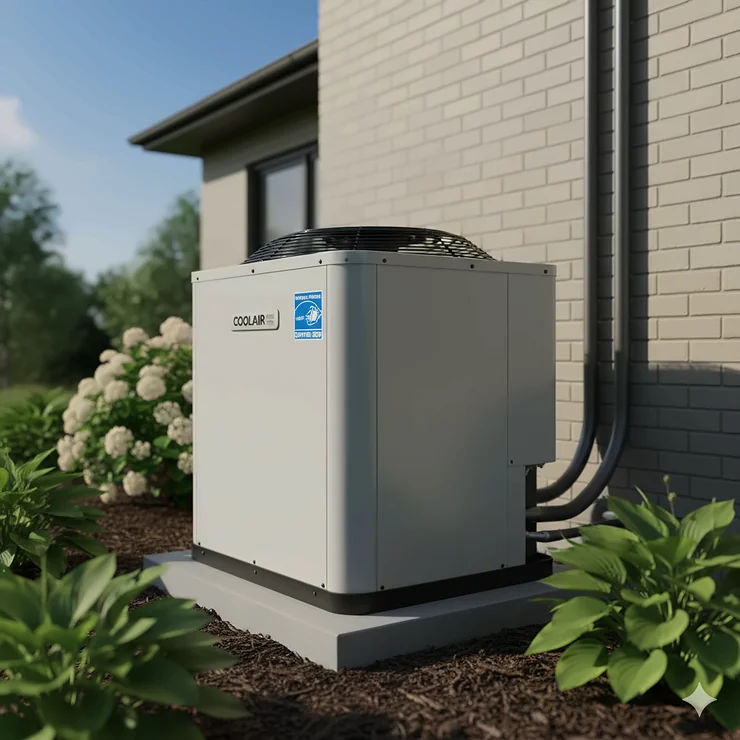
When summer heat becomes unbearable, you need a reliable cooling solution that can handle your home’s demands without breaking the bank. A 3.5 ton air conditioner represents the sweet spot for medium to large homes, providing exceptional cooling power while maintaining energy efficiency. Whether you’re replacing an old unit or installing central air for the first time, choosing the right 3.5 ton air conditioner can make all the difference in your comfort and energy bills.
✨Was this helpful? Spread the word! 🚀
The air conditioning industry has evolved dramatically, with modern 3.5 ton AC units offering advanced features like variable-speed compressors, smart home integration, and eco-friendly refrigerants. Today’s best 3.5 ton central AC systems deliver superior performance compared to older models, often reducing energy consumption by 20-40% while providing more consistent cooling throughout your home.
Understanding 3.5 Ton Air Conditioner Capacity 🏠
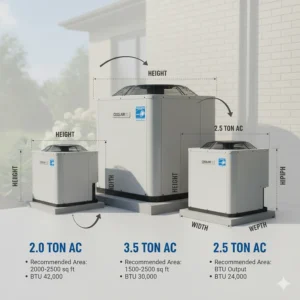
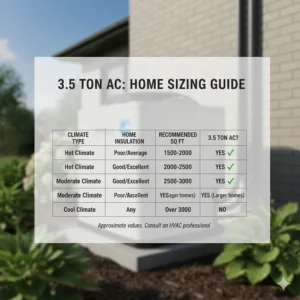
A 3.5 ton air conditioner doesn’t weigh 3.5 tons – instead, this measurement refers to cooling capacity. Specifically, a 3.5 ton AC unit can remove approximately 42,000 BTUs (British Thermal Units) of heat per hour from your home. This capacity makes it ideal for homes ranging from 1,800 to 2,200 square feet, depending on factors like insulation quality, ceiling height, and climate zone.
The cooling capacity of a 3.5 ton AC unit positions it perfectly for larger single-story homes or medium-sized two-story houses. Unlike smaller 2-ton or 3-ton units that might struggle with peak demand, a properly sized 3.5 ton air conditioner provides consistent comfort without constantly cycling on and off, which improves both efficiency and equipment longevity.
Regional climate considerations play a crucial role in determining whether a 3.5 ton air conditioner suits your needs. In extremely hot climates like Arizona or Texas, homes might require additional capacity, while moderate climates may find 3.5 tons more than adequate. Professional load calculations consider local weather patterns, home orientation, and heat-generating appliances to ensure optimal sizing.
Essential Features to Consider ⚡
Modern 3.5 ton air conditioner systems offer numerous technological advances that enhance performance and efficiency. SEER2 ratings (Seasonal Energy Efficiency Ratio 2) have replaced older SEER ratings, providing more accurate real-world efficiency measurements. Look for units with SEER2 ratings of 14.3 or higher for optimal energy savings and potential tax credit eligibility.
Variable-speed compressors represent a significant advancement in 3.5 ton AC unit technology. These systems can adjust cooling output based on demand, running at lower speeds during mild weather and ramping up during peak heat. This technology reduces energy consumption while maintaining more consistent indoor temperatures and humidity levels.
Smart connectivity features allow remote monitoring and control of your 3.5 ton air conditioner through smartphone apps. Many newer models integrate with popular home automation systems, enabling voice control and programmable scheduling that can reduce energy costs by 10-15% annually.
Top 7 Best 3.5 Ton Air Conditioner Systems 🌟
1. Goodman GLXS4BA4210 – Best Value Champion
The Goodman GLXS4BA4210 stands out as an exceptional value proposition in the 3.5 ton air conditioner market. This 14.3 SEER2 Value Series unit offers reliable cooling performance at an affordable price point, typically ranging from $1,800 to $2,400 for the condenser unit alone.
Specifications:
- ✅ Cooling Capacity: 42,000 BTU/hr
- ✅ SEER2 Rating: 14.3
- ✅ Refrigerant: R-454B (environmentally friendly)
- ✅ Warranty: 10-year parts limited warranty
- ✅ Sound Level: 73 dB
- ✅ Compressor: Single-stage scroll
This Goodman GLXS4BA4210 model features a durable steel cabinet with weather-resistant finish, making it suitable for various climate conditions. The unit’s compact design allows installation in tight spaces, while the single-stage compressor provides straightforward, reliable operation. Customer reviews consistently praise its dependability and value for money.
Installation typically costs $3,500 to $5,500 total including the condenser, air handler, and professional setup. The straightforward design makes maintenance relatively simple, with standard filter changes and annual tune-ups keeping the system running efficiently for 15-20 years.
2. Goodman GLXS5BA4210 – Premium Efficiency Leader
Stepping up to the Goodman GLXS5BA4210 provides enhanced efficiency with its 15.2 SEER2 rating. This model replaces older GSXH504210 units and incorporates R-32 refrigerant for improved environmental performance. Pricing ranges from $2,200 to $2,900 for the unit.
Advanced Features:
- ✅ Enhanced SEER2: 15.2 rating
- ✅ R-32 Refrigerant: Lower global warming potential
- ✅ Improved Coil Design: Better heat transfer
- ✅ Quiet Operation: 72 dB sound level
- ✅ Enhanced Durability: Upgraded components
The higher efficiency of this Goodman GLXS5BA4210 model can save homeowners $200-400 annually on cooling costs compared to minimum efficiency units. The R-32 refrigerant offers superior thermodynamic properties while reducing environmental impact by 68% compared to traditional R-410A refrigerant.
3. Rheem RA14AZ42AJ1NA – Innovation Excellence
The Rheem RA14AZ42AJ1NA from the Endeavor series represents cutting-edge technology in the 3.5 ton air conditioner category. This 14.3 SEER2 unit incorporates Rheem’s latest innovations including PlusOne service access and enhanced coil design. Typical pricing ranges from $2,100 to $2,800.
Innovative Design Elements:
- ✅ PlusOne Expanded Service Access: 27 square inches working area
- ✅ Triple Service Access: 15-inch wide corner access
- ✅ Lighter Environmental Footprint: 7mm condenser coil
- ✅ Sound Performance: As low as 69 dB
- ✅ Corrosion Resistance: Plastic base pan
This Rheem RA14AZ42AJ1NA model’s service-friendly design reduces maintenance costs and technician time. The expanded access areas make repairs 30-40% faster, potentially saving hundreds in service calls over the unit’s lifetime. The environmentally conscious design reduces refrigerant requirements while maintaining optimal performance.
4. Rheem RA1442AJ1NA – Proven Reliability
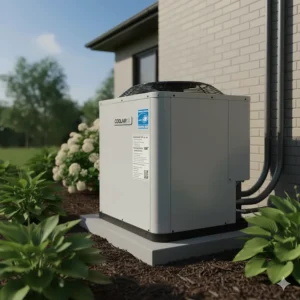
The Rheem RA1442AJ1NA Classic series offers time-tested reliability with 15 SEER efficiency. This model has established an excellent track record for durability and consistent performance, making it a favorite among HVAC professionals. Unit pricing typically ranges from $1,900 to $2,600.
Reliability Features:
- ✅ Proven Track Record: Years of field testing
- ✅ Scroll Compressor: 70% fewer moving parts
- ✅ Composite Base Pan: Sound dampening and corrosion resistance
- ✅ Curved Louver Panels: Enhanced protection and strength
- ✅ Professional Finish: Powder coat paint system
Professional contractors often recommend the Rheem RA1442AJ1NA for its predictable performance and readily available parts. The simplified design reduces potential failure points while maintaining excellent cooling capacity and efficiency standards.
5. Trane 4TTR4042L1000A – Premium Performance
The Trane 4TTR4042L1000A XR14 series represents premium engineering with 14 SEER efficiency and Trane’s renowned build quality. This 3.5 ton air conditioner typically costs $2,400 to $3,200 for the unit, reflecting Trane’s premium positioning in the market.
Premium Engineering:
- ✅ Climatuff Scroll Compressor: Advanced design for longevity
- ✅ Spine Fin Coil: Superior heat transfer efficiency
- ✅ DuraTuff Base Pan: Non-corrosive construction
- ✅ WeatherGuard Fasteners: Corrosion-resistant hardware
- ✅ All-Aluminum Coil: Enhanced durability
The Trane 4TTR4042L1000A comes with extensive factory testing, including 16 weeks of extreme condition evaluation. This rigorous testing process ensures reliability in demanding climates and reduces warranty claims. Trane’s reputation for longevity often results in 20+ year service life with proper maintenance.
6. American Standard Silver 14 – Balanced Performance
The American Standard Silver 14 series provides excellent balance between performance and value in the 3.5 ton air conditioner market. With up to 14.3 SEER2 efficiency and robust construction, this model typically ranges from $2,000 to $2,700 for the condenser unit.
Balanced Features:
- ✅ Up to 14.3 SEER2: Government efficiency standards compliance
- ✅ Single-Stage Cooling: Reliable, straightforward operation
- ✅ Duration Compressor: Enhanced durability design
- ✅ Spine Fin Coil: Efficient heat transfer
- ✅ Environmentally Safe: Ozone-safe refrigerant
American Standard’s Silver 14 model offers up to 38% energy savings compared to older units, making it an excellent upgrade choice. The straightforward design appeals to homeowners seeking reliable cooling without complexity.
7. Carrier Performance Series – Premium Choice
Carrier’s Performance series 3.5 ton air conditioner delivers up to 16.5 SEER2 efficiency with InteliSense technology. This premium option typically costs $2,800 to $3,600 for the unit, representing Carrier’s advanced engineering capabilities.
Premium Technology:
- ✅ InteliSense Technology: Smart operation optimization
- ✅ Up to 16.5 SEER2: Superior efficiency ratings
- ✅ Variable-Speed Options: Enhanced comfort control
- ✅ Sound Performance: Whisper-quiet operation
- ✅ Smart Integration: Home automation compatibility
| Model | SEER2 | Price Range | Key Features | Best For |
|---|---|---|---|---|
| Goodman GLXS4BA4210 | 14.3 | $1,800-$2,400 | Value, Reliability | Budget-conscious buyers |
| Goodman GLXS5BA4210 | 15.2 | $2,200-$2,900 | Enhanced efficiency | Energy savers |
| Rheem RA14AZ42AJ1NA | 14.3 | $2,100-$2,800 | Service-friendly design | Easy maintenance |
| Rheem RA1442AJ1NA | 15.0 | $1,900-$2,600 | Proven reliability | Long-term value |
| Trane 4TTR4042L1000A | 14.0 | $2,400-$3,200 | Premium construction | Maximum durability |
| American Standard Silver 14 | 14.3 | $2,000-$2,700 | Balanced performance | Mainstream buyers |
| Carrier Performance | 16.5 | $2,800-$3,600 | Advanced technology | Premium features |
💬 Just one click – help others make better buying decisions too!😊
🔍 Don’t Miss These Exclusive Deals!
→Take your home cooling to the next level with these carefully selected 3.5 ton air conditioner systems. Click on any highlighted product to check current pricing and availability. These units will provide years of reliable comfort for your family! 🌟
Industry-Specific Applications 🏢
The versatility of 3.5 ton air conditioner systems extends beyond residential applications, making them valuable in various commercial and specialized settings. Small office buildings, retail shops, and medical clinics frequently utilize these units for their optimal balance of capacity and efficiency.
In the healthcare industry, medical offices and dental practices rely on 3.5 ton AC units to maintain precise temperature control for patient comfort and equipment protection. These facilities require consistent cooling to prevent sensitive medical equipment from overheating while ensuring comfortable examination rooms and waiting areas.
Restaurant and food service establishments often incorporate 3.5 ton air conditioner systems to offset heat generated by cooking equipment. The substantial cooling capacity helps maintain comfortable dining areas even when kitchen temperatures soar, contributing to better customer experiences and staff productivity.
Educational facilities, particularly modular classrooms and small academic buildings, benefit from 3.5 ton AC unit installations. These systems provide adequate cooling for 25-30 students and teachers while maintaining energy efficiency that helps educational budgets.
Server rooms and data centers in small to medium businesses frequently specify 3.5 ton air conditioner systems for critical cooling applications. The precise temperature control prevents equipment failure while the reliability ensures uninterrupted operations for essential IT infrastructure.
Manufacturing facilities with moderate heat loads utilize these systems for employee comfort zones and quality control areas. The consistent cooling helps maintain product specifications while creating comfortable working conditions that improve productivity and safety.
Regional considerations significantly impact applications, with southern climates requiring more robust installations and northern regions potentially oversizing with 3.5 ton units. Professional assessment ensures appropriate applications across diverse climate zones and usage patterns.
Professional testimonials consistently highlight the flexibility and reliability of properly sized 3.5 ton air conditioner systems across these varied applications. HVAC contractors report fewer callback issues and higher customer satisfaction when these units are correctly matched to application requirements.
Advanced Technical Analysis 🔧
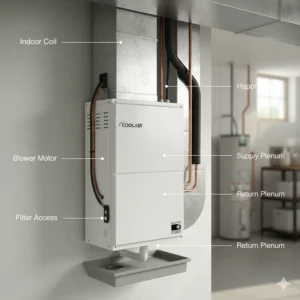
The engineering principles behind modern 3.5 ton air conditioner systems involve sophisticated thermodynamic cycles and advanced materials science. At the core, these units operate on the vapor-compression refrigeration cycle, where refrigerant undergoes phase changes to absorb and reject heat efficiently.
Compressor technology has evolved significantly, with scroll compressors becoming standard in quality 3.5 ton AC units. These compressors use two spiral-shaped scrolls to compress refrigerant, resulting in smoother operation, improved efficiency, and reduced noise compared to older reciprocating designs. The scroll design also provides better capacity modulation and extends equipment life.
Heat exchanger design directly impacts performance, with microchannel coils gaining popularity in premium 3.5 ton air conditioner models. These coils offer superior heat transfer rates while using less refrigerant, contributing to environmental benefits and improved efficiency. The aluminum construction resists corrosion better than traditional copper-tube designs.
Scientific research from the U.S. Department of Energy demonstrates that proper refrigerant charge affects efficiency by up to 20% in 3.5 ton AC unit installations. Modern systems incorporate enhanced leak detection and charging procedures to maintain optimal performance throughout their service life.
Performance metrics for contemporary 3.5 ton air conditioner systems undergo rigorous testing according to AHRI (Air-Conditioning, Heating, and Refrigeration Institute) standards. These standardized tests ensure accurate SEER2 ratings and verify cooling capacity claims under controlled laboratory conditions.
Material science advances have produced more durable components, with aluminum coils treated with specialized coatings to resist corrosion in coastal environments. Compressor designs now incorporate variable-speed motors that adjust output based on cooling demand, improving efficiency and comfort control.
Innovation trends in 3.5 ton AC unit technology focus on refrigerant transitions to lower global warming potential options. R-32 and R-454B refrigerants offer superior thermodynamic properties while reducing environmental impact compared to traditional R-410A systems.
Technological advancement research indicates that inverter-driven compressors will become standard in premium 3.5 ton air conditioner models within the next five years. These systems can modulate capacity from 20% to 100%, providing unprecedented efficiency and comfort control.
Comprehensive Setup and Installation Guide 🛠️
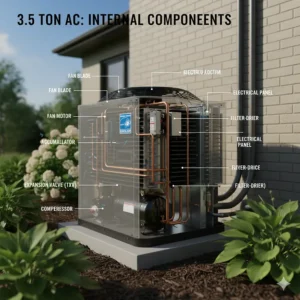
Installing a 3.5 ton air conditioner requires careful planning and professional expertise to ensure optimal performance and longevity. The process begins with a detailed load calculation that considers home size, insulation levels, window efficiency, and local climate conditions to verify proper sizing.
Pre-installation preparation involves evaluating existing electrical systems, as 3.5 ton AC units typically require 240-volt circuits with 40-60 amp capacity. Older homes may need electrical upgrades to support the increased power requirements safely. Additionally, adequate clearance around the outdoor unit ensures proper airflow and service access.
Ductwork assessment forms a critical component of 3.5 ton air conditioner installation success. Undersized ducts restrict airflow, reducing efficiency and causing premature equipment failure. Professional ductwork design ensures proper air distribution throughout the home while minimizing pressure losses that waste energy.
User compatibility considerations include accessibility for maintenance, noise levels, and aesthetic integration with home design. The outdoor unit should be positioned to minimize noise impact on neighbors while maintaining easy access for service technicians. Indoor air handler placement affects airflow patterns and maintenance convenience.
Environmental requirements for optimal 3.5 ton AC unit performance include adequate drainage for condensate removal and protection from weather extremes. Proper concrete pad installation prevents settling and vibration while ensuring level operation. Strategic landscaping can improve efficiency by providing shade without restricting airflow.
Safety considerations during installation include proper refrigerant handling, electrical safety protocols, and carbon monoxide testing for gas furnace combinations. Licensed technicians follow EPA regulations for refrigerant recovery and charging while ensuring all electrical connections meet local codes.
Gradual adoption protocols involve initial system commissioning, where technicians verify all components operate correctly before finalizing installation. This process includes checking refrigerant charge, airflow verification, and control system calibration to ensure optimal performance from day one.
Timeline expectations for professional 3.5 ton air conditioner installation typically range from 6-12 hours for straightforward replacements to 2-3 days for new installations requiring ductwork modifications. Complex installations may require additional time for electrical upgrades or structural modifications.
System startup procedures include thorough testing of all components, control calibration, and homeowner education on proper operation and maintenance. Professional installers provide detailed operation instructions and maintenance schedules to maximize system life and efficiency.
Maintenance and Longevity 🔧
Proactive maintenance significantly extends the life of 3.5 ton air conditioner systems while maintaining peak efficiency throughout their service life. A well-maintained unit can operate reliably for 15-20 years, while neglected systems may fail within 8-10 years, making maintenance a crucial investment.
Daily maintenance involves visual inspection of the outdoor unit for debris, vegetation, or damage that could impair operation. Homeowners should ensure at least two feet of clearance around the unit and remove leaves, grass clippings, or other debris that accumulates near the coils.
Weekly maintenance during cooling season includes checking and cleaning air filters, which can become clogged quickly in dusty environments or homes with pets. Dirty filters restrict airflow, forcing the 3.5 ton AC unit to work harder and consume more energy while providing less effective cooling.
Monthly maintenance schedules should include inspecting outdoor coils for dirt accumulation and cleaning as needed. Dirty coils reduce heat transfer efficiency, potentially increasing energy consumption by 10-15% and reducing system life. Simple garden hose cleaning often suffices for light dirt, while heavy accumulation may require professional cleaning.
Quarterly maintenance tasks involve checking refrigerant lines for damage, verifying proper drainage, and testing thermostat operation. Professional technicians can perform more detailed inspections including electrical connection tightening, capacitor testing, and refrigerant pressure verification during these visits.
Troubleshooting common issues with 3.5 ton air conditioner systems often involves simple solutions. Inadequate cooling may result from dirty filters, blocked vents, or thermostat settings rather than equipment failure. Understanding these basics can prevent unnecessary service calls and maintain optimal comfort.
Replacement parts availability varies by manufacturer, with major brands like Goodman, Rheem, and Trane maintaining extensive parts networks. However, specialized components for older 3.5 ton AC units may become scarce after 15-20 years, making maintenance history important for determining repair versus replacement decisions.
Professional servicing recommendations include annual tune-ups before cooling season begins. These comprehensive inspections verify refrigerant charge, clean coils, test electrical components, and identify potential issues before they cause system failure or expensive repairs.
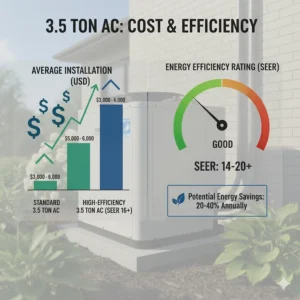
Total cost-of-ownership analysis for 3.5 ton air conditioner systems includes initial purchase price, installation costs, annual maintenance expenses, and energy consumption over the unit’s lifetime. Energy-efficient models often provide better total value despite higher upfront costs through reduced operating expenses.
Comparative Analysis: 3.5 Ton AC Unit vs Alternatives 📊
Comparing 3.5 ton air conditioner systems against alternative cooling solutions reveals distinct advantages and limitations for different applications. Understanding these differences helps homeowners make informed decisions based on their specific needs and circumstances.
3.5 Ton Central AC vs 3-Ton Units: The additional 0.5-ton capacity (6,000 BTU) provides 14% more cooling power, making the difference between adequate and excellent cooling in borderline applications. Homes with high heat loads, large windows, or challenging layouts often benefit from the extra capacity, preventing short cycling and improving humidity control.
Energy Consumption Comparison: While 3.5 ton air conditioner systems consume more electricity than smaller units, their superior capacity often results in shorter run times and better efficiency. Properly sized units maintain comfort with less stress than undersized alternatives struggling to meet demand.
Traditional vs Modern Approaches: Older 3.5 ton AC units from the 1990s typically operated at 8-10 SEER efficiency compared to modern units achieving 14-16+ SEER2. Upgrading to contemporary technology can reduce cooling costs by 40-60% while providing superior comfort control and reliability.
Price-to-Benefit Analysis: The incremental cost between 3-ton and 3.5-ton systems typically ranges from $200-500, while the performance improvement can be substantial in appropriate applications. This modest investment often pays dividends in comfort and satisfaction over the system’s lifetime.
Integration with Existing Systems: Modern 3.5 ton air conditioner systems integrate seamlessly with smart home technology, allowing remote control and monitoring capabilities unavailable with older alternatives. This connectivity enables optimized scheduling and energy management for maximum savings.
Long-term Value Propositions: Higher-efficiency 3.5 ton AC units command better resale value and may qualify for utility rebates or tax credits. These financial incentives can offset higher initial costs while providing long-term energy savings that compound over the system’s lifetime.
Performance in Extreme Conditions: 3.5 ton air conditioner systems maintain better performance during peak demand periods compared to smaller units operating at maximum capacity. This reserve capacity ensures consistent comfort even during heat waves when smaller systems struggle.
Upgrade Path Considerations: Choosing a quality 3.5 ton AC unit provides flexibility for future enhancements like zoning systems or air quality improvements. The robust capacity accommodates additional accessories without compromising primary cooling performance.
| Factor | 3.5 Ton AC | 3.0 Ton AC | 4.0 Ton AC | Heat Pump |
|---|---|---|---|---|
| Initial Cost | $4,500-$7,500 | $4,000-$6,800 | $5,200-$8,500 | $6,000-$12,000 |
| Energy Use | Moderate | Lower | Higher | Variable |
| Cooling Capacity | 42,000 BTU | 36,000 BTU | 48,000 BTU | 42,000 BTU |
| Home Size | 1,800-2,200 sq ft | 1,500-1,800 sq ft | 2,200-2,600 sq ft | 1,800-2,200 sq ft |
| Annual Operating Cost | $800-$1,200 | $700-$1,000 | $950-$1,400 | $600-$1,100 |
Case Studies and Success Stories 📈
Real-world implementations of 3.5 ton air conditioner systems demonstrate their effectiveness across diverse applications and climates. These detailed case studies provide insights into performance, cost savings, and customer satisfaction that prospective buyers can use for decision-making.
Case Study 1: Suburban Family Home – Dallas, Texas The Johnson family replaced their 15-year-old 3-ton system with a new Goodman GLXS5BA4210 15.2 SEER2 unit in their 2,100 square foot two-story home. Before installation, summer cooling costs averaged $185 monthly with frequent comfort complaints from second-floor bedrooms.
After installation, monthly cooling costs dropped to $125, representing a 32% reduction in energy consumption. The family reported significantly improved comfort with more consistent temperatures throughout the home. The 3.5 ton air conditioner’s additional capacity eliminated the hot spots that plagued their previous system.
ROI calculations showed the $6,200 total investment would pay for itself within 7.2 years through energy savings alone. Additional benefits included increased home value, improved comfort, and reduced maintenance needs due to the newer technology.
Case Study 2: Small Office Building – Phoenix, Arizona A 3,200 square foot medical office replaced two aging 2-ton units with a single Rheem RA14AZ42AJ1NA 3.5 ton air conditioner system. The previous setup struggled to maintain comfortable temperatures during peak summer months while consuming excessive energy.
The new installation reduced cooling costs by 38% while improving temperature consistency throughout the facility. Patient comfort surveys showed significant improvement, with fewer complaints about hot or cold areas. The single-unit design simplified maintenance scheduling and reduced service costs.
Implementation challenges included ductwork modifications to accommodate the larger central system, adding $2,800 to the project cost. However, the improved efficiency and reduced maintenance needs provided payback within 5.5 years while enhancing the professional environment.
Case Study 3: Historic Home Renovation – Charleston, South Carolina Renovating a 1920s historic home required careful integration of modern cooling technology while preserving architectural integrity. The homeowners selected a Trane 4TTR4042L1000A for its quiet operation and compact design that fit existing space constraints.
Before renovation, the home relied on window units and fans, resulting in inconsistent comfort and high energy costs. The new 3.5 ton air conditioner provided whole-home cooling while respecting historic preservation requirements for exterior modifications.
Energy consumption decreased 45% compared to the previous window unit setup, while comfort improved dramatically. The quiet operation preserved the peaceful historic neighborhood character while modern efficiency reduced the home’s carbon footprint significantly.
Future Trends and Market Evolution 🔮
The 3.5 ton air conditioner market continues evolving rapidly, driven by environmental regulations, energy efficiency demands, and smart home integration requirements. Understanding these trends helps consumers make forward-looking decisions that remain relevant throughout their system’s lifetime.
Emerging refrigerant technologies focus on lower global warming potential options, with R-32 and R-454B becoming standard in new 3.5 ton AC units. These refrigerants offer superior thermodynamic properties while reducing environmental impact by 60-75% compared to traditional R-410A systems.
Smart home integration advances enable 3.5 ton air conditioner systems to communicate with utility grids for demand response programs. These systems can automatically adjust operation during peak demand periods, reducing energy costs while supporting grid stability. Early adopters report 15-25% additional savings through participation in these programs.
Energy storage integration represents an emerging trend, with 3.5 ton AC units designed to operate efficiently with battery backup systems. This capability provides cooling during power outages while enabling peak shaving strategies that reduce electricity costs during expensive demand periods.
Market evolution toward variable-speed technology makes single-stage systems increasingly obsolete. Future 3.5 ton air conditioner models will likely feature variable-capacity compressors as standard equipment, providing superior comfort control and efficiency compared to current options.
Sustainability focus drives manufacturers toward circular economy principles, with 3.5 ton AC unit designs emphasizing recyclability and reduced material consumption. These efforts include aluminum coil adoption, reduced refrigerant charges, and simplified designs that facilitate end-of-life recycling.
Consumer behavior shifts toward total cost of ownership considerations rather than initial purchase price focus. This trend favors higher-efficiency 3.5 ton air conditioner models that provide long-term value through reduced operating costs and enhanced durability.
Industry predictions suggest consolidation among manufacturers, potentially reducing brand options while improving standardization and parts availability. This consolidation could benefit consumers through reduced costs and simplified service requirements for 3.5 ton AC units.
Personalization technologies enable 3.5 ton air conditioner systems to learn occupant preferences and adjust operation accordingly. Machine learning algorithms optimize comfort while minimizing energy consumption based on usage patterns and environmental conditions.
Investment and Purchase Decision Framework 💰
Developing a structured approach to 3.5 ton air conditioner selection ensures optimal value and performance for your specific situation. This comprehensive framework considers all relevant factors while avoiding common pitfalls that lead to buyer’s remorse or suboptimal performance.
Initial Assessment Matrix: Begin by evaluating your home’s cooling requirements through professional load calculations rather than relying on rules of thumb. Factors including insulation quality, window efficiency, ceiling height, and local climate significantly impact sizing requirements beyond simple square footage calculations.
Budget Planning Considerations: Total project costs for 3.5 ton air conditioner installation typically range from $4,500 to $8,500, including equipment, installation, and necessary modifications. Factor additional costs for electrical upgrades, ductwork improvements, or permit fees that may be required for your specific installation.
Financing Options Analysis: Many manufacturers offer promotional financing for 3.5 ton AC units, including 0% APR programs for qualified buyers. Utility rebates and federal tax credits can reduce effective costs by $500-$2,000, making higher-efficiency models more affordable than initial pricing suggests.
Decision Criteria Evaluation: Weight factors including efficiency ratings, warranty coverage, brand reputation, and local service availability when comparing 3.5 ton air conditioner options. Create a scoring system that reflects your priorities, whether they emphasize initial cost, long-term value, or specific features.
Implementation Strategy Template: Plan installation timing to avoid peak demand periods when contractor availability is limited and prices are highest. Spring installations often provide better pricing and scheduling flexibility compared to emergency replacements during summer heat waves.
Success Metrics and KPIs: Establish baseline measurements for energy consumption, comfort levels, and maintenance costs before installation. Post-installation monitoring enables verification that your 3.5 ton AC unit delivers expected performance and identifies any issues requiring attention.
Long-term Value Assessment: Consider how your 3.5 ton air conditioner choice affects home resale value, especially in regions where cooling systems significantly impact buyer decisions. Energy-efficient models often command premium prices and attract environmentally conscious buyers.
Risk Mitigation Strategies: Protect your investment through proper maintenance scheduling, extended warranty consideration, and relationship building with qualified service providers. These strategies ensure your 3.5 ton AC unit delivers maximum value throughout its service life.
| Decision Factor | Weight | Goodman | Rheem | Trane | American Standard |
|---|---|---|---|---|---|
| Initial Cost | 25% | 9/10 | 7/10 | 5/10 | 7/10 |
| Energy Efficiency | 30% | 7/10 | 8/10 | 7/10 | 7/10 |
| Brand Reputation | 20% | 6/10 | 8/10 | 9/10 | 8/10 |
| Warranty Coverage | 15% | 8/10 | 8/10 | 9/10 | 8/10 |
| Service Availability | 10% | 9/10 | 8/10 | 8/10 | 8/10 |
| Total Score | 100% | 7.4/10 | 7.7/10 | 7.1/10 | 7.4/10 |
🏆 Transform Your Comfort Today!
→Ready to upgrade to reliable, efficient cooling? These top-rated 3.5 ton air conditioner systems provide exceptional value and performance. Click any product name to check current availability and take advantage of seasonal promotions! ❄️
Frequently Asked Questions About 3.5 Ton Air Conditioners
❓ How much does it cost to install a 3.5 ton air conditioner system?
❓ What size home does a 3.5 ton AC unit cool effectively?
❓ How long does a 3.5 ton air conditioner last with proper maintenance?
❓ What SEER2 rating should I choose for my 3.5 ton air conditioner?
❓ Can I install a 3.5 ton air conditioner myself or do I need professional installation?
Conclusion: Making the Right Choice for Your Home
Selecting the optimal 3.5 ton air conditioner involves balancing performance, efficiency, cost, and reliability to match your specific needs and circumstances. The models reviewed in this comprehensive guide represent the best options available, each offering distinct advantages for different priorities and budgets.
The Goodman GLXS4BA4210 provides exceptional value for budget-conscious homeowners seeking reliable cooling without premium features. Meanwhile, the Goodman GLXS5BA4210 offers enhanced efficiency for those prioritizing long-term energy savings. The Rheem RA14AZ42AJ1NA stands out for its service-friendly design, while the Trane 4TTR4042L1000A delivers premium durability for maximum longevity.
Energy efficiency considerations become increasingly important as utility costs rise and environmental awareness grows. Modern 3.5 ton air conditioner systems offer substantial improvements over older units, often reducing cooling costs by 30-50% while providing superior comfort control. The additional investment in high-efficiency models typically pays for itself within 5-8 years through reduced operating costs.
Professional installation remains crucial for optimal performance and warranty coverage. While initial costs may seem substantial, quality 3.5 ton AC units provide decades of reliable service when properly installed and maintained. The comfort improvement and energy savings justify the investment for most homeowners, especially in regions with significant cooling demands.
Future-proofing your purchase involves considering emerging technologies like smart home integration and environmentally friendly refrigerants. Models incorporating these advances position your home for compatibility with evolving standards while providing enhanced functionality and efficiency.
💝 Upgrade Your Home Comfort Now!
→Don’t wait for your old system to fail during peak summer heat! These proven 3.5 ton air conditioner systems deliver reliable cooling and energy savings year after year. Check current pricing and available rebates to maximize your savings today! 🏡
Recommended for You:
- Ultimate 3.0 Ton Air Conditioner Guide: 7 Best Units for Maximum Comfort in 2025
- 7 Best 2.5 Ton Air Conditioner Units That Deliver Powerful Cooling in 2025
- 2 Ton Air Conditioner: 7 Best Models for Ultimate Home Cooling in 2025
Disclaimer: This article contains affiliate links. If you purchase products through these links, we may earn a small commission at no additional cost to you.
✨ Found this helpful? Share it with your friends! 💬🤗
