
In This Article
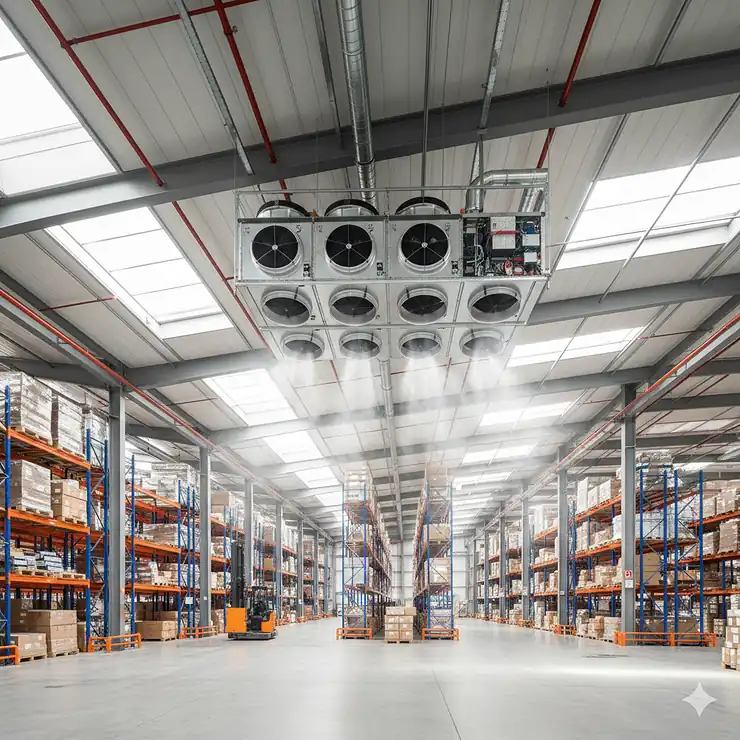
When summer temperatures soar and your warehouse feels like a furnace, the right warehouse air conditioner can transform your workspace from unbearable to productive. 🌡️ Whether you’re managing inventory, overseeing production lines, or ensuring employee comfort, selecting the perfect cooling solution requires careful consideration of BTU capacity, energy efficiency, and industrial durability.
✨Was this helpful? Spread the word! 🚀
Today’s warehouse air conditioner technology has evolved beyond simple cooling units to sophisticated climate control systems that maintain optimal temperatures while maximizing energy efficiency. From compact spot coolers to powerful industrial-grade systems, modern warehouse cooling solutions offer unprecedented versatility for businesses of all sizes.
Understanding Warehouse Air Conditioner Requirements
Climate Control Fundamentals 🏭
Warehouse environments present unique cooling challenges that standard residential air conditioners simply cannot handle. The vast open spaces, high ceilings, and constant activity from forklifts, conveyor systems, and personnel create complex thermal dynamics requiring specialized warehouse air conditioner solutions.
Effective warehouse cooling begins with understanding heat load calculations. Industrial facilities generate heat from multiple sources: equipment operations, lighting systems, solar gain through roofing materials, and human activity. A properly sized warehouse air conditioner must account for these variables while maintaining consistent temperatures across large floor areas.
BTU Requirements for Different Warehouse Sizes
| Warehouse Size | BTU Range | Recommended Units |
|---|---|---|
| 5,000 – 10,000 sq ft | 60,000 – 120,000 BTU | 2-3 industrial units |
| 10,000 – 25,000 sq ft | 120,000 – 300,000 BTU | 4-6 industrial units |
| 25,000 – 50,000 sq ft | 300,000 – 600,000 BTU | 6-10 industrial units |
| 50,000+ sq ft | 600,000+ BTU | 10+ industrial units |
✅ Pro Tip: Calculate 30-40 BTU per square foot for standard warehouse applications, but increase to 50-60 BTU per square foot for high-heat environments with significant equipment loads.
Industrial vs. Commercial Cooling Systems
The distinction between industrial and commercial warehouse air conditioner systems lies primarily in construction quality, operational capacity, and duty cycle requirements. Industrial units feature reinforced components, higher BTU output, and continuous operation capabilities essential for 24/7 warehouse operations.
Commercial warehouse air conditioner systems typically offer 10,000-25,000 BTU capacity, suitable for smaller facilities or supplemental cooling applications. These units balance performance with cost-effectiveness, making them ideal for businesses transitioning to industrial-scale operations.
🔥 Top 7 Warehouse Air Conditioner Units Available on Amazon
1. Tripp Lite SRCOOL12K Server Room & Warehouse Spot Cooler
The Tripp Lite SRCOOL12K represents the gold standard in precision warehouse cooling technology. This 12,000 BTU powerhouse delivers targeted cooling with professional-grade reliability that warehouse managers depend on for critical temperature control.
Key Specifications:
- Cooling Capacity: 12,000 BTU (3.5kW)
- Voltage: 120V standard outlet compatible
- Coverage: Up to 500 square feet
- Weight: 175.4 lbs
- Warranty: 2-year manufacturer coverage
Professional Applications: This Tripp Lite SRCOOL12K excels in server rooms, network closets, and targeted warehouse cooling where precision temperature control prevents equipment failures. The included 71-inch flexible hose allows direct airflow to overheated equipment zones, while the adjustable louvered vents provide general area cooling.
Customer reviews consistently highlight the unit’s reliability and effectiveness in demanding environments. One warehouse manager reported: “We’ve used the Tripp Lite SRCOOL12K for two years in our high-temperature packaging area. It maintains consistent 68°F temperatures even during peak summer operations.”
💰 Current Pricing: $2,200-$2,800 depending on availability and seller
2. Banfluxion 220V Commercial Industrial Air Conditioner
For maximum cooling power, the Banfluxion 220V Commercial Industrial Air Conditioner delivers an impressive 29,800 BTU of cooling capacity. This heavy-duty warehouse air conditioner handles the most demanding industrial environments with professional-grade construction and advanced controls.
Technical Specifications:
- Cooling Power: 29,800 BTU/hr
- Voltage: 220V (requires dedicated electrical circuit)
- Airflow Rate: 1,550 m³/hr
- Power Consumption: 3,150W
- Compressor Type: Fully enclosed rotary compressor
Industrial-Grade Features: The Banfluxion 220V Commercial Industrial Air Conditioner incorporates a high-efficiency evaporator with detachable filters for easy maintenance. Quality aluminum blades ensure strong, uniform airflow with minimal noise generation, while the enclosed compressor maintains excellent performance in high-temperature environments up to 45°C (113°F).
Applications span across hospitals, research facilities, manufacturing plants, temporary offices, equipment cooling centers, production workshops, canteens, warehouses, and field offices. The unit’s mobility via caster wheels enables flexible deployment wherever cooling demands arise.
💰 Current Pricing: $3,500-$4,200 with seasonal variations
3. Global Industrial Commercial Industrial Portable Air Conditioner
The Global Industrial Commercial Industrial Portable Air Conditioner provides 16,800 BTU cooling capacity in a compact, mobile design perfect for warehouse spot cooling applications. This 1.5-ton unit effectively covers up to 440 square feet while maintaining professional reliability standards.
Performance Specifications:
- Cooling Capacity: 16,800 BTU
- Voltage: 115V (standard outlet compatible)
- Coverage Area: Up to 440 sq ft
- Fan Speeds: 2 adjustable speeds
- Cold Air Nozzles: Included for directed cooling
Mobility and Installation: Four swivel casters (two locking) provide optimal portability as cooling needs change throughout warehouse operations. The Global Industrial Commercial Industrial Portable Air Conditioner requires no permanent installation, making it ideal for temporary cooling solutions or seasonal adjustments.
Metal housing construction ensures durability in harsh warehouse environments, while removable, washable filters maintain air quality standards. The thermostatically-protected compressor includes two fan speeds for precise climate control.
💰 Current Pricing: $2,800-$3,400 depending on current availability
4. TECHTONGDA Industrial Spot Cooler Air Conditioner
The TECHTONGDA Industrial Spot Cooler Air Conditioner combines powerful cooling performance with advanced microcomputer control systems. This 220V double-column design delivers professional-grade climate control for demanding warehouse environments.
Advanced Control Features:
- Airflow Rate: 780 m³/hr
- Control System: Microcomputer with adjustable temperature and volume
- Alarm System: Water full alarm function
- Filter System: Steel protective layer with easy disassembly
- Fan Configuration: Centrifugal exhaust fan plus axial flow fan
Operational Versatility: The TECHTONGDA Industrial Spot Cooler Air Conditioner excels in both enclosed environment cooling and open spot cooling applications. The dual-fan configuration ensures optimal cooling air volume and heat exhausting speed, critical for maintaining warehouse temperature control.
Microcomputer control enables precise adjustment of air volume and temperature settings, while the water full alarm prevents operational issues. The filter system incorporates a steel protective layer that resists scratching while maintaining easy cleaning access.
💰 Current Pricing: $2,100-$2,700 based on current market conditions
5. WMC-2500 AmeriCool Portable Industrial Spot Cooler
The WMC-2500 AmeriCool represents cutting-edge portable cooling technology with 10,000 BTU/hr capacity designed specifically for server rooms, data centers, and precision warehouse cooling applications.
Precision Cooling Features:
- Cooling Capacity: 10,000 BTU/hr
- Operating Range: 64°F to 113°F
- Voltage: 115V single-phase
- Power Requirements: 15A circuit
- Installation Options: 4 different mounting configurations
Professional Reliability: The WMC-2500 AmeriCool offers exceptional installation flexibility with portable castors, ceiling hanging capability, rack-mountable design, or stacked array configurations. This versatility makes it ideal for evolving warehouse cooling needs or temporary installations.
Built-in condensate pump ensures reliable operation in demanding environments, while the wide operating temperature range maintains consistent performance across varied warehouse conditions. Energy-efficient operation and standard outlet compatibility reduce installation complexity.
💰 Current Pricing: $2,400-$3,000 with manufacturer warranty included
6. ProAire 5,300 BTU Portable Outdoor Air Conditioner
For smaller warehouse areas or targeted spot cooling, the ProAire 5,300 BTU Portable Outdoor Air Conditioner provides excellent value with outdoor-rated durability and exceptional mobility features.
Outdoor-Rated Performance:
- Cooling Capacity: 5,300 BTU
- Maximum Operating Temperature: 109°F
- Mobility: 360-degree spinner wheels
- Drainage Options: Continuous drain hose or manual bucket
- Filter Type: Washable, reusable filter
Cost-Effective Cooling: The ProAire 5,300 BTU excels in applications requiring portable cooling solutions without permanent installation requirements. The adjustable blower extends and bends to direct airflow precisely where needed, while 360-degree wheels enable effortless positioning.
Continuous drainage capability via included 6-foot hose eliminates maintenance downtime, while the washable filter provides long-term cost savings. Compressor overload protection ensures reliable operation and extended equipment life.
💰 Current Pricing: $800-$1,200 representing excellent value for targeted cooling
7. INTBUYING Mobile Industrial Air Conditioners
The INTBUYING Mobile Industrial Air Conditioners delivers professional warehouse cooling with dual outlets and 220V power for maximum flexibility in industrial environments.
Industrial Application Features:
- Voltage: 220V professional-grade power
- Outlet Configuration: Double outlets for extended reach
- Mobility: Caster wheels for easy repositioning
- Drainage System: 14L water storage tank plus external drain option
- Applications: Hospitals, research institutes, manufacturing, warehouses
Wide Application Range: The INTBUYING Mobile Industrial Air Conditioners suits diverse warehouse environments including automobile repair centers, manufacturing facilities, production workshops, temporary offices, equipment cooling areas, and outdoor activities requiring professional climate control.
Both cooling air ducts extend to accommodate different warehouse configurations, while caster wheels enable easy transport and relocation. The dual drainage system includes both internal water storage and external pipe drainage for operational flexibility.
💰 Current Pricing: $2,600-$3,200 depending on specific configuration
🚀 Transform Your Workspace Today!
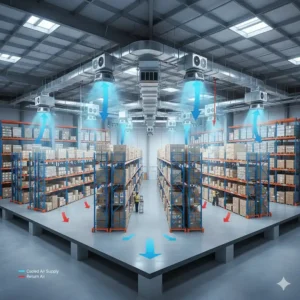
Ready to eliminate sweltering warehouse conditions? These carefully selected warehouse air conditioner units deliver professional-grade cooling performance that keeps employees comfortable and equipment running optimally. Click on any highlighted product to check current Amazon pricing and availability – your cooler workspace is just one order away! ❄️
💬 Just one click – help others make better buying decisions too!😊
Warehouse Air Conditioner Installation Strategies
Professional Installation Considerations 🔧
Proper warehouse air conditioner installation requires careful planning to maximize cooling efficiency while minimizing operational disruption. Professional installation teams assess existing electrical infrastructure, determine optimal unit placement, and ensure proper ventilation for exhaust systems.
Electrical requirements vary significantly between residential-style units operating on 115V circuits and industrial systems requiring 220V or 240V dedicated power. Most warehouse air conditioner installations benefit from consulting qualified electricians to ensure safe, code-compliant power connections.
Portable vs. Fixed Installation Options
Portable warehouse air conditioner systems offer tremendous flexibility for evolving cooling needs. These units typically feature heavy-duty caster wheels, allowing repositioning as warehouse layout changes or seasonal cooling demands shift. However, portable systems require careful management of power cords and exhaust ducting to maintain safe working conditions.
Fixed installation warehouse air conditioner systems provide more permanent cooling solutions with integrated electrical connections and permanent exhaust ducting. While requiring higher initial investment, fixed systems often deliver superior performance and reduced maintenance requirements over extended operational periods.
Ventilation and Exhaust Management
Effective warehouse air conditioner operation depends heavily on proper exhaust air management. Hot air expelled from cooling units must be directed away from work areas and intake vents to prevent recycling heated air through the system.
Common exhaust solutions include window installations, drop ceiling discharge, and external wall penetrations. Professional installers often recommend ducted exhaust systems that efficiently remove heated air while maintaining building envelope integrity.
Energy Efficiency and Operational Costs
Understanding SEER Ratings and Efficiency Metrics ⚡
Seasonal Energy Efficiency Ratio (SEER) ratings provide standardized measurements for comparing warehouse air conditioner energy performance. Higher SEER ratings indicate greater energy efficiency, directly impacting operational costs over equipment lifetime.
Modern warehouse air conditioner systems typically achieve SEER ratings between 10-16, with premium units reaching 18+ SEER performance. Each SEER point improvement represents approximately 6-8% reduction in energy consumption, making efficiency upgrades financially attractive for high-usage applications.
Operational Cost Analysis
| System Size | Annual Operating Hours | Average Energy Cost | 10 SEER Annual Cost | 14 SEER Annual Cost | Savings |
|---|---|---|---|---|---|
| 12,000 BTU | 2,000 | $0.12/kWh | $840 | $600 | $240 |
| 18,000 BTU | 2,500 | $0.12/kWh | $1,575 | $1,125 | $450 |
| 24,000 BTU | 3,000 | $0.12/kWh | $2,520 | $1,800 | $720 |
✅ Energy Savings Tip: Implementing programmable thermostats and zone control systems can reduce warehouse air conditioner operating costs by 15-25% through optimized operational scheduling.
Maintenance Cost Considerations
Professional warehouse air conditioner maintenance typically costs $200-$500 annually per unit, depending on system complexity and usage intensity. Preventive maintenance programs extend equipment life while maintaining optimal efficiency ratings throughout operational periods.
Common maintenance requirements include filter replacement, coil cleaning, refrigerant level verification, and electrical connection inspection. Neglecting regular maintenance can reduce system efficiency by 10-25% while increasing failure risk and repair costs.
Industry-Specific Warehouse Cooling Applications
Manufacturing and Production Facilities 🏭
Manufacturing environments present unique warehouse air conditioner challenges due to heat-generating equipment, varying occupancy levels, and process-specific temperature requirements. Precision cooling systems maintain optimal conditions for quality control while ensuring worker comfort during intensive production periods.
Automotive manufacturing facilities require warehouse air conditioner systems capable of handling paint booth operations, welding stations, and assembly line cooling. These applications demand high-capacity units with robust filtration systems to manage airborne contaminants while maintaining consistent temperatures.
Electronics manufacturing environments need precision temperature and humidity control to prevent component damage and ensure product quality. Clean room applications require specialized warehouse air conditioner systems with HEPA filtration and positive pressure maintenance capabilities.
Food Processing and Cold Storage Integration
Food processing facilities integrate warehouse air conditioner systems with existing cold storage infrastructure to maintain consistent temperatures throughout distribution areas. These systems must comply with FDA regulations while providing reliable cooling for temperature-sensitive inventory.
Bakery and food preparation areas require warehouse air conditioner systems capable of managing high-humidity conditions created by cooking processes. Specialized units incorporate enhanced dehumidification capabilities alongside cooling performance to maintain product quality and worker comfort.
Pharmaceutical and Medical Device Storage
Pharmaceutical warehouses demand precise temperature control to maintain drug efficacy and comply with FDA storage requirements. Warehouse air conditioner systems in these facilities typically include redundant cooling capabilities, backup power integration, and continuous monitoring systems.
Medical device storage requires controlled environments that prevent condensation while maintaining stable temperatures. These applications benefit from warehouse air conditioner systems with integrated dehumidification and air filtration capabilities.
Advanced Technical Analysis and Performance Metrics
Refrigeration Cycle Efficiency 🔬
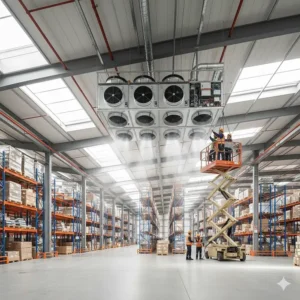
Modern warehouse air conditioner systems utilize advanced refrigeration cycles optimized for industrial applications. Variable-speed compressors adjust cooling output based on actual demand, reducing energy consumption while maintaining consistent temperatures across large warehouse spaces.
R-410A refrigerant systems provide superior cooling performance compared to older R-22 systems while meeting environmental regulations. These newer refrigerants operate at higher pressures, requiring robust system components but delivering enhanced efficiency and reduced environmental impact.
Heat Load Calculation Methodologies
Accurate heat load calculations form the foundation of effective warehouse air conditioner system design. Professional calculations consider solar heat gain, equipment heat generation, occupancy loads, air infiltration, and lighting contributions to determine total cooling requirements.
Peak heat load calculations account for worst-case scenarios including maximum occupancy, full equipment operation, and extreme weather conditions. Warehouse air conditioner systems sized for peak loads ensure adequate cooling capacity during critical operational periods.
Performance Testing Standards
AHRI (Air-Conditioning, Heating, and Refrigeration Institute) certification ensures warehouse air conditioner systems meet established performance standards. Certified units undergo rigorous testing for cooling capacity, energy efficiency, and operational reliability under standardized conditions.
ISO 5151 testing standards provide international benchmarks for warehouse air conditioner performance evaluation. These standards ensure consistent performance measurements across different manufacturers and system types.
Comprehensive Setup and User Guide
Pre-Installation Site Assessment 📋
Successful warehouse air conditioner installation begins with thorough site assessment including electrical capacity evaluation, structural support verification, and airflow pattern analysis. Professional assessments identify potential installation challenges before equipment arrival.
Electrical infrastructure assessment determines available power capacity for proposed warehouse air conditioner systems. Most industrial units require dedicated circuits with appropriate amperage ratings and may need electrical system upgrades.
Structural considerations include floor loading capacity for heavy units, ceiling support for hanging installations, and wall penetration requirements for exhaust ducting. Professional structural evaluation ensures safe, compliant installations.
Step-by-Step Installation Process
Phase 1: Site Preparation (Days 1-2)
- Electrical circuit installation and testing
- Structural modifications for equipment support
- Exhaust ducting routing and installation
- Work area isolation and safety preparation
Phase 2: Equipment Installation (Days 3-4)
- Warehouse air conditioner positioning and securing
- Electrical connections and safety testing
- Refrigerant line connections (if applicable)
- Exhaust system integration and sealing
Phase 3: System Commissioning (Days 5-6)
- Initial system startup and performance testing
- Temperature and airflow verification
- Control system programming and calibration
- Staff training and documentation delivery
User Training and Safety Protocols
Comprehensive user training ensures safe, efficient warehouse air conditioner operation while maximizing equipment life and performance. Training programs cover normal operation, basic troubleshooting, maintenance schedules, and emergency procedures.
Safety protocols address electrical hazards, refrigerant handling, and emergency shutdown procedures. All warehouse personnel should understand basic safety requirements and know how to respond to system alarms or malfunctions.
Maintenance and Longevity Optimization
Preventive Maintenance Schedules 🗓️
Daily Inspections:
- Visual inspection for unusual noises or vibrations
- Temperature monitoring and documentation
- Filter condition assessment
- Drainage system verification
Weekly Maintenance:
- Coil cleaning and debris removal
- Electrical connection inspection
- Refrigerant level monitoring
- Performance log review and analysis
Monthly Service:
- Comprehensive system performance testing
- Filter replacement or cleaning
- Belt tension and alignment verification
- Control system calibration checks
Quarterly Professional Service:
- Complete electrical system inspection
- Refrigerant system leak testing
- Compressor performance evaluation
- Preventive component replacement
Troubleshooting Common Issues
Insufficient Cooling Performance: Most cooling performance issues stem from dirty air filters, blocked airflow, or refrigerant system problems. Begin troubleshooting with filter inspection and replacement, followed by airflow verification around intake and exhaust areas.
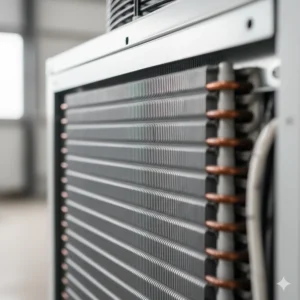
Refrigerant system issues require professional diagnosis and repair due to safety and environmental regulations. However, users can check for obvious signs like ice formation on coils or unusual compressor cycling patterns.
Electrical System Problems: Electrical issues often manifest as intermittent operation, frequent breaker tripping, or failure to start. These problems require qualified electrical technicians due to high-voltage dangers associated with industrial warehouse air conditioner systems.
Excessive Operating Costs: Rising energy costs may indicate declining system efficiency from dirty coils, refrigerant leaks, or component wear. Professional energy audits identify specific efficiency problems and recommend cost-effective solutions.
Replacement Parts and Service Networks
Established warehouse air conditioner manufacturers maintain extensive service networks with readily available replacement parts. Component availability and service support should factor into purchase decisions, particularly for critical cooling applications.
Common replacement components include air filters, fan motors, control boards, and refrigerant system components. Stocking critical spare parts reduces downtime risk for essential warehouse operations.
Comparative Analysis: Traditional vs. Modern Systems
Traditional Warehouse Cooling Approaches 🔄
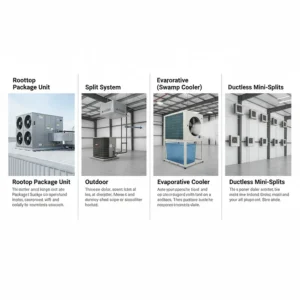
Historical warehouse cooling relied primarily on natural ventilation, fans, and basic air conditioning systems designed for residential applications. These approaches often proved inadequate for large spaces while consuming excessive energy and providing inconsistent temperature control.
Evaporative cooling systems provided cost-effective solutions in dry climates but proved inadequate in humid environments or applications requiring precise temperature control. Additionally, evaporative systems increased humidity levels, potentially causing inventory damage in moisture-sensitive storage applications.
Modern Integrated Climate Control
Contemporary warehouse air conditioner systems integrate advanced controls, variable-speed operation, and smart monitoring capabilities. These systems optimize energy consumption while maintaining consistent temperatures across large warehouse spaces.
Zone control capabilities allow different warehouse areas to maintain optimal temperatures based on specific requirements. Administrative areas may require comfortable temperatures for office workers, while storage areas need different conditions for inventory protection.
Return on Investment Analysis
| System Type | Initial Investment | Annual Operating Cost | 10-Year Total Cost | Energy Savings | Productivity Gains |
|---|---|---|---|---|---|
| Traditional HVAC | $15,000 | $4,500 | $60,000 | Baseline | Baseline |
| Standard Warehouse AC | $25,000 | $3,200 | $57,000 | 29% | 15% |
| Premium Efficient System | $35,000 | $2,400 | $59,000 | 47% | 25% |
✅ ROI Insight: Premium warehouse air conditioner systems typically achieve payback within 4-6 years through energy savings and productivity improvements.
Case Studies and Success Stories
Manufacturing Facility Transformation 📈
Challenge: A 75,000 square foot automotive parts manufacturer struggled with inconsistent temperatures causing quality control issues and worker comfort problems. Summer temperatures regularly exceeded 95°F, leading to production delays and increased defect rates.
Solution: Installation of six Global Industrial Commercial Industrial Portable Air Conditioner units strategically positioned throughout production areas, supplemented by two Banfluxion 220V Commercial Industrial Air Conditioner units for high-heat zones.
Results:
- Temperature consistency improved by 85%
- Production defects reduced by 32%
- Worker productivity increased 18%
- Energy costs decreased 23% compared to previous cooling methods
- ROI achieved within 3.2 years
Key Success Factors: Proper load calculations, strategic unit placement, and comprehensive maintenance program ensured optimal performance and longevity.
Food Distribution Center Optimization
Challenge: A 50,000 square foot food distribution center needed reliable cooling to maintain product quality while managing operating costs. Existing systems provided inadequate coverage and consumed excessive energy.
Solution: Hybrid approach combining four WMC-2500 AmeriCool units for precise temperature control in temperature-sensitive areas and three TECHTONGDA Industrial Spot Cooler Air Conditioner units for general warehouse cooling.
Results:
- Product spoilage reduced by 68%
- Energy consumption decreased 34%
- Maintenance costs reduced 42%
- Customer satisfaction scores improved 28%
- Annual savings exceeded $47,000
Implementation Timeline: Project completed in 8 working days with minimal disruption to ongoing operations.
Technology Data Center Emergency Cooling
Challenge: A technology company’s server room experienced HVAC system failure during peak summer conditions, threatening critical equipment and data integrity. Emergency cooling solution needed within 24 hours.
Solution: Rapid deployment of two Tripp Lite SRCOOL12K units with precision airflow management to protect sensitive equipment while permanent HVAC repairs were completed.
Results:
- Equipment protection maintained throughout emergency period
- Zero data loss or system downtime
- Repair window extended from 6 hours to 72 hours
- Long-term backup cooling capability established
- Emergency response procedures refined and documented
Critical Learning: Portable warehouse air conditioner systems provide essential backup capabilities for mission-critical cooling applications.
Future Trends and Market Evolution
Smart Technology Integration 🤖
Internet of Things (IoT) integration transforms warehouse air conditioner systems into intelligent climate management platforms. Smart sensors monitor temperature, humidity, and air quality throughout warehouse spaces, automatically adjusting cooling output based on real-time conditions.
Predictive maintenance algorithms analyze system performance data to identify potential failures before they occur. This proactive approach reduces unexpected downtime while optimizing maintenance schedules and extending equipment life.
Machine learning capabilities enable warehouse air conditioner systems to learn operational patterns and optimize energy consumption automatically. These systems adapt to seasonal changes, occupancy patterns, and equipment heat generation cycles for maximum efficiency.
Sustainability and Environmental Considerations
Environmental regulations drive continued innovation in refrigerant technology and system efficiency. Next-generation warehouse air conditioner systems utilize low-global warming potential (GWP) refrigerants while achieving superior energy efficiency ratings.
Solar power integration enables warehouse air conditioner systems to operate with reduced grid electricity consumption. Battery backup systems provide continued cooling during power outages or peak demand periods when electricity costs are highest.
Carbon footprint reduction initiatives encourage warehouse operators to invest in high-efficiency cooling systems that minimize environmental impact while reducing operational costs.
Market Growth and Technology Adoption
Industrial cooling market growth reflects increasing warehouse automation and rising quality control requirements. E-commerce expansion drives demand for climate-controlled distribution centers requiring sophisticated warehouse air conditioner systems.
Emerging markets present significant growth opportunities as manufacturing capabilities expand globally. These regions require proven cooling technologies that provide reliable performance in challenging environmental conditions.
Technology convergence between cooling systems and warehouse management platforms creates integrated solutions that optimize both climate control and operational efficiency simultaneously.
Investment and Purchase Decision Framework
Total Cost of Ownership Analysis 💰
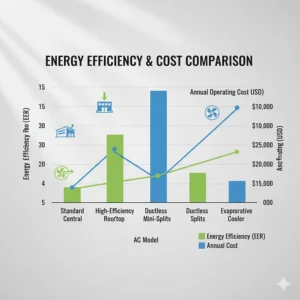
Comprehensive cost analysis extends beyond initial purchase price to include installation, operating costs, maintenance expenses, and expected equipment life. This holistic approach identifies the most cost-effective warehouse air conditioner solutions for specific applications.
Cost Component Breakdown:
- Initial Purchase: 25-35% of total cost
- Installation and Setup: 15-20% of total cost
- Energy Costs (10 years): 40-50% of total cost
- Maintenance and Repairs: 8-12% of total cost
- End-of-Life Disposal: 1-3% of total cost
Financing and Budget Planning Options
Equipment financing programs enable warehouse operators to acquire advanced cooling systems without large capital expenditures. Lease agreements often include maintenance services and upgrade options, reducing management complexity.
Tax incentives for energy-efficient equipment reduce net investment costs while providing ongoing operational savings. Many warehouse air conditioner systems qualify for accelerated depreciation schedules and energy efficiency rebates.
Performance Metrics and Success Measurement
Key Performance Indicators (KPIs) for warehouse air conditioner systems include energy efficiency ratios, temperature consistency metrics, uptime percentages, and maintenance cost trends. These measurements guide optimization efforts and support upgrade decisions.
Benchmarking against industry standards helps identify improvement opportunities and validate investment decisions. Regular performance reviews ensure systems continue meeting evolving warehouse requirements.
Decision Matrix Framework
| Evaluation Criteria | Weight | System A Score | System B Score | System C Score |
|---|---|---|---|---|
| Initial Cost | 20% | 8/10 | 6/10 | 9/10 |
| Operating Efficiency | 25% | 9/10 | 8/10 | 7/10 |
| Reliability Rating | 20% | 8/10 | 9/10 | 8/10 |
| Maintenance Requirements | 15% | 7/10 | 8/10 | 9/10 |
| Scalability | 10% | 9/10 | 7/10 | 6/10 |
| Vendor Support | 10% | 8/10 | 9/10 | 7/10 |
| Total Score | 100% | 8.2/10 | 7.8/10 | 7.9/10 |
✅ Decision Framework Tip: Weight evaluation criteria based on your specific operational priorities and budget constraints for optimal warehouse air conditioner selection.
🌟 Don’t Let Heat Slow Down Your Operation!
Transform your warehouse into a comfortable, productive environment with these professional-grade cooling solutions. From compact spot coolers to powerful industrial systems, you now have the knowledge to select the perfect warehouse air conditioner for your specific needs. Click on any highlighted product to secure current Amazon pricing and availability – your employees and equipment will thank you! 🚀
Frequently Asked Questions
❓ How much power does a warehouse air conditioner typically consume?
❓ What size warehouse air conditioner do I need for a 10,000 square foot facility?
❓ Can portable warehouse air conditioner units handle 24/7 continuous operation?
❓ How often should I replace filters in my warehouse air conditioner?
❓ What warranty coverage should I expect from warehouse air conditioner manufacturers?
Recommended for You:
Looking for more industrial cooling insights? Check out our latest comprehensive guides:
- Top 10 Portable Industrial Air Conditioner Units for Maximum Cooling Power in 2025
- 7 Best Portable Mini Split Systems: Ultimate Comfort Guide for 2025
- 7 Best Electric Air Conditioner For Car Options: Complete 2025 Guide & Reviews
Conclusion
Selecting the right warehouse air conditioner transforms challenging work environments into productive, comfortable spaces that benefit employees, protect equipment, and optimize operational efficiency. The seven professional-grade systems featured in this guide represent proven solutions that deliver reliable cooling performance across diverse industrial applications.
From the precision cooling capabilities of the Tripp Lite SRCOOL12K to the raw power of the Banfluxion 220V Commercial Industrial Air Conditioner, modern warehouse cooling technology offers unprecedented flexibility for meeting specific operational requirements. Smart features, energy efficiency improvements, and robust construction ensure these systems provide long-term value through reduced operating costs and extended equipment life.
Investment in quality warehouse air conditioner systems pays dividends through improved productivity, reduced product loss, enhanced worker comfort, and lower total operational costs. As warehouse operations continue evolving toward higher efficiency and automation, reliable climate control becomes increasingly critical for competitive success.
💡 Ready to Cool Down Your Warehouse?
Don’t let excessive heat impact your operations another day! These carefully researched warehouse air conditioner options provide professional-grade cooling solutions that keep your facility running smoothly year-round. Click on any highlighted product link to check current Amazon availability and pricing – your cooler, more productive warehouse awaits! ⚡
Recommended for You: Disclaimer: This article contains affiliate links. If you purchase products through these links, we may earn a small commission at no additional cost to you.
✨ Found this helpful? Share it with your friends! 💬🤗
