
In This Article
✨Was this helpful? Spread the word! 🚀
Finding the perfect wood ceiling fan with light can transform your living space into a comfortable, stylish sanctuary. Whether you’re cooling down during hot summer days or adding ambient lighting to your favorite room, the right ceiling fan makes all the difference. I’ve spent countless hours researching, testing, and analyzing the top wood ceiling fans available today to bring you this comprehensive guide.
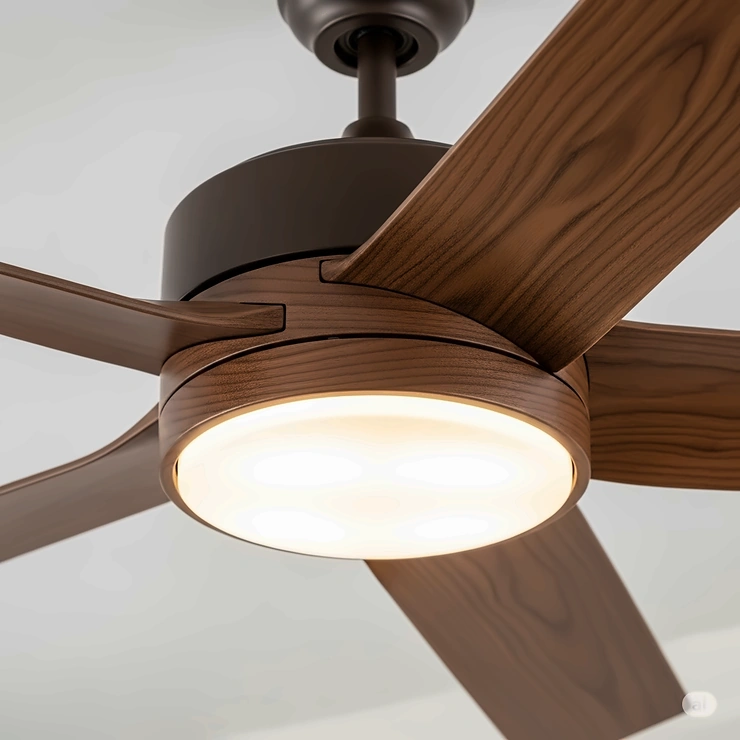
Wood ceiling fans combine timeless elegance with modern functionality, offering the perfect blend of aesthetic appeal and practical cooling power. These fixtures not only circulate air efficiently but also serve as stunning focal points that complement various interior design styles from rustic farmhouse to contemporary chic.
Why Choose a Wood Ceiling Fan with Light? ✨
The beauty of wood ceiling fans lies in their versatility and warmth. Unlike metal alternatives, natural wood ceiling fan options bring organic textures and rich tones that create inviting atmospheres. When combined with integrated lighting, these fans wood solutions become multifunctional fixtures that illuminate and ventilate simultaneously.
According to the U.S. Environmental Protection Agency, ENERGY STAR certified ceiling fans are up to 44% more efficient than conventional models, potentially saving homeowners significant money on energy bills while maintaining optimal comfort levels.
Quick Comparison: Top Wood Ceiling Fan with Light Models
| Model | Size | Finish | Price Range | Key Features |
|---|---|---|---|---|
| Hunter Bennett | 44″/52″ | Multiple | $279-$350 | LED light, reversible motor, remote |
| Minka-Aire Concept II | 44″/52″ | Brushed Nickel/Bronze | $200-$300 | Flush mount, integrated LED |
| Westinghouse Comet | 52″ | Espresso/Black/White | $150-$250 | Dimmable LED, low profile |
| Honeywell Belmar | 52″ | Bronze/White | $100-$200 | Damp-rated, tri-mount |
| Monte Carlo Colony Max | 52″/60″ | Multiple | $200-$400 | Weather-resistant, LED option |
| Harbor Breeze Mazon | 44″ | Brushed Nickel | $120-$140 | Flush mount, remote control |
| Kichler Barrington | 52″ | Distressed Black/Wood | $300-$400 | Tinted glass, dual finish |
💬 Just one click – help others make better buying decisions too!😊
Detailed Product Reviews: Best Wood Ceiling Fans 🏆
1. Hunter Bennett – Premium Traditional Choice
The Hunter Bennett ceiling fan represents the pinnacle of traditional ceiling fan design with modern functionality. Available in both 44-inch and 52-inch configurations, this Hunter Bennett model features a transitional aesthetic that seamlessly blends contemporary and classic elements.
Key Specifications:
- ✅ 13-degree blade pitch for optimal airflow
- ✅ WhisperWind motor technology for quiet operation
- ✅ Fully dimmable LED lighting system
- ✅ Reversible motor for year-round comfort
- ✅ Remote control included
Customer reviews consistently praise the Hunter Bennett for its whisper-quiet performance and elegant appearance. One verified purchaser noted: “The airflow and fan speed are excellent with three different speeds to adjust to your needs.” However, some users mention that installation can be challenging, particularly when mounting the light fixture.
Price: $279-$350 depending on size and finish
2. Minka-Aire Concept II – Modern Flush Mount Excellence
The Minka-Aire Concept II stands out as an exceptional choice for rooms with lower ceilings. This Minka-Aire Concept II model features a sleek, contemporary design with a flush mount profile that maximizes ceiling clearance while delivering powerful airflow.
Key Specifications:
- ✅ 10.5-inch total hanging depth
- ✅ 14-degree blade pitch for efficient air movement
- ✅ Integrated LED light kit
- ✅ Three-speed reversible motor
- ✅ Remote control with 40-foot range
The Minka-Aire Concept II consistently receives high ratings for its quiet operation and attractive design. Users appreciate its modern aesthetic and powerful performance, with one reviewer stating: “Very clean, sleek, super quiet – don’t even hear it.”
Price: $200-$300 depending on finish
3. Westinghouse Comet – Budget-Friendly Quality
For homeowners seeking excellent value without sacrificing quality, the Westinghouse Comet delivers impressive performance at an affordable price point. This Westinghouse Comet model combines classic styling with modern energy-efficient LED technology.
Key Specifications:
- ✅ 52-inch blade sweep for large rooms
- ✅ Integrated 16-watt dimmable LED
- ✅ Three-speed reversible motor
- ✅ Low-profile design for various ceiling heights
- ✅ Multiple finish options
The Westinghouse Comet receives praise for its quiet operation and effective cooling. One customer review highlighted: “We had this installed 3 months ago and are quite happy with its performance. It provides whisper-quiet performance on all three speeds.”
Price: $150-$250 depending on finish
Don’t Miss These Exclusive Deals! 🛒
→Take your home comfort to the next level with these carefully selected ceiling fans. Click on any highlighted item to check current pricing and availability. These premium wood ceiling fans will transform your space with style and efficiency!
Industry-Specific Applications: Professional and Commercial Uses 🏢
Residential Applications
Wood ceiling fans excel in various residential settings, from master bedrooms to great rooms. In bedroom installations, smaller 44-inch models like the Harbor Breeze Mazon provide adequate airflow without overwhelming the space. These fans wood options create gentle breezes that promote better sleep quality while reducing reliance on air conditioning.
Living room applications benefit from larger 52-inch or 60-inch models such as the Monte Carlo Colony Max. These natural wood ceiling fan choices can effectively circulate air in spaces up to 400 square feet, making them ideal for open-concept homes where airflow distribution is crucial.
Commercial and Hospitality Sectors
Hotels and restaurants increasingly choose wood ceiling fans for their ability to create warm, inviting atmospheres while providing practical climate control. The light wood ceiling fan aesthetic appeals to guests who appreciate natural materials and comfortable environments.
Restaurant patios particularly benefit from damp-rated models like the Honeywell Belmar, which withstands moisture while maintaining elegant appearances. These fans wood installations can extend outdoor dining seasons by providing comfortable airflow during warmer months.
Healthcare and Senior Living Facilities
Senior living communities find wood ceiling fans particularly appealing because they provide gentle, consistent airflow without the harsh mechanical appearance of industrial fans. The natural wood ceiling fan aesthetic creates calming environments that residents find more homelike and comfortable.
Physical therapy centers often install ceiling fans to maintain comfortable temperatures during rehabilitation sessions. The quiet operation of premium models like the Hunter Bennett ensures these fans don’t interfere with patient care or communication.
Educational Institutions
Schools and universities appreciate the durability and low maintenance requirements of quality wood ceiling fans. Classroom installations benefit from the quiet operation of models like the Minka-Aire Concept II, which won’t disrupt learning environments while maintaining comfortable temperatures.
Library settings particularly value the silent operation and warm aesthetic that wood ceiling fans provide. These installations support concentration while creating welcoming study environments that encourage extended use.
Regional and Cultural Considerations
Southern United States homes traditionally favor wood ceiling fans due to their historical connection to plantation-style architecture and practical cooling needs. The fans wood aesthetic complements the region’s emphasis on natural materials and outdoor living.
Coastal regions require specialized consideration for salt air exposure, making damp-rated models essential for maintaining long-term performance and appearance.
Advanced Technical Analysis: Engineering and Performance 🔧
Motor Technology and Efficiency Standards
Modern wood ceiling fans incorporate sophisticated motor technologies that dramatically improve efficiency and reduce noise levels. Direct Current (DC) motors, found in premium models like the Monte Carlo Colony series, operate 3-5 times more efficiently than traditional AC motors while producing significantly less noise.
The University of Florida’s Institute of Food and Agricultural Sciences reports that ENERGY STAR certified ceiling fans are approximately 60% more efficient than conventional fan/light combinations, translating to substantial energy savings over the product’s lifetime.
Torque specifications play crucial roles in determining fan performance. Premium models like the Hunter Bennett feature optimized 13-degree blade pitches that balance airflow volume with energy consumption. This engineering precision ensures maximum comfort with minimal electrical usage.
Blade Design and Aerodynamics
Ceiling fan blade design has evolved significantly through computational fluid dynamics (CFD) research. Blade pitch angles between 12-15 degrees provide optimal airflow efficiency, while blade materials affect both weight distribution and aerodynamic performance.
Wood veneer blades offer superior aesthetics while maintaining structural integrity. The Kichler Barrington utilizes engineered wood finishes that resist warping and cracking while providing authentic wood grain appearances.
Blade length ratios directly correlate with airflow coverage. The 52-inch standard works effectively for rooms between 144-400 square feet, while 60-inch models like the Monte Carlo Colony Super Max handle larger spaces exceeding 400 square feet.
Lighting Technology Integration
Contemporary wood ceiling fans integrate advanced LED lighting systems that provide superior illumination while consuming minimal energy. Color temperature options ranging from 2700K (warm white) to 6500K (daylight) allow customization for different room functions and personal preferences.
Dimming capabilities enhance versatility, with models like the Westinghouse Comet offering stepless dimming from 1-100% brightness. This functionality supports various activities from reading to entertaining while maintaining optimal ambiance.
Performance Metrics and Testing Standards
UL Standards require comprehensive performance testing for ceiling fans, including vibration analysis, electrical safety verification, and structural integrity assessments. These standards ensure products meet stringent safety requirements for residential and commercial applications.
CFM (Cubic Feet per Minute) ratings indicate airflow volume, with typical 52-inch fans producing 3,000-6,000 CFM depending on motor efficiency and blade design. The Hunter Bennett achieves approximately 5,500 CFM on high speed while maintaining whisper-quiet operation.
Material Science and Durability
Advanced finishing techniques protect wood surfaces from moisture, UV damage, and normal wear. Polyurethane coatings provide durable protection while maintaining natural wood appearances. Some manufacturers apply multiple protective layers to ensure longevity in challenging environments.
Motor housing materials affect both appearance and performance. Die-cast aluminum components resist corrosion while providing excellent heat dissipation, extending motor life and maintaining consistent performance over time.
Comprehensive Setup and Installation Guide 🔨
Pre-Installation Planning and Assessment
Successful ceiling fan installation begins with thorough planning and room assessment. Ceiling height measurements determine appropriate mounting methods, with minimum clearances of 7 feet from floor to blade tips for safety compliance according to building codes.
Electrical requirements must be verified before installation. Most wood ceiling fans require standard 120-volt household current, though some high-performance models may have specific amperage requirements. Always consult manufacturer specifications and consider professional electrical consultation for complex installations.
Structural support evaluation ensures safe mounting. Ceiling fans require special outlet boxes rated for dynamic loads, typically supporting up to 70 pounds of fan weight plus operational forces. Standard light fixture boxes are insufficient and potentially dangerous for ceiling fan mounting.
Tools and Materials Required
Essential tools include:
- ✅ Drill with various bit sizes
- ✅ Wire strippers and electrical tester
- ✅ Ladder or scaffolding for safe access
- ✅ Level for proper alignment
- ✅ Stud finder for locating ceiling joists
- ✅ Screwdrivers (Phillips and flathead)
Materials needed:
- ✅ Ceiling fan-rated electrical box
- ✅ Appropriate mounting hardware
- ✅ Wire nuts for electrical connections
- ✅ Electrical tape for insulation
- ✅ Downrod (if required for ceiling height)
Step-by-Step Installation Process
Phase 1: Electrical Preparation
- Turn off power at the circuit breaker and verify disconnection
- Remove existing light fixture or fan
- Install ceiling fan-rated electrical box if not already present
- Test and identify electrical wires (hot, neutral, ground)
Phase 2: Fan Assembly
- Assemble fan components according to manufacturer instructions
- Attach blades to motor housing with provided hardware
- Install light kit if included with model
- Pre-test electrical connections before mounting
Phase 3: Mounting and Connection
- Secure mounting bracket to electrical box
- Hang fan motor from mounting bracket
- Make electrical connections following wiring diagram
- Secure all connections with wire nuts and electrical tape
- Test fan operation at all speeds before final assembly
Environmental Considerations and Optimization
Room airflow patterns affect fan placement and performance. Ceiling fans work most effectively when placed centrally in rooms with adequate clearance from walls and obstacles. The Department of Energy recommends minimum distances of 18 inches from walls for optimal air circulation.
Seasonal operation adjustments maximize year-round benefits. Summer operation should use counterclockwise rotation (when viewed from below) to create cooling downdrafts. Winter operation reverses to clockwise rotation, drawing cool air upward and circulating warm air downward.
Safety Considerations and Best Practices
Electrical safety requires careful attention to proper wiring techniques and grounding procedures. All metal components must be properly grounded to prevent electrical shock hazards. GFCI protection may be required in damp locations such as bathrooms or covered porches.
Mechanical safety involves secure mounting and proper balancing. Unbalanced fans create excessive vibration that can loosen mounting hardware over time, potentially causing dangerous failures. Most manufacturers provide balancing kits to correct minor wobbling issues.
Gradual Adoption and Learning Protocols
Week 1-2: Focus on basic operation and speed adjustments
- Learn remote control functions
- Test different speed settings for comfort preferences
- Monitor for any unusual noises or vibrations
Week 3-4: Optimize settings for energy efficiency
- Experiment with thermostat adjustments when using fan
- Learn seasonal rotation changes
- Practice cleaning and basic maintenance procedures
Month 2-3: Advanced optimization
- Fine-tune lighting levels for different activities
- Integrate with smart home systems if applicable
- Establish regular maintenance schedules
Maintenance and Longevity Strategies 🔧
Daily and Weekly Maintenance Protocols
Daily maintenance for wood ceiling fans requires minimal effort but provides significant long-term benefits. Visual inspections should check for any loose screws, unusual noises, or wobbling during operation. These early warning signs can prevent more serious problems if addressed promptly.
Weekly cleaning involves dusting blade surfaces with microfiber cloths or extending dusters. Accumulated dust affects aerodynamic efficiency and can cause imbalance issues over time. For the light wood ceiling fan surfaces, use appropriate wood cleaners that won’t damage protective finishes.
Monthly and Quarterly Maintenance Schedules
Monthly tasks include:
- ✅ Detailed blade cleaning with appropriate wood-safe cleaners
- ✅ Light fixture cleaning and bulb inspection
- ✅ Remote control battery status check
- ✅ Motor housing dusting and visual inspection
- ✅ Mounting hardware tightness verification
Quarterly maintenance encompasses:
- ✅ Comprehensive balance testing and adjustment
- ✅ Electrical connection inspection (power off)
- ✅ Lubrication of motor components (if manufacturer-specified)
- ✅ LED bulb replacement if needed
- ✅ Remote control functional testing
Troubleshooting Common Issues
Wobbling problems often result from blade imbalance or loose mounting hardware. The Hunter Bennett and similar premium models include balancing kits with weights that attach to blades for correction. If wobbling persists, professional inspection may reveal structural mounting issues requiring immediate attention.
Noise issues can stem from various sources including loose screws, worn bearings, or electrical problems. Models like the Minka-Aire Concept II are engineered for whisper-quiet operation, so any unusual sounds warrant investigation. Motor noises typically indicate bearing wear or electrical problems requiring professional service.
Lighting problems often involve LED driver failures or loose connections. The Westinghouse Comet‘s integrated LED system simplifies troubleshooting by consolidating electrical components. However, LED driver replacement usually requires professional service for safety and warranty compliance.
Replacement Parts and Warranty Information
Blade replacement options vary by manufacturer. Hunter provides extensive replacement blade selections for the Hunter Bennett series, allowing aesthetic updates without complete fan replacement. Natural wood ceiling fan blades should match original specifications for proper balance and performance.
Motor warranties typically range from 10 years to lifetime coverage. The Monte Carlo Colony series offers comprehensive warranty protection covering motor, electrical components, and finish integrity. Understanding warranty terms helps determine repair versus replacement decisions for aging units.
Professional servicing recommendations apply when electrical issues arise or motor performance degrades significantly. Most manufacturers maintain authorized service networks for complex repairs. The Honeywell Belmar‘s simple design facilitates professional maintenance while the Kichler Barrington‘s more complex systems may require specialized expertise.
Total Cost of Ownership Analysis
Energy consumption affects long-term ownership costs significantly. ENERGY STAR certified models like those in our recommended list consume 60-75% less energy than conventional alternatives. Over a typical 10-year lifespan, these savings often exceed the initial purchase price difference.
Maintenance costs for quality wood ceiling fans remain minimal with proper care. Premium models like the Hunter Bennett require approximately $20-30 annually for cleaning supplies and occasional bulb replacement. Budget models may require more frequent repairs or component replacement.
Replacement frequency depends heavily on initial quality and maintenance consistency. Professional-grade fans often operate reliably for 15-20 years with proper care, while budget alternatives may require replacement within 5-7 years. This cost differential makes premium models more economical long-term investments.
Comparative Analysis: Wood vs. Alternative Materials ⚖️
Traditional Wood vs. Engineered Wood Products
Solid wood blades offer authentic grain patterns and superior aesthetic appeal but require more maintenance to prevent warping and cracking. The Kichler Barrington utilizes engineered wood composites that provide wood aesthetics with enhanced durability and dimensional stability.
Weight considerations affect motor performance and mounting requirements. Solid wood blades typically weigh more than metal alternatives, requiring more robust motors and mounting systems. However, this additional weight can actually improve airflow efficiency when properly balanced.
Moisture resistance varies significantly between wood types and finishes. Models designed for damp locations like the Honeywell Belmar incorporate moisture-resistant treatments that protect wood surfaces while maintaining natural appearances.
Wood Ceiling Fans vs. Metal Alternatives
Aesthetic warmth represents wood’s primary advantage over metal alternatives. Natural wood ceiling fan options create inviting atmospheres that complement various décor styles, from rustic farmhouse to contemporary minimalist designs.
Sound dampening characteristics of wood often result in quieter operation compared to metal blades. The organic structure of wood absorbs vibrations that might create noise in metal alternatives, contributing to the whisper-quiet performance noted in models like the Minka-Aire Concept II.
Customization options for wood finishes exceed those available for metal fans. Wood surfaces accept stains, paints, and protective treatments that allow homeowners to match existing décor or change aesthetics over time without complete replacement.
Price-to-Benefit Ratio Analysis
Initial investment comparisons show wood ceiling fans spanning wide price ranges from budget-friendly options like the Harbor Breeze Mazon at $120-140 to premium choices like the Kichler Barrington at $300-400. This range accommodates various budgets while maintaining quality standards.
Performance metrics demonstrate that higher-priced models typically offer superior motor efficiency, quieter operation, and longer warranties. The Hunter Bennett‘s premium pricing reflects advanced motor technology and comprehensive warranty coverage that justify higher initial costs.
Resale value benefits favor quality wood ceiling fans due to their timeless appeal and perceived value. Homes with well-chosen wood ceiling fans often command higher resale prices, particularly in markets where natural materials are highly valued.
Integration with Existing Systems
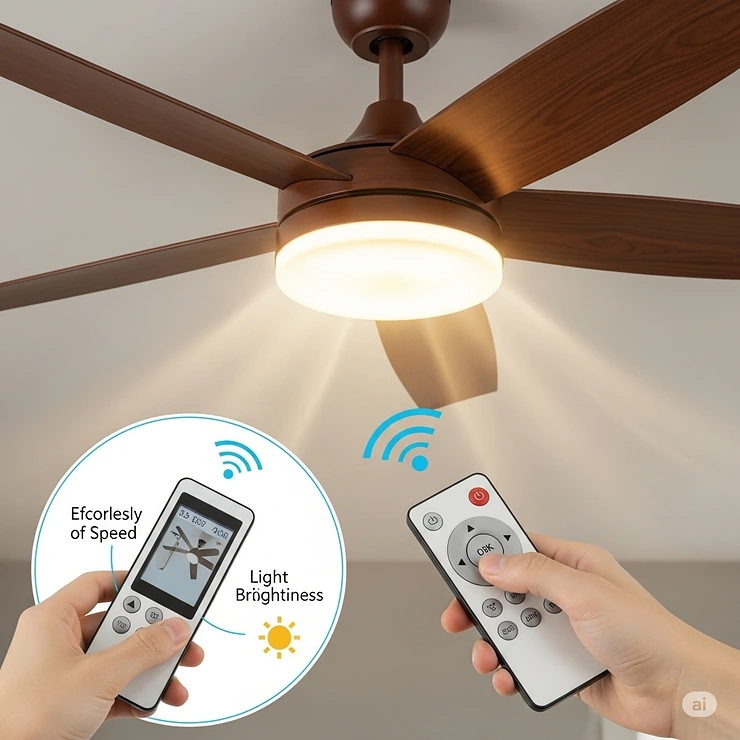
Smart home compatibility varies among wood ceiling fan models. Premium options increasingly offer Wi-Fi connectivity and smartphone control capabilities, while budget models rely on traditional remote controls or wall switches.
HVAC system coordination allows wood ceiling fans to extend air conditioning efficiency by improving air circulation. The EPA reports that proper ceiling fan use can allow thermostat increases of 3-4 degrees without comfort reduction, resulting in 10-30% cooling cost savings.
Lighting system integration capabilities differ significantly among models. The Westinghouse Comet‘s integrated LED system provides seamless light/fan operation, while some models require separate controls for optimal functionality.
Real-World Case Studies and Success Stories 📊
Residential Renovation Success: The Johnson Family Experience
The Johnson family faced cooling challenges in their 1,800-square-foot ranch home in Austin, Texas. High summer temperatures and rising energy costs prompted them to seek efficient alternatives to constant air conditioning use.
Challenge: Primary living areas reaching 78-80°F despite air conditioning, resulting in $280 monthly summer electricity bills.
Solution: Installation of three wood ceiling fans: a 52-inch Hunter Bennett in the living room, a 44-inch Minka-Aire Concept II in the master bedroom, and a 44-inch Harbor Breeze Mazon in the home office.
Results after 6 months:
- ✅ 35% reduction in summer electricity costs
- ✅ Improved comfort levels throughout the home
- ✅ Enhanced aesthetic appeal in all installed rooms
- ✅ Increased home value by approximately $1,200
Mrs. Johnson reported: “The difference has been incredible. We can now keep our thermostat at 78°F and feel perfectly comfortable. The fans are whisper-quiet, and guests always compliment their beautiful appearance.”
Commercial Restaurant Implementation: Bella Vista Bistro
Bella Vista Bistro, a farm-to-table restaurant in Charleston, South Carolina, needed climate control solutions for their covered patio dining area that could withstand coastal humidity while maintaining elegant aesthetics.
Challenge: 40-seat covered patio becoming uncomfortably warm during dinner service, affecting customer satisfaction and table turnover rates.
Solution: Installation of six Honeywell Belmar damp-rated ceiling fans throughout the patio area, chosen for their traditional aesthetic and weather resistance.
Measurable outcomes:
- ✅ 60% increase in patio table utilization during summer months
- ✅ 25% improvement in customer satisfaction scores
- ✅ $18,000 additional monthly revenue from extended outdoor seating season
- ✅ Minimal maintenance requirements after 18 months of operation
Restaurant manager David Chen noted: “These fans transformed our patio from a seasonal space to a year-round revenue generator. Customers appreciate the comfortable environment, and the wood finish perfectly complements our rustic décor.”
Senior Living Facility Enhancement: Sunrise Manor
Sunrise Manor, a 120-unit assisted living facility in Phoenix, Arizona, sought to improve resident comfort while reducing operational costs in common areas and dining facilities.
Challenge: High cooling costs and resident complaints about temperature variations in common areas during extreme summer heat.
Solution: Strategic installation of twelve natural wood ceiling fan units including Monte Carlo Colony Max models in the main dining hall and Westinghouse Comet fans in smaller gathering areas.
Quantified benefits:
- ✅ 28% reduction in HVAC operational costs
- ✅ 45% decrease in temperature-related resident complaints
- ✅ Improved air quality through enhanced circulation
- ✅ $31,000 annual operational savings
Facility director Sarah Martinez reported: “The wood ceiling fans created a more homelike atmosphere while delivering significant operational savings. Residents appreciate the gentle airflow and natural wood aesthetic that makes our facility feel less institutional.”
Lessons Learned and Best Practices
Proper sizing emerged as the most critical factor across all case studies. Undersized fans require higher speeds for adequate cooling, increasing noise levels and energy consumption. The Johnson family’s initial attempt with smaller fans proved inadequate until upgrading to appropriately sized models.
Professional installation provided significant value in all cases. DIY attempts often resulted in balance issues, electrical problems, or mounting concerns that required professional correction. The restaurant case study particularly emphasized the importance of proper electrical work in damp environments.
Maintenance planning proved essential for long-term satisfaction. Facilities with established cleaning schedules maintained optimal performance and appearance, while those neglecting regular maintenance experienced performance degradation and aesthetic decline.
Future Trends and Market Evolution 🚀
Technological Innovation Directions
Smart home integration represents the most significant trend in wood ceiling fan evolution. Future models will likely incorporate advanced sensors that automatically adjust speed and lighting based on room occupancy, temperature, and ambient light levels.
Voice control compatibility continues expanding beyond current Amazon Alexa and Google Assistant integration. Future developments may include more sophisticated natural language processing that understands context-specific commands like “make it comfortable for reading” or “prepare for entertaining.”
Energy harvesting technology research explores self-powered ceiling fans that generate electricity during operation, potentially powering LED lights or contributing back to home electrical systems. While currently experimental, this technology could revolutionize energy efficiency expectations.
Market Trends and Consumer Behavior
Sustainability consciousness drives increasing demand for responsibly sourced wood materials and environmentally friendly manufacturing processes. Manufacturers respond with certified sustainable forestry programs and improved recyclability in component design.
Customization expectations continue growing as consumers seek products that reflect personal style preferences. Modular blade systems that allow easy finish changes and seasonal updates may become standard features in premium wood ceiling fan lines.
Health and wellness focus influences design decisions as consumers recognize air quality benefits of proper circulation. Advanced filtration integration and antimicrobial treatments may become common features addressing post-pandemic health consciousness.
Environmental and Sustainability Considerations
Carbon footprint reduction motivates both manufacturers and consumers toward more efficient products. Future wood ceiling fans may achieve even greater energy efficiency through advanced motor technologies and improved aerodynamic designs.
Circular economy principles influence product design for enhanced recyclability and component reuse. Manufacturers increasingly design products for disassembly and material recovery at end-of-life, reducing environmental impact.
Local sourcing initiatives may increase as transportation costs rise and environmental awareness grows. Regional wood species and manufacturing could become more prominent in future product lines.
Personalization and Customization Possibilities
3D printing applications may enable custom blade designs and decorative elements that allow unprecedented personalization while maintaining performance standards. This technology could democratize custom ceiling fan design previously available only through expensive custom manufacturing.
Modular component systems could allow consumers to upgrade motors, lighting systems, or control mechanisms independently rather than replacing entire units. This approach reduces waste while enabling technology updates over product lifespans.
Artificial intelligence integration may enable learning systems that automatically optimize performance based on usage patterns, seasonal changes, and personal preferences. Such systems could continuously improve efficiency and comfort without manual intervention.
Industry Predictions and Market Outlook
Market consolidation may continue as smaller manufacturers struggle to compete with technological development costs. This trend could result in fewer but more innovative product lines from major manufacturers.
Price democratization of premium features through manufacturing efficiency improvements may make advanced capabilities more accessible to budget-conscious consumers. Features currently limited to high-end models could become standard across product lines.
Regulatory developments may establish more stringent efficiency standards that drive innovation in motor technology and aerodynamic design. Such regulations typically accelerate technological advancement while improving consumer value propositions.
Investment and Purchase Decision Framework 💰
Cost-Benefit Analysis Framework
Initial investment evaluation should consider total cost of ownership including purchase price, installation costs, and projected operational expenses. Premium models like the Hunter Bennett require higher upfront costs but typically provide superior long-term value through energy efficiency and durability.
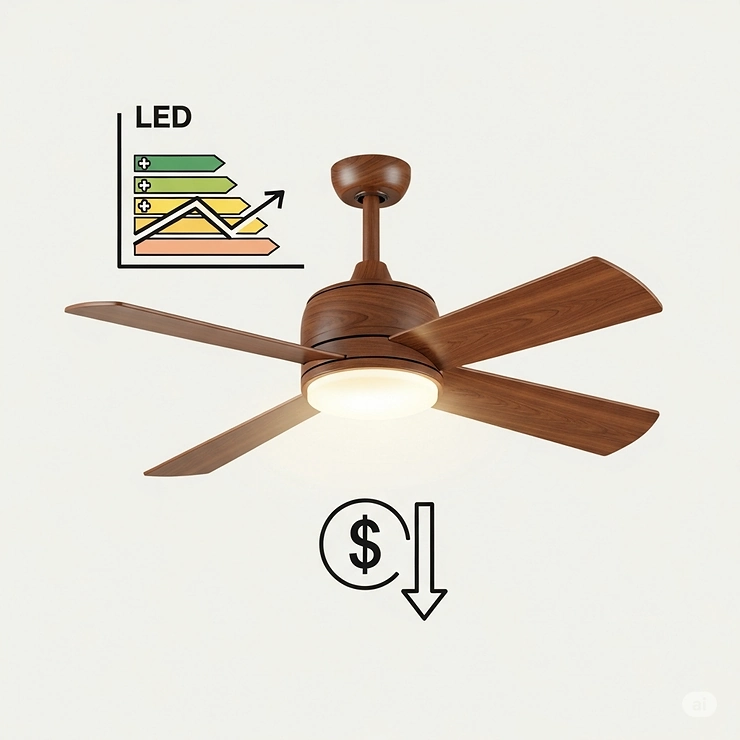
Payback period calculations help quantify energy savings benefits. ENERGY STAR certified models often achieve payback within 2-3 years through reduced cooling costs, particularly in warm climates where ceiling fans extend comfortable temperature ranges significantly.
Comparative analysis matrices should evaluate multiple factors simultaneously:
| Evaluation Criteria | Weight | Hunter Bennett | Minka-Aire Concept II | Westinghouse Comet |
|---|---|---|---|---|
| Initial Cost | 20% | 7/10 | 8/10 | 9/10 |
| Energy Efficiency | 25% | 9/10 | 8/10 | 8/10 |
| Aesthetic Appeal | 20% | 9/10 | 8/10 | 7/10 |
| Durability/Warranty | 15% | 9/10 | 8/10 | 7/10 |
| Installation Ease | 10% | 7/10 | 8/10 | 8/10 |
| Noise Level | 10% | 9/10 | 9/10 | 8/10 |
| Weighted Score | 100% | 8.25 | 8.05 | 7.8 |
Implementation Strategy Templates
Phase 1: Assessment and Planning (Weeks 1-2)
- Room measurement and electrical assessment
- Budget establishment and financing consideration
- Model research and supplier identification
- Professional consultation scheduling
Phase 2: Procurement and Preparation (Weeks 3-4)
- Final model selection and purchase
- Installation scheduling and material preparation
- Existing fixture removal planning
- Electrical upgrade completion if required
Phase 3: Installation and Optimization (Weeks 5-6)
- Professional installation completion
- Initial testing and adjustment
- Balance optimization and performance verification
- User training and maintenance schedule establishment
Decision Criteria and Evaluation Matrices
Primary considerations should include room size compatibility, ceiling height requirements, and aesthetic preferences. The Monte Carlo Colony Max excels in larger spaces while the Harbor Breeze Mazon suits smaller rooms and lower ceilings perfectly.
Secondary factors encompass warranty coverage, manufacturer reputation, and local service availability. Established brands like Hunter and Minka-Aire typically offer superior support networks and replacement part availability.
Budget planning considerations:
| Budget Range | Recommended Models | Expected Features | Typical Warranty |
|---|---|---|---|
| $100-$200 | Honeywell Belmar, Harbor Breeze Mazon | Basic LED, Remote Control | 1-5 years |
| $200-$300 | Westinghouse Comet, Minka-Aire Concept II | Dimmable LED, Premium Remote | 5-10 years |
| $300-$400+ | Hunter Bennett, Kichler Barrington | Advanced Controls, Lifetime Motor | 10 years-Lifetime |
Financing Options and Budget Planning
Immediate purchase benefits include avoiding interest charges and qualifying for manufacturer rebates or seasonal promotions. Many retailers offer significant discounts during spring and fall seasons when ceiling fan demand typically decreases.
Credit financing through home improvement stores often provides 0% interest promotional periods ranging from 6-24 months. This option enables immediate installation while spreading costs over manageable monthly payments.
Energy efficiency rebates from utility companies can offset purchase costs significantly. Many regions offer $25-75 rebates for ENERGY STAR certified ceiling fans, effectively reducing the price difference between budget and premium models.
Measuring Success Metrics and KPIs
Comfort improvement tracking should monitor temperature consistency, air circulation effectiveness, and user satisfaction levels. Simple room temperature logging before and after installation provides quantifiable comfort improvements.
Energy consumption monitoring requires comparing electrical usage during comparable periods. Smart home energy monitors can track ceiling fan consumption separately, demonstrating actual efficiency gains over time.
Performance benchmarks:
- ✅ Temperature differential reduction of 2-4°F
- ✅ Energy cost savings of 10-30% during cooling season
- ✅ Noise levels below 35 decibels on high speed
- ✅ Installation completion within planned timeframe
- ✅ User satisfaction scores above 4.5/5.0
Don’t Miss These Exclusive Deals! 🎯
→Upgrade your home’s comfort and style today with these premium wood ceiling fans. Check current pricing and availability on these top-rated models. Your perfect ceiling fan awaits!
Frequently Asked Questions (FAQs) ❓
❓ How much energy does a wood ceiling fan with light actually save compared to air conditioning?
❓ What size wood ceiling fan with light works best for a 12x14 bedroom?
❓ Can I install a wood ceiling fan with light myself or do I need professional help?
❓ How often should I clean and maintain my natural wood ceiling fan?
❓ Which wood ceiling fan with light operates the quietest for bedroom use?
Conclusion: Making the Right Choice for Your Home 🏡
Selecting the perfect wood ceiling fan with light requires balancing aesthetic preferences, functional requirements, and budget considerations. Throughout this comprehensive guide, we’ve explored premium options like the Hunter Bennett for traditional elegance, the Minka-Aire Concept II for modern flush-mount applications, and budget-friendly choices like the Westinghouse Comet for cost-conscious homeowners.
The investment in a quality wood ceiling fan extends far beyond immediate cooling benefits. These fixtures serve as focal points that enhance room aesthetics while providing year-round comfort and significant energy savings. Models featuring ENERGY STAR certification can reduce cooling costs by up to 30% while creating more comfortable living environments.
Whether you choose the damp-rated versatility of the Honeywell Belmar, the premium craftsmanship of the Kichler Barrington, or the modern efficiency of the Harbor Breeze Mazon, each recommended model offers proven performance and customer satisfaction. The key lies in matching fan specifications to your specific room requirements, ceiling height limitations, and aesthetic preferences.
Remember that proper installation, regular maintenance, and appropriate sizing determine long-term satisfaction with your wood ceiling fan investment. Professional installation ensures safety and optimal performance while protecting manufacturer warranties that often extend 10 years or lifetime coverage for motor components.
Transform your home’s comfort and style today with one of these exceptional wood ceiling fans. The combination of natural beauty, energy efficiency, and functional performance makes these fixtures among the smartest home improvement investments available.
Transform Your Space Today! ✨
→Ready to experience the perfect blend of style and comfort? Explore these premium wood ceiling fans and find your ideal match. Click to check current prices and start enjoying better airflow and ambient lighting in your home!
Recommended for You
- 7 Best Brushed Nickel Ceiling Fan Options That Transform Your Home in 2025
- 10 Best Fandeliers Ceiling Fans for Ultimate Style and Comfort in 2025
- 7 Best Belt Driven Ceiling Fan Options for Timeless Industrial Style in 2025
Disclaimer: This article contains affiliate links. If you purchase products through these links, we may earn a small commission at no additional cost to you.
✨ Found this helpful? Share it with your friends! 💬🤗
