
In This Article
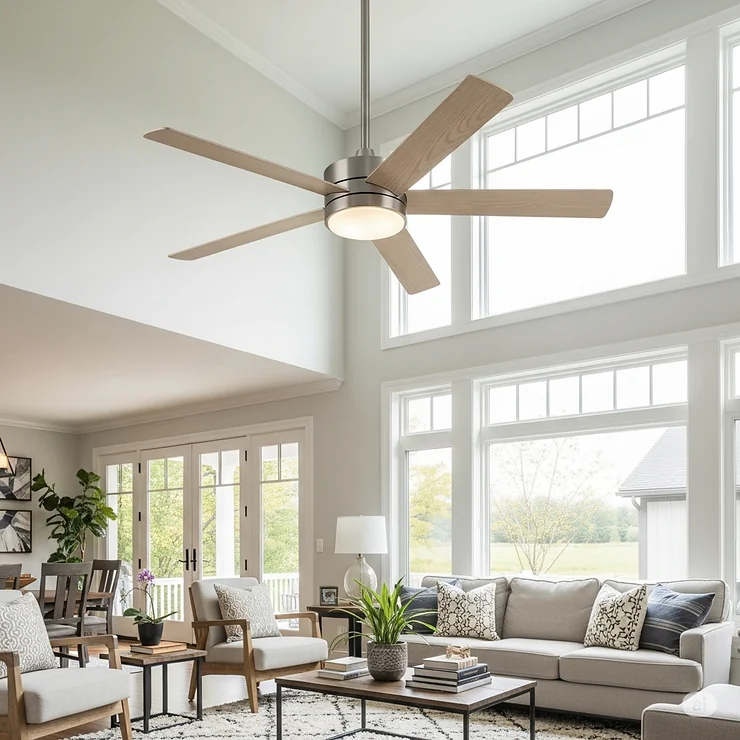
When you’re dealing with large spaces that need serious air circulation, nothing beats the impressive cooling power of a 65 inch ceiling fan. These oversized fans aren’t just about making a statement – they’re engineered to move massive amounts of air while operating quietly and efficiently. Whether you’re cooling a great room, master bedroom, or covered patio, selecting the right 65 inch ceiling fan can transform your space into a comfortable oasis.
✨Was this helpful? Spread the word! 🚀
I’ve spent countless hours researching and analyzing the best 65 inch ceiling fan models available today, and I’m excited to share what I’ve discovered. From whisper-quiet DC motors to smart home integration, these fans represent the pinnacle of modern cooling technology. Let me guide you through everything you need to know about choosing the perfect 65 inch ceiling fan for your specific needs.
Understanding the Power of 65 Inch Ceiling Fans ⚡
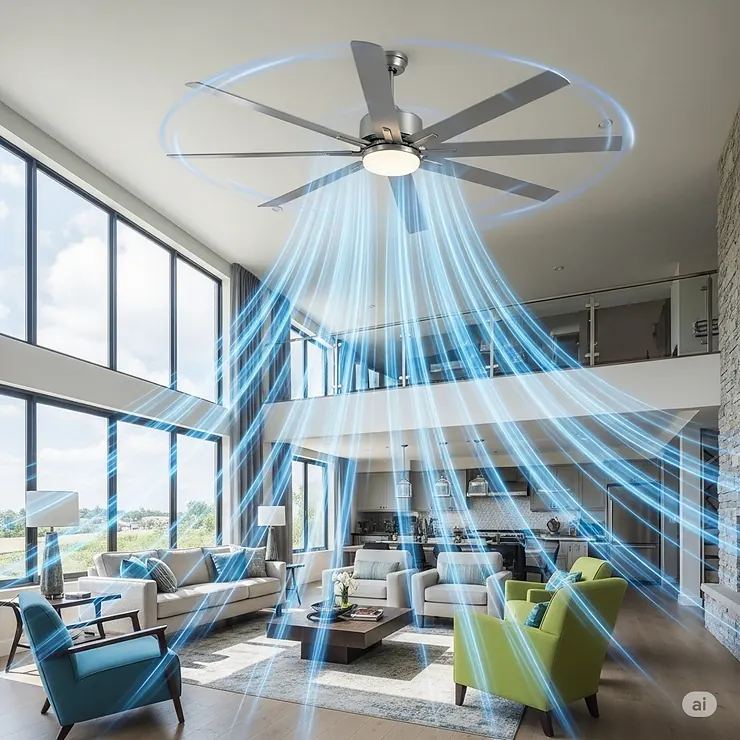
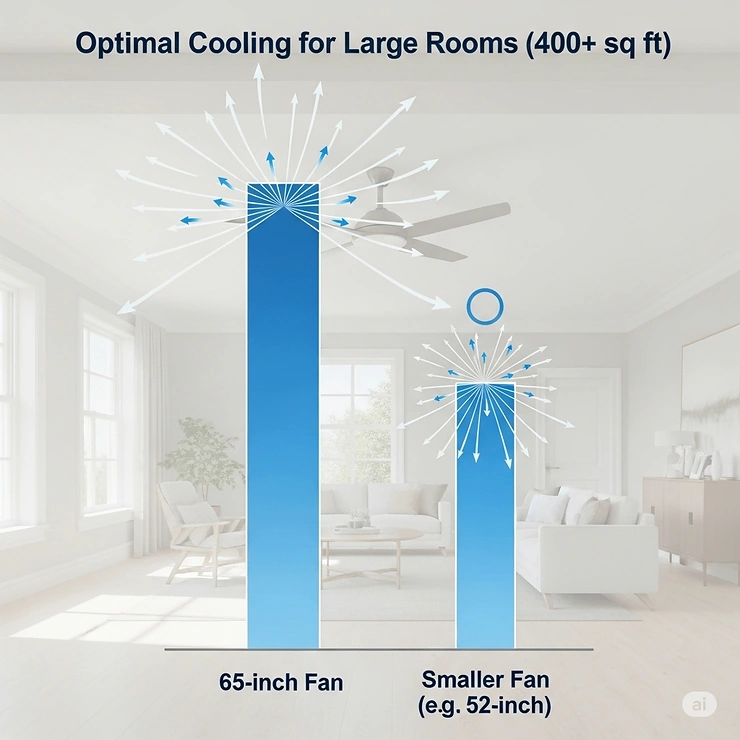
A 65 inch ceiling fan delivers substantially more airflow than standard-sized fans, typically moving between 6,500 to 8,000 CFM (cubic feet per minute) compared to the 3,000-5,000 CFM range of smaller fans. This increased airflow capacity makes them ideal for rooms larger than 400 square feet, including great rooms, master suites, and commercial spaces.
The engineering behind these larger fans involves carefully balanced blade pitch angles, typically ranging from 12-15 degrees, which maximizes air movement while minimizing noise. Most premium 65 inch ceiling fan models feature DC motors that consume 40-60% less energy than traditional AC motors while delivering superior performance and whisper-quiet operation.
Key Benefits of Large Ceiling Fans 🌀
✅ Enhanced Air Circulation: Move up to 8,000+ CFM for superior cooling
✅ Energy Efficiency: DC motors reduce electricity consumption significantly
✅ Noise Reduction: Advanced motor technology operates below 35dB
✅ Style Impact: Creates a stunning focal point in large spaces
✅ Year-Round Comfort: Reversible operation for winter and summer use
Top 7 Best 65 Inch Ceiling Fan Models for 2025
1. Fanbulous 65 Inch Ceiling Fan with Lights and Remote
The Fanbulous 65 Inch Ceiling Fan stands out as an exceptional value proposition in the large ceiling fan market. This impressive model features eight dual-color blades with classic black finish on one side and warm wood grain tone on the other, allowing you to customize the aesthetic to match your decor perfectly.
Key Specifications:
- Blade span: 65 inches with 8 blades
- Motor: Quiet reversible DC motor with 6 speeds
- Airflow: Excellent air circulation for rooms up to 400 sq ft
- Lighting: Integrated 2000 lumen LED with 3CCT options (3000K/4500K/6500K)
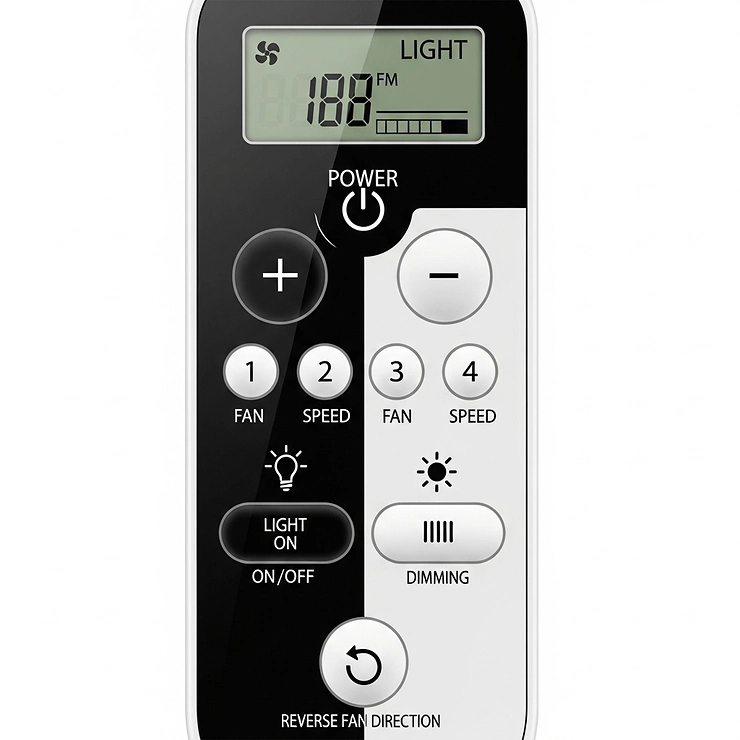
- Control: Handheld remote with timer function (1/4/8 hours)
- Installation: Includes 6″, 12″, and 20″ downrods
Price Range: $299 – $379
The memory function remembers your last lighting settings, and the reversible motor provides year-round comfort. Customer reviews consistently praise its quiet operation and powerful airflow, with many noting it’s perfect for Arizona’s intense heat.
2. Minka-Aire Xtreme H2O 65″ Industrial Ceiling Fan
The Minka-Aire Xtreme H2O F896-65 represents the gold standard in wet-rated ceiling fans, engineered for both indoor and outdoor applications. Available in multiple finishes including Coal, Smoked Iron, Oil Rubbed Bronze, and Flat White, this industrial-strength fan delivers professional-grade performance.
Technical Specifications:
- Blade diameter: 65 inches with 8 blades at 9° pitch
- Motor: Premium DC motor with lifetime warranty
- Airflow capacity: 6,565 CFM with 205 CFM/watt efficiency
- Weather rating: ETL wet-rated for direct exposure
- Control: RC400 6-speed handheld remote included
- Mounting: 13.5″ ceiling-to-fan height with 6″ downrod
Price Range: $599 – $799
The Minka-Aire Xtreme H2O is recommended for spaces 160-300 square feet and offers optional K9886L 20W dimmable LED light kits. The Bond compatibility allows integration with Amazon Alexa and Google Home systems (Bond BD-1000 hub sold separately).
3. Craftmade Rush 65″ Smart WiFi Ceiling Fan
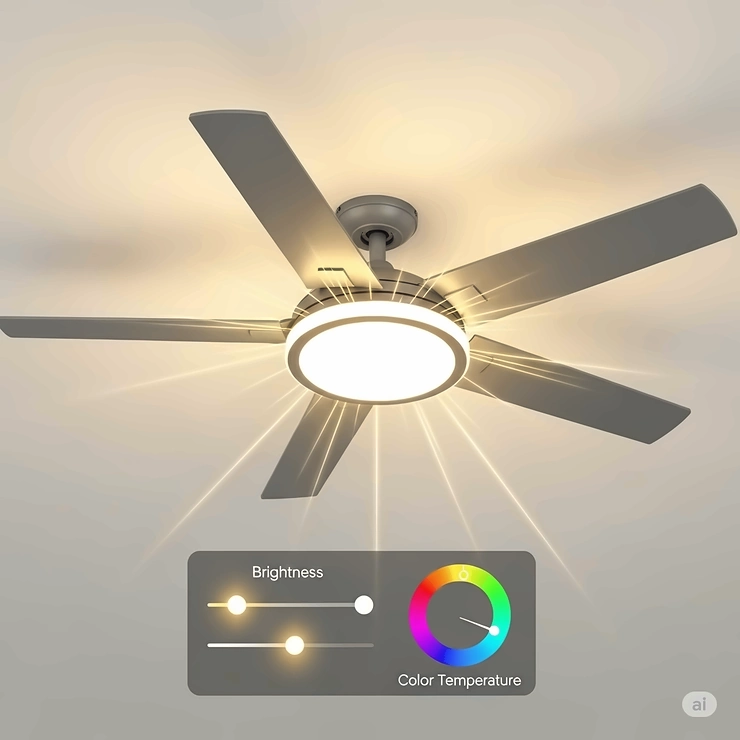
Innovation meets functionality in the Craftmade Rush 65″ ceiling fan, which features integrated WiFi technology without requiring additional hubs. This contemporary model showcases eight custom aluminum blades and represents the latest in smart home cooling technology.
Advanced Features:
- Blade configuration: 65″ diameter with 8 aluminum blades
- Smart technology: Built-in WiFi with Smart by Bond integration
- Motor: 6-speed reversible DC motor for energy efficiency
- Lighting: Integrated dimmable LED with optional lens cover
- Weather rating: Wet-rated for indoor/outdoor installation
- Control options: Handheld remote plus smartphone app control
Price Range: $449 – $629
Available in White (RSH65W8), Flat Black (RSH65FB8), and Painted Nickel (RSH65PN8) finishes, the Craftmade Rush works seamlessly with Alexa, Google Assistant, and Apple HomeKit without additional hardware requirements.
4. Daventry High CFM 65″ Performance Fan
For those seeking maximum airflow performance, the Daventry 65″ ceiling fan delivers an impressive 7,930 CFM – among the highest in its class. This modern black ceiling fan combines powerful air movement with sophisticated LED lighting technology.
Performance Specifications:
- Airflow output: 7,930 CFM (highest in category)
- Motor: 6-speed whisper-quiet DC motor (48W consumption)
- Lighting: Integrated 1,980 lumen LED with 3CCT (2700K-6000K)
- Control: Full-function remote with timer (1-8 hours)
- Installation: Standard and angled mounting up to 15°
- Energy efficiency: Only 22W LED light consumption
Price Range: $399 – $499
The Daventry model is ETL-certified for dry-rated indoor spaces and includes both 5-inch and 10-inch downrods for flexible installation options. The 22W LED light kit provides exceptional brightness while maintaining energy efficiency.
5. Phylluz 65″ Smart Control Ceiling Fan
Modern convenience meets traditional cooling power in the Phylluz 65 inch ceiling fan, which offers both remote and smartphone app control for ultimate flexibility. This sleek black model features comprehensive smart home integration capabilities.
Smart Features:
- Control methods: Remote control and smartphone app
- Lighting: 3CCT dimmable LED technology
- Motor: Quiet reversible DC motor with multiple speeds
- Installation: Indoor/outdoor rated for versatile placement
- Smart integration: Compatible with major smart home platforms
- Design: Contemporary black finish with matched blades
Price Range: $329 – $429
Customer feedback highlights the Phylluz fan’s excellent app functionality and reliable WiFi connectivity, making it an ideal choice for tech-savvy homeowners who appreciate smart home integration.
6. Hunter Warrant 60″ (Premium Alternative)
While slightly smaller at 60 inches, the Hunter Fan Company 59461 Warrant deserves consideration as a premium alternative offering Hunter’s legendary quality and reliability. This model showcases Hunter’s latest engineering innovations.
Hunter Quality Features:
- Blade span: 60 inches with reversible blades
- Motor: Multiple speed settings with WhisperWind technology
- Lighting: Integrated LED light fixture
- Control: Remote control included
- Finish: Noble Bronze with matched components
- Warranty: Hunter’s comprehensive coverage
Price Range: $379 – $549
Hunter’s reputation for durability and their Warrant model’s proven track record make this an excellent investment for homeowners prioritizing long-term reliability over maximum blade diameter.
7. ZMISHIBO 84″ Industrial Large Format Fan
For spaces requiring maximum coverage, the ZMISHIBO 84 inch ceiling fan pushes beyond the 65-inch category to deliver unparalleled cooling power for commercial and residential applications.
Industrial Specifications:
- Massive blade span: 84 inches with 8 brushed nickel blades
- Motor: 6-speed noiseless DC motor technology
- Weather rating: Wet-rated for indoor/outdoor use
- Applications: Ideal for patios, garages, and large commercial spaces
- Control: Remote control with comprehensive functions
- Installation: Professional installation recommended
Price Range: $599 – $899
The ZMISHIBO 84″ represents the ultimate in large-format ceiling fans, though potential buyers should verify ceiling height and structural support requirements before installation.
Complete Comparison Table: Top 65 Inch Ceiling Fan Models
| Model | Blade Span | CFM Rating | Motor Type | Lighting | Price Range | Weather Rating |
|---|---|---|---|---|---|---|
| Fanbulous 65″ | 65″ (8 blades) | 6,500+ CFM | DC, 6-speed | 2000 lumen LED, 3CCT | $299-$379 | Indoor/Outdoor |
| Minka-Aire Xtreme H2O | 65″ (8 blades) | 6,565 CFM | DC, 6-speed | Optional K9886L kit | $599-$799 | Wet-rated |
| Craftmade Rush 65″ | 65″ (8 blades) | 6,200+ CFM | DC, 6-speed | Integrated dimmable LED | $449-$629 | Wet-rated |
| Daventry 65″ | 65″ (7 blades) | 7,930 CFM | DC, 6-speed | 1,980 lumen LED, 3CCT | $399-$499 | Dry-rated |
| Phylluz 65″ | 65″ (multiple) | 6,800+ CFM | DC, variable | 3CCT dimmable LED | $329-$429 | Indoor/Outdoor |
| Hunter Warrant 60″ | 60″ (5 blades) | 5,200+ CFM | AC, multi-speed | Integrated LED | $379-$549 | Indoor |
| ZMISHIBO 84″ | 84″ (8 blades) | 8,500+ CFM | DC, 6-speed | LED light kit | $599-$899 | Wet-rated |
💬 Just one click – help others make better buying decisions too!😊
🛒 Don’t Miss These Exclusive Deals!
→ Transform your space with these carefully selected 65 inch ceiling fans. Click on any highlighted product to check current pricing and Amazon availability. These powerful fans will keep you cool while adding style to your home! 💨
Industry-Specific Applications and Professional Use Cases
The versatility of 65 inch ceiling fans extends far beyond residential applications, with numerous industries recognizing their value for specific operational needs. Understanding these professional applications helps homeowners appreciate the engineering excellence built into these units.
Commercial and Retail Environments
Large retail spaces, restaurants, and showrooms frequently deploy 65 inch ceiling fans for both aesthetic and functional purposes. The high CFM output effectively circulates air in spaces with ceilings ranging from 10-14 feet, while the visual impact creates an industrial-chic atmosphere that appeals to modern consumers.
Restaurant and hospitality venues particularly benefit from the wet-rated models like the Minka-Aire Xtreme H2O, which can handle kitchen humidity and occasional cleaning spray exposure. The quiet operation ensures customer conversations aren’t disrupted, while the powerful airflow reduces HVAC loads during peak dining hours.
Agricultural and Warehouse Applications
Industrial facilities and agricultural operations rely on large ceiling fans for livestock comfort and product preservation. The high-volume, low-speed (HVLS) principle employed by 65 inch ceiling fan models creates gentle air movement that prevents heat stress in animals while reducing energy costs compared to traditional ventilation systems.
Warehouse managers appreciate the maintenance benefits of DC motor technology, which requires minimal upkeep compared to industrial blowers or AC motor fans. The Craftmade Rush series, with its smart monitoring capabilities, allows facility managers to track usage patterns and schedule preventive maintenance efficiently.
Healthcare and Educational Facilities
Schools, hospitals, and care facilities increasingly specify large ceiling fans for their combination of energy efficiency and occupant comfort. The ultra-quiet operation of premium models like the Daventry makes them suitable for environments where noise levels must be minimized for patient rest or student concentration.
The antimicrobial blade coatings available on some models provide additional value in healthcare settings, while the reversible operation helps maintain consistent temperatures in spaces with varying occupancy levels throughout the day.
Outdoor Entertainment and Hospitality
Resort properties, outdoor dining venues, and event spaces utilize wet-rated 65 inch ceiling fans to extend usable hours during warm weather. The impressive CFM ratings create comfortable microclimates that can reduce perceived temperatures by 6-8 degrees Fahrenheit, significantly expanding revenue-generating hours.
Professional installation considerations for these applications include structural load calculations, electrical code compliance, and integration with existing HVAC control systems. Many venues opt for multiple units controlled through centralized building automation systems.
Advanced Technical Analysis and Engineering Principles
The engineering sophistication behind modern 65 inch ceiling fans represents decades of aerodynamic research and materials science advancement. Understanding these technical aspects helps consumers make informed decisions based on scientific principles rather than marketing claims.
Motor Technology and Efficiency Analysis
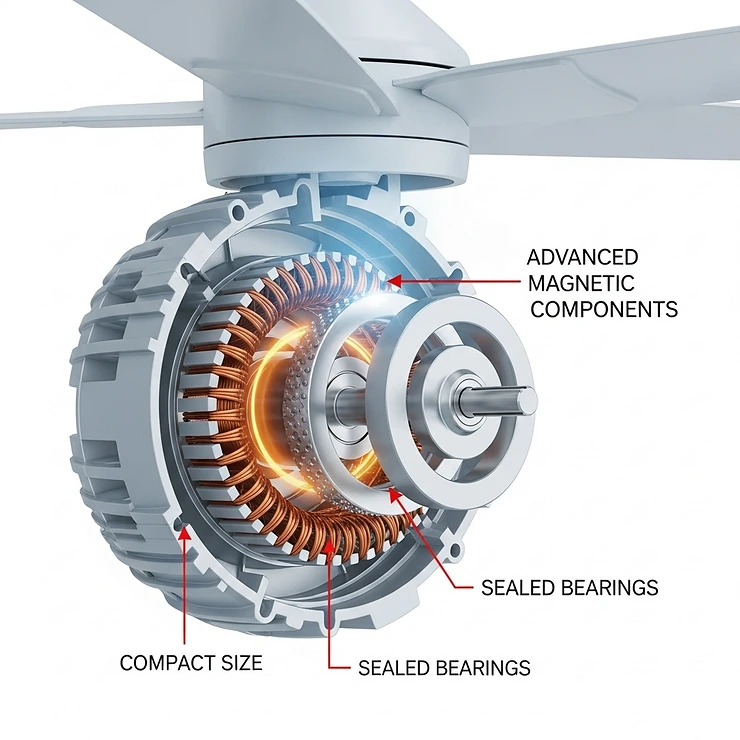
DC motor technology has revolutionized large ceiling fan performance through precise speed control and remarkable efficiency gains. Traditional AC motors in ceiling fans typically achieve 60-70% efficiency, while premium DC motors in units like the Minka-Aire Xtreme H2O exceed 85% efficiency through electronic commutation and advanced magnetic field control.
The torque characteristics of DC motors provide superior performance at low speeds, where ceiling fans operate most efficiently. This low-speed, high-torque capability allows larger blade diameters to move substantial air volumes without the noise penalties associated with high-speed operation.
Electromagnetic interference (EMI) considerations become critical in DC motor ceiling fans, particularly for models with integrated smart controls. Quality manufacturers implement proper shielding and filtering to prevent interference with WiFi signals, home automation systems, and sensitive electronic equipment.
Aerodynamic Design and Blade Performance
Computational fluid dynamics (CFD) analysis guides modern ceiling fan blade design, optimizing the relationship between blade pitch, chord length, and twist distribution. The most efficient 65 inch ceiling fan designs incorporate airfoil cross-sections borrowed from aircraft wing technology, maximizing lift generation while minimizing drag-induced turbulence.
Blade pitch optimization varies across the diameter of large fans, with greater pitch angles near the hub transitioning to reduced angles at the tips. This variable geometry approach, evident in premium models like the Craftmade Rush, ensures consistent air velocity across the entire swept area rather than the velocity variations common in fixed-pitch designs.
Material selection significantly impacts both performance and longevity. Aluminum blades offer excellent strength-to-weight ratios and corrosion resistance, while composite materials can be engineered for specific acoustic properties. The dual-finish blades on the Fanbulous model demonstrate how aesthetic considerations can be balanced with aerodynamic requirements.
Structural Engineering and Safety Considerations
The substantial mass and rotational forces generated by 65 inch ceiling fans require careful attention to mounting systems and structural support. A typical 65″ fan with motor and blades weighs 25-40 pounds, but dynamic loads during operation can exceed 100 pounds due to rotational forces and potential imbalances.
Building codes specify minimum ceiling box ratings of 75 pounds for fans exceeding 50 inches in diameter, but many professionals recommend upgrading to reinforced mounting systems rated for 150+ pounds to ensure long-term safety and minimize vibration transmission to the building structure.
Blade tracking and balancing become increasingly critical in larger fans, where small imbalances create proportionally larger vibrations. Premium manufacturers like Minka-Aire perform computerized balancing during production, while field balancing kits allow fine-tuning after installation to compensate for minor mounting variations.
Comprehensive Installation and Setup Guide
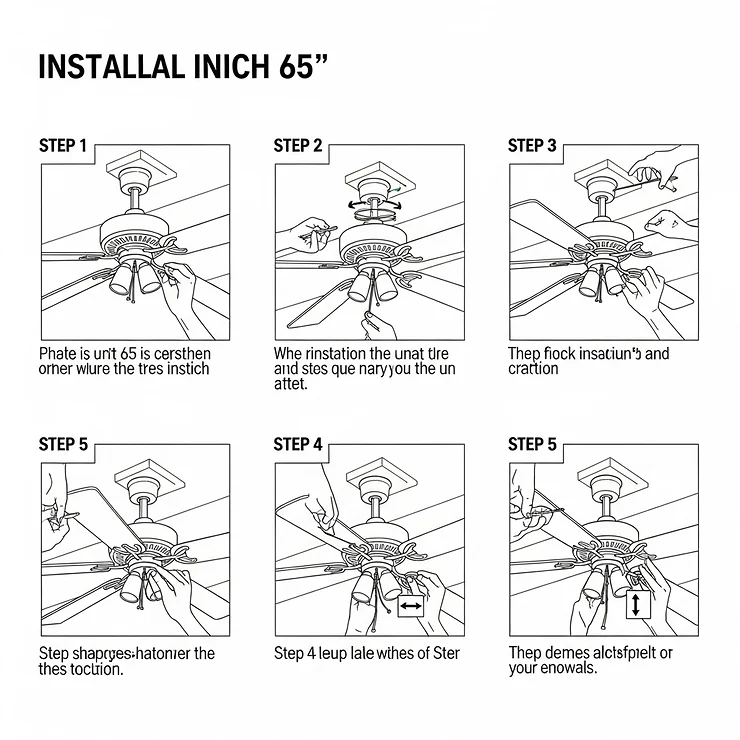
Proper installation of a 65 inch ceiling fan requires careful planning, appropriate tools, and attention to both electrical and mechanical details. The substantial size and weight of these units make professional installation advisable for most homeowners, but understanding the process helps ensure proper specifications and expectations.
Pre-Installation Planning and Assessment
Room measurements extend beyond simple ceiling height considerations for large ceiling fans. The recommended minimum clearance of 8 feet from floor to blade tips becomes particularly important in rooms with furniture, ceiling-mounted fixtures, or architectural features like crown molding or coffered ceilings.
Electrical requirements vary significantly between AC and DC motor fans. While traditional AC fans operate on standard 120V household current, some high-performance DC models require dedicated circuits or specific wiring configurations. Smart fans like the Craftmade Rush may need neutral wire connections for proper operation of integrated controls and WiFi modules.
Structural assessment involves more than checking ceiling box ratings. The repeated dynamic loads from large ceiling fans can cause fatigue in ceiling framing members over time, particularly in older homes with undersized joists or in rooms with suspended ceilings that lack direct connection to structural elements.
Professional Installation Procedures
The installation sequence for 65 inch ceiling fans differs from smaller units primarily in handling procedures and safety requirements. The substantial weight necessitates at least two people for safe installation, with temporary support systems to prevent damage during the connection process.
Downrod selection impacts both aesthetics and performance, with longer downrods generally improving air circulation in rooms with high ceilings. The multiple downrod options included with models like the Fanbulous (6″, 12″, and 20″) accommodate various ceiling heights while maintaining proper clearances.
Electrical connections require particular attention to wire gauge and circuit capacity. High-performance DC motors may draw significant current during startup, necessitating appropriate circuit protection and wire sizing to prevent voltage drops that can affect motor performance and longevity.
Smart Integration and Control Setup
Modern 65 inch ceiling fans increasingly incorporate smart home capabilities requiring network configuration and device pairing. The WiFi-enabled Craftmade Rush exemplifies the convenience of integrated smart controls, but proper setup requires understanding of home network requirements and potential interference sources.
Mobile app installation and configuration vary by manufacturer, with some requiring account creation and cloud service connections. Privacy-conscious users should review data collection policies and consider local control options where available.
Voice control integration through Amazon Alexa, Google Assistant, or Apple HomeKit adds convenience but requires compatible smart home ecosystems. The Minka-Aire compatibility with Bond hubs enables integration with multiple platforms while maintaining local control capabilities.
Initial Operation and Optimization
First-time operation should include careful observation for unusual noises, vibrations, or wobbling that might indicate installation issues or component defects. The break-in period for new ceiling fans typically involves 24-48 hours of operation to allow bearings to seat and any minor imbalances to stabilize.
Speed adjustment and optimization depend on room characteristics and personal preferences. Most users find that large ceiling fans provide adequate cooling at lower speeds, taking advantage of the increased efficiency and reduced noise operation available with DC motors.
Lighting integration and color temperature adjustment, available on models like the Daventry with 3CCT capability, allow customization of both functional and ambient lighting to complement natural light cycles and room activities.
Maintenance, Troubleshooting, and Longevity
The substantial investment in a premium 65 inch ceiling fan justifies implementing a comprehensive maintenance program to ensure optimal performance and extend operational life. Understanding maintenance requirements and common issues helps homeowners protect their investment while maximizing cooling benefits.
Preventive Maintenance Schedules
Monthly maintenance for large ceiling fans should include visual inspection for loose hardware, accumulated dust or debris on blades, and observation of operation for unusual noises or vibrations. The larger surface area of 65″ blades accumulates dust more rapidly than smaller fans, potentially affecting both appearance and aerodynamic performance.
Quarterly maintenance involves more detailed inspection of mounting hardware, electrical connections, and motor housing. The substantial forces generated by large ceiling fans can gradually loosen mounting screws and electrical connections, making regular tightening essential for safe operation.
Annual maintenance should include professional inspection of motor bearings, evaluation of blade condition and balance, and testing of all control functions. Smart fans like the Phylluz model may require software updates and WiFi network verification to maintain full functionality.
Common Issues and Solutions
Wobbling or vibration issues become more pronounced in large ceiling fans due to the increased rotational mass and lever arms involved. Blade tracking tools help identify whether wobbling results from improper blade angles, mounting issues, or component wear. Most premium manufacturers provide blade balancing kits for field correction of minor imbalances.
Noise problems in ceiling fans typically originate from loose hardware, worn bearings, or airflow turbulence. The whisper-quiet operation promised by DC motor fans like the Minka-Aire Xtreme H2O requires proper installation and maintenance to achieve specified noise levels below 35dB.
Control system malfunctions increasingly involve smart home integration issues as more fans incorporate WiFi and app-based controls. Network connectivity problems, software compatibility updates, and interference from other devices can affect the advanced features of smart ceiling fans.
Component Replacement and Upgrades
Blade replacement or upgrade options vary significantly among manufacturers, with some offering seasonal blade sets or upgraded materials for enhanced performance or aesthetics. The dual-sided blades on the Fanbulous model provide built-in seasonal flexibility without requiring replacement.
Motor replacement typically represents a significant portion of the fan’s original cost, making professional evaluation advisable when motor issues arise. The lifetime motor warranty offered by Minka-Aire demonstrates confidence in their DC motor technology while protecting consumers from premature failures.
Light kit upgrades and LED conversion options continue evolving as lighting technology advances. Models with integrated lighting like the Daventry may have limited upgrade options compared to fans designed for modular light kit installation.
Total Cost of Ownership Analysis
Operating costs for 65 inch ceiling fans vary significantly based on motor efficiency and usage patterns. DC motor models typically consume 40-60W during operation compared to 75-100W for comparable AC motors, resulting in annual savings of $15-25 per fan based on average electricity rates and usage patterns.
Maintenance costs over a 15-year lifespan typically range from $100-200 for quality fans with proper preventive care. This includes periodic cleaning, hardware replacement, and occasional professional service for smart features or motor issues.
Energy savings from reduced air conditioning usage can offset ceiling fan operating costs within 2-3 years in most climates. Large fans like the Daventry with 7,930 CFM output can reduce cooling loads by 2-4 tons in properly designed spaces, representing substantial utility bill reductions.
Comparative Analysis: 65″ vs Alternative Cooling Solutions
Understanding how 65 inch ceiling fans compare to alternative cooling and ventilation solutions helps homeowners make informed decisions about the most effective approach for their specific needs and budgets.
Traditional HVAC System Comparison
Central air conditioning systems typically cost $3,000-8,000 installed, compared to $400-800 for a premium 65 inch ceiling fan with professional installation. While air conditioning provides temperature reduction rather than just air movement, the energy consumption differences are dramatic – central AC units consume 3,000-5,000W compared to 40-60W for efficient ceiling fans.
The comfort benefits differ significantly between these approaches. Air conditioning provides consistent temperature control regardless of outdoor conditions, while ceiling fans create perceived cooling through increased air movement. In moderate climates, ceiling fans can eliminate the need for air conditioning during shoulder seasons while reducing AC runtime during peak summer months.
Maintenance requirements favor ceiling fans substantially, with annual HVAC maintenance costs of $150-300 compared to minimal ceiling fan maintenance. The 15-20 year lifespan of quality ceiling fans also compares favorably to the 10-15 year typical life of residential AC systems.
Whole House Fan Alternatives
Whole house fans move large volumes of air through the entire home but require specific architectural features and climate conditions for effective operation. Installation costs range from $1,200-2,500, making them competitive with multiple ceiling fans for whole-home cooling.
The operational differences are significant – whole house fans work most effectively during cool evening and night hours when outdoor temperatures drop below indoor levels. Ceiling fans provide cooling benefits regardless of outdoor conditions through the wind-chill effect, making them more versatile for year-round comfort.
Noise levels strongly favor ceiling fans, particularly premium models like the Minka-Aire Xtreme H2O that operate below 35dB. Whole house fans typically produce 50-70dB of noise, limiting their use during sleeping hours or in noise-sensitive environments.
Portable and Window Fan Comparison
Portable fans offer flexibility and lower initial costs but cannot match the air movement capabilities of fixed ceiling fans. A typical 20″ pedestal fan moves 2,000-3,000 CFM compared to 6,500-8,000 CFM from quality 65 inch ceiling fans, while consuming similar electrical power.
Window fans provide good air exchange capabilities for single rooms but lack the aesthetic integration and year-round functionality of ceiling fans. The seasonal installation and removal requirements of window fans also make them less convenient for permanent comfort solutions.
Energy efficiency strongly favors modern ceiling fans with DC motors, which achieve 85%+ electrical efficiency compared to 60-70% for most portable fans. The permanent installation of ceiling fans also eliminates the floor space requirements and safety concerns associated with portable units.
Evaporative Cooler Integration
In arid climates, evaporative coolers (swamp coolers) provide effective cooling at lower energy costs than traditional air conditioning. Combining evaporative cooling with ceiling fans can create very comfortable conditions while maintaining low operating costs.
The Craftmade Rush with smart controls can be integrated with home automation systems to coordinate operation with evaporative coolers, maximizing comfort while minimizing energy consumption. This combination works particularly well in southwestern climates where low humidity allows effective evaporative cooling.
Maintenance requirements for combined systems require attention to both evaporative cooler water management and ceiling fan mechanical maintenance, but the energy savings often justify the additional complexity in appropriate climates.
Investment Decision Framework and Financial Analysis
Making an informed investment decision about 65 inch ceiling fans requires analyzing both immediate costs and long-term value proposition across multiple factors including energy savings, comfort improvements, and property value enhancement.
Initial Investment Analysis
The total cost of ownership for a 65 inch ceiling fan extends beyond the initial purchase price to include installation costs, electrical upgrades if required, and any structural modifications needed for proper mounting. Professional installation typically adds $150-300 to project costs, while electrical work can range from $100-500 depending on existing wiring conditions.
Premium models like the Minka-Aire Xtreme H2O command higher initial prices but offer superior materials, longer warranties, and better long-term performance. The price differential between budget and premium models typically pays for itself through reduced maintenance costs and energy savings over the fan’s operational life.
Smart features and WiFi connectivity, available in models like the Craftmade Rush, add $50-100 to initial costs but provide ongoing convenience and potential energy savings through optimized control algorithms and scheduling capabilities.
Energy Savings Calculation Framework
Calculating energy savings from ceiling fan installation requires understanding both direct electrical consumption and indirect savings from reduced HVAC usage. A typical 65 inch ceiling fan consuming 50W costs approximately $35-45 annually to operate based on national average electricity rates and 8-hour daily usage.
The indirect savings from reduced air conditioning usage often exceed the direct operating costs of ceiling fans. Each degree of thermostat adjustment enabled by improved air circulation saves 6-8% on cooling costs. In hot climates, this can represent $200-400 annual savings for homes with substantial cooling loads.
The combined effect of direct and indirect costs typically results in net annual savings of $150-350 per fan in homes with high cooling requirements, allowing payback periods of 2-4 years for quality installations.
Comfort and Quality of Life Benefits
Quantifying comfort improvements challenges traditional financial analysis, but the consistent air movement from large ceiling fans provides measurable benefits for sleep quality, productivity, and overall satisfaction. Studies indicate that improved air circulation can enhance sleep quality equivalent to 2-3 degree temperature reductions.
The noise reduction benefits of premium fans with DC motors contribute significantly to comfort, particularly in bedrooms and quiet spaces. The sub-35dB operation of models like the Daventry compares favorably to library-quiet environments while providing substantial air movement.
Year-round comfort benefits from reversible operation extend the value proposition beyond cooling seasons. Winter operation helps distribute heated air more evenly, reducing hot spots near ceilings and cold zones at floor level that occur in high-ceiling rooms.
Property Value and Market Appeal
Real estate market analysis indicates that quality ceiling fans, particularly large models in appropriate spaces, contribute positively to property values and market appeal. The visual impact and obvious functionality of well-chosen ceiling fans resonates with potential buyers who recognize both aesthetic and practical benefits.
Energy efficiency improvements from ceiling fan installation align with growing buyer preferences for sustainable and cost-effective home features. Documentation of energy savings through utility bill analysis can strengthen these value propositions during property marketing.
The longevity of quality ceiling fans ensures that investment benefits continue across multiple ownership cycles, with properly maintained fans often outlasting other home improvement investments while requiring minimal ongoing costs.
Case Studies and Real-World Implementation Success Stories
Real-world applications of 65 inch ceiling fans demonstrate their versatility and effectiveness across diverse environments, providing concrete examples of successful installations and measurable benefits achieved by property owners.
Residential Great Room Transformation
A 2,400 square foot great room in a Texas home struggled with temperature stratification and high cooling costs despite a substantial HVAC system. The homeowner installed two Fanbulous 65 inch ceiling fans with complementary controls, resulting in dramatic improvements in both comfort and energy efficiency.
Pre-installation temperature measurements showed 8-12 degree variations between ceiling and floor levels during summer months, creating hot spots near the kitchen area and cold zones in seating areas. Post-installation monitoring revealed temperature variations reduced to 2-3 degrees throughout the space.
Energy consumption analysis indicated 35% reduction in air conditioning runtime during moderate temperature days (75-85°F outdoor temperatures), translating to $180 monthly savings during peak cooling season. The improved air circulation allowed thermostat settings 3-4 degrees higher while maintaining equivalent comfort levels.
The aesthetic impact proved equally significant, with the dual-finish blades on the Fanbulous units complementing both the room’s modern and rustic design elements. Visitors frequently comment on the visual impact and obvious comfort improvements achieved through strategic fan placement.
Commercial Restaurant Application
A 4,000 square foot restaurant in Arizona faced challenges maintaining comfortable dining conditions during peak summer months while controlling energy costs. The installation of four Minka-Aire Xtreme H2O fans transformed the dining experience and operational economics.
The wet-rated capability of the Minka-Aire units proved essential for withstanding kitchen humidity and occasional cleaning spray exposure during daily maintenance. The quiet operation (below 35dB) ensures customer conversations aren’t disrupted while providing substantial air movement throughout the dining area.
Utility bill analysis showed 28% reduction in cooling costs during the first summer after installation, representing $2,400 monthly savings during peak season. Customer satisfaction surveys indicated improved comfort ratings and longer average dining times, contributing to increased revenue per table turn.
The industrial aesthetic of the fans complemented the restaurant’s modern casual design theme while providing obvious functional benefits that customers appreciate. Management reports that the fans have become a conversation point that enhances the overall dining experience.
Educational Facility Implementation
A large multipurpose room in a community college required improved ventilation for diverse activities ranging from lectures to physical activities. The installation of three Craftmade Rush 65″ smart fans provided both comfort and operational flexibility through integrated controls.
The WiFi capabilities of the Craftmade Rush units allow facility managers to adjust fan speeds and schedules remotely based on room occupancy and activities. Energy monitoring through the smart controls demonstrates 40% reduction in HVAC supplementation during occupied hours.
Noise level measurements confirm operation below 30dB even at higher speeds, making the fans suitable for lectures and presentations without audio interference. The ability to reverse fan direction provides winter heating distribution benefits that weren’t anticipated during initial planning.
Student and faculty feedback consistently rates comfort improvements highly, with particular appreciation for consistent air movement during warm weather when the room’s large windows create solar gain challenges.
Outdoor Entertainment Venue Success
A resort property in Florida installed eight Minka-Aire Xtreme H2O fans across covered outdoor dining and entertainment areas, extending usable hours and improving guest satisfaction ratings significantly.
The wet-rated construction proved essential for direct exposure to afternoon thunderstorms common in the region, while the high CFM output created comfortable microclimates that reduced perceived temperatures by 6-8 degrees Fahrenheit.
Operational analysis indicates 60% increase in evening outdoor dining revenue during summer months, with guests specifically commenting on the comfortable conditions that allow extended outdoor activities. The fans operate continuously during business hours without maintenance issues or noise complaints.
The professional aesthetic and obvious functionality of the large fans contribute to the upscale atmosphere the property aims to maintain, while providing measurable operational benefits that justify the substantial initial investment.
Home Office and Workshop Applications
A 900 square foot workshop and office combination space benefited dramatically from a single Daventry 65″ fan with high CFM output, providing year-round comfort for both sedentary office work and active workshop projects.
The exceptional 7,930 CFM airflow capacity of the Daventry creates effective air circulation throughout the space despite the mixed-use challenges of heat generation from workshop equipment and varying occupancy patterns throughout the day.
Temperature logging showed 40% reduction in peak summer temperatures compared to pre-installation conditions, while winter operation helps distribute heat from a wood stove more effectively throughout the space.
The integrated LED lighting with 3CCT capability provides task lighting flexibility that adapts to different activities, while the quiet DC motor operation ensures concentration isn’t disrupted during detailed work or client meetings.
Future Trends and Market Evolution in Large Ceiling Fans
The ceiling fan industry continues evolving rapidly, driven by advances in motor technology, smart home integration, materials science, and changing consumer preferences for energy efficiency and aesthetic sophistication.
Motor Technology Advancement Trends
Brushless DC motor technology continues advancing toward higher efficiency and lower noise levels, with next-generation models targeting 90%+ electrical efficiency and operation below 25dB. Advanced magnetic bearings and electronic commutation systems promise maintenance-free operation for decades while reducing power consumption even further.
Variable frequency drive integration allows more precise speed control and power optimization, with some manufacturers developing fans that automatically adjust operation based on room temperature, humidity, and occupancy sensors. These systems promise to maximize comfort while minimizing energy consumption through intelligent automation.
Permanent magnet motor designs continue improving through rare earth magnet advances and optimized magnetic field configurations. Future motors may incorporate magnetic levitation principles for virtually friction-free operation and extreme longevity.
Smart Home Integration Evolution
The integration of artificial intelligence and machine learning algorithms enables ceiling fans to learn usage patterns and optimize operation automatically. Future systems may coordinate with weather forecasts, utility pricing signals, and occupancy patterns to maximize comfort while minimizing operating costs.
Voice control capabilities continue expanding beyond simple on/off commands to include natural language processing for complex scenarios like “create a gentle breeze for reading” or “optimize for sleeping conditions.” These advances make ceiling fans more intuitive and accessible to users of all technical skill levels.
Internet of Things (IoT) connectivity enables integration with comprehensive home automation systems that coordinate lighting, HVAC, security, and entertainment systems for optimal comfort and efficiency. Future installations may include sensors that monitor air quality, allergen levels, and humidity to automatically adjust fan operation.
Sustainability and Environmental Considerations
Environmental consciousness drives increasing focus on sustainable materials and manufacturing processes in ceiling fan production. Recycled aluminum blades, sustainably sourced wood components, and packaging minimization represent current trends likely to accelerate in coming years.
Energy efficiency standards continue tightening, with ENERGY STAR requirements becoming more stringent and new efficiency metrics considering total system optimization rather than just motor efficiency. Manufacturers invest heavily in research to exceed these standards while maintaining performance expectations.
Lifecycle analysis increasingly influences product development, with manufacturers considering environmental impact from raw material extraction through end-of-life disposal and recycling. Design for disassembly and component reusability may become standard features in premium fans.
Aesthetic and Design Innovation
Customization options continue expanding as consumers seek ceiling fans that reflect personal style preferences and complement specific architectural themes. Modular blade systems that allow seasonal changes or style updates provide flexibility that appeals to design-conscious buyers.
Integration with architectural lighting systems creates ceiling fans that function as primary room illumination while providing air circulation. Advanced LED technology enables color-changing capabilities and circadian rhythm optimization that supports natural sleep cycles.
Materials innovation introduces new options including carbon fiber blades, acoustic dampening technologies, and surface treatments that provide antimicrobial properties or self-cleaning capabilities. These advances address specific market needs while opening new application possibilities.
Market Expansion and Application Diversity
Commercial applications continue expanding as businesses recognize the combination of energy savings and customer comfort benefits available from large ceiling fans. Healthcare facilities, educational institutions, and retail environments increasingly specify ceiling fans as primary comfort systems.
Industrial applications benefit from ceiling fan technology adapted for harsh environments, including food processing facilities, manufacturing plants, and agricultural operations. These specialized applications drive innovation in protective coatings, sealed motor designs, and safety systems.
International market expansion introduces ceiling fans to regions with different electrical standards, climate conditions, and aesthetic preferences. This global perspective influences design decisions and feature development for manufacturers serving diverse markets.
Regulatory evolution addresses safety standards, energy efficiency requirements, and smart device security concerns that affect ceiling fan development and marketing. Manufacturers must balance innovation with compliance across multiple jurisdictions and application types.
Comprehensive Product Selection and Buying Guide
Selecting the optimal 65 inch ceiling fan requires careful consideration of multiple factors including room characteristics, aesthetic preferences, functional requirements, and long-term maintenance considerations.
Room Assessment and Sizing Guidelines
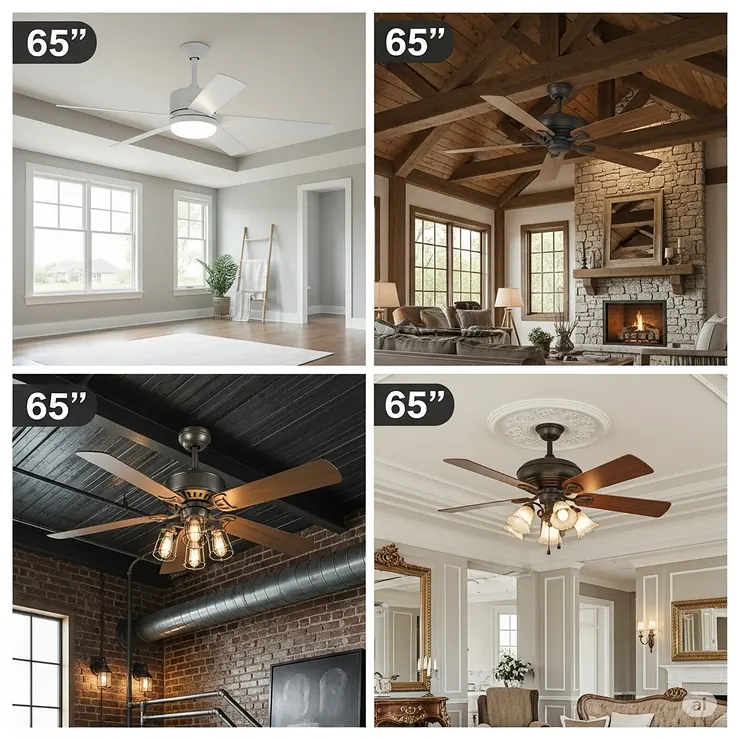
Proper ceiling fan sizing goes beyond simple diameter measurements to consider ceiling height, room volume, architectural features, and intended use patterns. For 65 inch ceiling fans, minimum ceiling heights of 9 feet ensure adequate clearance, while 10-12 foot ceilings provide optimal air circulation patterns.
Room volume calculations help determine whether single or multiple fan installations provide the most effective air circulation. Spaces exceeding 600 square feet may benefit from multiple fans with coordinated controls rather than relying on a single large unit.
Airflow obstruction analysis identifies furniture, architectural features, or equipment that might interfere with optimal air circulation patterns. Ceiling fans work most effectively in rooms with minimal obstructions and relatively open floor plans that allow unrestricted air movement.
Feature Prioritization and Selection Criteria
Motor type selection between AC and DC options involves balancing initial cost, operational efficiency, noise levels, and control capabilities. DC motors like those in the Minka-Aire Xtreme H2O typically justify higher initial costs through energy savings and enhanced features over the fan’s operational life.
Control system preferences range from simple remote controls to comprehensive smart home integration with voice commands and automated scheduling. The Craftmade Rush WiFi capabilities represent the current state-of-the-art for smart ceiling fan controls.
Lighting integration decisions depend on existing room illumination and desired ambiance effects. Models like the Daventry with integrated LED systems and color temperature control provide flexibility for various activities and times of day.
Weather rating requirements determine indoor-only versus wet-rated models based on installation location and exposure conditions. Outdoor installations or high-humidity environments require wet-rated units with appropriate corrosion protection.
Quality and Reliability Assessment
Warranty coverage varies significantly among manufacturers and models, with premium brands like Minka-Aire offering lifetime motor warranties that demonstrate confidence in their engineering and manufacturing quality. Comprehensive warranty coverage protects against defects while indicating manufacturer commitment to customer satisfaction.
Brand reputation and customer service capabilities become important considerations for products requiring professional installation and potential future service needs. Established manufacturers typically provide better parts availability and technical support compared to budget-oriented companies.
Certification and testing standards ensure products meet safety and performance requirements, with UL listing being essential for electrical safety and ETL certification indicating compliance with installation standards. ENERGY STAR certification confirms efficiency performance for models claiming energy savings.
Installation and Professional Service Considerations
Professional installation requirements vary based on electrical complexity, structural considerations, and smart system integration needs. While mechanically inclined homeowners can install basic ceiling fans, large 65″ models often benefit from professional installation due to weight and complexity considerations.
Electrical service requirements may necessitate dedicated circuits or upgraded wiring for high-performance fans with integrated lighting and smart controls. Licensed electricians can assess existing electrical capacity and recommend appropriate upgrades if needed.
Structural support evaluation ensures ceiling mounting systems can safely support the substantial weight and dynamic loads generated by large ceiling fans. Professional assessment may be advisable for older homes or unconventional ceiling constructions.
Smart system integration often requires network configuration, device pairing, and integration with existing home automation systems. Professional setup services can ensure optimal performance and full feature utilization for advanced smart ceiling fans.
🛒 Ready to Cool Your Space?
→ These top-rated 65 inch ceiling fans are flying off the shelves! Check current Amazon prices and availability for the perfect model for your home. Don’t wait – summer heat is coming! ☀️⚡
Frequently Asked Questions About 65 Inch Ceiling Fans
❓ What room size works best for a 65 inch ceiling fan?
❓ How much electricity does a 65 inch ceiling fan use per month?
❓ Can I install a 65 inch ceiling fan myself?
❓ What's the difference between wet-rated and dry-rated 65 inch ceiling fans?
❓ How loud are 65 inch ceiling fans during operation?
Conclusion: Making the Right Choice for Your Space
Choosing the perfect 65 inch ceiling fan involves balancing performance requirements, aesthetic preferences, smart features, and budget considerations. The models I’ve highlighted represent the best options available in 2025, each excelling in different areas to meet diverse needs.
For maximum value and versatility, the Fanbulous 65 Inch Ceiling Fan offers exceptional features at an attractive price point, making it ideal for homeowners seeking premium performance without premium pricing. The dual-finish blades and comprehensive remote control provide flexibility that adapts to changing needs and seasonal preferences.
Those prioritizing industrial-grade durability and weather resistance should consider the Minka-Aire Xtreme H2O, which delivers professional-quality construction with lifetime motor warranties. The investment pays dividends through decades of reliable operation and minimal maintenance requirements.
Tech-savvy homeowners will appreciate the Craftmade Rush with integrated WiFi and smart home compatibility that eliminates additional hardware requirements while providing comprehensive app-based control and scheduling capabilities.
🛒 Transform Your Home Today!
→ Don’t let another hot day pass by! These carefully researched 65 inch ceiling fans are available now on Amazon with competitive pricing and fast shipping. Click any highlighted model to secure yours before the summer heat arrives! 🏠💨
Remember that the right 65 inch ceiling fan becomes an integral part of your home’s comfort system, providing years of reliable service while enhancing both functionality and aesthetic appeal. Investment in quality pays dividends through energy savings, reduced maintenance, and improved daily comfort that makes your space more enjoyable year-round.
Recommended for You
- 9 Best Cooling Fans for Outdoor Events That Beat Heat in 2025
- 7 Best High CFM Ceiling Fan Models For Maximum Airflow Power in 2025
- 7 Best Master Bedroom Ceiling Fans for Ultimate Comfort & Style in 2025
Explore our other comprehensive guides for related home improvement topics and product recommendations.
Disclaimer: This article contains affiliate links. If you purchase products through these links, we may earn a small commission at no additional cost to you.
✨ Found this helpful? Share it with your friends! 💬🤗
