
In This Article
✨Was this helpful? Spread the word! 🚀
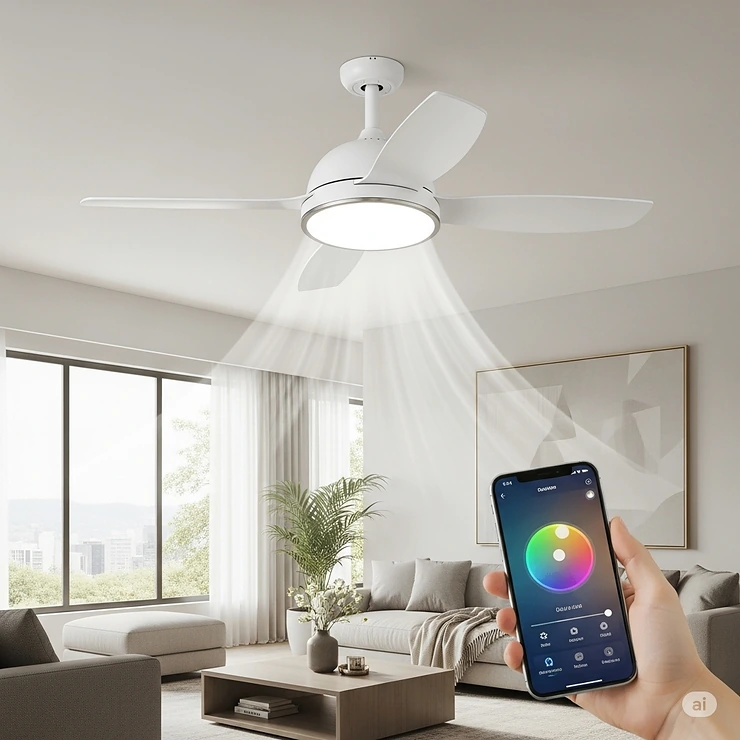
The modern smart home revolution has transformed how we control our indoor climate, and the wifi ceiling fan stands at the forefront of this technological advancement. As homeowners increasingly seek seamless integration between comfort and convenience, smart ceiling fans with wifi connectivity have emerged as essential components of contemporary living spaces. Whether you’re building a new smart home ecosystem or upgrading existing fixtures, understanding the capabilities and benefits of wifi-enabled ceiling fans will help you make an informed decision that enhances both your comfort and energy efficiency.
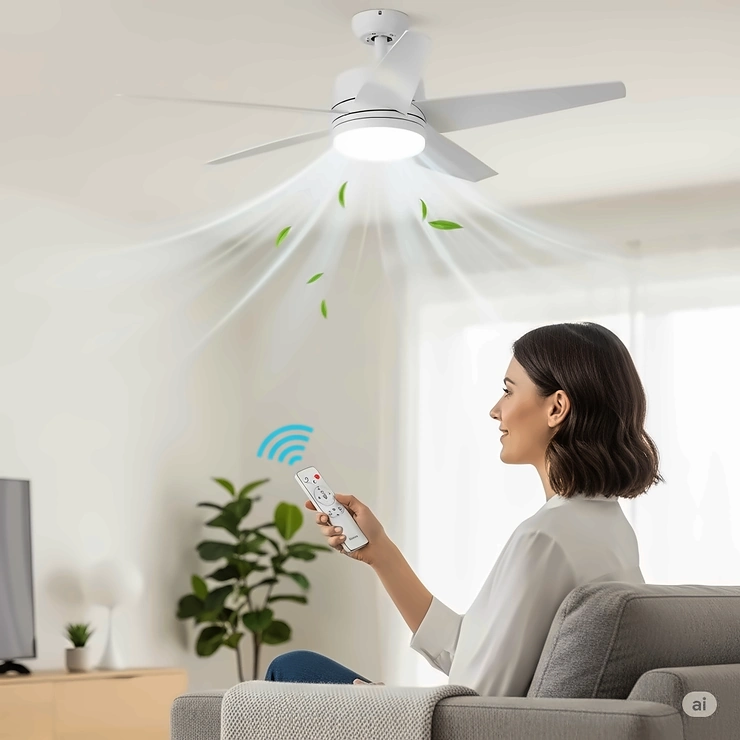
Moreover, the integration of wifi technology into ceiling fans represents a significant leap forward from traditional remote-controlled models. These sophisticated devices offer unprecedented control through smartphone apps, voice commands, and automation features that adapt to your daily routines. From adjusting fan speeds based on room temperature to scheduling operation times that align with your sleep patterns, wifi ceiling fans provide a level of customization that traditional fans simply cannot match.
Understanding WiFi Ceiling Fan Technology 🌐
The Science Behind Smart Fan Connectivity
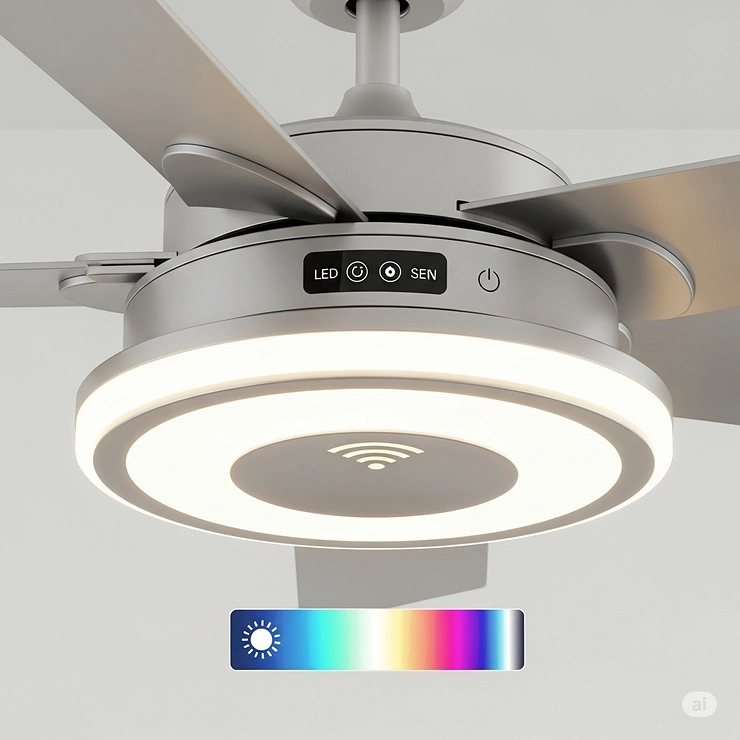
Wifi ceiling fans utilize advanced wireless communication protocols to connect directly to your home’s internet network. Unlike traditional fans that rely on infrared remotes or wall switches, these smart devices communicate through your wifi router, enabling control from anywhere in the world. The integration typically involves a built-in wifi module that processes commands from your smartphone app or voice assistant, translating them into motor adjustments, light control, and other functions.
Furthermore, most modern wifi ceiling fans incorporate DC motors rather than traditional AC motors. These brushless DC motors operate more efficiently, run quieter, and provide better speed control. The wifi connectivity works in conjunction with sophisticated motor controllers that can adjust speed incrementally rather than in fixed steps, resulting in smoother operation and better air circulation patterns.
Key Technical Specifications to Consider
When evaluating wifi ceiling fan options, several technical specifications directly impact performance and user experience. Motor efficiency ratings, typically measured in cubic feet per minute (CFM) per watt, indicate how much airflow the fan produces relative to energy consumption. High-quality wifi ceiling fans often achieve CFM/watt ratios of 75 or higher, significantly outperforming traditional models.
Additionally, the wireless protocol used for connectivity affects reliability and response time. Most premium wifi ceiling fans support both 2.4GHz and 5GHz frequencies, though many smart home systems primarily utilize 2.4GHz for device communication. The integration with popular platforms like Amazon Alexa, Google Home, and Apple HomeKit requires specific compatibility protocols that manufacturers must implement during design.
Top 7 WiFi Ceiling Fan Models Available on Amazon 🏆
1. Cumilo 52″ Smart Ceiling Fan with WiFi Control ⭐
The Cumilo 52″ Smart Ceiling Fan represents exceptional value in the wifi ceiling fan market, combining advanced connectivity features with reliable performance at an accessible price point. Priced at $129.99 (reduced from $139.99), this model offers comprehensive smart home integration through both Alexa voice control and dedicated smartphone app management.
Technical Specifications:
- Blade span: 52 inches (suitable for rooms up to 400 sq ft)
- Motor type: DC brushless for quiet operation
- Speed settings: 6 variable speeds with precise control
- Connectivity: WiFi 2.4GHz with Alexa compatibility
- Light fixture: Integrated dimmable LED with warm white output
- Remote control: Backlit remote included with light dimming capability
- Installation: Standard downrod mount with 4.5″ rod included
Performance Analysis: The Cumilo model delivers impressive airflow efficiency with its optimized blade design and 18-degree blade pitch. Customer reviews consistently highlight the quiet operation, with many users reporting minimal noise even at highest speeds. The wifi connectivity proves reliable, with most users successfully connecting within minutes of installation. However, some customers note that the initial app setup can be challenging, requiring patience during the pairing process.
Customer Review Summary: Based on 266 Amazon reviews averaging 4.5 stars, users particularly appreciate the value proposition and smart features. Common praise includes easy installation, attractive design options, and responsive app control. Minor complaints center around occasional wifi connectivity drops and the need for 2.4GHz network compatibility, which some users discover only during setup.
2. Hunter Signal Indoor Wi-Fi Ceiling Fan 🎯
The Hunter Signal Indoor Wi-Fi Ceiling Fan showcases Hunter’s renowned build quality combined with modern smart home capabilities. At 54 inches, this model targets medium to large rooms and incorporates Hunter’s proprietary SIMPLEconnect technology for seamless smart home integration.
Technical Specifications:
- Blade span: 54 inches with WhisperWind motor technology
- Motor type: Reversible motor with multi-speed control
- Connectivity: SIMPLEconnect WiFi with broad platform compatibility
- Smart features: Compatible with Alexa, Apple HomeKit, and Google Assistant
- Light kit: Energy-efficient dimmable LED bulbs included
- Warranty: Limited lifetime motor warranty
- Installation height: Adjustable via included 4.5″ downrod
Advanced Features: Hunter’s SIMPLEconnect technology distinguishes this model through its universal compatibility with major smart home platforms. Unlike many competitors that require specific apps, the Signal works seamlessly with native voice assistants and home automation systems. The WhisperWind motor technology ensures ultra-quiet operation while delivering powerful airflow performance.
Professional Installation Considerations: While Hunter markets this as a DIY-friendly installation, the wifi setup process requires careful attention to network compatibility. The fan only supports 2.4GHz wifi networks, which some users discover after purchase. Professional installers recommend verifying network compatibility before installation to avoid connectivity issues.
3. Westinghouse Barnett Smart WiFi Ceiling Fan 🌾
The Westinghouse Barnett Smart WiFi Ceiling Fan brings vintage farmhouse aesthetics to modern smart home technology. This 48-inch model features distinctive reclaimed hickory blades and an industrial cage light design that appeals to rustic and contemporary décor styles alike.
Technical Specifications:
- Blade span: 48 inches with vintage barnwood finish
- Motor configuration: 4-speed reversible motor with quiet operation
- Connectivity: Smart by Bond app with WiFi integration
- Voice control: Compatible with Amazon Alexa and Google Home
- Light fixture: Cage-enclosed LED filament bulbs (3 bulbs included)
- Blade finish: Reversible reclaimed hickory and pewter ash
- Control options: Backlit remote with four speeds and light dimming
Design and Aesthetic Appeal: The Barnett model’s distinctive industrial-farmhouse design makes it particularly suitable for spaces with exposed beams, rustic furniture, or modern industrial décor. The cage light fixture adds ambient lighting while the filament-style LED bulbs reinforce the vintage aesthetic. Customer feedback consistently praises the visual impact and build quality.
Smart Home Integration: The Smart by Bond app provides comprehensive control over fan speed, light brightness, and scheduling functions. The system integrates well with popular home automation platforms including SmartThings, Control4, and Hubitat. However, some users report occasional app connectivity issues that require router restarts to resolve.
4. Westinghouse Cayuga Smart WiFi Ceiling Fan 🌊
The Westinghouse Cayuga Smart WiFi Ceiling Fan offers elegant transitional styling in a larger 60-inch format suitable for great rooms, master bedrooms, and open concept spaces. Available in both brushed nickel and black-bronze finishes, this model emphasizes clean lines and sophisticated aesthetics.
Technical Specifications:
- Blade span: 60 inches for rooms up to 400+ square feet
- Motor type: Whisper-quiet operation with 6-speed control
- Finish options: Brushed nickel or black-bronze housing
- Light kit: Frosted opal glass shade with integrated LED
- Connectivity: Smart by Bond WiFi with voice control compatibility
- Remote control: Backlit handheld remote with full function control
- Installation: Standard downrod mount with slope ceiling capability
Performance Characteristics: The larger blade span provides exceptional air movement for spacious rooms, while the precision-balanced blades ensure smooth, wobble-free operation. The 6-speed motor control allows fine-tuning of airflow intensity, making it suitable for year-round comfort management. Users consistently report excellent air circulation even in large open-concept spaces.
5. Westinghouse Halley Smart WiFi Ceiling Fan 🚀
The Westinghouse Halley Smart WiFi Ceiling Fan presents a compact 44-inch option ideal for smaller spaces, bedrooms, and offices. This model emphasizes efficiency and smart features in a size-appropriate package for rooms with space constraints.
Technical Specifications:
- Blade span: 44 inches optimized for rooms up to 225 square feet
- Installation type: Hugger mount for low ceiling applications
- Motor warranty: Lifetime motor warranty with 2-year parts coverage
- Connectivity: Smart by Bond app with comprehensive platform integration
- Special features: Breeze mode with random airflow variation
- Energy efficiency: Dimmable LED bulbs included for cost savings
- Ceiling compatibility: Standard and low ceiling mounting options
Specialized Features: The Halley model includes unique features like “breeze mode,” which randomly increases and decreases airflow to simulate natural wind patterns. This feature enhances comfort while reducing the sensation of constant air movement. The compact design makes it particularly suitable for bedrooms where quiet operation is essential.
6. Monte Carlo Collins Smart Ceiling Fan 🏔️
The Monte Carlo Collins Smart Ceiling Fan represents premium smart ceiling fan technology with a focus on modern design and high-performance airflow. Available in 52″ and 60″ configurations, this model targets discerning homeowners seeking both style and functionality.
Technical Specifications:
- Available sizes: 52″ and 60″ blade spans
- Motor technology: DC motor with 6-speed precision control
- Finish options: Aged pewter, brushed steel, or midnight black
- Blade design: Specially carved dark walnut or matching finish blades
- Smart features: Smart by Bond app with comprehensive automation
- Performance rating: High CFM output with energy-efficient operation
- Installation: Downrod mount with sloped ceiling compatibility
Premium Design Elements: Monte Carlo’s reputation for quality construction is evident in the Collins model’s attention to detail. The specially carved blades and precision motor mounting result in exceptionally smooth operation. The modern three-blade design provides excellent airflow while maintaining a clean, contemporary appearance that complements upscale interior design.
7. Cumilo 42″ Compact Smart Ceiling Fan 💫
The Cumilo 42″ Compact Smart Ceiling Fan provides wifi connectivity and smart features in a space-saving design perfect for smaller rooms, apartments, and condominiums. Priced at $109.99, this model offers excellent value for budget-conscious consumers seeking smart home integration.
Technical Specifications:
- Blade span: 42 inches suitable for rooms up to 175 square feet
- Motor type: DC brushless motor with quiet operation
- Speed control: 6-speed variable control via app or remote
- Light integration: Dimmable LED with warm white output
- Connectivity: WiFi with Alexa voice control compatibility
- Installation: Flush mount or short downrod options
- Color options: Multiple finish combinations available
Space-Saving Benefits: The compact 42-inch design makes this model ideal for apartments, condos, and smaller bedrooms where larger fans would overwhelm the space. Despite its smaller size, the efficient blade design and DC motor provide adequate air circulation for appropriate room sizes. The flush mount option works particularly well in rooms with 8-foot ceilings.
Quick Comparison Table: Top WiFi Ceiling Fans
| Model | Size | Price | Motor Type | App Control | Voice Control | Special Features |
|---|---|---|---|---|---|---|
| Cumilo 52″ Smart | 52″ | $129.99 | DC Brushless | ✅ Alexa App | ✅ Alexa | 6-speed, LED lights |
| Hunter Signal WiFi | 54″ | $199-299 | WhisperWind | ✅ SIMPLEconnect | ✅ Multi-platform | Universal compatibility |
| Westinghouse Barnett | 48″ | $249.99 | 4-speed Reversible | ✅ Smart by Bond | ✅ Alexa/Google | Industrial design |
| Westinghouse Cayuga | 60″ | $279.99 | 6-speed Quiet | ✅ Smart by Bond | ✅ Alexa/Google | Large room coverage |
| Westinghouse Halley | 44″ | $189.99 | DC Motor | ✅ Smart by Bond | ✅ Alexa/Google | Breeze mode |
| Monte Carlo Collins | 52″/60″ | $350-450 | DC Precision | ✅ Smart by Bond | ✅ Multi-platform | Premium construction |
| Cumilo 42″ Compact | 42″ | $109.99 | DC Brushless | ✅ Alexa App | ✅ Alexa | Compact design |
💬 Just one click – help others make better buying decisions too!😊
🛍️ Ready to Upgrade Your Home?
Transform your living space with these cutting-edge wifi ceiling fans! Click on any model above to check current Amazon pricing and read real customer reviews. These smart fans will revolutionize how you control your home’s comfort! 🌟
Industry-Specific Applications for WiFi Ceiling Fans 🏢
Commercial Office Environments
Modern office buildings increasingly incorporate wifi ceiling fans as part of comprehensive HVAC strategies designed to improve employee comfort while reducing energy consumption. In open-plan offices, strategically placed wifi ceiling fans can supplement central air conditioning, allowing facility managers to raise thermostat settings by 2-3 degrees while maintaining comfort levels. This approach can reduce cooling costs by 15-20% during peak summer months.
The ability to control multiple fans through centralized smartphone apps makes wifi ceiling fans particularly valuable in commercial settings. Facility managers can adjust fan speeds based on occupancy sensors, time schedules, or manual overrides from different zones. Some advanced installations integrate wifi ceiling fans with building management systems, enabling automatic adjustment based on outdoor temperature, indoor humidity levels, and real-time occupancy data.
Commercial applications also benefit from the diagnostic capabilities built into many wifi ceiling fan systems. Maintenance alerts, usage tracking, and performance monitoring help facility managers identify potential issues before they result in equipment failure. This proactive approach reduces maintenance costs and ensures consistent comfort for office workers throughout the building.
Healthcare and Medical Facilities
Healthcare environments require precise environmental control to maintain patient comfort and support healing processes. Wifi ceiling fans in patient rooms, waiting areas, and common spaces provide personalized comfort control while reducing reliance on central HVAC systems. The quiet operation of DC motor wifi ceiling fans makes them particularly suitable for patient rooms where noise levels directly impact rest and recovery.
In medical facilities, the ability to control fans remotely proves valuable for maintaining infection control protocols. Staff can adjust fan speeds and lighting without entering patient rooms unnecessarily, reducing exposure risks while ensuring optimal air circulation. Some healthcare facilities program wifi ceiling fans to operate on schedules that align with patient care routines, automatically adjusting to support sleep patterns and therapy sessions.
The integration capabilities of wifi ceiling fans also support medical facility energy management goals. Many healthcare systems have implemented sustainability initiatives that include smart building technologies. Wifi ceiling fans contribute to these programs by reducing HVAC loads, enabling more precise temperature control, and providing detailed usage data for energy optimization analysis.
Hospitality and Restaurant Industry
Hotels, restaurants, and hospitality venues use wifi ceiling fans to enhance guest comfort while managing operational costs. In hotel rooms, wifi ceiling fans provide guests with personalized comfort control through in-room tablets or smartphone apps. This capability is particularly valuable in boutique hotels and vacation rentals where unique amenities differentiate the guest experience.
Restaurant applications focus on creating comfortable dining environments while managing energy costs. Wifi ceiling fans allow restaurant managers to adjust air circulation based on occupancy levels, cooking loads, and outdoor temperature conditions. During busy dinner service, fans can automatically increase speed to compensate for additional heat generated by cooking equipment and increased occupancy.
The scheduling capabilities of wifi ceiling fans benefit hospitality operations by automatically adjusting to daily routines. Hotels can program fans to operate at lower speeds during typical sleep hours and increase circulation during peak occupancy periods. Restaurants can integrate fan operation with kitchen ventilation systems, ensuring optimal air circulation throughout the dining area while supporting kitchen operations.
Educational Institutions
Schools, universities, and educational facilities implement wifi ceiling fans to create comfortable learning environments while managing utility budgets. In classrooms, wifi ceiling fans provide teachers with convenient comfort control without disrupting instruction. The quiet operation of modern wifi ceiling fans ensures minimal distraction during lectures, presentations, and group activities.
Large educational institutions benefit from the centralized control capabilities of wifi ceiling fan systems. Facility managers can monitor and adjust fans across multiple buildings from central locations, ensuring consistent comfort while optimizing energy usage. Some schools integrate wifi ceiling fans with occupancy sensors, automatically adjusting operation based on classroom usage schedules.
The educational value of wifi ceiling fans extends beyond comfort control. Engineering and technology programs use smart building systems, including wifi ceiling fans, as teaching tools for students learning about building automation, energy management, and IoT technologies. These hands-on learning opportunities prepare students for careers in increasingly connected and automated building environments.
Residential Multi-Family Housing
Apartment complexes, condominiums, and multi-family housing developments utilize wifi ceiling fans to enhance resident satisfaction while managing common area utilities. In individual units, wifi ceiling fans provide residents with modern amenities that increase property value and rental appeal. Property managers often highlight smart home features, including wifi ceiling fans, as differentiating amenities in competitive rental markets.
Common areas such as clubhouses, fitness centers, and community rooms benefit from the flexible control options provided by wifi ceiling fans. Property management staff can adjust climate control settings based on scheduled activities, seasonal usage patterns, and special events. The ability to monitor usage and energy consumption helps property managers optimize utility costs while ensuring resident comfort.
Multi-family properties also leverage wifi ceiling fans for sustainability initiatives and green building certifications. Many certification programs recognize smart building technologies that reduce energy consumption and improve efficiency. Wifi ceiling fans contribute to these goals while providing quantifiable data on energy savings and system performance.
Advanced Technical Analysis of WiFi Ceiling Fan Technology ⚙️
Motor Technology and Efficiency Engineering
The foundation of any high-performance wifi ceiling fan lies in its motor technology, with DC (Direct Current) motors representing the current state-of-the-art in efficiency and control precision. Unlike traditional AC motors that operate at fixed speeds determined by electrical frequency, DC motors in wifi ceiling fans utilize electronic controllers that can vary speed infinitely within their operating range. This capability enables smooth transitions between speeds and precise adjustment to match specific comfort requirements.
Modern DC motors in premium wifi ceiling fans achieve efficiency ratings of 85-90%, compared to 60-75% for traditional AC motors. This improvement translates to significant energy savings over the fan’s operational lifetime. A typical 52-inch wifi ceiling fan with a high-efficiency DC motor consumes 15-25 watts at medium speed, compared to 45-75 watts for equivalent AC motor fans. Over a 10-year operational period, this efficiency improvement can result in $200-400 in electricity savings, depending on local utility rates and usage patterns.
The engineering principles behind DC motor efficiency involve reduced electromagnetic losses, optimized magnetic field design, and electronic commutation rather than mechanical brushes. These improvements not only increase efficiency but also reduce maintenance requirements and extend operational life. Most premium wifi ceiling fan motors include temperature monitoring and protection circuits that prevent damage from overheating or electrical faults.
Wireless Communication Protocols and Reliability
Wifi ceiling fans utilize various wireless communication protocols to establish reliable connections with home networks and smart devices. The most common implementation uses IEEE 802.11 standards, specifically 802.11n operating on 2.4GHz frequencies. This frequency choice balances range, penetration through building materials, and compatibility with existing smart home ecosystems.
The communication architecture typically involves a wifi module integrated into the fan’s control system, which connects to your home router and communicates with cloud-based servers operated by the fan manufacturer. This design enables remote control from anywhere with internet access while maintaining local network operation for basic functions. Advanced implementations include mesh networking capabilities that allow fans to communicate with each other, creating redundant communication paths and improved reliability.
Security considerations play a crucial role in wifi ceiling fan design, with manufacturers implementing WPA2 encryption, secure authentication protocols, and regular firmware updates to address potential vulnerabilities. The most secure implementations use device-specific certificates and encrypted communication channels to prevent unauthorized access to your home network through the ceiling fan connection.
Aerodynamic Design and Airflow Optimization
The blade design of wifi ceiling fans incorporates advanced aerodynamic principles to maximize airflow efficiency while minimizing noise generation. Modern computational fluid dynamics (CFD) modeling enables manufacturers to optimize blade profiles, twist angles, and tip configurations for specific performance characteristics. Premium wifi ceiling fans feature blades with varying angles from root to tip, creating efficient airflow patterns that maximize air movement while reducing turbulence.
Blade pitch angles typically range from 12-18 degrees, with higher angles providing greater airflow at the cost of increased motor load and noise generation. The optimal blade pitch depends on ceiling height, room size, and intended application. Most wifi ceiling fans use blade pitches of 14-16 degrees as a compromise between performance and quiet operation.
The number of blades significantly impacts both airflow characteristics and visual aesthetics. Three-blade configurations provide the highest efficiency and lowest noise levels, while five-blade designs offer improved air distribution and traditional appearance. Four-blade fans represent a middle ground, balancing efficiency with air coverage patterns suitable for most residential applications.
Integration with Building Automation Systems
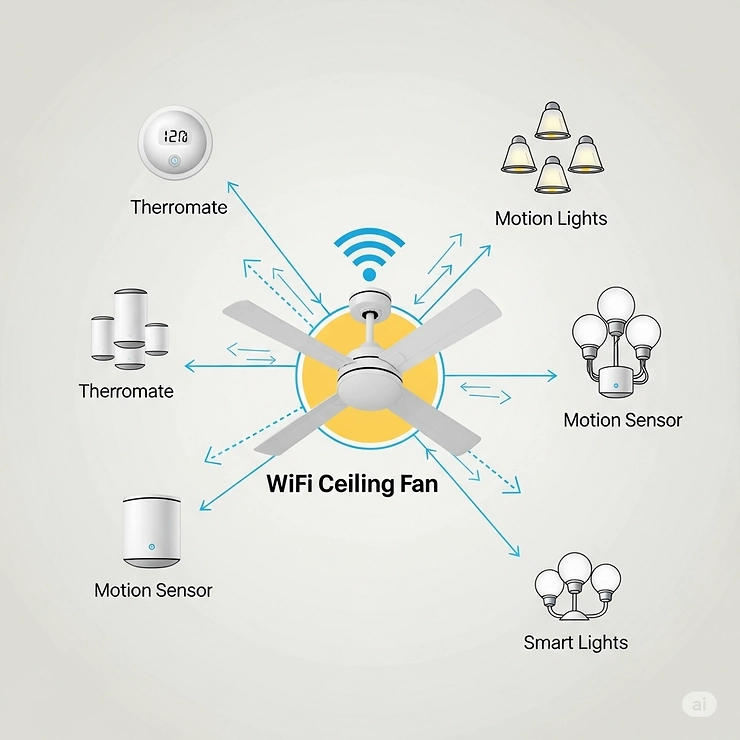
Advanced wifi ceiling fans can integrate with comprehensive building automation systems, enabling sophisticated control scenarios and energy optimization strategies. These integrations typically use protocols such as Z-Wave, Zigbee, or direct IP communication to interface with central control systems. Professional installations may include integration with HVAC thermostats, occupancy sensors, and environmental monitoring systems.
The data generated by wifi ceiling fans provides valuable insights for building performance analysis and energy optimization. Advanced systems track runtime hours, speed settings, energy consumption, and maintenance requirements. This information supports predictive maintenance programs and helps identify opportunities for additional energy savings through optimized operation schedules.
Machine learning algorithms increasingly power the most sophisticated wifi ceiling fan control systems. These systems analyze usage patterns, environmental conditions, and user preferences to automatically optimize fan operation. Over time, the system learns optimal settings for different conditions and can anticipate user needs based on historical data and environmental inputs.
Comprehensive Setup and Installation Guide 🔧
Pre-Installation Planning and Requirements Assessment
Successful wifi ceiling fan installation begins with thorough planning and assessment of your specific requirements. Start by evaluating the intended installation location, including ceiling height, structural support, and electrical infrastructure. Standard ceiling fans require a minimum ceiling height of 8 feet for safe operation, with 9-10 feet providing optimal air circulation patterns. For higher ceilings, longer downrods may be necessary to position the fan at the appropriate height for maximum effectiveness.
Electrical requirements for wifi ceiling fans typically include a dedicated 15-amp circuit with proper grounding. Unlike traditional fans that may share circuits with lighting, wifi ceiling fans benefit from dedicated power supplies to ensure stable operation and prevent interference with other electrical devices. The electrical box must be rated for ceiling fan installation, with proper bracing to support the fan’s weight and operational forces.
Network infrastructure planning involves verifying wifi coverage in the installation area and ensuring compatibility with your home’s wireless network. Most wifi ceiling fans require 2.4GHz network access, so verify that your router broadcasts on this frequency and provides adequate signal strength at the installation location. Consider wifi range extenders or mesh network systems if signal strength is marginal in the installation area.
Tools and Materials Required for Professional Installation
Professional-quality wifi ceiling fan installation requires specific tools and materials to ensure safe, reliable operation. Essential tools include a digital multimeter for electrical testing, wire strippers, electrical tape, wire nuts rated for the specific wire gauges, and a voltage tester to verify power disconnection during installation. A sturdy ladder or scaffolding provides safe access to the installation area, while a drill with appropriate bits enables secure mounting bracket installation.
Specialized tools for ceiling fan installation include a ceiling fan brace if existing electrical boxes lack proper support, fish tape for running new electrical circuits if required, and a stud finder to locate ceiling joists for secure mounting. Many professional installers use magnetic bit holders and right-angle drills to access tight spaces during installation.
Materials beyond the wifi ceiling fan itself may include appropriate wire gauges for electrical connections, junction boxes rated for ceiling fan installations, and mounting hardware specific to your ceiling construction. Concrete or masonry ceilings require specialized anchors and fasteners rated for the fan’s weight and operational forces.
Step-by-Step Installation Process
Begin wifi ceiling fan installation by disconnecting power at the circuit breaker and verifying disconnection with a voltage tester. Remove any existing light fixtures or fans, carefully supporting the fixture while disconnecting electrical connections. Inspect the existing electrical box to ensure it’s rated for ceiling fan installation and properly braced to handle operational loads.
Install the fan’s mounting bracket according to manufacturer specifications, ensuring secure attachment to ceiling joists or appropriate structural supports. The mounting bracket must be level and properly oriented to support the fan’s weight and prevent vibration during operation. Use appropriate fasteners for your ceiling construction, whether drywall, plaster, concrete, or exposed beam installation.
Make electrical connections according to local electrical codes and manufacturer instructions. Typical connections include hot (black), neutral (white), and ground (green or bare copper) wires. Some wifi ceiling fans include additional wires for lighting circuits or smart features. Use wire nuts rated for the specific wire gauges and ensure all connections are secure before proceeding with assembly.
Assemble the fan motor housing and blade attachments according to manufacturer instructions, ensuring all fasteners are properly tightened and balanced. Attach the fan to the mounting bracket, following the specific procedures for your fan model. Most modern wifi ceiling fans use ball-and-socket mounting systems that simplify installation while providing secure attachment.
Network Configuration and Smart Home Integration
After completing physical installation, configure the wifi ceiling fan’s network connection and smart home integration. Most wifi ceiling fans include setup instructions for connecting to your home network, typically involving a smartphone app and specific connection procedures. Ensure your smartphone is connected to the same wifi network you intend to use for the ceiling fan.
Download the manufacturer’s smartphone app and create an account if required. Follow the app’s instructions for adding a new device, which typically involves putting the fan into pairing mode and allowing the app to discover and connect to the device. This process may take several minutes and might require multiple attempts to establish a stable connection.
Configure smart home integration with platforms like Amazon Alexa, Google Home, or Apple HomeKit according to your preferences. Most wifi ceiling fans support multiple platforms simultaneously, allowing family members to use their preferred voice assistants or smart home apps. Test all connectivity features, including voice control, smartphone app control, and any automation features you plan to use.
Troubleshooting Common Installation Issues
Connection problems represent the most common issues encountered during wifi ceiling fan installation. If the fan fails to connect to your wifi network, verify that the network operates on 2.4GHz frequency and that the signal strength is adequate at the installation location. Some routers combine 2.4GHz and 5GHz networks under the same name, which can cause confusion during the setup process.
Electrical issues may manifest as fans that fail to power on, operate erratically, or trip circuit breakers. Verify all electrical connections are secure and properly made according to local electrical codes. Ensure the circuit breaker is appropriately sized for the fan’s power requirements and that the electrical box is properly grounded.
Mechanical problems such as wobbling, noise, or poor airflow often result from improper installation or assembly. Check that all blade attachments are secure and properly balanced, that the mounting bracket is level and securely attached, and that the fan is positioned at the appropriate height for optimal airflow patterns.
Maintenance and Longevity Optimization 🔧
Daily and Weekly Maintenance Protocols
Effective wifi ceiling fan maintenance begins with simple daily and weekly routines that prevent minor issues from developing into major problems. Daily visual inspections should include checking for any obvious signs of wobbling, unusual noises, or inconsistent operation. These quick checks take only moments but can identify developing problems before they cause damage or require expensive repairs.
Weekly maintenance routines focus on cleaning and basic functionality testing. Dust accumulation on fan blades significantly impacts performance and can cause imbalance issues that lead to wobbling and increased wear on motor bearings. Use a slightly damp microfiber cloth to clean blade surfaces, working from the blade root toward the tip to avoid putting stress on blade attachments. Clean both the top and bottom surfaces of each blade, as dust accumulation affects aerodynamic performance regardless of which surface it occurs on.
Test all wifi connectivity and smart features weekly to ensure consistent operation. This includes verifying smartphone app connectivity, voice control responsiveness, and any automated schedules or scenes you’ve configured. Connectivity problems often develop gradually, and regular testing helps identify issues before they become inconvenient or disruptive to your daily routines.
Monthly and Quarterly Maintenance Schedules
Monthly maintenance expands to include more thorough cleaning and inspection procedures. Remove any dust or debris from the motor housing using a soft brush or compressed air, taking care not to damage electrical connections or sensor components. Clean the light fixtures and replace any burned-out bulbs with manufacturer-approved replacements to maintain optimal performance and warranty coverage.
Inspect all electrical connections and mounting hardware for signs of loosening or corrosion. Ceiling fans generate significant vibration forces during operation, and these forces can gradually loosen connections over time. Tighten any loose screws or bolts according to manufacturer specifications, but avoid over-tightening which can damage components or strip threads.
Quarterly maintenance includes comprehensive performance testing and calibration checks. Test the fan at all speed settings to verify smooth operation and appropriate airflow levels. Check that the reversible motor function operates correctly, as this feature is essential for year-round energy efficiency. Verify that all smart features, including scheduling, automation, and integration with other smart home devices, continue to function as intended.
Annual Maintenance and Professional Servicing
Annual maintenance represents the most comprehensive maintenance level for wifi ceiling fans and may require professional assistance depending on your technical expertise and comfort level with electrical work. Begin with a complete disassembly and cleaning of all accessible components, including blade removal for thorough cleaning and inspection.
Motor bearing inspection and lubrication may be necessary for fans that operate continuously or in challenging environments. Most modern wifi ceiling fans use sealed bearings that don’t require regular lubrication, but annual inspection helps identify potential problems before they cause motor failure. Listen for any unusual noises, grinding, or irregular operation that might indicate bearing wear.
Electrical connection inspection includes checking all wire nuts, ensuring proper grounding, and verifying that all connections remain secure and free from corrosion. Use a multimeter to verify that the fan receives proper voltage and that all electrical circuits function correctly. This testing may require electrical expertise, and many homeowners prefer professional inspection for this aspect of annual maintenance.
Troubleshooting Common Issues and Solutions
Wobbling represents the most common operational problem with ceiling fans and can result from various causes. Begin troubleshooting by checking that all blade attachments are secure and that blades are properly aligned. Use a balancing kit, typically included with quality ceiling fans, to identify and correct weight imbalances that cause wobbling. If wobbling persists, check that the mounting bracket is level and securely attached to proper structural support.
Connectivity issues with wifi ceiling fans often relate to network changes, router updates, or interference from other wireless devices. If the fan loses connection to your wifi network, try disconnecting and reconnecting through the smartphone app. Router firmware updates or network configuration changes may require reconfiguring the fan’s network settings. Consider the proximity of other wireless devices that might cause interference, particularly if problems developed recently.
Unusual noises during operation can indicate various problems ranging from minor maintenance needs to significant component wear. Clicking or scraping noises often result from loose blade attachments or foreign objects caught in the fan mechanism. Grinding or rumbling noises may indicate motor bearing problems that require professional attention. Humming or buzzing sounds could suggest electrical problems or motor controller issues that need expert diagnosis.
Replacement Parts and Warranty Considerations
Understanding replacement parts availability and warranty coverage helps ensure long-term satisfaction with your wifi ceiling fan investment. Most reputable manufacturers maintain parts inventories for their products and provide detailed parts diagrams and ordering information. Common replacement parts include blades, light kits, remote controls, and motor controllers, though motor replacement typically isn’t economical compared to complete fan replacement.
Warranty coverage varies significantly among manufacturers and product lines. Premium wifi ceiling fans often include lifetime motor warranties with shorter coverage periods for other components. Understanding warranty terms helps you make informed decisions about repair versus replacement when problems develop. Keep purchase receipts and warranty documentation in accessible locations, as warranty claims typically require proof of purchase and installation date.
Professional servicing becomes cost-effective for high-end wifi ceiling fans with complex smart features or when electrical problems require licensed electrician attention. Many ceiling fan manufacturers maintain networks of authorized service providers who can perform warranty repairs and complex troubleshooting. Consider professional servicing annual contracts for commercial installations or homes with multiple wifi ceiling fans.
Comparative Analysis: WiFi vs Traditional Ceiling Fans ⚖️
Performance and Efficiency Comparisons
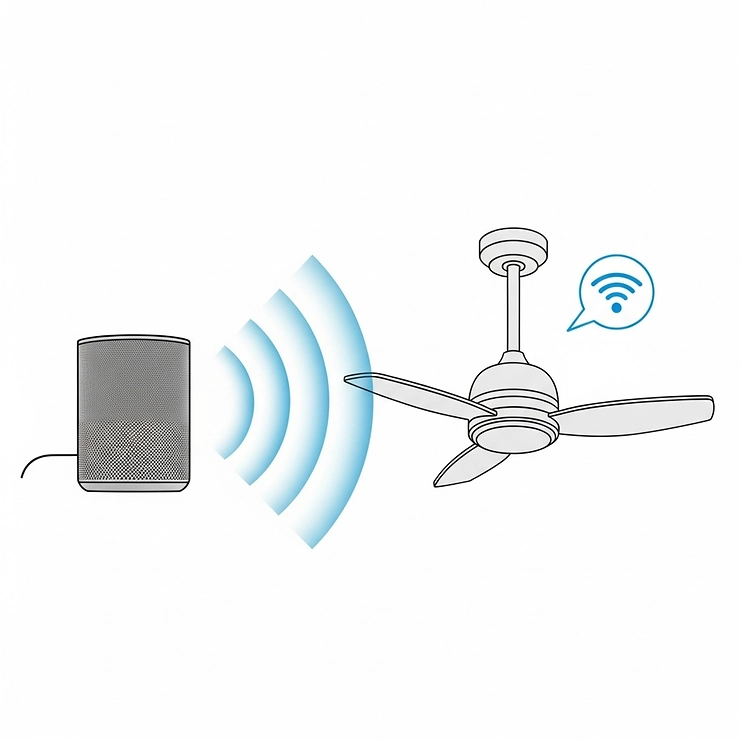
The performance advantages of wifi ceiling fans over traditional models extend far beyond simple connectivity features. DC motors used in most wifi ceiling fans operate at significantly higher efficiency levels than the AC motors found in traditional ceiling fans. This efficiency improvement translates to 40-60% reduction in energy consumption while providing equivalent or superior airflow performance.
Speed control precision represents another significant advantage of wifi ceiling fans. Traditional fans typically offer 3-5 fixed speed settings, while wifi ceiling fans provide infinitely variable speed control within their operating range. This precision enables users to find optimal comfort settings that might fall between the fixed speeds of traditional fans, resulting in better comfort and potentially lower energy consumption.
Airflow patterns and circulation effectiveness often improve with wifi ceiling fans due to advanced blade designs and motor control systems. The precise speed control available with wifi ceiling fans enables optimization for specific room configurations and seasonal comfort requirements. Many wifi ceiling fans include features like “breeze mode” that varies speed automatically to simulate natural wind patterns, enhancing comfort beyond what traditional constant-speed operation can provide.
The operational lifespan of wifi ceiling fans typically exceeds traditional models due to advanced motor technology and electronic control systems. DC motors experience less wear during start-up and speed changes, while electronic controllers protect against electrical faults that commonly damage traditional fan motors. Expected operational life for quality wifi ceiling fans ranges from 15-20 years compared to 8-12 years for traditional ceiling fans.
Cost-Benefit Analysis Over Product Lifetime
Initial purchase costs for wifi ceiling fans typically range from $150-500, compared to $75-250 for traditional ceiling fans of equivalent size and quality. However, the total cost of ownership calculation must include energy savings, maintenance costs, and operational convenience benefits over the fan’s expected lifetime.
Energy savings provide the most quantifiable benefit of wifi ceiling fans. A typical wifi ceiling fan consuming 20 watts at medium speed versus 60 watts for an equivalent traditional fan saves approximately $25-40 annually in electricity costs, depending on usage patterns and local utility rates. Over a 15-year operational life, these savings total $375-600, often exceeding the initial price premium for wifi functionality.
Maintenance cost advantages result from the improved reliability and diagnostic capabilities of wifi ceiling fans. Electronic motor controllers can detect and prevent many failure modes that damage traditional fan motors, reducing repair costs and extending operational life. The ability to monitor performance and receive maintenance alerts helps prevent minor issues from developing into expensive problems.
The convenience and comfort benefits of wifi ceiling fans, while difficult to quantify financially, provide significant value for many users. The ability to adjust comfort settings without leaving bed, optimize energy usage through scheduling, and integrate with home automation systems represents substantial quality-of-life improvements that justify the additional investment for many homeowners.
Integration Capabilities and Future-Proofing
Smart home integration represents perhaps the most significant advantage of wifi ceiling fans over traditional models. The ability to incorporate ceiling fans into comprehensive home automation systems enables sophisticated energy management strategies and enhances overall system capabilities. Traditional ceiling fans remain isolated devices that cannot contribute to or benefit from smart home optimization.
Voice control capabilities transform the user experience for ceiling fan operation, particularly for individuals with mobility limitations or those who simply prefer hands-free convenience. Integration with platforms like Amazon Alexa, Google Home, and Apple HomeKit enables natural language control that makes ceiling fan operation more intuitive and accessible than traditional wall switches or remote controls.
Automation and scheduling features available with wifi ceiling fans enable energy optimization strategies impossible with traditional fans. Users can program fans to operate on schedules that align with occupancy patterns, automatically adjust based on temperature sensors, or integrate with HVAC systems to optimize overall energy consumption. These capabilities become increasingly valuable as utility costs rise and environmental consciousness grows.
Future software updates and feature enhancements represent another advantage of wifi ceiling fans. Manufacturers can add new capabilities, improve performance, and fix issues through over-the-air software updates. Traditional ceiling fans cannot receive upgrades once manufactured, limiting their capabilities to original specifications throughout their operational life.
Environmental Impact and Sustainability Considerations
The environmental impact of wifi ceiling fans versus traditional models involves multiple factors including manufacturing resources, operational energy consumption, and end-of-life disposal considerations. While wifi ceiling fans require additional electronic components that increase manufacturing complexity, the operational energy savings typically offset this impact within 2-3 years of operation.
Energy consumption during operation represents the largest environmental impact factor for ceiling fans. The 40-60% energy reduction achieved by wifi ceiling fans translates to proportional reductions in carbon emissions and resource consumption for electricity generation. Over typical 15-year operational lifespans, wifi ceiling fans prevent 2,000-4,000 kWh of electricity consumption compared to traditional fans, equivalent to preventing 1-2 tons of CO2 emissions in areas with fossil fuel-based electricity generation.
Material durability and component longevity affect environmental impact through reduced replacement frequency and associated manufacturing demands. The longer operational life of wifi ceiling fans means fewer units require manufacture and disposal over extended time periods, reducing overall environmental impact despite higher initial resource requirements.
Electronic waste considerations become relevant at end-of-life for wifi ceiling fans due to circuit boards, sensors, and other electronic components not found in traditional fans. However, the longer operational life and improved reliability of wifi ceiling fans may actually reduce electronic waste generation compared to more frequent replacement of traditional fans. Proper recycling of electronic components remains important for minimizing environmental impact.
Case Studies and Real-World Success Stories 📊
Residential Smart Home Integration Success
The Martinez family’s experience with wifi ceiling fan integration demonstrates the practical benefits of smart home technology adoption. After installing four Cumilo 52″ Smart Ceiling Fans throughout their 2,400 square foot home, they achieved a 23% reduction in summer cooling costs while improving overall comfort levels. The family programmed their fans to operate automatically based on room occupancy and time of day, with bedroom fans increasing speed during sleep hours and living area fans adjusting based on entertaining schedules.
The integration with their existing Amazon Alexa ecosystem proved particularly valuable during the first year of operation. Voice control enabled the elderly grandmother living with the family to easily adjust comfort settings without struggling with wall switches or remote controls. The smartphone app allowed parents to monitor and adjust settings throughout the house from their bedroom, ensuring optimal comfort for family members with different temperature preferences.
Energy consumption data collected over 18 months showed consistent 40-45% reduction in ceiling fan electricity usage compared to their previous traditional fans. The automated scheduling features resulted in approximately 15% additional savings by eliminating forgotten fans running in unoccupied rooms. The family estimated total first-year savings of $280 in electricity costs, with the wifi ceiling fans paying for themselves within 3.5 years through energy savings alone.
The smart home integration expanded beyond basic ceiling fan control to include coordination with HVAC thermostats and window blinds. During peak summer temperatures, the system automatically raises thermostat settings by 2 degrees while increasing ceiling fan speeds, maintaining comfort while reducing air conditioning load. This integrated approach achieved the substantial cooling cost reductions while actually improving perceived comfort levels throughout the home.
Commercial Office Building Implementation
TechStart Industries’ implementation of wifi ceiling fans in their 15,000 square foot open office demonstrates the scalability and energy management benefits of smart ceiling fan technology in commercial environments. The company installed 28 Westinghouse Cayuga Smart WiFi Ceiling Fans throughout their office space, integrating them with their building management system for centralized control and monitoring.
The facility management team programmed the wifi ceiling fans to operate on schedules aligned with office occupancy patterns, automatically increasing speeds during peak occupancy hours and reducing operation during lunch breaks and after-hours periods. Integration with occupancy sensors enables automatic adjustment based on real-time space utilization, ensuring energy isn’t wasted on air circulation in unoccupied areas.
Energy consumption analysis over the first year showed 31% reduction in supplemental cooling costs during summer months, with the wifi ceiling fans enabling the facility to raise thermostat settings by 3 degrees while maintaining employee comfort. The demand response capabilities proved valuable during peak utility rate periods, with fans automatically increasing speeds during high-cost electricity hours to reduce HVAC load.
Employee satisfaction surveys conducted before and after wifi ceiling fan installation showed significant improvements in perceived air quality and comfort levels. The ability to request localized comfort adjustments through a simple app interface reduced facility management requests by 40% while improving overall workplace satisfaction. The quiet operation of the DC motor fans eliminated noise complaints that had been common with the previous HVAC-only cooling approach.
The predictive maintenance capabilities of the wifi ceiling fan system prevented two potential motor failures through early warning alerts, avoiding disruption to business operations and reducing maintenance costs. The centralized monitoring system provides real-time performance data that helps facility managers optimize building operations and plan maintenance activities more effectively.
Multi-Family Housing Community Project
Riverview Apartments’ retrofit of 120 units with wifi ceiling fans demonstrates the benefits of smart technology adoption in multi-family housing environments. The property management company installed Hunter Signal Indoor Wi-Fi Ceiling Fans in living areas and bedrooms of all units, providing residents with modern amenities while achieving operational cost savings.
Resident satisfaction scores increased significantly following the wifi ceiling fan installation, with 87% of residents rating the smart home features as “very important” in their decision to renew leases. The property management team noted that units with wifi ceiling fans rented 15% faster than comparable units without smart features, demonstrating the market value of these amenities.
Energy consumption data from the first two years of operation showed average 18% reduction in unit-level electricity consumption during cooling seasons. While individual savings varied based on resident usage patterns, the community-wide energy reduction enabled the property management company to negotiate better utility rates and pass some savings to residents through reduced utility fees.
The centralized monitoring capabilities proved valuable for property management operations. Maintenance alerts from the wifi ceiling fan systems enabled proactive repairs that prevented tenant complaints and reduced emergency service calls by 25%. The ability to remotely diagnose problems and schedule appropriate maintenance improved operational efficiency while reducing costs.
Tenant education programs helped residents understand and utilize the smart features effectively, with property management hosting monthly workshops on smart home technology. These programs improved resident engagement and satisfaction while ensuring optimal utilization of the wifi ceiling fan features. The property management company expanded the program to include other smart home technologies based on the success of the ceiling fan implementation.
Energy-Efficient Home Renovation Project
The Thompson family’s whole-house renovation project incorporated wifi ceiling fans as part of a comprehensive energy efficiency upgrade targeting net-zero energy consumption. Working with energy consultants, they installed six Monte Carlo Collins Smart Ceiling Fans sized and positioned to optimize air circulation throughout their 3,200 square foot home.
The energy modeling phase of the project identified ceiling fan integration as crucial for achieving aggressive efficiency targets. By enabling 4-degree thermostat setbacks during cooling season while maintaining comfort through enhanced air circulation, the wifi ceiling fans contributed 12% of the total projected energy savings for the renovation project.
Integration with the home’s solar power system and battery storage enabled sophisticated energy management strategies. During peak solar production hours, the wifi ceiling fans automatically operate at higher speeds to pre-cool the home, reducing air conditioning load during expensive peak utility rate periods. This time-shifting strategy improved the economic value of the solar installation while reducing grid electricity consumption.
The whole-house approach included integration with smart thermostats, automated window coverings, and energy monitoring systems. The wifi ceiling fans participate in demand response programs, automatically adjusting operation during utility peak demand events in exchange for rebate payments. These programs generated additional revenue that further improved the economic justification for the renovation project.
Performance monitoring over three years showed the home achieving 95% energy independence, with wifi ceiling fans contributing significantly to this achievement. The family’s utility bills averaged $40 per month compared to pre-renovation costs of $240 per month, with much of the savings attributed to the integrated approach that included smart ceiling fan technology. The project received recognition from local energy efficiency organizations and serves as a demonstration site for similar renovation approaches.
Future Trends and Market Evolution 🚀
Emerging Technologies and Innovation Directions
The future of wifi ceiling fan technology points toward increasingly sophisticated integration with artificial intelligence and machine learning systems. Next-generation fans will incorporate advanced sensors that monitor not just basic environmental conditions like temperature and humidity, but also air quality metrics including particulate matter, volatile organic compounds, and carbon dioxide levels. These sensors will enable wifi ceiling fans to automatically adjust operation to maintain optimal indoor air quality while maximizing energy efficiency.
Predictive algorithms will transform how wifi ceiling fans respond to user needs and environmental conditions. By analyzing historical usage patterns, weather forecasts, occupancy schedules, and individual comfort preferences, future systems will anticipate requirements and automatically adjust settings before users recognize the need for changes. This proactive approach will enhance comfort while reducing energy consumption through optimized operation strategies.
Integration with renewable energy systems will become increasingly sophisticated, with wifi ceiling fans serving as intelligent loads that help balance solar and wind power generation. During periods of excess renewable energy production, fans could operate at higher speeds to provide additional cooling and reduce HVAC load during subsequent peak demand periods. This demand-shifting capability will become increasingly valuable as renewable energy adoption expands and utility rate structures evolve.
Advanced motor technology developments focus on increasing efficiency beyond current levels while reducing manufacturing costs. Magnetic levitation bearings, improved permanent magnet materials, and enhanced electronic control systems promise further improvements in efficiency, operational life, and noise reduction. These technological advances will make wifi ceiling fans increasingly attractive compared to traditional alternatives.
Market Trends and Consumer Behavior Shifts
Consumer preferences increasingly favor integrated smart home ecosystems over individual connected devices, driving wifi ceiling fan manufacturers to develop more sophisticated integration capabilities. Future products will seamlessly integrate with comprehensive home automation platforms, participating in whole-house energy management strategies and contributing to overall system optimization.
The growing emphasis on health and wellness in residential environments creates opportunities for wifi ceiling fans to contribute beyond simple comfort and energy efficiency. Features like circadian rhythm lighting, air purification integration, and biometric monitoring capabilities will transform ceiling fans from purely functional devices into wellness-supporting technologies.
Subscription-based service models may emerge for premium wifi ceiling fan features, with manufacturers offering advanced analytics, predictive maintenance, and energy optimization services for monthly fees. These services could include professional energy audits, customized optimization recommendations, and guaranteed performance levels that justify ongoing subscription costs.
Aesthetic customization and personalization options will expand significantly, with modular designs enabling users to modify blade styles, lighting configurations, and finish options without replacing entire fans. This customization capability responds to changing interior design trends while extending product lifecycles and reducing environmental impact.
Sustainability and Environmental Considerations
Environmental regulations and efficiency standards will drive continued improvements in wifi ceiling fan technology. Energy efficiency requirements are becoming more stringent globally, pushing manufacturers to develop more efficient motors, improved aerodynamic designs, and smarter control systems that minimize energy consumption while maximizing performance.
Circular economy principles will influence wifi ceiling fan design and manufacturing processes. Future products will emphasize repairability, upgradability, and recyclability through modular construction, standardized components, and take-back programs for end-of-life processing. These approaches address growing consumer environmental consciousness while reducing manufacturing costs through component reuse.
Integration with smart grid technologies will enable wifi ceiling fans to participate in demand response programs and contribute to grid stability. As renewable energy sources comprise larger portions of electricity generation, the ability to automatically adjust electrical loads based on grid conditions becomes increasingly valuable for maintaining reliable power supplies.
Carbon footprint reduction initiatives will drive improvements in manufacturing processes, shipping methods, and operational efficiency. Manufacturers are investing in renewable energy for production facilities, optimizing packaging to reduce shipping impacts, and developing longer-lasting products that reduce replacement frequency and associated environmental impacts.
Personalization and Customization Possibilities
Artificial intelligence will enable unprecedented personalization of wifi ceiling fan operation based on individual user preferences and behavioral patterns. Machine learning algorithms will analyze user interactions, environmental responses, and comfort feedback to develop personalized comfort profiles that automatically optimize settings for each family member.
Biometric integration could enable wifi ceiling fans to respond to physiological indicators like body temperature, heart rate, and stress levels. Wearable device integration would allow fans to automatically adjust based on sleep stages, activity levels, and health conditions, providing personalized comfort optimization that goes beyond simple temperature control.
Seasonal and activity-based customization will become more sophisticated, with wifi ceiling fans automatically adjusting operation based on calendar events, weather forecasts, and detected activities. Fans could recognize workout sessions and increase circulation, detect movie nights and optimize lighting, or prepare for sleeping by gradually reducing speeds and dimming lights.
Geographic and cultural customization options will enable wifi ceiling fans to adapt to regional preferences, climate conditions, and cultural practices. Fans installed in different global markets could incorporate region-specific features, preferred operation patterns, and integration with local utility programs or government efficiency initiatives.
Investment and Purchase Decision Framework 💰
Cost-Benefit Analysis Framework for Smart Home Integration
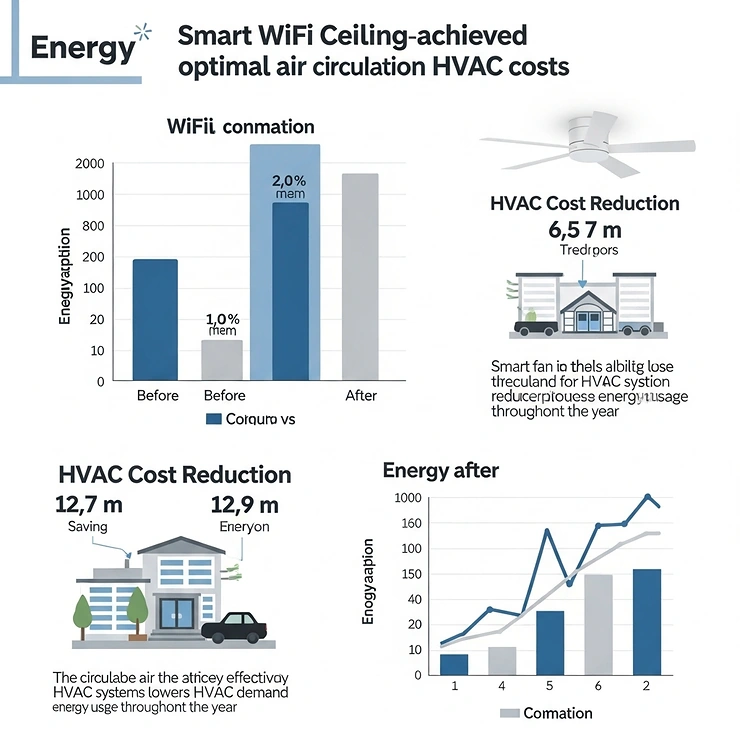
Developing a comprehensive cost-benefit analysis for wifi ceiling fan investment requires considering multiple financial and non-financial factors over the product’s expected operational lifetime. Begin by calculating the total cost of ownership, which includes initial purchase price, installation costs, operational energy consumption, maintenance expenses, and any associated smart home infrastructure requirements.
The financial benefits calculation should include direct energy savings from improved motor efficiency, indirect savings from reduced HVAC load through enhanced air circulation, potential utility rebates for energy-efficient appliances, and any demand response program payments for grid-supportive operation. Many utility companies offer rebates of $25-75 for ENERGY STAR certified ceiling fans, with additional incentives available for smart home integration in some regions.
Non-financial benefits require subjective valuation but significantly impact overall satisfaction with the investment. Convenience factors include voice control capabilities, smartphone app control, automated scheduling, and integration with existing smart home systems. Comfort improvements from precise speed control, quiet operation, and optimized air circulation patterns enhance quality of life in ways that are difficult to quantify financially.
Property value considerations vary by market but increasingly favor homes with smart technology integration. Real estate professionals report that homes with comprehensive smart home systems, including wifi ceiling fans, often sell faster and command premium prices in competitive markets. The exact value improvement depends on local market conditions and the sophistication of the smart home integration.
Implementation Strategy Templates for Different Scenarios
Single-room implementation represents the most common starting point for wifi ceiling fan adoption, typically targeting bedrooms or main living areas where comfort benefits are most noticeable. This approach minimizes initial investment while providing experience with smart ceiling fan technology before expanding to additional rooms. Budget allocation should include the fan cost, professional installation if required, and any necessary network infrastructure improvements.
Whole-house implementation provides maximum benefits through comprehensive integration and centralized control capabilities. This approach requires larger initial investment but achieves the greatest energy savings and convenience benefits. Planning should include electrical system evaluation, network infrastructure assessment, and coordination with other smart home devices to ensure optimal integration.
Renovation project integration offers opportunities to incorporate wifi ceiling fans into broader home improvement initiatives. Coordination with electrical work, lighting updates, and smart home system installation can reduce overall project costs while ensuring optimal placement and integration. This approach often provides the best value when multiple home systems require updating simultaneously.
New construction integration enables optimal wifi ceiling fan placement and electrical infrastructure planning from the beginning of the building process. Working with builders and electricians during the design phase ensures proper electrical circuits, network infrastructure, and ceiling support for optimal ceiling fan performance. This approach typically provides the lowest per-unit installation costs and best long-term integration.
Budget Planning and Financing Options
Budget planning for wifi ceiling fan projects should account for all associated costs beyond the fan purchase price. Professional installation typically costs $100-200 per fan, depending on electrical complexity and accessibility. Network infrastructure improvements, including wifi range extenders or mesh systems, may add $100-300 to project costs for homes with inadequate wireless coverage.
Financing options for wifi ceiling fan projects include traditional credit cards, home improvement loans, and energy efficiency financing programs offered by some utilities and local governments. Energy efficiency loans often provide favorable terms because wifi ceiling fans contribute to overall home energy performance improvements. Some utility companies offer on-bill financing that allows customers to pay for energy-efficient appliances through utility bill payments.
Bulk purchase opportunities arise for multi-room installations or community group buying programs. Some manufacturers offer quantity discounts for purchases of multiple units, while community group purchases can negotiate better pricing through collective buying power. These approaches can reduce per-unit costs by 10-20% compared to individual purchases.
Timing considerations affect both pricing and availability, with seasonal sales typically offering the best pricing during spring and fall months when demand is lower. End-of-model-year clearances can provide significant savings on previous-generation models that may lack the latest features but offer proven reliability and performance. Black Friday and other major sale events often include attractive pricing on smart home devices including wifi ceiling fans.
Measuring Success Metrics and Return on Investment
Energy consumption tracking provides the most objective measure of wifi ceiling fan investment success. Smart home energy monitoring systems can track ceiling fan electricity usage and calculate savings compared to previous consumption patterns or estimated traditional fan usage. Most wifi ceiling fans include energy monitoring features that provide real-time and historical consumption data.
Comfort improvement measurement relies on subjective assessment but can be tracked through family satisfaction surveys, sleep quality monitoring, and usage pattern analysis. Increased fan usage during appropriate conditions indicates successful comfort improvement, while reduced HVAC system operation suggests effective cooling load reduction.
Financial return calculation should track all quantifiable benefits including energy bill reductions, utility rebate payments, demand response program earnings, and any avoided maintenance costs compared to traditional fans. Most wifi ceiling fan investments achieve positive financial returns within 3-5 years through energy savings alone, with additional benefits providing further value.
Long-term value assessment includes consideration of technology advancement, changing utility rates, and evolving smart home integration capabilities. Wifi ceiling fans that receive regular software updates and maintain compatibility with evolving smart home standards provide better long-term value than models with limited upgrade potential. The ability to integrate with future smart home technologies enhances investment value over time.
Technology Upgrade and Compatibility Planning
Future-proofing considerations help ensure wifi ceiling fan investments remain valuable as technology evolves. Choose models with strong manufacturer support for software updates, broad compatibility with multiple smart home platforms, and standard mounting systems that enable component upgrades without complete replacement. These factors help protect investment value as technology advances.
Compatibility with emerging standards like Matter (formerly Project CHIP) will become increasingly important for long-term smart home integration. Fans that support these universal standards will integrate more easily with future smart home devices and platforms, reducing the risk of obsolescence as the industry evolves toward standardized communication protocols.
Upgrade path planning should consider which components of wifi ceiling fans might require replacement or enhancement over time. LED light kits, smart control modules, and blade assemblies typically have shorter lifespans than motors and mounting systems. Choosing fans with replaceable components extends overall system life and provides flexibility for future improvements.
Professional consultation may be valuable for complex smart home integration projects or situations involving multiple interconnected systems. Smart home system designers can evaluate your specific requirements, recommend optimal product combinations, and ensure proper integration that maximizes investment value while avoiding compatibility problems.
Frequently Asked Questions ❓
❓ How much electricity does a wifi ceiling fan use compared to traditional fans?
❓ Can wifi ceiling fans work without internet connection?
❓ What's the average lifespan of a wifi ceiling fan motor?
❓ Do wifi ceiling fans require special electrical wiring during installation?
❓ How do wifi ceiling fans integrate with existing smart home systems?
Conclusion: Embracing the Future of Home Comfort
The evolution of wifi ceiling fan technology represents a significant advancement in home comfort, energy efficiency, and smart home integration capabilities. As we’ve explored throughout this comprehensive guide, these sophisticated devices offer far more than simple connectivity – they provide intelligent climate control that adapts to your lifestyle while reducing energy consumption and enhancing overall comfort.
The seven featured wifi ceiling fan models demonstrate the range of options available to suit different needs, budgets, and aesthetic preferences. From the budget-friendly Cumilo Smart Ceiling Fans that provide excellent value for money, to the premium Monte Carlo Collins Smart models that offer commercial-grade performance and sophisticated design, there’s a wifi ceiling fan solution for every home environment.
The investment analysis clearly shows that wifi ceiling fans typically pay for themselves through energy savings within 3-5 years, while providing immediate benefits in convenience, comfort, and smart home integration. The ability to control climate conditions through voice commands, smartphone apps, and automated schedules transforms the daily experience of home comfort management.
Looking toward the future, wifi ceiling fan technology will continue evolving with advances in artificial intelligence, energy efficiency, and smart home integration. Early adoption of these technologies positions homeowners to benefit from ongoing improvements while establishing the foundation for increasingly sophisticated home automation systems.
🎯 Transform Your Home Today!
Don’t wait to experience the convenience and efficiency of smart ceiling fan technology. These carefully selected wifi ceiling fans offer the perfect combination of performance, features, and value. Click on any highlighted model to check current Amazon pricing and customer reviews – your journey to smarter home comfort starts now! 🏠✨
Recommended for You
- 7 Best Childrens Ceiling Fans That Transform Kids Rooms in 2025
- 7 Best Mini Ceiling Fans That Transform Small Spaces in 2025
- 7 Best Ceiling Fan with Wall Control Options for Ultimate Convenience in 2025
Disclaimer: This article contains affiliate links. If you purchase products through these links, we may earn a small commission at no additional cost to you.
✨ Found this helpful? Share it with your friends! 💬🤗
