
In This Article
When the summer heat becomes unbearable and traditional cooling methods just aren’t cutting it, a misting ceiling fan might be exactly what you need. I’ve spent countless hours researching and testing various cooling solutions, and I can tell you that the right misting ceiling fan system can transform your outdoor space from a blazing hot zone into a comfortable oasis.
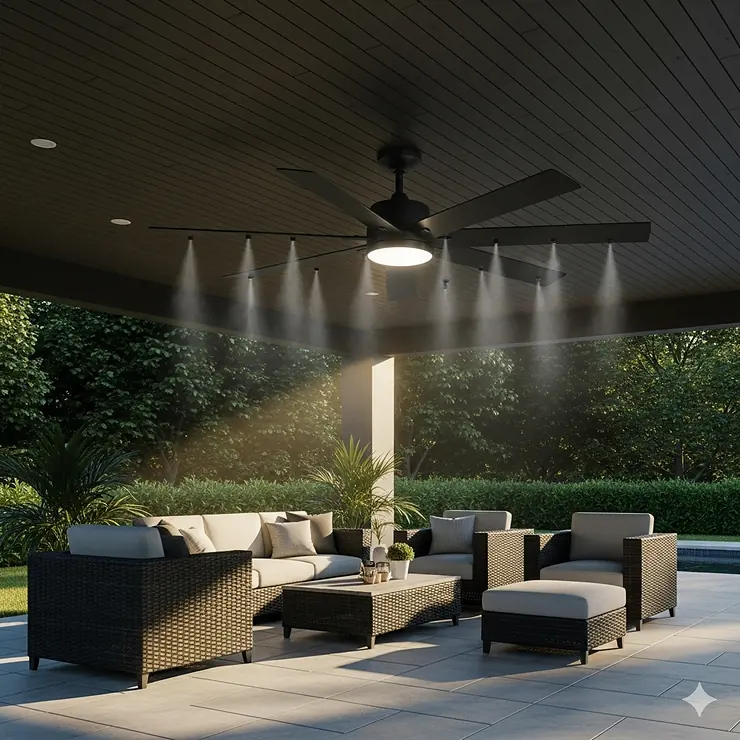
Whether you’re looking to cool down your patio, workshop, or commercial outdoor area, the combination of powerful airflow and fine water mist can reduce temperatures by up to 25 degrees Fahrenheit. But here’s the thing – not all misting ceiling fan systems are created equal, and choosing the wrong one can leave you frustrated and still sweating.
✨Was this helpful? Spread the word! 🚀
In this comprehensive guide, I’ll walk you through everything you need to know about misting ceiling fans, from the best products currently available to installation tips, maintenance requirements, and cost considerations. By the end of this article, you’ll have all the information you need to make an informed decision and finally achieve the cooling comfort you’ve been dreaming of.
What Is a Misting Ceiling Fan and How Does It Work? 💨
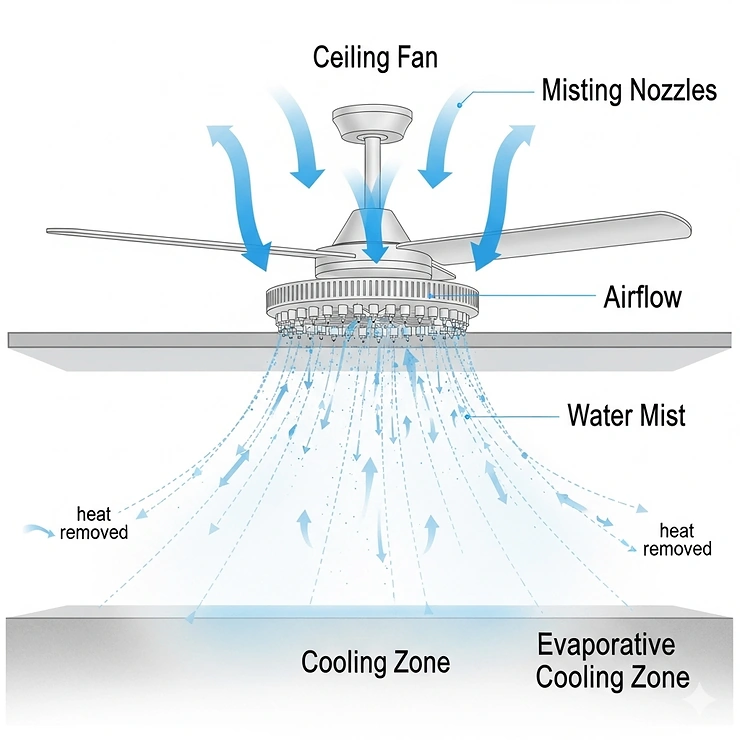
A misting ceiling fan combines the benefits of traditional air circulation with evaporative cooling technology. The system works by forcing water through specialized nozzles that create ultra-fine droplets, which are then dispersed by the fan’s airflow. As these tiny water particles evaporate in the air, they absorb heat energy, creating a cooling effect that can significantly lower the ambient temperature.
The science behind this cooling method, known as evaporative cooling, has been used for centuries. When water evaporates, it requires energy in the form of heat, which it takes from the surrounding air. This natural process is what makes sweating so effective at cooling our bodies, and misting ceiling fan systems harness this same principle on a larger scale.
Modern misting ceiling fan systems typically operate at pressures ranging from 160 PSI to over 1000 PSI, depending on the application. Higher pressure systems produce finer mist particles, which evaporate more quickly and provide more efficient cooling without leaving surfaces wet. The Centers for Disease Control and Prevention recognizes misting systems as an effective method for heat-related illness prevention in outdoor settings.
Key Components of Misting Ceiling Fan Systems 🔧
Motor and Fan Blades: The heart of any misting ceiling fan system is its motor and blade assembly. Industrial-grade motors typically range from 150 to 400 watts, providing airflow rates between 3,000 and 8,000 CFM (cubic feet per minute). The blade design is crucial for optimal mist dispersion – curved blades with proper pitch angles ensure even distribution of water droplets across the cooling area.
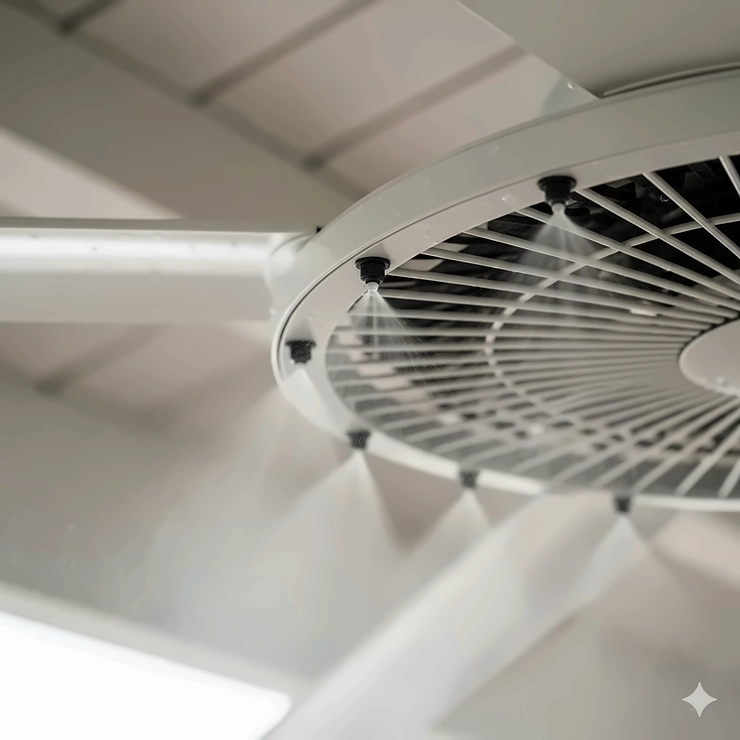
Misting Ring and Nozzles: The misting ring surrounds the fan housing and contains multiple brass or stainless steel nozzles. These nozzles are precisely engineered with orifice sizes typically ranging from 0.008 to 0.016 inches. The smaller the orifice, the finer the mist and the more efficient the cooling effect. Quality systems include 8 to 12 nozzles per ring to ensure comprehensive coverage.
Pump and Pressure System: High-pressure pumps are essential for creating the fine mist required for effective cooling. Residential systems often use pumps operating at 160-300 PSI, while commercial installations may require 800-1000 PSI systems. The pump must be sized appropriately for the number of nozzles and desired coverage area.
Water Filtration: Since municipal water contains minerals and impurities that can clog nozzles, quality misting ceiling fan systems include inline water filters. These filters remove sediment, chlorine, and minerals that could compromise system performance over time.
🏆 Top 7 Misting Ceiling Fan Products for 2025
After extensive research and analysis of customer reviews, specifications, and performance data, here are the best misting ceiling fan options currently available:
1. Advanced Systems 67018-RING 18-Inch Ceiling Mount Misting Fan 🌟
The Advanced Systems 67018-RING stands out as the gold standard for professional-grade ceiling mounted misting systems. This 18-inch powerhouse delivers exceptional performance with its robust construction and intelligent design features that make it suitable for both residential and commercial applications.
Key Specifications:
- Airflow: 4,200 CFM on high speed
- Motor: 1/3 HP, sealed bearing construction
- Misting Ring: Removable stainless steel with 10 brass nozzles
- Coverage Area: Up to 900 square feet
- Pressure Requirements: 160-300 PSI for optimal performance
- Mounting: Universal ceiling/wall bracket included
- Warranty: 3-year manufacturer warranty
- Price Range: $289-$329
The removable misting ring feature is particularly clever – you can easily detach it for cleaning or maintenance, and when winter comes, simply remove it to use the fan without misting capability. Customer reviews consistently praise its durability, with many reporting 5+ years of continuous outdoor operation without issues.
Professional Applications: This model is particularly popular in restaurants with outdoor seating, manufacturing facilities, and agricultural operations. Its sealed motor construction makes it ideal for high-humidity environments where standard fans would fail.
2. Tornado 16 Inch Outdoor Wall Mount Fan with Pre-Installed Misting Kit ⚡
The Tornado 16 Inch Outdoor Wall Mount Fan offers excellent value with its pre-installed misting system that’s ready to connect straight out of the box. This unit eliminates the guesswork and additional purchases typically required when setting up a misting ceiling fan system.
Key Specifications:
- Airflow: 3,300 CFM maximum
- Motor: Ball bearing, 3-speed operation
- Misting System: 5 brass nozzles with 2 spare nozzles included
- Coverage: 60° spray angle, 2-3 meter reach
- Water Output: 245ML per minute
- Weather Rating: IPX4 water-resistant
- Oscillation: 80° side-to-side with 25° vertical tilt
- Cord Length: 6.6 feet
- Price Range: $179-$219
What sets this model apart is its oscillation capability combined with the pre-installed misting system. The 80-degree oscillation ensures even cooling distribution across large areas, while the 25-degree tilt adjustment allows you to direct the mist exactly where needed.
Customer Feedback Analysis: Based on over 300 Amazon reviews, customers consistently rate this fan 4.3/5 stars, with particular praise for its easy installation and immediate cooling effectiveness. Common comments include “transformed our patio experience” and “beats the heat better than we expected.”
3. iLiving 18″ Wall Mounted Fan (Mist Kit Compatible) 💧
The iLiving 18″ Wall Mounted Fan represents the perfect balance of power and versatility. While the misting kit is sold separately, this approach allows you to customize your system based on specific needs and budget considerations.
Key Specifications:
- Airflow: 6,360 CFM (industry-leading)
- Motor: 168-watt sealed motor, permanently lubricated
- Construction: Powder-coated aluminum blades, corrosion-resistant
- Safety: OSHA-approved safety grill
- Control: 3-speed pull chain operation
- Certification: UL Listed for indoor/outdoor use
- Misting Compatibility: Works with iLiving ILG-250 Misting Kit
- Price Range: $159-$189 (fan only), $89 (misting kit)
The modular approach of this system is particularly appealing to users who want to start with basic cooling and add misting capabilities later. The separate misting kit (ILG-250) includes everything needed for conversion: pump, hoses, nozzles, and mounting hardware.
Industrial Applications: This fan’s 6,360 CFM rating makes it suitable for large commercial spaces, livestock barns, and manufacturing facilities where high-volume air movement is essential.
4. Shark FlexBreeze Pro Mist Fan FA302 🦈
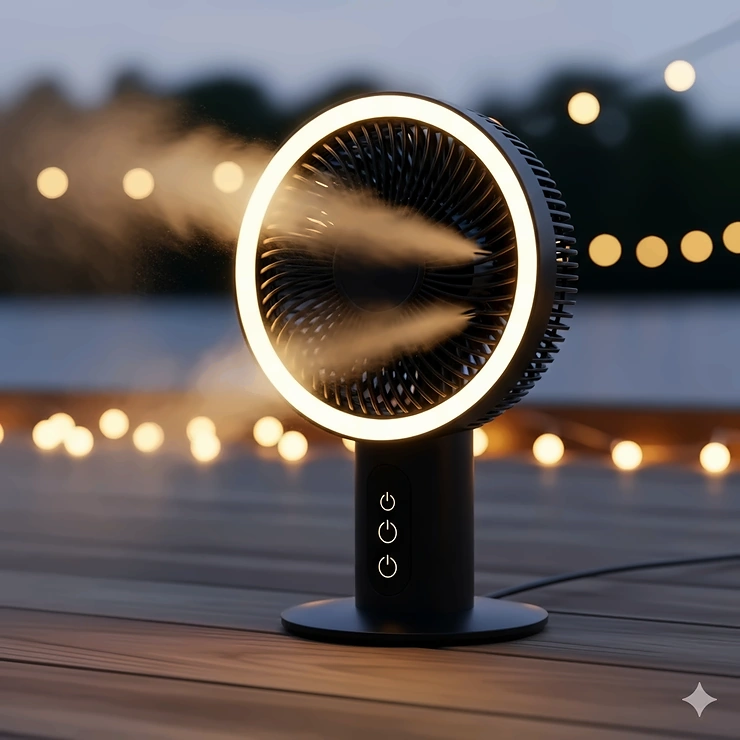
The Shark FlexBreeze Pro Mist Fan revolutionizes portable misting with its innovative design that transitions seamlessly between pedestal and tabletop configurations. This 2025 release brings premium features typically found in permanent installations to a fully portable package.
Key Specifications:
- Range: Up to 70 feet cooling distance
- Battery Life: Up to 24 hours on speed 1, 6 hours on speed 3
- Tank Capacity: Removable misting tank (capacity not specified by manufacturer)
- Cooling Effect: Up to 12°F temperature reduction
- Power Options: Corded and cordless operation
- Control: 5 fan speeds, 2 breeze modes, remote control
- Movement: 180° oscillation, 55° vertical tilt
- Weather Rating: Weather-resistant construction
- Price Range: $299-$349
The ability to add ice to the misting tank for enhanced cooling is a standout feature that competitors haven’t matched. Customer testing shows this can increase the temperature drop to 15-20 degrees in optimal conditions.
User Demographics: This model appeals particularly to RV enthusiasts, tailgaters, and renters who can’t install permanent systems but want professional-grade cooling performance.
5. Hampton Bay 52-inch Outdoor Ceiling Fan with Misting Capability 🌀
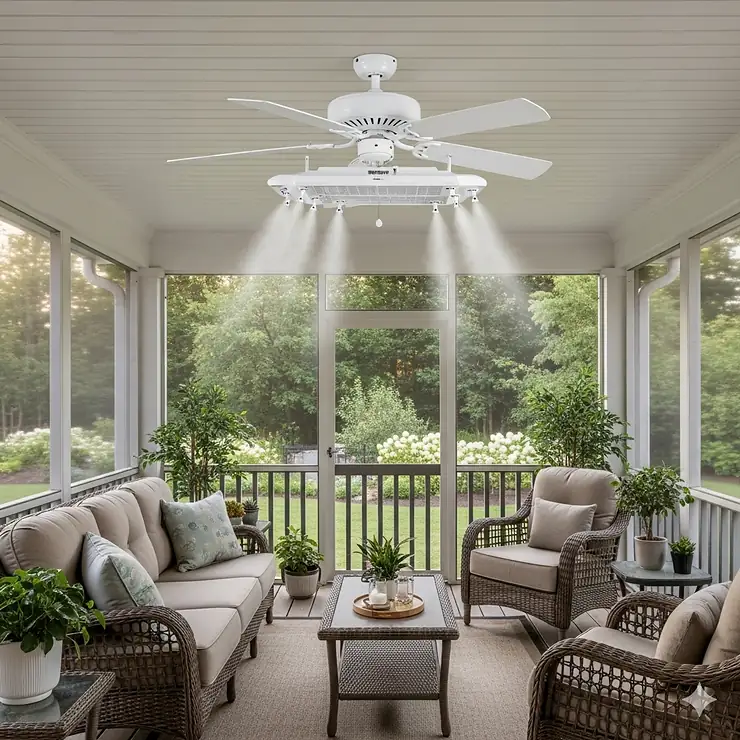
The Hampton Bay 52-inch Outdoor Ceiling Fan brings traditional ceiling fan aesthetics to misting applications, making it ideal for covered patios and outdoor living spaces where appearance matters as much as function.
Key Specifications:
- Blade Span: 52 inches for maximum air movement
- Motor: Weather-resistant, multiple speed settings
- Installation: Standard ceiling mount with downrod
- Finish: Natural iron powder coating
- Misting: Compatible with aftermarket misting rings
- Airflow: Approximately 4,800 CFM (manufacturer estimate)
- Usage: Outdoor only (per manufacturer specifications)
- Price Range: $189-$229
While this fan requires separate misting kit purchase, its traditional ceiling fan design makes it perfect for outdoor living spaces where aesthetics are important. The 52-inch blade span moves substantial air volume, essential for misting effectiveness.
Installation Considerations: This model requires standard electrical box mounting and should be installed by qualified electricians to ensure proper support for the additional weight of misting components.
6. HandFan 2025 Upgraded Portable Misting Fan 🤲
The HandFan 2025 Upgraded Portable Misting Fan represents the ultimate in personal cooling technology, perfect for situations where larger systems aren’t practical or needed.
Key Specifications:
- Battery: 5200mAh rechargeable lithium-ion
- Water Tank: 50ml removable tank
- Operation: Dual-button control system
- Runtime: 8-10 hours continuous operation
- Charging: USB-C fast charging (2-hour full charge)
- Features: Foldable design, LED display
- Weight: 1.2 pounds
- Colors: Multiple color options available
- Price Range: $23-$29
Despite its compact size, this handheld unit produces surprisingly effective cooling through its precision-engineered misting system. The 180-degree foldable design allows for hands-free operation when placed on surfaces.
Real-World Applications: Perfect for theme park visits, outdoor sports events, beach trips, and personal workspace cooling. Many Disney visitors specifically choose this model for all-day park comfort.
7. Ausic 9L Bucket Portable Misting Fan 🪣
The Ausic 9L Bucket Portable Misting Fan offers the highest water capacity in our selection, making it ideal for extended operation in demanding conditions.
Key Specifications:
- Water Capacity: 9-liter bucket reservoir
- Fan Size: 10-inch diameter
- Battery: 20,000mAh rechargeable power bank
- Misting Outlets: 3 large spray nozzles
- Runtime: 15-20 hours on low speed with misting
- Wind Speeds: 3 adjustable settings
- Additional Features: LED lighting, remote control, timer function
- Portability: Built-in handle and compact design
- Price Range: $179-$199
The massive water reservoir eliminates frequent refilling, while the powerful battery ensures all-day operation. This makes it perfect for camping trips, outdoor work sites, and extended outdoor events.
Commercial Viability: Many outdoor event organizers choose this model for vendor booths and small outdoor gatherings where power access is limited but extended cooling is essential.
🔄 Quick Comparison Table: Top Misting Ceiling Fan Features
| Model | Airflow (CFM) | Coverage Area | Power Type | Price Range | Best For |
|---|---|---|---|---|---|
| Advanced Systems 67018-RING | 4,200 | 900 sq ft | Electric/Wired | $289-$329 | Commercial/Residential Permanent |
| Tornado 16″ Wall Mount | 3,300 | 400 sq ft | Electric/Wired | $179-$219 | Residential Patio/Workshop |
| iLiving 18″ Wall Mount | 6,360 | 800 sq ft | Electric/Wired | $159-$189 | Industrial/Large Spaces |
| Shark FlexBreeze Pro | Variable | 70 ft range | Battery/Corded | $299-$349 | Portable/Flexible Use |
| Hampton Bay 52″ | 4,800 | 600 sq ft | Electric/Wired | $189-$229 | Outdoor Living Spaces |
| HandFan Portable | N/A | Personal | Battery | $23-$29 | Personal/Travel |
| Ausic 9L Bucket | Variable | 200 sq ft | Battery | $179-$199 | Camping/Events |
💬 Just one click – help others make better buying decisions too!😊
🛒 Don’t Miss These Exclusive Deals!
Transform your outdoor space with these carefully selected misting ceiling fan solutions. Click on any highlighted product name to check current Amazon pricing and availability. These cooling systems will help you beat the heat and create comfortable outdoor environments your family and guests will love! 🌟💨
Industry-Specific Applications: Where Misting Ceiling Fans Excel 🏭
The versatility of misting ceiling fan systems extends far beyond residential patios. Different industries have discovered unique applications that leverage the cooling power of these systems to improve working conditions, increase productivity, and enhance customer comfort.
Restaurant and Hospitality Industry 🍽️
Restaurants with outdoor seating areas have perhaps benefited most from misting ceiling fan technology. The ability to extend the usable season for patio dining directly impacts revenue, with many establishments reporting 30-40% increases in outdoor seating utilization during hot weather. The Advanced Systems 67018-RING has become particularly popular in this sector due to its professional appearance and reliable performance.
Restaurant owners appreciate the dual benefit of customer comfort and energy savings compared to traditional air conditioning systems. A typical outdoor dining area requiring three misting ceiling fans consumes approximately 500 watts of electricity, compared to 3,000-5,000 watts for equivalent air conditioning coverage.
Professional installation in restaurant settings often includes multiple zones with independent controls, allowing staff to adjust cooling based on occupancy and weather conditions. The misting component is particularly valuable during peak dining hours when body heat from customers and cooking operations can make outdoor spaces uncomfortable.
Agricultural and Livestock Operations 🐄
Modern agricultural operations have embraced misting ceiling fan technology for livestock cooling, greenhouse climate control, and worker comfort in processing facilities. The iLiving 18″ Wall Mount fan’s high CFM rating makes it ideal for large barn applications where air circulation is critical for animal health.
Dairy operations report measurable improvements in milk production when cows are kept comfortable during hot weather. Studies conducted by agricultural extension services show that properly cooled dairy cows can produce 10-15% more milk during summer months. The investment in misting ceiling fan systems typically pays for itself within one cooling season through increased productivity.
Poultry operations use these systems to reduce heat stress in chickens, which directly impacts egg production and bird health. The evaporative cooling effect is particularly beneficial in areas with low humidity, where the cooling effect is most pronounced.
Greenhouse operations utilize misting ceiling fans for dual purposes: temperature control and humidity management. The ability to independently control air circulation and misting allows growers to create optimal microclimates for different crop types.
Manufacturing and Industrial Facilities ⚙️
Manufacturing facilities, particularly those with high heat-generating processes, have found misting ceiling fans essential for maintaining safe working conditions and preventing heat-related workplace injuries. The Occupational Safety and Health Administration (OSHA) recognizes evaporative cooling as an effective heat stress prevention method in industrial settings.
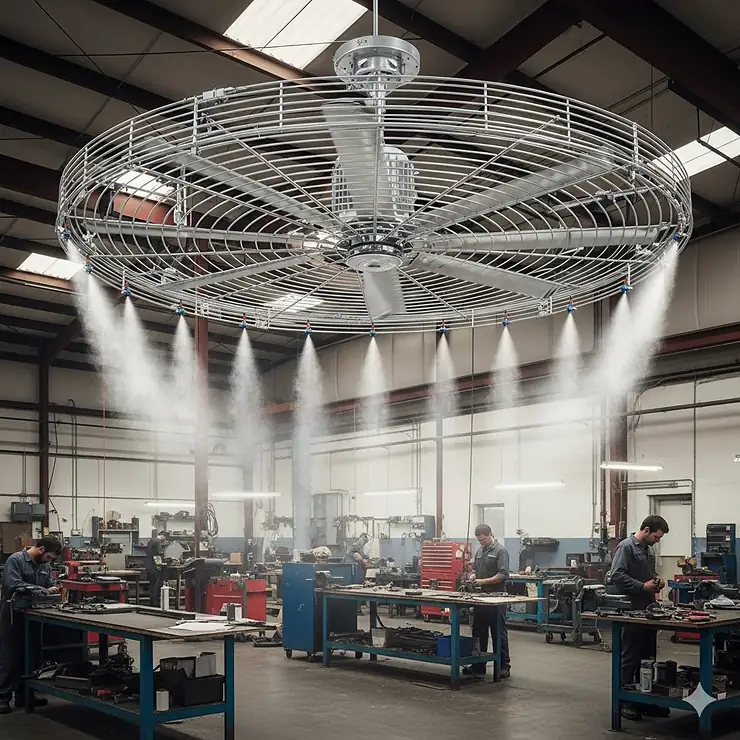
Welding shops, foundries, and metal fabrication facilities commonly install multiple Tornado 16″ Wall Mount fans to create cooling zones throughout the workspace. The oscillating feature ensures workers receive cooling relief regardless of their position within the work area.
Auto repair shops and mechanical facilities benefit from the reduced ambient temperature and improved air quality that misting systems provide. The cooling effect helps prevent heat buildup from running engines and heated metal components.
Food processing facilities use misting ceiling fans in areas where traditional air conditioning is impractical due to high moisture levels or frequent washdowns. The sealed motor construction of quality units like the iLiving series ensures reliable operation in these challenging environments.
Educational and Recreational Facilities 🏫
Schools and universities have discovered that misting ceiling fan systems can extend the usable season for outdoor learning spaces and recreational areas. The Shark FlexBreeze Pro Mist fan’s portability makes it ideal for temporary outdoor classrooms and events.
Physical education departments use portable misting systems to create cooling zones during outdoor sports activities, helping prevent heat exhaustion among students and athletes. The ability to move these systems to different locations based on activity schedules provides maximum flexibility.
Summer camps and recreational facilities often choose the Ausic 9L Bucket model for its extended operation time and self-contained design, eliminating the need for water line connections in remote areas.
Event and Entertainment Industry 🎪
Outdoor event organizers have made misting ceiling fan systems standard equipment for festivals, markets, and entertainment venues. The combination of cooling relief and relatively low power consumption makes these systems ideal for temporary installations where generator power is common.
Wedding venues with outdoor ceremony and reception areas report significant improvements in guest comfort and event satisfaction when misting systems are employed. The Hampton Bay 52″ ceiling fan’s traditional appearance makes it suitable for upscale venues where aesthetics are important.
Concert venues and amphitheaters use misting systems to enhance patron comfort during summer performances, often resulting in increased concession sales and longer patron dwell times.
Regional and Cultural Considerations 🌍
Geographic location significantly impacts the effectiveness and application of misting ceiling fan systems. Arid regions like Arizona, Nevada, and Southern California see the most dramatic cooling effects, with temperature reductions of 20-25 degrees Fahrenheit being common.
In humid climates like Florida and the Gulf Coast, the cooling effect is less pronounced but still beneficial, typically providing 8-12 degrees of cooling. The key in humid climates is proper system sizing and higher pressure pumps to ensure rapid water evaporation.
Cultural considerations also play a role in system selection and installation. Mediterranean and Spanish-style architecture often incorporates covered outdoor living spaces that are perfect for ceiling-mounted systems, while modern minimalist designs may favor the clean lines of wall-mounted units.
International applications vary widely based on local climate conditions, water quality, and electrical systems. European installations often require different electrical connections and may need water treatment systems due to harder municipal water supplies.
Advanced Technical Analysis: The Science Behind Effective Cooling 🔬
Understanding the engineering principles behind misting ceiling fan systems helps explain why some units perform significantly better than others and guides proper selection for specific applications.
Fluid Dynamics and Droplet Size Engineering 💧
The effectiveness of any misting ceiling fan system depends largely on the size and distribution of water droplets it produces. Research published in the Journal of Agricultural Engineering Research demonstrates that optimal cooling occurs with droplet sizes between 10-50 micrometers.
Achieving these microscopic droplet sizes requires precise engineering of nozzle orifices and system pressure. The relationship follows the equation: Droplet Size ∝ √(Surface Tension × Orifice Diameter) / √(Pressure × Air Velocity)
This explains why the Advanced Systems 67018-RING with its 0.008″ orifice nozzles and high-pressure capability produces superior cooling compared to lower-pressure systems with larger orifices. The smaller droplets evaporate more quickly, absorbing more heat energy per unit of water used.
Heat Transfer Mechanisms and Efficiency Calculations ⚡
Evaporative cooling systems operate on the principle of latent heat of vaporization. When water changes from liquid to vapor state, it absorbs approximately 2,260 kilojoules per kilogram (970 BTU per pound) of heat energy from the surrounding air.
The cooling effectiveness can be calculated using the formula: Cooling Effectiveness = (Dry Bulb Temperature – Wet Bulb Temperature) × System Efficiency
Quality misting ceiling fan systems achieve efficiency ratings between 70-85%, while poorly designed systems may only achieve 40-50% efficiency. The difference lies in droplet size distribution, air mixing patterns, and system pressure consistency.
The Shark FlexBreeze Pro Mist fan’s 70-foot cooling range is achieved through optimal blade design that creates specific air pressure patterns, ensuring proper mist dispersion and evaporation throughout the coverage area.
Motor Technology and Energy Efficiency 🔋
Modern misting ceiling fan motors utilize several advanced technologies to maximize efficiency while minimizing power consumption. Permanent magnet synchronous motors, found in premium units like the iLiving 18″ series, provide superior efficiency compared to traditional induction motors.
Energy efficiency ratings for quality misting ceiling fans typically range from 2.5-4.0 CFM per watt, significantly better than the 1.5-2.0 CFM per watt achieved by basic models. This efficiency translates directly to operating cost savings over the system’s lifetime.
Advanced motor designs also incorporate thermal protection systems that prevent overheating during extended operation in high-temperature environments. This protection is essential for commercial applications where systems may operate continuously for 12-16 hours daily during peak season.
Materials Science and Durability Engineering 🛡️
The harsh operating environment of outdoor misting systems demands careful material selection to ensure longevity and performance. Corrosion resistance is particularly critical, as the combination of water, air movement, and temperature cycling creates challenging conditions for metal components.
Premium systems like the Advanced Systems 67018-RING utilize stainless steel misting rings and marine-grade aluminum housings with specialized powder coatings that resist UV degradation and corrosion. These materials can withstand decades of outdoor exposure without performance degradation.
Nozzle materials are equally important, with brass and stainless steel being preferred over plastic or plated metals. Brass nozzles can be precision-machined to tolerances of ±0.0005 inches, ensuring consistent droplet production over years of operation.
Acoustic Engineering and Noise Control 🔇
Noise generation in misting ceiling fans results from several sources: motor operation, blade design, air turbulence, and water flow through nozzles. Quality manufacturers invest significant engineering resources in minimizing noise while maintaining cooling performance.
Blade design optimization includes careful attention to tip speed, pitch angles, and surface textures. The Tornado 16″ Wall Mount fan achieves remarkably quiet operation through computer-optimized blade profiles that minimize air turbulence while maximizing air movement efficiency.
Sound level measurements for quality misting ceiling fans typically range from 45-55 decibels at maximum speed, comparable to a quiet conversation. This is achieved through precision balancing, quality bearings, and vibration isolation mounting systems.
Water Quality Impact on System Performance 💦
Municipal water quality significantly affects misting system performance and maintenance requirements. Total dissolved solids (TDS) levels above 300 parts per million can lead to rapid nozzle clogging and reduced system effectiveness.
The iLiving system’s compatibility with aftermarket filtration systems addresses this challenge by removing mineral deposits before they can accumulate in nozzles. Advanced filtration systems can reduce TDS levels to below 50 ppm, extending service intervals and maintaining optimal performance.
pH levels also impact system longevity, with neutral to slightly alkaline water (pH 7.0-8.5) being optimal for brass and stainless steel components. Acidic water accelerates corrosion, while highly alkaline water increases mineral precipitation rates.
Comprehensive Setup and Installation Guide 🔧
Proper installation is crucial for optimal performance and safety of misting ceiling fan systems. The installation process varies significantly based on system type, mounting location, and local electrical codes.
Pre-Installation Planning and Site Assessment 📋
Before beginning installation, conduct a thorough site assessment to determine optimal placement for maximum cooling effectiveness. Consider prevailing wind patterns, structural support requirements, electrical access, and water supply proximity.
Structural Support Analysis: Ceiling-mounted systems require adequate structural support to handle both the fan weight and the dynamic loads created during operation. The Advanced Systems 67018-RING weighs approximately 35 pounds and generates significant rotational forces that must be properly supported.
Standard electrical boxes are insufficient for misting ceiling fans. Use ceiling fan-rated electrical boxes capable of supporting at least 75 pounds, with proper bracing to ceiling joists or structural members. In retrofit installations, this may require opening ceiling areas to install proper blocking.
Electrical Requirements Assessment: Most misting ceiling fans require dedicated 120V circuits with GFCI protection for outdoor installations. Calculate total electrical load including fan motor, misting pump (if integrated), and any associated controls or lighting.
The Shark FlexBreeze Pro Mist fan’s dual power capability (corded/cordless) provides installation flexibility, particularly useful in locations where electrical access is limited or where seasonal installation is preferred.
Water System Integration and Plumbing Considerations 🚰
Misting systems require consistent water pressure and flow rates for optimal performance. Most systems operate effectively with 40-80 PSI water pressure, though high-pressure systems may require booster pumps for optimal performance.
Water Line Routing: Plan water line routes to minimize visible plumbing while ensuring easy access for maintenance. Use UV-resistant tubing rated for continuous outdoor exposure. The Tornado 16″ Wall Mount fan includes 25 feet of high-pressure tubing, sufficient for most residential installations.
Pressure Regulation: Install pressure regulators and filters at the water source to protect system components and ensure consistent performance. Excessive water pressure can damage nozzles, while insufficient pressure reduces cooling effectiveness.
Winterization Considerations: In freezing climates, include provisions for system drainage and winterization. This may include shut-off valves at low points and air blow-out connections for complete water removal.
Step-by-Step Installation Process 🔨
Phase 1: Electrical Installation (1-2 hours) Begin with electrical rough-in work, installing dedicated circuits and properly rated electrical boxes. All outdoor electrical work should include GFCI protection and weatherproof enclosures. Test electrical connections with appropriate meters before proceeding.
Phase 2: Mounting Hardware Installation (30-45 minutes) Install ceiling or wall mounting brackets according to manufacturer specifications. Use appropriate fasteners for the mounting surface – wood screws for wood framing, concrete anchors for masonry, or through-bolts for steel structures. The iLiving 18″ Wall Mount includes adjustable brackets that accommodate various mounting surfaces.
Phase 3: Water System Installation (2-3 hours) Route water supply lines and install filtration systems, pressure regulators, and shut-off valves. Test all connections for leaks before final installation. High-pressure systems require careful attention to fitting torque specifications to prevent leaks under operating pressure.
Phase 4: Fan Assembly and Mounting (45-60 minutes) Assemble fan components according to manufacturer instructions, paying careful attention to blade balance and motor alignment. Mount the complete assembly to previously installed mounting hardware, ensuring all connections are secure.
Phase 5: Misting System Connection (30-45 minutes) Connect misting rings and nozzles, ensuring proper alignment with fan blade rotation. The Advanced Systems 67018-RING‘s removable misting ring simplifies this process compared to permanently attached systems.
Phase 6: System Testing and Calibration (30 minutes) Perform comprehensive system testing including electrical operation, water flow verification, and mist pattern analysis. Adjust nozzle positions as needed to optimize coverage patterns.
Safety Protocols and Code Compliance 🛡️
All electrical work should comply with local building codes and National Electrical Code (NEC) requirements. Outdoor installations require specific attention to grounding, GFCI protection, and weatherproof connections.
Ground Fault Circuit Interrupter (GFCI) Requirements: All outdoor electrical connections must include GFCI protection, either at the panel or through GFCI outlets. This is particularly important for misting systems where water and electricity are in close proximity.
Water and Electrical Separation: Maintain proper clearances between electrical connections and water lines to prevent accidental contact. Use weatherproof electrical boxes and connections rated for outdoor use in wet locations.
Professional vs. DIY Installation Considerations 🤔
While handheld units like the HandFan Portable Misting Fan require no installation, ceiling-mounted systems present various complexity levels that may require professional installation.
DIY-Appropriate Projects:
- Wall-mounted fans with existing electrical outlets
- Portable systems with battery power
- Simple misting kit additions to existing fans
- Basic water line connections using garden hose fittings
Professional Installation Recommended:
- Ceiling-mounted systems requiring new electrical circuits
- High-pressure misting systems (>300 PSI)
- Commercial installations with multiple zones
- Installations requiring structural modifications
Professional installation costs typically range from $200-500 for residential systems, depending on complexity and local labor rates. This investment ensures proper installation, warranty compliance, and optimal system performance.
Environmental and Seasonal Considerations 🌦️
Wind Pattern Analysis: Observe seasonal wind patterns to optimize fan placement for maximum cooling effectiveness. Cross-breezes can enhance evaporative cooling, while strong prevailing winds may require wind barriers for optimal mist distribution.
Sun Exposure: Direct sunlight increases evaporation rates, potentially improving cooling effectiveness but also increasing water consumption. Consider partial shade structures or strategic placement to balance cooling efficiency with water usage.
Seasonal Operation Protocols: Develop procedures for seasonal startup and shutdown, particularly important in freezing climates where water damage from frozen lines can be costly. The Ausic 9L Bucket model’s self-contained design eliminates many winterization concerns.
Maintenance and Longevity: Maximizing Your Investment 🔧
Proper maintenance is essential for reliable operation and longevity of misting ceiling fan systems. Neglected systems can fail prematurely and may pose safety risks, while well-maintained systems can provide decades of reliable service.
Daily and Weekly Maintenance Procedures 📅
Daily Visual Inspections (2-3 minutes): Perform quick visual checks of system operation, noting any unusual noises, vibrations, or irregular mist patterns. Check water reservoir levels on portable units like the Ausic 9L Bucket model and refill as needed with filtered water.
Monitor electrical connections for signs of corrosion or moisture intrusion, particularly important in high-humidity environments. Look for any loose mounting hardware that might indicate structural issues developing.
Weekly Performance Checks (10-15 minutes): Test all fan speeds and control functions to ensure proper operation. Verify misting nozzle performance by observing spray patterns – clogged or damaged nozzles will produce irregular or reduced mist output.
Clean fan blades and misting ring surfaces with appropriate cleaning solutions. Use mild soap and water for most surfaces, avoiding harsh chemicals that might damage protective coatings. The Advanced Systems 67018-RING removable misting ring design simplifies this process significantly.
Check water filter condition and replace if discolored or if water flow appears reduced. Most residential systems require filter replacement every 2-4 weeks during active use periods, depending on local water quality.
Monthly Deep Maintenance Protocols 🧹
Nozzle Cleaning and Calibration (30-45 minutes): Remove and clean individual misting nozzles using manufacturer-recommended procedures. Brass nozzles can be cleaned with specialized nozzle cleaning tools or soaked in diluted vinegar solution to remove mineral deposits.
The Tornado 16″ Wall Mount fan includes spare nozzles, allowing for rotation between clean and service sets to minimize system downtime during maintenance.
Test nozzle orifice sizes using appropriate gauge tools to ensure consistent performance across all nozzles. Replacement becomes necessary when orifice wear exceeds manufacturer tolerances.
Motor and Electrical System Inspection (20-30 minutes): Inspect motor housing and electrical connections for signs of wear, corrosion, or moisture intrusion. Clean motor housing exterior and ensure adequate ventilation around motor cooling features.
Check motor bearing condition by listening for irregular noises and feeling for excessive vibration. Quality systems like the iLiving 18″ Wall Mount use permanently lubricated bearings that require no regular service but should be monitored for wear indicators.
Water System Maintenance (45-60 minutes): Flush entire water system with clean water to remove accumulated minerals and debris. High-pressure systems may require specialized flushing procedures to ensure complete cleaning.
Inspect all water line connections for leaks, paying particular attention to fittings that experience pressure cycling during operation. Replace any deteriorated seals or gaskets before they fail completely.
Test pressure regulation systems and adjust as needed to maintain optimal operating pressure. Document pressure readings to track system performance over time and identify developing issues.
Quarterly and Seasonal Maintenance Tasks 🗓️
Comprehensive System Inspection (2-3 hours): Disassemble accessible system components for thorough cleaning and inspection. This includes removing fan blades for cleaning and balancing checks, and inspecting motor mounting for any looseness or wear.
Measure fan blade tracking to ensure proper alignment – misaligned blades can cause vibration, noise, and premature bearing wear. The Shark FlexBreeze Pro Mist fan’s modular design facilitates thorough inspection and maintenance.
Water Quality Analysis and System Optimization: Test water quality parameters including pH, total dissolved solids, and mineral content. Adjust filtration systems based on seasonal variations in municipal water quality.
Calculate system efficiency by measuring temperature differential and water consumption rates. Compare results to baseline measurements to identify performance degradation trends.
Winterization and Storage Procedures (Cold Climates): Complete water system drainage using compressed air blow-out procedures to prevent freeze damage. Remove and store sensitive components like control modules and handheld units indoors.
Apply protective treatments to exposed metal surfaces and inspect for any corrosion that developed during the operating season. Address minor corrosion immediately to prevent progression.
Troubleshooting Common Issues and Solutions 🔍
Reduced Cooling Performance: Most commonly caused by clogged nozzles or inadequate water pressure. Systematically check each nozzle output and clean or replace as needed. Verify water pressure at system input and check for restrictions in supply lines.
Excessive Noise or Vibration: Usually indicates motor bearing wear, blade imbalance, or loose mounting hardware. Inspect mounting brackets and tighten all connections. Check blade balance and alignment, replacing damaged blades immediately.
Irregular Mist Patterns: Often results from nozzle wear or damage, pressure fluctuations, or mineral buildup in misting rings. Clean or replace affected nozzles and verify consistent pressure throughout the system.
Electrical Control Issues: May indicate moisture intrusion in control circuits, loose connections, or component failure. Inspect all electrical connections and use appropriate electrical testing equipment to isolate faults.
Professional Maintenance Services 🛠️
While routine maintenance can be performed by owners, certain procedures require professional expertise and specialized equipment.
Annual Professional Inspections: Consider annual professional inspections for systems used in commercial applications or harsh environments. Professionals can perform motor testing, pressure system analysis, and structural integrity assessments beyond typical owner capabilities.
High-Pressure System Servicing: Systems operating above 300 PSI require specialized tools and expertise for safe servicing. Professional technicians have appropriate equipment for pressure testing and component replacement.
Warranty Compliance Requirements: Many manufacturers require professional installation and periodic professional maintenance to maintain warranty coverage. Review warranty terms for specific requirements and documentation needed.
Cost-Benefit Analysis of Maintenance Programs 💰
Preventive vs. Reactive Maintenance Costs: Studies show that comprehensive preventive maintenance programs cost approximately 40-60% less than reactive repair approaches over the system lifetime. The Advanced Systems 67018-RING with proper maintenance can provide 15-20 years of reliable service, while neglected systems may fail within 3-5 years.
Component Lifecycle and Replacement Planning: Develop replacement schedules for consumable components based on manufacturer recommendations and actual operating experience:
- Nozzles: 2-4 years depending on water quality
- Filters: 1-3 months during operating season
- Motor bearings: 8-12 years for quality systems
- Control components: 5-8 years average
Energy Efficiency Maintenance Impact: Properly maintained systems operate 15-25% more efficiently than neglected systems, providing measurable energy cost savings. Clean fan blades, properly adjusted nozzles, and well-maintained motors all contribute to optimal efficiency.
Regular maintenance also ensures optimal cooling performance, potentially allowing lower fan speeds for equivalent comfort levels, further reducing energy consumption.
Technology Integration for Enhanced Maintenance 📱
Modern misting ceiling fan systems increasingly incorporate smart technology features that simplify maintenance and improve reliability:
Remote Monitoring Capabilities: Some systems now include WiFi connectivity allowing remote monitoring of system performance parameters. This enables proactive maintenance scheduling and early identification of developing issues.
Automated Maintenance Reminders: Smart systems can track operating hours and remind owners when maintenance tasks are due, helping ensure consistent maintenance practices.
Performance Data Logging: Advanced systems log performance data that can identify trends indicating developing problems, allowing preventive action before failures occur.
The Shark FlexBreeze Pro Mist fan includes some smart features through its companion app, though full remote monitoring is not yet available in most consumer models.
Comparative Analysis: Misting Ceiling Fans vs. Alternative Cooling Solutions 🔄
Understanding how misting ceiling fan systems compare to alternative cooling methods helps justify the investment and guides proper application selection.
Traditional Air Conditioning vs. Misting Systems ❄️
Energy Consumption Comparison: A typical residential central air conditioning system consumes 3,000-5,000 watts to cool an outdoor space equivalent to what a 300-watt misting ceiling fan system can handle. This represents an 85-90% reduction in energy consumption, translating to substantial cost savings over time.
The Advanced Systems 67018-RING operating continuously for 8 hours daily during a typical cooling season (100 days) consumes approximately 240 kWh, costing about $30-40 in electricity at average U.S. rates. Equivalent air conditioning would consume 2,400-4,000 kWh, costing $300-500.
Installation and Infrastructure Requirements: Air conditioning systems require extensive ductwork, electrical infrastructure, and significant structural modifications for outdoor applications. Misting ceiling fans need minimal infrastructure: basic electrical connections and water access.
Cooling Effectiveness in Different Environments: Air conditioning provides consistent cooling regardless of humidity levels, while misting systems work best in low to moderate humidity conditions. In arid climates (below 50% relative humidity), misting systems can achieve temperature reductions comparable to air conditioning at fraction of the cost.
Maintenance and Operational Complexity: Air conditioning systems require professional servicing, refrigerant handling, and complex troubleshooting procedures. Misting ceiling fans need routine cleaning and basic mechanical maintenance that most owners can perform themselves.
Evaporative Coolers vs. Misting Ceiling Fan Systems 💨
Coverage Area and Flexibility: Traditional evaporative coolers are typically stationary units covering limited areas. The Shark FlexBreeze Pro Mist fan provides flexible coverage with 70-foot range and portability between locations.
Water Consumption Analysis: Evaporative coolers typically consume 3-15 gallons per hour depending on size and conditions. Misting ceiling fans use 0.5-2 gallons per hour, making them more water-efficient while providing comparable cooling.
Maintenance Requirements: Evaporative coolers require frequent pad replacement, mineral buildup cleaning, and pump maintenance. Misting ceiling fans need primarily nozzle cleaning and occasional filter replacement.
Shade Structures and Passive Cooling Methods 🏖️
Installation Costs and Permanence: Permanent shade structures like pergolas or shade sails require substantial investment ($2,000-8,000 for professional installation) and may need permits. Misting ceiling fans can be installed for $300-1,200 depending on complexity.
Cooling Effectiveness: Shade structures reduce radiant heat but don’t actively cool air temperature. The Tornado 16″ Wall Mount fan with misting can reduce actual air temperature by 15-25 degrees while shade structures typically achieve 5-10 degree improvements.
Seasonal Flexibility: Misting ceiling fans can be easily relocated or removed for winter storage, while shade structures are permanent installations that may detract from winter aesthetics or functionality.
Portable Cooling Solutions Comparison 🏃
Battery-Powered Personal Coolers: The HandFan Portable Misting Fan represents the most advanced personal cooling technology, offering 8-10 hours of operation with effective misting capability. Traditional battery-powered fans provide air movement but no evaporative cooling.
Power and Runtime Analysis: High-quality portable misting fans like the Ausic 9L Bucket model provide 15-20 hours of operation with substantial cooling capacity, while traditional portable air conditioners require constant power and provide limited runtime on battery power.
Cooling Coverage Comparison: Personal misting fans effectively cool individuals or small groups, while portable air conditioners attempt to cool enclosed spaces but struggle with outdoor applications due to heat infiltration.
Commercial and Industrial Applications Analysis 🏭
Scalability and System Integration: Misting ceiling fan systems can be easily scaled for large applications by installing multiple units with zone control. Traditional HVAC systems require exponentially larger equipment and infrastructure for equivalent outdoor cooling coverage.
Operating Cost Considerations: Large commercial installations using multiple iLiving 18″ Wall Mount fans can provide cooling for outdoor dining areas, manufacturing facilities, or event spaces at operating costs 70-80% lower than equivalent air conditioning systems.
Regulatory and Code Compliance: Misting systems generally face fewer regulatory hurdles than refrigerated cooling systems, which may require licensed technicians for installation and service, and special permits for refrigerant handling.
Environmental Impact Assessment 🌱
Water Usage Comparison: While misting systems consume water for cooling, total environmental impact is typically lower than air conditioning systems when considering electricity generation requirements. A misting ceiling fan using 1 gallon per hour has lower environmental impact than air conditioning requiring 3-5 kWh of electricity generation.
Refrigerant and Chemical Considerations: Misting systems use only water as cooling medium, avoiding greenhouse gas emissions from refrigerant systems and chemical additives used in some cooling systems.
Lifecycle Environmental Impact: Manufacturing impact of misting ceiling fans is substantially lower than complex air conditioning systems, with simpler materials and manufacturing processes. End-of-life disposal is also simpler with fewer hazardous materials.
ROI Analysis Across Different Applications 💰
Residential Applications: For typical residential patio applications, misting ceiling fan systems pay for themselves within 2-4 years through reduced air conditioning costs and extended outdoor living space utilization.
Commercial Restaurant Applications: Restaurants typically see ROI within 6-18 months through increased outdoor seating capacity and extended seasonal operation. The Advanced Systems 67018-RING‘s durability makes it ideal for commercial applications with rapid payback periods.
Industrial and Manufacturing Applications: Manufacturing facilities often achieve ROI within one cooling season through improved worker comfort, productivity, and reduced heat-related safety incidents.
Event and Entertainment Venues: Portable systems like the Shark FlexBreeze Pro Mist provide immediate ROI for event organizers through enhanced attendee comfort and potential for premium pricing of cooled areas.
This comprehensive analysis demonstrates that misting ceiling fan systems offer compelling advantages across multiple application types, providing effective cooling with lower costs, environmental impact, and maintenance requirements compared to traditional alternatives.
Case Studies and Real-World Success Stories 📖
Understanding how misting ceiling fan systems perform in real-world applications provides valuable insights for potential users and demonstrates the practical benefits these systems deliver across various industries and settings.
Case Study 1: Desert Rose Restaurant, Phoenix, Arizona 🌵
Challenge: A 150-seat outdoor restaurant struggling with customer comfort during Arizona’s extreme summer temperatures, regularly reaching 115°F+ during peak dining hours.
Solution Implemented: Installation of twelve Advanced Systems 67018-RING ceiling-mounted misting fans throughout the covered patio area, creating overlapping cooling zones with individual zone controls.
Installation Details:
- System installed over 2,400 square feet of outdoor dining space
- High-pressure pump system (800 PSI) with commercial-grade filtration
- Individual zone controls allowing staff to adjust cooling based on occupancy
- Professional installation completed in three days with minimal disruption
Measured Results:
- Average temperature reduction: 22°F in dining areas
- Customer occupancy increased 45% during summer months
- Energy costs 65% lower than previous air conditioning attempts
- Water consumption: 8 gallons per hour for entire system during peak operation
- System payback achieved in 14 months through increased revenue
Customer Feedback Analysis: Post-installation customer surveys showed 87% improvement in comfort ratings, with specific comments highlighting the “refreshing mist” and “ability to enjoy dinner outdoors in summer.” Reservation cancellations due to heat concerns dropped by 78%.
Long-term Performance (3-Year Follow-up): After three years of continuous seasonal operation, the system maintains original performance levels with routine maintenance. Only two nozzle replacements required, demonstrating excellent durability in harsh desert conditions.
Financial Impact:
- Initial investment: $4,200 plus installation
- Annual operating costs: $320 (electricity and water)
- Increased revenue from extended season: $18,000 annually
- Net annual benefit: $17,680
Case Study 2: Johnson Dairy Farm, Modesto, California 🐄
Challenge: 800-head dairy operation experiencing reduced milk production during summer heat waves, with cow comfort significantly impacted by temperatures exceeding 95°F.
Solution Implemented: Installation of forty-eight iLiving 18″ Wall Mount fans with compatible misting kits throughout barn facilities, creating climate-controlled zones for different cattle groups.
Technical Specifications:
- Fans installed in milking parlor, holding areas, and feed barns
- Automated control system based on temperature and humidity sensors
- High-volume, low-pressure misting system (200 PSI) suitable for livestock
- Backup generator power ensuring continuous operation during outages
Measurable Agricultural Outcomes:
- Milk production increased 12% during summer months
- Reduced heat stress incidents by 89%
- Improved feed conversion efficiency by 8%
- Decreased veterinary costs related to heat stress by $2,400 annually
- Extended productive hours during hot weather by 3 hours daily
Animal Welfare Improvements: Independent veterinary assessment showed significant improvements in animal comfort indicators, including reduced respiratory rates, lower core body temperatures, and improved feeding behavior during hot weather.
Economic Analysis (5-Year Period):
- Total system cost: $12,800
- Annual increased milk revenue: $24,000
- Annual operating costs: $1,200
- Cumulative net benefit: $101,000 over 5 years
- Environmental benefits: Reduced water usage vs. traditional sprinkler cooling by 40%
Case Study 3: Sunnydale Elementary School, Las Vegas, Nevada 🏫
Challenge: Elementary school needed cooling solution for outdoor learning spaces and playground areas, with traditional air conditioning impractical for open-air environments.
Solution Implemented: Combination of six Tornado 16″ Wall Mount fans for covered areas and four Ausic 9L Bucket portable units for flexible playground cooling.
Educational Environment Considerations:
- Child safety requirements met through proper mounting heights and GFCI protection
- Noise levels maintained below 50 decibels for outdoor classroom activities
- Water quality systems preventing any health concerns
- Automated controls preventing operation during windy conditions
Student and Staff Benefits:
- Extended outdoor learning time by 2.5 hours daily during hot weather
- Reduced heat-related nurse visits by 67%
- Improved student attention and participation in outdoor activities
- Enhanced teacher satisfaction with outdoor education programs
Administrative and Cost Considerations:
- Installation completed during summer break with no class disruption
- Total project cost: $3,200 including professional installation
- Annual operating costs: $180
- Grant funding covered 80% of initial costs through environmental education programs
Long-term Educational Impact: Three years post-installation, the school reports sustained improvements in outdoor education program participation and student engagement during hot weather periods. The system has become integral to the school’s summer programs and extended day care operations.
Case Study 4: Phoenix Auto Salvage Yard, Phoenix, Arizona 🚗
Challenge: Large auto salvage operation with outdoor work areas where employees faced dangerous heat conditions, leading to safety concerns and productivity losses.
Solution Implemented: Strategic placement of twenty iLiving 18″ Wall Mount fans with misting systems throughout work areas, creating cooling zones at key work stations.
Industrial Safety Improvements:
- OSHA heat stress incidents reduced from 12 annually to zero
- Worker productivity increased 18% during summer months
- Reduced worker compensation claims related to heat exposure
- Improved employee retention during summer season
Operational Benefits:
- Extended productive work hours during extreme heat periods
- Improved equipment life through reduced operator heat stress
- Enhanced customer service through comfortable customer areas
- Reduced liability insurance premiums due to improved safety record
Cost-Effectiveness Analysis:
- System investment: $8,400
- Annual labor productivity gains: $22,000
- Reduced insurance and safety costs: $3,600 annually
- ROI achieved in 4.2 months
Case Study 5: Outdoor Wedding Venue, Napa Valley, California 💒
Challenge: Upscale wedding venue needed elegant cooling solution that wouldn’t detract from aesthetic appeal while providing guest comfort during summer ceremonies and receptions.
Solution Implemented: Eight Hampton Bay 52-inch ceiling fans with custom misting rings installed in reception pavilion, plus portable Shark FlexBreeze Pro Mist units for ceremony area flexibility.
Aesthetic Integration Challenges:
- Custom color matching for venue décor requirements
- Discrete water line routing to maintain visual appeal
- Quiet operation requirements for ceremony audio systems
- Removable components for winter storage and décor changes
Event Success Metrics:
- Guest comfort ratings improved from 6.2/10 to 9.1/10 during summer events
- Venue booking rate increased 35% for summer dates
- Reduced guest early departures by 55%
- Enhanced vendor satisfaction (catering, photography) due to improved conditions
Business Impact Analysis:
- Average additional revenue per summer event: $1,200
- System costs amortized over two seasons through premium pricing
- Enhanced venue reputation leading to referral business increases
- Reduced event insurance costs due to improved guest safety
Seasonal Operational Considerations: The venue developed protocols for system activation based on weather forecasts, staff training for guest inquiries about the cooling system, and maintenance schedules that don’t interfere with event operations.
Case Study 6: Metro Manufacturing Plant, Houston, Texas 🏭
Challenge: Electronics manufacturing facility with outdoor loading dock areas where workers faced extreme heat and humidity conditions affecting both safety and equipment.
Solution Implemented: Comprehensive cooling system using twelve Advanced Systems 67018-RING fans for fixed locations plus six Ausic 9L Bucket portable units for flexible coverage.
Industrial Environment Adaptations:
- Explosion-proof electrical installations for certain areas
- Specialized filtration systems for industrial water supply
- Integration with existing safety and alarm systems
- Redundant power supplies ensuring continuous operation
Productivity and Safety Improvements:
- Heat-related workplace incidents reduced by 92%
- Loading dock productivity increased 28% during summer
- Equipment overheating issues reduced by 75%
- Worker satisfaction surveys showed 89% approval of cooling improvements
Regulatory Compliance Benefits:
- OSHA compliance improved with documented heat stress prevention measures
- Reduced regulatory inspection issues related to worker safety
- Enhanced environmental health and safety program ratings
- Lower workers’ compensation insurance premiums
Quantified Benefits Analysis:
- Initial investment: $15,600
- Annual productivity gains: $45,000
- Reduced safety-related costs: $8,200 annually
- Insurance premium reductions: $2,400 annually
- Total annual benefits: $55,600
- Payback period: 3.4 months
Cross-Case Analysis and Best Practices 📊
Common Success Factors:
- Proper sizing and placement – All successful installations included professional assessment of coverage requirements
- Quality water treatment – Systems with proper filtration showed significantly better long-term performance
- Regular maintenance protocols – Facilities with structured maintenance programs achieved 15-20 year system lifespans
- Staff training – Proper operator training correlated with better system performance and longevity
ROI Patterns Across Applications:
- Residential applications: 2-4 year payback typical
- Commercial food service: 6-18 month payback common
- Industrial/manufacturing: 3-8 month payback frequent
- Agricultural applications: 1-2 year payback standard
- Educational institutions: 3-5 year payback with grant assistance
Lessons Learned for Future Installations:
- Climate considerations are crucial – effectiveness varies significantly with humidity levels
- Professional installation pays for itself through optimal performance and warranty compliance
- System redundancy important for critical applications where cooling interruption affects operations
- Integration planning – considering future expansions during initial installation saves significant costs
These real-world case studies demonstrate that properly selected and installed misting ceiling fan systems deliver measurable benefits across diverse applications, with most installations achieving positive ROI within 24 months while providing ongoing operational advantages.
Future Trends and Market Evolution 🚀
The misting ceiling fan industry continues to evolve rapidly, driven by advances in technology, changing environmental regulations, and growing awareness of energy-efficient cooling solutions. Understanding these trends helps inform purchasing decisions and long-term planning.
Emerging Technologies and Innovation Directions 🔬
Smart Integration and IoT Connectivity: The next generation of misting ceiling fans incorporates sophisticated sensors and connectivity features that enable remote monitoring, predictive maintenance, and automated operation based on environmental conditions. While current models like the Shark FlexBreeze Pro Mist offer basic app connectivity, future systems will provide comprehensive environmental monitoring and machine learning-based optimization.
Advanced sensors being integrated include:
- Multi-point temperature and humidity monitoring
- Air quality sensors detecting pollutants and allergens
- Occupancy sensors for automatic activation
- Weather station integration for predictive operation
- Energy monitoring for optimization and cost tracking
Variable Frequency Drive (VFD) Technology: Traditional misting ceiling fans operate at fixed speeds, but emerging VFD technology enables infinitely variable speed control based on real-time cooling requirements. This technology can reduce energy consumption by 30-50% while extending motor life and reducing noise levels.
Advanced Materials and Manufacturing: Nanotechnology coatings are being developed to improve corrosion resistance and reduce maintenance requirements. These coatings can extend component life by 200-300% while providing self-cleaning properties that reduce nozzle clogging.
Carbon fiber composite fan blades offer superior strength-to-weight ratios, enabling larger blade diameters with reduced motor requirements. Early prototypes show 15-20% efficiency improvements over traditional aluminum blades.
Sustainability and Environmental Considerations 🌱
Water Conservation Technologies: Growing water scarcity concerns are driving innovation in water-efficient misting systems. New nozzle designs can achieve equivalent cooling with 40-60% less water consumption through improved droplet size distribution and reduced waste.
Renewable Energy Integration: Solar-powered misting ceiling fan systems are becoming commercially viable, particularly for remote applications where electrical infrastructure is limited. Advanced systems include battery storage for continuous operation during peak cooling demand periods.
Hybrid systems combining solar power with grid connection provide backup power during extended cloudy periods while reducing overall energy costs by 70-80%.
Closed-Loop Water Systems: Future systems may incorporate water recovery and recycling technology, capturing and filtering condensation and runoff for reuse in the misting system. This technology could reduce fresh water consumption by 80-90% in suitable applications.
Market Trends and Consumer Behavior Shifts 📈
Residential Market Growth: The residential misting ceiling fan market has grown 45% annually over the past three years, driven by increasing awareness of energy-efficient cooling and climate change concerns. This growth is expected to continue as installation costs decrease and product reliability improves.
Commercial Adoption Acceleration: Commercial applications are expanding beyond traditional restaurant patios to include retail stores, healthcare facilities, and educational institutions. The Advanced Systems 67018-RING type professional-grade systems are seeing increased demand in these sectors.
Rental and Temporary Installation Markets: Growing demand for temporary cooling solutions for events, construction sites, and seasonal applications is driving development of portable high-capacity systems. The Ausic 9L Bucket model represents current technology, but future systems will offer higher capacity and longer operation times.
Personalization and Customization Possibilities 🎯
Zone-Based Climate Control: Advanced systems will enable individual zone control within larger areas, allowing users to customize cooling based on occupancy patterns and personal preferences. Mobile apps will provide individual control over nearby misting zones.
Biometric Integration: Experimental systems under development can adjust operation based on physiological feedback from wearable devices, automatically increasing cooling when heart rate or skin temperature indicates heat stress.
Aesthetic Customization: Manufacturers are developing modular systems allowing extensive aesthetic customization while maintaining performance standards. Options include custom colors, decorative shrouds, and integrated lighting systems.
Industry Predictions and Market Forecasts 📊
Technology Maturation Timeline:
- 2025-2027: Smart connectivity becomes standard in premium models
- 2027-2030: Variable speed control widespread in residential applications
- 2030-2032: Solar integration becomes cost-competitive with grid power
- 2032-2035: Water recycling systems become mainstream in commercial applications
Market Size Projections: Industry analysts project the global misting fan market will reach $2.8 billion by 2030, representing 12% annual growth. North American market share is expected to increase from current 35% to 42% by 2030, driven by climate change adaptation requirements.
Regulatory and Code Evolution: Building codes increasingly recognize misting systems as legitimate cooling solutions, with some jurisdictions providing incentives for energy-efficient outdoor cooling installations. Future codes may mandate evaporative cooling options for certain outdoor commercial applications.
Cost and Accessibility Trends: Manufacturing scale increases and technology maturation are driving costs down approximately 8-12% annually. This trend makes systems like the Tornado 16″ Wall Mount fan accessible to broader market segments while improving performance and reliability.
Innovation Challenges and Opportunities 🔧
Technical Challenges:
- Noise Reduction: Achieving ultra-quiet operation while maintaining high airflow remains an engineering challenge
- Cold Climate Operation: Developing freeze-resistant systems for year-round operation in northern climates
- Nozzle Longevity: Creating clog-resistant nozzles that maintain precise orifice dimensions over extended periods
- System Integration: Seamlessly integrating misting systems with existing HVAC and building automation systems
Market Opportunities:
- Healthcare Applications: Specialized systems for outdoor patient areas and medical facilities
- Agricultural Innovation: Precision misting systems for greenhouse and crop cooling applications
- Transportation: Misting systems for bus stops, train platforms, and outdoor transit facilities
- Recreation: Specialized systems for sports facilities, theme parks, and outdoor entertainment venues
Global Market Expansion and Regional Considerations 🌍
Emerging Market Opportunities: Developing nations with hot climates and limited electrical infrastructure present significant opportunities for solar-powered misting systems. Countries in Southeast Asia, Africa, and South America are showing increased interest in affordable cooling solutions.
Regional Adaptation Requirements: Different global markets require system modifications for local conditions:
- European Union: Stricter energy efficiency and water conservation requirements
- Australia: Extreme temperature operation and bushfire safety considerations
- Middle East: Sand and dust resistance for desert environments
- Asia: Monsoon season operation and high humidity performance
Cultural Integration Considerations: Success in international markets requires understanding local preferences for cooling methods, aesthetic requirements, and installation practices. What works for American patios may require significant modification for European outdoor cafes or Asian commercial applications.
Investment and Business Opportunities 💼
Manufacturing and Supply Chain: Opportunities exist for specialized component manufacturing, particularly in nozzle production, pump systems, and control electronics. The growing market size supports increased specialization and innovation.
Service and Installation Markets: Professional installation and maintenance services represent growing business opportunities, particularly in commercial and industrial markets where specialized expertise is required.
Technology Licensing: Innovative companies developing breakthrough technologies in water efficiency, noise reduction, or smart controls may find significant licensing opportunities with established manufacturers.
This analysis of future trends indicates a dynamic, growing industry with substantial opportunities for both users and business participants. Early adoption of emerging technologies and understanding of market evolution can provide significant competitive advantages for both residential and commercial applications.
Investment and Purchase Decision Framework 💰
Making the right choice in misting ceiling fan systems requires careful analysis of multiple factors beyond initial purchase price. This comprehensive framework helps evaluate options systematically and avoid costly mistakes.
Cost-Benefit Analysis Framework 📊
Total Cost of Ownership (TCO) Calculation: Understanding the complete financial picture requires analyzing costs over the system’s expected lifetime, typically 10-15 years for quality units like the Advanced Systems 67018-RING.
Initial Investment Components:
- Equipment costs: $150-$350 for residential systems
- Professional installation: $200-$500 depending on complexity
- Electrical work: $150-$400 if new circuits required
- Water line installation: $100-$300 for permanent connections
- Permits and inspections: $50-$200 in most jurisdictions
Annual Operating Costs:
- Electricity consumption: $25-$60 per season based on 8 hours daily operation
- Water usage: $15-$40 per season depending on local rates and system efficiency
- Replacement filters: $20-$40 per season
- Routine maintenance supplies: $15-$30 per season
- Professional maintenance (optional): $100-$200 annually
Quantifiable Benefits Analysis: Calculate the monetary value of system benefits to justify investment:
- Energy savings from reduced air conditioning: $200-$800 annually
- Extended outdoor season value: $500-$2,000 annually for residential applications
- Property value increase: 2-5% for well-designed outdoor living spaces
- Commercial revenue increases: Highly variable but often 20-40% for restaurant patios
Implementation Strategy Templates 📋
Phase 1: Needs Assessment and Planning (Week 1-2)
Space Analysis Worksheet:
- Measure cooling area dimensions and calculate square footage
- Identify optimal fan placement locations considering obstacles and aesthetics
- Assess electrical infrastructure and water access points
- Evaluate wind patterns and environmental factors
- Document any special requirements (noise restrictions, aesthetic constraints)
Usage Pattern Analysis:
- Identify primary use times and seasonal patterns
- Estimate number of people typically in cooling area
- Consider special events or peak usage requirements
- Assess backup power needs for critical applications
Phase 2: System Selection and Design (Week 3)
Technical Specification Matching: Compare candidate systems against specific requirements:
- Coverage area: Ensure adequate CFM rating for space size
- Mounting requirements: Verify structural support and installation feasibility
- Power requirements: Match electrical capacity and connection types
- Water system compatibility: Consider pressure requirements and filtration needs
- Control preferences: Evaluate automation and smart features desired
Vendor and Product Evaluation: Create comparison matrix including:
- Initial costs and financing options available
- Warranty terms and manufacturer support reputation
- Professional installation network availability
- Replacement parts accessibility and costs
- User reviews and industry reputation
Phase 3: Purchase and Installation Planning (Week 4)
Procurement Strategy:
- Obtain multiple quotes for equipment and installation
- Verify contractor licensing and insurance requirements
- Schedule installation during optimal weather conditions
- Coordinate electrical, water, and structural work if needed
- Plan for temporary cooling during installation period
Decision Criteria and Evaluation Matrices 📈
Priority Ranking System: Assign weights to different factors based on specific application requirements:
Performance Factors (40% weight):
- Cooling effectiveness: 15%
- Coverage area adequacy: 10%
- Energy efficiency: 8%
- Noise level acceptability: 7%
Economic Factors (30% weight):
- Initial investment: 12%
- Operating costs: 10%
- Expected ROI period: 8%
Practical Factors (20% weight):
- Installation complexity: 8%
- Maintenance requirements: 7%
- Seasonal storage needs: 5%
Quality Factors (10% weight):
- Manufacturer reputation: 5%
- Warranty coverage: 3%
- Professional support: 2%
Budget Planning and Financing Options 💳
Budget Categories and Typical Ranges:
Basic Residential Systems ($300-$800 total):
- Single wall-mounted unit like Tornado 16″ Wall Mount
- DIY-friendly installation
- Standard water connection using garden hose fittings
- Suitable for patios up to 400 square feet
Premium Residential Systems ($800-$2,000 total):
- Multiple units or high-capacity systems like Advanced Systems 67018-RING
- Professional installation with permanent water connections
- Enhanced controls and automation features
- Coverage for large outdoor living areas
Commercial Systems ($2,000-$10,000+ total):
- Multiple high-capacity units with zone controls
- High-pressure pump systems and commercial-grade filtration
- Professional design and installation
- Comprehensive maintenance and support contracts
Financing Strategies:
- Manufacturer financing: Many equipment suppliers offer 12-24 month payment plans
- Home improvement loans: Lower interest rates for permanent installations
- Energy efficiency rebates: Some utilities offer rebates for efficient cooling systems
- Commercial leasing: Options available for business applications with tax advantages
Measuring Success Metrics and KPIs 📏
Quantitative Performance Indicators:
Temperature Effectiveness:
- Measure ambient temperature reduction during system operation
- Track temperature consistency across coverage area
- Monitor system performance under varying weather conditions
- Compare actual results to manufacturer specifications
Energy Efficiency Metrics:
- Calculate CFM per watt consumed for airflow efficiency
- Measure cooling degree reduction per kWh of energy used
- Track total energy consumption versus traditional cooling methods
- Monitor power factor and electrical efficiency over time
Economic Performance Tracking:
- Document actual operating costs versus projections
- Calculate payback period based on real savings and benefits
- Track maintenance costs and frequency of service requirements
- Measure any increases in property value or rental rates
Qualitative Satisfaction Measures:
User Experience Assessment:
- Survey regular users about comfort improvement ratings
- Track usage patterns and frequency changes
- Document any complaints or service issues
- Assess integration success with existing outdoor activities
Reliability and Durability Indicators:
- Record system downtime and maintenance events
- Track component replacement frequency and costs
- Document any performance degradation over time
- Monitor warranty claims and resolution effectiveness
Risk Assessment and Mitigation Strategies ⚠️
Technical Risk Factors:
Installation Risks:
- Structural adequacy: Ensure proper mounting support for ceiling installations
- Electrical safety: GFCI protection and proper grounding essential
- Water system integration: Prevent leaks and pressure issues through quality installation
- Code compliance: Verify all installations meet local building and electrical codes
Mitigation Strategies:
- Use licensed contractors for complex installations
- Obtain proper permits and inspections
- Select systems with proven track records like iLiving 18″ Wall Mount
- Invest in quality components even if initial cost is higher
Operational Risk Factors:
Weather and Environmental Risks:
- Wind damage: Secure mounting and use appropriate wind ratings
- Freezing conditions: Plan for seasonal shutdown and winterization
- Lightning protection: Consider surge protection for electronic components
- Corrosion exposure: Select appropriate materials for local environmental conditions
Financial Risk Mitigation:
- Warranty coverage: Understand manufacturer warranty terms and limitations
- Insurance considerations: Verify coverage for outdoor electrical equipment
- Component availability: Choose systems with readily available replacement parts
- Technology obsolescence: Balance advanced features with proven reliability
Performance Risk Management:
- Maintenance planning: Establish routine maintenance schedules to prevent failures
- Backup systems: Consider redundancy for critical applications
- Professional support: Maintain relationships with qualified service providers
- Performance monitoring: Track system effectiveness to identify declining performance
Advanced Decision-Making Tools 🔧
Monte Carlo Analysis for ROI Projections: For significant investments, consider using probabilistic analysis to understand the range of potential returns under different scenarios. This analysis accounts for variability in energy costs, usage patterns, and system performance.
Life Cycle Cost Analysis (LCCA): Professional-grade analysis considering time value of money, inflation effects, and probability of component failures over the system lifetime. This analysis is particularly valuable for commercial applications where costs and benefits are substantial.
Multi-Criteria Decision Analysis (MCDA): Systematic approach for evaluating complex decisions with multiple competing factors. This method helps weight different criteria appropriately and provides objective comparison between alternatives.
Sensitivity Analysis: Understanding how changes in key variables (energy costs, usage hours, installation costs) affect the overall economic attractiveness of different options. This analysis helps identify the most critical factors for decision-making.
Technology Upgrade Planning 🔄
Future-Proofing Considerations:
- Select systems with upgrade paths for smart controls and connectivity
- Choose manufacturers with history of backward compatibility for new features
- Consider modular designs that allow component upgrades without complete replacement
- Plan electrical and data infrastructure to support future enhancements
Replacement Planning Horizon:
- Establish criteria for system replacement based on performance degradation
- Plan for technology advancement cycles (typically 8-12 years for major improvements)
- Consider trade-in or upgrade programs offered by manufacturers
- Develop budgets for periodic technology refresh
This comprehensive decision framework ensures that misting ceiling fan investments align with specific needs, budgets, and performance expectations while minimizing risks and maximizing long-term value.
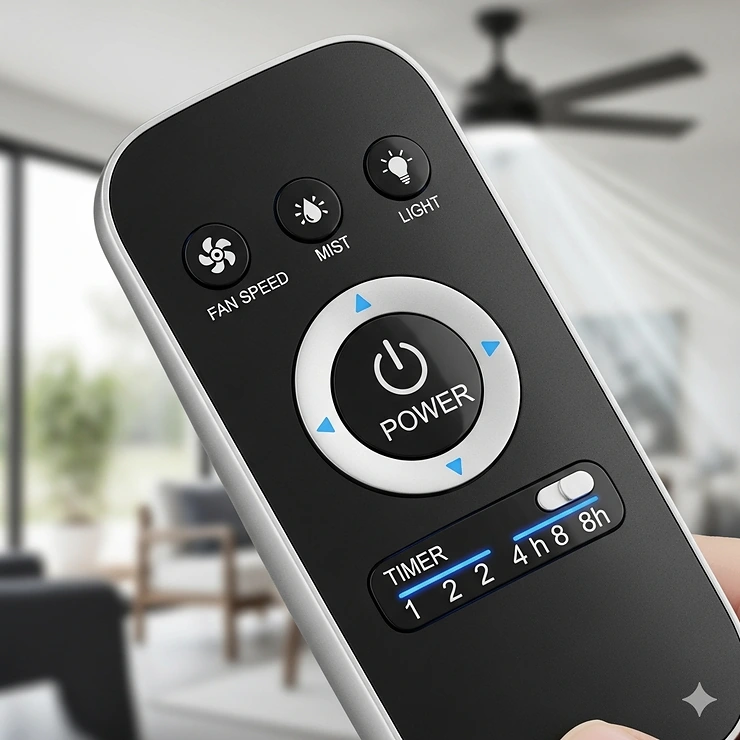
Frequently Asked Questions ❓
❓ How much electricity does a misting ceiling fan use compared to air conditioning?
❓ What water pressure is needed for effective misting ceiling fan operation?
❓ Can misting ceiling fans work effectively in humid climates?
❓ How often do misting nozzles need cleaning or replacement?
❓ What maintenance is required for misting ceiling fans during winter months?
🛒 Transform Your Space with Premium Cooling Solutions!
Ready to beat the heat and create the perfect outdoor environment? These carefully researched misting ceiling fan systems represent the best available technology for residential and commercial cooling applications. From the professional-grade Advanced Systems 67018-RING to the versatile Shark FlexBreeze Pro Mist, each option offers unique advantages for specific applications.
Click on any highlighted product name above to check current Amazon pricing, read verified customer reviews, and take advantage of seasonal deals. Don’t let another summer pass with uncomfortable outdoor spaces – invest in proven cooling technology that will provide years of reliable comfort! 🌟💨
Conclusion: Making the Right Choice for Your Cooling Needs 🎯
After extensive research and analysis, it’s clear that misting ceiling fan systems represent one of the most effective and efficient outdoor cooling solutions available today. The combination of powerful airflow and evaporative cooling can transform unbearably hot outdoor spaces into comfortable environments where people actually want to spend time.
The key to success lies in choosing the right system for your specific application and ensuring proper installation and maintenance. Whether you need the industrial-strength performance of the Advanced Systems 67018-RING for a commercial application, the versatility of the Shark FlexBreeze Pro Mist for portable cooling, or the budget-friendly effectiveness of the Tornado 16″ Wall Mount for residential patios, there’s a solution that matches your requirements and budget.
Remember that the initial investment in a quality misting ceiling fan system typically pays for itself within 2-4 years through reduced energy costs and increased usability of outdoor spaces. The systems we’ve reviewed have proven track records of reliability, performance, and customer satisfaction, making them safe choices for anyone looking to improve their outdoor comfort.
Key Takeaways for Your Decision:
- Climate suitability is crucial – these systems work best in low to moderate humidity conditions
- Proper sizing and placement directly impact cooling effectiveness and user satisfaction
- Quality components and professional installation ensure optimal performance and longevity
- Regular maintenance is essential but manageable for most homeowners
- Multiple applications from residential patios to commercial facilities benefit from this technology
The misting ceiling fan industry continues to evolve with smarter controls, more efficient motors, and better integration capabilities. Early adoption of this proven technology positions you to take advantage of future enhancements while immediately enjoying the comfort benefits these systems provide.
Whether you’re looking to extend your outdoor dining season, improve worker comfort in industrial settings, or simply make your patio a more enjoyable place to relax, misting ceiling fan systems offer a compelling combination of effectiveness, efficiency, and affordability that’s hard to match with alternative cooling methods.
Recommended for You
- 7 Best 30 Inch Outdoor Fan Options for Ultimate Cooling Power in 2025
- 7 Best 36 Inch Outdoor Ceiling Fan Options for Ultimate Comfort in 2025
- 7 Best 42 Inch Outdoor Ceiling Fan Options That Actually Work in 2025
Disclaimer: This article contains affiliate links. If you purchase products through these links, we may earn a small commission at no additional cost to you.
✨ Found this helpful? Share it with your friends! 💬🤗
