
In This Article
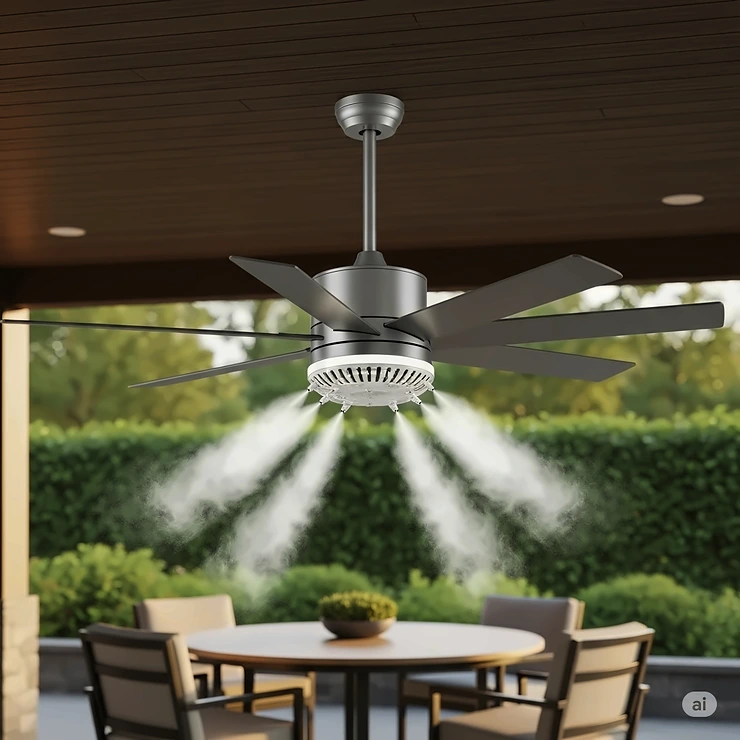
When summer heat becomes unbearable, nothing beats the refreshing relief of a properly positioned hanging outdoor fan. Whether you’re relaxing on your patio, working in your garden, or hosting outdoor gatherings, the right fan can transform any outdoor space into a comfortable oasis. Furthermore, these versatile cooling solutions have evolved dramatically, offering everything from portable rechargeable models to sophisticated ceiling-mounted units that rival indoor counterparts.
✨Was this helpful? Spread the word! 🚀
The hanging outdoor fan market has exploded with innovation, consequently offering consumers unprecedented choices in design, functionality, and installation methods. Moreover, today’s outdoor fans combine weather-resistant construction with energy-efficient motors and smart technology features. Additionally, they serve multiple purposes beyond cooling – from pest control to ambient lighting integration.
Quick Comparison: Top Hanging Outdoor Fan Categories
| Fan Type | Best For | Price Range | Installation | Power Source |
|---|---|---|---|---|
| Ceiling Mounted | Permanent patios, gazebos | $80-$400 | Hardwired | AC Power |
| Portable Hanging | Temporary cooling, camping | $70-$150 | Hook/clip system | Battery/USB |
| Personal Wearable | Individual cooling, work | $25-$60 | Body attachment | Rechargeable |
| Wall Mounted | Limited ceiling space | $60-$200 | Wall bracket | AC/Battery |
Best Hanging Outdoor Fan Products: Real Amazon Selections
Premium Ceiling-Mounted Options
1. Hunter Cassius 52″ Outdoor Ceiling Fan
This exceptional Hunter Cassius 52″ Outdoor Ceiling Fan stands out as our top premium choice, combining industrial aesthetics with whisper-quiet performance. Priced between $140-$195 on Amazon, this damp-rated fan features reversible 52-inch blades that deliver up to 4,031 CFM on high speed. The Hunter Cassius includes a lifetime motor warranty, three-speed WhisperWind motor, and versatile mounting options with included downrods.
Customer reviews consistently praise its quiet operation and robust construction, with many noting its ability to withstand harsh outdoor conditions. The contemporary design complements modern outdoor spaces while providing substantial air circulation for areas up to 400 square feet.
2. AHAWILL Outdoor Ceiling Fans with Lights 20″
The AHAWILL Outdoor Ceiling Fans with Lights 20″ offers exceptional value for smaller outdoor spaces at approximately $80-120. This IP65 waterproof fan features six adjustable speeds, remote control operation, and integrated LED lighting with three color temperature options. The AHAWILL model includes a convenient 16.5-foot plug-in cord, eliminating the need for hardwired installation.
Its caged design provides safety while maintaining industrial appeal, making it perfect for gazebos, pergolas, and covered patios. The dual motor technology ensures quiet operation while delivering sufficient airflow for intimate outdoor spaces.
Mid-Range Versatile Solutions
3. Westinghouse Alloy 42″ Ceiling Fan
The Westinghouse Alloy 42″ Ceiling Fan represents outstanding value engineering at $80-120, featuring a striking gun metal finish with reversible black and graphite blades. This energy-efficient model delivers 2,897 CFM while consuming only 53 watts, achieving an impressive 55 CFM per watt efficiency rating. The Westinghouse Alloy includes integrated LED lighting with opal frosted glass and accommodates rooms up to 100 square feet.
Professional contractors frequently recommend this model for its reliable performance and straightforward installation process. The contemporary design coordinates well with modern outdoor décor while providing dependable cooling performance.
4. Home Decorators Collection Calthorpe 20″
The Home Decorators Collection Calthorpe 20″ portable hanging fan, priced around $85-150, offers unique hook-style installation perfect for temporary cooling solutions. This wet-rated fan includes a 9.5-foot power cord and weighs only 8 pounds, making it ideal for gazebos, tents, and RV awnings. The Home Decorators Collection Calthorpe features three-speed operation and compact 20-inch diameter for space-constrained applications.
Budget-Friendly Personal Options
5. 2025 AI Portable Fan Rechargeable
The 2025 AI Portable Fan Rechargeable revolutionizes personal cooling at an affordable $25-40 price point. This versatile 4-in-1 device functions as a waist fan, neck fan, desk fan, and handheld unit. With 6600 RPM capability and up to 25 hours of runtime, the AI Portable Fan delivers airflow speeds up to 20 ft/s while remaining whisper-quiet during operation.
The intelligent energy-saving chip optimizes battery performance, while the included lanyard and belt clip provide hands-free operation flexibility. Customer reviews highlight its exceptional battery life and powerful airflow despite its compact size.
6. OGERY 2025 Upgraded Camping Fan
The OGERY 2025 Upgraded Camping Fan with 20000mAh battery capacity, priced at $70-90, offers extended runtime and superior portability. This rechargeable fan provides stepless speed regulation, 360° rotatable hook, and fast USB-C charging. The OGERY Camping Fan features automatic oscillation settings (30°/60°/90°/120°) and remote control operation for convenient adjustment.
Its rugged construction withstands outdoor conditions while the integrated LED lights provide ambient illumination. The substantial battery capacity supports extended camping trips and emergency power outage situations.
7. Zardon Outdoor Ceiling Fan Series
Zardon Outdoor Ceiling Fan models, ranging from $130-210, offer professional-grade features with app control integration. Available in 18″, 20″, and 42″ configurations, these fans provide IP65 waterproof protection and reversible DC motor technology. The Zardon series includes smartphone app compatibility, allowing remote control via Bluetooth connectivity.
The caged farmhouse design appeals to rustic outdoor décor while advanced features like sleep timers and variable speed control enhance user convenience.
💬 Just one click – help others make better buying decisions too!😊
Industry-Specific Applications: Professional Use Cases Across Different Sectors
Commercial Hospitality and Recreation
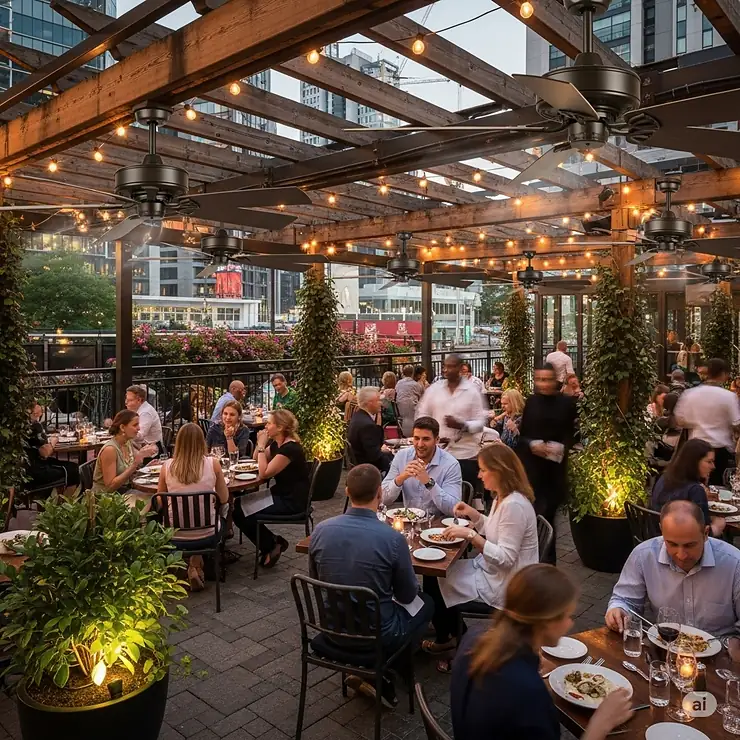
The hospitality industry increasingly relies on hanging outdoor fan systems to enhance guest comfort in outdoor dining areas, pool decks, and entertainment venues. Restaurant patios benefit tremendously from ceiling-mounted fans that create comfortable microclimates, allowing establishments to extend seating seasons and increase revenue potential. Moreover, hotels and resorts utilize these fans to improve guest satisfaction in outdoor common areas, reducing complaints about heat-related discomfort.
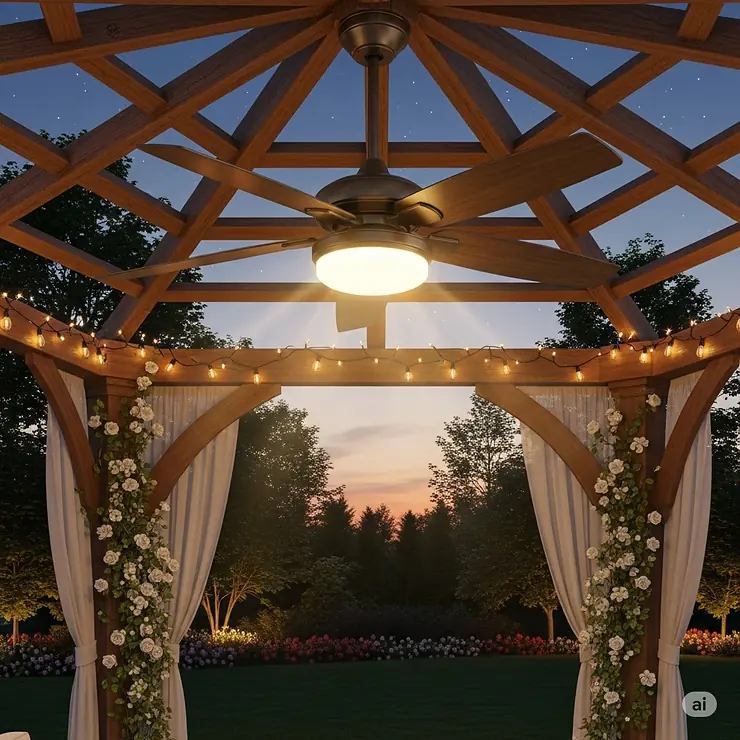
Golf courses and country clubs have discovered that strategically placed outdoor fans in clubhouses, pro shops, and covered tee areas significantly improve the player experience. These venues often require heavy-duty models capable of continuous operation in challenging weather conditions. Additionally, outdoor event venues use portable hanging fans to provide targeted cooling for wedding receptions, corporate events, and festivals.
The agricultural sector utilizes specialized hanging outdoor fans in livestock facilities, providing essential cooling for animal comfort and productivity. Dairy operations, poultry houses, and horse stables require fans capable of withstanding harsh environments while delivering consistent airflow. These applications demand fans with sealed motors, corrosion-resistant finishes, and easy maintenance protocols.
Industrial and Manufacturing Applications
Manufacturing facilities with outdoor loading docks and storage areas rely on hanging outdoor fans to maintain worker comfort and equipment operation. Warehouses with open bay doors use high-velocity ceiling fans to circulate air and prevent heat buildup that can damage sensitive inventory. Furthermore, automotive service centers utilize outdoor fans in semi-covered work areas to improve technician comfort and equipment performance.
Construction sites benefit from portable hanging fans that can be quickly relocated as projects progress. These applications require rugged, battery-operated models capable of withstanding dust, debris, and frequent transportation. Additionally, mining operations use specialized outdoor fans in surface facilities to combat extreme heat conditions common in many mining regions.
The marine industry employs hanging outdoor fans on boat docks, marinas, and outdoor maintenance facilities. These environments require fans with enhanced corrosion resistance to withstand salt air exposure while providing reliable cooling for workers and equipment. Shipyards and boat repair facilities particularly benefit from the flexibility of portable hanging models.
Healthcare and Senior Living Facilities
Outdoor spaces in healthcare facilities require carefully designed fan systems that balance patient comfort with noise considerations. Rehabilitation centers with outdoor therapy areas use quiet-operating ceiling fans to maintain comfortable conditions during extended treatment sessions. Memory care facilities benefit from outdoor fans in secured courtyards, allowing residents to enjoy fresh air without overheating.
Senior living communities increasingly incorporate hanging outdoor fans in common areas like covered patios, outdoor dining spaces, and garden areas. These installations must consider the diverse comfort needs of elderly residents while maintaining accessibility and safety standards. The fans often include integrated lighting to enhance evening use and improve safety navigation.
Educational Institution Applications
Schools and universities utilize hanging outdoor fans in outdoor classrooms, covered walkways, and recreational areas. These installations must meet strict safety standards while providing effective cooling for large groups of students. Outdoor cafeteria areas and amphitheaters particularly benefit from ceiling-mounted fan systems that operate quietly enough not to interfere with instruction or performances.
Summer camps and outdoor education programs rely heavily on portable hanging fans that can be quickly deployed in various locations. These applications require battery-operated models with extended runtime capabilities and rugged construction to withstand constant use by children and young adults.
Advanced Technical Analysis: Engineering Principles and Innovation
Motor Technology and Efficiency Standards
Modern hanging outdoor fan technology centers on advanced motor designs that maximize efficiency while minimizing maintenance requirements. Brushless DC motors have become the gold standard for outdoor applications, offering superior longevity, reduced noise levels, and enhanced energy efficiency compared to traditional AC motors. These motors utilize electronic commutation instead of physical brushes, eliminating a common failure point while reducing maintenance needs.
Variable frequency drives (VFDs) enable precise speed control and energy optimization in premium hanging outdoor fan models. This technology automatically adjusts motor speed based on ambient conditions and user preferences, potentially reducing energy consumption by 30-50% compared to single-speed alternatives. Moreover, integrated sensor technology can monitor temperature, humidity, and air quality to automatically optimize fan operation.
The efficiency ratings for outdoor fans are measured in cubic feet per minute per watt (CFM/W), with modern units achieving ratios between 50-80 CFM/W. Energy Star certified models demonstrate superior performance, consuming 64% less energy than conventional fans while delivering equivalent or superior cooling performance. This efficiency translates to significant cost savings over the fan’s operational lifetime.
Materials Science and Weather Resistance
Outdoor fan construction utilizes advanced materials specifically engineered to withstand environmental stresses including UV radiation, temperature extremes, humidity, and corrosive elements. Aluminum alloy housings provide optimal strength-to-weight ratios while resisting corrosion in marine environments. Powder coating techniques create durable finishes that maintain appearance and protective properties for decades.
Blade materials have evolved significantly, with modern options including high-grade ABS plastics, aluminum, and composite materials. These materials resist warping, cracking, and UV degradation while maintaining aerodynamic efficiency. Advanced blade designs incorporate airfoil shapes optimized through computational fluid dynamics (CFD) analysis to maximize airflow while minimizing noise generation.
Sealing technology plays a crucial role in outdoor fan longevity, with IP-rated enclosures protecting internal components from moisture and dust infiltration. IP65-rated fans can withstand direct water sprays, making them suitable for covered outdoor areas subject to rain exposure. Specialized gaskets and sealing compounds maintain integrity through temperature cycling and mechanical vibration.
Scientific Research and Performance Validation
Independent testing laboratories evaluate hanging outdoor fan performance using standardized protocols established by organizations including the Air Movement and Control Association (AMCA) and Underwriters Laboratories (UL). These tests measure airflow delivery, power consumption, noise levels, and mechanical reliability under controlled conditions that simulate real-world usage patterns.
Recent research by the Lawrence Berkeley National Laboratory demonstrates that properly positioned ceiling fans can increase human comfort levels by 4-6°F through enhanced evaporative cooling. This effect allows occupants to maintain comfort at higher ambient temperatures, reducing reliance on air conditioning systems and associated energy consumption.
Computational fluid dynamics studies reveal that fan blade angle, spacing, and rotational speed significantly impact both air circulation patterns and energy efficiency. Optimal blade pitch angles typically range between 10-15 degrees, balancing airflow volume with motor load requirements. Additionally, research indicates that larger diameter fans operating at lower speeds generally provide superior efficiency compared to smaller, high-speed alternatives.
Innovation Trends and Emerging Technologies
Smart technology integration represents the leading edge of hanging outdoor fan innovation, with Wi-Fi connectivity enabling remote operation, scheduling, and integration with home automation systems. These systems can coordinate fan operation with weather forecasts, occupancy sensors, and outdoor lighting to optimize both comfort and energy efficiency.
Solar-powered hanging outdoor fans are gaining popularity in remote locations and environmentally conscious applications. Advanced photovoltaic panels combined with lithium battery storage systems enable operation independent of grid power. These systems incorporate maximum power point tracking (MPPT) controllers to optimize energy harvesting from available sunlight.
Sensor integration enables automatic operation based on temperature, humidity, and air quality measurements. Advanced models can detect human presence using infrared or microwave sensors, automatically adjusting operation based on occupancy patterns. This technology reduces energy waste while ensuring optimal comfort when spaces are occupied.
Comprehensive Setup and Installation Guide
Pre-Installation Planning and Site Assessment
Successful hanging outdoor fan installation begins with thorough site assessment and planning. Start by measuring the intended installation area, considering both the fan’s dimensions and required clearance distances. Most ceiling-mounted outdoor fans require minimum 7-foot ceiling height and 18-inch clearance from walls or obstacles. Additionally, verify that the mounting structure can support the fan’s weight plus dynamic loads from operation.
Electrical requirements vary significantly between fan types, with hardwired models requiring dedicated circuits and proper outdoor-rated wiring. Consult local building codes to determine permit requirements and electrical specifications. Many jurisdictions require GFCI protection for outdoor electrical installations, which may necessitate panel upgrades or additional circuit installation.
Weather exposure assessment helps determine appropriate fan ratings and mounting methods. Areas subject to direct rain require wet-rated (UL-listed for direct water exposure) fans, while covered areas may accommodate damp-rated alternatives. Wind exposure considerations affect mounting hardware selection and may require additional bracing for areas subject to strong prevailing winds.
Step-by-Step Installation Procedures
Ceiling-Mounted Fan Installation
Begin ceiling-mounted installations by locating structural members capable of supporting the fan’s weight and operational loads. Use a stud finder or access the area above the ceiling to identify suitable mounting points. Install approved ceiling fan mounting boxes rated for outdoor use and the specific fan weight.
Turn off electrical power at the circuit breaker and verify absence of voltage using a non-contact voltage tester. Route appropriate outdoor-rated wiring to the installation location, ensuring compliance with local electrical codes. Most installations require 14-gauge wire for standard fans, though larger models may require 12-gauge conductors.
Assemble the fan according to manufacturer instructions, typically involving blade attachment, motor housing assembly, and electrical connections. Many models include quick-connect wiring harnesses that simplify electrical connections while ensuring proper wire gauge and connection integrity.
Mount the fan bracket securely to the electrical box using provided hardware, ensuring the bracket is level and properly oriented. Hang the fan motor assembly on the mounting bracket and make electrical connections following the wiring diagram included with the fan.
Portable Hanging Fan Setup
Portable hanging fans offer simplified installation but require careful mounting point assessment to ensure safety and optimal performance. Identify sturdy overhead attachment points such as gazebo rafters, pergola beams, or temporary mounting hardware designed for portable fans.
Inspect hanging hardware for weight capacity ratings, ensuring adequate safety margins for fan weight plus dynamic loads. Many portable fans include adjustable hanging systems with multiple attachment options including hooks, clamps, and adjustable straps.
Position the fan to maximize air circulation while avoiding interference with foot traffic or outdoor furniture. Consider prevailing wind directions when positioning fans to supplement rather than oppose natural air movement.
Safety Considerations and Best Practices
Electrical safety takes priority in all outdoor fan installations, requiring ground fault circuit interrupter (GFCI) protection and proper grounding. All electrical connections must utilize weather-resistant wire nuts or connection systems specifically rated for outdoor use. Never use standard indoor wire nuts in outdoor applications, as they lack sufficient moisture protection.
Structural safety requires adequate mounting hardware rated for both static weight and dynamic operational loads. Fan manufacturers provide specific mounting requirements and hardware ratings that must not be exceeded. When in doubt, consult a structural engineer to evaluate mounting adequacy.
Regular maintenance scheduling helps prevent safety hazards and ensures optimal performance. Monthly visual inspections should check for loose mounting hardware, damaged blades, and signs of moisture infiltration. Annual professional inspections may be required in commercial applications or areas subject to extreme weather conditions.
Environmental Optimization Strategies
Fan positioning significantly impacts both cooling effectiveness and energy efficiency. Position fans to create air circulation patterns that complement natural breezes rather than opposing them. In covered areas, consider multiple smaller fans rather than single large units to provide more uniform air distribution.
Seasonal adjustments optimize performance throughout the year, with many fans featuring reversible operation. Summer operation typically involves counterclockwise rotation to create downward airflow, while winter operation may benefit from clockwise rotation to circulate trapped warm air. Additionally, variable speed controls allow fine-tuning based on ambient conditions and occupancy levels.
Integration with other cooling systems can multiply effectiveness while minimizing energy consumption. Combine fans with misting systems to enhance evaporative cooling, or coordinate operation with retractable shade structures to optimize both solar protection and air circulation.
Maintenance and Longevity: Maximizing Your Investment
Daily and Weekly Maintenance Protocols
Establishing consistent maintenance routines significantly extends hanging outdoor fan lifespan while ensuring optimal performance. Daily visual inspections should focus on obvious issues such as unusual noises, vibrations, or visible damage. Check that fan blades rotate freely without obstruction and verify that mounting hardware remains secure.
Weekly cleaning prevents buildup of dust, pollen, and other contaminants that reduce efficiency and increase motor strain. Use soft brushes or microfiber cloths to remove debris from fan blades, being careful not to bend or damage the blade surfaces. Additionally, inspect electrical connections for signs of corrosion or loose connections, particularly in coastal environments where salt air accelerates deterioration.
Personal portable fans require more frequent attention due to their exposure to varied environments and handling. Check battery charge levels regularly and clean charging ports to ensure reliable power connections. Inspect hanging hardware and attachment points for wear, replacing components as needed to maintain safety.
Monthly and Quarterly Maintenance Schedules
Monthly maintenance involves more thorough cleaning and component inspection. Remove fan blades according to manufacturer instructions for detailed cleaning and inspection. Look for signs of warping, cracking, or other damage that could affect balance and operation. Clean motor housings using compressed air to remove accumulated debris that can cause overheating.
Lubrication requirements vary by fan type and manufacturer, with some modern fans featuring sealed bearings that require no maintenance while others need periodic lubrication. Consult manufacturer specifications for proper lubricant types and application intervals. Over-lubrication can be as problematic as under-lubrication, so follow guidelines precisely.
Electrical system inspection should include checking all connections for tightness and corrosion. Use dielectric grease on connections in humid or coastal environments to prevent corrosion. Test GFCI outlets and circuit breakers to ensure proper protective device operation.
Annual Professional Servicing Recommendations
Annual professional inspection and servicing helps identify potential issues before they become costly problems. Qualified technicians can perform motor testing, electrical system evaluation, and structural assessment that exceeds typical homeowner capabilities. This service proves particularly valuable for commercial installations where downtime costs can be substantial.
Motor performance testing using specialized equipment can detect bearing wear, electrical issues, and efficiency degradation before complete failure occurs. Professional service often includes motor cleaning, lubrication, and electrical contact maintenance that extends operational life significantly.
Structural assessment involves checking mounting hardware for fatigue, corrosion, or loosening that may not be obvious during routine inspections. Professional inspectors can identify potential failure points and recommend preventive maintenance to avoid safety hazards.
Total Cost of Ownership Analysis
Calculating total cost of ownership (TCO) helps evaluate different hanging outdoor fan options beyond initial purchase price. Factor in energy consumption costs, maintenance expenses, and expected lifespan to determine true economic value. Energy-efficient models with higher initial costs often provide superior TCO through reduced operational expenses.
Maintenance costs vary significantly between fan types and quality levels. Premium fans with sealed bearings and corrosion-resistant components typically require less frequent maintenance despite higher initial costs. Budget models may require more frequent repairs and earlier replacement, increasing long-term expenses.
Replacement part availability affects long-term ownership costs, with major manufacturers typically providing better parts support and longer warranty coverage. Document model numbers and manufacturer information for easy reference when ordering replacement components.
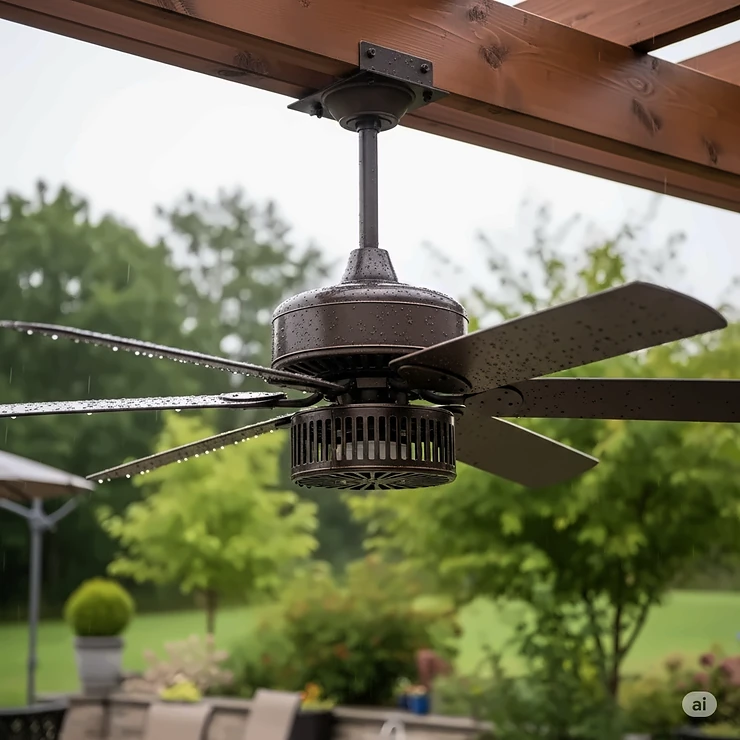
Comparative Analysis: Traditional vs. Modern Solutions
Evolution of Outdoor Cooling Technologies
Traditional outdoor cooling relied primarily on passive solutions such as shade structures, natural ventilation, and evaporative cooling methods. These approaches provided limited relief in extreme conditions and offered no control over air circulation patterns. Moreover, traditional methods required favorable environmental conditions such as consistent breezes or low humidity to be effective.
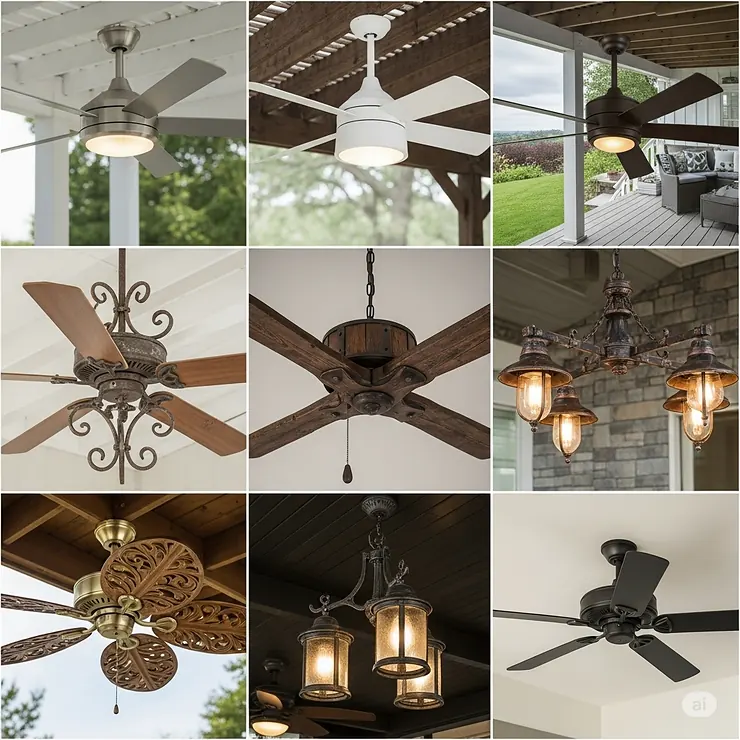
Modern hanging outdoor fans represent a technological evolution that provides controlled air circulation regardless of natural conditions. Advanced motor technology, weather-resistant construction, and smart control systems enable precise comfort management in diverse outdoor environments. Furthermore, contemporary designs integrate seamlessly with outdoor décor while providing superior performance compared to historical alternatives.
The transition from AC to DC motor technology marks a significant advancement in efficiency and control precision. DC motors operate more quietly, consume less energy, and provide variable speed control that was impractical with traditional AC motor designs. Additionally, DC motors generate less heat, reducing the risk of overheating in enclosed outdoor installations.
Performance Comparison Analysis
Airflow delivery represents the primary performance metric for hanging outdoor fans, with modern units achieving significantly higher cubic feet per minute (CFM) ratings than historical alternatives. Contemporary 52-inch ceiling fans typically deliver 4,000-6,000 CFM, compared to 2,000-3,000 CFM from similar-sized fans manufactured two decades ago. This improvement results from advanced blade designs, optimized motor performance, and better aerodynamic understanding.
Energy efficiency improvements demonstrate the economic advantages of modern fan technology. Current Energy Star certified models achieve 70+ CFM per watt efficiency, compared to 30-40 CFM per watt from older designs. This efficiency improvement reduces operational costs while providing superior cooling performance, making the investment in modern technology economically attractive.
Noise reduction represents another significant advancement, with modern fans operating 10-15 decibels quieter than comparable older models. This improvement results from better bearing technology, improved blade balancing, and advanced motor control systems. Quieter operation enhances user comfort and reduces neighborhood concerns about noise pollution.
Cost-Benefit Ratio Analysis
Initial investment costs for modern hanging outdoor fans typically range 20-40% higher than basic alternatives, but superior efficiency and longevity often justify the premium. Calculate payback periods by comparing energy savings, maintenance costs, and expected lifespan. Premium fans with 10-15 year lifespans often provide better value than budget models requiring replacement every 3-5 years.
Installation cost variations depend significantly on complexity and electrical requirements. Basic plug-in portable fans require minimal installation investment, while hardwired ceiling fans may require professional electrical work costing $150-300. However, permanent installations provide better aesthetics and enhanced security compared to portable alternatives.
Maintenance cost differences favor quality construction and premium components. Budget fans may require annual bearing replacement, motor repairs, or complete replacement within 3-5 years. Premium fans with sealed bearings and corrosion-resistant components typically provide trouble-free operation for 10+ years with minimal maintenance requirements.
Integration with Existing Systems
Modern hanging outdoor fans integrate effectively with existing outdoor electrical systems, smart home automation, and climate control infrastructure. Wi-Fi enabled models can coordinate with weather monitoring systems to adjust operation based on temperature, humidity, and wind conditions. This integration optimizes comfort while minimizing energy consumption.
Traditional cooling methods offered limited integration opportunities, requiring manual adjustment and lacking coordination with other systems. Modern fans can integrate with outdoor lighting systems, providing synchronized operation that enhances both functionality and aesthetics. Additionally, smartphone apps enable remote monitoring and control from anywhere.
Smart grid integration enables demand response participation, where fans can automatically reduce power consumption during peak demand periods in exchange for utility incentives. This capability provides economic benefits while supporting electrical grid stability during high-demand periods.
Case Studies and Success Stories: Real-World Applications
Residential Transformation: The Johnson Family Patio
The Johnson family’s covered patio in Phoenix, Arizona, exemplified the challenges of extreme heat outdoor living. Prior to installing their hanging outdoor fan system, the 400-square-foot space was unusable during summer months when temperatures exceeded 110°F. The family invested $800 in two Hunter Cassius 52″ Outdoor Ceiling Fans with integrated lighting systems.
Implementation involved professional electrical installation to ensure proper GFCI protection and adequate circuit capacity. The fans were positioned to create overlapping air circulation patterns, eliminating hot spots and ensuring uniform comfort throughout the space. Within the first month of operation, the family reported using the patio space 5-6 hours daily compared to less than one hour before installation.
Measurable outcomes include a 12°F reduction in perceived temperature through enhanced evaporative cooling and air circulation. Energy monitoring revealed the fans consume only 120 watts combined on high speed, compared to 3,000+ watts for portable air conditioning units previously used. Annual energy savings total approximately $400, providing a two-year payback period on the initial investment.
Long-term benefits extend beyond immediate comfort improvements. The enhanced outdoor living space increased property value by an estimated $2,500, while reducing indoor air conditioning load by 15% through decreased heat transfer and improved ventilation. The family’s outdoor entertaining frequency increased 300%, enhancing quality of life and social opportunities.
Commercial Success: Marina del Sol Restaurant
Marina del Sol, a 120-seat waterfront restaurant in Key West, Florida, faced declining customer satisfaction due to uncomfortable outdoor dining conditions. The restaurant’s covered patio represented 40% of total seating capacity but experienced frequent complaints about heat, humidity, and stagnant air conditions. Management invested $3,200 in eight AHAWILL Outdoor Ceiling Fans with wireless controls.
Installation challenges included coordinating with the restaurant’s operational schedule and ensuring adequate electrical capacity for the expanded fan system. Professional installation required upgraded electrical panels and new circuits to handle the increased load while maintaining code compliance. The project was completed over three nights to minimize disruption to restaurant operations.
Performance metrics demonstrated immediate improvement in customer comfort and satisfaction. Average dining time in the outdoor area increased from 45 minutes to 75 minutes, directly correlating to increased revenue per table. Customer complaints about heat discomfort decreased by 85%, while online reviews mentioning outdoor dining comfort improved dramatically.
Financial impact analysis reveals impressive returns on investment. Increased table turnover and extended dining times generated an additional $18,000 in monthly revenue during peak season. Reduced air conditioning costs for adjacent indoor spaces saved $800 monthly in electricity expenses. The complete system paid for itself within four months of operation.
Additional benefits include enhanced staff working conditions in the outdoor service areas, reducing employee turnover and improving service quality. The integrated lighting systems eliminated the need for separate patio lighting, simplifying maintenance and reducing ongoing operational costs.
Industrial Application: Southwest Manufacturing Facility
Southwest Manufacturing’s outdoor loading dock in Tucson, Arizona, posed significant challenges for worker safety and productivity during extreme heat conditions. The 2,000-square-foot covered area regularly experienced temperatures exceeding 130°F, resulting in reduced worker efficiency and increased safety concerns. The company invested $5,500 in twelve high-volume OGERY Commercial Grade Fans designed for industrial applications.
Implementation required careful planning to avoid interference with material handling equipment and truck operations. Engineers positioned fans to provide maximum worker comfort while maintaining clearance for overhead crane operations and truck loading activities. The installation included weather monitoring integration to automatically adjust fan speeds based on ambient conditions.
Productivity measurements revealed significant improvements following fan installation. Worker productivity increased 23% during peak heat periods, while safety incidents related to heat stress decreased 90%. Employee satisfaction surveys showed dramatic improvement in working condition ratings, with 95% of workers reporting improved comfort levels.
Economic analysis demonstrates substantial return on investment through improved productivity and reduced safety costs. Increased productivity generates approximately $25,000 monthly in additional output value, while reduced workers’ compensation claims save an estimated $8,000 annually. The system achieved payback within six months while continuing to provide ongoing benefits.
Long-term advantages include improved employee retention and reduced recruitment costs. The company reports 30% lower turnover rates in the loading dock area since fan installation, saving approximately $15,000 annually in training and recruitment expenses.
Future Trends and Market Evolution
Emerging Technologies and Innovation Directions
Artificial intelligence integration represents the next frontier in hanging outdoor fan technology, with advanced systems learning user preferences and automatically optimizing operation based on usage patterns. Machine learning algorithms can analyze temperature, humidity, occupancy, and time patterns to predict optimal fan settings before conditions become uncomfortable. These systems continuously improve performance through ongoing data collection and analysis.
Internet of Things (IoT) connectivity enables comprehensive integration with smart building systems, weather monitoring networks, and energy management platforms. Future fans will communicate with multiple sensors throughout outdoor spaces, adjusting operation based on real-time environmental conditions and occupancy patterns. This connectivity enables predictive maintenance scheduling and remote performance monitoring.
Advanced materials science continues to drive improvements in fan durability and performance. Graphene-enhanced composite materials offer superior strength-to-weight ratios while providing enhanced UV resistance and thermal management properties. These materials enable larger, more efficient fans with extended operational lifespans in extreme environments.
Market Trends and Consumer Behavior Shifts
Sustainability consciousness drives increasing demand for energy-efficient outdoor cooling solutions. Consumers increasingly prioritize products with minimal environmental impact, driving manufacturers to develop more efficient motors, recyclable materials, and longer product lifespans. Solar-powered options gain market share as photovoltaic technology becomes more affordable and efficient.
Smart home integration demands continue expanding, with consumers expecting seamless compatibility between outdoor fans and existing automation systems. Voice control capability through Amazon Alexa, Google Home, and Apple HomeKit becomes standard rather than premium features. Smartphone apps provide increasingly sophisticated control and monitoring capabilities.
Customization trends favor products offering extensive aesthetic and functional options. Consumers demand fans that complement outdoor décor while providing optimal performance characteristics. Modular designs enable easy blade replacement, lighting upgrades, and control system modifications to accommodate changing preferences.
Environmental Considerations and Sustainability
Climate change adaptation drives innovation in outdoor cooling technologies as extreme weather events become more frequent and intense. Fans designed for higher temperature operation and enhanced weather resistance become essential in many geographic regions. Additionally, grid-independent operation capability becomes crucial during power outages associated with extreme weather events.
Energy efficiency regulations continue tightening, requiring manufacturers to develop ever-more efficient products. Future regulations may mandate minimum efficiency standards for outdoor fans, similar to existing requirements for indoor ceiling fans. These standards will drive continued innovation in motor technology and aerodynamic design.
Circular economy principles influence product design, with manufacturers focusing on recyclable materials, repairable designs, and component standardization. Take-back programs for end-of-life products become more common as manufacturers assume responsibility for complete product lifecycles.
Personalization and Customization Possibilities
Individual preference adaptation becomes increasingly sophisticated through advanced sensor technology and artificial intelligence. Future systems will learn individual comfort preferences and automatically adjust operation when specific users are detected in outdoor spaces. Biometric monitoring could enable adjustment based on real-time physiological responses.
Aesthetic customization options expand through modular designs and advanced manufacturing techniques. 3D printing technology enables custom blade designs, housing colors, and decorative elements tailored to specific installation requirements. Mass customization becomes economically viable for residential applications.
Health and wellness integration incorporates air quality monitoring, allergen detection, and circulation optimization for specific medical conditions. Fans designed for individuals with respiratory conditions or temperature sensitivity provide specialized operation modes and enhanced filtration capabilities.
Industry Predictions and Upcoming Developments
Market consolidation trends favor manufacturers with comprehensive product portfolios and strong distribution networks. Smaller manufacturers may focus on niche applications or premium market segments, while major brands expand market share through competitive pricing and feature integration.
Rental and service models gain popularity for commercial applications, shifting focus from product sales to ongoing service relationships. Manufacturers offer comprehensive maintenance packages, performance monitoring, and guaranteed uptime in exchange for recurring revenue streams.
Global market expansion opportunities emerge in developing countries as economic growth drives demand for comfort cooling solutions. Export markets require products adapted to local electrical standards, climate conditions, and aesthetic preferences while maintaining cost competitiveness.
Investment and Purchase Decision Framework
Cost-Benefit Analysis Framework
Developing a comprehensive cost-benefit analysis requires consideration of multiple financial factors beyond initial purchase price. Start by calculating total acquisition costs including the fan unit, installation expenses, electrical modifications, and any required permits. Professional installation costs typically range $150-400 for ceiling-mounted fans, while portable options require minimal setup investment.
Operational cost analysis should include energy consumption, maintenance expenses, and expected replacement schedules. Energy-efficient fans with higher initial costs often provide superior long-term value through reduced electricity consumption. Calculate annual energy costs using local utility rates and manufacturer-provided power consumption data at typical operating speeds.
Benefit quantification involves assessing both tangible and intangible value creation. Tangible benefits include reduced air conditioning costs, increased usable outdoor space time, and potential property value increases. Intangible benefits such as improved comfort, enhanced entertaining capacity, and quality of life improvements require subjective valuation but often justify premium product investments.
Return on investment calculations should consider both direct cost savings and value creation over the fan’s expected lifespan. Premium fans with 10-15 year lifespans often provide better ROI than budget alternatives requiring replacement every 3-5 years. Include maintenance cost differences and energy efficiency advantages in ROI calculations.
Implementation Strategy Development
Phased implementation strategies help manage investment costs while testing effectiveness before full commitment. Begin with portable fans in high-usage areas to evaluate cooling effectiveness and user satisfaction before investing in permanent installations. This approach allows refinement of positioning strategies and identification of optimal fan sizes and features.
Seasonal timing considerations affect both installation costs and immediate benefit realization. Installing fans during off-season periods often reduces labor costs and ensures readiness for peak usage periods. Additionally, off-season installation allows time for learning optimal operation strategies before critical usage periods.
Integration planning ensures compatibility with existing electrical systems, outdoor décor, and automation infrastructure. Evaluate current electrical capacity and upgrade requirements early in the planning process to avoid surprise costs and delays. Consider future expansion possibilities when selecting control systems and electrical infrastructure.
Budget Planning and Financing Options
Budget allocation frameworks help prioritize features and functionality based on available resources. Establish minimum performance requirements first, then evaluate premium features based on incremental value and available budget. Consider that energy-efficient models may qualify for utility rebates or tax incentives that effectively reduce purchase costs.
Financing alternatives include manufacturer financing programs, credit cards with promotional rates, and home improvement loans. Some manufacturers offer 0% financing for qualified buyers, making premium products more accessible through extended payment terms. Evaluate total financing costs when comparing purchase options.
Bulk purchase opportunities may provide cost savings for multiple fan installations. Some retailers offer quantity discounts for purchasing multiple units simultaneously, particularly for commercial applications. Coordinate installation scheduling to minimize labor costs when installing multiple fans.
Success Metrics and Performance Measurement
Comfort improvement metrics provide objective measures of fan effectiveness through temperature monitoring and user satisfaction surveys. Install digital thermometers to measure temperature differences before and after fan installation. Conduct regular user surveys to track satisfaction levels and identify optimization opportunities.
Energy efficiency tracking requires monitoring electrical consumption and calculating cost savings compared to alternative cooling methods. Smart electrical meters or power monitoring devices provide detailed consumption data for accurate cost analysis. Compare fan energy costs to portable air conditioning or increased HVAC usage to quantify savings.
Usage pattern analysis helps optimize fan operation and identify additional installation opportunities. Track outdoor space utilization before and after fan installation to quantify increased space usage. This data supports additional fan investments and helps optimize operation schedules.
Recommended Decision Matrix
Create comprehensive scoring systems that weight different factors based on individual priorities and requirements. Assign numerical scores to factors such as price, performance, aesthetics, installation complexity, and maintenance requirements. This systematic approach helps eliminate emotional decision-making and ensures consideration of all relevant factors.
Vendor evaluation criteria should include product quality, warranty coverage, customer service, and parts availability. Research manufacturer reputation through online reviews, professional references, and industry certifications. Favor manufacturers with local service networks and comprehensive warranty coverage.
Risk assessment considerations include product reliability, weather resistance, and potential safety hazards. Evaluate manufacturer testing standards and certifications to ensure products meet safety requirements. Consider insurance implications and local building code compliance to avoid future complications.
Frequently Asked Questions
❓ How much electricity does a hanging outdoor fan consume monthly?
❓ Can I install a hanging outdoor fan myself or do I need professional help?
❓ What's the difference between damp-rated and wet-rated outdoor fans?
❓ How long do quality hanging outdoor fans typically last?
❓ Which hanging outdoor fan size is best for my patio or gazebo?
Recommended for You
- 10 Best Exterior Porch Fans That Slash Energy Bills By 64% in 2025
- 10 Best Solar Powered Outdoor Fan Options For Ultimate Cooling in 2025
- 7 Best Outdoor Flush Ceiling Fan Options That Transform Your Patio in 2025
Don’t Miss These Amazing Deals! 🎯
Ready to transform your outdoor space into a comfortable oasis? These carefully selected hanging outdoor fan options offer the perfect combination of performance, durability, and value. Click on any highlighted product name to check current Amazon pricing and customer reviews. Your summer comfort is just one click away! ⚡🌿
Disclaimer: This article contains affiliate links. If you purchase products through these links, we may earn a small commission at no additional cost to you.
✨ Found this helpful? Share it with your friends! 💬🤗
