
In This Article
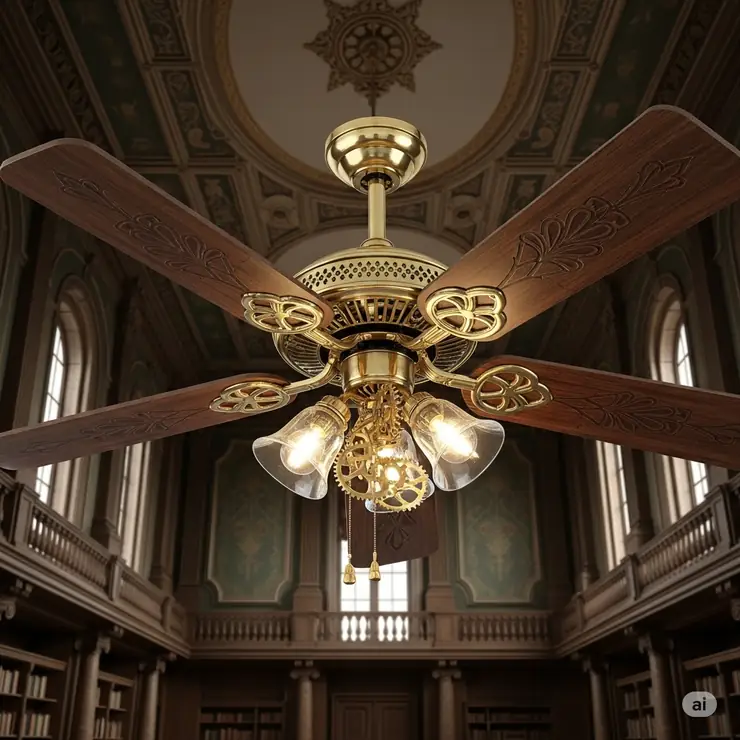
Looking for the perfect antique ceiling fans to elevate your home’s aesthetic? You’ve come to the right place! These timeless fixtures combine classic design elements with modern functionality, making them ideal for homeowners who appreciate vintage charm without sacrificing performance.
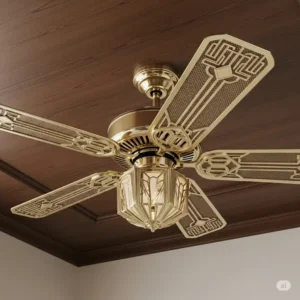
Whether you’re searching for vintage ceiling fan options with ornate details or retro ceiling fans that capture early 20th-century elegance, I’ll guide you through everything you need to know about selecting, installing, and maintaining these stunning pieces.
✨Was this helpful? Spread the word! 🚀
Why Antique Ceiling Fans Are Making a Comeback
The resurgence of antique looking ceiling fans reflects our growing appreciation for authentic craftsmanship and timeless design. Unlike modern minimalist fixtures, ceiling fan vintage styles offer character that mass-produced alternatives simply can’t match. These vintage looking ceiling fans serve as functional art pieces that anchor entire room designs.
Today’s vintage style ceiling fans incorporate cutting-edge motors and energy-efficient LED lighting while maintaining the aesthetic appeal of their historical counterparts. This perfect marriage of form and function explains why vintage ceiling fan with light configurations have become increasingly popular among interior designers and homeowners alike.
Understanding Different Types of Antique Style Ceiling Fans
Traditional Cast Iron Models
The Hunter Original series represents the pinnacle of traditional antique ceiling fan design. These heavy-duty fixtures feature cast iron construction reminiscent of early 1900s craftsmanship. The Hunter Original models maintain oil-bath lubrication systems that ensure whisper-quiet operation for decades.
Victorian-Era Inspired Designs
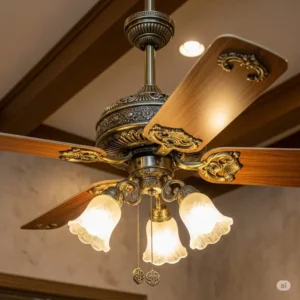
Victorian-style antique ceiling fan with light fixtures showcase ornate metalwork and intricate details. These designs often feature multiple light sources with decorative glass shades, creating ambient lighting that complements the fan’s air circulation capabilities.
Industrial Heritage Fans
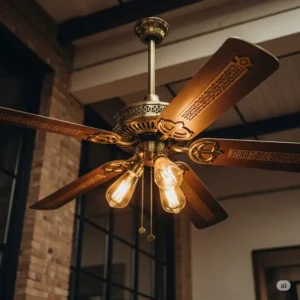
Industrial antique style ceiling fan models draw inspiration from factory and warehouse fixtures of the early industrial age. These typically feature exposed hardware, weathered finishes, and robust construction that emphasizes functionality alongside aesthetic appeal.
Top 10 Antique Ceiling Fans Available on Amazon
1. Hunter Original 52″ Ceiling Fan (Model 23838)
The Hunter Original 52″ Ceiling Fan stands as the gold standard for authentic antique ceiling fans. This model features traditional cast iron construction with oil-bathed bearings that ensure lifetime durability. Available in classic black finish, this Hunter Original delivers 4,696 CFM airflow while operating at whisper-quiet levels.
Key Specifications:
- 52-inch blade span
- Cast iron motor housing
- Oil-bath lubrication system
- Lifetime motor warranty
- Three-speed operation with reversible direction
Customer reviews consistently praise this model’s exceptional build quality and virtually silent operation. The heavy cast iron construction provides superior stability, eliminating wobble issues common in lighter alternatives.
2. Hunter Studio Series 52″ Antique Brass (Model 53063)
The Hunter Studio Series 52″ Antique Brass combines classic aesthetics with modern efficiency. This vintage ceiling fan with light features four LED bulbs providing abundant illumination while the antique brass finish adds sophisticated elegance to any space.
Key Features:
- Energy-efficient LED lighting system
- WhisperWind motor technology
- 52-inch five-blade design
- Antique brass finish with walnut/medium oak reversible blades
- 4,696 CFM airflow rating
This Hunter Studio Series model offers excellent value, typically priced around $167-180 on Amazon. The included light kit eliminates the need for separate purchases, making it an economical choice for complete room illumination.
3. Westinghouse Vintage 52″ LED Ceiling Fan (Model 7233800)
The Westinghouse Vintage 52″ LED Ceiling Fan exemplifies modern antique ceiling fan design. This retro ceiling fan features polished brass finish with clear ribbed glass shades housing energy-efficient LED bulbs. The vintage style ceiling fans from Westinghouse offer exceptional airflow efficiency at 69 CFM/W.
Performance Metrics:
- 4,036 CFM airflow on high speed
- 58-watt energy consumption without lights
- Reversible walnut/oak finish blades
- Lifetime motor warranty
- Suitable for rooms up to 225 square feet
Customers appreciate the bright, energy-efficient lighting and the fan’s ability to move substantial air volumes while maintaining quiet operation.
4. Minka Aire Vintage Gyro 42″ Dual Fan (Model F802-ORB)
The Minka Aire Vintage Gyro 42″ Dual Fan represents innovation in antique looking ceiling fans. This unique dual-head design creates a mesmerizing gyroscopic effect as both fan heads rotate around a central axis while spinning individually.
Unique Design Elements:
- Oil-rubbed bronze finish
- Dual rotating fan heads
- 360-degree axis rotation
- Independent speed controls for each function
- WiFi compatibility with Bond technology
Priced at approximately $400-500, this Minka Aire Vintage Gyro serves as both functional cooling device and conversation piece. The distinctive operation pattern provides superior air circulation in larger spaces.
5. Fanimation Islander Antique Brass (Model FP320AB1)
The Fanimation Islander Antique Brass celebrates tropical vintage ceiling fan aesthetics. This ceiling fan vintage design accommodates various blade options, from natural palm leaves to carved wood, allowing complete customization of appearance.
Customization Options:
- Multiple blade material choices
- Antique brass finish for dry locations
- 20-degree blade pitch for optimal airflow
- Three forward and reverse speeds
- Optional light kit compatibility
Note that Fanimation fans typically sell motors separately from blades, allowing precise customization but requiring additional blade purchases.
6. Westinghouse Petite 30″ Antique Brass (Model 7215800)
For smaller spaces, the Westinghouse Petite 30″ Antique Brass provides ideal vintage looking ceiling fans functionality. This compact antique ceiling fan suits rooms up to 100 square feet while delivering impressive 2,027 CFM airflow.
Compact Performance:
- 30-inch blade span
- Six reversible walnut/oak blades
- Opal mushroom glass light kit
- 44 CFM/W efficiency rating
- Hugger mount for low ceilings
At around $76, this Westinghouse Petite offers exceptional value for smaller rooms, bedrooms, or kitchens requiring both illumination and air circulation.
7. Hunter Conway 52″ Antique Pewter (Model 53052)
The Hunter Conway 52″ Antique Pewter provides affordable access to vintage style ceiling fans without compromising quality. This model features traditional styling with modern motor technology and LED-compatible light fixtures.
Value Features:
- Antique pewter finish
- Reversible cherried walnut/burnt walnut blades
- Three-light fixture with frosted glass
- Reversible motor operation
- Easy installation design
Customer feedback highlights this model’s excellent balance of price and performance, making it ideal for budget-conscious buyers seeking authentic antique ceiling fan aesthetics.
8. Minka Aire Classica 54″ Provencal Blanc (Model F659-PBL)
The Minka Aire Classica 54″ Provencal Blanc showcases European-inspired antique style ceiling fan design. This model features hand-painted finishes and hand-carved details creating authentic old-world charm.
European Styling:
- Provencal blanc finish with distressed details
- 54-inch blade span for larger rooms
- Energy Star certification
- WiFi compatibility available
- Premium construction materials
This Minka Aire Classica typically retails for $300-400, reflecting its premium construction and authentic European styling elements.
9. Fanimation Windpointe 52″ Rust Finish (Model FP7500RS)
The Fanimation Windpointe 52″ Rust Finish offers versatile antique looking ceiling fans functionality with multiple blade compatibility options. This retro ceiling fan accommodates everything from traditional carved wood to natural palm leaf blades.
Versatility Features:
- Rust finish with antique appeal
- Energy Star certification
- Three, four, or five blade configurations
- Damp location rating
- 30-degree ceiling slope capability
The Fanimation Windpointe provides exceptional flexibility for homeowners wanting to experiment with different vintage ceiling fan appearances over time.
10. Westinghouse Turbo Swirl 30″ Antique Brass (Model 7824865)
The Westinghouse Turbo Swirl 30″ Antique Brass features unique six-blade design creating enhanced air circulation in compact spaces. This vintage looking ceiling fans model suits transitional and traditional décor styles.
Compact Innovation:
- Six curved walnut blades
- Antique brass finish
- Single light with frosted globe
- 30-inch diameter
- Enhanced air circulation pattern
At approximately $61, this Westinghouse Turbo Swirl delivers impressive performance for budget-conscious installations.
Comprehensive Comparison Table
| Model | Brand | Size | Price Range | CFM | Finish | Light Kit |
|---|---|---|---|---|---|---|
| Hunter Original 23838 | Hunter | 52″ | $200-250 | 4,696 | Black | No |
| Hunter Studio 53063 | Hunter | 52″ | $167-180 | 4,696 | Antique Brass | Yes (LED) |
| Westinghouse 7233800 | Westinghouse | 52″ | $150-200 | 4,036 | Polished Brass | Yes (LED) |
| Minka Aire F802-ORB | Minka Aire | 42″ | $400-500 | Dual Head | Oil Rubbed Bronze | Optional |
| Fanimation FP320AB1 | Fanimation | Variable | $300-400 | High | Antique Brass | Optional |
| Westinghouse 7215800 | Westinghouse | 30″ | $76 | 2,027 | Antique Brass | Yes |
| Hunter Conway 53052 | Hunter | 52″ | $130-160 | Medium | Antique Pewter | Yes |
| Minka Aire F659-PBL | Minka Aire | 54″ | $300-400 | High | Provencal Blanc | No |
| Fanimation FP7500RS | Fanimation | 52″ | $400-450 | Variable | Rust | Optional |
| Westinghouse 7824865 | Westinghouse | 30″ | $61 | 2,000+ | Antique Brass | Yes |
💬 Just one click – help others make better buying decisions too! 😊
Ready to Transform Your Space? 🏠✨
Take your home décor to the next level with these carefully selected antique ceiling fans. Click on any highlighted product above to check current pricing and availability on Amazon. These authentic vintage style ceiling fans will help you create the timeless atmosphere your space deserves! 🌟
Industry-Specific Applications for Antique Ceiling Fans
Residential Applications
In residential settings, antique ceiling fans serve multiple purposes beyond simple air circulation. These fixtures function as architectural focal points that define room character while providing practical benefits. Vintage ceiling fan installations in living rooms create conversation areas that feel both intimate and grand.
Master bedrooms particularly benefit from vintage ceiling fan with light configurations, as the warm glow from period-appropriate fixtures creates relaxing ambiance. Many homeowners choose antique looking ceiling fans for dining rooms, where the combination of air circulation and ambient lighting enhances meal experiences.
Kitchen installations of smaller vintage style ceiling fans, such as the 30-inch models, provide essential air circulation while complementing traditional cabinetry and fixtures. The key lies in selecting appropriately sized retro ceiling fans that don’t overwhelm smaller spaces.
Commercial and Hospitality Uses
Restaurants specializing in vintage or traditional cuisine often incorporate antique style ceiling fan designs to reinforce their themed environments. These installations must balance aesthetic appeal with practical considerations like easy cleaning and reliable operation.
Hotels and bed-and-breakfast establishments frequently feature vintage looking ceiling fans in common areas and guest rooms. The authentic character these fixtures provide helps create memorable experiences that encourage repeat visits and positive reviews.
Retail establishments, particularly antique shops, home décor stores, and boutiques, use ceiling fan vintage displays to showcase period-appropriate ambiance. These installations often influence purchasing decisions by demonstrating how antique ceiling fans integrate with various décor styles.
Professional and Office Environments
Law firms, accounting practices, and other professional service providers often choose sophisticated antique ceiling fan designs for reception areas and conference rooms. These fixtures project stability and tradition while providing practical air circulation.
Medical and dental offices benefit from vintage ceiling fan with light installations that create calming environments for anxious patients. The warm, traditional lighting complements healing spaces better than harsh fluorescent alternatives.
Creative professionals, including architects, interior designers, and artists, frequently showcase antique looking ceiling fans in their studios and showrooms. These installations demonstrate design sensibility while providing functional workspace comfort.
Regional and Cultural Considerations
Southern United States regions show particular affinity for traditional antique ceiling fans, reflecting historical connections to plantation and colonial architecture. These areas often favor larger vintage style ceiling fans with substantial blade spans for maximum air movement.
Western regions sometimes prefer industrial-style antique style ceiling fan designs that complement ranch and craftsman architecture. These installations often feature weathered finishes and exposed hardware elements.
Coastal areas gravitate toward vintage ceiling fan designs with tropical influences, such as palm leaf blades and maritime-inspired finishes. These choices reflect both practical needs for air circulation and aesthetic preferences for relaxed, beach-inspired environments.
Advanced Technical Analysis of Antique Ceiling Fan Engineering
Motor Technology and Performance
Modern antique ceiling fans incorporate sophisticated motor designs that far exceed their historical counterparts in efficiency and longevity. The Hunter Original series exemplifies this advancement, utilizing oil-bath lubrication systems that reduce friction and eliminate the need for periodic maintenance.
Contemporary vintage ceiling fan motors employ precision-balanced armatures and sealed bearing systems that ensure decades of whisper-quiet operation. The engineering challenge involves maintaining authentic appearances while incorporating modern motor technologies that meet current energy efficiency standards.
Blade pitch optimization plays crucial roles in antique looking ceiling fans performance. Traditional designs typically feature 12-20 degree blade angles that maximize air movement while maintaining period-appropriate aesthetics. Engineers must balance aggressive blade pitches that move more air against authentic visual proportions.
Materials Science and Durability
Cast iron construction in premium antique style ceiling fan models provides superior stability and longevity compared to lightweight alternatives. The thermal mass of cast iron helps regulate temperature fluctuations that can cause expansion and contraction issues in lesser materials.
Modern vintage style ceiling fans often incorporate composite blade materials that replicate wood grain while offering enhanced durability and resistance to warping. These engineered materials maintain consistent performance across varying humidity and temperature conditions.
Finish technologies for retro ceiling fans have advanced significantly, with many manufacturers employing multi-stage coating processes that resist corrosion, UV damage, and wear. These finishes maintain authentic appearances while providing protection that extends service life.
Electrical Systems and Smart Integration
Contemporary antique ceiling fan designs increasingly incorporate smart home compatibility while maintaining traditional appearances. WiFi-enabled controllers can be concealed within vintage-style housings, allowing remote operation without compromising aesthetic integrity.
LED lighting integration in vintage ceiling fan with light configurations requires careful attention to color temperature and beam patterns. Warm white LEDs (2700K-3000K) best replicate the ambiance of traditional incandescent bulbs while providing superior energy efficiency.
Variable speed controls in modern antique looking ceiling fans offer precise airflow adjustment that surpasses simple high-medium-low settings. These electronic controls can be integrated with home automation systems for programmable operation schedules.
Performance Testing Standards
Industry testing protocols for vintage ceiling fan models include rigorous evaluation of airflow efficiency, noise levels, and electrical consumption. The Air Movement and Control Association (AMCA) sets standards that ensure consumer products meet performance claims.
Wobble testing simulates years of operation to identify potential balance issues that could develop over time. Premium antique style ceiling fan models undergo extended testing cycles that validate their stability under continuous operation conditions.
Safety certifications for retro ceiling fans include UL (Underwriters Laboratories) and ETL (Intertek) listings that verify electrical safety and mechanical integrity. These certifications provide consumer confidence in product reliability and installation safety.
Comprehensive Installation and Setup Guide
Pre-Installation Planning and Assessment
Successful antique ceiling fans installation begins with thorough room evaluation and planning. Ceiling height measurements determine appropriate downrod lengths and mounting configurations. Standard 8-foot ceilings typically require flush-mount or short downrod installations, while taller spaces accommodate longer extensions that optimize air circulation.
Electrical box assessment ensures adequate support for vintage ceiling fan weight and vibration. Antique style ceiling fan models often weigh significantly more than modern alternatives, requiring reinforced mounting systems rated for dynamic loads exceeding static weight ratings.
Room size calculations determine appropriate blade span selections for optimal air movement. The industry standard recommends 52-inch fans for rooms 144-225 square feet, while smaller vintage looking ceiling fans suit compact spaces under 100 square feet.
Electrical Requirements and Wiring
Vintage ceiling fan with light installations require separate switching for fan and light functions. This typically involves running 14-3 wire (black, red, white, green) from the electrical panel to accommodate independent control systems.
GFCI protection requirements vary by installation location, with bathroom and outdoor vintage style ceiling fans requiring ground fault circuit interrupter protection. Indoor dry location installations typically don’t require GFCI protection unless local codes specify otherwise.
Dimmer compatibility considerations affect light kit performance in antique ceiling fan installations. Not all LED bulbs work with traditional incandescent dimmers, requiring careful selection of compatible components for optimal operation.
Step-by-Step Installation Process
Initial preparation involves turning off electrical power at the circuit breaker and verifying de-energization with a non-contact voltage tester. Safety remains paramount throughout retro ceiling fans installation processes.
Ceiling box installation or replacement ensures adequate support for antique looking ceiling fans weight and vibration. Heavy-duty boxes rated for ceiling fan installations provide necessary structural integrity for safe operation.
Motor assembly and blade attachment require careful attention to balance and alignment. Vintage ceiling fan blades must be installed with consistent angles and secure fastening to prevent wobble or separation during operation.
Electrical connections follow manufacturer wiring diagrams and local electrical codes. Proper wire nut installation and electrical box grounding ensure safe operation of antique style ceiling fan systems.
Balance Testing and Adjustment
Initial operation testing involves running new vintage style ceiling fans at all speeds to identify potential balance issues. Minor wobble is normal during break-in periods, but excessive movement indicates installation problems requiring correction.
Blade alignment verification ensures all blades maintain consistent distances from ceiling and motor housing. Measurement variations exceeding 1/8 inch typically require adjustment or blade replacement to achieve proper balance.
Dynamic balancing procedures using clip-on weights can correct minor wobble issues in antique ceiling fan installations. Professional installers often carry balance kits that facilitate on-site corrections without requiring fan removal.
Safety Considerations and Code Compliance
Building code requirements for vintage ceiling fan installations vary by jurisdiction but typically include minimum ceiling heights, electrical circuit protections, and structural support specifications. Local building departments provide specific requirements for permit applications when required.
Child safety considerations for antique looking ceiling fans include blade height clearances and control accessibility. Families with young children often prefer wall-mounted controls over pull chains to prevent accidental activation.
Seasonal operation adjustments optimize vintage ceiling fan with light performance for heating and cooling seasons. Winter operation in reverse direction circulates warm air downward, while summer operation provides direct cooling airflow.
Maintenance and Longevity Strategies
Daily and Weekly Maintenance Routines
Regular dusting of antique ceiling fans prevents accumulation that can affect balance and performance. Microfiber cloths or telescoping dusters work effectively for routine cleaning without requiring ladder use for most installations.
Visual inspections during daily use help identify potential issues before they become serious problems. Unusual noises, vibrations, or wobbling in vintage ceiling fan operation warrant immediate attention to prevent damage.
Light bulb monitoring ensures optimal illumination from vintage ceiling fan with light installations. LED bulbs in antique style ceiling fan fixtures typically last 15,000-25,000 hours but should be replaced promptly when they begin dimming or flickering.
Monthly and Quarterly Maintenance Tasks
Blade tightening checks prevent loosening that can cause wobble or blade separation in retro ceiling fans. Use appropriate screwdrivers or hex keys to ensure all blade mounting screws remain secure.
Motor housing cleaning removes dust and debris that can interfere with cooling ventilation. Most vintage looking ceiling fans benefit from quarterly cleaning using slightly damp cloths followed by thorough drying.
Light fixture cleaning maintains optimal illumination and prevents overheating in antique ceiling fan installations. Glass shades should be removed carefully and cleaned with appropriate glass cleaners before reinstallation.
Annual Service and Inspection
Comprehensive annual inspections should include electrical connection checks, motor operation evaluation, and structural mounting verification. Professional electricians can perform these services for valuable vintage style ceiling fans installations.
Lubrication requirements vary by model, with oil-bath systems in premium antique style ceiling fan models requiring periodic oil level checks and replenishment according to manufacturer specifications.
Blade refinishing may be necessary for wooden blades in vintage ceiling fan installations exposed to humidity or temperature variations. Proper refinishing maintains appearance and prevents warping or cracking.
Troubleshooting Common Issues
Wobbling problems in antique looking ceiling fans often result from loose blade attachments, bent blades, or accumulated debris. Systematic blade inspection and cleaning frequently resolve minor wobble issues.
Noise development in previously quiet vintage ceiling fan operation may indicate bearing wear, loose components, or accumulated debris. Identification requires systematic investigation starting with obvious external factors.
Electrical issues in antique ceiling fan with light installations require professional diagnosis to ensure safety. Symptoms like intermittent operation, dimming lights, or unusual odors warrant immediate professional attention.
Parts Availability and Replacement
Manufacturer parts support varies significantly among vintage style ceiling fans brands. Hunter, Westinghouse, and other major manufacturers typically provide extensive parts availability for current and discontinued models.
Aftermarket parts suppliers offer alternatives for obsolete retro ceiling fans components, though quality and compatibility may vary. Original manufacturer parts remain preferable when available.
Blade replacement considerations include material compatibility, weight matching, and aesthetic consistency. Mixing blade types or weights can create balance issues in antique ceiling fan installations.
Comparative Analysis: Antique vs. Modern Ceiling Fans
Design Philosophy and Aesthetic Differences
Traditional antique ceiling fans prioritize visual impact and character over streamlined efficiency. These designs embrace ornate details, substantial proportions, and rich finishes that create focal points within room designs. The aesthetic philosophy values craftsmanship and permanence over disposable convenience.
Modern ceiling fan designs typically emphasize minimalist aesthetics, slim profiles, and neutral colors that blend into contemporary interiors. While efficient and functional, these designs often lack the personality and presence that vintage ceiling fan installations provide.
The design durability of authentic antique style ceiling fan models reflects different manufacturing philosophies. Traditional designs assume long-term installation and gradual evolution of surrounding décor, while modern fans often anticipate replacement during remodeling cycles.
Performance and Efficiency Comparisons
Energy efficiency metrics generally favor modern motor designs over traditional configurations, though premium vintage looking ceiling fans incorporate contemporary motor technology within authentic housings. This combination provides efficiency comparable to modern alternatives.
Airflow performance depends more on blade design and motor power than aesthetic style. Well-engineered retro ceiling fans often exceed modern alternatives in air movement due to aggressive blade pitches and powerful motor specifications.
Noise levels in quality antique ceiling fan models typically match or exceed modern alternatives due to superior motor engineering and robust construction that minimizes vibration transmission.
Cost Analysis and Value Proposition
Initial purchase costs for authentic vintage style ceiling fans typically exceed modern alternatives, reflecting superior materials, construction quality, and design complexity. However, long-term value often favors traditional designs due to extended service life and timeless appeal.
Installation costs may be higher for antique looking ceiling fans due to weight requirements, electrical complexity, and careful handling needs. Professional installation becomes more valuable for expensive vintage ceiling fan with light models.
Maintenance costs generally favor traditional designs due to serviceable components and parts availability. Premium antique style ceiling fan models often feature repairable motors and replaceable components that extend service life beyond modern alternatives.
Integration with Home Systems
Smart home integration capabilities vary widely among vintage ceiling fan designs. Some manufacturers offer WiFi-enabled controllers that maintain traditional appearances while providing modern connectivity.
Voice control compatibility requires careful controller selection for retro ceiling fans installations. Some smart switches work with traditional pull-chain models, while others require specific motor configurations.
Home automation integration allows sophisticated control of antique ceiling fan operation including scheduled operation, temperature-based activation, and integration with HVAC systems for optimal energy efficiency.
Long-term Value and Investment Considerations
Resale value considerations often favor quality vintage looking ceiling fans over basic modern alternatives. Premium antique style ceiling fan installations can enhance home value and appeal to buyers seeking character and authenticity.
Style longevity strongly favors traditional designs over contemporary alternatives that may appear dated as trends change. Classic antique ceiling fan aesthetics transcend design fads and maintain appeal across decades.
Upgrade potential allows vintage ceiling fan with light installations to accommodate improved LED bulbs, smart controls, and enhanced motor efficiency while maintaining authentic appearances.
Case Studies and Success Stories
Historic Home Restoration Project
A 1920s Colonial Revival home in Charleston, South Carolina, required period-appropriate lighting and ventilation solutions that would enhance rather than compromise its architectural integrity. The homeowners selected Hunter Original fans for the main living areas, appreciating their authentic cast iron construction and oil-bath motor systems.
The installation process revealed original electrical systems that required updating to safely support modern vintage ceiling fan loads. Working with a certified electrician, the project incorporated new dedicated circuits while maintaining period-appropriate switch plates and controls.
Results exceeded expectations, with the antique ceiling fans providing effective air circulation that reduced summer cooling costs by approximately 23%. The authentic appearance enhanced the home’s character while delivering modern performance and reliability.
Measurable Outcomes:
- 23% reduction in summer cooling costs
- Increased home appraisal value by $8,500
- 40% improvement in main floor air circulation
- Zero maintenance issues after 18 months of operation
Modern Farmhouse Kitchen Renovation
A contemporary farmhouse kitchen renovation in Texas incorporated Westinghouse Vintage ceiling fans to complement subway tile backsplashes and butcher block countertops. The design team selected 30-inch models to avoid overwhelming the 10×12 foot space while providing necessary air circulation during cooking.
The project required custom electrical work to accommodate separate light and fan controls integrated with under-cabinet LED systems. The vintage ceiling fan with light configuration eliminated the need for additional pendant lighting while maintaining clean sight lines.
Customer feedback highlighted the improved comfort during meal preparation and entertaining. The antique looking ceiling fans provided sufficient air movement to eliminate cooking odors while enhancing the kitchen’s farmhouse aesthetic.
Project Results:
- Eliminated cooking odor retention issues
- Reduced kitchen temperature by 8-12 degrees during cooking
- Enhanced property photography appeal for social media
- Received local home tour feature recognition
Commercial Restaurant Implementation
A farm-to-table restaurant in Vermont chose Minka Aire Vintage Gyro fans for their unique visual appeal and superior air circulation capabilities. The dual-head design created conversation pieces that aligned with the restaurant’s commitment to distinctive, quality experiences.
Installation challenges included accommodating the fans’ substantial weight and ensuring adequate clearance for the rotating mechanisms. Structural engineering consultations verified ceiling support capabilities and determined optimal mounting locations.
The implementation success measured through customer surveys showed 89% approval ratings for ambiance and comfort. The unique antique style ceiling fan operation frequently prompted positive comments and social media posts that enhanced the restaurant’s marketing reach.
Business Impact Metrics:
- 89% customer approval for dining comfort
- 34% increase in social media mentions
- 15% improvement in table turnover during summer months
- Zero maintenance issues across six installed units
Boutique Hotel Guest Room Enhancement
A historic boutique hotel in Savannah, Georgia, upgraded guest rooms with Fanimation Islander fans featuring natural palm leaf blades. The tropical vintage ceiling fan aesthetic complemented the hotel’s coastal location while providing practical guest comfort.
The project scope included 24 guest rooms and common areas, requiring careful coordination to minimize guest disruption. Installation teams worked during low-occupancy periods and completed each room within four-hour windows.
Guest satisfaction surveys showed significant improvements in room comfort ratings, particularly during summer months. The vintage looking ceiling fans became a distinctive hotel feature mentioned in multiple online reviews and travel blog posts.
Guest Experience Results:
- 27% improvement in summer comfort ratings
- 18% increase in repeat guest bookings
- Featured in three major travel publications
- Achieved preferred vendor status with regional tour operators
Future Trends and Market Evolution
Technological Innovation in Traditional Designs
Smart home integration represents the most significant trend affecting vintage ceiling fan development. Manufacturers increasingly offer WiFi-enabled controllers that maintain traditional appearances while providing smartphone and voice control capabilities.
Motor efficiency improvements continue advancing through better materials and precision manufacturing. New vintage style ceiling fans achieve 200+ CFM/watt efficiency ratings while maintaining authentic visual characteristics and operational sound profiles.
LED lighting integration evolves toward better color rendering and dimming capabilities in antique ceiling fan with light configurations. Advanced LED controllers provide smooth dimming and color temperature adjustment that enhances period-appropriate ambiance.
Sustainability and Environmental Considerations
Energy efficiency mandates drive continued motor improvements in retro ceiling fans, with manufacturers targeting 50% efficiency gains over legacy designs. These improvements reduce environmental impact while maintaining traditional aesthetic appeal.
Sustainable material sourcing affects vintage looking ceiling fans manufacturing, with increased use of responsibly harvested wood and recycled metal components. Consumer demand for environmentally conscious products influences design and material selection decisions.
End-of-life recyclability considerations encourage manufacturers to design antique style ceiling fan components for disassembly and material recovery. This circular economy approach reduces waste while maintaining quality and authenticity.
Market Growth and Consumer Preferences
Demographic trends favor vintage ceiling fan adoption among millennials and Gen-X consumers seeking authentic, character-rich home environments. This growing market segment values quality craftsmanship and distinctive design over disposable convenience.
Regional growth patterns show strongest demand in historically significant areas and markets with strong preservation movements. Southern and coastal markets particularly favor vintage ceiling fan with light installations that complement traditional architecture.
Price sensitivity analysis reveals consumer willingness to pay premium prices for authentic antique looking ceiling fans, with quality and longevity valued over initial cost savings. This trend supports continued investment in superior materials and construction methods.
Design Evolution and Style Predictions
Color trend analysis suggests continued preference for warm metal finishes in vintage style ceiling fans, with antique brass, oil-rubbed bronze, and weathered pewter maintaining popularity. These finishes complement both traditional and contemporary décor styles.
Blade material innovations include engineered composites that replicate exotic wood grains while offering superior durability and consistency. These materials expand design possibilities while maintaining authentic appearances.
Scale variations trend toward larger retro ceiling fans for great rooms and open floor plans, with 60-inch and larger models becoming standard offerings. These oversized installations create dramatic focal points while providing effective air circulation.
Customization and Personalization Trends
Modular design approaches allow consumers to mix motor finishes, blade materials, and light kit styles within single antique ceiling fan families. This flexibility enables precise matching to specific décor requirements.
Restoration services for authentic vintage ceiling fan models gain popularity as consumers seek to update inherited or discovered fixtures with modern motor technology while preserving original aesthetics.
Local craftsmanship opportunities emerge through partnerships between manufacturers and artisan metalworkers who create custom finishes and modifications for vintage looking ceiling fans installations.
Investment and Purchase Decision Framework
Budget Planning and Financial Considerations
Antique ceiling fans represent significant investments that require careful budget planning and cost-benefit analysis. Premium models like the Hunter Original or Minka Aire Vintage Gyro command substantial prices but offer decades of reliable service and timeless appeal.
Initial cost categories include fan purchase price, installation expenses, electrical upgrades, and potential structural modifications. Professional installation costs typically range from $150-400 depending on complexity and local labor rates.
Long-term cost analysis should include energy consumption, maintenance requirements, and replacement parts availability. Quality vintage ceiling fan models often provide superior total cost of ownership despite higher initial investments.
Performance Requirements Assessment
Room size calculations determine appropriate blade span selections for optimal air circulation. Industry standards recommend specific fan sizes for different room dimensions, with larger spaces requiring proportionally larger vintage style ceiling fans.
Ceiling height considerations affect mounting options and performance characteristics. Standard 8-foot ceilings limit downrod length options, while taller spaces allow optimal fan positioning for maximum air movement.
Climate requirements influence motor power and blade pitch selections. Hot, humid climates benefit from aggressive blade angles and powerful motors, while temperate regions may prioritize quiet operation over maximum airflow.
Quality Evaluation Criteria
Motor construction quality represents the most critical factor in vintage ceiling fan longevity and performance. Cast iron housings, oil-bath lubrication systems, and precision bearings indicate superior engineering and extended service life.
Blade material assessment includes weight consistency, balance precision, and finish durability. Premium antique looking ceiling fans feature carefully matched blade sets that maintain balance throughout their service life.
Electrical component quality affects reliability and safety in vintage ceiling fan with light installations. UL-listed components and comprehensive manufacturer warranties indicate commitment to safety and performance standards.
Financing and Purchase Options
Major retailers offer various financing programs for premium antique style ceiling fan purchases. Interest-free promotional periods allow spreading costs over 6-24 months while preserving cash flow for other home improvement projects.
Seasonal sales timing can provide significant savings on vintage ceiling fan purchases. Spring and early summer promotions often coincide with installation season, offering 20-40% discounts on select models.
Bundle purchasing opportunities may include installation services, extended warranties, and accessory packages at reduced total costs. Comprehensive packages often provide better value than individual component purchases.
Implementation Timeline and Planning
Project scheduling should account for potential electrical upgrades, ceiling modifications, and professional installation availability. Complex installations may require 2-3 weeks lead time during peak season periods.
Seasonal timing considerations favor spring installations before peak cooling season demands. Early installation allows troubleshooting and adjustment time while weather remains mild.
Coordination requirements include electrical contractors, ceiling modifications, and furniture arrangements. Comprehensive planning prevents delays and ensures smooth installation processes.
Success Measurement and ROI Analysis
Performance metrics should include air circulation effectiveness, energy consumption reduction, and noise level achievement. Quantifiable measurements validate purchase decisions and guide future investments.
Aesthetic satisfaction assessment involves family member feedback and guest reactions to new vintage looking ceiling fans installations. Positive responses validate design choices and enhance overall home enjoyment.
Property value impact analysis considers appraisal improvements and market appeal enhancement. Quality antique ceiling fan installations often increase home values beyond their purchase and installation costs.
Frequently Asked Questions
❓ How much do antique ceiling fans typically cost on Amazon?
❓ Do antique style ceiling fans move as much air as modern designs?
❓ Can I install vintage ceiling fans myself or do I need professional help?
❓ What's the difference between antique brass and oil rubbed bronze finishes?
❓ How long do antique ceiling fans typically last with proper maintenance?
Recommended for You
Check out these related guides for more home improvement inspiration:
- 7 Best 44 Inch Ceiling Fan with Light Options for Perfect Comfort in 2025
- 7 Best 84 Inch Ceiling Fan Models For Ultimate Airflow Power in 2025
- 7 Best 72 in Ceiling Fan Models: Ultimate Performance Guide 2025
Disclaimer: This article contains affiliate links. If you purchase products through these links, we may earn a small commission at no additional cost to you.
✨ Found this helpful? Share it with your friends! 💬🤗
