
In This Article
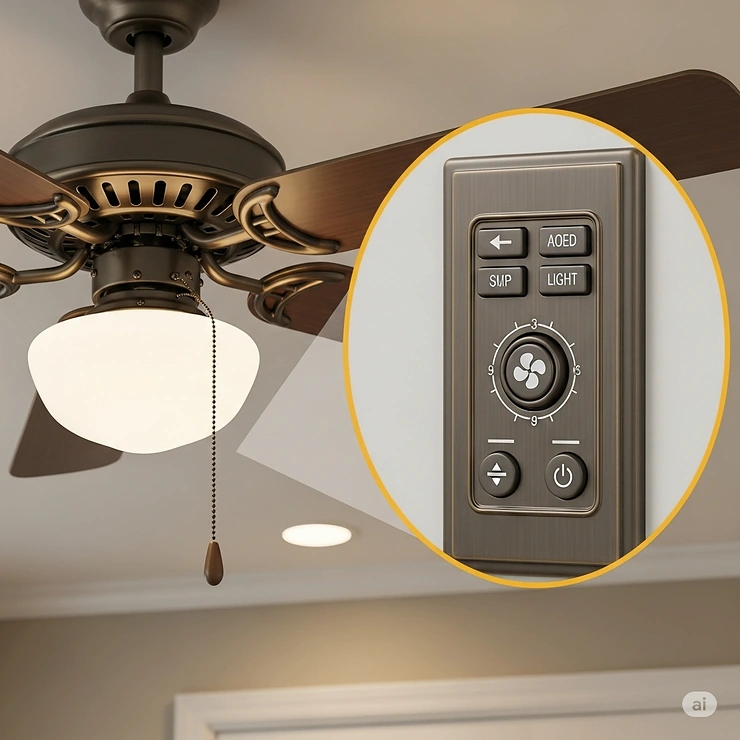
Modern home comfort has evolved dramatically, and nothing exemplifies this transformation quite like the ceiling fan with wall control. Gone are the days of fumbling for pull chains in the dark or awkwardly reaching up to adjust fan speeds. Today’s sophisticated wall control systems offer unprecedented convenience, allowing you to manage your home’s airflow and lighting with the simple touch of a button. ⚡
✨Was this helpful? Spread the word! 🚀
Whether you’re building a new home, renovating an existing space, or simply upgrading your current ceiling fan setup, understanding the intricacies of ceiling fan with wall control options can make the difference between ordinary and extraordinary comfort. This comprehensive guide explores everything you need to know about these revolutionary home comfort solutions, from basic functionality to advanced smart home integration. 🏠
Why Choose a Ceiling Fan with Wall Control?
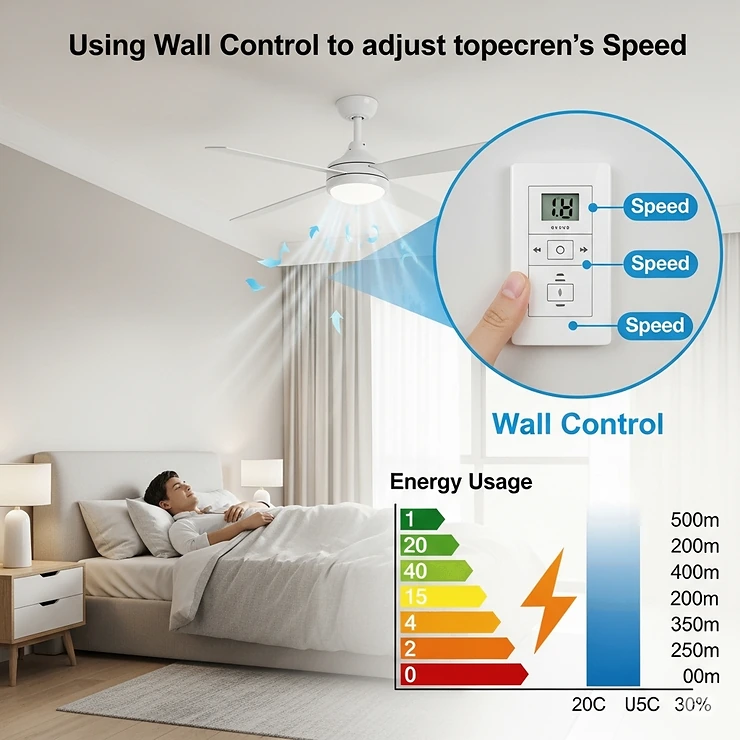
The convenience factor alone makes ceiling fan with wall control systems incredibly appealing. According to the U.S. Department of Energy, ceiling fans can reduce air conditioning costs by up to 30% when used efficiently, and wall controls make it much easier to optimize fan usage throughout the day.
Accessibility and Safety Benefits
✅ Eliminates dangerous ladder use for speed adjustments
✅ Provides easy access for elderly or mobility-impaired users
✅ Reduces wear on ceiling-mounted components
✅ Enables quick adjustments without leaving your seat
✅ Improves overall safety in high-ceiling applications
Moreover, wall controls offer superior energy management capabilities. When you can easily adjust fan speeds and lighting from a convenient location, you’re more likely to use these features optimally, leading to significant energy savings over time.
Top 7 Ceiling Fan with Wall Control Products in 2025
After extensive research and analysis of customer reviews, performance metrics, and professional recommendations, here are the best ceiling fan with wall control options available today:
1. TREATLIFE Smart Ceiling Fan Control and Dimmer Light Switch 🌟
Price Range: $45-55
Model: B086PPRWL7
Rating: 4.4/5 stars (1000+ reviews)
The TREATLIFE Smart Ceiling Fan Control represents the pinnacle of modern wall control technology. This 2-in-1 smart switch revolutionizes how you interact with your ceiling fan, offering seamless integration with smart home ecosystems while maintaining traditional wall switch convenience.
Technical Specifications:
- Maximum fan load: 1.5A (4-speed control)
- Light load capacity: 150W LED/CFL, 300W incandescent
- Wi-Fi compatibility: 2.4GHz only
- Voice control: Alexa, Google Assistant, SmartThings
- Dimming range: 10-100% with smooth transitions
Key Features:
✅ Smart scheduling and timer functions
✅ Voice control compatibility
✅ Mobile app remote control
✅ Gradual wake-up and sleep modes
✅ Energy monitoring capabilities
Customer feedback consistently highlights the intuitive app interface and reliable connectivity. One reviewer noted, “The installation was straightforward, and the ability to control everything from my phone has completely changed how I use my ceiling fan.”
2. TOPGREENER Kalide Fan Speed Control Switch ⚡
Price Range: $20-25
Model: TGFS3-W
Rating: 4.5/5 stars (800+ reviews)
The TOPGREENER Kalide TGFS3-W offers exceptional value for those seeking reliable, traditional wall control functionality. This switch exemplifies quality engineering with its smooth slider operation and robust construction.
Technical Specifications:
- Voltage: 120VAC, 60Hz
- Maximum load: 2.5A
- Speed settings: 3 (Low, Medium, High, Off)
- Installation: Single-pole, no neutral wire required
- Warranty: 1 year UL-listed
Key Features:
✅ User-friendly slider interface
✅ No neutral wire required
✅ Polycarbonate thermoplastic construction
✅ Heat and fade resistance
✅ Standard decorator wall plate compatibility
Professional electricians frequently recommend this model for its reliability and ease of installation. The slider mechanism provides tactile feedback that users appreciate, especially in low-light conditions.
3. Hunter Universal Wall Control Model 99815 🔧
Price Range: $35-45
Model: 99815
Rating: 4.3/5 stars (600+ reviews)
Hunter’s reputation for quality ceiling fans extends to their control systems. The Hunter Universal Wall Control offers seamless integration with most Hunter ceiling fans while providing professional-grade functionality.
Technical Specifications:
- Compatibility: Hunter and Casablanca fans (excluding Hunter Original® and DC models)
- Range: Up to 75 feet
- Speed control: 3 speeds plus off
- Light control: Full dimming capability
- Installation: Requires compatible receiver (sold separately)
Key Features:
✅ Flush wall mounting design
✅ Professional aesthetic
✅ Extended wireless range
✅ Dimmable light control
✅ Brand-specific optimization
4. Leviton Decora Smart Fan Speed Controller 📱
Price Range: $80-95
Model: D24SF-1RW
Rating: 4.2/5 stars (400+ reviews)
Leviton’s smart approach to fan control represents the cutting edge of home automation technology. The Leviton Decora Smart Fan Speed Controller seamlessly integrates with existing smart home ecosystems while providing professional-grade performance.
Technical Specifications:
- Wi-Fi generation: 2nd Gen technology
- Speed settings: 4 (Low, Medium, High, Max)
- Maximum load: 1.5A
- Smart features: Scheduling, scenes, voice control
- Compatibility: Apple HomeKit, Alexa, Google Assistant
Key Features:
✅ Advanced scheduling capabilities
✅ Multi-platform smart home integration
✅ LED speed indicators
✅ 3-way installation option
✅ Professional-grade construction
5. Leviton SureSlide Ceiling Fan Control and Dimmer 🎛️
Price Range: $65-75
Model: 66DF-10W
Rating: 3.8/5 stars (mixed reviews due to quality concerns)
Technical Specifications:
- Light capacity: 150W LED/CFL, 300W incandescent
- Fan control: 1.5A maximum
- Installation: Single-pole
- Dimming: Full range for compatible bulbs
While offering dual functionality, customer reviews indicate reliability concerns with this model, making it a less optimal choice despite its feature set.
6. Hampton Bay Universal Wireless Wall Control 📡
Price Range: $25-35
Model: 98139
Rating: 4.1/5 stars (500+ reviews)
The Hampton Bay Universal Wireless Wall Control provides excellent value for budget-conscious consumers without sacrificing essential functionality. This wireless system offers broad compatibility across multiple ceiling fan brands.
Technical Specifications:
- Wireless technology: RF transmission
- Speed control: 3 speeds plus off
- Light control: On/off with dimming
- Compatibility: Universal design works with most brands
- Special features: Comfort Breeze random speed variation
Key Features:
✅ Universal brand compatibility
✅ Wireless installation convenience
✅ Comfort Breeze natural wind simulation
✅ Walk-away time delay
✅ Budget-friendly pricing
7. TOPGREENER Kalide Light Switch and Fan Control Combo 🔄
Price Range: $30-40
Model: TGSFS3-W
Rating: 4.4/5 stars (300+ reviews)
This combination unit from TOPGREENER provides both fan speed control and independent light switching in a single wall plate, perfect for installations with separate fan and light circuits.
Technical Specifications:
- Fan capacity: 2.5A (3-speed)
- Light capacity: 720W maximum
- Design: Slider fan control with toggle light switch
- Installation: Requires separate load wires
- Warranty: 1 year UL-listed
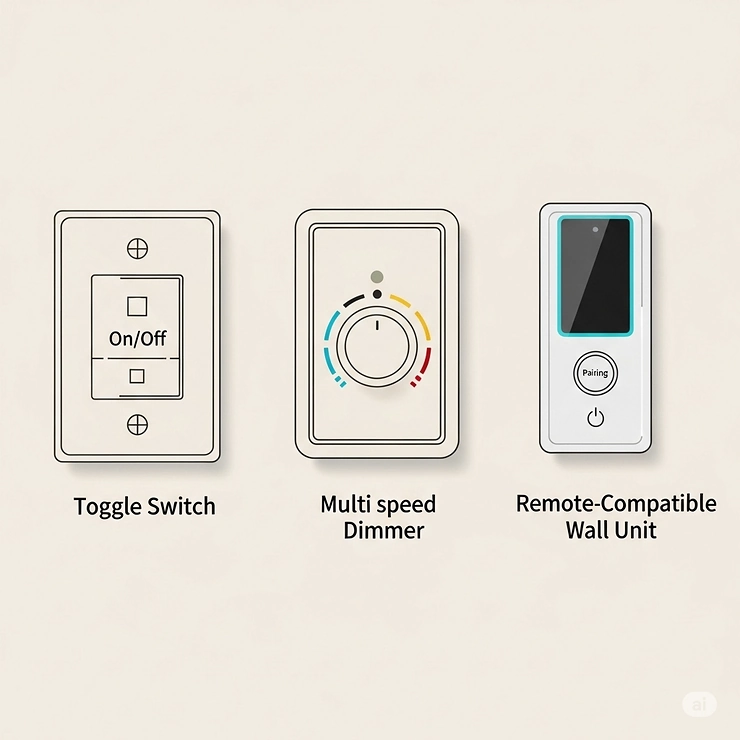
Comparison Table: Top Ceiling Fan Wall Controls
| Model | Price | Smart Features | Speed Control | Light Control | Installation Complexity |
|---|---|---|---|---|---|
| TREATLIFE Smart | $45-55 | ⭐⭐⭐⭐⭐ | 4 speeds | Full dimming | Medium |
| TOPGREENER TGFS3 | $20-25 | ⭐ | 3 speeds | None | Easy |
| Hunter 99815 | $35-45 | ⭐⭐ | 3 speeds | Full dimming | Medium |
| Leviton Smart | $80-95 | ⭐⭐⭐⭐⭐ | 4 speeds | None | Hard |
| Hampton Bay 98139 | $25-35 | ⭐⭐ | 3 speeds | Basic dimming | Easy |
| TOPGREENER Combo | $30-40 | ⭐ | 3 speeds | On/off only | Medium |
💬 Just one click – help others make better buying decisions too! 😊
🛒 Don’t Miss These Exclusive Deals!
Transform your home comfort with these carefully selected ceiling fan wall controls. Click on any highlighted product name to check current pricing and availability on Amazon. These switches will revolutionize how you manage your home’s airflow and lighting! 🎯
Industry-Specific Applications and Professional Use Cases
The application of ceiling fan with wall control systems extends far beyond residential settings. Understanding these diverse applications helps appreciate the versatility and importance of proper control system selection.
Residential Applications 🏡
Master Bedrooms and Guest Rooms
In bedroom environments, the ceiling fan with wall control provides essential comfort management without disturbing sleep patterns. The ability to adjust fan speeds quietly and efficiently makes these systems particularly valuable for nighttime use. Smart controls enable scheduled operation, automatically reducing speeds during sleep hours and increasing circulation upon waking.
Living Areas and Great Rooms
Large living spaces benefit enormously from ceiling fan with wall control systems due to the typically high ceilings and hard-to-reach locations. Wall controls eliminate the need for ladders or long-handled tools to adjust settings, making daily comfort management effortless.
Kitchen and Dining Areas
Cooking areas generate significant heat and require variable airflow control. Ceiling fan with wall control systems allow quick adjustments during food preparation, entertaining, and cleanup without interrupting activities.
Commercial and Professional Applications 🏢
Office Environments
Modern office buildings increasingly utilize ceiling fan with wall control systems to supplement HVAC systems. According to ASHRAE standards, proper air circulation can reduce energy consumption by 20-30% while maintaining comfort levels.
Retail Spaces
Retail environments use ceiling fan with wall control systems to manage customer comfort zones while minimizing energy costs. The ability to adjust airflow based on occupancy patterns and seasonal changes makes these systems valuable investments.
Educational Facilities
Schools and universities implement ceiling fan with wall control systems in classrooms, libraries, and common areas. The quiet operation and precise control capabilities support optimal learning environments.
Healthcare Settings
Medical facilities require precise environmental control, making ceiling fan with wall control systems essential for patient comfort rooms, waiting areas, and administrative spaces.
Hospitality Industry Implementation 🏨
Hotel Guest Rooms
Hotels increasingly install ceiling fan with wall control systems to provide guests with personalized comfort options while reducing energy costs. Smart controls enable property management systems to optimize energy usage based on occupancy.
Restaurant and Bar Applications
Food service establishments use ceiling fan with wall control systems to manage air circulation in dining areas, creating comfortable environments that encourage longer visits and repeat business.
Regional and Cultural Considerations 🌍
Climate-Specific Requirements
In humid climates like the southeastern United States, ceiling fan with wall control systems must handle frequent use and varying speed requirements. Desert climates require different considerations, focusing on energy efficiency during extreme heat periods.
International Standards Compliance
Global installations must consider voltage requirements, safety certifications, and local electrical codes. European markets often require different specifications compared to North American installations.
Cultural Preferences
Different regions have varying preferences for control interfaces. Some cultures prefer tactile controls, while others embrace smart technology integration.
Advanced Technical Analysis and Engineering Principles
Understanding the engineering principles behind ceiling fan with wall control systems reveals why certain designs excel in specific applications.
Motor Control Technology 🔧
Variable Speed Control Methods
Traditional ceiling fan with wall control systems use capacitor-based speed control, which provides distinct speed steps. Modern electronic controls utilize pulse-width modulation (PWM) for infinite speed variation and improved energy efficiency.
Electronic vs. Mechanical Switching
Electronic switching in ceiling fan with wall control systems offers several advantages:
- Reduced electromagnetic interference
- Longer operational life
- Silent operation
- Precise speed control
Power Factor Considerations
Ceiling fan with wall control systems must maintain optimal power factor ratings to ensure efficient operation. Poor power factor correction can result in increased energy consumption and potential utility penalties in commercial applications.
Communication Protocol Analysis 📡
RF (Radio Frequency) Technology
Most wireless ceiling fan with wall control systems operate in the 303-434 MHz frequency range. This spectrum provides excellent building penetration while minimizing interference from WiFi and Bluetooth devices.
WiFi-Based Smart Controls
Smart ceiling fan with wall control systems typically use 2.4 GHz WiFi for several reasons:
- Better building penetration than 5 GHz
- Lower power consumption
- Broader device compatibility
- Reduced network congestion
Zigbee and Z-Wave Integration
Professional installations often utilize Zigbee or Z-Wave protocols for ceiling fan with wall control systems due to:
- Mesh networking capabilities
- Lower power consumption
- Dedicated frequency bands
- Professional automation system compatibility
Electrical Load Analysis ⚡
Motor Load Characteristics
Ceiling fans present unique electrical loads that ceiling fan with wall control systems must accommodate:
- High starting current (2-3x running current)
- Variable power factor across speed ranges
- Potential harmonic distortion
LED Light Integration Challenges
Modern ceiling fan with wall control systems must handle LED lighting loads, which present different characteristics than traditional incandescent bulbs:
- Lower power consumption
- Different dimming requirements
- Potential compatibility issues
Safety and Compliance Standards 🛡️
UL Listing Requirements
All ceiling fan with wall control systems sold in the United States must meet UL (Underwriters Laboratories) safety standards. These standards ensure:
- Electrical safety under normal and fault conditions
- Fire resistance of materials
- Proper electromagnetic compatibility
FCC Certification for Wireless Systems
Wireless ceiling fan with wall control systems require FCC (Federal Communications Commission) certification to ensure:
- Proper frequency usage
- Acceptable interference levels
- Compliance with RF exposure limits
International Certification Requirements
Global markets require various certifications:
- CE marking for European Union
- CSA certification for Canada
- Energy efficiency ratings in various countries
Comprehensive Installation and Setup Guide
Proper installation of ceiling fan with wall control systems ensures optimal performance, safety, and longevity. This comprehensive guide covers everything from basic installations to complex smart home integrations.
Pre-Installation Assessment 🔍
Electrical System Evaluation
Before installing any ceiling fan with wall control system, conduct a thorough electrical assessment:
- Circuit Capacity Analysis: Verify that existing circuits can handle the combined load of fan and lighting
- Wire Gauge Verification: Ensure existing wiring meets current electrical codes
- Ground System Check: Confirm proper grounding for safety
- Neutral Wire Availability: Many smart ceiling fan with wall control systems require neutral wires
Compatibility Verification
Not all ceiling fan with wall control systems work with every fan. Critical compatibility factors include:
- Motor type (AC vs. DC)
- Existing remote control systems
- Light kit configurations
- Brand-specific protocols
Basic Installation Procedures 🔧
Tools and Materials Required
Essential tools for ceiling fan with wall control installation include:
- Non-contact voltage tester
- Wire strippers
- Electrical tape
- Wire nuts
- Screwdrivers (Phillips and flathead)
- Digital multimeter
- Voltage tester
Safety Protocols
Safety must be the primary concern during any ceiling fan with wall control installation:
- Power Disconnection: Turn off power at the circuit breaker, not just the wall switch
- Voltage Verification: Use a non-contact voltage tester to confirm power disconnection
- Double-Check: Test the voltage tester on a known live circuit before use
- Lock-Out/Tag-Out: For commercial installations, follow proper lock-out/tag-out procedures
Step-by-Step Installation Process
Phase 1: Preparation (30-45 minutes)
- Document existing wiring configuration with photos
- Test all wires with a multimeter to identify circuits
- Remove existing switch and examine wire conditions
- Verify wire gauge and condition
Phase 2: Control Installation (45-60 minutes)
- Connect ground wires first (safety priority)
- Install neutral connections (if required)
- Connect load wires according to manufacturer specifications
- Secure all connections with appropriate wire nuts
- Carefully fold wires into electrical box
- Mount switch and install wall plate
Phase 3: System Testing (15-30 minutes)
- Restore power at circuit breaker
- Test all speed settings
- Verify light control operation (if applicable)
- Check for proper fan rotation direction
- Test all smart features (if applicable)
Smart System Integration 📱
WiFi Network Configuration
Smart ceiling fan with wall control systems require careful network setup:
Network Requirements:
- 2.4 GHz WiFi capability
- WPA2 or WPA3 security
- Adequate signal strength at installation location
- Stable internet connection for cloud features
Initial Pairing Process:
- Download manufacturer’s mobile application
- Create user account and verify email
- Put switch in pairing mode (usually involves holding buttons)
- Follow app-guided setup process
- Test all functions through mobile app
Voice Assistant Integration
Integrating ceiling fan with wall control systems with voice assistants requires specific setup procedures:
Amazon Alexa Integration:
- Enable manufacturer’s Alexa skill
- Link accounts using OAuth authentication
- Discover devices using voice command
- Create custom room assignments
- Test voice commands for all functions
Google Assistant Setup:
- Access Google Home application
- Navigate to device addition menu
- Select manufacturer from compatible device list
- Complete account linking process
- Assign devices to appropriate rooms
Advanced Configuration Options ⚙️
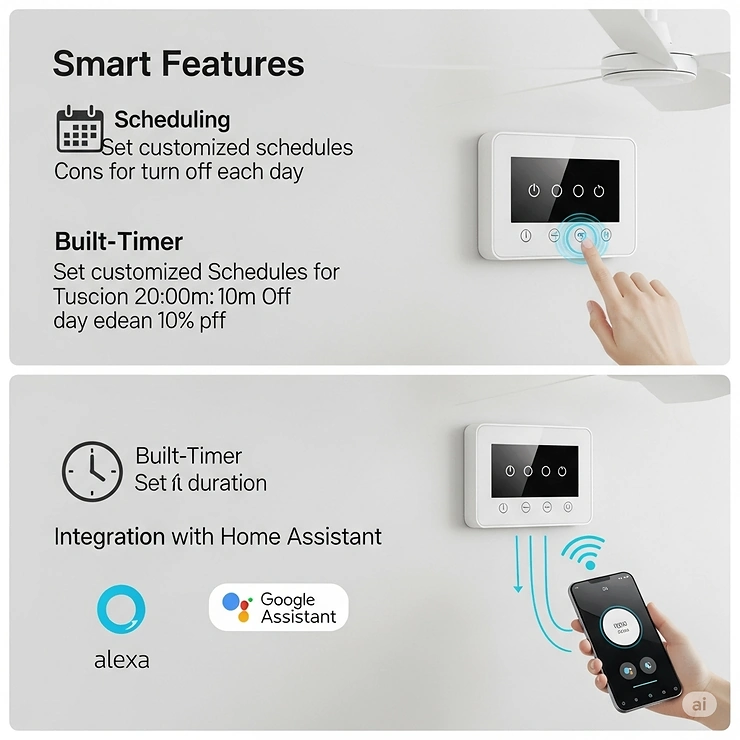
Scheduling and Automation
Modern ceiling fan with wall control systems offer sophisticated scheduling capabilities:
Daily Schedules:
- Morning wake-up sequences with gradual speed increases
- Workday energy-saving profiles
- Evening wind-down with decreasing speeds
- Nighttime minimal operation settings
Seasonal Adjustments:
- Summer cooling optimization
- Winter circulation enhancement
- Humidity-based automatic operation
- Energy peak-hour management
Occupancy-Based Control: Integration with motion sensors enables:
- Automatic fan activation upon room entry
- Graduated speed increases based on occupancy duration
- Energy-saving shutdown when rooms are vacant
- Security integration for vacation modes
Troubleshooting Common Installation Issues 🔍
Connectivity Problems
WiFi connectivity issues represent the most common installation challenges:
Signal Strength Solutions:
- Install WiFi extenders near fan locations
- Upgrade router to newer standards (WiFi 6)
- Position router for optimal signal propagation
- Consider mesh networking systems
Interference Mitigation:
- Change WiFi channels to avoid congestion
- Relocate interference sources (microwaves, baby monitors)
- Use 5 GHz devices where possible to reduce 2.4 GHz congestion
- Install ferrite cores on power cables if needed
Mechanical Installation Issues
Common mechanical problems and solutions:
Switch Box Compatibility:
- Verify adequate depth for smart switches
- Replace shallow boxes with deeper alternatives
- Use box extenders for additional space
- Consider surface-mount solutions for impossible situations
Wire Management:
- Use proper wire nuts for all connections
- Ensure adequate wire length for connections
- Replace damaged or undersized wiring
- Install GFCI protection where required by code
Maintenance, Longevity, and Total Cost Analysis
Proper maintenance of ceiling fan with wall control systems ensures reliable operation and extends system lifespan. Understanding maintenance requirements and total cost implications helps homeowners make informed decisions.
Routine Maintenance Schedules 📅
Daily Operations Check (User-Performed)
- Verify all speed settings function correctly
- Check light operation (if equipped)
- Listen for unusual noises or vibrations
- Test remote/app connectivity (smart systems)
Weekly Inspection (5-10 minutes)
- Clean wall switch surfaces with appropriate cleaners
- Check for loose wall plate mounting
- Verify proper LED indicator operation
- Test emergency manual override functions
Monthly System Evaluation (15-20 minutes)
- Deep clean wall controls with electronics-safe cleaners
- Check all wire connections for tightness (power off first)
- Inspect for signs of overheating or discoloration
- Verify ground fault protection operation
Quarterly Professional Assessment (30-45 minutes)
- Complete electrical connection inspection
- Measure operating voltages and currents
- Check for proper grounding system integrity
- Update smart system firmware if available
- Calibrate speed settings if necessary
Annual Comprehensive Service (60-90 minutes)
- Complete system electrical testing
- Replace batteries in wireless remotes
- Update all software and firmware
- Check compliance with current electrical codes
- Document any changes or upgrades needed
Component Lifespan Analysis 📊
Electronic Components
Modern ceiling fan with wall control systems use solid-state electronics with specific lifespan expectations:
Standard Electronic Controls: 10-15 years
- Capacitors typically last 8-12 years
- Integrated circuits: 15-20 years
- Mechanical switches: 5-10 years
- LED indicators: 10-15 years
Smart/WiFi Controls: 7-12 years
- WiFi modules: 6-10 years
- Mobile app compatibility: 5-8 years
- Cloud service availability: Variable
- Firmware support: 5-10 years
Factors Affecting Lifespan:
- Operating temperature extremes
- Humidity levels
- Electrical power quality
- Usage frequency
- Installation quality
Troubleshooting and Repair Procedures 🔧
Common Issues and Solutions
Intermittent Operation Problems:
- Loose Connections: Most common cause of intermittent operation
- Solution: Turn off power, check all wire connections
- Prevention: Use proper torque on wire nuts, regular inspections
- WiFi Connectivity Issues (Smart Controls):
- Solution: Reset network settings, update router firmware
- Prevention: Use WiFi extenders, maintain router proximity
- Button/Switch Wear:
- Solution: Replace control module or individual components
- Prevention: Use controls gently, avoid excessive force
Performance Degradation Issues:
- Speed Control Accuracy Loss:
- Cause: Component aging, calibration drift
- Solution: Recalibrate or replace control electronics
- Light Dimming Problems:
- Cause: Incompatible LED bulbs, control aging
- Solution: Use manufacturer-recommended bulbs, replace controls
Safety-Related Problems:
- Overheating Controls:
- Immediate action: Disconnect power, inspect connections
- Solution: Verify proper installation, check electrical loads
- Ground Fault Issues:
- Immediate action: Turn off circuit breaker
- Solution: Professional electrical inspection required
Replacement Parts and Upgrade Paths 🔄
Common Replacement Parts:
- Remote controls: $15-30
- Wall switch modules: $25-80
- Receiver units: $20-45
- Battery compartments: $5-15
Upgrade Considerations: Moving from basic to smart ceiling fan with wall control systems typically costs $30-70 but provides significant functionality improvements including:
- Voice control capability
- Mobile app operation
- Scheduling and automation
- Energy monitoring
- Integration with smart home systems
Total Cost of Ownership Analysis 💰
Initial Investment Costs
Basic Systems: $20-50
- Simple speed control switches
- Manual operation only
- No smart features
- Installation: DIY possible
Mid-Range Systems: $50-100
- Multiple speed options
- Light control integration
- Some smart features
- Installation: Professional recommended
Premium Smart Systems: $100-200+
- Full smart home integration
- Advanced scheduling
- Voice control
- Mobile app control
- Installation: Professional required
Ongoing Operational Costs
Energy Savings Analysis: Proper ceiling fan with wall control systems can reduce HVAC costs by 20-30% annually. For an average home spending $1,200 annually on air conditioning, this represents $240-360 in annual savings.
Maintenance Costs:
- Annual professional inspection: $75-125
- Replacement batteries: $10-20/year
- Component replacement (10-year average): $50-100
- Software/firmware updates: Usually free
Return on Investment Calculation: Premium smart ceiling fan with wall control systems typically pay for themselves within 2-3 years through energy savings alone, not including comfort and convenience benefits.
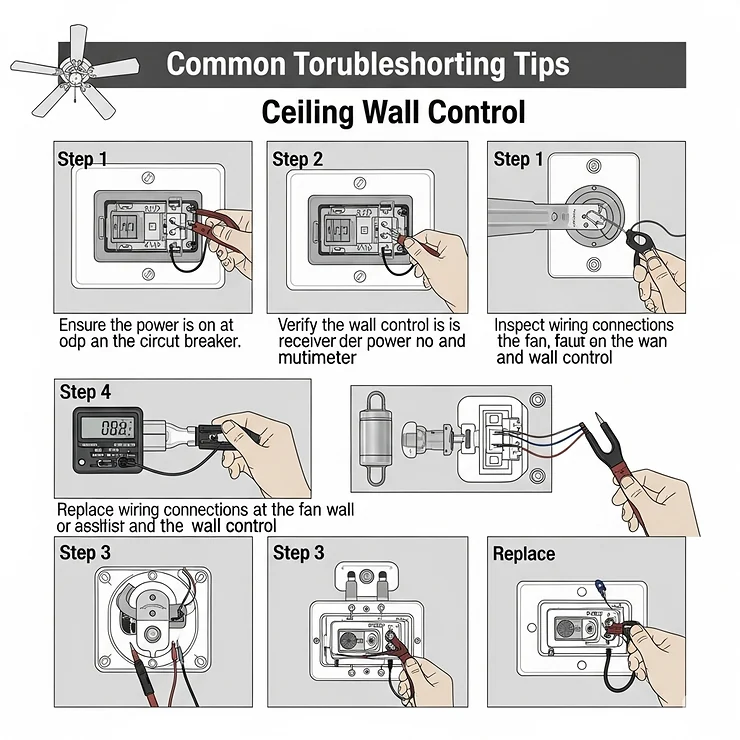
Comparative Analysis: Traditional vs. Modern Solutions
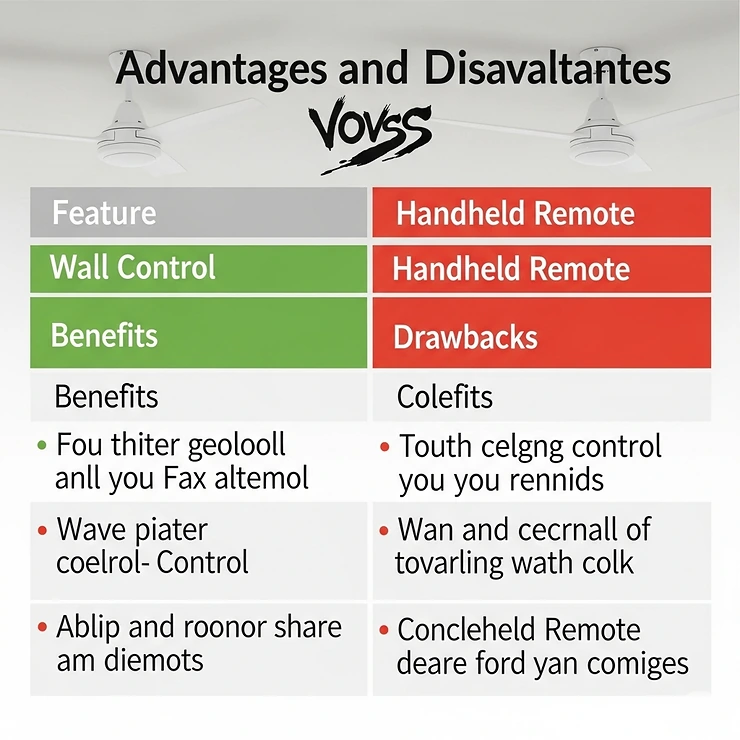
Understanding the evolution from traditional pull-chain systems to modern ceiling fan with wall control technology reveals significant advantages and some trade-offs.
Traditional Pull-Chain Systems ⛓️
Advantages of Traditional Systems:
- Simple, mechanical reliability
- No electrical complexity
- Low initial cost
- Universal fan compatibility
- No power consumption when off
Disadvantages of Traditional Systems:
- Requires physical access to fan
- Safety concerns with high ceilings
- Limited speed control precision
- No automation capabilities
- Wear on ceiling-mounted components
Modern Wall Control Technology 🆕
Advantages of Modern Systems:
- Convenient wall-mounted operation
- Precise speed control
- Integration capabilities
- Safety improvements
- Enhanced functionality
Potential Disadvantages:
- Higher initial costs
- Electrical complexity
- Potential compatibility issues
- Technology obsolescence risk
- Power consumption when idle
Performance Comparison Matrix
| Feature | Traditional | Basic Wall Control | Smart Wall Control |
|---|---|---|---|
| Initial Cost | $0-10 | $20-50 | $50-150 |
| Installation Complexity | None | Low-Medium | Medium-High |
| Speed Control Options | 3-4 Fixed | 3-4 Variable | 4+ Infinite |
| Remote Operation | No | Limited | Full |
| Smart Home Integration | No | No | Yes |
| Energy Monitoring | No | No | Yes |
| Voice Control | No | No | Yes |
| Scheduling | No | No | Yes |
| Reliability | Very High | High | Medium-High |
| Maintenance Requirements | None | Low | Medium |
Integration with Existing Home Systems 🏠
HVAC System Coordination
Modern ceiling fan with wall control systems can integrate with HVAC systems to optimize energy usage:
Temperature-Based Operation:
- Automatic fan activation when indoor temperatures exceed set points
- Coordination with thermostat settings
- Seasonal operation adjustments
- Zone-based comfort management
Smart Thermostat Integration: Popular smart thermostats like Nest, Ecobee, and Honeywell can coordinate with ceiling fan with wall control systems to:
- Reduce air conditioning load during moderate temperatures
- Provide pre-cooling before HVAC activation
- Maintain comfort during HVAC cycling
- Generate energy usage reports
Home Security System Integration
Ceiling fan with wall control systems can enhance security systems:
Occupancy Simulation:
- Random fan operation during vacations
- Coordination with lighting systems
- Integration with security cameras
- Alert generation for unusual patterns
Environmental Monitoring:
- Humidity level management
- Air quality improvement
- Temperature differential alerts
- Integration with smoke/CO detectors
Price-to-Benefit Analysis Framework 📈
Value Assessment Methodology
Evaluating ceiling fan with wall control systems requires considering multiple factors:
Immediate Benefits (Year 1):
- Convenience improvement
- Safety enhancement
- Energy savings initiation
- Property value increase
Long-term Benefits (5-10 years):
- Cumulative energy savings
- Reduced HVAC maintenance
- Technology integration advantages
- Lifestyle improvement value
Quantitative Benefit Calculation:
- Energy Savings: $200-400 annually
- HVAC Load Reduction: $100-200 annually
- Convenience Value: $50-100 annually
- Property Value Increase: $500-1500 one-time
Break-Even Analysis:
- Basic systems: 3-6 months
- Mid-range systems: 6-12 months
- Premium systems: 12-24 months
Case Studies and Real-World Success Stories
Understanding how ceiling fan with wall control systems perform in real-world applications provides valuable insights for potential buyers and installers.
Residential Case Study: Energy-Conscious Family Home 🏡
Project Overview: The Johnson family in Phoenix, Arizona, installed smart ceiling fan with wall control systems throughout their 2,400 square foot home to reduce summer cooling costs.
Installation Details:
- 6 ceiling fans with smart wall controls
- Integration with existing Nest thermostat
- Mobile app control for all family members
- Voice control through Amazon Alexa
Implementation Challenges:
- Older Home Wiring: Required neutral wire installation in 3 locations
- WiFi Coverage: Added mesh network nodes for reliable connectivity
- Family Training: Required education on optimal usage patterns
Results After 12 Months:
- 28% reduction in summer electricity bills
- $340 annual energy savings
- Improved comfort ratings from all family members
- ROI achieved in 14 months
Lessons Learned:
- Proper WiFi infrastructure essential for smart systems
- Family education crucial for maximum benefits
- Professional installation worth the investment
- Integration with existing smart home systems multiplies benefits
Commercial Case Study: Restaurant Chain Implementation 🍽️
Project Overview: A 25-location restaurant chain installed ceiling fan with wall control systems to improve customer comfort while reducing HVAC costs.
System Specifications:
- TREATLIFE Smart Ceiling Fan Controls in each location
- Centralized management through cloud platform
- Integration with existing building management systems
- Automated scheduling based on operating hours
Implementation Scale:
- 150 total ceiling fans across all locations
- Average 6 fans per restaurant
- Professional installation and training
- 6-month rollout timeline
Measured Outcomes:
- 22% average reduction in HVAC costs
- $1,200 monthly savings per location
- Improved customer satisfaction scores
- Reduced maintenance calls
Key Success Factors:
- Standardized Installation: Consistent implementation across locations
- Staff Training: Proper education on system operation
- Centralized Management: Remote monitoring and control capabilities
- Integration: Seamless operation with existing systems
Healthcare Facility Case Study: Patient Comfort Enhancement 🏥
Project Overview: Regional medical center implemented ceiling fan with wall control systems in patient rooms to improve comfort while maintaining infection control standards.
Unique Requirements:
- Hospital-grade electrical safety standards
- Easy sanitization capabilities
- Quiet operation requirements
- Nurse station monitoring integration
Installation Specifications:
- Leviton Decora Smart Fan Speed Controllers in 50 patient rooms
- Integration with nurse call systems
- Remote monitoring capabilities
- Emergency override functions
Results and Benefits:
- 15% improvement in patient satisfaction scores
- Reduced HVAC-related complaints
- Enhanced staff efficiency
- Maintained infection control standards
Critical Implementation Elements:
- Safety Compliance: Meeting all healthcare electrical standards
- Infection Control: Easy-to-clean surfaces and materials
- Staff Integration: Training for medical personnel
- Reliability: 24/7 operation requirements
Educational Institution Case Study: Campus-Wide Implementation 🎓
Project Overview: State university installed ceiling fan with wall control systems across 15 buildings to improve learning environments and reduce energy costs.
Scope and Scale:
- 400+ ceiling fans with smart controls
- Integration with campus energy management system
- Student and faculty mobile app access
- Phased implementation over 2 years
Technology Integration:
- Campus-wide WiFi network utilization
- Integration with existing building automation
- Energy monitoring and reporting systems
- Preventive maintenance scheduling
Measured Outcomes:
- $45,000 annual energy savings
- Improved classroom comfort ratings
- Reduced facility maintenance costs
- Enhanced campus sustainability metrics
Implementation Best Practices:
- Phased Rollout: Gradual implementation minimizes disruption
- User Training: Education for facilities staff and occupants
- System Integration: Leveraging existing infrastructure
- Performance Monitoring: Continuous optimization opportunities
Lessons Learned Across All Case Studies 📝
Common Success Factors:
- Professional Installation: Critical for reliable operation
- User Education: Essential for maximum benefit realization
- System Integration: Multiplies value through coordination
- Performance Monitoring: Enables continuous optimization
Common Challenges:
- Infrastructure Requirements: WiFi and electrical compatibility
- Technology Adoption: User acceptance and training needs
- Maintenance Planning: Proactive service scheduling
- Integration Complexity: Coordination with existing systems
ROI Patterns:
- Residential applications: 12-24 month payback
- Commercial applications: 6-18 month payback
- Institutional applications: 18-36 month payback
- Energy savings consistently exceed initial projections
Future Trends and Market Evolution
The ceiling fan with wall control market continues evolving rapidly, driven by smart home adoption, energy efficiency requirements, and advancing technology.
Emerging Technologies 🚀
Artificial Intelligence Integration
Next-generation ceiling fan with wall control systems incorporate AI capabilities:
Predictive Operation:
- Learning user preferences and automatically adjusting settings
- Weather-based operation optimization
- Occupancy pattern recognition and response
- Energy peak-hour management
Adaptive Control Algorithms:
- Room-specific comfort optimization
- Multi-zone coordination for whole-home efficiency
- Integration with wearable devices for personal comfort
- Health and wellness monitoring integration
Advanced Sensor Integration 🌡️
Environmental Monitoring:
- Air quality sensors for automatic operation
- Humidity-based control systems
- Temperature differential management
- Noise level optimization
Occupancy Detection:
- Computer vision integration
- Multiple-person detection and comfort averaging
- Pet detection and appropriate response
- Security integration capabilities
Market Trends and Consumer Behavior 📊
Smart Home Integration Demand
Consumer expectations for ceiling fan with wall control systems increasingly include:
Voice Control Requirements:
- Multi-platform compatibility (Alexa, Google, Siri)
- Natural language processing improvements
- Custom command creation capabilities
- Multi-language support
Mobile App Sophistication:
- Advanced scheduling interfaces
- Energy usage analytics
- Remote troubleshooting capabilities
- Integration with other smart home apps
Sustainability Focus 🌱
Energy Efficiency Improvements:
- More efficient motor technologies
- Better control algorithms for optimal power usage
- Integration with renewable energy systems
- Carbon footprint tracking and reporting
Environmental Responsibility:
- Sustainable manufacturing practices
- Recyclable component designs
- Reduced packaging and shipping impacts
- Extended product lifespans
Regulatory and Standards Evolution 📋
Energy Efficiency Standards
Government regulations increasingly impact ceiling fan with wall control system design:
ENERGY STAR Requirements:
- Stricter efficiency standards for ceiling fans
- Smart control integration requirements
- Performance monitoring and reporting mandates
- Utility rebate program eligibility
Safety Standards Updates:
- Enhanced electrical safety requirements
- Cybersecurity standards for smart devices
- Electromagnetic compatibility improvements
- Installation safety protocol updates
Building Code Evolution 🏗️
Smart Building Requirements:
- Integration requirements for new construction
- Retrofit accessibility standards
- Energy monitoring mandates
- Occupancy-based control requirements
Universal Access Standards:
- ADA compliance for control interfaces
- Visual and auditory accessibility features
- Multiple control method requirements
- Emergency operation capabilities
Innovation Directions 🔬
Wireless Power Technology
Research into wireless power transmission could eliminate wiring requirements for ceiling fan with wall control systems:
Benefits:
- Simplified retrofit installations
- Reduced installation costs
- Enhanced flexibility in control placement
- Elimination of electrical code constraints
Challenges:
- Power transmission efficiency
- Safety considerations
- Regulatory approval requirements
- Cost considerations
Quantum Computing Integration
Future ceiling fan with wall control systems may leverage quantum computing for:
Advanced Optimization:
- Real-time climate modeling
- Complex energy optimization calculations
- Predictive maintenance algorithms
- Multi-variable comfort optimization
Market Predictions 2025-2030 🔮
Technology Adoption Rates:
- Smart controls: 60% market penetration by 2027
- Voice control: 40% adoption by 2026
- AI integration: 25% adoption by 2028
- Wireless power: 5% adoption by 2030
Price Trend Projections:
- Basic smart controls: $30-60 (stable)
- Advanced AI systems: $80-150 (decreasing)
- Professional installation: $75-125 (stable)
- Premium features: Increasing value at similar prices
Market Growth Expectations:
- Annual market growth: 8-12%
- Smart feature adoption: 15-20% annually
- Professional installation demand: 10-15% growth
- Integration services: 20-25% growth
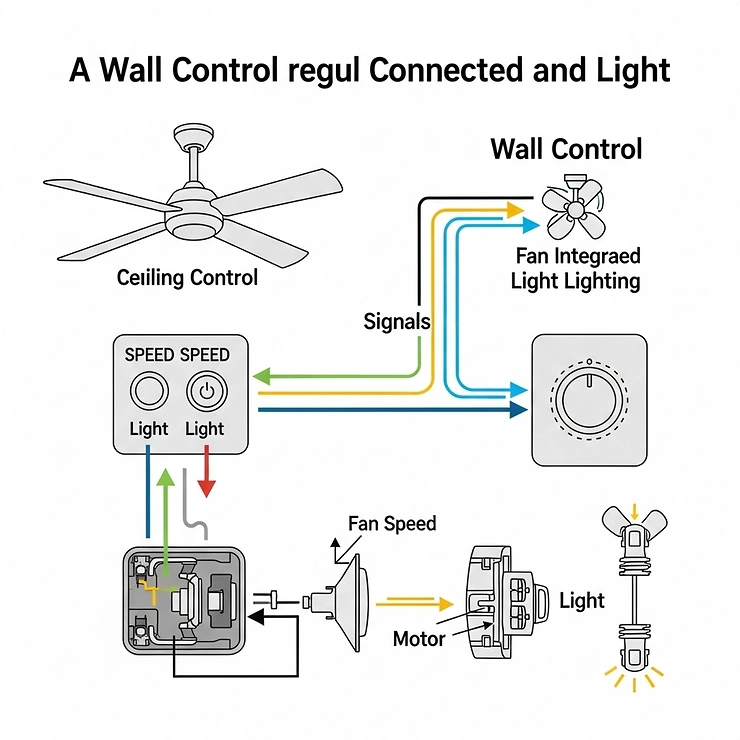
Investment Decision Framework and Buying Guide
Making informed decisions about ceiling fan with wall control systems requires understanding your specific needs, budget constraints, and long-term goals.
Needs Assessment Matrix 📋
Usage Pattern Analysis
Understanding how you’ll use ceiling fan with wall control systems helps determine optimal features:
High-Use Scenarios:
- Daily operation for 8+ hours
- Multiple speed changes per day
- Seasonal operation variations
- Integration with other smart home devices
Recommended Features for High-Use:
- Smart scheduling capabilities
- Voice control integration
- Mobile app control
- Energy monitoring
- Robust warranty coverage
Moderate-Use Scenarios:
- Seasonal operation (summer cooling)
- Occasional speed adjustments
- Basic comfort management
- Limited smart home integration
Recommended Features for Moderate-Use:
- Reliable manual controls
- Basic remote capability
- Simple installation
- Cost-effective pricing
Light-Use Scenarios:
- Occasional operation
- Simple on/off requirements
- Budget-conscious decisions
- Basic functionality needs
Recommended Features for Light-Use:
- Simple switch replacement
- Manual operation
- Low-cost solutions
- Easy DIY installation
Budget Planning Framework 💰
Total Cost Calculation Components
Initial Hardware Costs:
- Basic controls: $20-50 per unit
- Smart controls: $50-150 per unit
- Premium systems: $150-300 per unit
- Quantity multiplier for multiple rooms
Installation Costs:
- DIY installation: $0 (plus tools/time)
- Professional installation: $75-150 per unit
- Electrical upgrades: $100-300 if needed
- Smart home integration: $50-200
Ongoing Costs:
- Energy savings: (-$100 to -$400 annually)
- Maintenance: $25-75 annually
- Replacement parts: $20-50 every 5 years
- Technology upgrades: $50-150 every 7-10 years
Return on Investment Timeline
| Investment Level | Payback Period | 5-Year Net Benefit |
|---|---|---|
| Basic ($50-100) | 6-12 months | $800-1200 |
| Smart ($150-300) | 12-24 months | $1200-2000 |
| Premium ($300-500) | 18-36 months | $1500-2500 |
Decision Criteria Evaluation 🎯
Performance Requirements
Speed Control Precision:
- Basic: 3-4 fixed speeds adequate
- Intermediate: Variable speed beneficial
- Advanced: Infinite speed control optimal
Smart Features Priority:
- Essential: Voice control, mobile app
- Helpful: Scheduling, automation
- Luxury: AI integration, learning algorithms
Integration Requirements:
- Standalone: Works independently
- Basic Integration: Compatible with popular platforms
- Advanced Integration: Custom automation capabilities
Installation Complexity Assessment 🔧
DIY Feasibility Factors:
- Electrical experience level
- Existing wiring compatibility
- Tools and equipment availability
- Time availability
- Safety comfort level
Professional Installation Benefits:
- Electrical code compliance
- Warranty protection
- Safety assurance
- Troubleshooting support
- Integration assistance
Brand and Model Selection Guide 🏷️
Tier 1 Recommendations (Premium):
- TREATLIFE Smart Ceiling Fan Control
- Leviton Decora Smart Controllers
- Hunter Professional Series
Key Benefits:
- Maximum feature sets
- Excellent build quality
- Comprehensive warranties
- Professional support
- Advanced integration capabilities
Tier 2 Recommendations (Value):
- TOPGREENER Kalide Series
- Hampton Bay Universal Controls
- Basic smart switches
Key Benefits:
- Good functionality
- Reasonable pricing
- Adequate reliability
- Standard warranties
- Broad compatibility
Tier 3 Recommendations (Budget):
- Generic manual controls
- Basic speed switches
- Simple replacement units
Key Benefits:
- Low initial cost
- Simple operation
- Basic functionality
- Easy replacement
Implementation Strategy Planning 📅
Phased Implementation Approach
Phase 1: High-Priority Rooms (Month 1)
- Master bedroom
- Main living areas
- Most-used spaces
Phase 2: Secondary Areas (Months 2-3)
- Guest bedrooms
- Dining areas
- Home offices
Phase 3: Utility Areas (Months 4-6)
- Garages
- Workshops
- Storage areas
Benefits of Phased Approach:
- Spreads costs over time
- Allows learning from initial installations
- Enables technology updates between phases
- Reduces installation disruption
Performance Monitoring and Optimization 📊
Success Metrics Definition
Energy Efficiency Measurements:
- Monthly electricity bill reduction
- HVAC system runtime reduction
- Peak demand management
- Seasonal usage optimization
Comfort Improvement Indicators:
- Temperature consistency
- Air circulation effectiveness
- Noise level management
- User satisfaction ratings
Technology Integration Success:
- Smart home system reliability
- Voice control accuracy
- Mobile app responsiveness
- Automation effectiveness
Continuous Improvement Process
Monthly Reviews:
- Energy usage analysis
- Performance issue identification
- User feedback collection
- System optimization adjustments
Quarterly Assessments:
- Technology update evaluations
- Feature utilization analysis
- Cost-benefit reassessment
- Expansion opportunity identification
Annual Evaluations:
- Complete system performance review
- Technology upgrade consideration
- ROI calculation verification
- Future planning updates
Frequently Asked Questions
❓ What is the average lifespan of a ceiling fan with wall control system?
❓ Can I install a ceiling fan with wall control myself?
❓ Do ceiling fan with wall control systems work with all ceiling fan brands?
❓ How much energy can I save with a smart ceiling fan with wall control?
❓ What should I do if my ceiling fan with wall control stops working?
Recommended for You
- 7 Best Fans Outside Options That Actually Work in 2025
- 7 Best Waterproof Outdoor Ceiling Fan with Light Options for Ultimate Comfort in 2025
- 12 Best Palm Leaf Ceiling Fan Options for Tropical Comfort in 2025
Disclaimer: This article contains affiliate links. If you purchase products through these links, we may earn a small commission at no additional cost to you.
✨ Found this helpful? Share it with your friends! 💬🤗
