

In This Article
Cooling products for elderly adults are simple, low-risk tools that help an older body shed heat when sweating alone can’t keep up. Think evaporative cooling towels, battery neck fans, gel packs, and cooling bedding. They work best as a supplement to air conditioning or a cooled public space, never as a replacement for either.
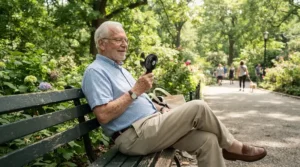
Here’s the uncomfortable truth behind that definition. Heat doesn’t hit everyone equally. According to the CDC’s guidance on heat and older adults, people 65 and older adjust more slowly to sudden temperature swings. They are also more likely to live with chronic conditions or take prescriptions that interfere with sweating and temperature control. That’s the core of heat vulnerability elderly households face every summer, and it’s why a “just open a window” approach can go wrong fast.
So this guide skips the gimmicks. I researched real products, real editorial testing, and real public-health guidance to build a shortlist of senior cooling solutions that are easy to use, affordable, and honest about their limits. You’ll find seven picks, three comparison tables, a step-by-step setup routine, and a plain-English safety section on fans, ice, and medications.
One promise up front: nothing here claims hands-on testing by me. Every product analysis rests on published specs, independent editorial tests, and aggregated review themes. Where I couldn’t verify something, I say so.
Quick Comparison Table: Cooling Products for Elderly at a Glance
Before we get into the details, here’s the whole shortlist on one screen. Prices are approximate ranges at the time of research and may vary, so check current pricing before you buy.
| Product | Type | Power Needed | Best For | Price Range |
|---|---|---|---|---|
| Mission Original Cooling Towel | Evaporative towel | None (water) | Best for quick porch and walk relief | Roughly $10-$20 |
| Ergodyne Chill-Its 6602 Evaporative Cooling Towel | Evaporative towel | None (water) | Best for budget shoppers and multi-packs | Under $15 |
| Arctic Cool Instant Cooling Towel | Mesh evaporative towel | None (water) | Best for sensitive skin and gentle cooling | Roughly $10-$20 |
| JISULIFE Portable Neck Fan | Wearable fan | Rechargeable battery | Best for active seniors on errands | Roughly $25-$45 |
| SkyGenius Battery Operated Clip Fan | Clip-on fan | Batteries | Best for wheelchairs, recliners, bedside | Roughly $15-$30 |
| FlexiKold Gel Ice Packs | Reusable cold packs | Freezer | Best for pulse-point cooling at home | Roughly $15-$30 |
| TEMPUR-Breeze Pillow | Cooling pillow | None | Best for night sweats and sleep comfort | Premium, well above $100 |
Notice the pattern. Four of the seven need no plug, no charging, and no buttons. Three of the four powered or semi-powered options are still one-step devices. That matters more than any spec. The best aging adult cooling products are the ones that actually get used on a sweltering Tuesday afternoon, not the ones gathering dust because the setup felt like assembling furniture.
Budget buyers can start with the towels and the clip fan for well under $60 combined. The TEMPUR-Breeze Pillow is the outlier. It’s the only clearly premium purchase here, and it solves a different problem (sleep) than the others (daytime overheating).
💬 Just one click — help others make better buying decisions too!😊
Top 7 Cooling Products for Elderly: Expert Analysis
1. Mission Original Cooling Towel — quickest relief in independent testing
The standout here is speed. In CNN Underscored’s testing of ten cooling towels, the Mission line delivered the most immediate cooling sensation, and its portability earned extra credit.
The mechanics are refreshingly simple: soak, wring, snap, drape. Evaporation pulls heat off the skin, and because the neck is a thermoregulatory hotspot, that small strip of fabric punches above its weight. Senior-living guides often cite cooling that lasts up to a few hours, but treat that as a ceiling. Humidity shortens the effect dramatically, and evaporative towels shine most in dry or moderately humid air.
Who is it for? Anyone who spends time on the porch, in the garden, or on a slow neighborhood walk. It also earns points for easy operation senior users appreciate: no charging, no switches, and nothing to break.
Aggregated review sentiment across editorial roundups and senior-living guides is consistently positive on durability and repeat use. I could not verify a single unified customer-review dataset for this exact model, so treat that as a directional signal rather than a hard statistic.
Pros:
- ✅ Fast, noticeable cooling on first drape
- ✅ Nothing to charge, plug in, or program
- ✅ Reusable and packs down small
Cons:
- ❌ Weaker performance in very humid weather
- ❌ Needs re-wetting every so often
Price and value: Roughly $10-$20 range, which makes it one of the highest-value entries on this list.

2. Ergodyne Chill-Its 6602 Evaporative Cooling Towel — cheapest way to start
If you want to test the concept before committing, this is the low-risk entry ticket. Budget-focused senior-care roundups, including DailyCaring’s list of affordable cooling products, feature this towel as a starter pick.
It belongs to the same activate-wring-drape family as the Mission Original Cooling Towel, so the core logic is identical. Water evaporates, the fabric feels cool, and you get relief around the neck, wrists, or forehead. The practical advantage is price. At well under $15, you can own two or three and rotate them, one on the neck while the others dry or rest in a fridge-cold bowl.
Here’s a caregiver-friendly trick: keep one towel per room. A towel draped over a recliner arm gets used. A towel in a drawer does not.
On reviews, I could not verify a large, consistent set of buyer reviews for this specific model during my research. The independent CNN comparison also left me without a clean performance verdict on it. So the honest take is that it’s a sensible low-cost try-it product rather than a proven top performer.
Pros:
- ✅ Very low cost for multiple towels
- ✅ Simple wet-wring-wear activation
- ✅ Lightweight and easy to store
Cons:
- ❌ Limited independent performance data available
- ❌ May feel damp against sensitive skin
Price and value: Under $15 range. Good value as a trial or a spare.
3. Arctic Cool Instant Cooling Towel — soft mesh for gentle relief
The gentle option. CNN Underscored’s tester found it easy to use and reported roughly 35 minutes of mild cooling relief, and praised the comfortable, high-quality-feeling mesh.
The catch is size. At about 27 by 15 inches, it’s short and wide, which means it hangs from the back of the neck or drapes over the head rather than wrapping a shoulder-and-chest area. For a senior with a smaller frame, or someone who mostly wants a cool head-and-neck sensation, that’s fine. For someone hoping to cool their upper back too, it’s a limitation.
The brand’s own review section (which is a company-run page, so weigh it accordingly) describes the towels as lightweight, soft when dry, and good at holding moisture. A few users wish it were slightly longer for tying around the neck, which lines up with CNN’s sizing critique.
Pair it with a sun hat outdoors and you get a surprisingly effective combo for slow walks.
Pros:
- ✅ Soft mesh feels comfortable against skin
- ✅ Easy to wet and wring out
- ✅ Light enough to forget you’re wearing it
Cons:
- ❌ Short and wide, limited coverage
- ❌ About 35 minutes of relief in testing
Price and value: Roughly $10-$20 range. Fair value if softness and comfort rank above coverage.
4. JISULIFE Portable Neck Fan — hands-free breeze for errands
This is the “worn like a necklace” option. Senior-living guides name the JISULIFE Portable Neck Fan (alongside a similar ASNUG model) as a rechargeable, hands-free way to direct airflow toward the neck and face.
The reasoning tracks with what physicians say about the neck as a heat-release hotspot: major blood vessels run close to the surface there. A physician quoted by TODAY also advises picking a neck fan with strong airflow and multiple speeds, so you can match cooling to the environment. When you shop, check the listing for speed settings and battery runtime rather than trusting a headline number.
Here’s the part product pages skip. Fans behave differently for older adults in extreme, dry heat. Research summarized in the safety section below shows a fan can be neutral or even counterproductive at very high temperatures. This is a comfort tool for moderate heat, not a heat-stroke shield.
Editorial sentiment on neck fans is generally positive for portability. I couldn’t verify a clean review-count dataset for this exact model, so check recent buyer feedback on weight and noise.
Pros:
- ✅ Hands-free airflow while walking or shopping
- ✅ Rechargeable, so no disposable batteries
- ✅ Adjustable speeds for different conditions
Cons:
- ❌ Needs regular charging, a habit to build
- ❌ Weight on shoulders may bother some seniors
Price and value: Roughly $25-$45 range. Worth it for active seniors, less so for someone who mostly stays indoors.
5. SkyGenius Battery Operated Clip Fan — built for wheelchairs and bedside tables
This one solves a boring, real problem: a fan that goes where the person actually sits. Caregiver-focused guides recommend battery and USB clip-on fans for seniors with limited mobility, including wheelchair users, and for bedside tables and recliners. The SkyGenius Battery Operated Clip Fan appears on those lists.
The best feature isn’t airflow. It’s the missing cord. The CDC’s older-adult heat guidance advises keeping fan blades free of obstructions, placing fans near outlets, and securing any extension cord to reduce tripping risk. A battery-powered clip fan sidesteps the cord issue entirely, which is a genuine safety upgrade for easy operation senior households.
Expect gentle, personal airflow, not a room-cooling blast. That’s a feature when you’re aiming a breeze at someone’s face during a long afternoon in a chair, and a limitation if you hoped to replace a window unit.
I could not verify a large, consistent review set for this specific model. Directionally, clip fans in this category get praise for flexibility and complaints about battery life and clip grip. Always test the clip on the actual chair or table before the heat arrives.
Pros:
- ✅ No cord to trip over
- ✅ Clips to chairs, walkers, or bedside tables
- ✅ Simple on/off operation for seniors
Cons:
- ❌ Gentle airflow, not whole-room cooling
- ❌ Batteries need replacing or recharging
Price and value: Roughly $15-$30 range. Strong value for mobility-limited users.

6. FlexiKold Gel Ice Packs — targeted pulse-point cooling at home
Old-school, effective, and underrated. Caregiver guides recommend reusable gel packs for the wrists, neck, and feet, and the FlexiKold Gel Ice Packs show up on those lists.
Cold applied to areas where blood flows close to the skin, like the wrists and neck, can help cool a person down faster than cooling a big flat surface such as the forearm. The keep-in-the-freezer routine also makes them ideal for heat spikes when the power is stable but the house is stuffy.
A safety point that is easy to miss: wrap every pack in a thin towel before it touches skin. Many older adults have reduced skin sensation, and a frozen pack pressed directly against thin skin can cause cold injury before the person notices anything wrong. That’s a preventable problem, but only if the routine is built in.
Because these packs depend on a freezer, they suit home use better than travel. Keep two sets in rotation so one is always frozen.
I could not verify a large, consistent review set for this exact product, so treat reviews on its listing page as your best current signal.
Pros:
- ✅ Reusable and requires no electricity while in use
- ✅ Targets pulse points precisely
- ✅ Useful for both heat relief and everyday aches
Cons:
- ❌ Needs freezer space and pre-planning
- ❌ Must be wrapped to protect thin skin
Price and value: Roughly $15-$30 range. Good value, especially as a two-set rotation.
7. TEMPUR-Breeze Pillow — premium comfort for hot, restless nights
The premium pick, and a different job. Night sweats and warm bedrooms wreck sleep, and cooling pillows and pads are recommended in caregiver guides for that reason. The TEMPUR-Breeze Pillow is named alongside other cooling bedding options.
Here’s the honest analytical take: a cooling pillow is a passive comfort upgrade. It won’t lower a hot bedroom’s temperature, and it isn’t heat protection on its own. What it can do is pull some warmth away from the head and neck while someone rests, especially with gel-infused foam or phase-change materials. Pair it with a bedside clip fan such as the SkyGenius Battery Operated Clip Fan and a cooler room, and the combination makes more sense than either alone.
The price is the barrier. It sits well above every other item on this list, so I’d buy it last, after towels, a fan, and packs are sorted.
I could not verify a fresh, aggregated review dataset for this model. Check current listing feedback on firmness and support, since a pillow that feels wrong won’t be used, however cool it is.
Pros:
- ✅ Passive cooling with no power or setup
- ✅ Supportive foam suits neck comfort
- ✅ Helps with sleep disrupted by heat
Cons:
- ❌ Premium price compared with other picks
- ❌ Doesn’t cool a hot bedroom itself
Price and value: Premium range, often well above $100 at the time of research. Best treated as a comfort splurge, not a first purchase.
Heat Vulnerability Elderly Adults Face: Why Seniors Overheat
Let’s pull back the curtain on the “why,” because it changes what you buy.
The body cools mainly by sweating and by moving warm blood toward the skin. In older adults, both systems can work less efficiently. The CDC notes that older adults are more likely to have chronic conditions and to take prescription medicines that affect temperature control or sweating. Add reduced thirst awareness (seniors often don’t feel thirsty until they’re already dehydrated, a point caregiver guides stress) and you have a triple threat.
There’s a social layer too. Research from Portland State University on a heat-dome event found that lack of air conditioning, rental housing, chronic disease, and social isolation all raise risk for older adults. In other words, heat vulnerability elderly communities experience isn’t only biological. It’s also about who has a cooled room, who has a neighbor checking in, and who can afford the electric bill.
What this means for shopping is practical:
- Choose low-friction tools. If a product needs a manual, it won’t get used at 3 p.m. on a sweltering day.
- Prioritize prevention over rescue. Cooling early beats cooling late.
- Pair products with habits. Hydration, shade, and check-ins matter as much as gear.
Warning signs to know: dizziness, heavy sweating with cold, clammy skin, rapid pulse, nausea, or confusion. The CDC treats heat stroke as a medical emergency. If symptoms don’t ease quickly after moving somewhere cooler and rehydrating, call for medical help. Products can’t override that.
✨ Don’t Miss These Cooling Picks!
🔍 Take your senior cooling solutions to the next level with these carefully selected products. Click on any highlighted item to check current pricing and availability. These tools will help you create a safer, more comfortable summer your family will love!

How to Choose Cooling Products for Elderly Loved Ones
Short answer: pick the simplest device that matches the person’s daily routine, then check it against their medical situation. Here are seven steps, each with the reasoning behind it.
- Start with where they spend their day. A senior who gardens needs a towel or neck fan. A senior who sits in a recliner needs a clip fan or gel packs. Match gear to location, not to the shiniest feature list.
- Rank ease of use first. Buttons, menus, and charging cables are small hurdles that become big when hands are stiff or vision is limited. Easy operation senior design means one action to start.
- Check the power source. Batteries and rechargeables avoid cords underfoot. Passive products, like towels and pillows, need nothing at all.
- Look at weight and fit. A neck fan that digs into the shoulders will sit in a drawer. If possible, favor lightweight designs.
- Match the product to the humidity. Evaporative towels favor drier air. Fans behave differently in very hot, dry conditions (see the safety section).
- Consider skin sensitivity. Reduced sensation means cold packs should always be wrapped, and rough fabrics can irritate thin skin.
- Ask the doctor about medications. The CDC advises keeping a list of medicines and asking whether any raise overheating risk.
If you only take one thing from this list, make it step two. A cooling product’s real specification is whether the person will pick it up unprompted.
Cooling Products for Elderly vs Air Conditioning and Other Alternatives
Products versus air conditioning isn’t an either-or debate, but it’s worth being clear about who wins where.
Air conditioning is the gold standard for indoor heat protection. The CDC’s guidance is direct: stay in air-conditioned buildings as much as possible, and if your home lacks air conditioning, contact your local health department or find an air-conditioned shelter. A neck towel can’t replicate what a cooled room does for the whole body.
Fans are trickier than the marketing suggests. A critical review published in The Lancet Planetary Health concluded that fan-driven sweat evaporation isn’t enough to meaningfully lower core temperature in air above roughly 35°C, and that fans were at most about a third as effective as air conditioning for older adults in hot conditions. Meanwhile, a small JAMA-published trial found fans did not lower peak core temperature in older adults exposed to extreme indoor heat, though small comfort benefits appeared.
| Option | Whole-Body Cooling | Ease of Use | Running Cost | Best For |
|---|---|---|---|---|
| Air conditioning or cooled public space | Strong | Very easy | Higher | Best for extreme heat days and medical vulnerability |
| Electric room fan alone | Limited in hot conditions | Easy | Low | Best for mild heat and comfort |
| Mission Original Cooling Towel and similar | Localized (neck, head) | Very easy | Very low | Best for outdoor comfort and supplemental relief |
| FlexiKold Gel Ice Packs | Localized (pulse points) | Easy | Very low | Best for targeted cooling at home |
Reading the table honestly, the cooling products carry real value as low-cost supplements. They shouldn’t be positioned as replacements for a cooled space during dangerous heat. If the home reaches the temperatures that worry public-health agencies, the smartest move is to relocate to a library, community center, mall, or a friend’s air-conditioned home, then use products for comfort along the way.
Practical Usage Guide: Setting Up a Senior Cooling Routine
Products only work if they’re part of a routine. This is a simple setup you can complete in about an hour.
Step 1: Build a “cool station.” Pick the spot where the senior spends most of the day. Put the clip fan, two rotating towels, and a water bottle within arm’s reach. Insulated bottles, the kind caregiver guides recommend, keep water cold for hours, which encourages sipping.
Step 2: Prep the freezer. Keep two sets of gel packs so one is always ready. Add a bag of thin cloth covers so wrapping becomes automatic.
Step 3: Teach the two-minute routine. Soak towel, wring, drape. Refill water. Sip. That’s it. Write it on a sticky note near the sink.
Step 4: Schedule check-ins. A quick call or visit at midday and late afternoon catches problems early.
Step 5: Plan for outages. Passive tools, like towels, packs, and pillows, keep working when the power fails. Battery fans need charged batteries, so check them monthly.
Common first-30-day mistakes:
- Letting the towel dry completely and wearing it anyway
- Putting an unwrapped ice pack directly on skin
- Forgetting to recharge the neck fan
- Skipping water because “I’m not thirsty”
This is elderly heat protection built around habits, not gadgets. Once the routine is second nature, the products basically run themselves.
Real-World Scenarios: Matching Cooling Products to Real Seniors
Abstract advice is nice. Concrete profiles are better. These are illustrative scenarios, not case studies of real individuals.
Scenario 1: The active gardener, age 72, moderate budget. She’s outdoors most mornings, mobile, and comfortable with a phone. The best fit is the Mission Original Cooling Towel for the neck and the JISULIFE Portable Neck Fan for errands. Total spend lands in the $35-$65 range. She should garden early, take shade breaks, and keep a water bottle within reach.
Scenario 2: The recliner-bound grandfather, age 84, tight budget. He sits most of the day, has limited mobility, and lives in an apartment without strong airflow. The SkyGenius Battery Operated Clip Fan plus two Ergodyne Chill-Its 6602 Evaporative Cooling Towel units cover the basics for well under $60. A family member should check in during afternoon peaks.
Scenario 3: The restless sleeper, age 68, comfort-focused budget. Night sweats keep her awake. A TEMPUR-Breeze Pillow and a bedside clip fan make sense here, if the bedroom isn’t dangerously hot. If it is, the fix is a cooler room, not a fancier pillow.
The pattern across all three: start with the cheapest passive tool, add a fan if there’s a real need, and save premium items for last. Budget, environment, and frequency of use decide everything.

Features That Actually Matter (And Those That Don’t)
Marketing loves big numbers and fancy names. Real seniors don’t.
What matters:
- Easy operation senior design. One button, one motion, no menus. If a device needs a reading-glasses moment to operate, it fails.
- Weight and comfort. Anything worn should feel light.
- Safe power. Battery or rechargeable fans avoid cord hazards, echoing CDC advice on outlet placement and cord safety.
- Skin-friendly materials. Soft mesh, like the Arctic Cool Instant Cooling Towel, beats scratchy fabric.
- Predictable duration. Know how long relief lasts. Testing of one towel showed roughly 35 minutes, so plan for re-wetting.
What matters less:
- Extra fan speeds beyond what you’ll use. Low, medium, and high are enough for most people.
- Fancy app connectivity on personal cooling gear, unless a caregiver truly wants remote monitoring.
- Bold “arctic” branding. Names don’t cool anyone. Evaporation and airflow do.
- Maximum runtime claims. Lab conditions differ from a humid porch.
One more overlooked feature: washability. Towels and covers pick up sweat, sunscreen, and dust. Choose products you can rinse easily so they stay pleasant to use.
Health Safety Cooling: Fans, Ice, Medications, and Emergencies
Now the section that could genuinely protect someone. Health safety cooling means knowing when a product helps and when it doesn’t.
Fans and heat. Guidance has been evolving. A widely circulated summary notes the CDC has advised against using electric room fans when indoor temperatures climb above 90 degrees, since the airflow can raise core temperature once the air is hotter than skin. Newer research adds nuance: a JAMA Network Open analysis from the Montreal Heart Institute found fans produced a modest cooling and comfort benefit for older adults at 38°C with high humidity, but raised core temperature at 45°C with very dry air. The takeaway is simple. Fans are a comfort tool in moderate heat, not a protection tool in extreme heat.
Skin wetting. That same research points out that wetting the skin can ease heat perception and limit sweat loss, which supports the logic behind cooling towels.
Cord and blade safety. The CDC’s older-adult extreme heat guidance advises making sure objects can’t get into fan blades, placing fans near outlets, and taping down extension cords if you must use one.
Ice packs. Always wrap them. Reduced skin sensation raises the risk of cold injury.
Medications. Some prescriptions affect sweating or temperature regulation. Ask the doctor or pharmacist, and keep a written list handy.
When to get help. Confusion, fainting, hot dry skin, or symptoms that don’t ease after cooling and hydration all warrant immediate medical attention.
This article is general information, not medical advice. Talk to a healthcare professional about a specific person’s conditions and medications.
Long-Term Cost and Senior Citizen Cooling on a Budget
Senior citizen cooling doesn’t need a big bank account, but the math is worth doing.
Towels are the cheapest per-use tool on this list. Buy two for well under $40 total, use them for several summers, and the cost per hot day is pennies. Gel packs follow the same logic. Electric items add small ongoing costs: batteries for the SkyGenius Battery Operated Clip Fan or charging for the JISULIFE Portable Neck Fan, though both are modest.
The TEMPUR-Breeze Pillow is the real budget decision. Spread over several years of nightly use, the cost per night falls quickly, but only if the person actually finds it comfortable.
| Budget Tier | Suggested Picks | Approx. Total | Value Verdict |
|---|---|---|---|
| Starter | Ergodyne Chill-Its 6602 Evaporative Cooling Towel and SkyGenius Battery Operated Clip Fan | Under $50 | Best entry value |
| Mid-range | Mission Original Cooling Towel, JISULIFE Portable Neck Fan, FlexiKold Gel Ice Packs | Roughly $50-$95 | Best for active seniors |
| Premium | Mid-range set plus TEMPUR-Breeze Pillow | Roughly $150-$350 | Best for sleep-focused buyers |
Looking at the tiers, the starter set delivers most of the practical benefit at a fraction of the cost, while the premium tier mainly buys comfort rather than added safety. Households facing high electric bills should note that setting an air conditioner a bit higher and combining it with personal cooling can reduce operating costs, an approach echoed by heat researchers. Maintenance is minimal: rinse towels, recharge batteries, and check clips.
Aging Adult Cooling Products for Specific Audiences
Different seniors, different needs. Here’s how aging adult cooling products map to common situations.
Seniors with limited mobility. Prioritize placement. A clip fan, a towel within reach, and a water bottle at chair level beat any gadget that requires standing. The SkyGenius Battery Operated Clip Fan suits wheelchairs and recliners well.
Active seniors. Portable, hands-free tools matter. The JISULIFE Portable Neck Fan and Mission Original Cooling Towel handle walks and errands without occupying hands.
Seniors with dementia. Simplicity is everything. Avoid anything that requires steps or has hot-or-cold hazards. Passive towels and pillows are safer than devices with charging cables. A recent preprint on heat and dementia risk also highlights how vulnerable older adults are to heat’s neurocognitive effects, which makes extra supervision worthwhile.
Seniors who live alone. Add a check-in system. Products help, but a daily call or neighbor visit provides a safety net that gear can’t.
Caregivers at a distance. Some caregiver guides mention smart thermostats that let you monitor indoor temperatures remotely and send alerts if a home gets too hot, which pairs nicely with the physical products here.
For families shopping for a parent, the smartest first purchase is usually two towels and a clip fan. Add the rest once you see what actually gets used.
FAQ: Cooling Products for Elderly
❓ What is the safest cooling product for elderly people living alone?
❓ Are neck fans safe for older adults in hot weather?
❓ How long does a cooling towel stay cool for a senior?
❓ Can a fan alone protect an elderly person during a heat wave?
❓ Which cooling products help elderly people sleep on hot nights?
Conclusion
Here’s the bottom line. The best cooling products for elderly loved ones are the simple ones: a Mission Original Cooling Towel for quick relief, a budget-friendly Ergodyne Chill-Its 6602 Evaporative Cooling Towel to rotate, a soft Arctic Cool Instant Cooling Towel for sensitive skin, a JISULIFE Portable Neck Fan for errands, a SkyGenius Battery Operated Clip Fan for chairs and beds, FlexiKold Gel Ice Packs for pulse points, and, if the budget allows, a TEMPUR-Breeze Pillow for sleep.
But products are only half the story. The CDC, heat researchers, and senior-care experts agree on the bigger picture: hydration, cooled spaces, medication awareness, and regular check-ins do the heavy lifting. For more on who’s most at risk and how communities respond, the federal Heat.gov resource on at-risk older adults is a solid next stop.
Start small. Pick two towels and one fan this week, set up the cool station, and teach the two-minute routine. Then watch what gets used and build from there. Summer will be here again before you know it, and a little preparation now makes those hot afternoons a lot less scary.
Recommended for You
- 7 Best Cooling Products For Pregnancy In 2026
- Cooling Products For Multiple Sclerosis: 7 Best Picks (2026)
- 7 Best Cooling Products For Night Sweats That Work (2026)
Disclaimer: This article contains affiliate links. As an Amazon Associate, I earn from qualifying purchases. If you purchase products through these links, we may earn a small commission at no additional cost to you.
✨ Found this helpful? Share it with your friends! 💬🤗
