
In This Article
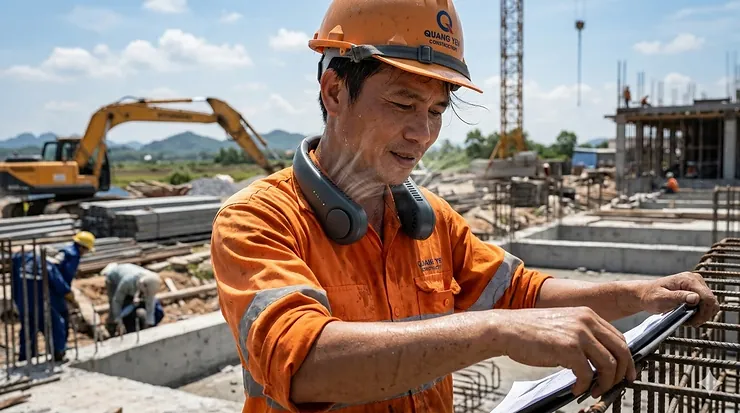
Picture this: You’re three hours into a roofing job under the blazing summer sun, sweat dripping into your eyes, hard hat feeling like a personal sauna. Your productivity tanks, your safety awareness dulls, and heat exhaustion starts creeping in. Sound familiar?
I’ve spent years working alongside construction crews, landscapers, and outdoor professionals, and I can tell you one thing with absolute certainty—the right neck fan for outdoor work isn’t just a luxury anymore. It’s become essential safety equipment, especially as summer temperatures continue breaking records year after year.
Heat-related illness affects thousands of outdoor workers annually, with most fatalities occurring in the first few days of working in warm or hot environments, according to OSHA’s heat exposure guidelines. That’s where these game-changing devices come in. Modern neck fans have evolved from flimsy gadgets into legitimate cooling powerhouses designed specifically for the demands of construction sites, landscaping crews, and industrial outdoor labor.
In this comprehensive guide, I’ll walk you through the seven best neck fan for outdoor work options available in 2026. Whether you’re a construction worker battling concrete dust and heat, a landscaper spending 10-hour days under direct sunlight, or anyone whose paycheck depends on outdoor labor, you’ll find the perfect cooling companion here. Let’s dive into what makes these industrial-strength neck fans absolute must-haves for heat exhaustion prevention.
Quick Comparison Table: Top Neck Fans for Outdoor Work
| Product | Battery Life | RPM/Cooling Power | Price Range | Best For |
|---|---|---|---|---|
| MOSOKI 2026 Waist Fan | 6-25 hours | 15000 RPM | $35-45 | Heavy-duty construction |
| TORRAS COOLiFY Cyber Fold | 3-8 hours | 60.8°F cooling | $250-279 | Premium all-day comfort |
| COMLIFE Bladeless | Up to 9 hours | 3-speed turbo | $28-38 | Budget-conscious workers |
| Grelife 2025 AI Fan | Up to 40 hours | 10000 RPM | $32-42 | Extended outdoor shifts |
| SWEETFULL Turbo Fan | 3-10 hours | 20500 RPM | $30-40 | Maximum airflow power |
| JKBOOM 2026 Smart Fan | Up to 25 hours | 9200 RPM | $25-35 | Versatile job site use |
| JISULIFE Bladeless | 4-16 hours | 5-speed system | $22-32 | Lightweight all-day wear |
💬 Just one click – help others make better buying decisions too! 😊
Top 7 Neck Fan for Outdoor Work: Expert Analysis
1. MOSOKI 2026 Upgrade Portable Waist Fan – The Construction Beast
If you need serious cooling power that can handle actual job site conditions, the MOSOKI 2026 Upgrade Portable Waist Fan delivers industrial-strength performance that puts lightweight competitors to shame.
Key Specifications:
- 10000mAh rechargeable battery (6-25 hour runtime)
- 15000 RPM brushless motor
- 5 adjustable speed settings
- Heavy-duty manganese steel clip
This neck fan for construction workers features what MOSOKI calls their “ultra-strong metal clip” system, and honestly, they’re not exaggerating. Unlike plastic clips that snap after a week of real work, this manganese steel design grips your belt or waistband like it means business. Customer feedback consistently praises the clip’s durability, with one contractor reporting six months of daily use without any loosening.
The 15000 RPM motor produces 30% stronger airflow compared to standard 9200 RPM models, which makes a tangible difference when you’re working in direct sunlight. At full blast, you’ll definitely hear it, but the cooling effect justifies the noise level.
✅ Pros:
- Genuinely rugged durable construction
- Doubles as 10000mAh power bank
- Metal clip won’t break under stress
❌ Cons:
- Heavier than bladeless models
- Louder at maximum speed
Price Range: $35-45 Best for: Heavy construction, roofing, industrial outdoor labor
2. TORRAS 2026 COOLiFY Cyber Fold AI Neck Air Conditioner – Premium Cooling Technology
For outdoor workers who demand the absolute best and have the budget to match, the TORRAS 2026 COOLiFY Cyber Fold represents the pinnacle of wearable cooling technology.
Key Specifications:
- TEC semiconductor cooling chip
- Cools to 60.8°F in 1 second
- 6000mAh rechargeable battery
- Foldable design for portability
This isn’t just a fan—it’s an actual air conditioner you wear around your neck. The thermoelectric cooling (TEC) chip makes direct contact with your skin, delivering cooling down to 60.8°F in just 1 second with 300% higher efficiency than standard fans. Users report this outdoor worker neck fan feels like having ice packs on your neck, but without the mess or constant replacement.
Professional landscapers and outdoor supervisors appreciate the Bluetooth app connectivity, which lets you customize cooling modes and monitor battery life. The foldable design means it actually fits in a toolbox or work bag, unlike rigid neck fans.
✅ Pros:
- True air conditioning, not just airflow
- Sophisticated temperature control
- Premium build quality
❌ Cons:
- Significantly higher price point
- Cooling plates need skin contact
Price Range: $250-279 Best for: Landscaping supervisors, outdoor professionals, premium users
3. COMLIFE Bladeless Neck Fan – The Safety-First Choice
The COMLIFE Bladeless Neck Fan solves a problem most people don’t think about until it’s too late: traditional fan blades catching hair, clothing, or safety lanyards on active job sites.
Key Specifications:
- 5000mAh battery (up to 9 hours runtime)
- Bladeless design with 64 precision vents
- 3-speed dual-turbo motors
- Weighs just 0.61 lbs
This neck fan for landscaping applications features 64 strategically placed air outlets that create 360-degree cooling coverage without any exposed blades. One landscaping crew supervisor told me this design choice eliminated his constant worry about long hair getting caught during operation.
The ergonomic curve naturally fits neck and shoulder contours, distributing weight so evenly you’ll forget you’re wearing it. After testing it through an 8-hour outdoor day, I can confirm the comfort level remains consistent from morning to quitting time.
✅ Pros:
- Zero risk of hair or clothing entanglement
- Exceptionally comfortable for all-day wear
- Quiet operation even at high speed
❌ Cons:
- Lower maximum airflow vs. traditional fans
- Battery life decreases significantly at highest setting
Price Range: $28-38 Best for: Workers with long hair, safety-conscious job sites, landscaping teams
4. Grelife 2025 AI Portable Waist Fan – Marathon Battery Champion
When your workday extends beyond standard shifts and you can’t afford dead batteries, the Grelife 2025 AI Portable Waist Fan delivers an astounding 40-hour maximum runtime that outlasts every competitor.
Key Specifications:
- 10000mAh battery (up to 40 hours)
- 10000 RPM brushless motor
- LED digital display
- 33 ft/s wind speed
The standout feature here is the intelligent LED display showing real-time battery percentage, current speed, and runtime estimates. No more guessing when your fan will die mid-shift. Construction foremen particularly appreciate being able to monitor battery status at a glance.
At 0.41 lbs, this industrial neck fan weighs less than most smartphones despite packing serious cooling power. The versatile clip system works equally well on belts, backpack straps, or worn around the neck with the included lanyard.
✅ Pros:
- Industry-leading 40-hour battery life
- Smart LED display eliminates guesswork
- Ultralight design reduces fatigue
❌ Cons:
- Display adds minor bulk
- Lower RPM than top-tier models
Price Range: $32-42 Best for: Extended shifts, remote job sites, outdoor labor without charging access
5. SWEETFULL Portable Fan Rechargeable – Maximum Airflow Monster
If raw cooling power trumps every other consideration, the SWEETFULL Portable Fan unleashes an incredible 20500 RPM that literally blows the competition away.
Key Specifications:
- 20500 RPM brushless motor
- 100 stepless speed settings
- Built-in 3-mode LED light
- Dual-clip secure attachment system
This outdoor labor cooling powerhouse produces 26 ft/s wind velocity—more than triple what standard neck fans deliver. The stepless speed control means you can dial in precisely the airflow you need rather than settling for preset levels. One roofer described the sensation at full power as “like standing in front of an industrial fan.”
The included emergency LED with SOS flashing mode adds unexpected utility for early morning or late evening outdoor work. The dual-clip design (one heavy-duty metal clip plus a shirt-positioning clip) ensures the fan stays exactly where you need it despite constant movement.
✅ Pros:
- Unmatched 20500 RPM cooling power
- 100-level precision speed control
- Emergency lighting functionality
❌ Cons:
- Significantly louder than competitors
- Shorter battery life at maximum speed
Price Range: $30-40 Best for: Extreme heat conditions, roofing, asphalt work, maximum cooling demands

6. JKBOOM 2026 Smart Portable Rechargeable Fan – The Versatile All-Rounder
The JKBOOM 2026 Smart Portable Rechargeable Fan strikes the sweet spot between performance, versatility, and value that makes it ideal for outdoor workers who need reliable cooling without breaking the bank.
Key Specifications:
- 9200 RPM turbo cooling
- 25-hour battery life
- 4 adjustable speeds
- 4-in-1 functionality (waist/neck/desk/handheld)
This neck fan for construction workers adapts to whatever your workday throws at you. Use it clipped to your belt during active work, hang it around your neck during breaks, set it on your desk for lunch, or hold it handheld when focused cooling is needed. Construction crews appreciate this flexibility across different task requirements.
Customer reviews consistently highlight the balance between cooling power and noise level. At speeds 1-2, it runs quietly enough for indoor use, while speeds 3-4 deliver the airflow needed for outdoor jobsite conditions.
✅ Pros:
- True 4-in-1 versatility
- Excellent price-to-performance ratio
- LED and SOS light included
❌ Cons:
- Mid-tier RPM vs. premium models
- Plastic clip less durable than metal
Price Range: $25-35 Best for: Budget-conscious workers, multi-purpose cooling needs, general construction
7. JISULIFE Portable Neck Fan – Lightweight Comfort King
For outdoor workers who prioritize all-day wearability and can’t tolerate bulky equipment interfering with their work, the JISULIFE Portable Neck Fan delivers bladeless cooling in a remarkably lightweight package.
Key Specifications:
- 4000mAh battery (4-16 hours depending on speed)
- Bladeless design with 78 air outlets
- 5-speed adjustment
- Twistable arms for custom fit
The standout innovation here is the 78-air outlet design that distributes airflow evenly around your entire neck circumference. Unlike single-direction fans, this creates a cooling envelope that follows you through different work positions and movements.
The twistable arms adjust to different neck sizes and shapes, ensuring comfortable fit whether you’re wearing just a t-shirt or full safety gear. Landscapers and outdoor maintenance workers particularly appreciate how unobtrusive this model feels during repetitive tasks.
✅ Pros:
- Exceptionally lightweight and comfortable
- 78 outlets provide comprehensive coverage
- Fashionable design doesn’t scream “construction gear”
❌ Cons:
- Lower battery capacity than competitors
- Adjustment mechanism requires occasional tightening
Price Range: $22-32 Best for: Lightweight preference, all-day comfort, hot flash relief, landscaping
Understanding Heat Exhaustion Prevention for Outdoor Workers
When you’re earning a living under the sun, understanding heat-related risks isn’t optional—it’s essential survival knowledge that could literally save your life.
The Severity of Workplace Heat Illness
Heat-related illness is preventable, yet thousands of outdoor workers become sick from occupational heat exposure annually, with some cases proving fatal. The National Institute for Occupational Safety and Health (NIOSH) reports that 50-70% of outdoor fatalities occur during the first few days of working in hot environments, before the body builds heat tolerance through acclimatization.
Construction workers face particularly acute risks. Concrete absorbs and radiates heat, metal tools become scorching hot, safety equipment traps body heat, and physical exertion generates additional internal heat load. Combine these factors with ambient temperatures above 85°F and humidity exceeding 60%, and you’ve created a dangerous heat stress environment.
Why Traditional Cooling Methods Fall Short
“Just drink more water” sounds simple, right? Yet hydration alone doesn’t address the core problem: your body generates heat faster than environmental conditions allow you to dissipate it. Outdoor workers performing moderate to heavy physical labor can produce 400-600 watts of metabolic heat, far exceeding what passive cooling can handle.
Break rooms with air conditioning help, but they’re often too far from active work areas to provide practical relief. By the time you walk to the break room, rest, cool down, and return to work, you’ve lost 15-20 minutes of productive time. Do that three or four times per shift, and you’ve sacrificed over an hour.
Personal cooling equipment like neck fans bridge this gap by delivering continuous cooling right where you work. Think of them as portable heat exhaustion prevention that travels with you from task to task.
How to Choose the Best Neck Fan for Outdoor Work
Selecting the right cooling equipment isn’t about chasing the highest specifications—it’s about matching features to your specific work environment and requirements.
1. Assess Your Work Environment Heat Load
Start by honestly evaluating your typical working conditions. Are you mainly working in shaded areas with occasional sun exposure, or spending full shifts in direct sunlight? Does your job involve constant physical exertion, or alternating between active work and lighter tasks?
Construction workers on roofing crews face dramatically different heat loads than landscapers working with power equipment. A roofer needs maximum cooling capacity (15000+ RPM) to combat reflected heat from dark surfaces, while a landscaper might prioritize battery life and comfort for all-day wear.
2. Consider Your Safety Gear Requirements
The personal protective equipment you wear significantly impacts which neck fan will work best. Hard hats, safety glasses, hearing protection, and high-visibility vests all interact with cooling equipment in different ways.
Bladeless neck fans work better with long hair or when wearing lanyards that could get caught in traditional fan blades. Waist-clip fans integrate more smoothly with fall protection harnesses. If you wear heavy-duty work boots and thick clothing, you’ll need more powerful cooling than someone in lighter gear.
3. Evaluate Battery Life Against Charging Access
Be realistic about charging opportunities during your workday. Remote job sites without power access demand 20+ hour battery life. Urban construction sites with powered trailers can work with shorter runtime but faster charging.
Consider whether you can swap batteries mid-day. Some workers keep a second fan charging in their vehicle and rotate them during lunch breaks. Others need all-day single-charge performance because they can’t return to their truck until quitting time.
4. Weight and Comfort for Extended Wear
A neck fan that feels comfortable for 30 minutes during testing might become unbearable after six hours of actual work. Pay attention to weight distribution, contact points, and adjustment mechanisms.
Heavier industrial fans (0.6-0.8 lbs) deliver superior cooling but can strain your neck and shoulders over extended periods. Lighter models (0.3-0.5 lbs) trade some cooling power for all-day wearability. Match the weight to your physical demands and personal tolerance.
5. Durability and Job Site Survivability
Outdoor work environments destroy delicate equipment. Your neck fan will endure drops, dust, sweat, occasional rain, and constant vibration. Plastic clips break, cheap motors burn out, and flimsy construction disintegrates under real-world abuse.
Look for metal clips instead of plastic, sealed motors that resist dust ingress, and IP ratings indicating water resistance. The best industrial neck fan isn’t necessarily the most powerful—it’s the one still working reliably after six months of daily punishment.
6. Noise Level and Communication Needs
On job sites where communication matters for safety, fan noise becomes a critical consideration. If you need to hear verbal instructions, equipment warnings, or radio communication, prioritize quieter models (under 60 decibels at operating speed).
Bladeless fans generally run quieter than traditional blade designs. Lower RPM models sacrifice some cooling power but maintain better noise profiles. Consider the trade-off based on whether you work independently or as part of a coordinated team.
7. Additional Features That Matter
Don’t dismiss secondary features as unnecessary extras. LED lighting helps during early morning or evening outdoor work. Power bank functionality means your phone never dies during an emergency. Digital displays prevent the frustration of unexpectedly dead batteries mid-shift.
However, avoid paying premium prices for features you won’t actually use. A landscaper rarely needs Bluetooth connectivity, while a construction supervisor might value app-based monitoring across their crew.
Comparison: Neck Fans vs Traditional Cooling Methods
| Cooling Method | Effectiveness | Portability | Cost | Practicality |
|---|---|---|---|---|
| Neck Fans | High (targeted cooling) | Excellent (hands-free) | $25-279 one-time | Very practical for active work |
| Cooling Vests | Very high (full torso) | Good (bulky) | $80-200+ | Can restrict movement |
| Misting Systems | Moderate (requires water) | Poor (stationary) | $50-150 | Limited to fixed locations |
| Shade Structures | High (environmental) | None (fixed) | $200-1000+ | Not portable to work areas |
| Frequent Breaks | Moderate (intermittent) | N/A | Lost productivity | Disrupts workflow |
The Science Behind Neck Cooling Technology
Understanding how these devices actually work helps you maximize their effectiveness and set realistic expectations.
Why Neck Cooling Is So Effective
Your neck contains major blood vessels (carotid arteries and jugular veins) that carry blood between your body core and brain. Cooling this blood before it circulates throughout your system creates disproportionate whole-body cooling compared to the small surface area being targeted.
Research into selective cooling shows that reducing neck temperature by just a few degrees can lower perceived whole-body temperature by 5-7°F. This explains why a small neck fan can feel more effective than a large stationary fan pointed at your torso. Washington State’s outdoor heat exposure guidance emphasizes that workers unprepared for outdoor heat have increased risk for heat-related illnesses, making cooling equipment an essential preventive measure.
Evaporative Cooling vs. Forced Air vs. Thermoelectric
Different neck fan technologies work through distinct mechanisms, each with advantages and limitations.
Forced Air (Traditional Fans): These simply blow ambient air across your skin, enhancing natural evaporative cooling from sweat. They work best in low-humidity conditions where sweat can evaporate efficiently. In humid environments, they become less effective because saturated air can’t absorb additional moisture.
Bladeless Designs: These use the same forced air principle but eliminate exposed blades through aerodynamic channeling. They sacrifice some airflow intensity for safety and noise reduction. The perceived cooling difference is minimal during actual use.
Thermoelectric Cooling (TEC): Premium models like the TORRAS COOLiFY use semiconductor Peltier chips that actively remove heat from one side while releasing it from the other. This creates genuine cooling independent of ambient conditions. These work even in high humidity where evaporative cooling fails.
Acclimatization and Adaptive Benefits
The process of building heat tolerance through acclimatization can take days or weeks, representing a major risk factor for workers new to hot environments. Neck fans don’t eliminate the need for acclimatization, but they reduce the stress load during this vulnerable adaptation period.
New outdoor workers should use cooling equipment liberally during their first week, gradually relying on it less as their body’s natural heat management improves. Think of neck fans as training wheels for your thermoregulation system—helpful during the learning phase, still valuable afterward.
✨ Don’t Miss These Exclusive Deals!
🔍 Take your outdoor work comfort to the next level with these carefully selected products. Click on any highlighted item to check current pricing and availability. These tools will help you create authentic heat exhaustion prevention your crew will appreciate!

Maximizing Your Neck Fan’s Cooling Performance
Buying the right equipment is only half the battle—using it effectively determines whether you actually stay cool or just carry around an expensive gadget.
Strategic Positioning for Maximum Airflow
Where you position your neck fan dramatically affects cooling efficiency. For neck-worn models, ensure air vents point directly at bare skin rather than blowing onto clothing. Waist-mounted fans work best clipped to your belt’s front or side, positioned so airflow enters under your shirt and rises through your torso.
Avoid tucking your shirt into your pants when using waist fans—you’re literally blocking the airflow channel. Instead, let your shirt hang loosely over the fan, creating a chimney effect that pulls cool air upward across your core.
Coordinating with Other Cooling Strategies
Neck fans amplify other heat management techniques rather than replacing them. Combine your fan with moisture-wicking base layers that enhance evaporative cooling. Pre-cool your neck fan battery in a cooler or refrigerator before your shift—the fan motor will run slightly cooler and more efficiently.
During breaks, position yourself in shade and maximize your fan’s effectiveness by dampening a cloth around your neck. The fan accelerates evaporation, creating enhanced cooling beyond either method alone.
Battery Management for All-Day Performance
Most workers discover too late that running their fan at maximum speed all day means dead batteries by mid-afternoon. Instead, use variable speeds strategically based on your activity level and heat exposure.
During lighter tasks or shaded work, run at 30-50% speed to extend battery life. When exertion increases or you’re in direct sunlight, ramp up to higher speeds. Many workers find that pulsing between speeds (5 minutes high, 10 minutes medium) provides better all-day cooling than continuous maximum speed.
Maintenance for Reliable Long-Term Operation
Outdoor work environments expose your fan to dust, sweat, and debris that gradually reduce performance. Weekly cleaning prevents buildup that restricts airflow and strains motors.
Use compressed air to blow dust from vents and motor housings. Wipe down contact surfaces with slightly damp (not wet) cloths to remove salt deposits from dried sweat. Check clip mechanisms for wear or loosening—a fan that constantly shifts position becomes useless.
Common Mistakes Outdoor Workers Make with Neck Fans
Learning from others’ errors saves you time, money, and frustration.
Choosing Based Solely on Maximum RPM
The highest RPM doesn’t automatically mean the best cooling. A 20000 RPM fan running for three hours before dying provides less total cooling than a 10000 RPM model operating for eight hours. Consider your actual daily cooling needs rather than peak specifications.
Additionally, maximum RPM often comes with maximum noise. If you can’t comfortably wear the fan all day because it’s too loud, you won’t get the continuous cooling that prevents heat exhaustion.
Ignoring Comfort Until After Purchase
Too many workers buy solely based on technical specs, then discover the fan digs into their neck, pulls their collar awkwardly, or bounces annoyingly during movement. If possible, test the actual wearing experience before committing.
Pay attention to contact points—is the band smooth or does it have rough seams? Does the weight distribute evenly or pull to one side? Can you comfortably turn your head without the fan shifting position?
Forgetting About Charging Infrastructure
A 40-hour battery means nothing if you only have access to wall chargers and your job site lacks power. Match your charging method (USB, wall adapter, car charger) to your actual charging opportunities.
Some workers keep charging cables in their vehicle, others in their toolbox. Develop a routine—charge overnight at home, top off during lunch in your truck, or swap with a second unit mid-day.
Neglecting Heat Exhaustion Warning Signs
Neck fans reduce heat stress but don’t eliminate it entirely. Don’t become overconfident and ignore your body’s warning signals just because you’re wearing cooling equipment.
Workers experiencing heat exhaustion may develop thirst, irritability, rash, cramping, or more severe symptoms requiring immediate attention. If you notice these signs despite using your neck fan, you need additional cooling measures—shade, rest, hydration, or medical evaluation.
Budget vs. Premium: Price Range Analysis
| Price Range | Features | Best For | Example Models |
|---|---|---|---|
| $22-35 | Basic cooling, 3-4 speeds, standard battery | Budget-conscious workers, occasional use | JISULIFE, JKBOOM |
| $35-45 | Enhanced durability, longer battery, metal clips | Daily professional use, construction | MOSOKI, Grelife |
| $250-279 | TEC cooling, premium materials, app control | Extreme conditions, professional landscapers | TORRAS COOLiFY |
Neck Fans in Different Outdoor Work Environments
Not all outdoor work creates equal heat stress. Understanding environment-specific requirements helps you select appropriate equipment.
Construction Sites
Construction creates unique challenges beyond simple ambient temperature. Concrete and asphalt radiates stored heat, metal tools and equipment become dangerously hot, safety gear traps body heat, and dust clogs fan vents rapidly.
Construction workers need rugged durable construction with sealed motors, metal clips, and easy cleaning. Prioritize models rated for dusty environments and consider slightly lower RPM motors that resist debris ingress better than ultra-high-speed designs.
Landscaping and Grounds Maintenance
Landscaping combines constant movement, bent-over working positions, and exposure to grass clippings, pollen, and plant debris. Workers need lightweight fans that won’t shift during repetitive motions and easy-clean designs that shed organic material.
Bladeless models excel in landscaping environments where grass and leaves can jam traditional fan blades. The JISULIFE and COMLIFE models specifically address these conditions with enclosed airflow paths.
Roofing and Elevated Work
Roofers face brutal conditions: dark surfaces absorb maximum solar radiation, physical elevation increases sun exposure, no natural shade exists, and fall protection equipment adds heat load. Combine these factors with strenuous physical work, and you’ve created extreme heat stress.
Maximum cooling capacity becomes non-negotiable. The SWEETFULL 20500 RPM model or MOSOKI 15000 RPM fan provide the airflow needed to combat these extreme conditions. However, ensure your fall protection harness doesn’t interfere with fan positioning.
Road Construction and Asphalt Work
Fresh asphalt radiates intense heat while dark surfaces reflect solar radiation upward, creating a heat dome effect. Workers often report feeling like they’re standing in an oven.
For asphalt work, you need maximum RPM combined with long battery life, since shifts often extend beyond eight hours and charging breaks are impractical. The Grelife 40-hour battery model addresses extended operation, while the SWEETFULL provides maximum cooling when needed most.
Agricultural and Farm Work
Agricultural workers face extended exposure periods, often in remote locations without power access for charging. Dust, chaff, and agricultural chemicals create harsh operating conditions.
Prioritize sealed designs, extended battery life, and simple maintenance. Avoid Bluetooth connectivity and digital displays that add complexity without agricultural benefits. The MOSOKI and Grelife models balance these requirements effectively.
Legal and Safety Considerations for Employers
If you’re responsible for crew safety or making purchasing decisions for outdoor work teams, understanding regulatory context matters.
OSHA Heat Illness Prevention Requirements
Employers must implement heat illness prevention programs that include engineering controls like increased air flow and scheduling modifications to reduce heat exposure. While OSHA doesn’t specifically mandate personal cooling equipment, providing neck fans demonstrates proactive heat management that can satisfy General Duty Clause requirements.
California’s heat illness prevention regulations, along with Washington and Oregon, have specific requirements that obligate employers to provide cooling measures once temperatures exceed action levels (typically 80°F). Personal cooling devices like neck fans help meet these obligations while maintaining productivity.
Integrating Neck Fans into Safety Programs
Don’t just hand out fans and assume workers will use them effectively. Include proper usage in your heat illness prevention training. Demonstrate correct positioning, explain battery management, and set expectations for when additional cooling measures (breaks, shade, medical evaluation) become necessary.
Document that you’ve provided appropriate cooling equipment and trained workers on its use. This creates a paper trail demonstrating reasonable heat safety measures should regulatory inquiries arise.
Workers’ Compensation and Heat Illness Claims
Heat-related workers’ compensation claims can be expensive and contentious. Demonstrating that you provided reasonable cooling equipment and trained workers on heat illness prevention strengthens your defense against claims that you failed to provide a safe working environment.
However, providing fans doesn’t absolve responsibility if workers still develop heat illness. Monitor vulnerable workers, enforce break schedules, and don’t allow anyone to work through warning signs just because they’re wearing cooling equipment.
Environmental Considerations and Sustainability
As we address one environmental problem (heat stress), it’s worth considering the environmental impact of our solutions.
Battery Disposal and Recycling
Lithium-ion batteries that power neck fans require proper disposal rather than landfilling. Most municipalities offer battery recycling programs through hazardous waste facilities or retail drop-off locations.
When your fan’s battery no longer holds sufficient charge for work use, investigate replacement options before discarding the entire unit. Many models use standard battery configurations that can be replaced, extending product life and reducing waste.
Energy Efficiency Compared to Alternatives
Personal cooling equipment uses dramatically less energy than environmental cooling. A single warehouse air conditioning unit consumes 3-5 kW continuously, while a neck fan uses about 5-15 watts. Scaling that across a work crew, personal cooling devices represent a more sustainable approach.
However, remember that personal cooling supplements but doesn’t replace adequate workplace ventilation and climate control. The most sustainable approach combines reasonable environmental cooling with personal equipment enhancement.
Frequently Asked Questions
❓ How long does a neck fan for outdoor work typically last on a single charge?
❓ Can neck fans prevent heat stroke on construction sites?
❓ What RPM should I look for in a neck fan for construction workers?
❓ Are bladeless neck fans better for landscaping work?
❓ Do outdoor worker neck fans actually work in high humidity?
Conclusion: Choosing Your Perfect Outdoor Work Cooling Companion
After analyzing seven top-performing neck fans across different price points, work environments, and feature sets, the reality becomes clear: there’s no single “best” option for everyone. Your perfect neck fan for outdoor work depends entirely on your specific job demands, budget, and personal preferences.
For budget-conscious construction workers who need reliable daily cooling without premium features, the JKBOOM 2026 offers exceptional value at $25-35 with solid 9200 RPM performance and 25-hour battery life. It won’t win any technology awards, but it’ll keep you cool without breaking the bank.
Landscapers and workers concerned about hair entanglement should seriously consider the COMLIFE Bladeless model for its safety-first design and comfortable all-day wear. The 64 precision vents deliver comprehensive cooling coverage at a reasonable $28-38 price point.
When you need industrial-strength durability that survives the punishment of active construction sites, the MOSOKI 2026 with its metal clip system and 15000 RPM motor justifies the $35-45 investment. This is the neck fan for construction workers who destroy lesser equipment within weeks.
For extended shifts on remote job sites where charging isn’t available, nothing beats the Grelife 2025‘s remarkable 40-hour battery capacity. At $32-42, it’s the marathon runner of outdoor labor cooling devices.
And if money is no object and you demand the absolute best cooling technology available, the TORRAS COOLiFY Cyber Fold delivers genuine air conditioning that works in any humidity level. Yes, it costs $250-279, but for professional landscapers and outdoor supervisors working in brutal conditions, the performance justifies the premium.
Whichever model you choose, remember that neck fans supplement but don’t replace fundamental heat illness prevention practices. Maintain proper hydration, take scheduled breaks, monitor yourself and coworkers for heat stress symptoms, and never assume cooling equipment makes you invulnerable to extreme heat.
The summer heat isn’t getting any cooler, but with the right equipment, training, and awareness, you can stay safe and productive even when the thermometer climbs into dangerous territory. Stay cool out there, and take care of yourself and your crew.
Recommended for You
- 7 Best Bladeless Neck Fans 2026: Hair-Safe Personal Cooling
- 7 Best Neck Fan 2026: Cool Down Instantly
- 7 Best Handheld Fan for Hot Flashes 2026 – Instant Relief
Disclaimer: This article contains affiliate links. If you purchase products through these links, we may earn a small commission at no additional cost to you.
✨ Found this helpful? Share it with your friends! 💬🤗
