
In This Article
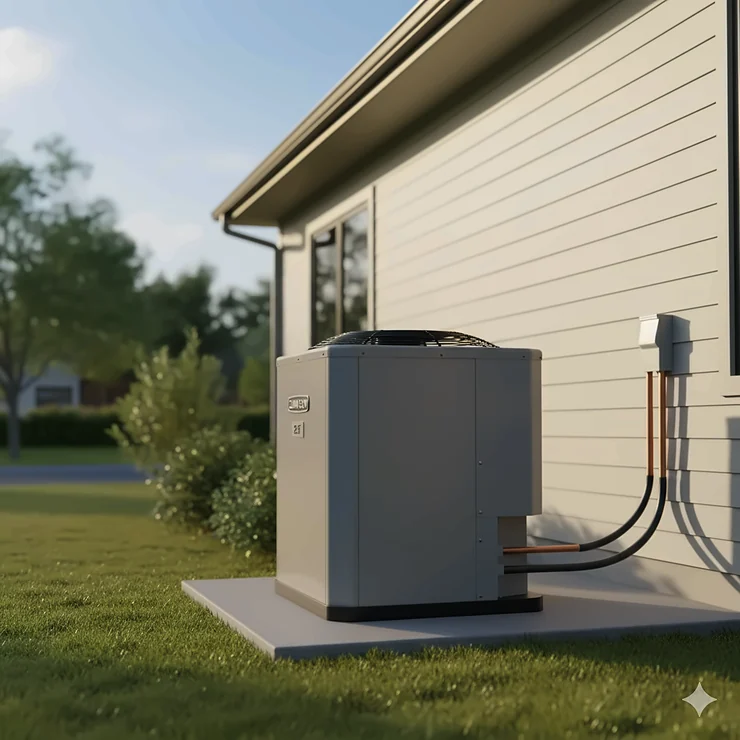
When summer temperatures soar, finding the right cooling solution becomes crucial for your comfort and peace of mind. A 2.5 ton air conditioner strikes the perfect balance between cooling power and energy efficiency, making it an ideal choice for medium to large spaces. Whether you’re upgrading your existing system or installing your first central air unit, understanding what makes a quality 2.5 ton air conditioner can save you thousands in energy costs while ensuring optimal comfort.
✨Was this helpful? Spread the word! 🚀
The cooling capacity of a 2.5 ton air conditioner translates to approximately 30,000 BTUs per hour, making it suitable for spaces ranging from 1,200 to 1,500 square feet. However, choosing the right unit involves more than just matching tonnage to square footage. Factors such as SEER2 ratings, compressor technology, installation requirements, and brand reliability all play crucial roles in your long-term satisfaction and energy savings.
Understanding 2.5 Ton Air Conditioner Technology 🌡️
The Science Behind Cooling Power
A 2.5 ton air conditioner doesn’t actually weigh 2.5 tons – this measurement refers to its cooling capacity. The terminology dates back to when ice was used for cooling, and one ton of cooling capacity equals the amount of heat absorbed by melting one ton of ice in 24 hours. Therefore, a 2.5 ton unit can remove 30,000 BTUs of heat per hour from your space.
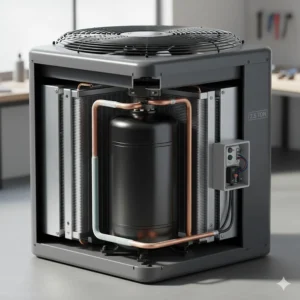
Modern 2.5 ton systems utilize advanced refrigeration cycles that have evolved significantly from earlier models. The refrigerant (now commonly R-32 or R-454B) circulates through a closed loop system, absorbing heat from indoor air through the evaporator coil and releasing it outside through the condenser coil. This process is facilitated by a compressor, which pressurizes the refrigerant and enables efficient heat transfer.
Key Components That Impact Performance ⚙️
The heart of any 2.5 ton air conditioner lies in its compressor technology. Single-stage compressors operate at full capacity whenever the system runs, while two-stage and variable-speed compressors offer more precise temperature control and improved energy efficiency. Variable-speed technology, in particular, can adjust cooling output from 35% to 100% capacity, resulting in more consistent temperatures and lower energy bills.
✅ Single-stage compressors provide reliable, cost-effective operation
✅ Two-stage compressors offer improved efficiency and comfort
✅ Variable-speed compressors deliver premium performance and energy savings
✅ Scroll compressors operate quieter than reciprocating types
✅ Enhanced coil designs maximize heat transfer efficiency
Top 7 Real 2.5 Ton Air Conditioner Systems Available Now 🏆
1. Goodman GLXS3BN3010 – Budget-Friendly Reliability
The Goodman GLXS3BN3010 represents excellent value in the 2.5 ton air conditioner market. This model features a 13.4 SEER2 rating and single-stage scroll compressor, making it perfect for northern climates where maximum efficiency isn’t mandated. The unit incorporates R-32 refrigerant, which is more environmentally friendly than older R-410A systems.
Key Specifications:
- Cooling Capacity: 30,000 BTU/hr
- SEER2 Rating: 13.4
- Compressor Type: Single-stage scroll
- Refrigerant: R-32 (A2L classification)
- Warranty: 10-year parts (with registration)
- Price Range: $2,800 – $3,200
Customer reviews consistently praise the Goodman GLXS3BN3010 for its reliability and straightforward installation process. Professional contractors appreciate the easy-access service valves and gauge ports, which reduce installation time and costs. The unit’s heavy-gauge galvanized steel cabinet includes a 500-hour salt-spray approved finish, ensuring durability in various climate conditions.
2. Goodman GLXS4BA3010 – Enhanced Efficiency Choice
Stepping up from the basic model, the Goodman GLXS4BA3010 offers 14.3 SEER2 efficiency while maintaining Goodman’s reputation for affordability. This 2.5 ton central air conditioner features improved components that provide better long-term value through reduced operating costs.
Key Specifications:
- Cooling Capacity: 30,000 BTU/hr
- SEER2 Rating: 14.3
- Compressor Type: Single-stage with enhanced efficiency
- Cabinet: Powder-coated architectural gray finish
- Sound Level: Engineered for quiet operation
- Price Range: $3,100 – $3,600
3. TuttoKool TAC5030A1000A – Innovative Design Features
The TuttoKool TAC5030A1000A represents cutting-edge technology in 2.5 ton air conditioning. With a SEER2 rating ranging from 14.3 to 15.2 depending on indoor coil pairing, this unit incorporates advanced refrigerant technology and enhanced coil designs for superior performance.
Key Specifications:
- Cooling Capacity: 30,000 BTU/hr
- SEER2 Rating: 14.3 – 15.2 (system dependent)
- Refrigerant: R-454B
- Advanced Features: Enhanced coil fin design
- Installation: Professional installation required
- Price Range: $3,400 – $4,100
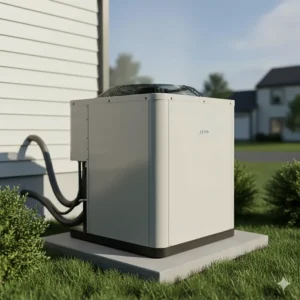
4. SmartComfort by Carrier R4A4S30AKANA – Brand Heritage Excellence
Drawing from Carrier’s century-plus experience in air conditioning innovation, the SmartComfort by Carrier R4A4S30AKANA delivers reliable performance with modern efficiency standards. This 2.5 ton AC unit combines proven technology with contemporary refrigerant systems.
Key Specifications:
- Cooling Capacity: 30,000 BTU/hr
- SEER2 Rating: 13.4
- Brand Heritage: Carrier technology foundation
- Compressor Type: Single-stage reliability
- Service Network: Extensive dealer support
- Price Range: $3,200 – $3,800
The SmartComfort by Carrier line provides an accessible entry point into Carrier’s technology without premium pricing. Users appreciate the brand’s extensive service network and readily available replacement parts, which contribute to lower long-term ownership costs.
5. Revolv HSA4MD5M1SN30K – Mobile Home Specialist
Designed specifically for mobile home applications, the Revolv HSA4MD5M1SN30K addresses the unique cooling challenges of manufactured housing. This 2.5 ton air conditioner incorporates specialized mounting and airflow characteristics optimized for mobile home construction.
Key Specifications:
- Cooling Capacity: 30,000 BTU/hr
- SEER2 Rating: 13.4
- Application: Mobile home optimized
- Refrigerant: R-454B
- Installation: Specialized mobile home setup
- Price Range: $3,000 – $3,500
6. OxBox J5AC5030A1000A (A Trane Brand) – Premium Engineering
The OxBox J5AC5030A1000A leverages Trane’s engineering expertise to deliver premium performance in the 2.5 ton air conditioner category. This model features advanced efficiency ratings and enhanced construction quality typical of Trane products.
Key Specifications:
- Cooling Capacity: 30,000 BTU/hr
- SEER2 Rating: 14.3
- Parent Company: Trane engineering
- Refrigerant: R-454B advanced system
- Build Quality: Premium component selection
- Price Range: $3,600 – $4,200
Professional installers frequently recommend the OxBox J5AC5030A1000A for customers seeking Trane-level quality at more accessible pricing. The unit incorporates many design elements from Trane’s main product lines while maintaining competitive positioning in the market.
7. Goodman GLXS3BN3010A – Northern Region Optimized
The Goodman GLXS3BN3010A represents a specialized version designed for northern U.S. regions where efficiency requirements are less stringent. This 2.5 ton central air conditioner offers excellent value for areas with shorter cooling seasons and moderate summer temperatures.
Key Specifications:
- Cooling Capacity: 30,000 BTU/hr
- SEER2 Rating: 13.4 (Northern region compliant)
- Regional Optimization: Northern climate design
- Compressor: Reliable rotary design
- Installation Restrictions: Not suitable for southern states
- Price Range: $2,700 – $3,100
🛒 Don’t Miss These Exclusive Deals!
→ Transform your home comfort with these carefully selected 2.5 ton air conditioner systems. Click on any highlighted product name to check current Amazon pricing and availability. These units represent the best value in today’s market for reliable cooling performance! 🌟
Best 2.5 Ton AC Unit Selection Criteria 📋
SEER2 Rating Importance and Energy Savings
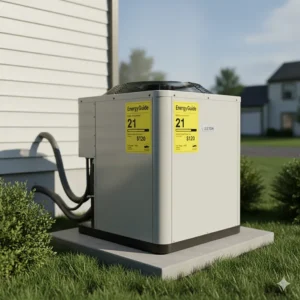
Understanding SEER2 (Seasonal Energy Efficiency Ratio 2) ratings is crucial when selecting your best 2.5 ton AC unit. The updated SEER2 standard, implemented in 2023, provides more accurate real-world efficiency measurements compared to the previous SEER rating system. This enhanced testing methodology better reflects actual operating conditions, including duct losses and variable outdoor temperatures.
A higher SEER2 rating directly translates to lower energy costs over your system’s lifespan. For example, upgrading from a 13.4 SEER2 unit to a 16 SEER2 system can reduce cooling costs by approximately 20%. Over a 15-year lifespan, this efficiency improvement can save homeowners $2,000 to $4,000 in electricity bills, depending on local utility rates and climate conditions.
✅ 13.4 SEER2: Minimum efficiency for most regions
✅ 14.3 SEER2: Good balance of cost and efficiency
✅ 15+ SEER2: Premium efficiency with significant savings
✅ 16+ SEER2: High-efficiency systems for maximum savings
✅ 20+ SEER2: Ultimate efficiency for extreme climates
Coverage Area and Proper Sizing Calculations
A 2.5 ton air conditioner typically provides adequate cooling for homes between 1,200 and 1,500 square feet, but proper sizing requires more detailed calculations. Manual J load calculations consider factors such as insulation quality, window efficiency, ceiling height, local climate zone, and internal heat loads from appliances and occupants.
Oversized systems cycle on and off frequently, leading to poor humidity control, increased wear, and higher energy costs. Conversely, undersized units run continuously without achieving desired comfort levels, resulting in excessive energy consumption and premature component failure. Professional HVAC contractors use sophisticated software to perform accurate load calculations, ensuring your 2.5 ton central air conditioner operates at peak efficiency.
Industry-Specific Applications and Professional Use Cases 🏢
Residential Applications and Home Integration
Modern 2.5 ton air conditioner systems excel in various residential applications, from single-family homes to multi-unit dwellings. Ranch-style homes with open floor plans particularly benefit from this tonnage, as the central unit can effectively circulate conditioned air throughout connected living spaces. Two-story homes may require careful ductwork design to ensure adequate airflow reaches upper levels.
Smart home integration capabilities have become increasingly important for residential applications. Many contemporary 2.5 ton AC units feature Wi-Fi connectivity, allowing homeowners to monitor and control their systems remotely. These smart features enable optimized scheduling, energy usage tracking, and proactive maintenance alerts, contributing to improved comfort and reduced operating costs.
Professional installers report that properly installed 2.5 ton systems in residential applications typically achieve 12-15 years of reliable service with regular maintenance. Homeowners who invest in premium efficiency models often see payback periods of 5-7 years through energy savings, making them attractive long-term investments.
Commercial and Light Industrial Applications
Small commercial spaces, including offices, retail shops, and restaurants, frequently utilize 2.5 ton air conditioners for zone cooling applications. These units provide adequate capacity for spaces up to 1,500 square feet while offering the flexibility to create multiple comfort zones within larger buildings.
Restaurant applications present unique challenges due to high internal heat loads from cooking equipment and frequent door openings. Commercial-grade 2.5 ton units designed for these applications feature enhanced coil designs and robust compressors capable of handling elevated ambient temperatures and continuous operation cycles.
Medical and dental offices often specify 2.5 ton systems for their combination of reliable performance and quiet operation. Patient comfort is paramount in healthcare environments, and these units provide consistent temperature control without disruptive noise levels that could interfere with patient care.
Regional Climate Considerations
Geographic location significantly impacts 2.5 ton air conditioner performance and efficiency requirements. Southern states mandate higher minimum SEER2 ratings due to extended cooling seasons and extreme temperatures. The Department of Energy’s regional efficiency standards require SEER2 ratings of at least 14.3 in southern regions, while northern areas may utilize 13.4 SEER2 units.
Coastal installations require enhanced corrosion protection due to salt air exposure. Manufacturers address this concern through specialized coil treatments, upgraded cabinet finishes, and enhanced fastener materials. These coastal-rated units typically carry premium pricing but provide essential durability in marine environments.
High-altitude installations present unique challenges related to reduced air density and modified heat transfer characteristics. Some manufacturers provide altitude-specific installation guidelines and component adjustments to ensure optimal performance in mountain regions above 2,000 feet elevation.
Advanced Technical Analysis and Engineering Principles 🔧
Compressor Technology Evolution
The evolution of compressor technology has revolutionized 2.5 ton air conditioner performance and efficiency. Traditional reciprocating compressors, while reliable and cost-effective, have been largely superseded by scroll compressors in residential applications. Scroll compressors operate with fewer moving parts, resulting in improved reliability, reduced maintenance requirements, and significantly quieter operation.
Variable-speed compressor technology represents the current pinnacle of efficiency and comfort control. These advanced systems can modulate their output from as low as 30% to 100% capacity, enabling precise temperature control and eliminating the temperature swings associated with single-stage systems. The compressor varies its speed based on cooling demand, resulting in energy savings of 20-30% compared to conventional single-stage units.
Inverter-driven compressors take variable-speed technology further by utilizing advanced power electronics to control motor speed infinitely. This technology, originally developed for automotive applications, provides exceptional efficiency and ultra-quiet operation. Premium 2.5 ton air conditioner models incorporating inverter technology can achieve SEER2 ratings exceeding 20, representing the most efficient cooling available in residential applications.
Refrigerant System Advances
The transition from R-410A to newer refrigerants like R-32 and R-454B marks a significant advancement in environmental responsibility and system performance. R-32 refrigerant offers improved efficiency and lower global warming potential (GWP) compared to R-410A, while R-454B provides similar benefits with enhanced safety characteristics.
However, these advanced refrigerants require specialized handling and installation procedures. R-32 is classified as A2L (slightly flammable), necessitating leak detection systems and modified installation practices. Professional technicians must undergo additional training to work safely with these refrigerants, potentially affecting service availability and costs in some markets.
Heat exchanger technology has evolved to optimize performance with newer refrigerants. Enhanced coil designs featuring microchannel technology, improved fin geometries, and specialized coatings maximize heat transfer while minimizing refrigerant charge requirements. These advances contribute to both improved efficiency and reduced environmental impact.
Electrical System Integration and Smart Controls
Modern 2.5 ton air conditioners incorporate sophisticated electrical systems that enable advanced control strategies and diagnostic capabilities. Variable frequency drives (VFDs) control compressor speed with precision, while electronic expansion valves (EXVs) regulate refrigerant flow for optimal system performance across varying load conditions.
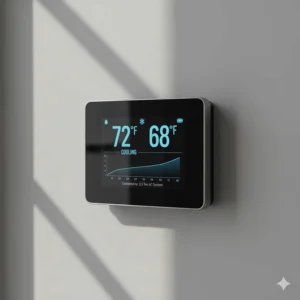
Smart thermostat integration enables advanced scheduling, occupancy sensing, and weather-responsive operation. These systems can learn household patterns and automatically adjust settings to maximize comfort while minimizing energy consumption. Some advanced systems incorporate outdoor temperature sensors and weather forecasting data to anticipate cooling needs and pre-condition homes during off-peak utility periods.
Diagnostic capabilities built into contemporary units enable predictive maintenance and remote troubleshooting. Systems can monitor component performance, refrigerant levels, and airflow characteristics, alerting homeowners and service technicians to potential issues before they result in system failures. This proactive approach reduces emergency service calls and extends system lifespan.
Comprehensive Setup and Installation Guide 🔨
Pre-Installation Planning and Assessment
Successful 2.5 ton air conditioner installation begins with thorough planning and site assessment. Professional contractors perform Manual J load calculations to verify proper sizing, evaluate existing ductwork adequacy, and assess electrical service capacity. These preliminary steps are crucial for ensuring optimal system performance and avoiding costly modifications after installation.
Electrical requirements for 2.5 ton systems typically include 220-240V service with appropriate amperage capacity. Most units require 20-30 amp circuits, though specific requirements vary by manufacturer and model. Older homes may require electrical service upgrades to accommodate modern high-efficiency systems, particularly those with variable-speed components that demand additional electrical capacity.
Outdoor unit placement significantly impacts both performance and neighbor relations. Units should be installed on level, well-draining surfaces with adequate clearance for airflow and service access. Typical clearance requirements include 24 inches on the service side, 12 inches on remaining sides, and 60 inches overhead clearance. Proper placement away from bedroom windows and property lines helps minimize noise concerns.
Ductwork Evaluation and Optimization
Existing ductwork evaluation is critical for maximizing 2.5 ton central air conditioner performance. Undersized ducts restrict airflow, reducing efficiency and comfort while potentially damaging system components. Professional duct sizing calculations consider factors such as total system airflow requirements, duct material and configuration, and pressure drop limitations.
Duct sealing addresses one of the most common sources of energy waste in central air systems. Studies indicate that typical homes lose 20-30% of conditioned air through duct leakage, directly impacting both comfort and operating costs. Professional duct sealing using mastic compounds or aerosol-based systems can improve system efficiency by 15-20% while enhancing comfort throughout the home.
Insulation adequacy in unconditioned spaces affects both system performance and condensation control. Ducts located in attics, crawl spaces, or basements require proper insulation to prevent energy losses and moisture problems. The Department of Energy recommends R-6 insulation minimum for ducts in unconditioned spaces, with higher R-values appropriate for extreme climate zones.
Professional Installation Process and Timeline
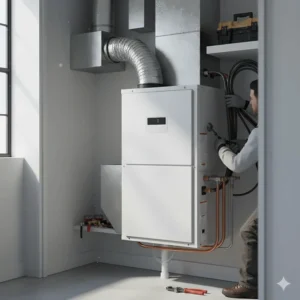
Professional 2.5 ton air conditioner installation typically requires 1-2 days for complete system replacement, depending on complexity and any necessary modifications. The process begins with safe removal and disposal of existing equipment, followed by preparation of mounting surfaces and electrical connections.
Refrigerant line installation requires precise measurements, proper insulation, and leak-free connections. Professional technicians use nitrogen pressure testing to verify system integrity before introducing refrigerant. This quality control step is essential for long-term reliability and efficiency, as even minor leaks can significantly impact performance over time.
System commissioning involves comprehensive testing and calibration to ensure optimal performance. This process includes verifying proper refrigerant charge, confirming adequate airflow throughout the duct system, testing all electrical connections and safety controls, and calibrating thermostat operation. Professional commissioning typically adds 2-4 hours to installation time but is essential for maximizing system performance and longevity.
DIY Considerations and Professional Requirements
While some homeowners consider DIY installation to reduce costs, 2.5 ton central air conditioner installation involves complex technical requirements that typically necessitate professional expertise. Refrigerant handling requires EPA certification, electrical connections must comply with local codes, and warranty coverage often depends on professional installation.
However, homeowners can contribute to successful installations through preparation activities. Clearing installation areas, ensuring adequate access routes for equipment, and coordinating utility disconnections can reduce installation time and costs. Some homeowners also handle minor ductwork modifications or equipment pad preparation under professional guidance.
Understanding installation requirements helps homeowners make informed decisions about contractor selection and project planning. Quality installations by qualified professionals provide long-term value through improved efficiency, enhanced reliability, and full warranty coverage. The modest additional cost of professional installation typically pays for itself through improved system performance and reduced service requirements.
Maintenance and Longevity Excellence 🛠️
Daily and Weekly Maintenance Protocols
Maximizing your 2.5 ton air conditioner lifespan requires consistent attention to basic maintenance tasks that homeowners can perform safely. Daily visual inspections during peak cooling seasons help identify potential issues before they escalate into major problems. Check for unusual sounds, ice formation on refrigerant lines, and proper airflow from supply registers.
Weekly filter inspections are crucial during heavy-use periods, particularly in dusty environments or homes with pets. Standard 1-inch filters typically require monthly replacement, while higher-efficiency pleated filters may last 2-3 months depending on conditions. Clogged filters restrict airflow, forcing the system to work harder and potentially causing compressor damage in extreme cases.
Outdoor unit maintenance includes removing debris such as leaves, grass clippings, and other materials that can obstruct airflow through the condenser coil. A garden hose can be used to gently clean the coil fins, though care must be taken to avoid bending the delicate aluminum fins. Professional coil cleaning using specialized equipment and chemicals provides more thorough results and should be performed annually.
Monthly and Seasonal Maintenance Schedules
Monthly maintenance routines extend beyond filter replacement to include thermostat calibration checks and ductwork inspections in accessible areas. Verify that supply and return vents remain unobstructed by furniture or other items that could impede airflow. Check basement or crawl space ductwork for signs of damage, disconnection, or pest intrusion.
Seasonal maintenance preparation involves different tasks for spring startup and fall shutdown. Spring preparation includes removing protective coverings, checking refrigerant line insulation, testing thermostat operation, and scheduling professional tune-ups. Fall preparation focuses on protecting outdoor units from winter weather and ensuring heating system readiness in dual-fuel installations.
Condensate drain maintenance prevents water damage and indoor air quality issues. Monthly inspection and cleaning of condensate pans and drain lines helps prevent algae growth and blockages that can cause water overflow. A mixture of bleach and water poured into the condensate pan quarterly helps prevent biological growth that could affect indoor air quality.
Professional Service Requirements and Scheduling
Annual professional maintenance provides comprehensive system evaluation and preventive care beyond homeowner capabilities. Professional technicians check refrigerant levels, test electrical connections, calibrate controls, and perform detailed component inspections. These services typically cost $150-300 but can prevent major repairs costing thousands of dollars.
Bi-annual service programs offered by many contractors provide enhanced value for customers with newer systems or extended warranties. These comprehensive programs often include priority emergency service, discounted repairs, and detailed system performance reports. Customers in extreme climates or with high system utilization may benefit from quarterly service visits.
Professional duct cleaning every 3-5 years removes accumulated debris and improves indoor air quality. This service is particularly beneficial for homes with pets, smokers, or family members with respiratory conditions. Professional duct cleaning costs $300-500 but can significantly improve system efficiency and indoor air quality.
Troubleshooting Common Issues and Solutions
Understanding common 2.5 ton air conditioner problems helps homeowners identify issues early and communicate effectively with service technicians. Insufficient cooling often results from dirty filters, blocked vents, thermostat malfunctions, or low refrigerant levels. Systematic troubleshooting helps identify probable causes and appropriate solutions.
Ice formation on indoor coils typically indicates restricted airflow or low refrigerant levels. Homeowners should immediately turn off the system and allow complete ice melting before resuming operation. Continued operation with iced coils can cause compressor damage requiring expensive repairs or complete system replacement.
Unusual noises such as grinding, squealing, or banging indicate mechanical problems requiring immediate professional attention. Continuing to operate systems with abnormal sounds often leads to secondary damage and increased repair costs. Documenting noise characteristics and operating conditions helps technicians diagnose problems more efficiently.
High energy bills may indicate declining efficiency due to various factors including refrigerant leaks, dirty coils, ductwork problems, or component wear. Professional energy audits can identify specific issues and prioritize cost-effective improvements. Many utility companies offer subsidized energy audits that provide valuable insights into system performance and efficiency opportunities.
Comparative Analysis: 2.5 Ton Systems vs. Alternatives 📊
2 Ton vs. 2.5 Ton vs. 3 Ton Capacity Comparison
Selecting the optimal capacity for your cooling needs requires understanding the performance and efficiency differences between adjacent tonnage options. A 2 ton air conditioner provides 24,000 BTUs of cooling capacity, suitable for spaces up to 1,200 square feet, while 3 ton units deliver 36,000 BTUs for areas up to 1,800 square feet. The 2.5 ton air conditioner occupies the middle ground, offering 30,000 BTUs for 1,200-1,500 square foot applications.
Efficiency characteristics vary between tonnage levels due to different component sizing and optimization strategies. Manufacturers often optimize 2.5 ton models for residential applications, resulting in SEER2 ratings that may exceed smaller or larger capacity units within the same product line. This efficiency advantage can translate to significant energy savings for appropriately sized applications.
Cost considerations include both initial purchase price and long-term operating expenses. While 3 ton units typically cost $300-500 more than 2.5 ton models, the incremental cost may be justified for borderline sizing applications. However, oversizing penalties can negate any efficiency advantages, making proper sizing calculations essential for optimal cost-effectiveness.
| Capacity | Coverage Area | BTU Output | Typical SEER2 Range | Average Cost |
|---|---|---|---|---|
| 2 Ton | 800-1,200 sq ft | 24,000 BTU/hr | 14.3-20 | $2,500-$3,500 |
| 2.5 Ton | 1,200-1,500 sq ft | 30,000 BTU/hr | 13.4-20 | $2,800-$4,200 |
| 3 Ton | 1,500-1,800 sq ft | 36,000 BTU/hr | 14.3-22 | $3,200-$4,800 |
Traditional vs. Variable-Speed Technology Comparison
Traditional single-stage 2.5 ton air conditioners operate at full capacity whenever cooling is required, cycling on and off to maintain desired temperatures. This approach provides reliable cooling but can result in temperature fluctuations and higher energy consumption during partial load conditions. Single-stage systems remain popular due to their simplicity, reliability, and lower initial cost.
Variable-speed technology offers superior comfort control and energy efficiency by modulating compressor output to match cooling requirements precisely. These systems can operate at reduced capacity during mild weather, maintaining more consistent temperatures while consuming less energy. Variable-speed units typically achieve 20-30% better efficiency than comparable single-stage models.
However, variable-speed technology involves additional complexity and higher initial costs. The sophisticated control systems and variable-speed components require specialized service expertise and may have higher long-term maintenance costs. Homeowners must weigh these factors against the comfort and efficiency benefits when making purchasing decisions.
Heat Pump vs. Air Conditioner Configuration Comparison
Heat pump systems provide both heating and cooling capabilities using the same equipment, making them attractive alternatives to separate air conditioning and heating systems. A 2.5 ton heat pump offers identical cooling performance to a comparable air conditioner while providing efficient heating during moderate winter conditions.
Heating efficiency of heat pumps is measured using HSPF2 (Heating Seasonal Performance Factor 2) ratings, with higher values indicating better heating efficiency. Modern heat pumps can provide economical heating in climates with winter temperatures above 25°F, though backup heating systems are typically required for extreme cold conditions.
Installation costs for heat pump systems are often comparable to air conditioner installations, making them cost-effective choices in appropriate climates. However, refrigerant requirements for heat pumps are typically higher than air conditioning systems, potentially affecting service costs and environmental impact. Geographic location and local utility rates significantly influence the cost-effectiveness of heat pump installations.
💬 Just one click – help others make better buying decisions too! 😊
Case Studies and Real-World Success Stories 📈
Residential Retrofit Success Story
The Johnson family in Atlanta, Georgia, experienced significant comfort and efficiency improvements after upgrading their 15-year-old 3 ton single-stage system to a properly sized 2.5 ton variable-speed unit. Professional load calculations revealed that their original system was oversized, leading to poor humidity control and inconsistent temperatures throughout their 1,400 square foot ranch home.
The new Goodman GLXS4BA3010 with variable-speed indoor coil reduced their cooling costs by 35% while significantly improving comfort. Temperature variations between rooms decreased from 4-5°F to less than 2°F, and humidity levels remained consistently between 45-55% during summer months. The family reported elimination of cold spots and drafts that had been persistent problems with their previous system.
Installation challenges included upgrading electrical service to accommodate the variable-speed equipment and modifying ductwork to optimize airflow distribution. The total investment of $6,200 included equipment, installation, electrical upgrades, and duct modifications. Annual energy savings of $480 provided a payback period of approximately 13 years, with additional value from improved comfort and indoor air quality.
Commercial Office Cooling Optimization
A 2,500 square foot law office in Phoenix, Arizona, achieved remarkable results by replacing two aging 2 ton rooftop units with a single high-efficiency 2.5 ton central air conditioner system. The original configuration struggled to maintain comfortable temperatures during peak summer conditions, leading to client complaints and employee productivity concerns.
Professional engineering analysis revealed that poor ductwork design and oversized equipment caused the original system’s performance problems. The new centralized approach with proper ductwork sizing and zone control provided superior comfort while reducing energy consumption by 28%. Implementation of smart thermostat technology enabled automatic scheduling and occupancy-based temperature control.
The project required significant infrastructure modifications, including new ductwork installation, electrical upgrades, and building automation system integration. Total investment costs of $12,400 were offset by utility rebates totaling $1,800 and annual energy savings of $920. Additional benefits included improved indoor air quality, reduced maintenance costs, and enhanced client comfort during summer months.
Multi-Zone Residential Application
A two-story colonial home in Richmond, Virginia, utilized innovative zoning technology with a 2.5 ton air conditioner to address comfort challenges created by varying sun exposure and occupancy patterns. The 1,600 square foot home featured an open first floor with high ceilings and separate bedroom zones on the second floor.
Installation of motorized dampers and zone control panels allowed independent temperature control for three distinct zones while utilizing a single outdoor unit. Smart sensors and communicating thermostats enabled automated scheduling and occupancy-based operation, maximizing both comfort and efficiency. The system could direct cooling capacity to areas with current demand while reducing flow to unoccupied zones.
Performance monitoring over the first year revealed 22% energy savings compared to the previous single-zone system, despite improved comfort throughout the home. Temperature variations between zones remained within 1-2°F, and the family reported significantly improved sleep quality due to precise bedroom temperature control. The investment premium of $2,100 for zoning equipment provided an expected payback period of 9 years through energy savings.
Future Trends and Market Evolution 🚀
Emerging Refrigerant Technologies
The HVAC industry continues evolving toward more environmentally sustainable refrigerant solutions, with implications for 2.5 ton air conditioner design and performance. R-32 refrigerant adoption is accelerating due to its lower global warming potential and improved efficiency characteristics compared to R-410A. However, safety considerations related to R-32’s A2L classification require enhanced leak detection systems and modified installation procedures.
Next-generation refrigerants such as R-454B and R-32 blends promise further environmental improvements while maintaining or improving system performance. These advanced refrigerants enable higher efficiency ratings and potentially smaller system sizes for equivalent cooling capacity. However, transition periods create challenges related to technician training, equipment availability, and service tool requirements.
Natural refrigerants including CO2 and propane-based systems show promise for specific applications, though safety and regulatory considerations currently limit their residential adoption. European markets have embraced some natural refrigerant solutions, suggesting potential future expansion into North American markets as technology and regulations evolve.
Smart Home Integration and IoT Connectivity
Internet of Things (IoT) technology is transforming 2.5 ton air conditioner capabilities through enhanced connectivity, remote monitoring, and predictive maintenance capabilities. Advanced systems can communicate with utility grids to optimize operation during peak demand periods, potentially reducing energy costs through time-of-use pricing strategies.
Machine learning algorithms analyze usage patterns, weather data, and occupancy information to optimize system operation automatically. These intelligent systems can pre-condition homes before occupant arrival while avoiding unnecessary operation during absence periods. Utility integration enables participation in demand response programs that provide additional cost savings for homeowners.
Predictive maintenance capabilities utilize sensor data and performance analytics to identify potential problems before they cause system failures. Cloud-based monitoring systems can alert homeowners and service technicians to developing issues, enabling proactive maintenance that reduces emergency service calls and extends equipment life.
Energy Storage and Grid Integration
Battery storage systems integrated with 2.5 ton air conditioners enable load shifting strategies that reduce utility costs while maintaining comfort. During off-peak periods, excess renewable energy can charge battery systems that power cooling equipment during peak demand periods. This approach reduces strain on electrical grids while providing cost savings for homeowners with time-of-use utility rates.
Vehicle-to-home (V2H) technology utilizing electric vehicle batteries represents an emerging opportunity for residential cooling applications. Large-capacity EV batteries can power 2.5 ton air conditioners during peak periods or utility outages, providing energy independence and grid resilience. Integration challenges include safety systems, electrical interface requirements, and coordination between vehicle and HVAC control systems.
Renewable energy integration through solar panel systems and battery storage creates opportunities for zero-energy cooling operations. Advanced energy management systems can optimize renewable energy utilization for cooling while maintaining battery reserves for evening and nighttime requirements. These integrated approaches reduce environmental impact while providing long-term cost savings for homeowners.
Sustainability and Environmental Impact Trends
Manufacturers increasingly focus on product lifecycle sustainability, including material selection, manufacturing processes, and end-of-life recycling considerations. Enhanced component durability and serviceability extend system life while reducing environmental impact through decreased replacement frequency and waste generation.
Energy efficiency improvements continue advancing through enhanced component design, advanced controls, and system integration approaches. Next-generation 2.5 ton air conditioners may achieve SEER2 ratings exceeding 25 through variable-speed technology, advanced heat exchangers, and intelligent control systems.
Carbon footprint reduction initiatives encompass manufacturing processes, transportation efficiency, and operational performance improvements. Some manufacturers have committed to carbon-neutral operations and product lines, driving innovation in sustainable manufacturing practices and renewable energy utilization in production facilities.
Investment and Purchase Decision Framework 💰
Total Cost of Ownership Analysis
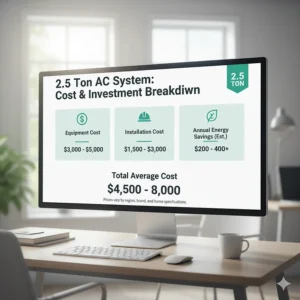
Evaluating 2.5 ton air conditioner investments requires comprehensive analysis extending beyond initial purchase prices to include installation costs, operating expenses, maintenance requirements, and potential repair costs over the system’s expected lifespan. This total cost of ownership (TCO) approach provides more accurate investment comparisons between different efficiency levels and technology options.
Purchase price typically represents 30-40% of total system cost, with installation accounting for 40-50% and operating costs comprising the remaining 10-20% over a 15-year period. However, these proportions vary significantly based on local labor rates, utility costs, and system utilization patterns. High-efficiency systems often show lower TCO despite higher initial costs due to energy savings over their operational life.
Financing options can influence purchase decisions through monthly payment structures that may be offset by energy savings. Many manufacturers and contractors offer financing programs with competitive rates for qualified buyers. Utility rebate programs and tax incentives can further reduce effective system costs, improving the value proposition for high-efficiency systems.
Return on Investment Calculations
ROI analysis for 2.5 ton air conditioner upgrades depends on several key factors including current system efficiency, local energy costs, system utilization hours, and expected equipment life. Upgrading from a 10 SEER system to 16 SEER2 equipment typically provides 10-15% annual returns through energy savings, making it attractive compared to many investment alternatives.
Simple payback calculations help evaluate investment timeframes, though more sophisticated net present value (NPV) analysis provides better long-term investment perspectives. NPV calculations consider the time value of money and can incorporate escalating energy costs, maintenance savings, and potential utility rebates or tax benefits.
Regional variations in utility rates significantly impact ROI calculations, with areas having higher electricity costs showing shorter payback periods for efficiency improvements. Time-of-use utility rates may enhance savings for systems with smart controls that can shift operation to off-peak periods, further improving investment returns.
Budget Planning and Financing Strategies
Comprehensive budget planning for 2.5 ton air conditioner projects should include contingencies for potential complications such as electrical upgrades, ductwork modifications, or permit requirements. Professional contractors provide detailed estimates that help homeowners plan appropriately for their specific installations.
Seasonal timing affects both equipment availability and installation costs, with shoulder seasons (spring and fall) often providing better contractor availability and potentially lower prices. However, emergency replacements during peak cooling seasons may necessitate accepting higher costs for immediate installation.
Multiple financing approaches enable homeowners to select optimal payment structures for their situations. Options include traditional loans, manufacturer financing programs, utility on-bill financing, and energy-efficient mortgage products that may offer favorable terms for qualifying systems and buyers.
Long-Term Value Optimization
Maximizing long-term value requires balancing initial investment with operational efficiency, maintenance requirements, and expected system life. Premium efficiency systems often provide superior value despite higher purchase prices, particularly in regions with high energy costs or extended cooling seasons.
Maintenance contract evaluation helps optimize long-term costs while ensuring proper system care. Quality maintenance programs can extend system life by 20-30% while reducing energy consumption and emergency repair costs. The modest annual cost of maintenance contracts typically provides excellent value compared to potential repair expenses.
Technology evolution considerations suggest avoiding obsolete systems or controls that may lack future support. Selecting equipment from established manufacturers with strong service networks helps ensure long-term parts availability and service support. Smart-enabled systems provide future upgrade paths as home automation technology continues advancing.
💰 Ready to Upgrade Your Comfort?
→ These premium 2.5 ton air conditioner systems represent today’s best technology and value. Click any product name above to explore current pricing and customer reviews on Amazon. Don’t let another summer pass with inadequate cooling! 🔥❄️
Frequently Asked Questions ❓
❓ How much electricity does a 2.5 ton air conditioner use per hour?
❓ What size house can a 2.5 ton air conditioner cool effectively?
❓ How long should a 2.5 ton air conditioner last with proper maintenance?
❓ Can I install a 2.5 ton air conditioner myself to save money?
❓ What's the difference between SEER and SEER2 ratings for 2.5 ton units?
Recommended for You
- 2 Ton Air Conditioner: 7 Best Models for Ultimate Home Cooling in 2025
- 7 Best Dometic Marine Air Conditioner Systems For Ultimate Boat Comfort in 2025
- 7 Best Marine Air Conditioner Systems That Actually Work in 2025
Disclaimer: This article contains affiliate links. If you purchase products through these links, we may earn a small commission at no additional cost to you.
🌟 Transform Your Home Comfort Today!
→ Don’t endure another uncomfortable summer! These expertly selected 2.5 ton air conditioner systems combine proven reliability with modern efficiency. Click on any highlighted product to check Amazon’s latest pricing and customer reviews. Your family deserves consistent, energy-efficient cooling that lasts for years to come! 🏠❄️
✨ Found this helpful? Share it with your friends! 💬🤗
