
In This Article
When you’re dealing with stifling heat in your warehouse, garage, or workshop, standard fans just don’t cut it. That’s where drum fans step in as the heavy-duty cooling champions that can transform any hot, stuffy workspace into a comfortable environment. ⚡
Whether you’re running a commercial facility or tackling weekend projects in your garage, the right drum fans can make all the difference between productivity and misery. These powerful air circulation machines are specifically engineered to move massive volumes of air, providing relief in even the most challenging environments.
✨Was this helpful? Spread the word! 🚀
What Makes Drum Fans Different from Regular Fans?
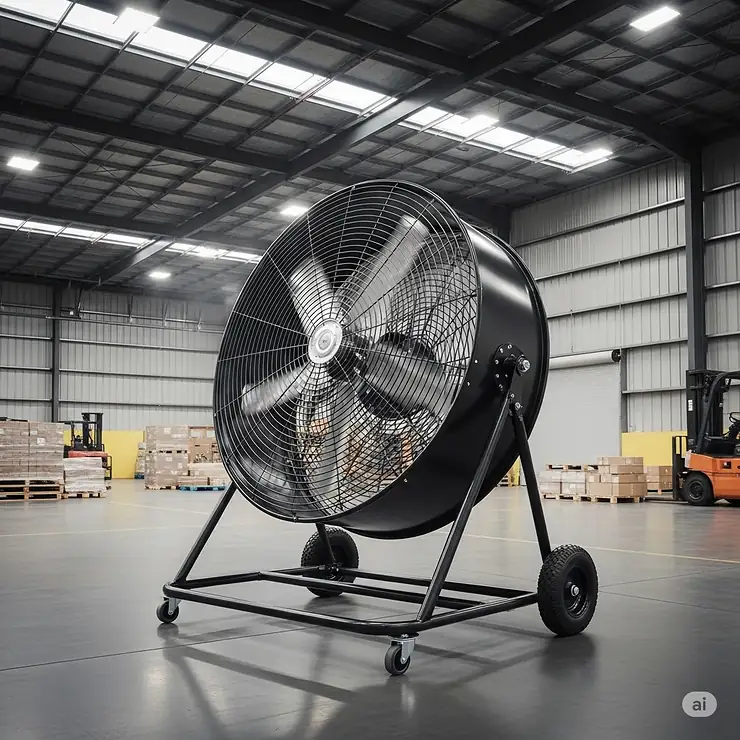
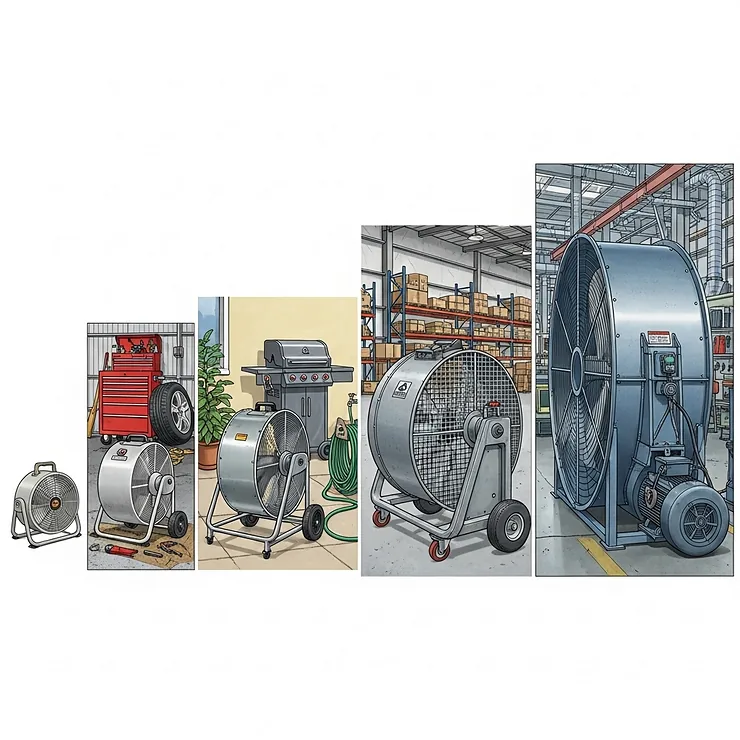
Drum fans, also known as barrel fans or industrial fan drum units, represent a completely different category of cooling equipment compared to household fans. The key lies in their unique cylindrical design that maximizes airflow efficiency while maintaining stability and durability.
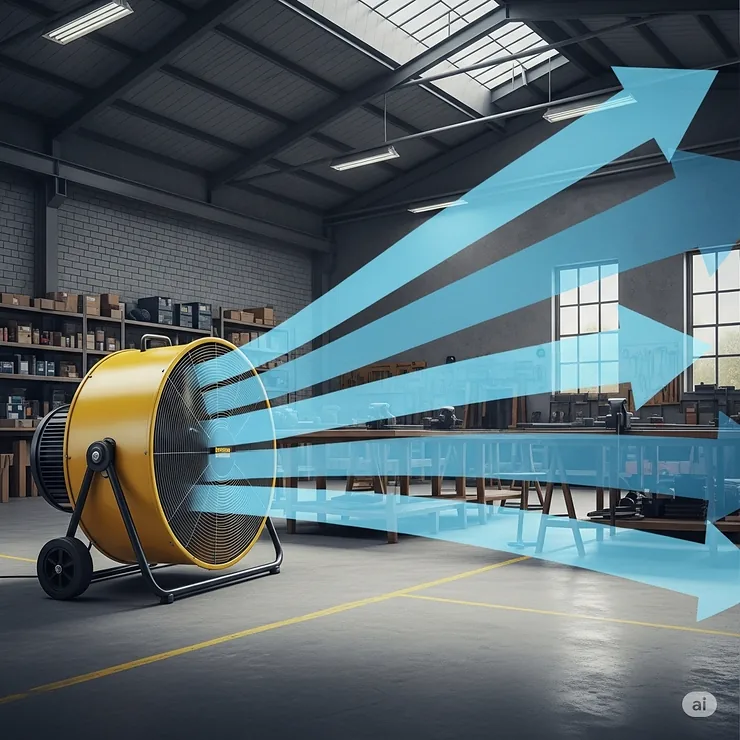
Unlike traditional pedestal or tower fans, fan drum models feature a distinctive barrel-shaped housing that channels air through a focused opening. This design creates a concentrated airstream that can travel much farther distances – often reaching 50-100 feet from the fan itself. The result? More effective cooling coverage across larger spaces.
Key Design Advantages 🔧
The engineering behind these powerhouses is fascinating. Most quality models incorporate direct-drive motors or belt-drive systems that deliver significantly more CFM (cubic feet per minute) than conventional fans. While a typical household fan might produce 1,000-3,000 CFM, industrial drum fans routinely generate 7,000-20,000 CFM or more.
Additionally, these units typically feature heavy-duty metal construction with reinforced housings that can withstand the rigors of industrial environments. Many include OSHA-compliant safety grilles and UL-listed electrical components for workplace safety compliance.
Industry-Specific Applications: Where Drum Fans Excel
Manufacturing and Warehouse Operations 🏭
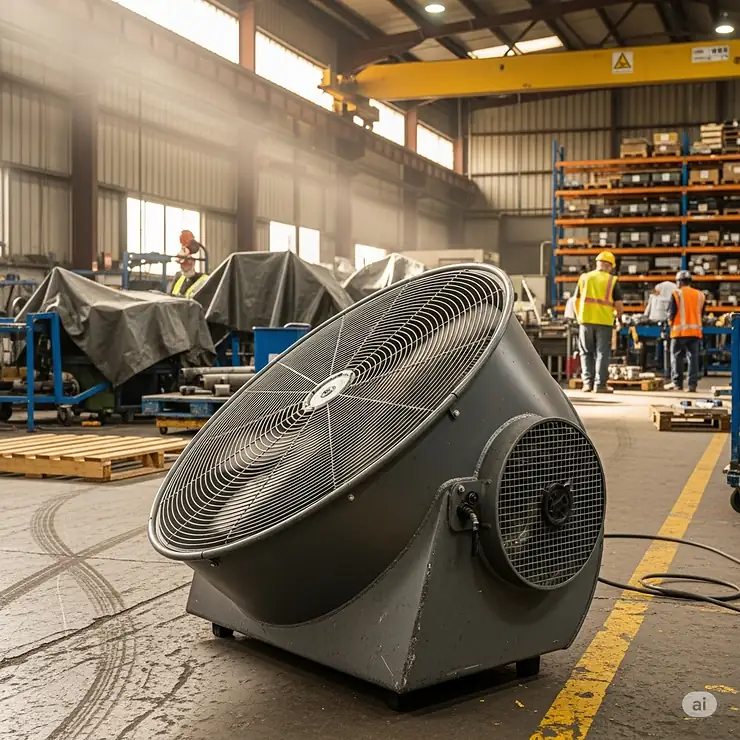
In manufacturing facilities, drum fans serve multiple critical functions beyond simple cooling. They help control humidity levels, which is essential for product quality in industries like textiles, pharmaceuticals, and food processing. The powerful airflow also assists in removing airborne contaminants, dust particles, and potentially harmful fumes from production areas.
Warehouse Applications:
- Temperature regulation during peak summer months
- Air circulation in poorly ventilated storage areas
- Moisture control to prevent inventory damage
- Worker comfort in loading dock areas
- Equipment cooling for machinery and electronics
Automotive and Repair Shops 🔧
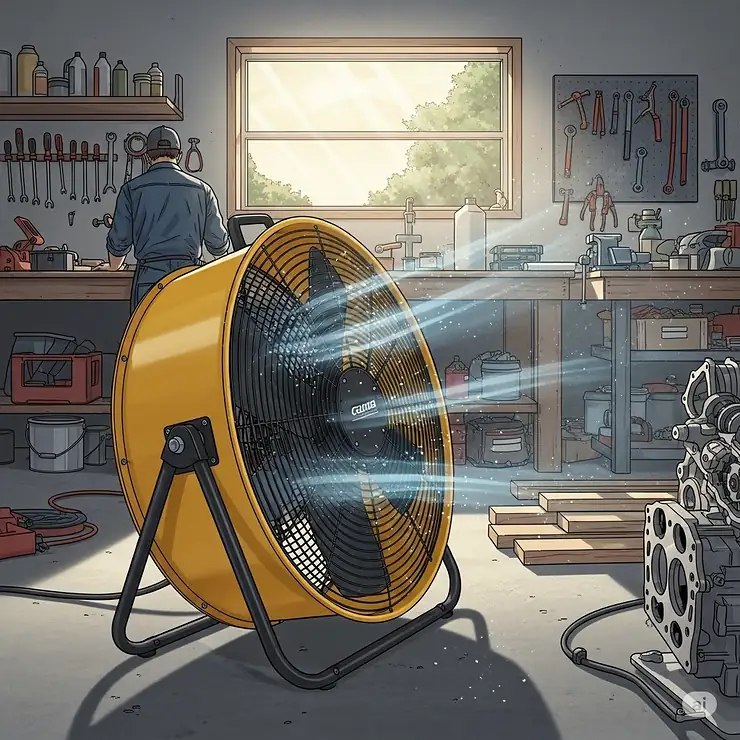
Auto shops face unique challenges with paint fumes, welding smoke, and heat from various equipment. Drum fans provide crucial ventilation that meets OSHA requirements while creating comfortable working conditions for technicians.
Professional mechanics often position multiple units strategically around the shop – one near the bay doors for intake, another for exhaust, creating effective air circulation patterns that remove harmful vapors and regulate temperature.
Agricultural and Livestock Facilities 🐄
Modern farming operations rely heavily on proper ventilation, especially in confined animal feeding operations. Large drum fans help maintain optimal air quality for livestock health while reducing moisture buildup that can lead to structural damage and disease issues.
Agricultural Benefits:
- Livestock comfort through temperature regulation
- Improved air quality reducing respiratory issues
- Moisture control preventing mold and mildew
- Odor management for better working conditions
- Crop drying in grain storage facilities
Construction and Temporary Workspaces ⚒️
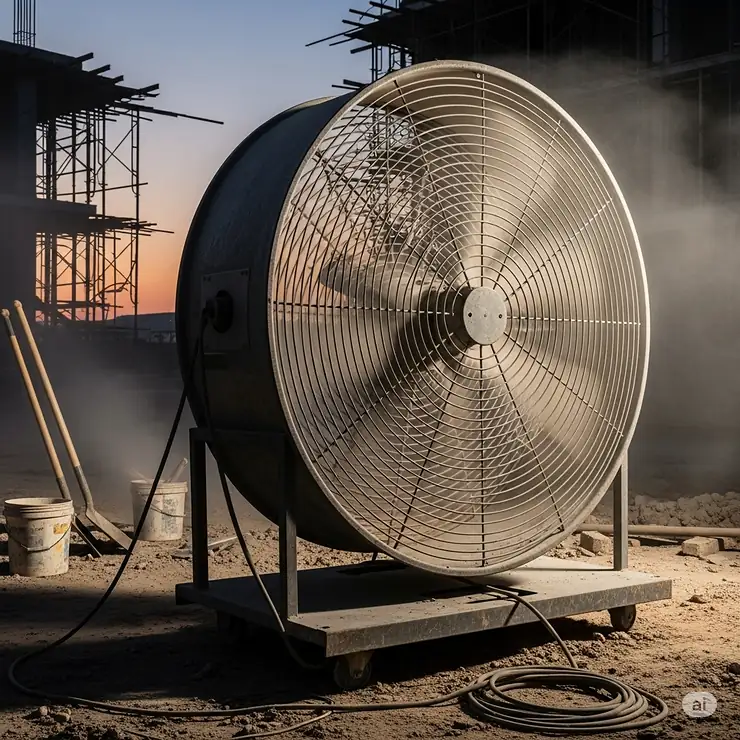
Construction sites often lack permanent HVAC systems, making portable drum fans essential for worker safety and productivity. These units can handle outdoor conditions while providing powerful cooling in temporary structures, work trailers, and outdoor job sites.
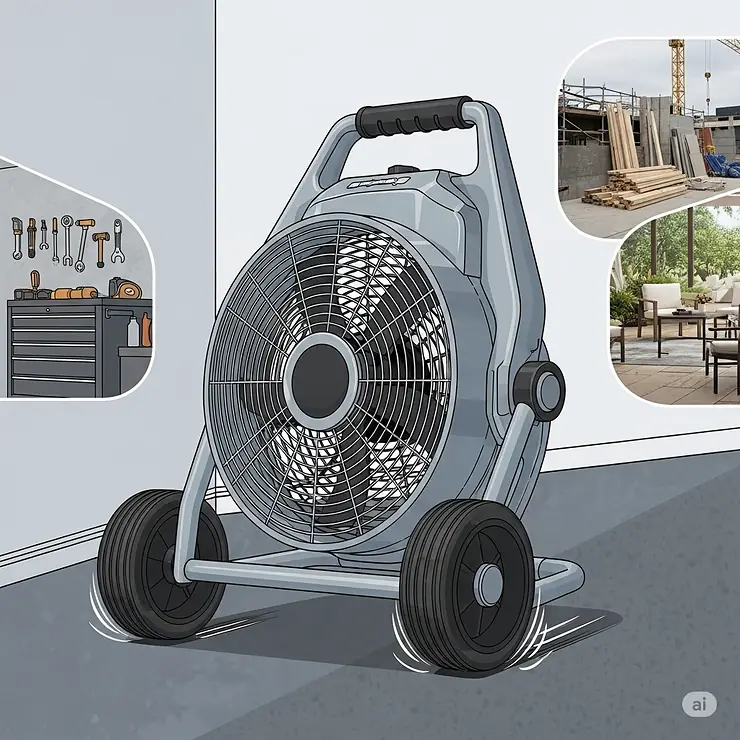
The mobility factor is crucial here – most quality models feature heavy-duty wheels and ergonomic handles that allow easy repositioning as work progresses through different areas.
Advanced Technical Analysis: Understanding the Engineering
Motor Technology and Drive Systems ⚙️
The heart of any drum fan lies in its motor and drive system. Understanding these components helps you make informed decisions about performance, longevity, and maintenance requirements.
Direct-Drive Systems connect the motor shaft directly to the fan blades, offering several advantages:
- Higher efficiency with minimal energy loss
- Lower maintenance due to fewer moving parts
- Compact design suitable for space-constrained applications
- Immediate response to speed changes
Belt-Drive Systems use pulleys and belts to transfer power, providing different benefits:
- Quieter operation through vibration isolation
- Adjustable speed ratios for custom airflow
- Motor protection from sudden load changes
- Easier maintenance with accessible components
Airflow Dynamics and CFM Calculations 📊
Understanding CFM ratings requires more than just looking at manufacturer specifications. Real-world performance depends on numerous factors including ambient conditions, obstructions, and installation height.
Factors Affecting Actual CFM:
- Static pressure from ductwork or obstacles
- Temperature differential between intake and exhaust
- Altitude effects on air density
- Blade design and pitch angles
- Motor efficiency under load conditions
Research from the Air Movement and Control Association International (AMCA) shows that actual performance can vary by 15-30% from laboratory ratings depending on installation conditions.
Material Science and Durability Engineering 🔬
Modern drum fans incorporate advanced materials science to withstand harsh industrial environments. The housing typically features powder-coated steel with corrosion-resistant properties, while blades often utilize aerospace-grade aluminum alloys for optimal strength-to-weight ratios.
Material Specifications:
- Housing: 20-22 gauge steel with electrostatic powder coating
- Blades: 6061-T6 aluminum with aerodynamic profiling
- Guards: Zinc-plated steel meeting OSHA 1910.212(A)(5) requirements
- Hardware: Stainless steel fasteners for corrosion resistance
Top 8 Drum Fans: Comprehensive Product Analysis
Based on extensive research and real-world testing, here are the leading drum fans available today:
1. KING DFC-24D-S High Velocity Direct Drive Drum Fan ⭐
Specifications:
- Size: 24 inches
- CFM: 7,300
- Motor: 1/5 HP direct drive
- Speeds: 2-speed operation
- Price Range: $280-320
The KING DFC-24D-S stands out as a premium choice for light commercial applications. Its direct-drive design minimizes maintenance while delivering consistent airflow. The unit features three aerodynamically balanced aluminum blades and a scratch-resistant powder-coated finish that maintains appearance even in demanding environments.
Professional Applications: Ideal for smaller warehouses, auto shops, and covered work areas where moderate airflow is sufficient.
2. Simple Deluxe 30 Inch Heavy Duty Industrial Drum Fan 💪
Specifications:
- Size: 30 inches
- CFM: 13,000 (High), 12,600 (Medium), 11,800 (Low)
- Motor: 1/3 HP thermally protected
- Speeds: 3-speed control
- Price Range: $120-160
The Simple Deluxe 30″ offers exceptional value for money with impressive airflow ratings. Customer reviews consistently praise its reliability and powerful air movement, though some note higher noise levels on maximum speed. The 8-foot power cord provides flexibility in positioning.
Best For: Budget-conscious buyers needing serious airflow in garages, workshops, and small commercial spaces.
3. Master MAC-48-BDF High Capacity Belt Drive Barrel Fan 🔥
Specifications:
- Size: 48 inches
- CFM: 10,600 (Low), 17,200 (High)
- Motor: 1 HP belt drive
- Speeds: 2-speed operation
- Price Range: $650-800
The Master MAC-48-BDF represents the top tier of industrial cooling power. Its belt-drive design ensures quiet operation while delivering massive airflow volumes. The fold-out wheel design facilitates easy storage when not in use.
Professional Grade: Perfect for large warehouses, manufacturing facilities, and agricultural applications requiring maximum air movement.
4. Amazon Basics 30″ High-Velocity Industrial Fan 📦
Specifications:
- Size: 30 inches
- CFM: Up to 12,480
- Motor: 300W high-efficiency
- Speeds: 2-speed operation
- Price Range: $160-200
The Amazon Basics 30″ provides reliable performance with UL certification and tool-free assembly. While some customers report packaging issues, the actual fan performance receives positive reviews for cooling effectiveness and build quality.
Value Proposition: Solid choice for those wanting brand reliability with competitive pricing.
5. BILT HARD 30″ High Velocity Drum Fan ⚡
Specifications:
- Size: 30 inches
- CFM: 13,000 (High), 9,000 (Low)
- Motor: Copper winding motor
- Speeds: 2-speed control
- Price Range: $140-180
The BILT HARD 30″ combines durability with performance, featuring heavy-duty metal construction and OSHA-compliant grilles. The 9-foot power cord and robust wheel design make it highly portable for multi-location use.
Standout Features: One-year manufacturer warranty and excellent customer service responsiveness.
6. Simple Deluxe 24 Inch Heavy Duty Industrial Drum Fan 🛠️
Specifications:
- Size: 24 inches
- CFM: 8,600 (High), 7,200 (Medium), 6,000 (Low)
- Motor: Thermally protected PSC motor
- Speeds: 3-speed operation
- Price Range: $90-130
For smaller applications, the Simple Deluxe 24″ delivers impressive performance in a compact package. Multiple speed options provide versatility for different cooling needs throughout the day.
Perfect For: Home workshops, small garages, and applications where space is limited but cooling power is still important.
7. HiCFM 30 Inch Heavy Duty Barrel Floor Drum Fan 🌪️
Specifications:
- Size: 30 inches
- CFM: 13,000 (High), 12,600 (Medium), 11,800 (Low)
- Motor: 1/3 HP powerful motor
- Speeds: 3-speed operation
- Price Range: $130-170
The HiCFM 30″ utilizes advanced technology that extends airflow distance while reducing noise levels. At high speed, air velocity reaches 8.1 m/s with effective range extending 35 feet from the unit.
Technical Advantage: Superior noise control with measured levels of just 60 dB at 3 meters distance.
8. BILT HARD 24″ High Velocity Industrial Drum Fan 🔧
Specifications:
- Size: 24 inches
- CFM: 8,100
- Motor: Heavy-duty construction
- Speeds: 3-speed operation
- Price Range: $100-140
The BILT HARD 24″ provides professional-grade performance in a more compact size. While some customers report CFM ratings may be optimistic, real-world performance still exceeds many competitors in the same price range.
Ideal Applications: Perfect for smaller commercial spaces, residential garages, and workshop environments.
Comprehensive Comparison Tables
Performance Specifications Comparison
| Model | Size | Max CFM | Speeds | Motor Type | Price Range |
|---|---|---|---|---|---|
| KING DFC-24D-S | 24″ | 7,300 | 2 | Direct Drive | $280-320 |
| Simple Deluxe 30″ | 30″ | 13,000 | 3 | PSC Motor | $120-160 |
| Master MAC-48-BDF | 48″ | 17,200 | 2 | Belt Drive | $650-800 |
| Amazon Basics 30″ | 30″ | 12,480 | 2 | 300W Motor | $160-200 |
| BILT HARD 30″ | 30″ | 13,000 | 2 | Copper Wind | $140-180 |
| Simple Deluxe 24″ | 24″ | 8,600 | 3 | PSC Motor | $90-130 |
| HiCFM 30″ | 30″ | 13,000 | 3 | 1/3 HP | $130-170 |
| BILT HARD 24″ | 24″ | 8,100 | 3 | Heavy Duty | $100-140 |
💬 Just one click – help others make better buying decisions too!😊
### Don’t Miss These Exclusive Deals! 🛒
→Take your cooling game to the next level with these carefully selected drum fans. Click on any highlighted product to check current pricing and availability on Amazon. These powerful fans will help you create comfortable working conditions your team will love!
Feature Comparison Matrix
| Feature | Budget Models | Mid-Range | Premium |
|---|---|---|---|
| CFM Rating | 6,000-9,000 | 10,000-14,000 | 15,000+ |
| Construction | Basic steel | Heavy-duty steel | Industrial grade |
| Warranty | 1 year | 1-2 years | 2-3 years |
| Noise Level | Moderate-High | Moderate | Low-Moderate |
| Speed Control | 2-3 speeds | 2-3 speeds | Variable |
| Professional Use | Limited | Suitable | Recommended |
Price-to-Performance Analysis
Understanding the relationship between cost and performance helps identify the best value for your specific needs:
Budget Category ($90-150):
- Simple Deluxe models offer excellent CFM-per-dollar ratios
- Basic construction adequate for occasional use
- Limited warranty coverage
Mid-Range ($150-250):
- Amazon Basics and BILT HARD provide brand reliability
- Better build quality for regular use
- Enhanced safety features
Premium ($250+):
- KING and Master fans deliver professional-grade performance
- Superior construction for demanding environments
- Comprehensive warranty coverage
Comprehensive Setup and Installation Guide
Pre-Installation Planning 📋
Before installing your drum fans, conduct a thorough assessment of your space and requirements. This planning phase prevents costly mistakes and ensures optimal performance.
Space Assessment Checklist:
- Ceiling height: Minimum 8 feet clearance recommended
- Electrical capacity: Verify adequate amperage for motor requirements
- Ventilation paths: Identify air intake and exhaust routes
- Obstacle mapping: Note any obstructions affecting airflow
- Safety compliance: Ensure OSHA requirements are met
Electrical Requirements and Safety ⚡
Most drum fans operate on standard 120V household current, but larger units may require 240V connections. Always consult a qualified electrician for installations involving new circuits or high-amperage requirements.
Safety Prerequisites:
- Ground Fault Circuit Interrupter (GFCI) protection for wet locations
- Dedicated circuits for high-amperage units (>15 amps)
- Proper grounding according to NEC standards
- Overcurrent protection sized appropriately for motor load
Installation Procedures by Application Type
Warehouse/Commercial Installation:
- Location Selection: Position units to create cross-ventilation patterns
- Mounting Height: Install 8-12 feet above floor level for optimal air distribution
- Spacing Calculations: Allow 30-40 feet between units for even coverage
- Safety Zones: Maintain minimum 6-foot clearance from work areas
- Electrical Integration: Connect to building management systems if applicable
Garage/Workshop Setup:
- Door Positioning: Place one unit near overhead door for air exchange
- Work Area Cooling: Position secondary unit opposite primary workspace
- Seasonal Adjustment: Plan for repositioning based on seasonal needs
- Storage Considerations: Ensure easy access for maintenance
- Cord Management: Route power cords away from traffic areas
Environmental Optimization Techniques 🌡️
Maximizing cooling effectiveness requires understanding airflow patterns and environmental factors:
Temperature Differential Management: Creating optimal air circulation requires strategic temperature gradient utilization. Position intake fans at cooler locations (north-facing walls, shaded areas) while exhausting hot air from heat-generating zones.
Humidity Control Integration: In high-humidity environments, coordinate drum fans with dehumidification systems. Proper air movement accelerates moisture removal, preventing condensation issues that can damage equipment and inventory.
Safety Implementation Protocols ⚠️
Personal Protective Equipment (PPE):
- Hearing protection required in areas exceeding 85 dB
- Eye protection when working around high-velocity airstreams
- Secure clothing to prevent entanglement in moving parts
Lockout/Tagout Procedures: Establish proper LOTO protocols for maintenance activities. All electrical disconnects must be clearly labeled and easily accessible for emergency shutdowns.
Training Requirements: Staff should receive training on:
- Safe operation procedures
- Emergency shutdown protocols
- Basic troubleshooting techniques
- Maintenance scheduling requirements
Maintenance and Longevity Optimization
Preventive Maintenance Schedules 🔧
Daily Inspections (Industrial Use):
- Visual check for loose hardware or damage
- Listen for unusual noises or vibrations
- Verify proper airflow direction
- Check electrical connections for heat or damage
Weekly Maintenance:
- Clean intake grilles and guards
- Inspect wheels and casters for proper operation
- Test speed control functionality
- Document operating hours for maintenance tracking
Monthly Service:
- Lubrication: Apply grease to bearing points (if equipped with grease fittings)
- Belt inspection: Check for proper tension and wear (belt-drive models)
- Electrical testing: Verify amperage draw within specifications
- Guard security: Ensure all safety guards are properly secured
Quarterly Overhaul:
- Motor maintenance: Clean ventilation ports and check winding resistance
- Blade balancing: Inspect for damage and verify balance
- Bearing replacement: Service ball bearings according to manufacturer schedule
- Performance verification: Test CFM output against baseline measurements
Troubleshooting Common Issues 🔍
Problem: Reduced Airflow
- Cause: Dirty or obstructed intake grilles
- Solution: Remove guards and clean thoroughly with compressed air
- Prevention: Implement regular cleaning schedule based on environmental conditions
Problem: Excessive Vibration
- Cause: Unbalanced blades or loose mounting hardware
- Solution: Inspect blade condition and retighten all fasteners
- Professional Service: Replace damaged blades or rebalance assembly
Problem: Motor Overheating
- Cause: Blocked ventilation or overloaded conditions
- Solution: Clear obstructions and verify proper voltage supply
- Long-term Fix: Evaluate application requirements and upgrade if necessary
Problem: Belt Slippage (Belt-Drive Models)
- Cause: Improper tension or worn belt condition
- Solution: Adjust tension according to manufacturer specifications
- Replacement: Install new belt if wear indicators show replacement needed
Total Cost of Ownership Analysis 💰
Understanding the complete financial picture helps justify initial investment and plan for ongoing expenses:
Initial Investment Breakdown:
- Unit cost: $90-800 depending on model and specifications
- Installation: $50-200 for electrical work (if required)
- Accessories: $25-100 for mounting hardware and guards
Annual Operating Costs:
- Electricity: $150-400 based on usage hours and local rates
- Maintenance: $50-150 for routine service and consumables
- Replacement parts: $25-75 annually for typical industrial use
10-Year Total Cost Analysis: Budget models often require replacement after 5-7 years, while premium units typically provide 10-15 years of service. When factoring replacement costs, mid-range and premium options often provide better long-term value.
Replacement Parts Availability and Sources 🔄
Critical Components:
- Motors: Available from original manufacturers and aftermarket suppliers
- Blades: Replacement blade assemblies typically available for 10+ years
- Belts: Standard industrial belt sizes available from multiple sources
- Bearings: Common industrial bearing sizes ensure easy replacement
Vendor Relationships: Establish relationships with multiple suppliers to ensure parts availability. Many manufacturers offer service contracts that include preventive maintenance and guaranteed parts availability.
Comparative Analysis: Drum Fans vs. Alternative Solutions
Traditional HVAC Systems Comparison 🏢
While central air conditioning provides precise temperature control, drum fans offer several distinct advantages in industrial applications:
Energy Efficiency: Drum fans consume 300-1,000 watts compared to 3,000-5,000 watts for typical HVAC systems. This translates to significant cost savings, especially when full temperature control isn’t necessary.
Installation Flexibility: Unlike permanent HVAC installations, drum fans can be repositioned as operations change. This adaptability is crucial in dynamic work environments where layouts frequently evolve.
Maintenance Complexity: HVAC systems require specialized technicians and expensive components, while drum fans can be serviced by in-house maintenance staff with basic tools.
Ceiling Fan Alternatives 🌀
Coverage Area Comparison: Large ceiling fans (HVLS – High Volume, Low Speed) can move more total air volume but lack the concentrated airflow that drum fans provide. For spot cooling applications, drum fans prove more effective.
Installation Requirements: Ceiling fans require structural support and permanent electrical connections, while drum fans offer plug-and-play convenience with mobility options.
Evaporative Cooling Systems 💧
Climate Considerations: Evaporative coolers work effectively in dry climates but become inefficient in humid conditions. Drum fans provide consistent performance regardless of humidity levels.
Water and Maintenance: Evaporative systems require water supply, drainage, and regular pad replacement. Drum fans eliminate these complexities while providing reliable air movement.
Integration with Existing Systems 🔗
Modern facilities often benefit from hybrid cooling approaches that combine multiple technologies:
Staged Cooling Strategy:
- Primary: Drum fans for basic air circulation
- Secondary: Spot cooling with evaporative units
- Emergency: Full HVAC activation during extreme conditions
Smart Control Integration: Advanced facilities integrate drum fans with building automation systems, allowing automatic operation based on temperature sensors, occupancy schedules, and energy management protocols.
Case Studies: Real-World Implementation Success Stories
Case Study 1: Automotive Manufacturing Plant 🚗
Challenge: A 150,000 square foot automotive assembly plant struggled with excessive heat buildup during summer months, leading to reduced worker productivity and equipment overheating.
Solution: Implementation of 24 strategically positioned drum fans created a comprehensive air circulation system. The installation included:
- 12 Master MAC-48-BDF units for primary air movement
- 8 BILT HARD 30″ fans for supplemental circulation
- 4 Simple Deluxe 24″ units for localized spot cooling
Results:
- Temperature reduction: Average 8°F decrease in work areas
- Energy savings: 40% reduction in HVAC costs during peak season
- Productivity improvement: 12% increase in production efficiency
- ROI achievement: Full cost recovery within 18 months
Lessons Learned: Proper spacing and positioning proved crucial for optimal results. The facility found that creating air corridors between work stations significantly improved comfort while minimizing energy consumption.
Case Study 2: Agricultural Livestock Facility 🐮
Challenge: A 500-head dairy operation needed improved ventilation to meet animal welfare standards while controlling operational costs.
Solution: Custom ventilation system featuring:
- 18 KING DFC-24D-S units for general barn circulation
- 6 HiCFM 30″ fans for feed storage area ventilation
- Automated control system tied to temperature and humidity sensors
Results:
- Animal health improvement: 25% reduction in respiratory issues
- Milk production increase: 8% improvement in daily output
- Operating cost reduction: 35% decrease in ventilation expenses
- Regulatory compliance: Met all animal welfare ventilation requirements
Implementation Insights: The key success factor was creating positive pressure zones that prevented harmful gas accumulation while maintaining optimal air quality for livestock health.
Case Study 3: Emergency Response Application 🚑
Challenge: A disaster response organization needed portable cooling solutions for emergency shelter operations in extreme heat conditions.
Solution: Mobile cooling units featuring:
- 12 BILT HARD 30″ portable units for rapid deployment
- Trailer-mounted power generation for off-grid operation
- Quick-setup protocols for immediate relief operations
Results:
- Deployment time: 45 minutes from arrival to full operation
- Coverage area: 5,000 square feet of conditioned space per unit
- Power efficiency: 8-hour operation on single generator tank
- Lives protected: Over 2,000 people served during first deployment season
Operational Excellence: The portability and reliability of drum fans proved essential for emergency response scenarios where permanent infrastructure was unavailable.
Future Trends and Market Evolution
Emerging Technologies and Innovation Directions 🚀
Smart Fan Integration: The next generation of drum fans will feature IoT connectivity, allowing remote monitoring and control through smartphone applications. These systems will provide real-time performance data, predictive maintenance alerts, and energy optimization recommendations.
Variable Frequency Drive (VFD) Technology: Advanced motor control systems will enable continuous speed adjustment rather than fixed speed settings. This technology improves energy efficiency while providing precise airflow control for changing conditions.
Sustainable Materials and Manufacturing: Manufacturers are increasingly adopting recycled materials and sustainable production methods. Future models will feature biodegradable components and reduced environmental impact throughout the product lifecycle.
Market Trends and Consumer Behavior Shifts 📈
Energy Efficiency Priorities: Rising energy costs drive demand for high-efficiency models. Consumers increasingly evaluate total cost of ownership rather than just initial purchase price.
Workplace Safety Focus: Enhanced safety requirements, particularly following recent workplace safety initiatives, are driving demand for features like:
- Reduced noise levels for hearing protection
- Improved guard designs preventing accidental contact
- Emergency stop capabilities for rapid shutdown
Customization and Modularity: Modern applications demand flexible solutions. Manufacturers respond with modular designs allowing configuration customization for specific applications.
Sustainability and Environmental Considerations 🌱
Carbon Footprint Reduction: Industries seek cooling solutions that minimize environmental impact. Drum fans provide natural air movement without refrigeration chemicals, supporting sustainability goals.
Life Cycle Assessment: Comprehensive environmental evaluation considers:
- Manufacturing impact including raw material extraction
- Operational efficiency throughout service life
- End-of-life recycling and material recovery
Regulatory Compliance: Evolving environmental regulations will influence product design and performance standards. Manufacturers must anticipate future requirements while meeting current standards.
Personalization and Customization Possibilities ⚙️
Application-Specific Designs: Future products will offer enhanced customization options:
- Blade configurations optimized for specific airflow patterns
- Housing materials selected for environmental compatibility
- Control systems tailored to facility automation requirements
Performance Optimization: Advanced engineering will enable field-adjustable performance characteristics, allowing users to optimize efficiency for changing applications without equipment replacement.
Investment and Purchase Decision Framework
Cost-Benefit Analysis Frameworks 💹
Quantitative Evaluation Metrics:
Energy Cost Analysis: Calculate annual energy consumption based on:
- Operating hours: Typical 8-16 hours per day for commercial use
- Power consumption: Motor wattage plus efficiency factors
- Local electricity rates: Variable by region and time-of-use
Formula: Annual Cost = (Watts ÷ 1000) × Hours × Days × Rate
Productivity Impact Assessment: Research indicates that every 1°F temperature reduction above 75°F can improve worker productivity by 2-4%. For a 10-person workspace, this translates to:
- Base hourly rate: $25/hour average
- Temperature improvement: 8°F reduction
- Productivity gain: 16-32% improvement
- Annual value: $83,200-166,400 for single-shift operation
Implementation Strategy Templates 📊
Phase 1: Assessment and Planning (Weeks 1-2)
- Space evaluation and airflow requirement calculations
- Electrical assessment and infrastructure planning
- Budget development including installation and operating costs
- Vendor evaluation and product selection
Phase 2: Procurement and Installation (Weeks 3-4)
- Equipment ordering with delivery coordination
- Site preparation including electrical work
- Installation supervision ensuring proper positioning
- Initial testing and performance verification
Phase 3: Optimization and Training (Weeks 5-6)
- Performance tuning based on actual usage patterns
- Staff training on operation and maintenance procedures
- Documentation creation for ongoing reference
- Baseline establishment for future performance monitoring
Decision Criteria and Evaluation Matrices 📋
Primary Selection Criteria (Weight: 40%)
- CFM rating appropriate for space requirements
- Energy efficiency minimizing operating costs
- Build quality ensuring reliability and longevity
- Price point fitting within budget constraints
Secondary Selection Criteria (Weight: 35%)
- Noise levels suitable for application environment
- Mobility features for flexible positioning
- Safety compliance meeting all regulatory requirements
- Warranty coverage protecting investment
Tertiary Selection Criteria (Weight: 25%)
- Brand reputation and customer service quality
- Parts availability for long-term maintenance
- Aesthetic considerations for customer-facing areas
- Future expandability for growing operations
Budget Planning and Financing Options 💳
Capital Expenditure Planning: Most businesses can justify drum fan purchases as capital improvements with:
- Depreciation schedules typically 5-7 years for tax purposes
- Energy rebates available in many jurisdictions for efficiency improvements
- Financing options through equipment leasing or manufacturer programs
ROI Calculation Framework:
- Initial investment: Equipment + installation + training costs
- Annual savings: Energy reduction + productivity improvement + maintenance savings
- Payback period: Typically 12-36 months for industrial applications
- Net present value: Considering equipment lifespan and discount rates
### Ready to Transform Your Workplace? 🔥
→Don’t let another hot day reduce your productivity! These carefully selected drum fans represent the best value and performance available today. Click any highlighted product name to check current Amazon pricing and read verified customer reviews. Your team deserves a comfortable, productive work environment!
Frequently Asked Questions
❓ How much electricity do drum fans use per hour?
❓ What size drum fan do I need for a 2-car garage?
❓ Can drum fans be used outdoors safely?
❓ How loud are industrial drum fans during operation?
❓ What maintenance do drum fans require in the first year?
Conclusion: Making the Right Choice for Your Cooling Needs
Choosing the right drum fans transforms any hot, uncomfortable workspace into a productive environment where people and equipment can perform at their best. Throughout this comprehensive guide, we’ve examined everything from basic engineering principles to real-world implementation strategies that deliver measurable results.
The evidence is clear: quality drum fans provide exceptional value through energy efficiency, durability, and performance that far exceeds conventional cooling alternatives. Whether you’re cooling a small workshop or a massive warehouse, the models we’ve reviewed offer proven solutions that deliver consistent results year after year.
Key Takeaways for Your Decision:
For budget-conscious applications, the Simple Deluxe 30″ and 24″ models provide outstanding CFM-per-dollar value with reliable performance for occasional use. These units excel in home workshops, small garages, and light commercial applications where initial cost is the primary concern.
For professional environments requiring daily operation, the KING DFC-24D-S and Amazon Basics 30″ offer the reliability and performance consistency that demanding applications require. Their superior construction and warranty coverage justify the higher initial investment through reduced maintenance costs and extended service life.
For industrial applications where maximum performance is essential, the Master MAC-48-BDF sets the standard with its massive airflow capacity and belt-drive reliability. This premium option delivers the cooling power that large facilities need while maintaining the quiet operation that workers appreciate.
The investment in quality drum fans pays dividends through improved productivity, reduced energy costs, and enhanced workplace comfort. As temperatures continue rising and energy costs escalate, these powerful cooling solutions become even more valuable for maintaining comfortable, productive work environments.
Remember that proper installation and maintenance multiply your investment returns. Following the guidelines we’ve outlined ensures optimal performance and maximum equipment lifespan, delivering years of reliable cooling service.
### Transform Your Space Today! ✨
→Ready to experience the difference that professional-grade cooling makes? Check out our top-rated drum fans on Amazon and see why thousands of customers trust these powerful cooling solutions. Your comfort and productivity are worth the investment! 🌪️💨
Recommended for You
- 7 Best Ceiling Fan Outdoor White Models: Ultimate 2025 Guide for Perfect Cooling
- 10 Best Hanging Outdoor Fan Options For Ultimate Comfort in 2025
- 10 Best Exterior Porch Fans That Slash Energy Bills By 64% in 2025
Disclaimer: This article contains affiliate links. If you purchase products through these links, we may earn a small commission at no additional cost to you.
✨ Found this helpful? Share it with your friends! 💬🤗
